
EL CAPITXN is Breaking Through His Own History
Behind the boards and into the spotlight, the visionary producer breaks through his own past to redefine K-pop on his own terms




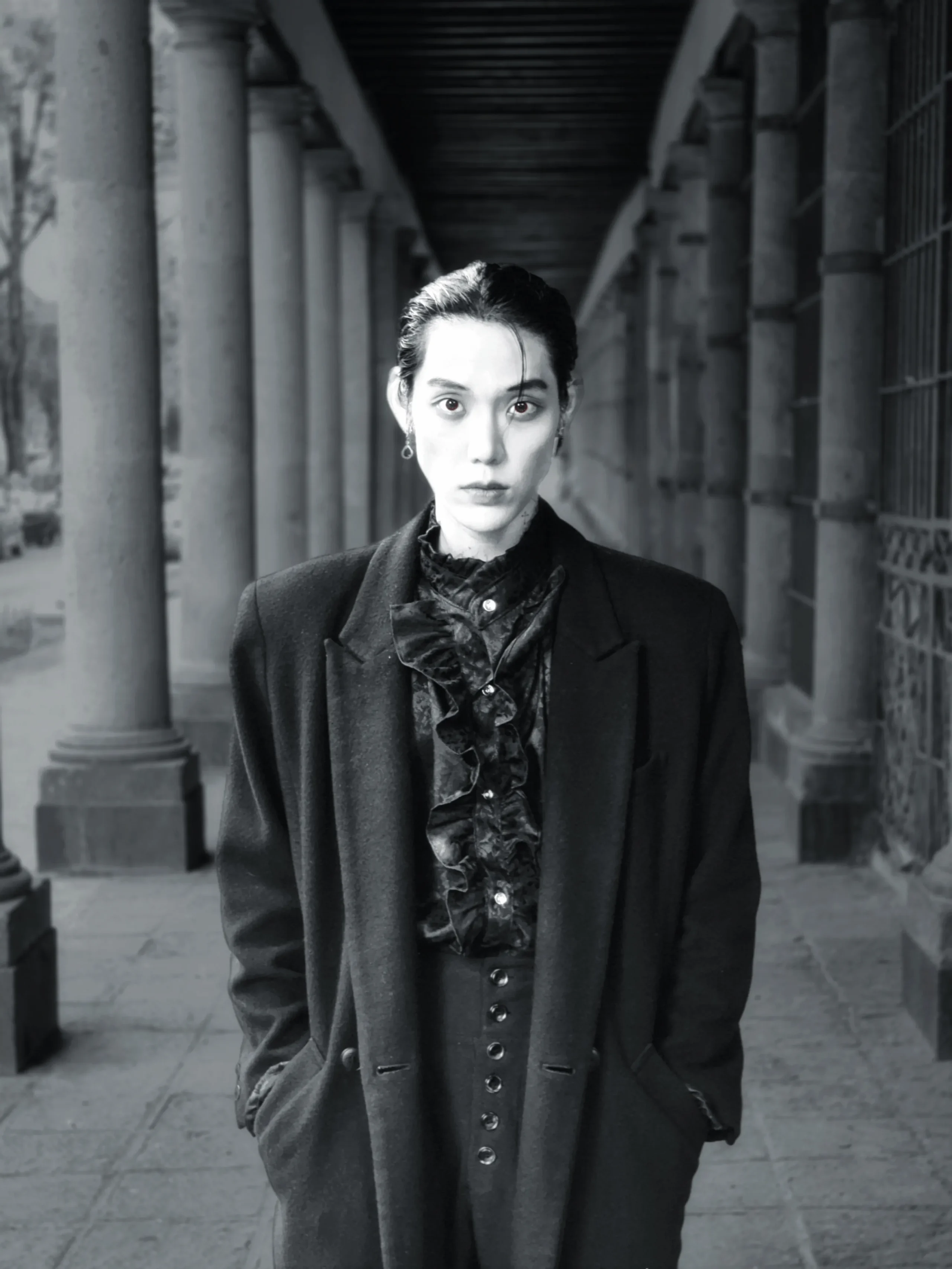
- EL CAPITXN rejected the limitations of being remembered solely as a HISTORY group member or a behind-the-scenes producer.
- He also prioritizes raw emotion and unmanageable energy over safely manicured sounds while leading the producer collective VENDORS.
- He focuses on natural sonic collisions that trigger immediate, instinctive physical reactions in his production philosophy.
- The BTS producer focused on genuine emotional connection, whether crafting tracks for human groups like tripleS or virtual idols like PLAVE.
- Serves as a declaration of rebirth and a refusal to conform to industry standards through his solo project, WHO KILLED EL?.
Breaking free from the boxes of the past
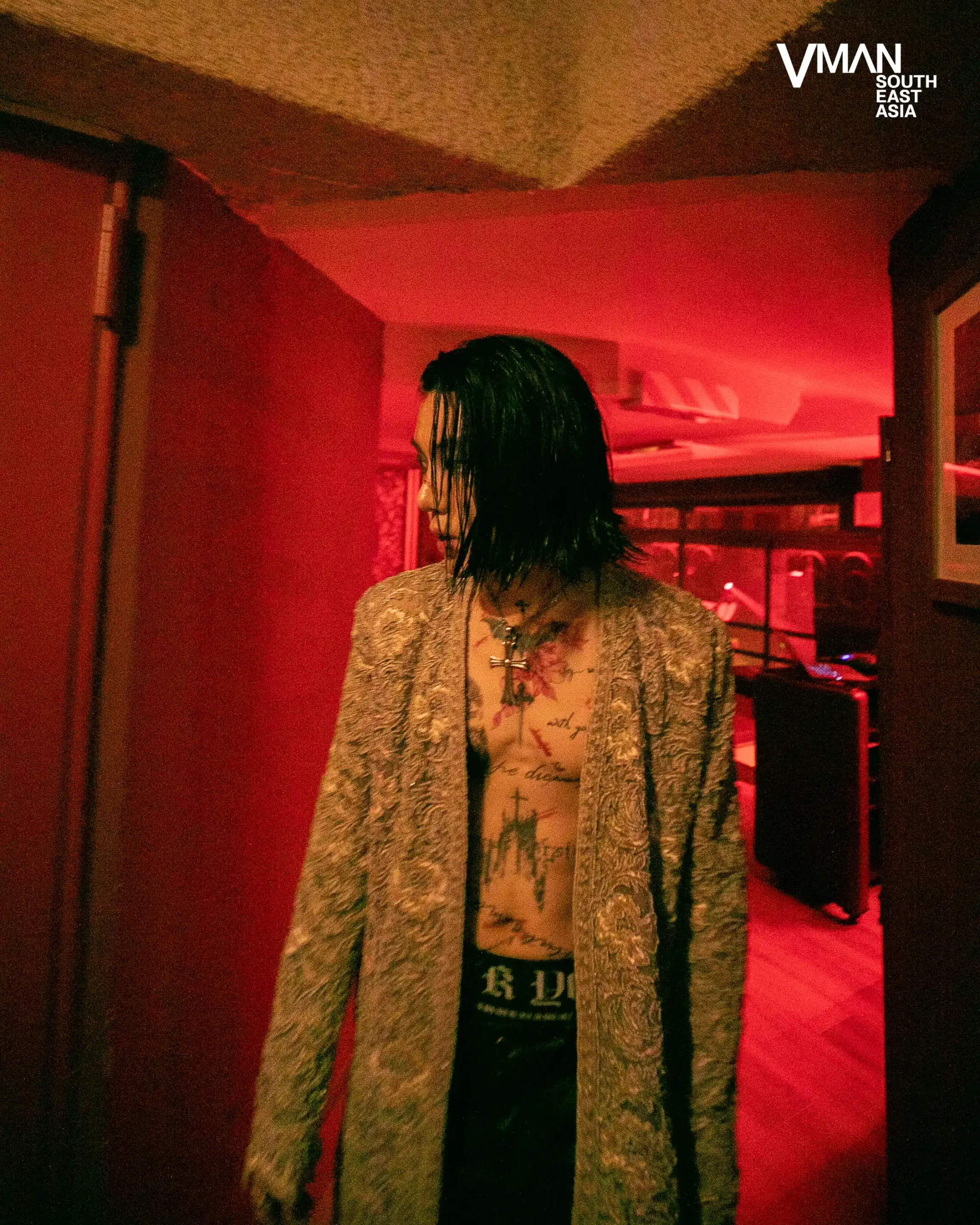
For EL CAPITXN, his journey has been an intentional act of demolition and reconstruction. Transitioning from a member of HISTORY to a solo producer meant confronting rigid industry labels.
Many onlookers anchored him to his past idol identity, while others tried to confine him strictly to production work. Neither box could hold his artistic ambition, prompting him to forge his own path forward.
By reclaiming his narrative, he has established himself as a force who commands attention both inside the studio and on the stage. His path proves that reinvention is about conquering your past, not erasing it.
“The hardest part wasn’t the change in profession itself. It was breaking through the image people had already decided,” he said.
“In the end, I didn’t wait for anyone’s permission. I rebuilt my name, my way.”
Managing the chaos of sound and collective vision

As the leader of the producer collective VENDORS, EL CAPITXN guides a powerhouse of diverse musical minds without diluting his own sonic fingerprint. He prioritizes quality and attitude over specific genres.
His signature thrives on unpredictability and raw elements that feel alive and resistant to easy control. He avoids overly polished textures to capture genuine feeling.
“I don’t expect everyone to follow my sound… My signature comes less from pretty sounds and more from emotion and energy,” he said.
This philosophy is clear in his genre-bending hits, from the traditional instrumentation in Daechwita to the rock-pop textures of Eight. He believes a bold musical experiment must succeed through immediate physical pull.
“Music that only sounds impressive when you explain it doesn’t last. Music that truly works makes your body react first.”
Crafting worlds

EL CAPITXN’s production strategy shifts dynamically depending on his canvas, whether mentoring on Universe League or producing for AHOF. He looks for paths that highlight an artist’s distinct strengths.
When working with emerging talent, he ignores safe choices to amplify their raw, unrefined edges. To him, a song is a weapon a new artist uses to expose their most dangerous potential.
This adaptive instinct is tested when balancing traditional K-pop groups like tripleS with virtual idols like PLAVE. The two formats require completely different creative architectures and starting points.
“With real groups, I often start from the members’ voices… With virtual idols, I have to design the character, the worldview,” he said.
“Whether it’s a real person or a virtual one, people ultimately respond to genuine emotion.”
Stepping out into the light of rebirth
The catalyst for EL CAPITXN’s solo era came from a place of profound vulnerability: the loss of his singing voice. While such a crisis would silence many, it became the exact force that pushed him forward.
In his solo work, such as the track “Breaking Through,” this loss is transformed into a relentless declaration of resilience. He chose to step into the light exactly as he was.
“When I felt like I was losing my voice, strangely enough, that’s when I felt I had to step forward,” he said.
This raw vulnerability has transformed his live shows, such as WHO KILLED EL?, into deeply immersive experiences. Fans act as active witnesses to a narrative event rather than passive onlookers.
“But at the same time, it made me realize that no one gets to decide how I’m supposed to exist. So instead of hiding behind the booth, I walked onto the stage, broken, exactly as I was,” he added.
“This isn’t a comeback. It’s the first declaration that I will no longer fit myself into anyone else’s standards.”
Frequently Asked Questions
It represents a story of how he is being reborn and declaring that he will no longer conform to anyone else’s standards.
He loves hiding small, uncomfortable textures inside his tracks because these quiet details ultimately determine the character and temperature of the entire song.
He advises them that surviving long matters more than moving fast, and they must protect their own rhythm to make good music.
The most surprising part was that fans stepped directly into the world as witnesses to an incident, completing his world alongside him.
It represents the collapse of his past identity and worldview, serving as a declaration that he will push through to the end even while broken.
Recommended Video