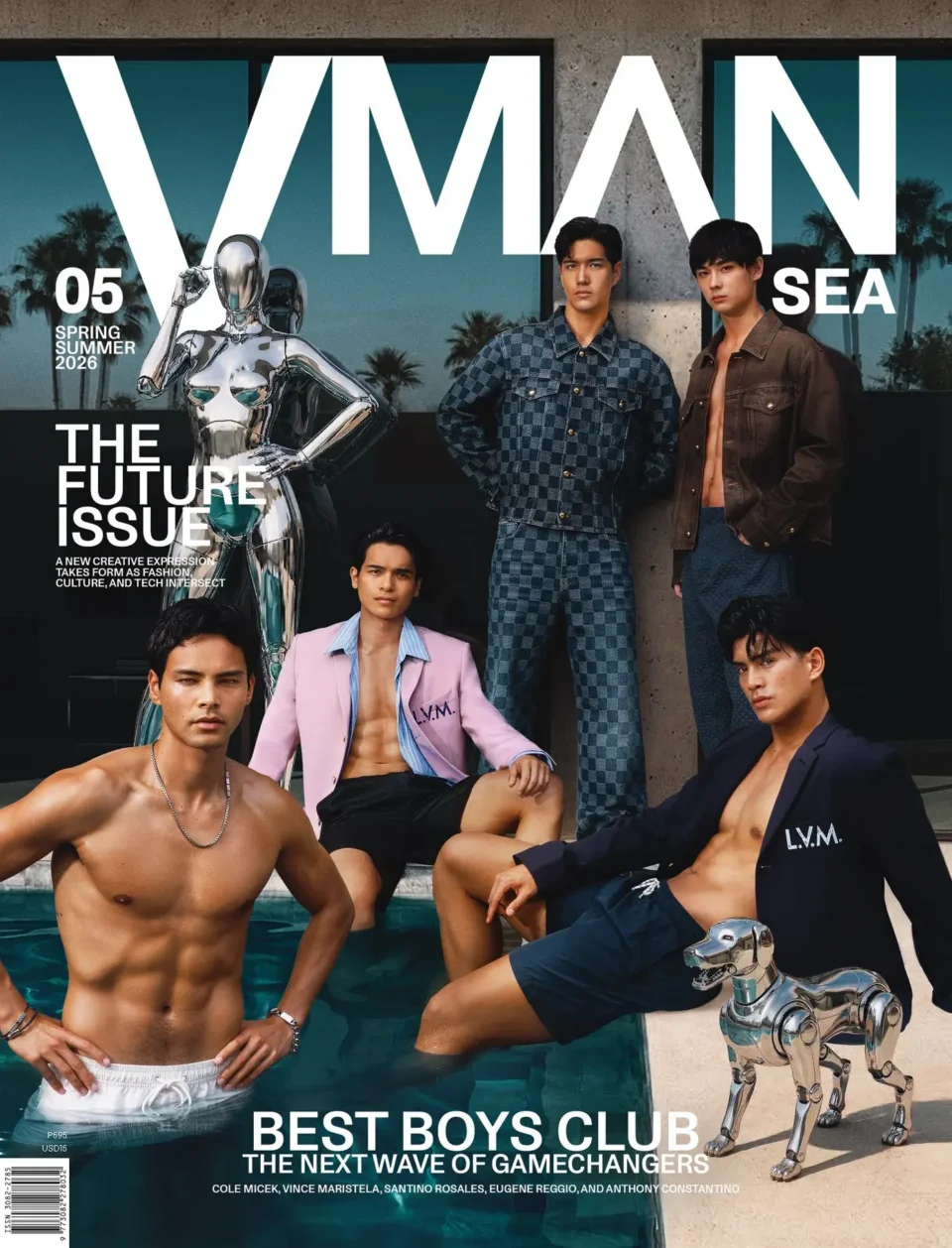
Anthony in Action
From Los Angeles to Manila, Anthony Constantino’s unlikely shift from tech graduate to rising actor reveals how a Filipino-American rediscovered his heritage while building a career in Southeast Asia’s fast-evolving entertainment industry




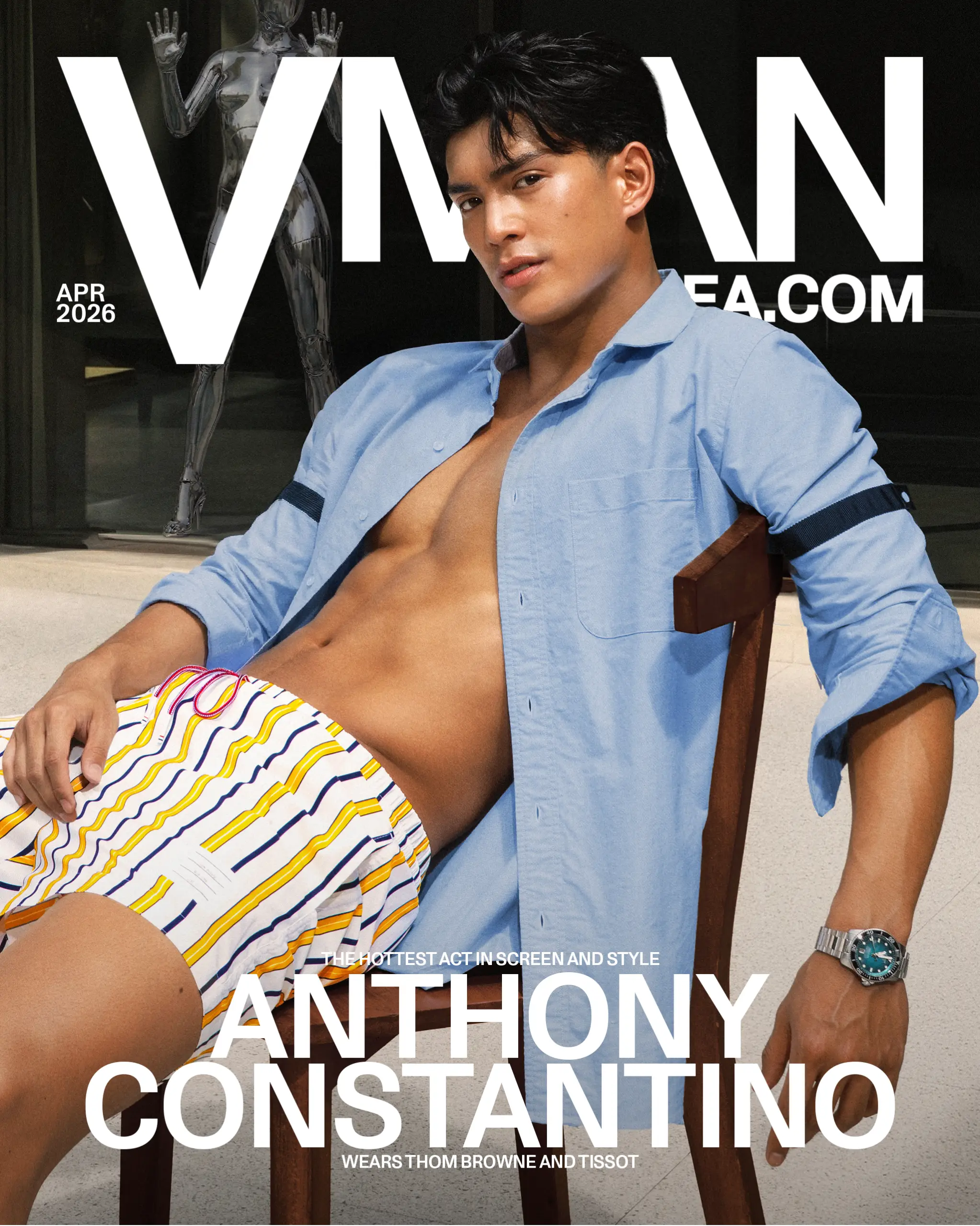
A different future, rewritten
Anthony Constantino once imagined a future that looked far more predictable than the one he lives in today.
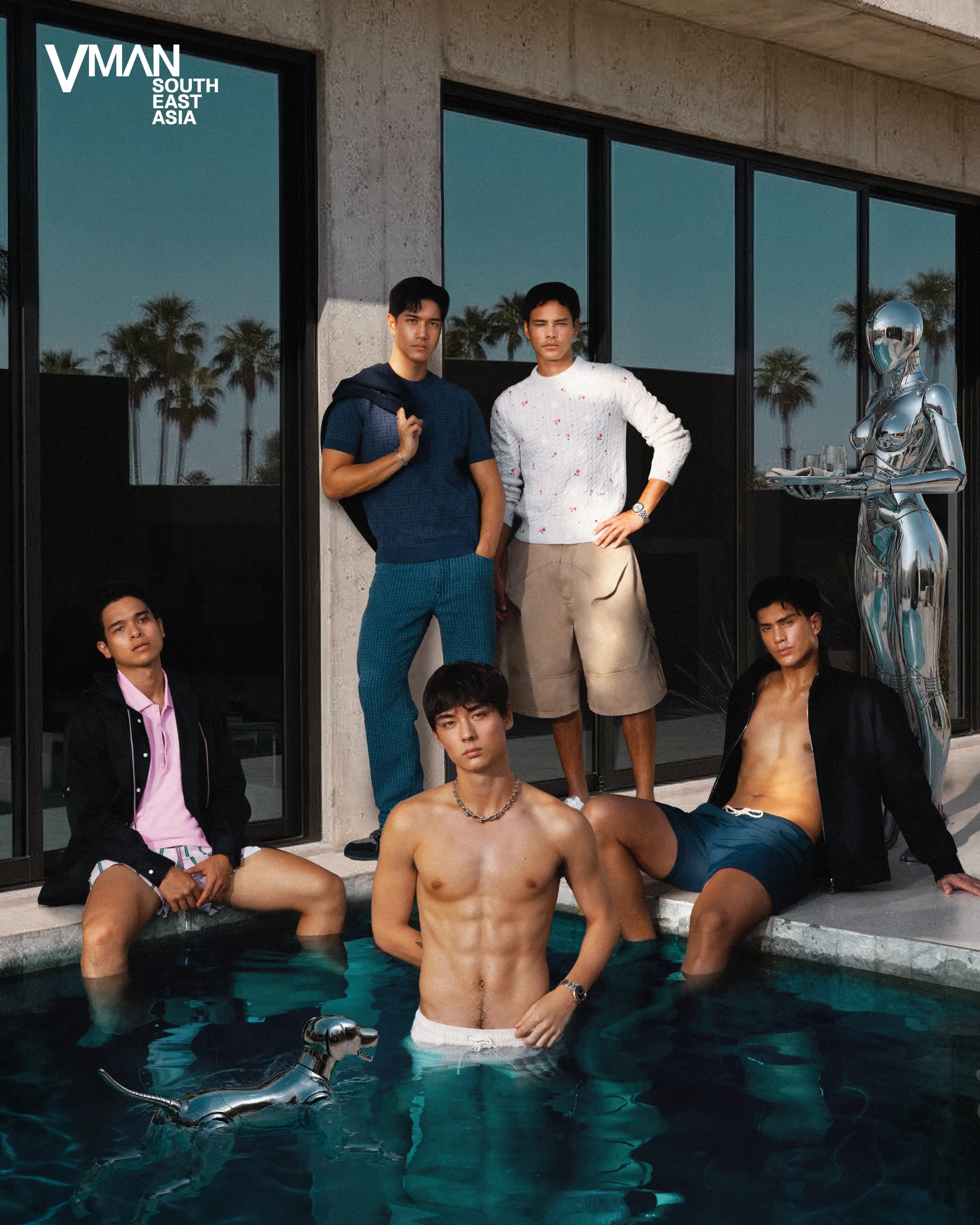
Sitting under the blazing summer sun in a garden, the heat radiating off the tiles and even the seat beneath him, he didn’t flinch. Earlier that day he had been dipping into a pool for the shoot, water soaking through his shirt under the relentless sun, yet here he was, sweating, but smiling like it was nothing.
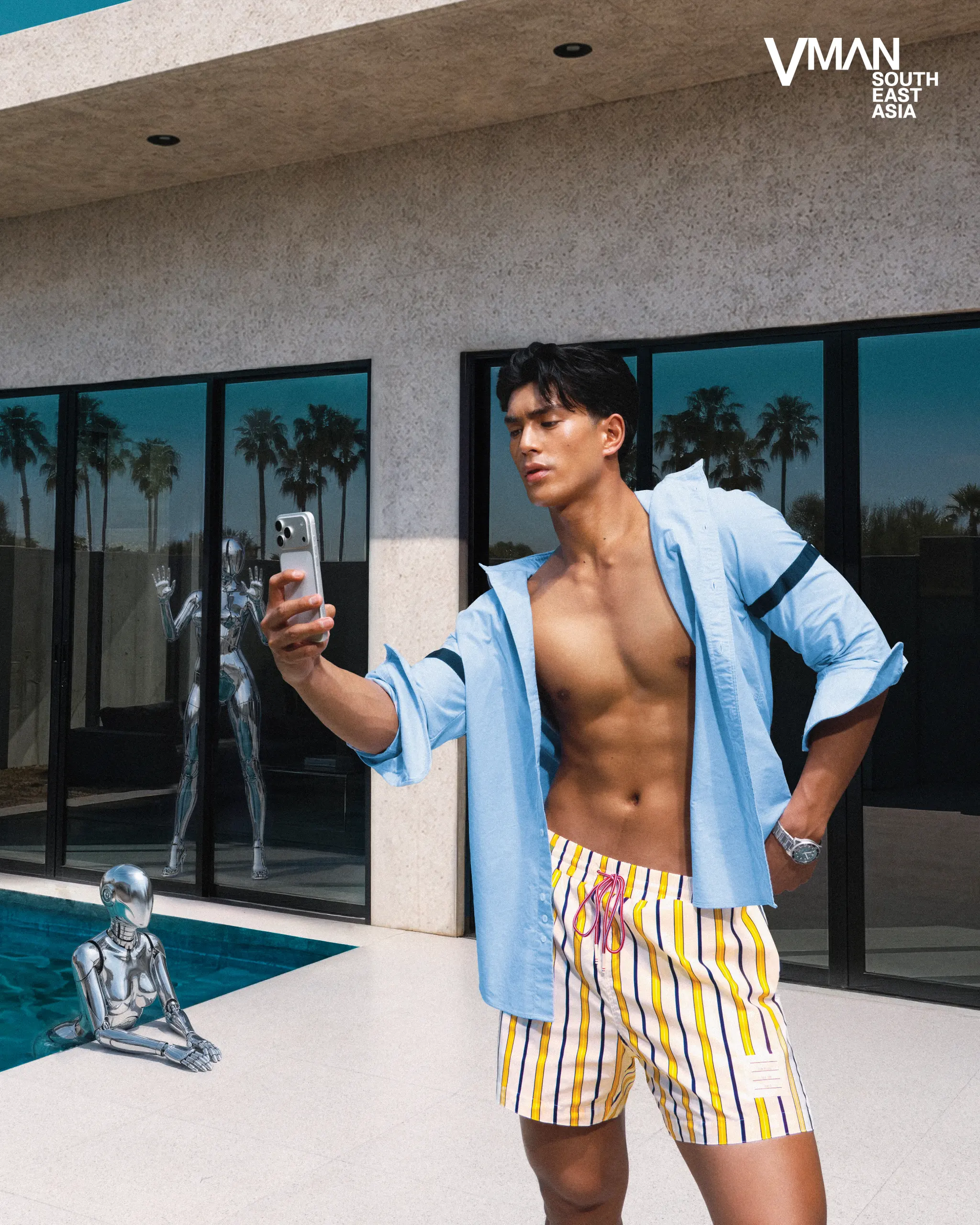
Raised in Los Angeles, the Filipino-American model and actor grew up in a household where discipline and stability shaped the idea of success. Like many children of immigrant families, the most sensible path was one grounded in practicality.
Anthony followed that expectation closely. He graduated with a double degree in computer information systems and business administration and began preparing for a career in tech, completing internships and laying the groundwork for what seemed like a conventional professional life.
“During my last semester I was doing internships and planning to line up my job in tech,” he recalls.

The pivot that changed everything
At the time, modeling existed on the margins of that plan. He had been taking occasional modeling jobs during college, mostly part time and without much expectation that it would turn into something larger.
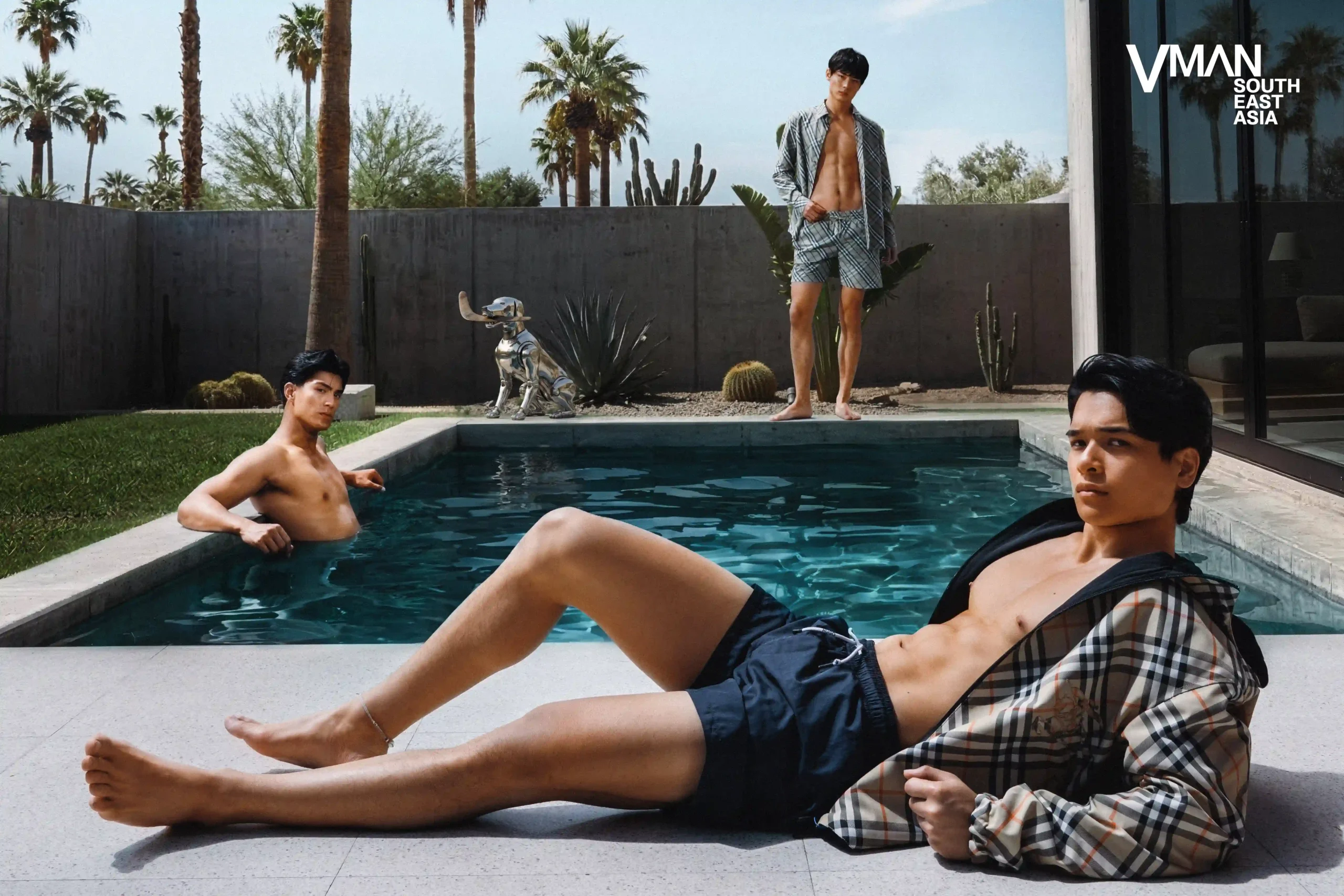
But shortly before graduation, agencies in Asia began reaching out with offers. What initially felt like a brief opportunity soon began to look like a different path. When he considered where to start, the Philippines felt like the most meaningful choice, even if the decision carried uncertainty.
“I told my grandma, why not the Philippines as the first place? It would be cool to not just visit for a couple of weeks but for a couple of months and experience the working life here in the modeling industry.”
Distance from home, distance from self
The move was both professional and personal. Although Anthony grew up surrounded by Filipino culture, the Philippines itself had remained somewhat distant from his daily life in California. Family gatherings, karaoke sessions, and Filipino dishes were constants in his upbringing, but the country behind those traditions existed largely through stories told by relatives.
“Being born and raised in LA as a Filipino, I had a different experience growing up. I often felt a disconnect from my roots.”
That experience is familiar to many Filipino-Americans who grow up navigating two identities at once. In the United States, Filipino heritage can sometimes feel secondary to the broader experience of being American. Anthony says that for many Filipinos growing up there, even physical identity becomes something people learn to downplay.
“Back home, there are a lot of Filipinos who are very embarrassed about their color, their skin color, being moreno or morena,” he explains.
“But I’ve learned that being Filipino is something you should be proud of. Your skin color being moreno or morena is something that I’ve learned to embrace.”
Returning to where it all began
Arriving in Manila reshaped that perspective almost immediately. What began as a modeling assignment slowly evolved into a more emotional experience, one that connected him directly to the history of his own family. The trip allowed him to see the places his relatives once called home and to understand more clearly the sacrifices that brought them to the United States.
“Once I landed here in the Philippines, it was a lot more than just coming back to work here. It was really seeing where my family is from, seeing where my roots are from, where my blood is from.”
Seeing that history firsthand changed the way he thought about his grandparents’ journey. They had left the Philippines decades earlier, building a life abroad that ultimately shaped the opportunities he would have growing up in America.
“My grandparents, once they transferred to the States, I realized that they put so much on the line for my family. Being able to see where they’re from makes me proud of my grandparents and to see how far they’ve come.”
Finding momentum in Manila
Professionally, the Philippines proved to be fertile ground. Early projects, including a shoot with VMAN Southeast Asia, helped introduce Anthony to the region’s fashionFashionThe art and industry of designing, producing, and styling clothing, footwear, accessories, and beauty trends. It reflects cultural influences, personal expression, and evolving styles across seasons and markets.Go to Fashion Glossary industry and gave him his first major exposure locally.
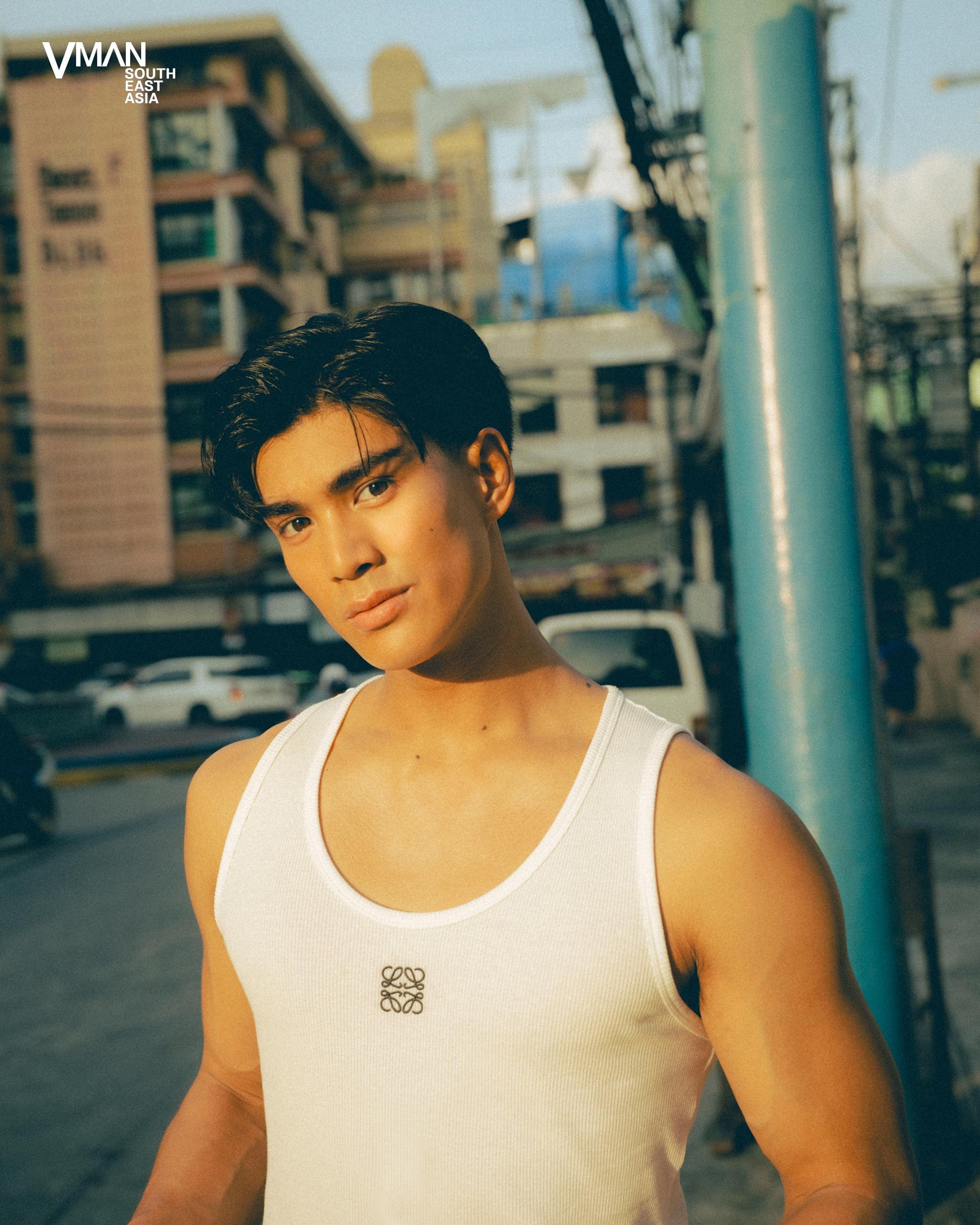
Opportunities expanded steadily from there, eventually opening doors beyond modeling. Acting soon followed, placing him within the fast-moving world of Philippine entertainment.
Today, Anthony is considered one of the emerging figures in that landscape, part of a broader generation of Southeast Asian talent navigating careers across fashion, television, and film.
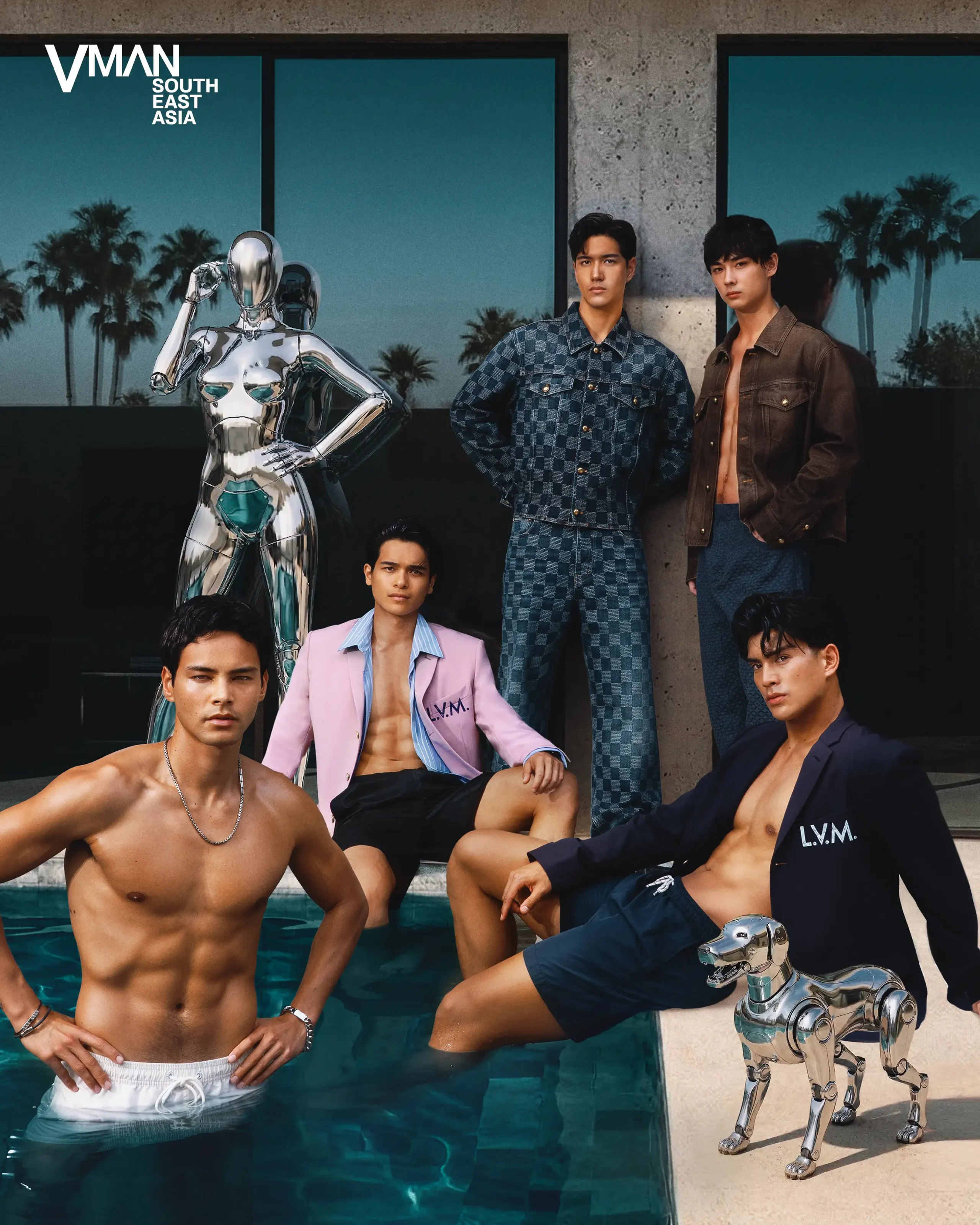
The shift reflects a growing cultural moment in the region, where male identity is evolving alongside global influences and local traditions. Models and actors like him are increasingly representing a version of masculinity that combines heritage with a more international sensibility.
Challenging the Fil-Am stereotype
His arrival in Manila, however, came with certain expectations. Filipino-Americans often carry a reputation in the Philippines, sometimes associated with a confident or outspoken personality that can be interpreted as arrogance.
“Definitely representing the Fil-Ams, I think there’s a lot of connotation with Fil-Ams having their chest out a lot. Sometimes coming off as arrogant.”
From the beginning, he wanted to approach the industry differently. Rather than leaning into that stereotype, he focused on building relationships and maintaining a sense of humility in his work.
“I just want to represent the Fil-Ams in a good way and let people know that there are a lot of nice guys out there in America, too. Not even that, I just want to represent my name and let people know who I am.”
In practice, that philosophy is simple. He introduces himself directly, treats colleagues with respect, and tries to maintain the same attitude regardless of how visible his career becomes.
“Once I go into every room, I really introduce myself as Anthony Constantino. I like putting smiles on people’s faces and letting people know my name.”
Wearing the flag on his chest
One of the most symbolic moments of his modeling career arrived when he was selected to model the Philippine delegation’s uniform for the Paris 2024 Olympics. The project included wearing a barong designed by Filipino designer Francis Libiran, a moment that carried unexpected personal meaning.
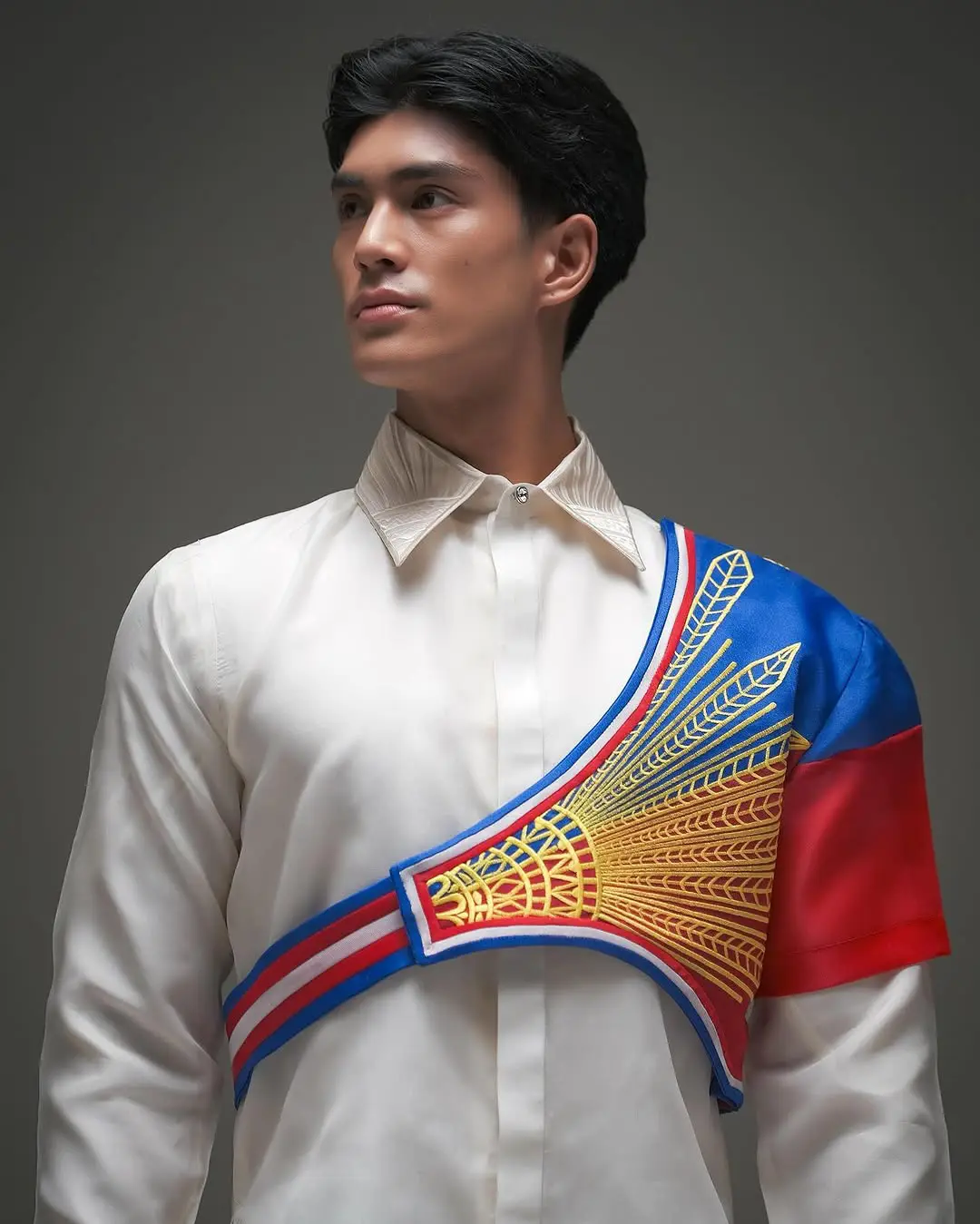
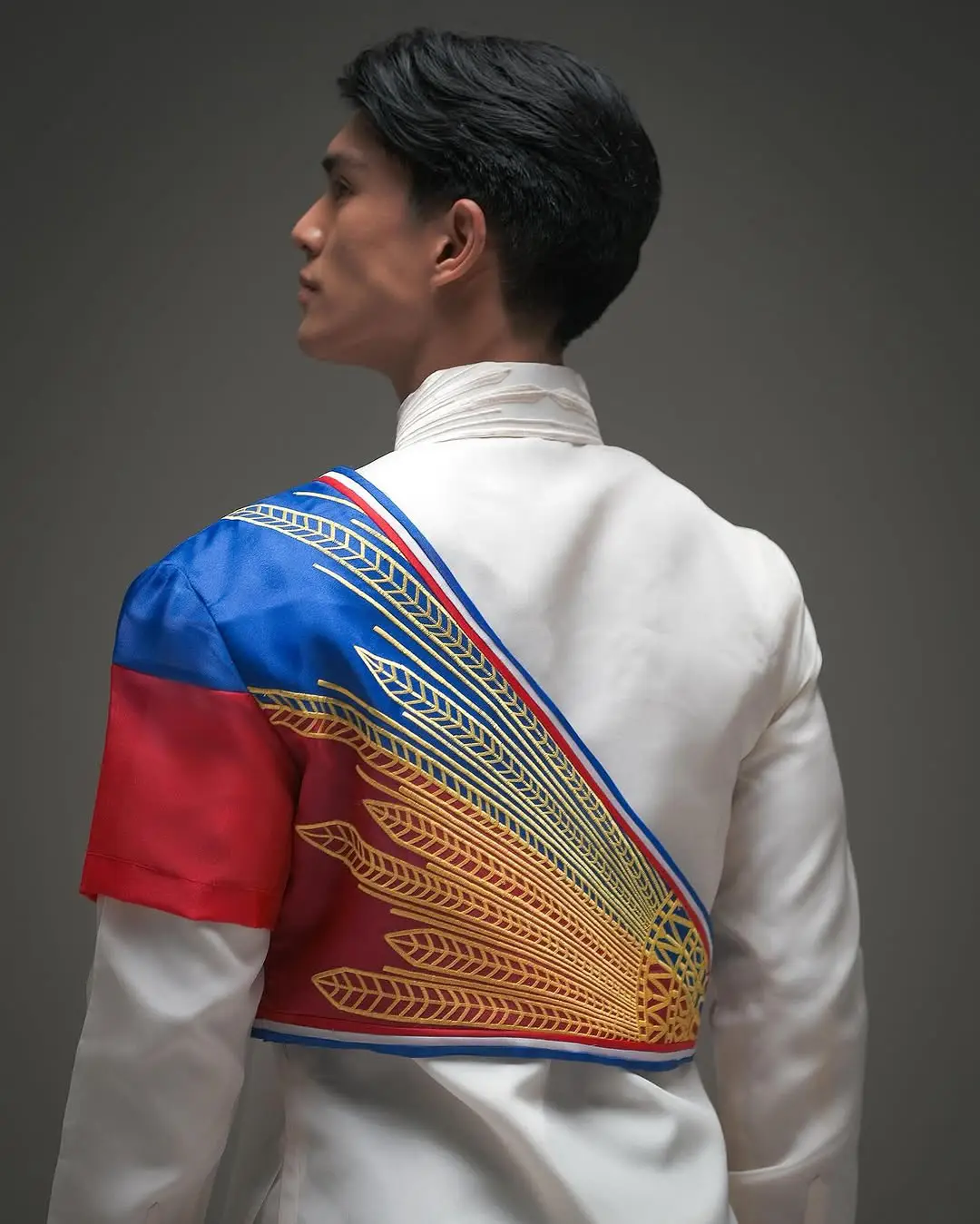
“Not many people know this actually, but it was the first barong I’ve ever worn,” he says.
At the time, he admits he did not fully grasp the significance of the designer or the moment. It was only later that the weight of it became clearer.
“When I got on set and found out I was going to be wearing a Francis Libiran piece, I honestly didn’t understand how big of a thing it was at the time. But wearing the Filipino flag across my chest was something I’ll never forget.”
The experience remains one of the proudest moments of his career, particularly because it connected his work to a broader representation of Filipino culture.
“It’s one of the biggest modeling jobs that I’m so proud of. I’m just happy it was shown on an international stage. I’m proud to be Filipino.”
Love in the age of algorithms
As his public profile has grown, attention has extended beyond his professional work. His relationship with Filipino actress Shuvee Entrata has drawn interest among fans, though their story began in a way that reflects the digital habits of their generation.
“I was scrolling on TikTok and some random girl was reposting my photos and liking my TikToks,” Anthony recalls. Curious, he searched for her Instagram account and decided to send a message.
“I started with ‘Hi, ganda,’ and she responded with ‘Hi, pogi,’ and the rest is history.”
Being in the same industry has helped both of them navigate its pressures together. The rapid pace of fame, Anthony says, can be difficult to manage, particularly for someone who entered show business relatively quickly.
“Entering [the entertainment industry] so fast and being known so fast hasn’t been easy,” he says. “Behind all the makeup, the glitter, and the glam, we’re all still human.” But having someone who understands those challenges has made the process easier.
“I’m happy that I’m able to experience this industry with somebody who has been guiding me throughout this journey. She keeps pushing me and encouraging me to keep going.”
Staying grounded
Despite the speed of his rise, Anthony says he has tried to maintain the same personality he had when he first arrived in Manila. Many collaborators, he notes, have told him that little about his demeanor has changed.
“Makeup artists and stylists I’ve worked with, whether I met them a year and a half ago or I see them now, most tell me that I’ve stayed the same,” he says.
“I try to stay as humble as I can and continue learning and growing within this industry and within myself.”
Faith also plays an important role in how he understands his career and its direction. Anthony describes himself as a man guided by belief, something he credits for helping him navigate the unpredictable nature of entertainment.
“I’m a man of God. Without Him, I wouldn’t be here in this position.”
Looking beyond borders
Anthony also hopes to continue building his career as an actor while expanding his reach internationally. One goal, he says, is to eventually represent Filipino talent in Hollywood, bringing the perspective he has developed between two cultures to a wider audience.
For many Southeast Asian performers today, that ambition marks how regional talent navigates global culture. Identity, in that sense, is no longer fixed to a single geography but shaped by movement and rediscovery.
Anthony Constantino’s own story reflects that dynamic: a Filipino-American who came to the Philippines to model and instead found a deeper connection to his heritage and identity.
“I love the Philippines. And the Philippines loves me.”
As seen in the pages of VMAN SEA 05: now available for purchase!
Chief of Editorial Content Patrick Ty
Photography Ronnie Salvacion
Creative direction Vince Uy
FashionFashionThe art and industry of designing, producing, and styling clothing, footwear, accessories, and beauty trends. It reflects cultural influences, personal expression, and evolving styles across seasons and markets.Go to Fashion Glossary Rex Atienza
Art direction Mike Miguel
Editor Dayne Aduna
Grooming Myckee Arcano, assisted by Jam Jacobe and George Flores
Fashion associate Corven Uy
Digital imaging PJ Calingasan
Production Francis Vicente
Photography assistant Joey Alborelas
Special thanks Caiel Pajarillo, Ysa Solon, Rochelle Tuazon-Chavez, and Rodelyn Flores of Sparkle GMA Artist Center, Lorraine Santos, and Lucerne Luxe
Frequently Asked Questions
Anthony Constantino is a Filipino-American model and actor based in the Philippines, known for his work in Philippine fashion and entertainment after transitioning from a planned career in tech.
Shortly before graduation, Asian modeling agencies began approaching him with opportunities. The Philippines felt like the most personally meaningful entry point, connecting his professional ambitions to his Filipino heritage.
He was selected to model the Philippine Olympic delegation’s uniform, wearing a barong designed by Francis Libiran — notably the first barong he had ever worn, and one of the proudest moments of his career.
He approached the industry by prioritizing humility and direct relationship-building, deliberately moving away from the confident or outspoken Fil-Am stereotype and focusing instead on consistent, respectful conduct.
He aims to build an international acting career and represent Filipino talent in Hollywood, drawing on the dual cultural perspective he has developed between the United States and the Philippines.
Recommended Video