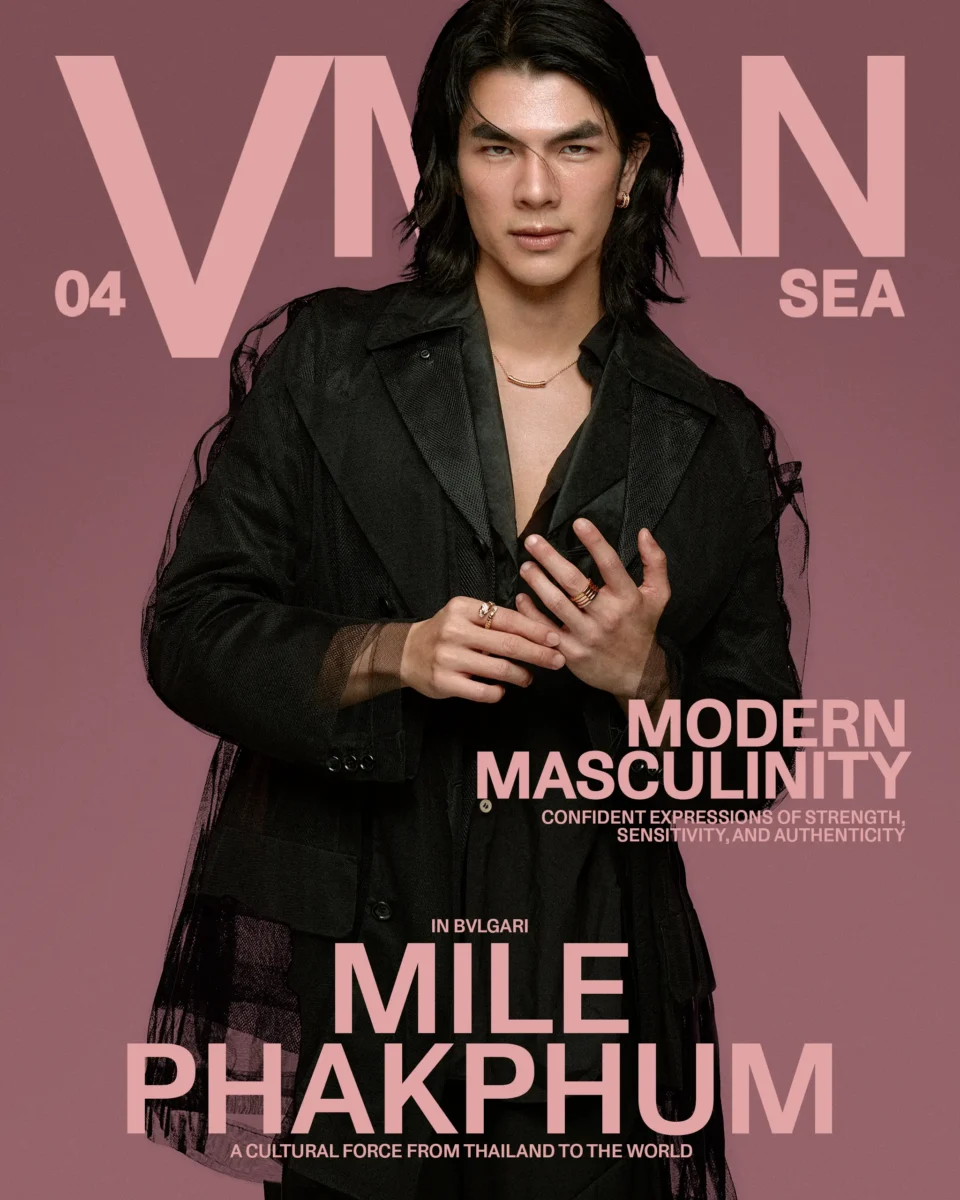
Mitchell Saron Is Your Jock Next Door
Mitchell writes it all down before it happens like he’s scripting fate itself, because in a sport where every second matters, the mind is the sharpest weapon





The fight before the fight
The night before a big match, Mitchell Saron isn’t picturing the flashing blades or the split-second decisions. He isn’t hyping himself up with motivational speeches. Instead, he’s writing. Page after page, he scripts out the next day as if it’s already happened; what he’ll feel, how he’ll move, the outcome he wants. He goes to sleep early, slips on blue light blockers, and disappears into silence. The fight starts long before he steps onto the mat.
For most people, fencing exists in the realm of movie montages; elegant lunges, blades clashing, a blur of white uniforms. But for him, it’s his life. An Olympic sabre fencer, he’s one of the few Filipino-Americans representing Team USA on the world stage. And for him, the sport is as much about mental warfare as it is about physical agility.
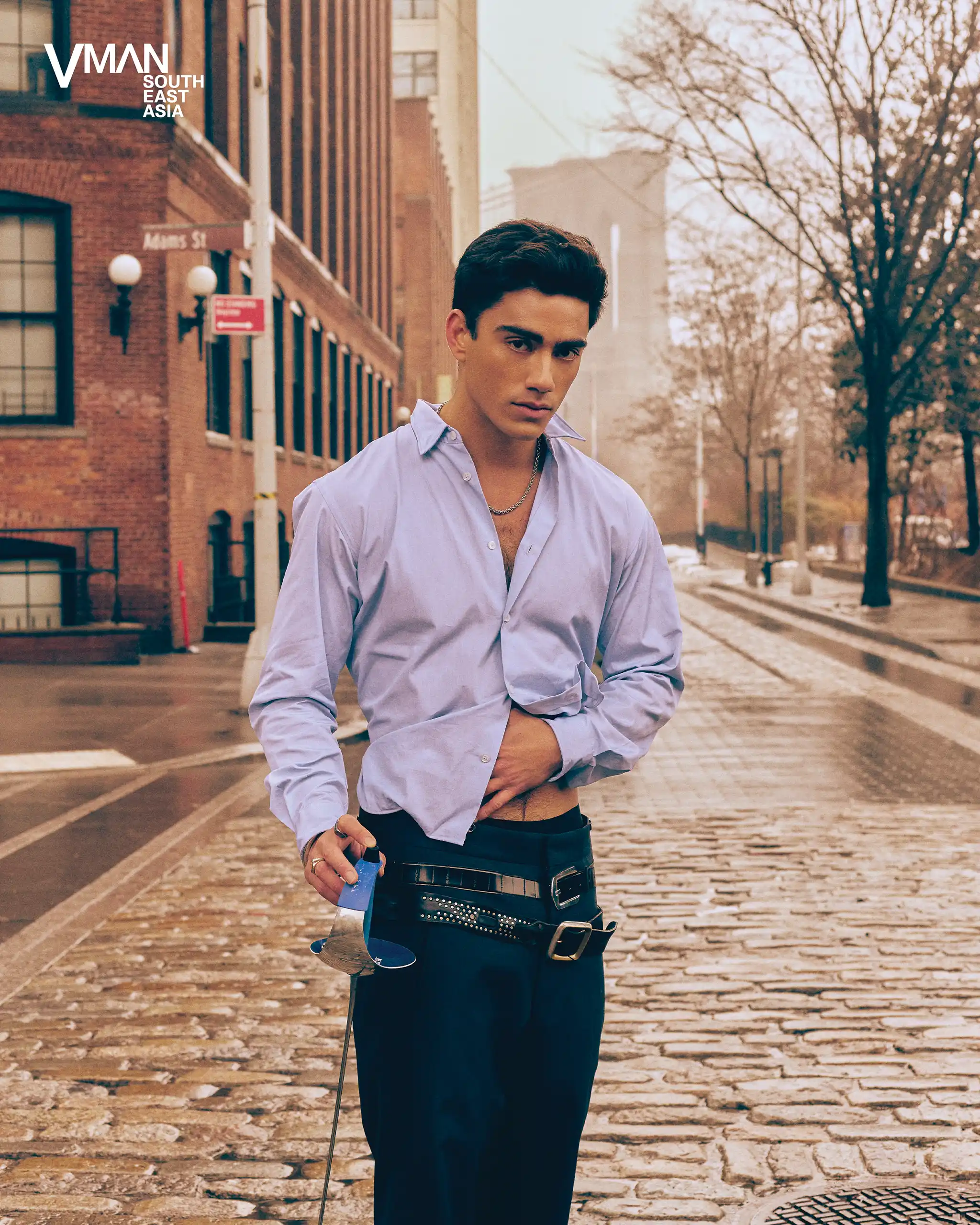
“At a certain level, everyone is fast. Everyone is strong. Everyone has technique. It stops being about who can move the quickest and starts being about who can think the fastest.”
That’s where his real training begins. The meditation, breathwork, and journaling are all attempts to stay one step ahead and create a mental edge over an opponent who is physically his equal. His daily routine is almost ritualistic: visualization exercises, meticulous note-taking after practice, breaking down every movement, every moment, until nothing feels unexpected.
Manifesting performance
“I started doing it about a year ago, and it changed everything,” Mitchell admits. “I’d write down how I wanted my practice to go, and after, I’d analyze whether it played out the way I envisioned. Over time, I started realizing that what I wrote often happened. It’s crazy how much of this sport is about predicting the future.”
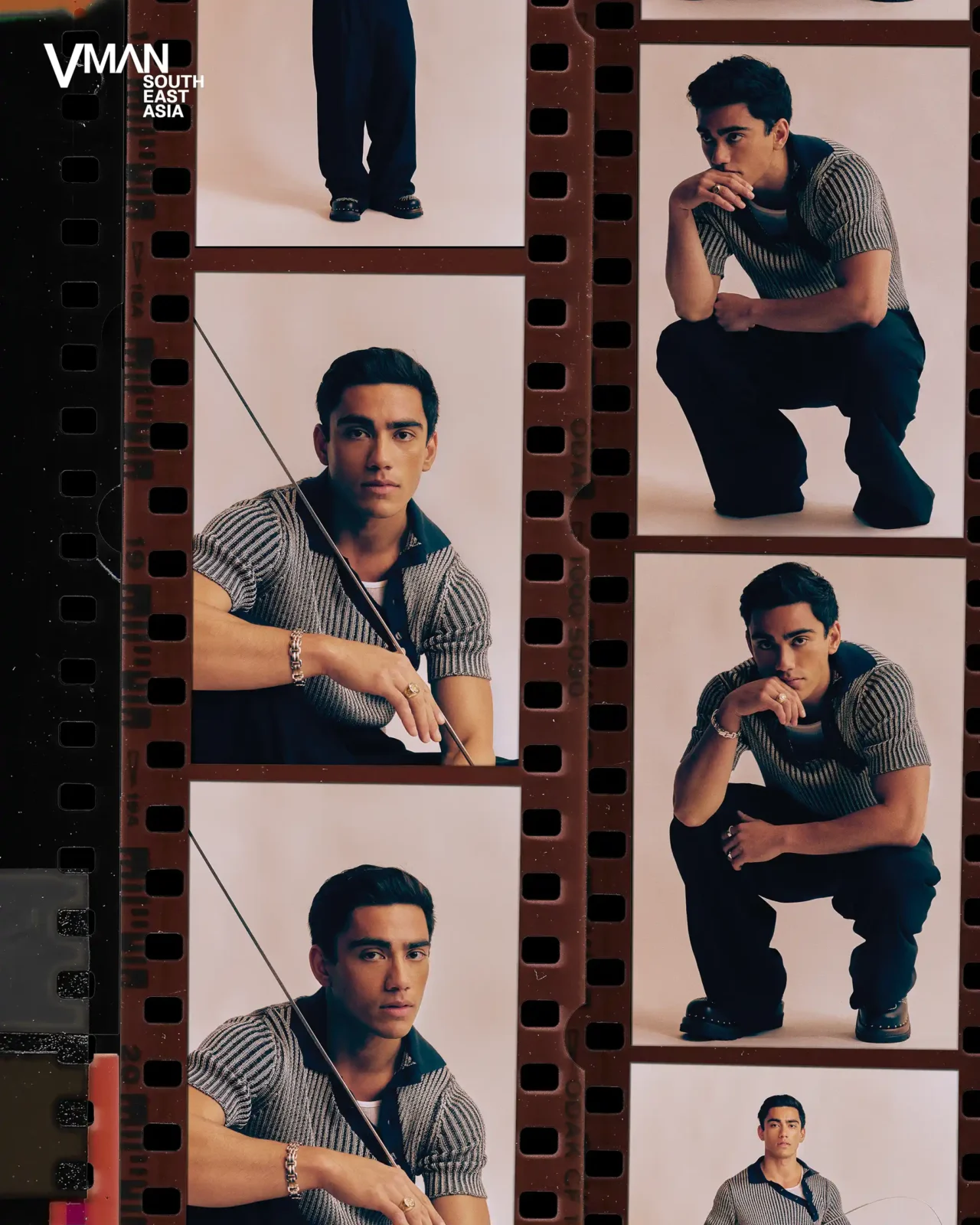

The mental game has always intrigued him. As a child, he was obsessed with strategy games, anything that required planning five, or 10 steps ahead. Chess, puzzles, even video games, anything that forced him to think critically. Fencing, it turns out, was the real-world extension of that. A sport where physical talent meets the mind’s ability to manipulate and outmaneuver.
Mitchell wasn’t always this sure of himself. Fencing isn’t exactly a sport synonymous with Southeast Asia. Growing up, he didn’t have the luxury of looking up to an older Filipino fencer who had already carved out a path. That meant redefining expectations. His own and everyone else’s.
“The first time I saw someone who looked like me competing at this level, it changed my entire perspective on what was possible. That’s the power of representation. It shifts your expectations of yourself.”
When Mitchell finally qualified for the Olympics, the flood of love from the Filipino community was overwhelming. It wasn’t just about him anymore. He carried something bigger now: family, culture, and history.
In one of his sports psychology sessions, he was asked to list his four biggest values. Family was at the top.
“When you’re competing at this level, you can’t just do it for yourself. If it’s just about you, that motivation fades when you lose. But when I realized I was doing this for something bigger, it changed everything.”
Never alone on the strip

Fencing is a solitary sport, but he never feels alone. There’s always an unseen crowd behind him: his parents who sacrificed, his ancestors who dreamed, the younger generation watching. Every match is an act of representation, a way of saying, “We are here. We belong.”
The sport is consuming. Training seven days a week leaves little room for anything else, including personal style. “Fashion? Yeah, that kind of went out the window when I was training for the Olympics,” Mitchell laughs. “It was just sweatpants and whatever was clean.”
But now, with a bit of space post-Olympics, he’s finding his way back to the things he once neglected. His style has evolved, less collegiate preppy, more grown-up. He’s getting back to dressing for himself, rather than for the convenience of an athlete’s schedule.
Read Mitchell’s full cover story in the pages of VMAN SEA 03: now available for purchase!
Photography Stefen Pompèe
Chief of Editorial Content Patrick Ty
Creative direction Lorenz Namalata (Fatbrain Collective)
Fashion Sevn Rodriguez
Grooming Cheena Redugerio
Photography assistant Angela Kwon
Fashion assistant Kaitlyn Leal Johnson
Shoot assistants Clint Puertas and Raine Panes
Special thanks Blake Woods (Muse Models)