The 6 Menswear Trends That Defined Milan and Paris Fashion Weeks
From pajama stripes to flip-flops and short shorts, Milan and Paris Fashion Weeks revealed a clear shift in menswear toward comfort and simplicity




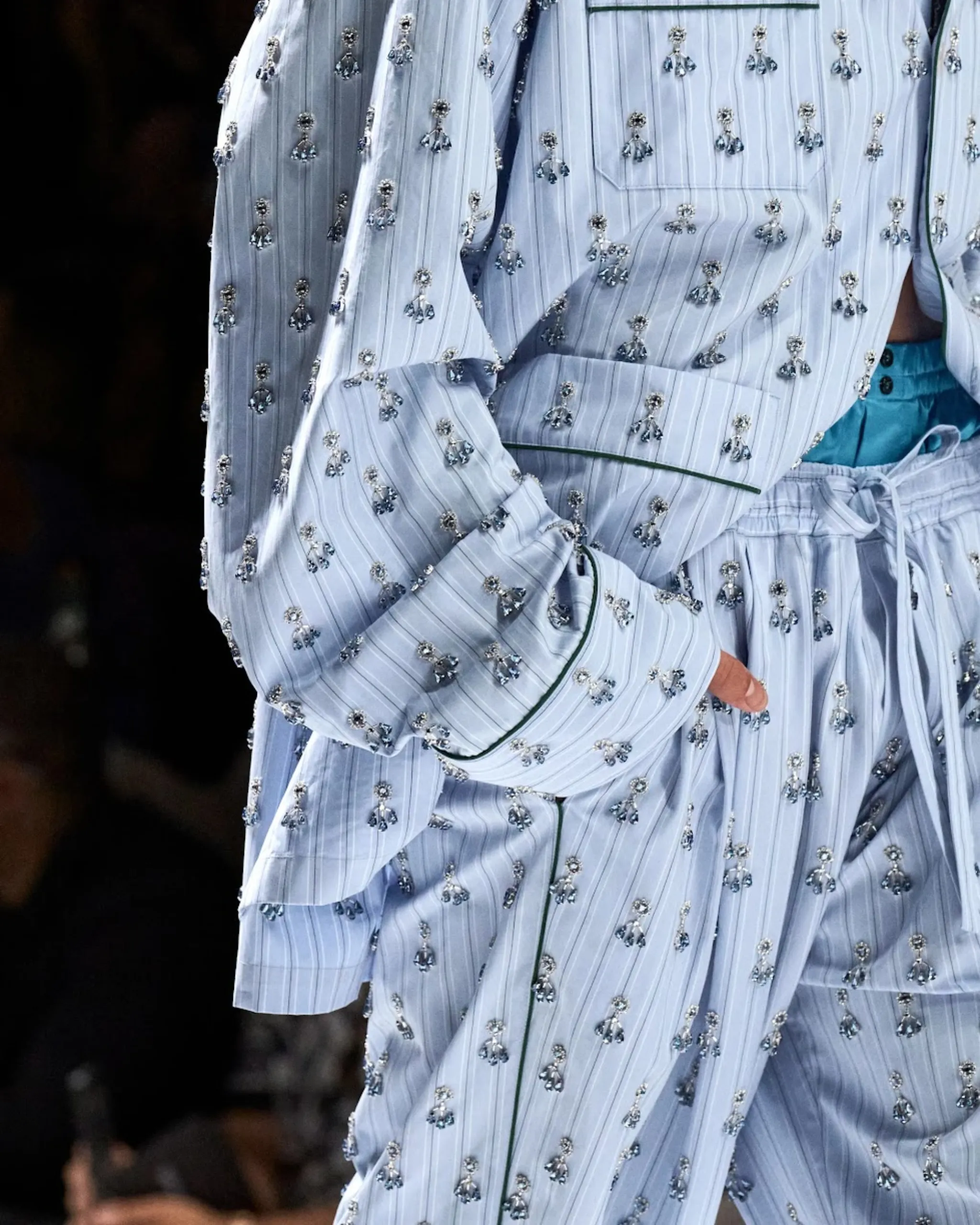
Across the shows in Milan and Paris, a shared undercurrent ran through even the most distinct collections: a loosening of formality. From pajama stripes to robe-like silhouettes, the season’s standout looks suggest that comfort and ease are shaping the future of menswear. Here are six trends that stood out, and what they reveal about how men want to dress now.
ALSO READ: Key Moments from Milan Fashion Week You Might Have Missed
1. Pajama stripes everywhere
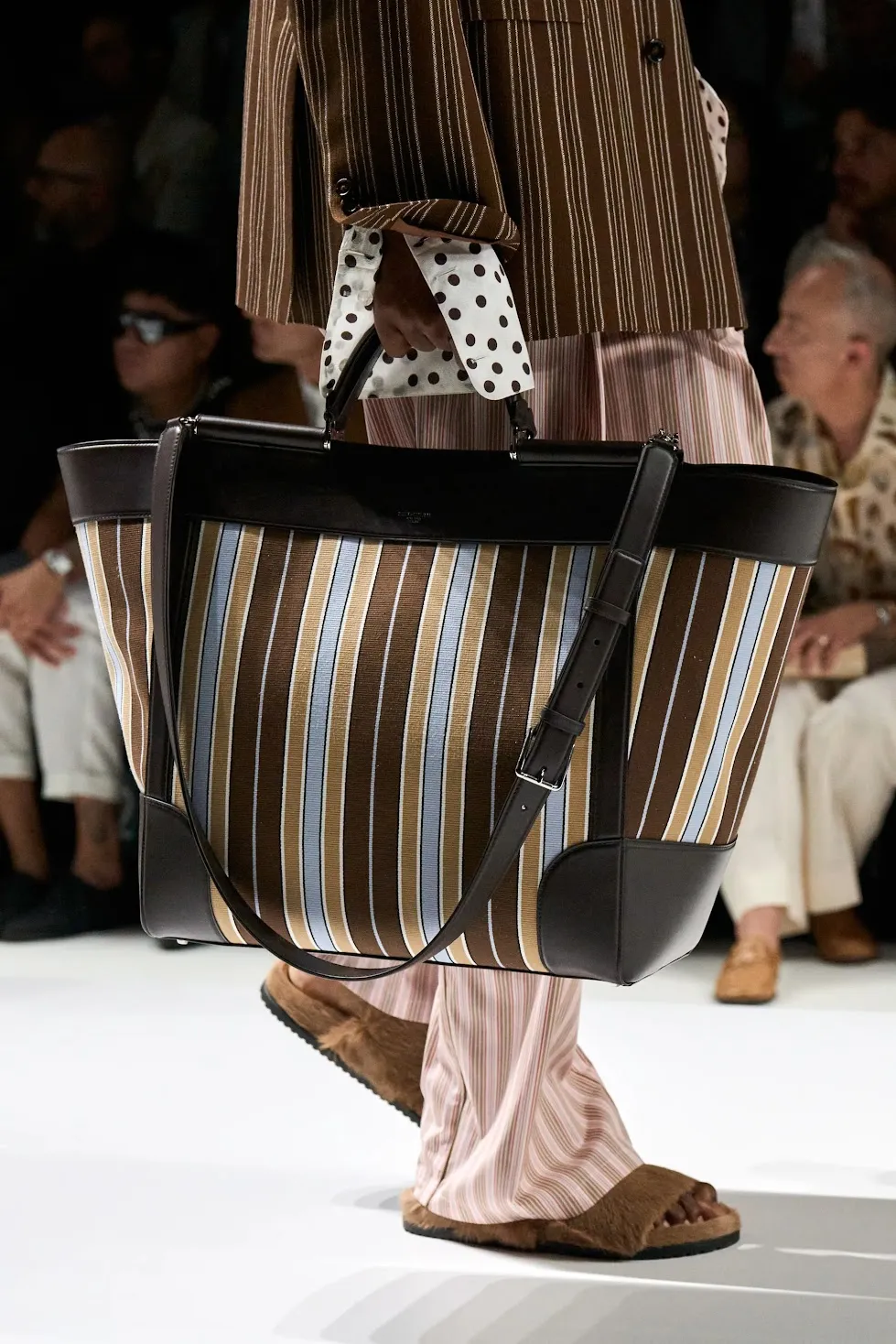
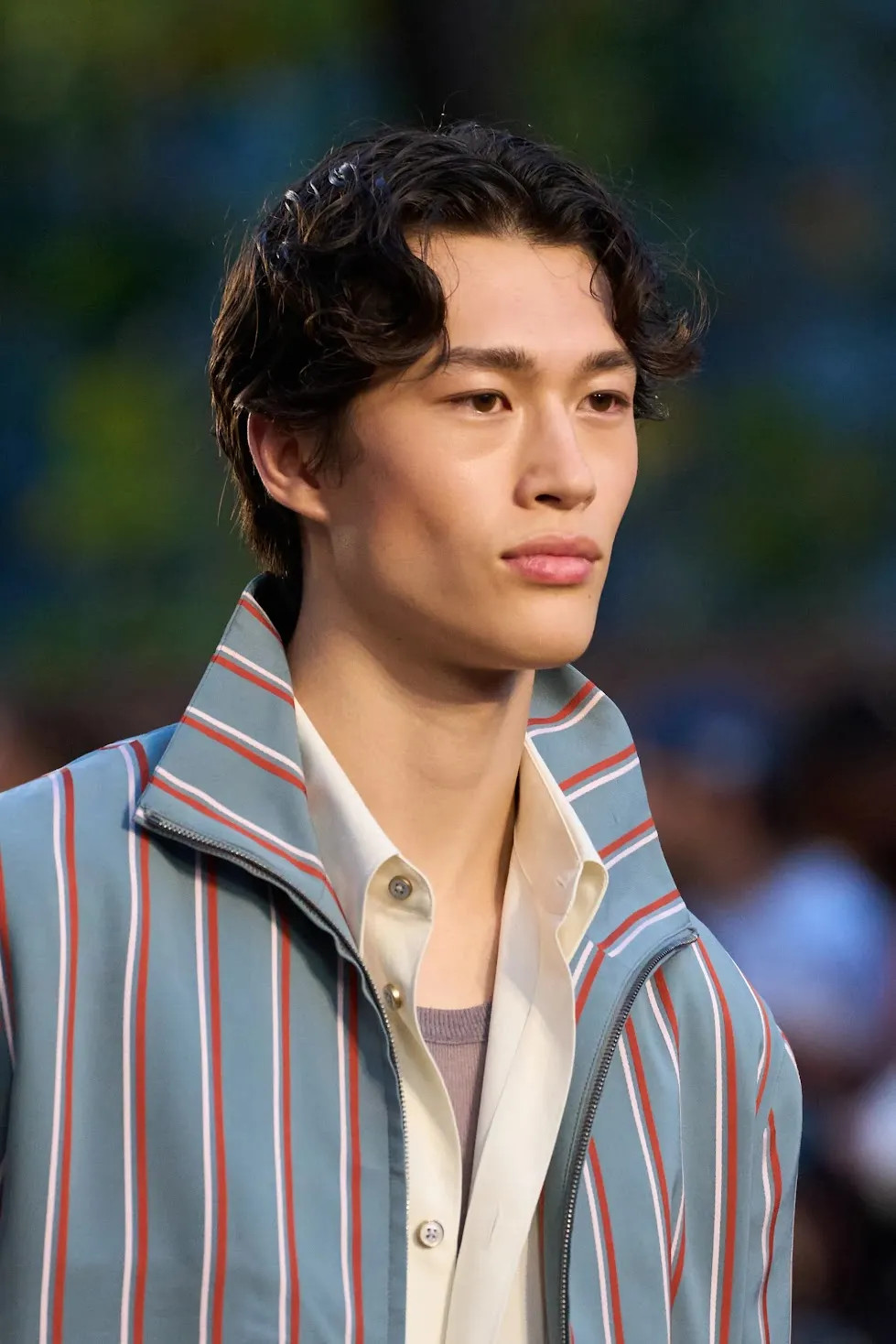
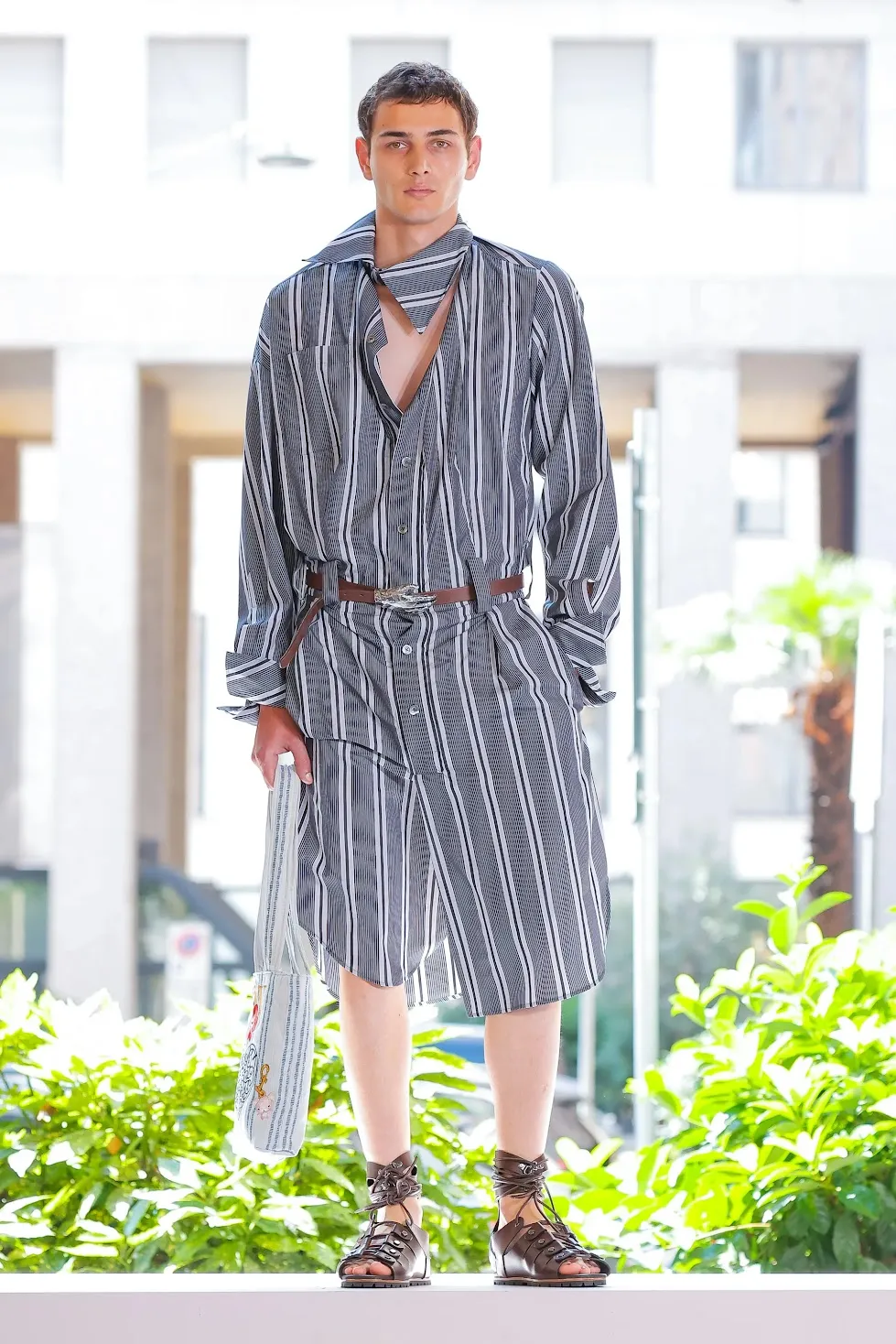
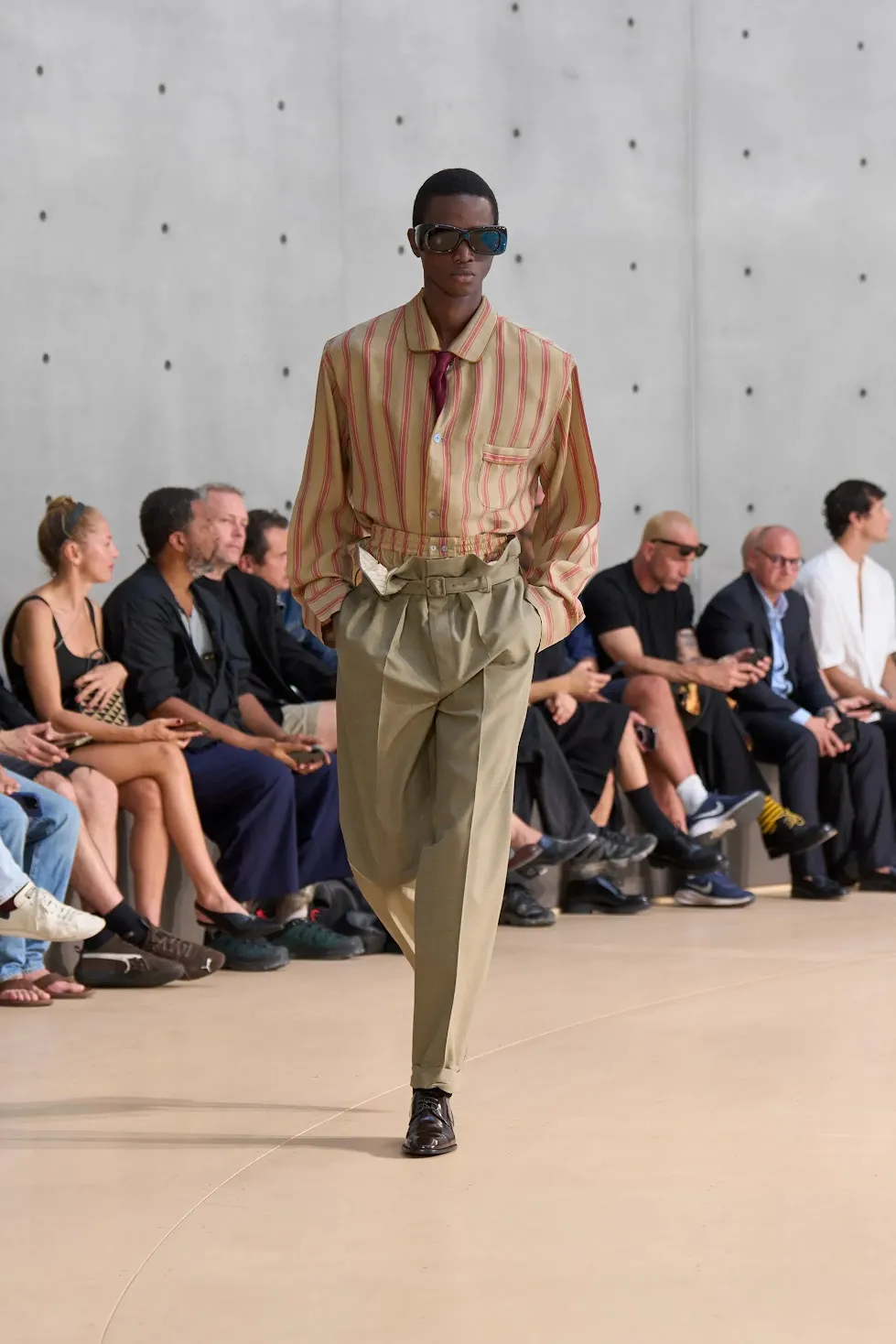
The season’s most visible trend was also its most laid-back. Pajama stripes, soft, vertical, and often rendered in cotton or silk, showed up across nearly every collection. Designers offered varying degrees of polish, from sharply tailored suits to draped loungewear. Ease, leisure, and a softer approach to tailoring are reshaping the season’s silhouette.
2. The flip-flop renaissance
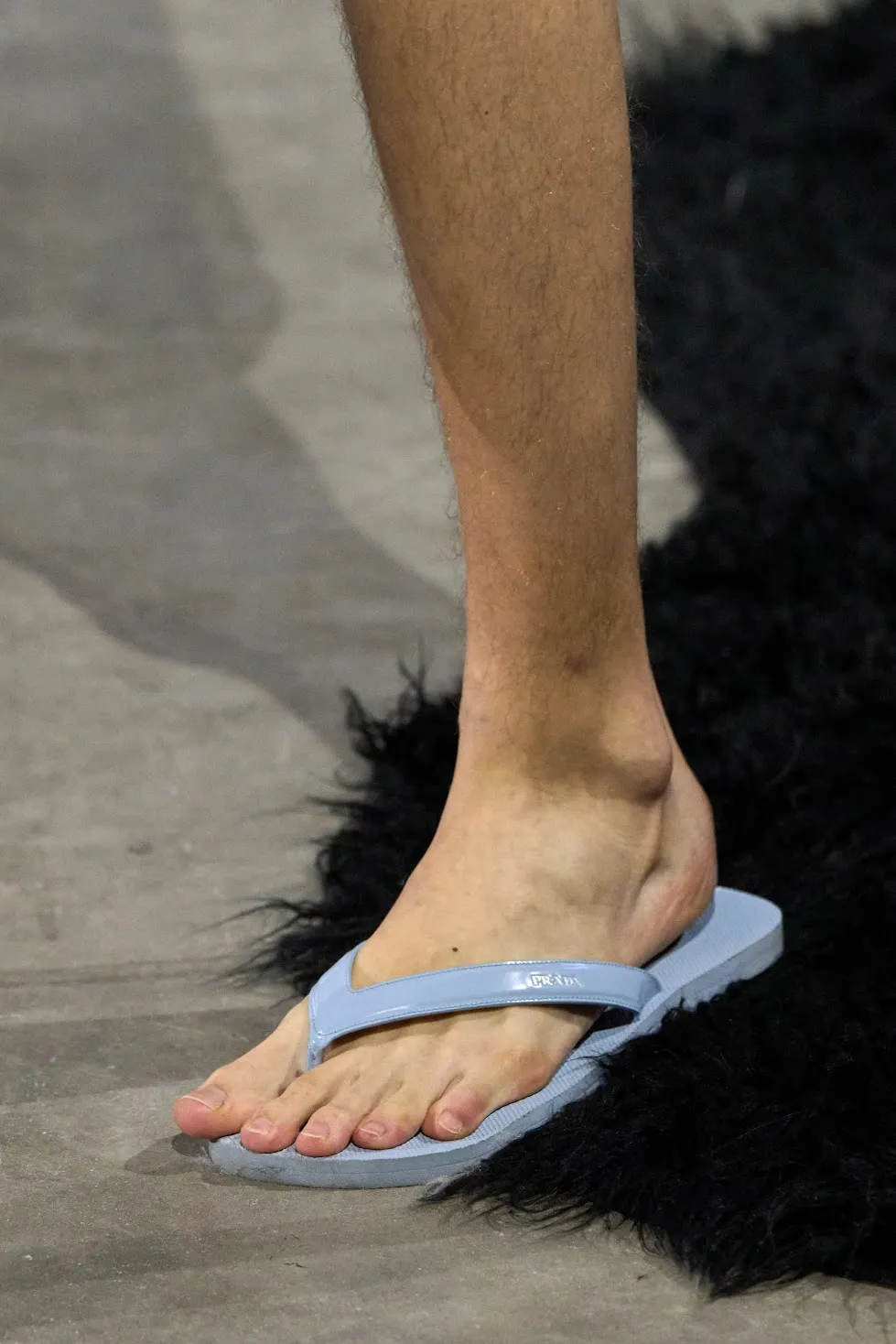
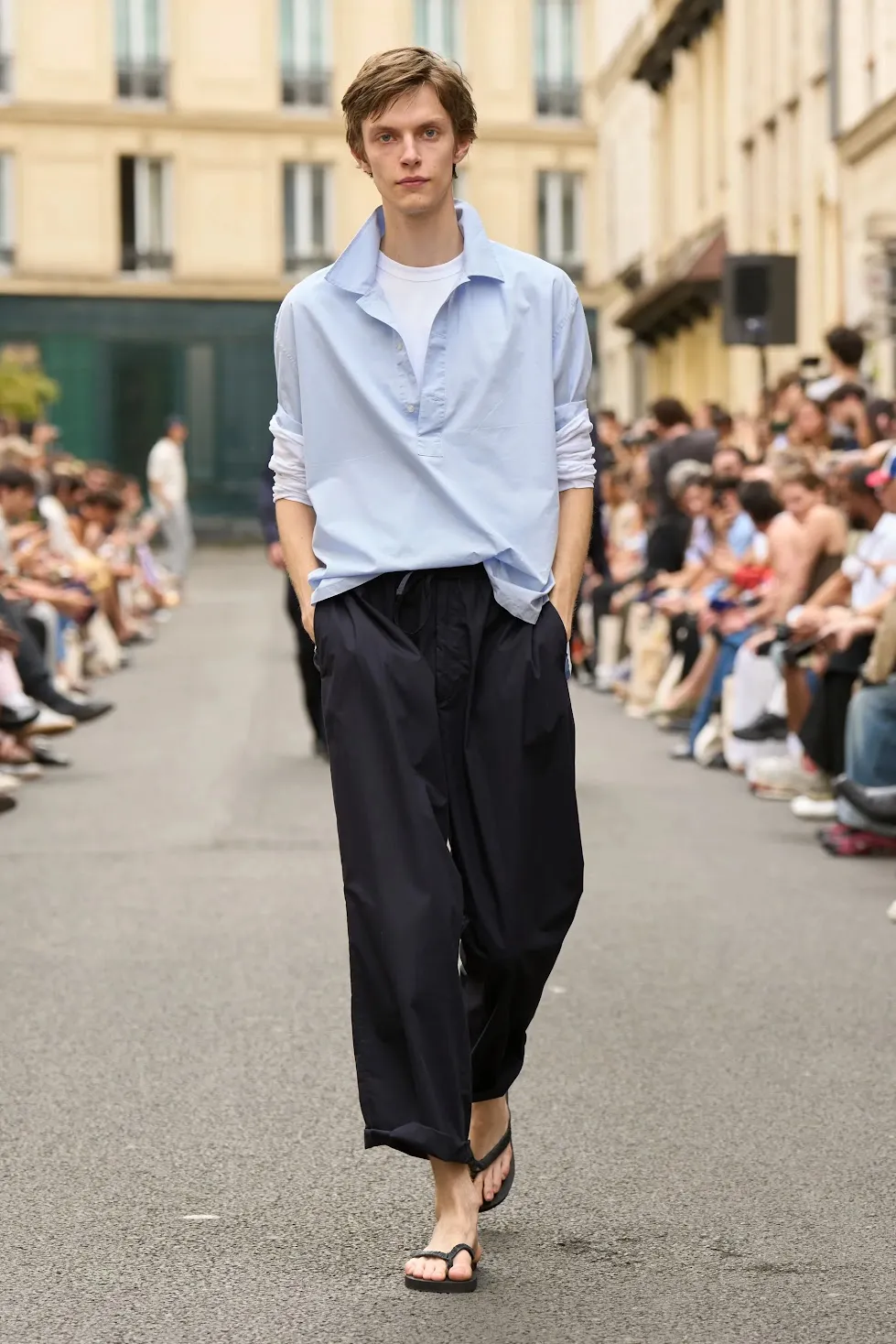
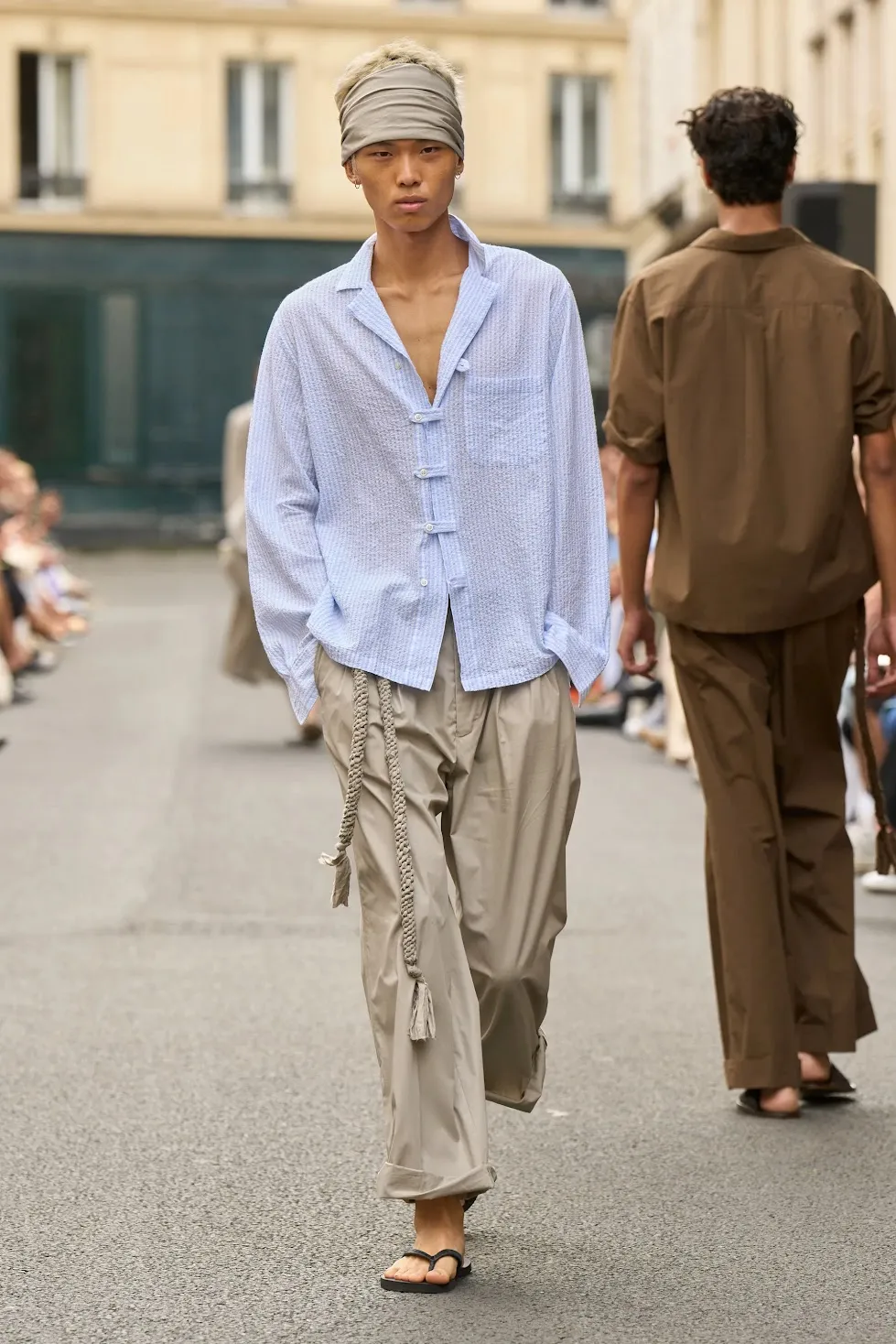
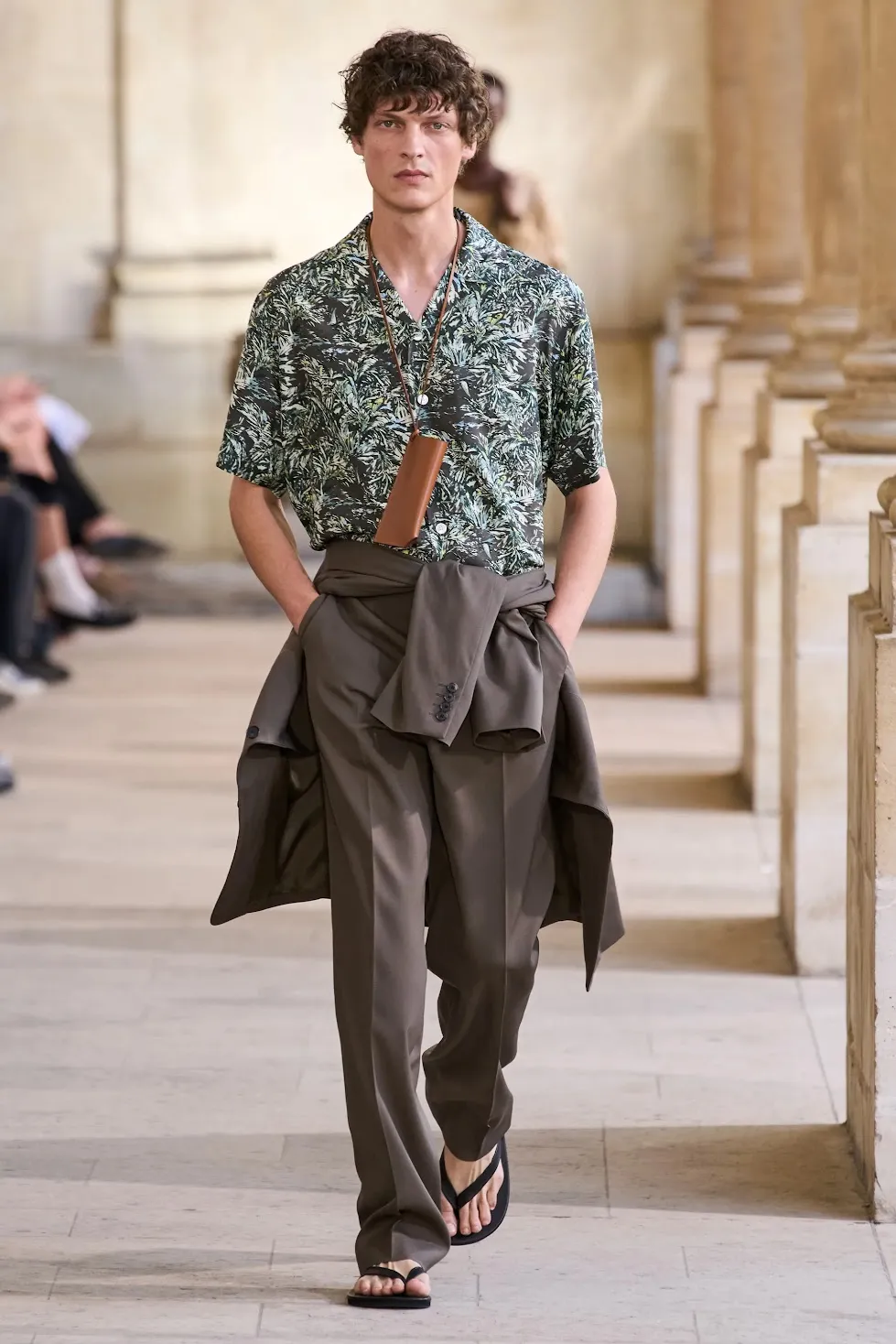
Flip-flops, once dismissed as too casual to count as fashion, have become the definitive summer “shoe.” Not ironic or exaggerated. Just simple and functional. As economic anxieties loom, there’s a clear shift away from the maximalist sneaker era toward something more grounded, both literally and figuratively. After years of chunky sneakers and aggressively engineered sandals, the return to thin soles and exposed toes feels almost rebellious in its simplicity. Today’s flip-flop is intentional. Worn with tailored trousers or oversized shorts, it signals a laid-back pragmatism that doesn’t try too hard.
RELATED: The Flip-Flop Is Back—And It’s Actually Kind of Chic
3. Thigh season is here
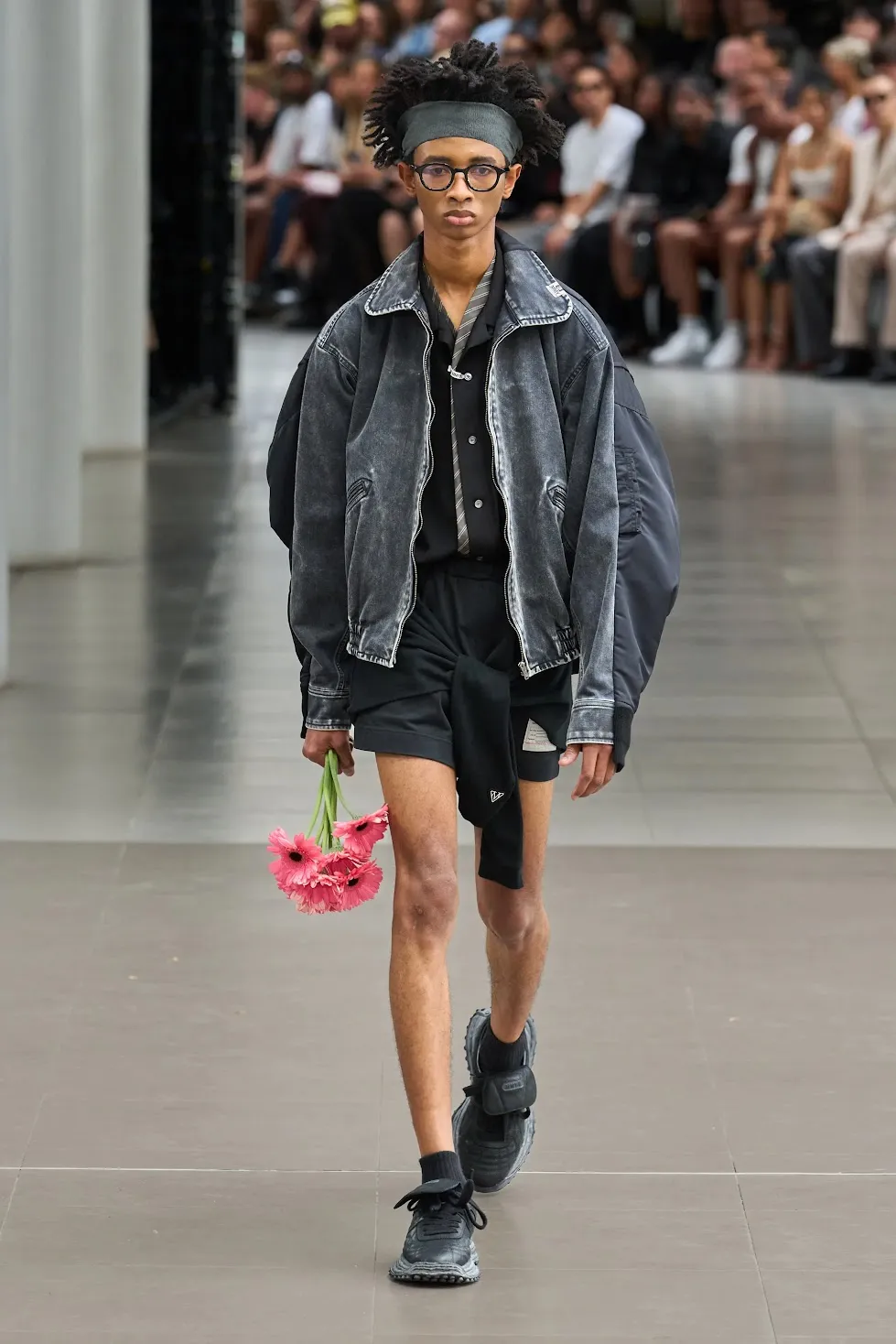
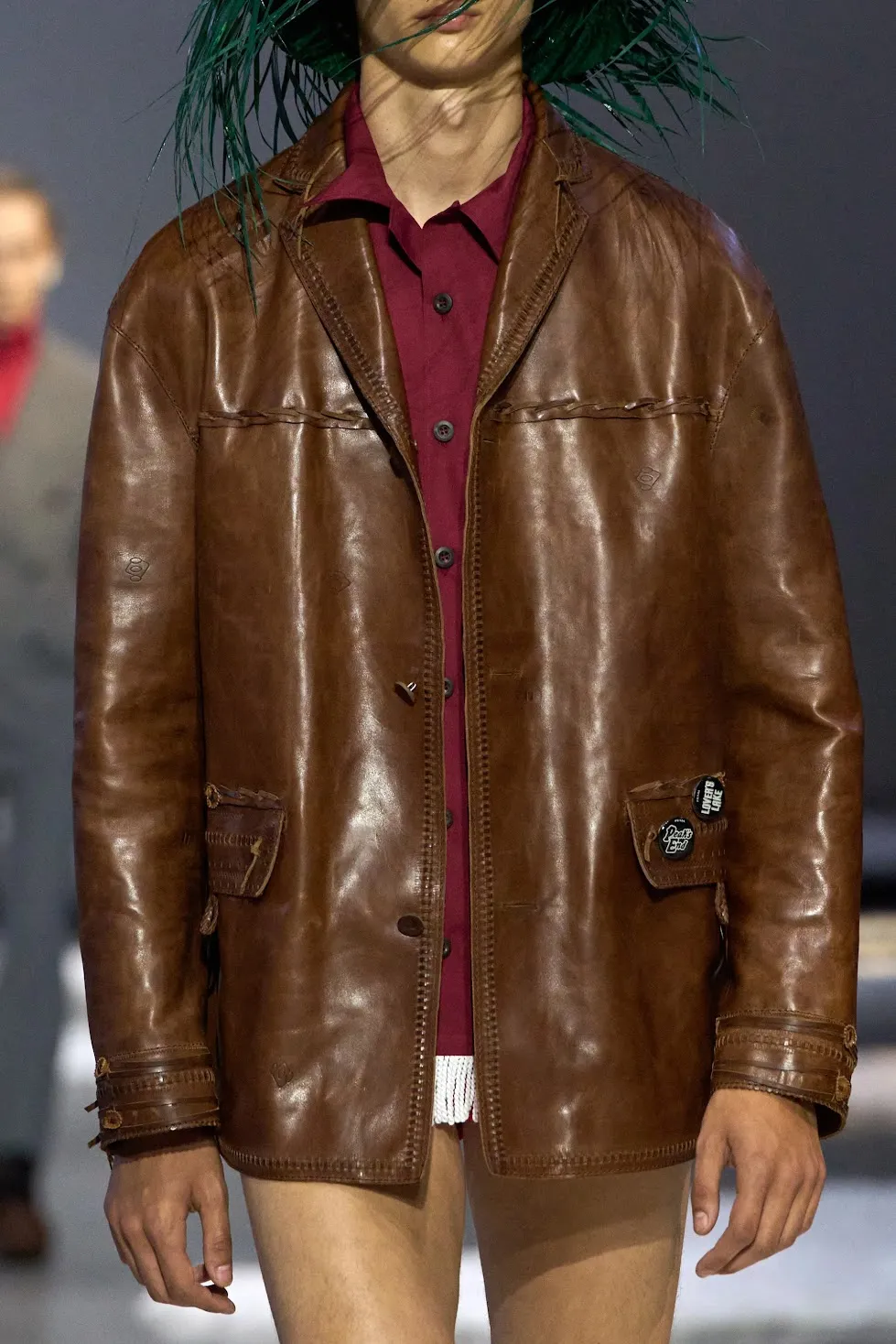
Short shorts were inescapable across both cities, and not in a playful retro sense. These were clean-cut, leg-baring, and assertive. “Thigh season,” as we cheekily call it, signals a shift in body confidence and silhouette. It’s less about provocation and more about openness. Paired with robes or loose knits, the exposed leg becomes part of a broader trend: skin as an accessory. Like summer itself, these looks are about exposure without pressure.
4. Purple is the color of the moment
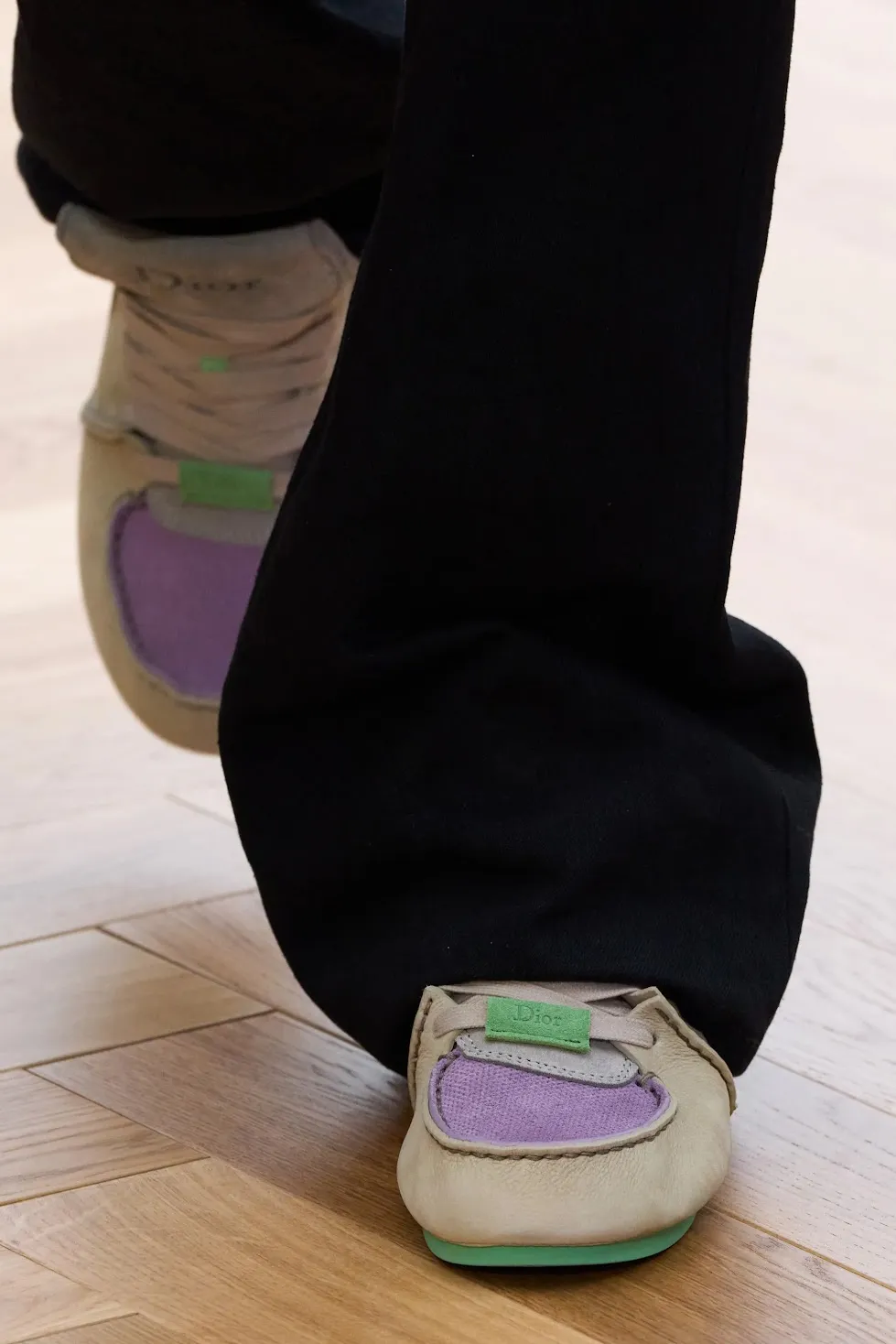
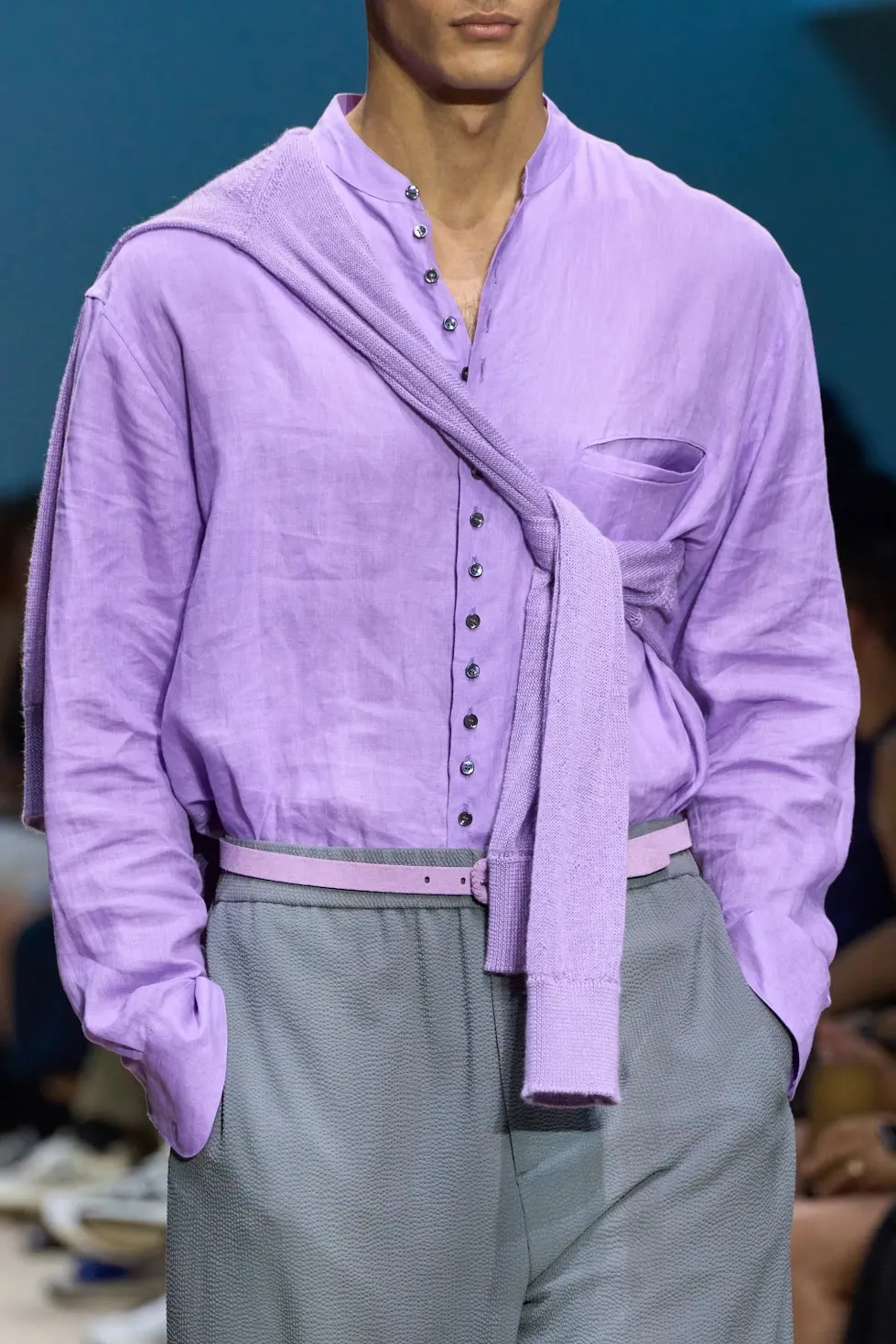
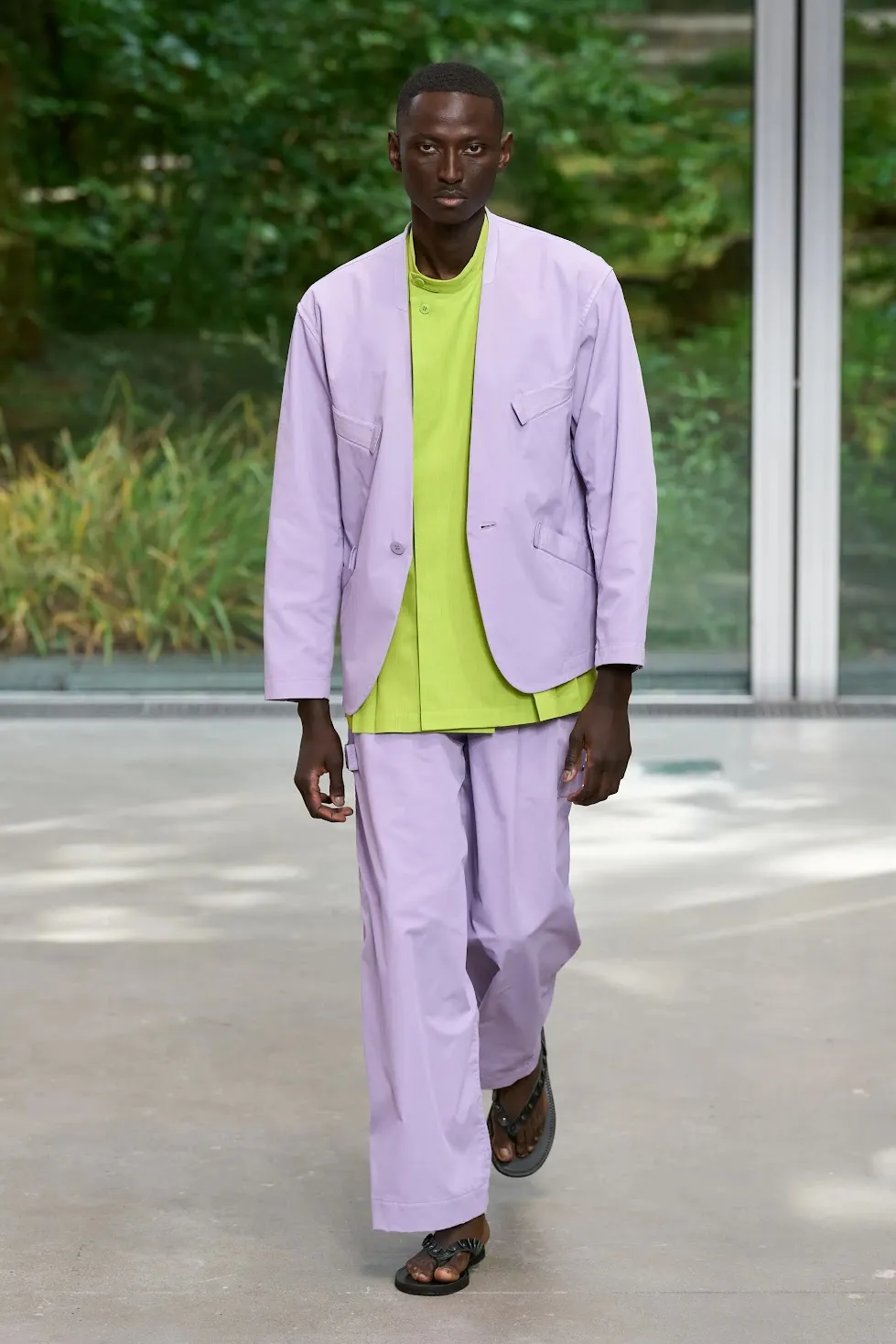
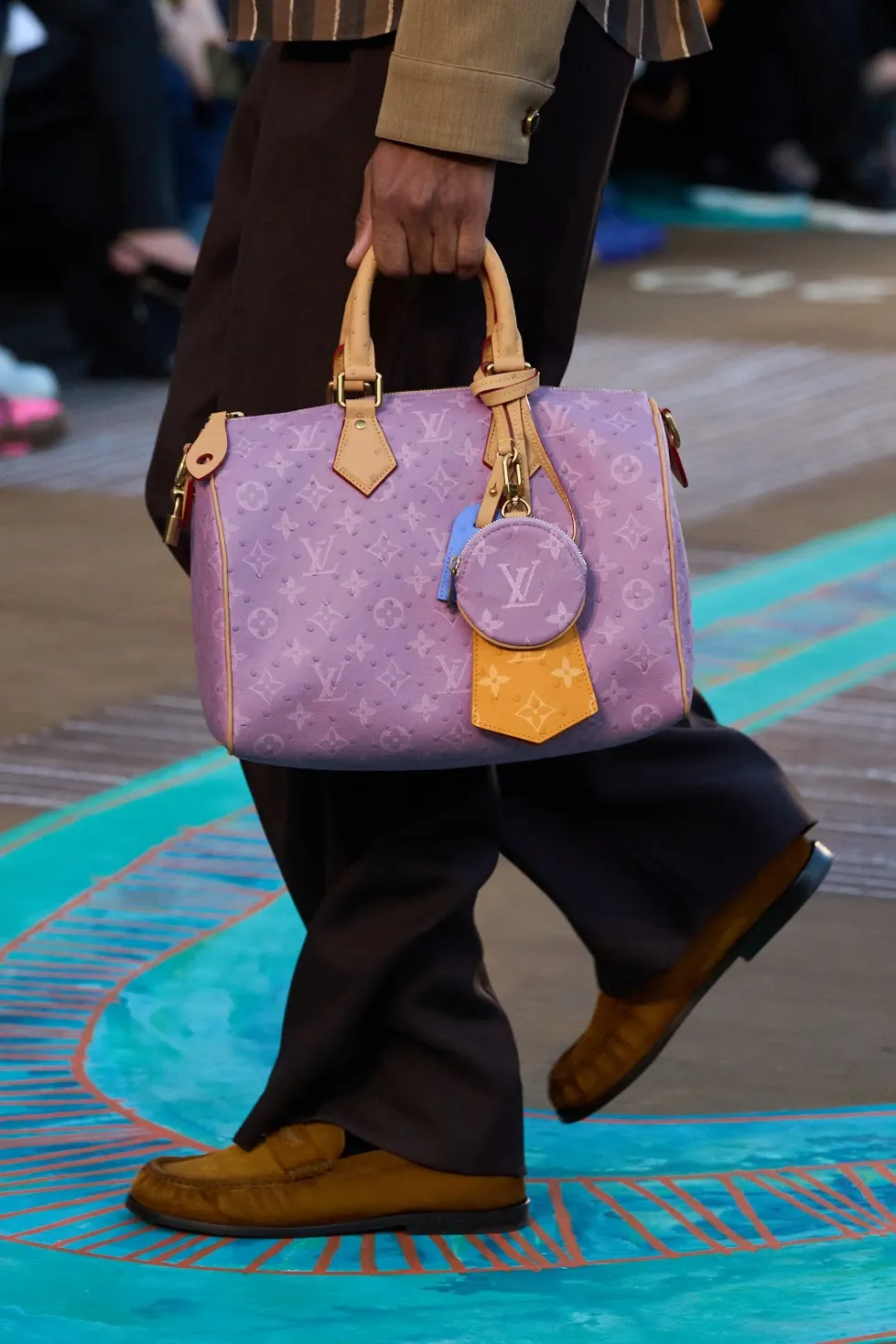
This season, purple is the base. From deep aubergines to washed lilacs, designers worked it into coats, bags, knits, and accessories. In a palette that has leaned neutral in recent seasons, purple feels both directional and surprisingly versatile. It adds richness without demanding attention and reframes color as a subtle tool rather than an exclamation mark. It’s a color historically linked to royalty and mystery, and here, it acts as a bridge between the trend’s core themes of softness and strength.
5. The rise of the statement robe
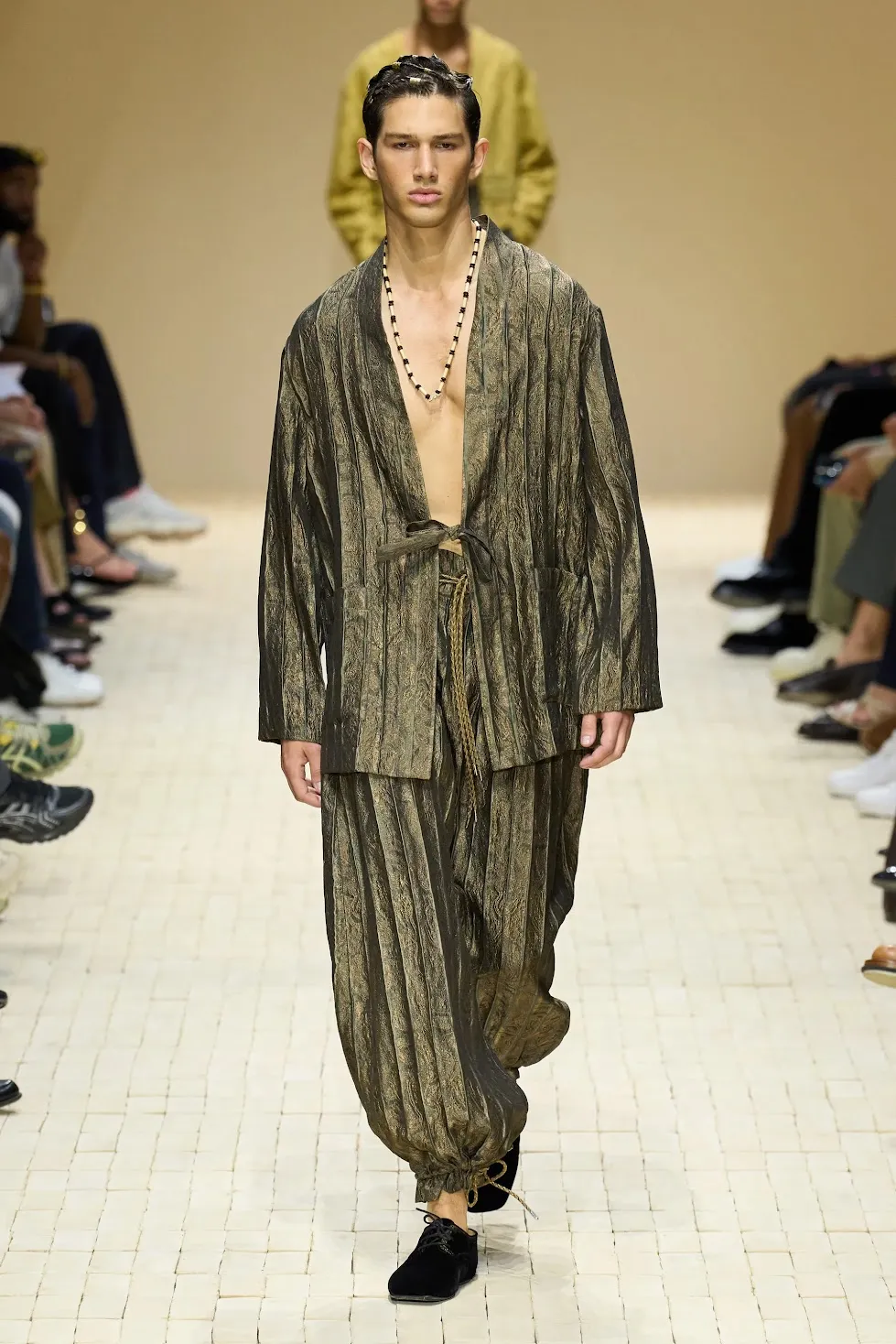
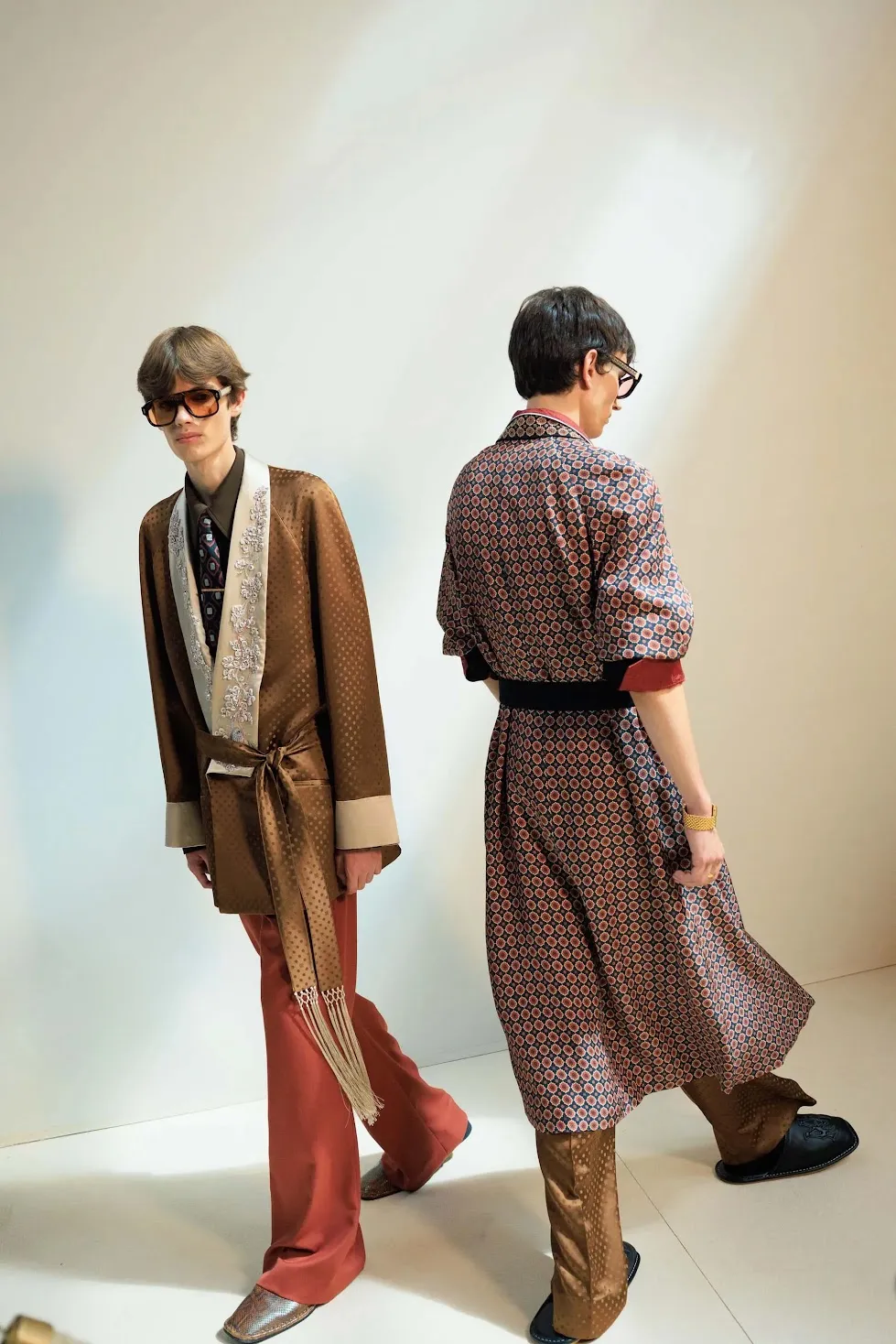
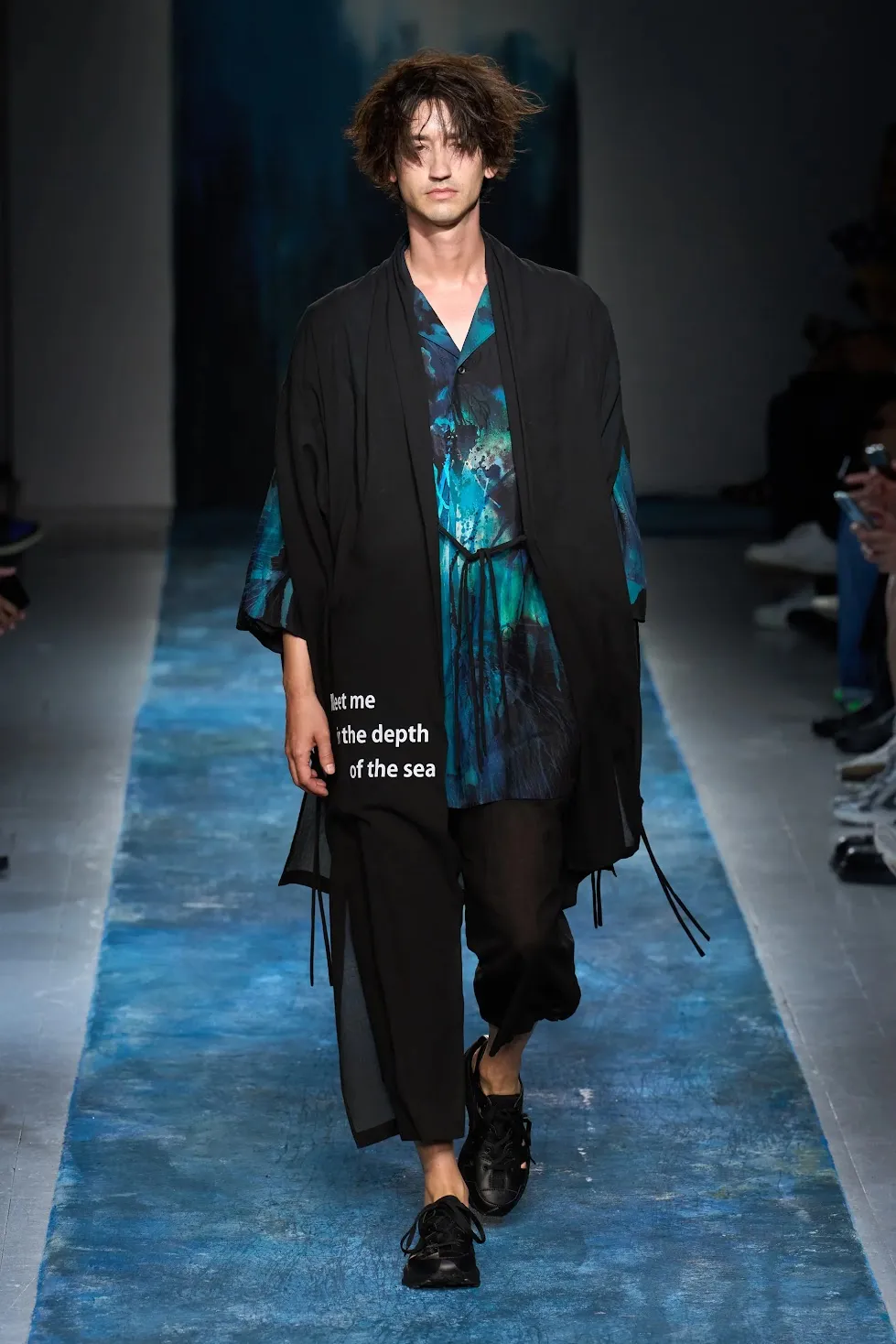
Long, draped, and often belted robes emerged as outerwear alternatives, blurring the line between vacationwear and city dressing. They’re styled for movement, often layered or cut in luxurious fabrics. Like the pajama stripe, the robe is part of a broader shift toward loungewear reimagined for real life. It’s about making comfort look aspirational, not lazy. The pajama motif returned here, but dressed up, like someone on the Amalfi Coast who packed exactly one expensive robe and called it a wardrobe.
6. Vintage-inspired suiting
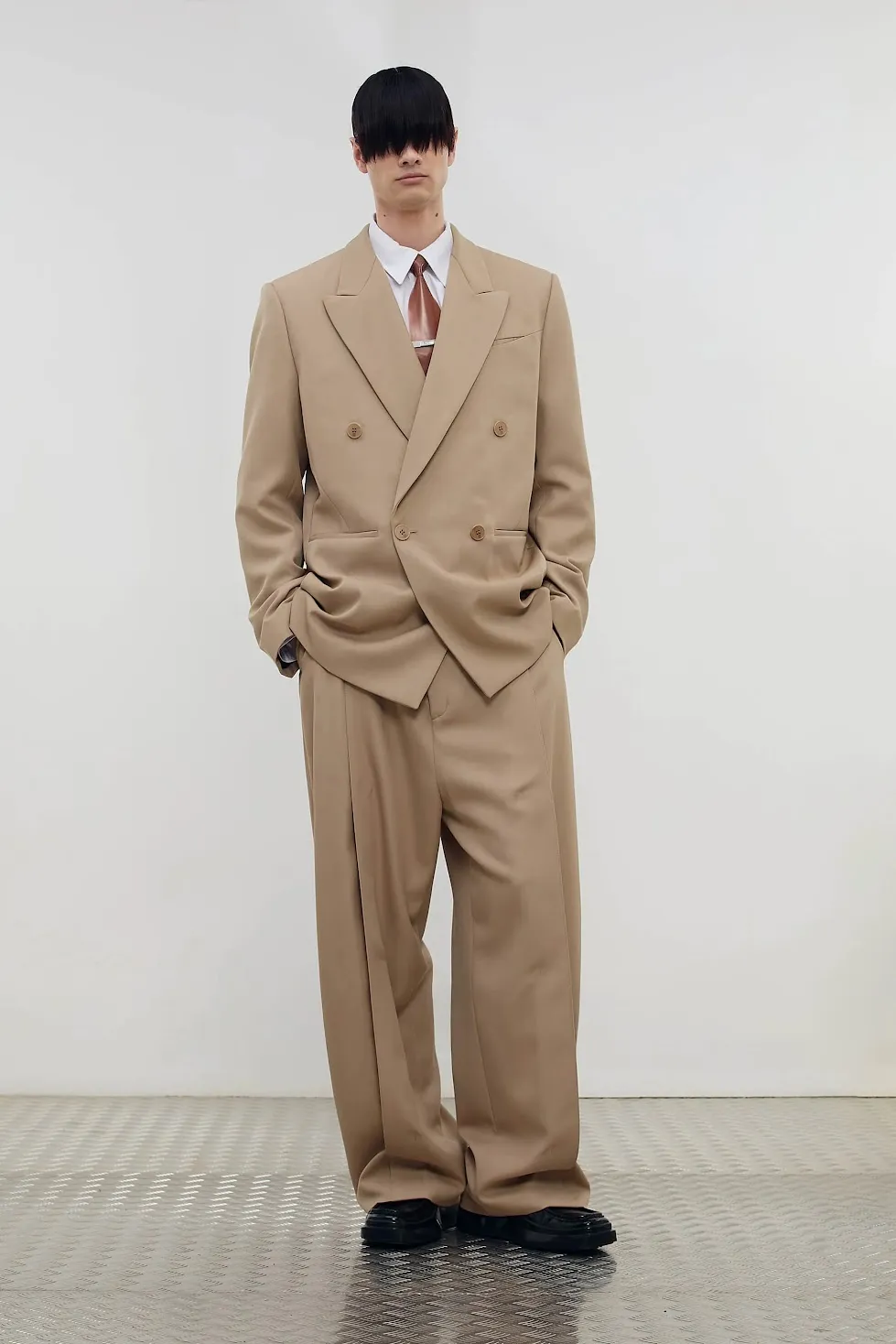
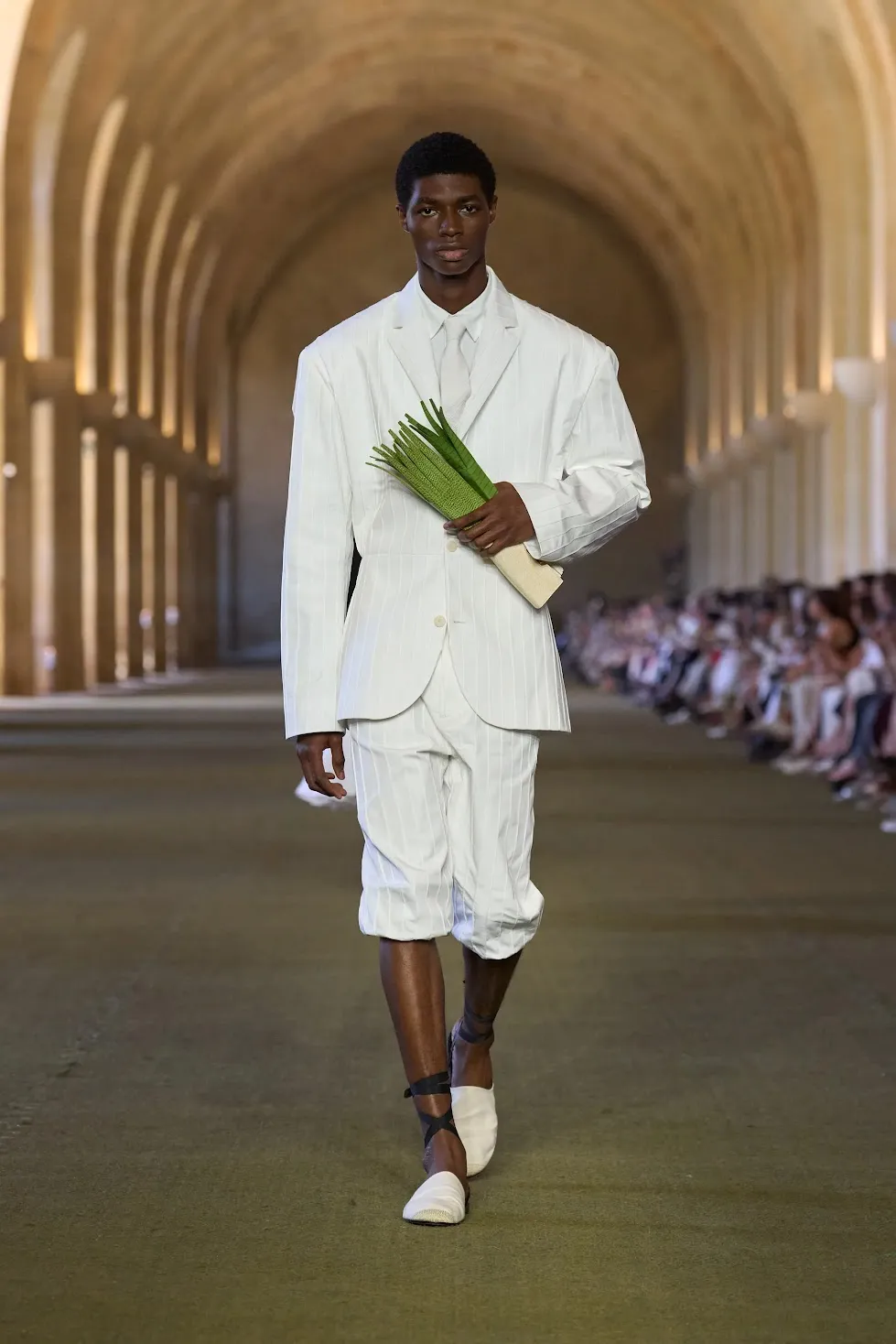
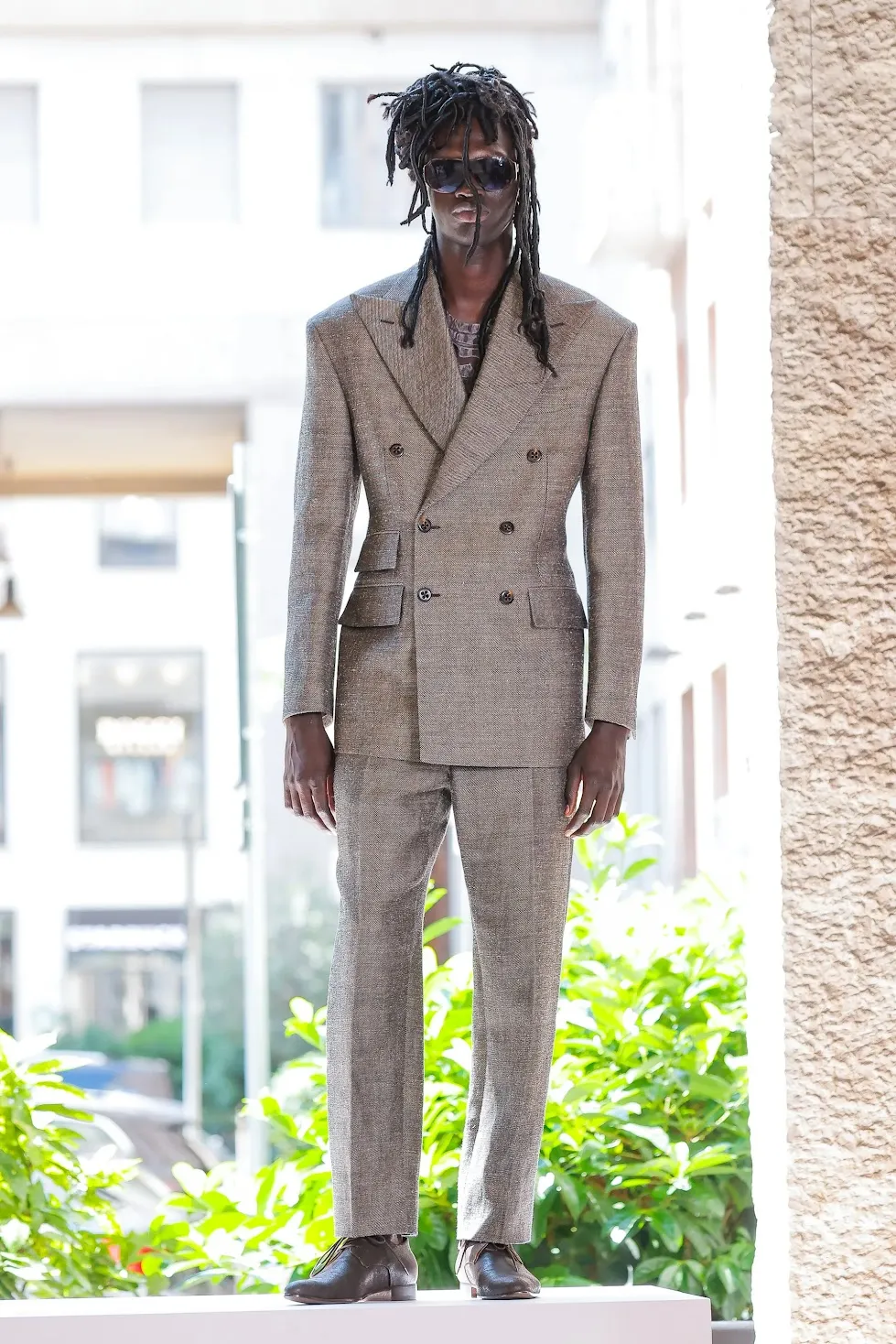
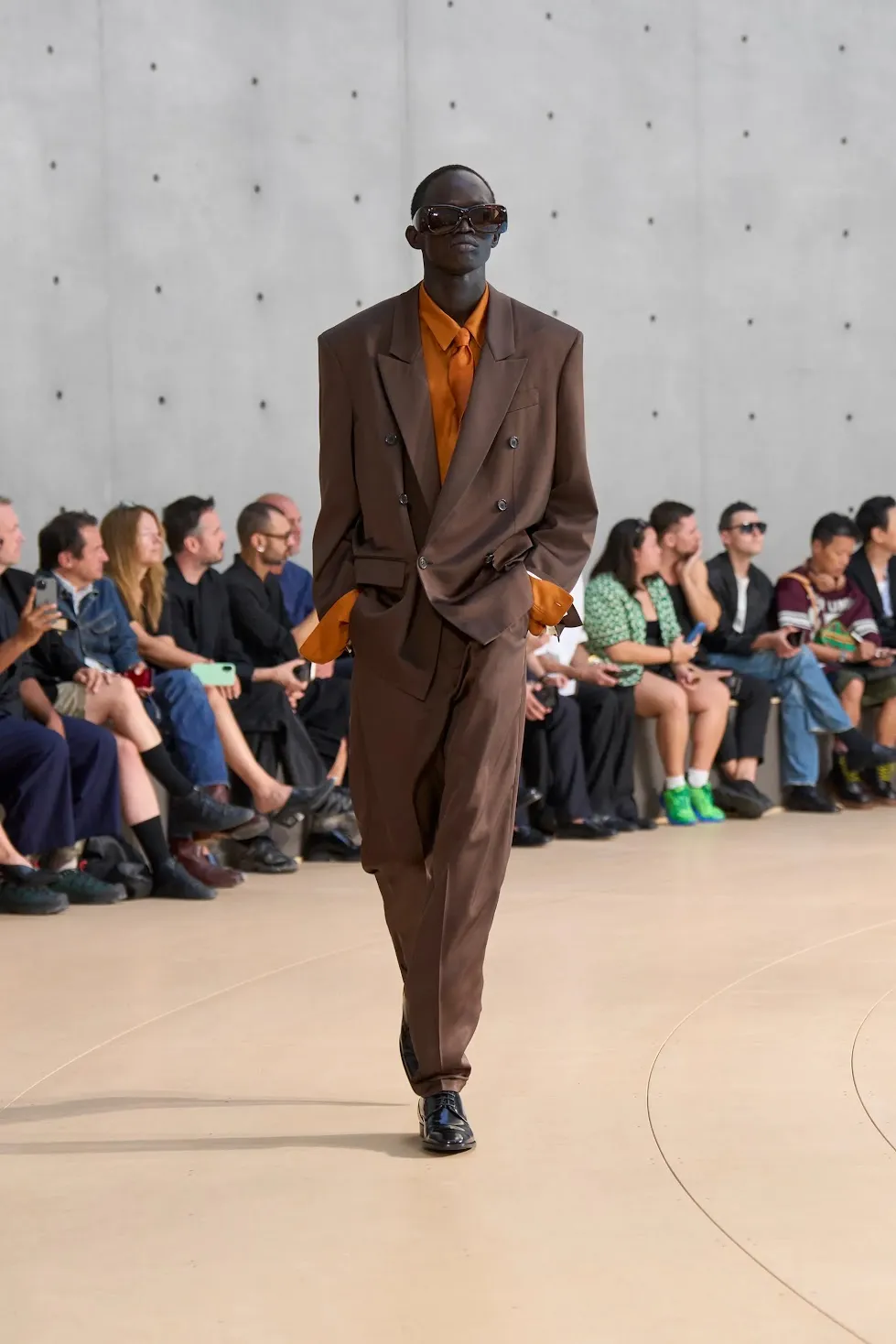
While softness dominated most trends, suiting made a return, this time with a 70s-era attitude. Think strong shoulders, double-breasted blazers, and a leaner formality. These suits didn’t feel nostalgic so much as like a reset. They brought back structure, but in a way that feels character-driven rather than corporate. Worn open over bare skin or paired with shorts, they update classic tailoring for a post-business-casual world.
The bottom line
What we’re seeing is a paradox, a moment in menswear where soft and strong can coexist. A man can wear a robe and still be the sharpest one in the room. He can wear flip-flops and still look put-together. He can show his thighs and still project confidence. Fashion, for now, is gently reshuffling the idea of what power dressing looks like.
Designers across Milan and Paris are tuning into a cultural appetite for softness without sloppiness and for simplicity that still signals intention. Flip-flops aren’t careless; they’re considered. Pajama stripes aren’t sleepy; they’re styled. Even short shorts and robes read less like statements of comfort and more like redefinitions of what put-together can look like.
If there’s one clear takeaway from the Spring/Summer 2026 runways, it’s this: ease is no longer the absence of style. It is the style.