Jungle Code: Camouflage Is Back in Fashion This Season
Camouflage returns with stealth and style. Subdued greens and desert tones meet rugged textures, proving that to stand out, sometimes you need to blend in




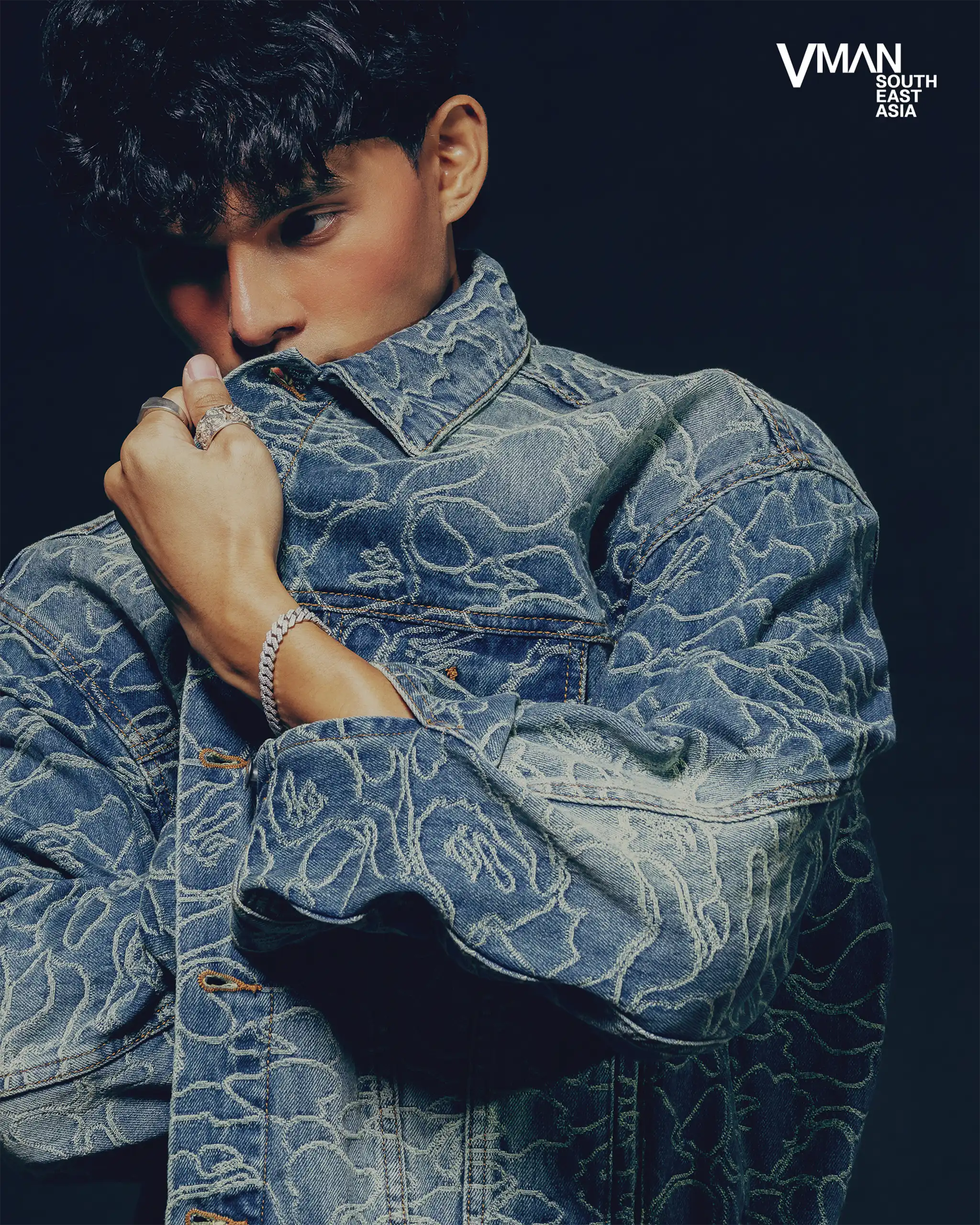
Camouflage returns with a modern twist
Camouflage is back on the fashionFashionThe art and industry of designing, producing, and styling clothing, footwear, accessories, and beauty trends. It reflects cultural influences, personal expression, and evolving styles across seasons and markets.Go to Fashion Glossary agenda, though not in the blunt, militant way the print is often remembered. This season, camo is defined by muted greens, sand-washed khakis, and sun-faded browns. On runways, designers are pulling the pattern away from its utilitarian roots and presenting it instead as a sophisticated tool for dressing.
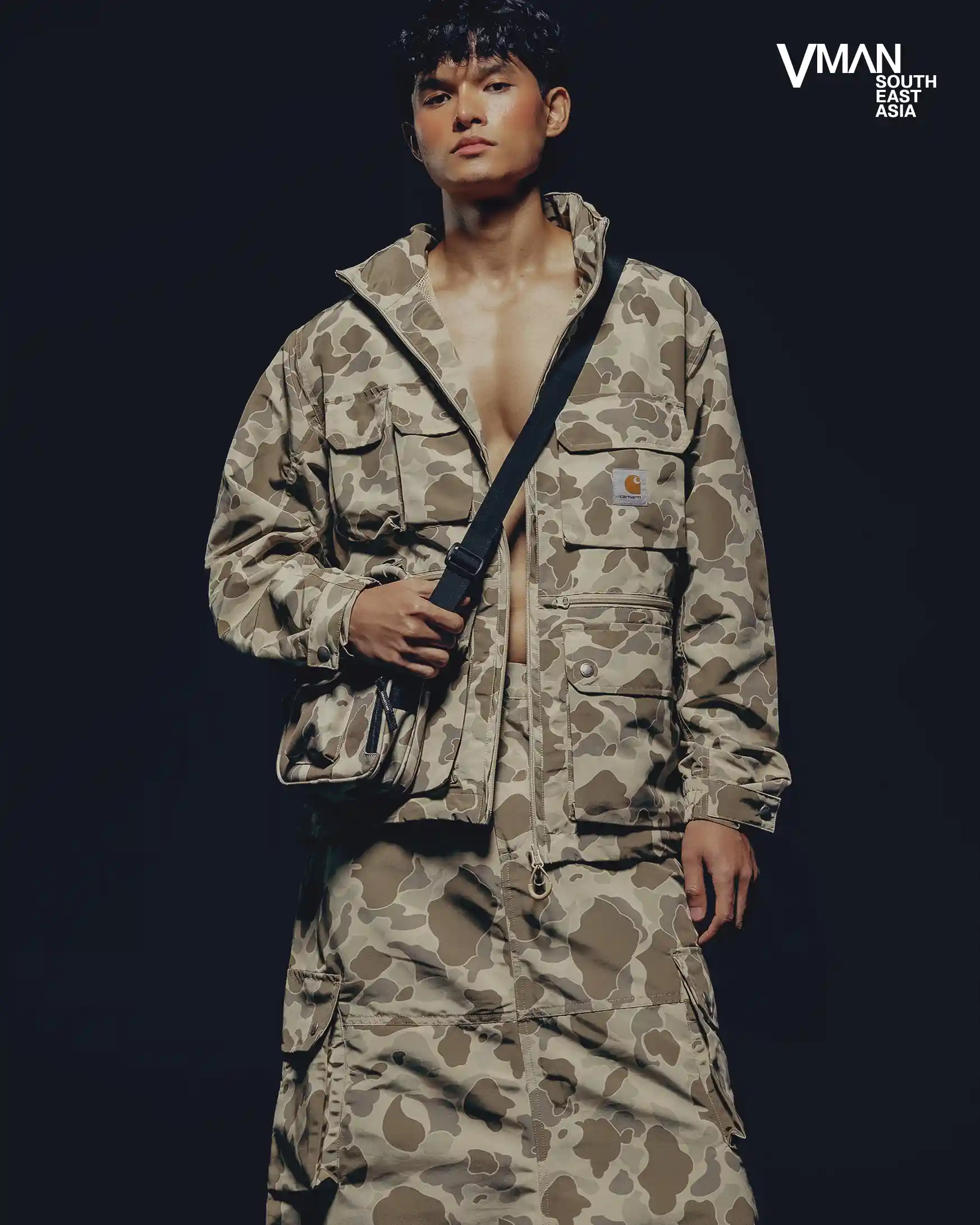
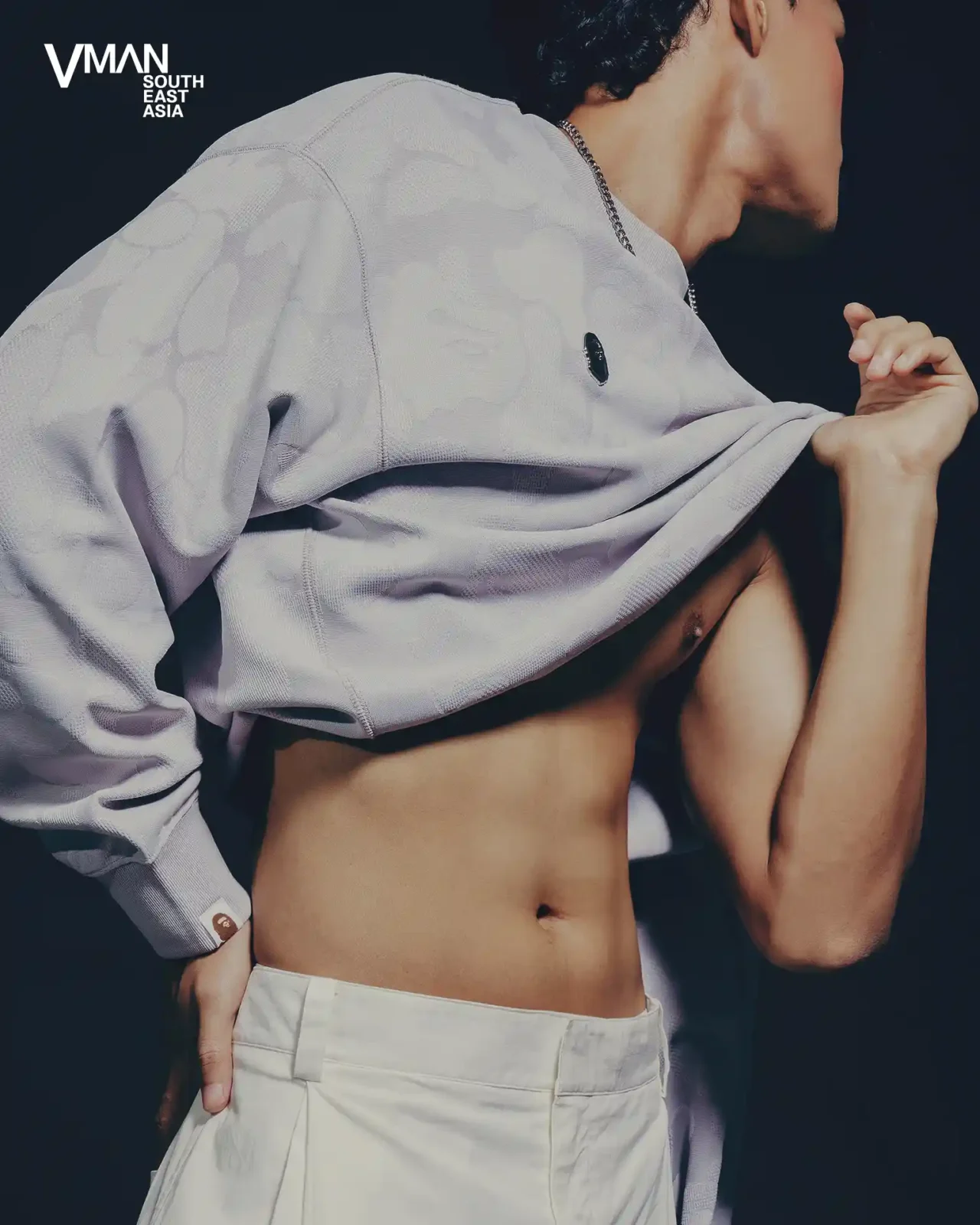
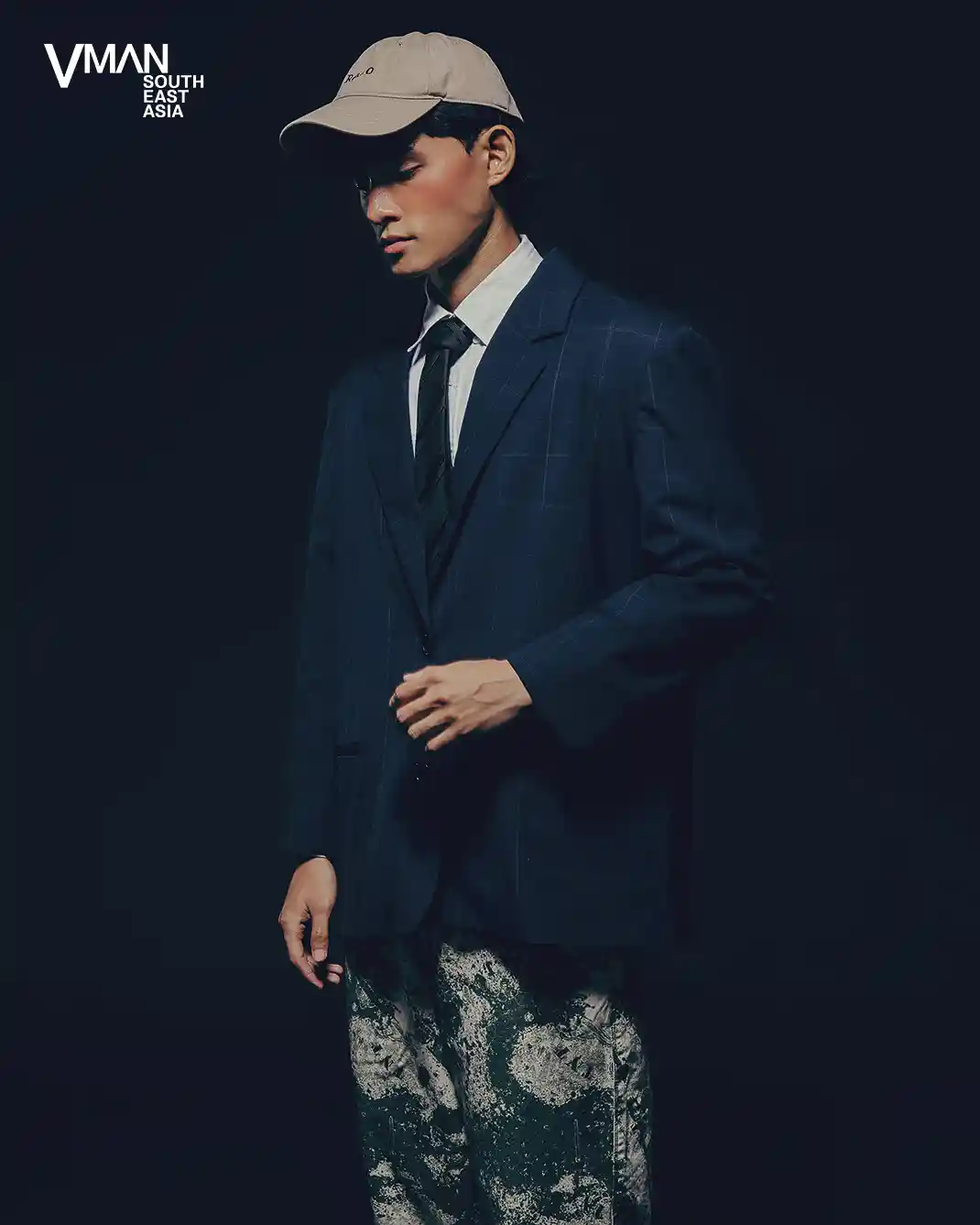
The appeal of camouflage has always rested on its paradox: a pattern designed to conceal that inevitably draws attention. Today, that irony feels sharper and even useful. Where minimalismMinimalismA design philosophy that favors clean lines, restrained color palettes, and quality materials over ornament and logos. In menswear, minimalism emphasizes impeccable fit and fabric, producing clothes that feel timelessGo to Minimalism Glossary has defined recent seasons, camo introduces a rugged and slightly unruly disruption. Yet it is not wielded with excess. The new camo is refined, appearing in tailored jackets cropped at the waist, slim-cut trousers, and coats rendered in supple fabrics that shift the print from functional to fashionable.
A statement of presence
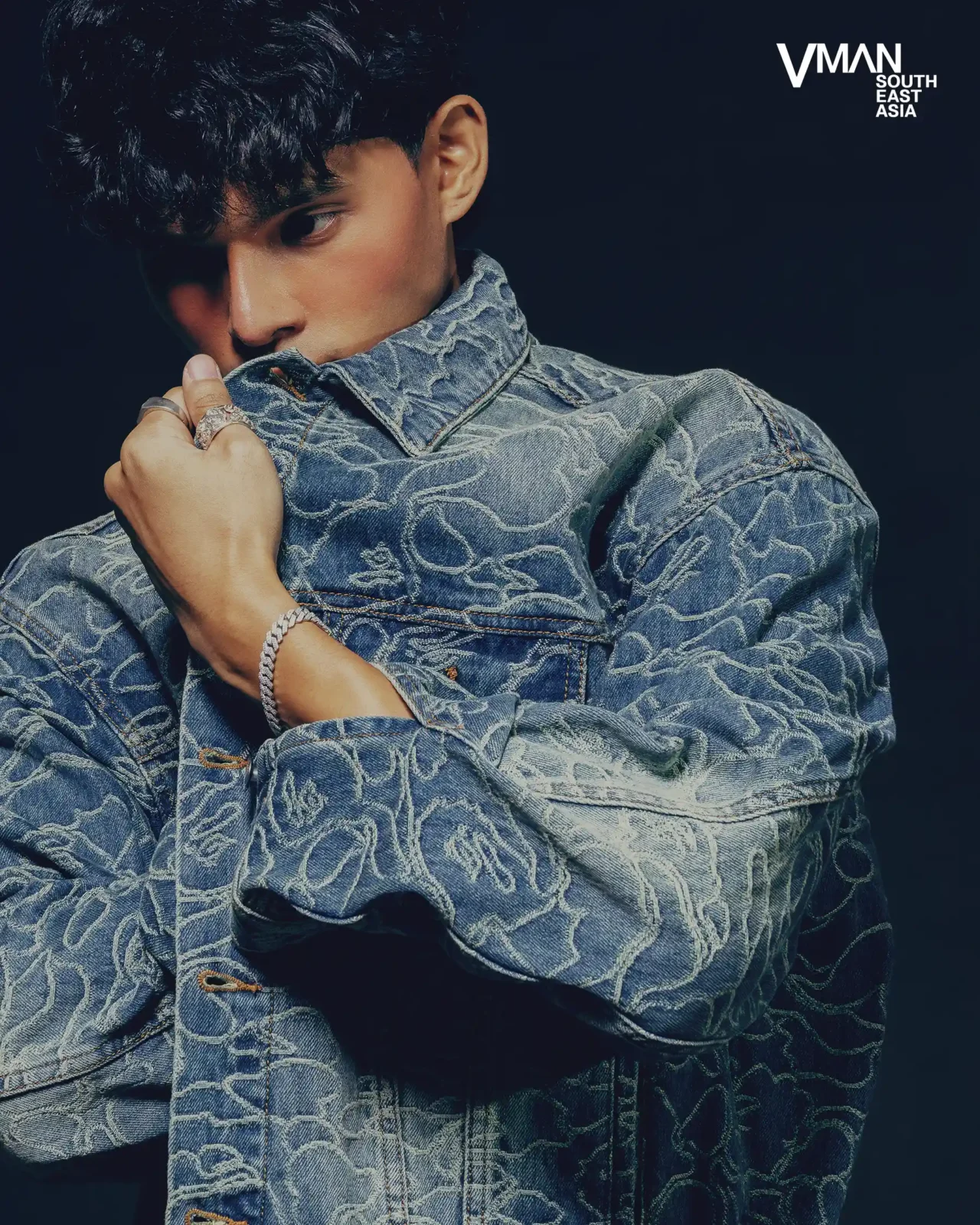
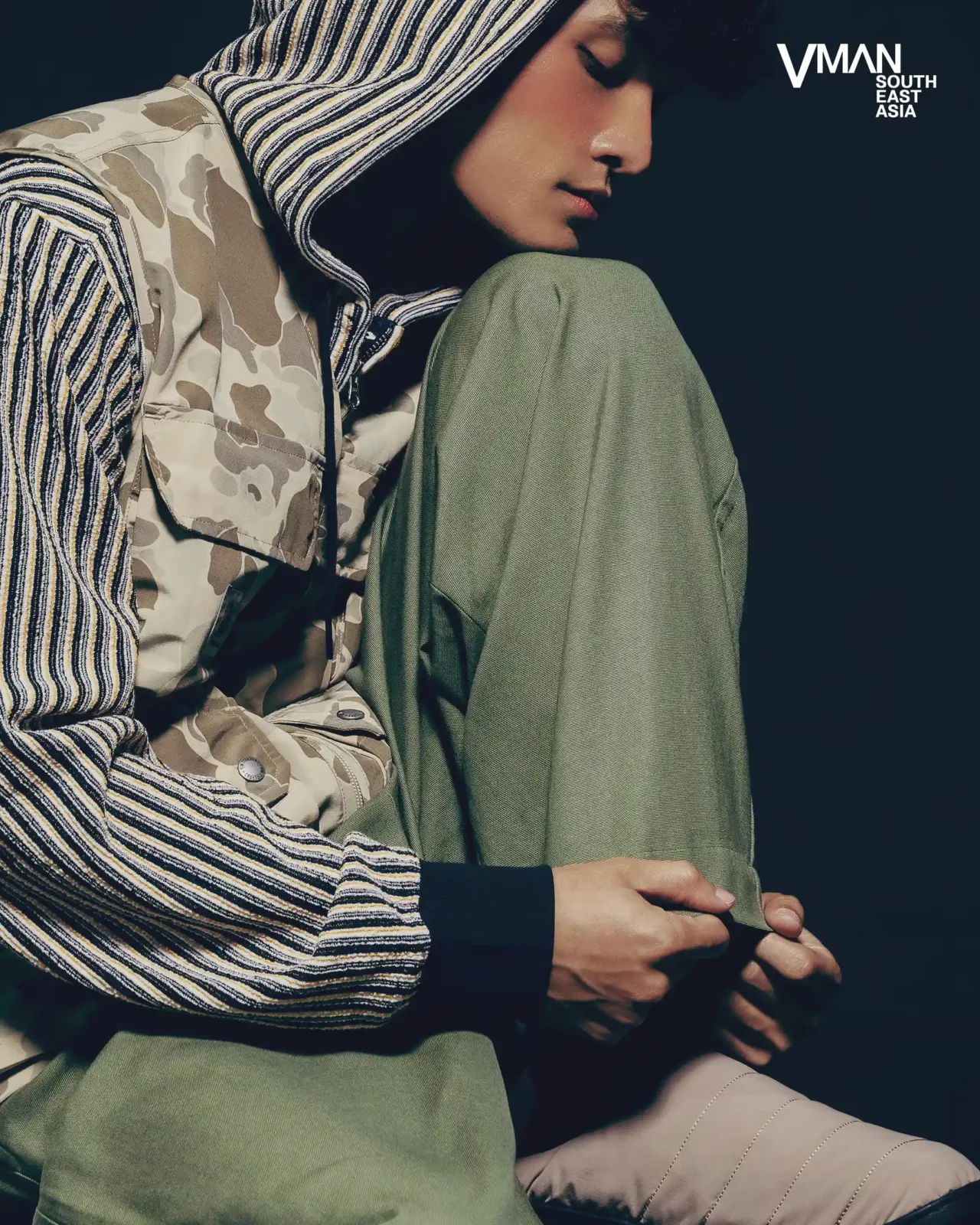
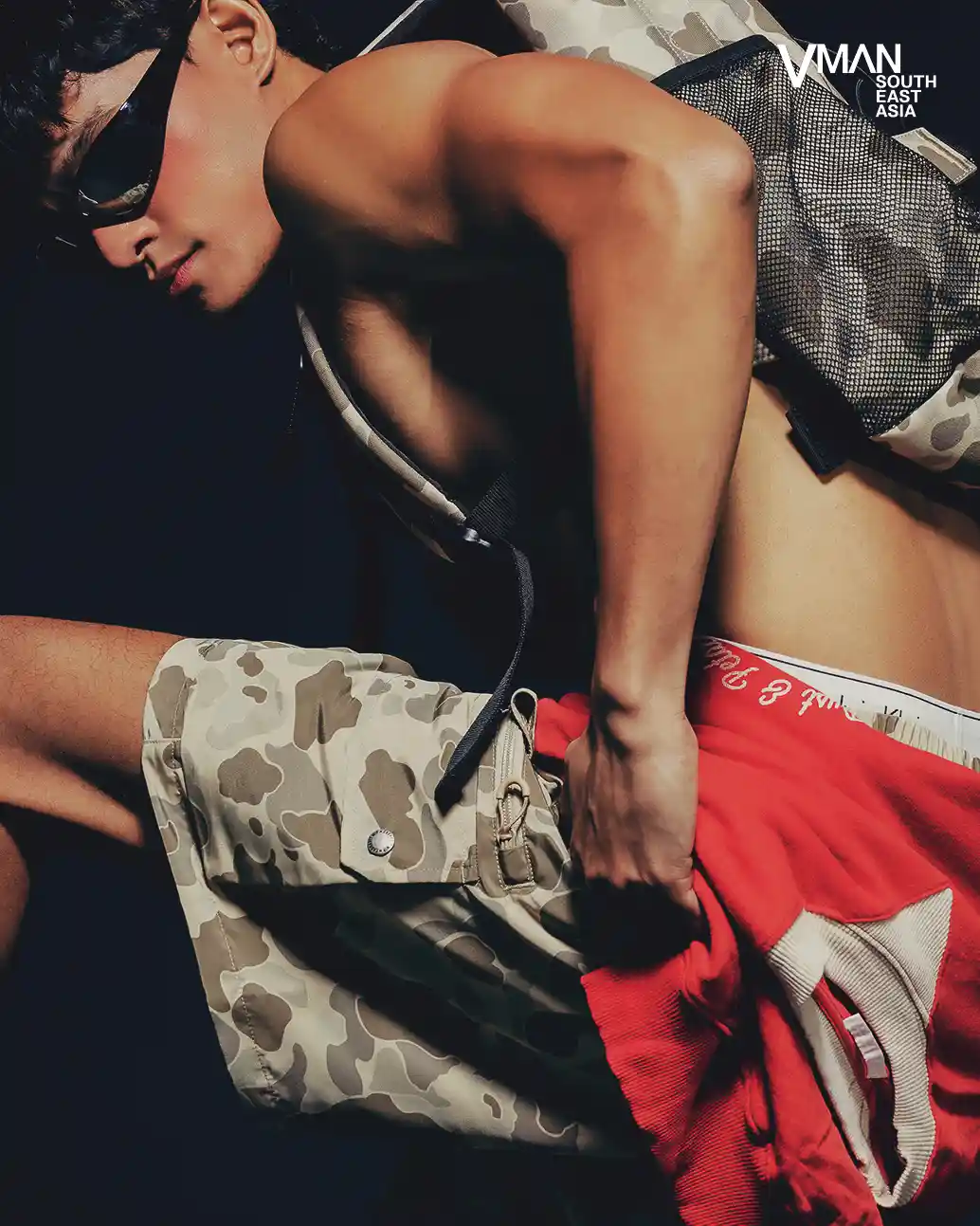
Styling plays a decisive role in this reinvention, and the key is subtlety. A camouflage overshirtOvershirtA sturdy, shirt-like layer worn over a tee or shirt, sitting between a shirt and a jacket in weight. Easy to style and suited to transitional weather, the overshirt givesGo to Overshirt Glossary layered over a white tee suggests an intentional nonchalance. Even accessories such as a tote in washed camo, sneakers with patterned panels, or a cap in muted desert tones provide precise entry points without overwhelming an outfit. The effect is a controlled clash of ruggedness and refinement.
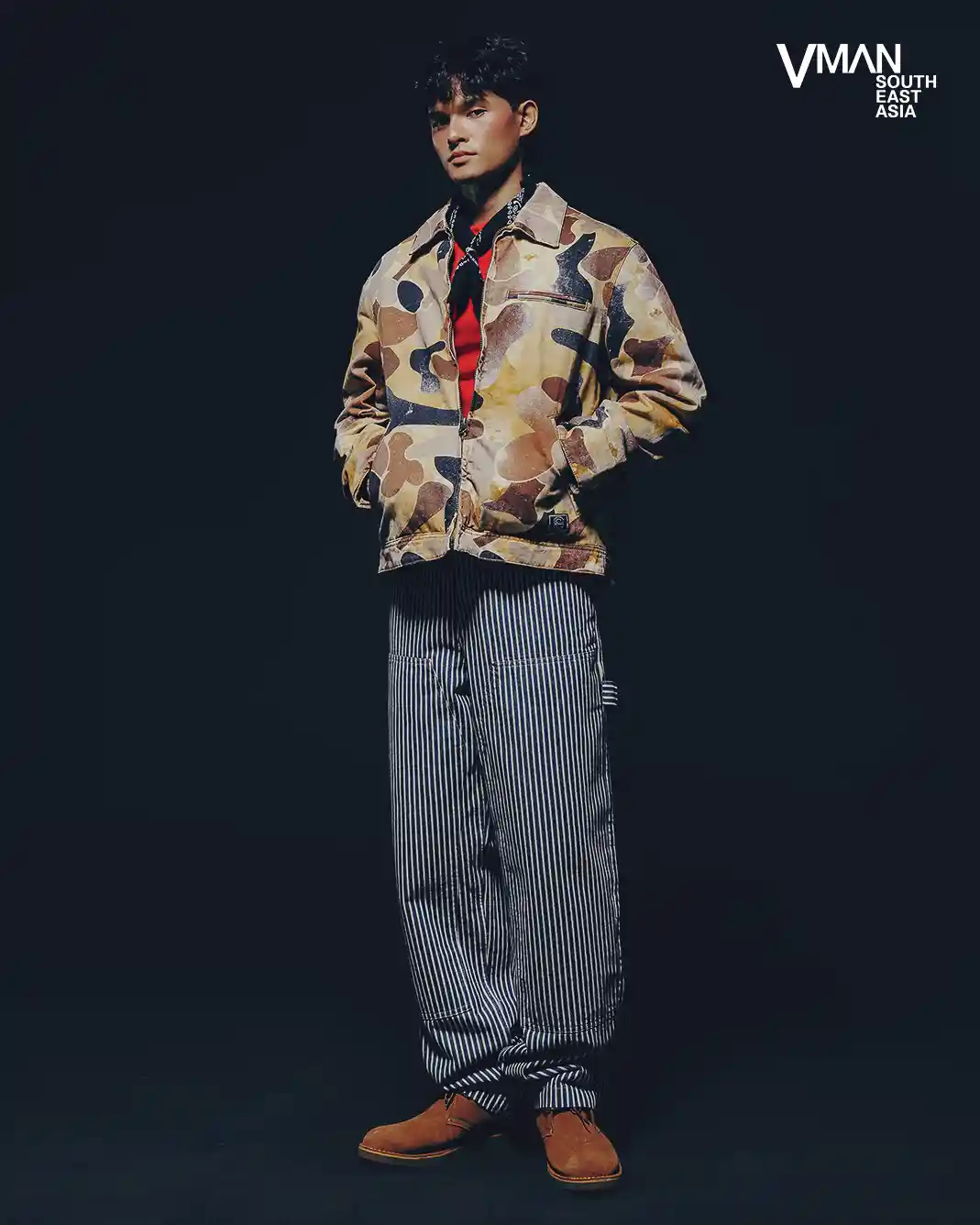
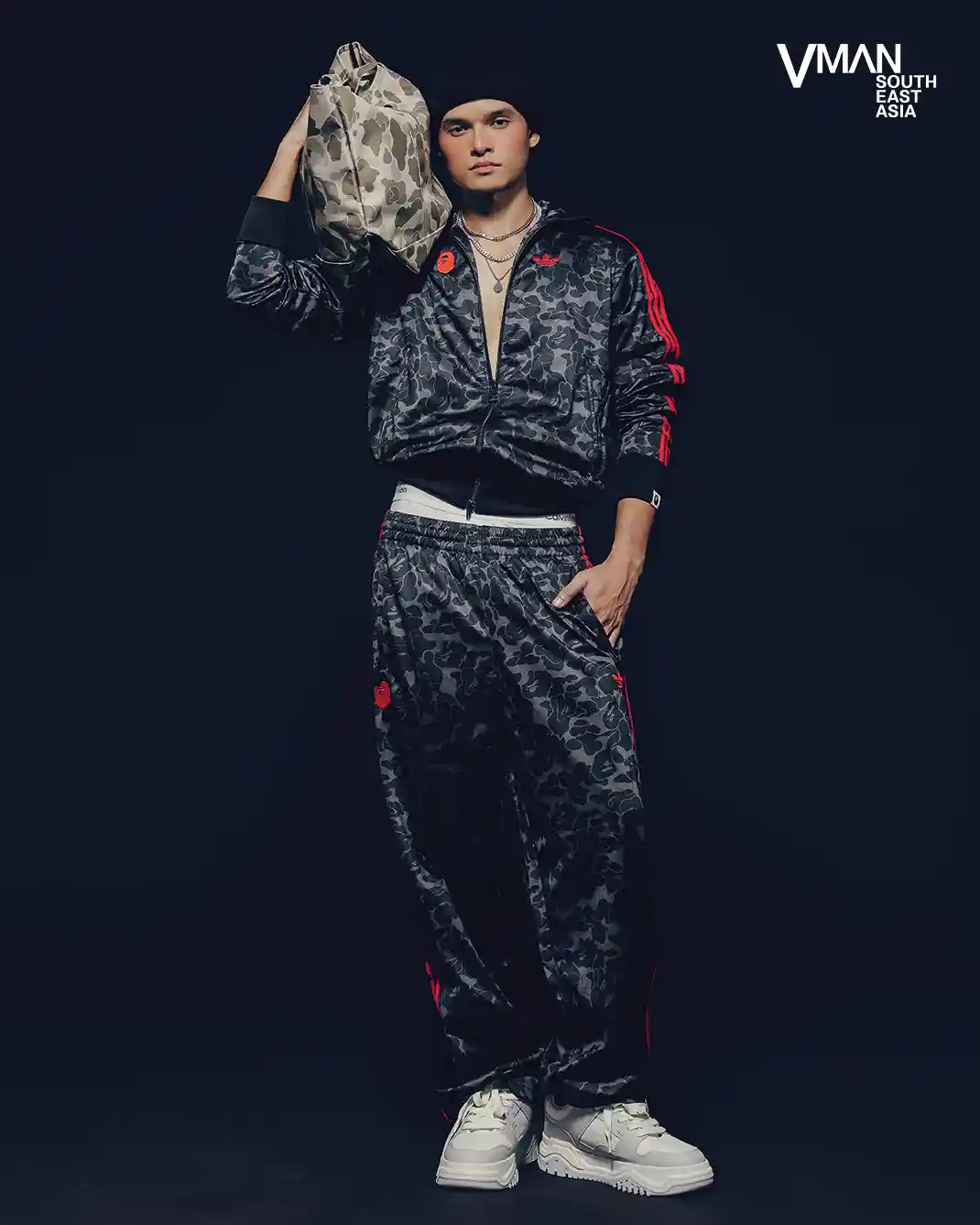
The return of camo also signals a broader shift in how fashionFashionThe art and industry of designing, producing, and styling clothing, footwear, accessories, and beauty trends. It reflects cultural influences, personal expression, and evolving styles across seasons and markets.Go to Fashion Glossary interprets visibility. To wear camouflage today is to embrace contradiction, appearing casual while making a clear statement. In a cultural moment defined by both spectacle and restraint, camo offers a way to navigate the tension, blending in while ensuring you are seen.
This season, camouflage is not about hiding. It is about presence, sharpened through restraint. FashionFashionThe art and industry of designing, producing, and styling clothing, footwear, accessories, and beauty trends. It reflects cultural influences, personal expression, and evolving styles across seasons and markets.Go to Fashion Glossary has transformed a pattern of anonymity into a language of distinction.
As seen in the pages of VMAN SEA 04, available in print and by e-subscription.
Photography Rojan Maguyon
Art direction Mike Miguel
FashionFashionThe art and industry of designing, producing, and styling clothing, footwear, accessories, and beauty trends. It reflects cultural influences, personal expression, and evolving styles across seasons and markets.Go to Fashion Glossary Corven Uy
Grooming Jean Alorro of Nix Institute of Beauty
Photography assistant Odan Juan
Model Jehrricco Pasambal (IM Agency)
Frequently Asked Questions
The contemporary camouflage trend moves away from raw, tactical military utility toward sophisticated menswear tailoring. This season’s print is characterized by sun-faded browns, sand-washed khakis, and muted greens executed on premium fabrics like supple wools, structured cottons, and relaxed, waist-cropped jackets.
Styling camouflage with modern restraint relies on using the pattern as an intentional accent rather than a total look. Pairing a faded camo overshirt with a minimalist white t-shirt or incorporating low-profile accessories like washed-canvas totes balances rugged textile dimensions with clean, contemporary tailoring.
Camouflage operates as a historical paradox because its original wartime design was engineered entirely for environmental concealment. When translated into a modern urban fashion landscape, the pattern undergoes an ironic subversion, transforming an anonymity tool into a bold, highly visible statement of personal style.
The return of camouflage signals a cultural transition away from hyper-minimalism toward more textured, unruly visual disruptions. It allows contemporary dressers to navigate the tension between spectacle and restraint, offering a design language that looks effortless while maintaining a highly calculated sartorial presence.
Fabric choice alters the context of modern camouflage by replacing heavy, generic military twills with high-end, luxury materials. When the print is applied to fluid silks, supple technical blends, and structured outerwear cloths, it sheds its militant history and joins the vocabulary of elevated sportswear.
Recommended Video