Trend Report: The Matrix Returns
This fall, fashion returns to the world of The Matrix, embracing stark black silhouettes and dark leather as symbols of breaking from the system




A cinematic return to black leather
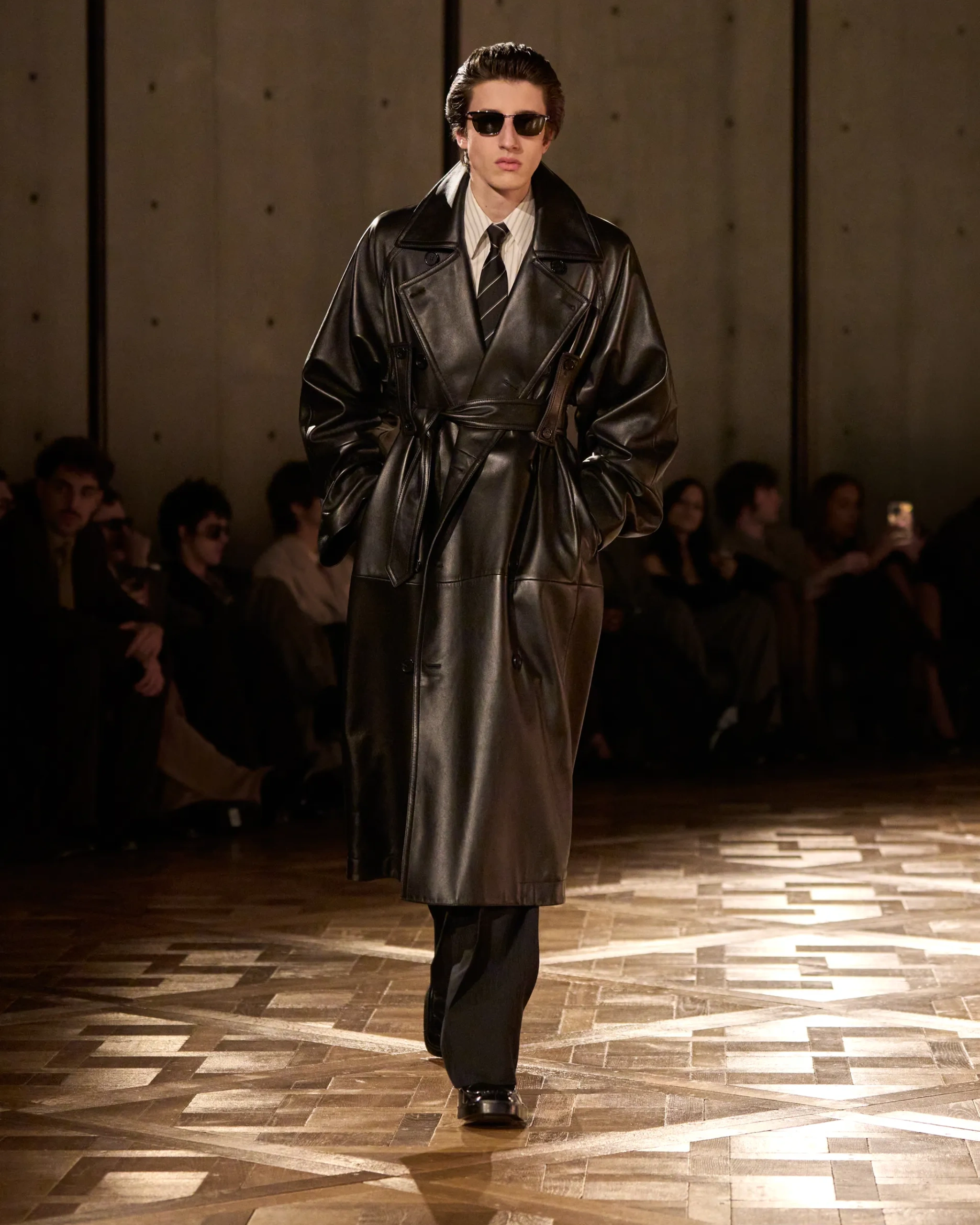
This season, fashionFashionThe art and industry of designing, producing, and styling clothing, footwear, accessories, and beauty trends. It reflects cultural influences, personal expression, and evolving styles across seasons and markets.Go to Fashion Glossary is returning to the black-leather realism of The Matrix. The same question that defined the 1999 film now shapes the mood of Fall/Winter 2025: is it better to live comfortably within the system or to break out of it, no matter how difficult the truth may be?
Designers are exploring this through silhouette and texture, finding new ways to blend The Matrix’s aesthetic with contemporary trends by leaning into leather, structured forms, and all-black looks that bring the vision to life.
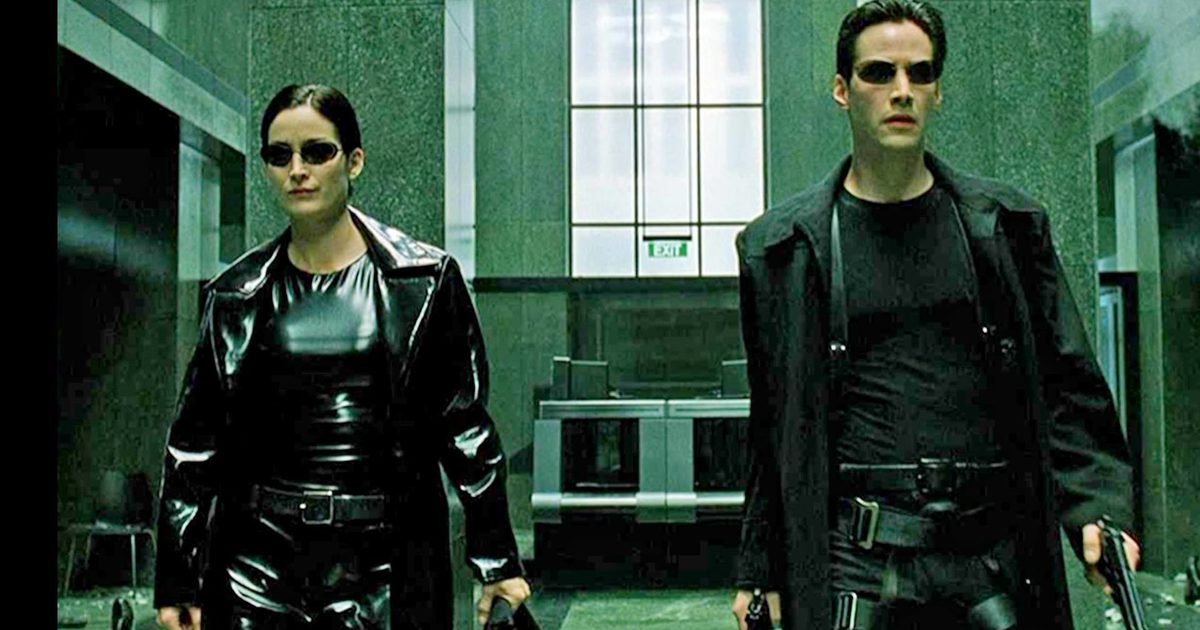
When the film debuted, costume designer Kym Barrett insisted that “fashion was the last thing” on her mind. Yet her focus on realism created a new visual language for sci-fi style. Instead of the metallic futurism of Star Wars or 2001: A Space Odyssey, Kym’s approach was stripped down and functional. The clothes in The Matrix were simple and dark, reflecting the survival of its characters in the bleak, futuristic world they inhabit. That design choice became its most enduring statement.
Neo’s evolution
Neo’s character arc is told as much through his wardrobe as through the film’s dialogue. He begins as Thomas Anderson, an unremarkable office worker in a poorly fitted suit that mirrors his unease and lack of control. After taking the red pill, he adopts a distressed sweater, slim pants, and heavy boots.
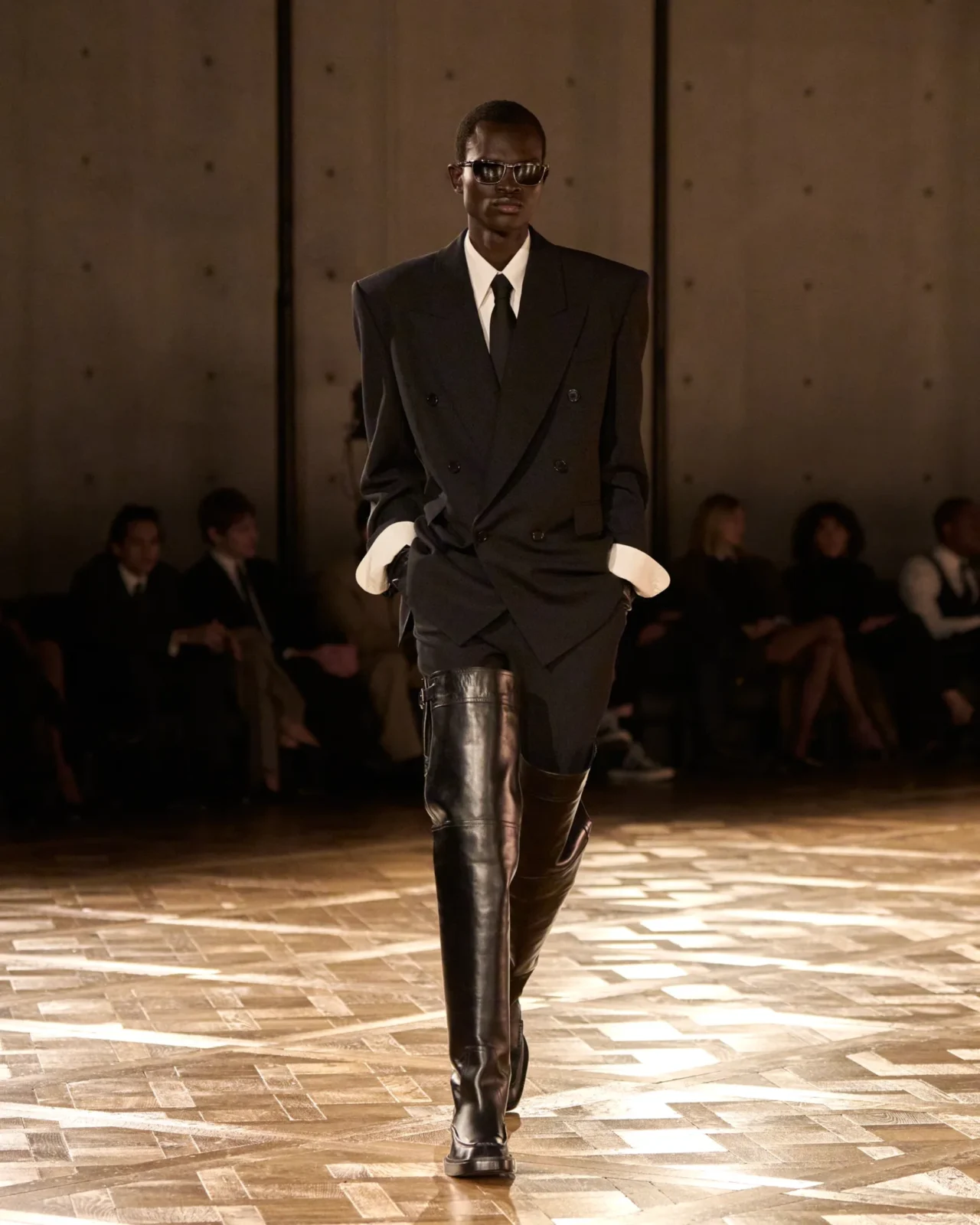
The outfit marked his shift from conformity to resistance. By the film’s end, his transformation is complete. In his long black trench coat and mirrored sunglasses, Neo becomes a symbol of self-possession and power.
More than two decades later, the influence of The Matrix remains visible across fashionFashionThe art and industry of designing, producing, and styling clothing, footwear, accessories, and beauty trends. It reflects cultural influences, personal expression, and evolving styles across seasons and markets.Go to Fashion Glossary. Designers from Alexander Wang to Rick Owens have drawn from its minimalist edge and monochrome discipline. This season, the references are direct.
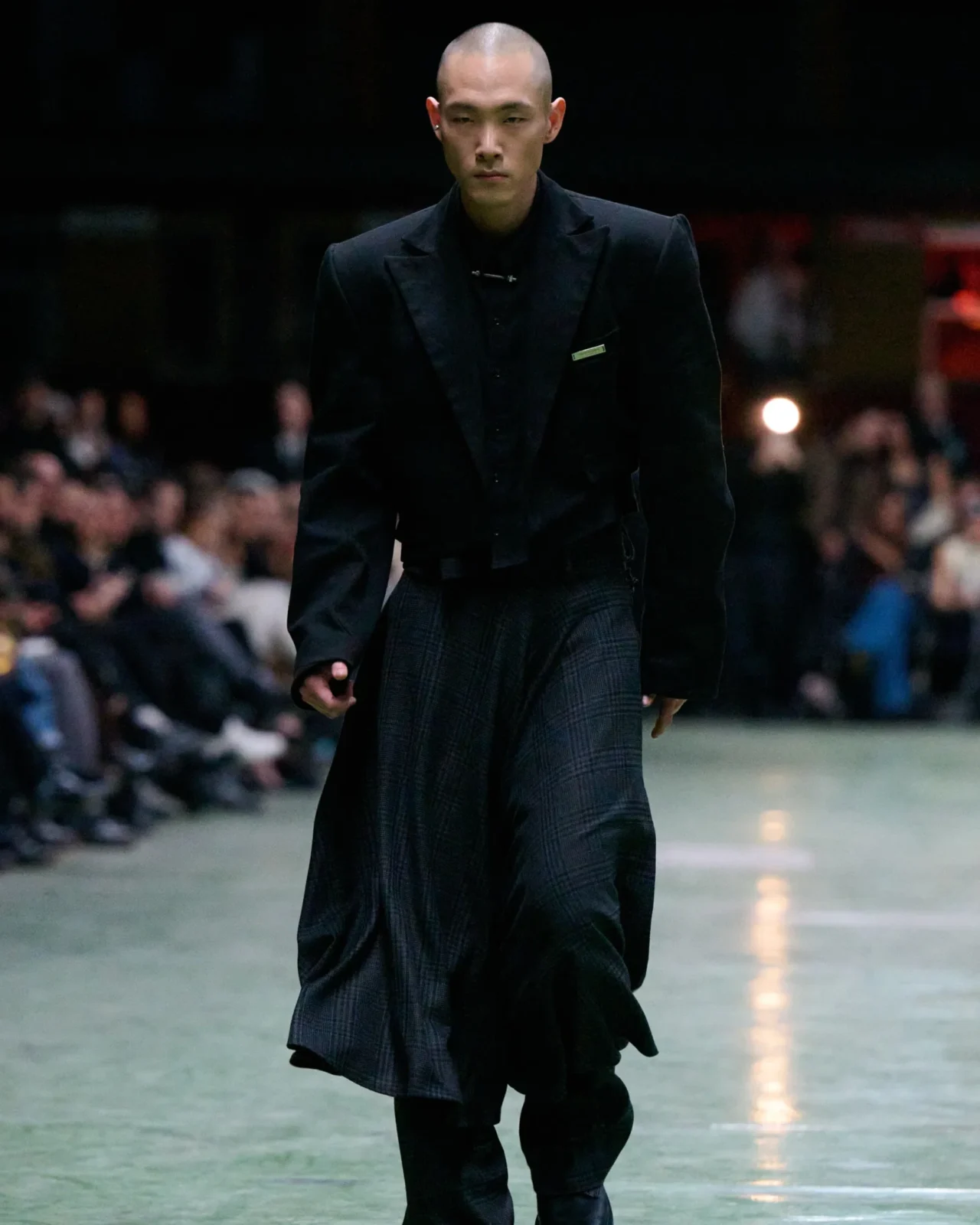
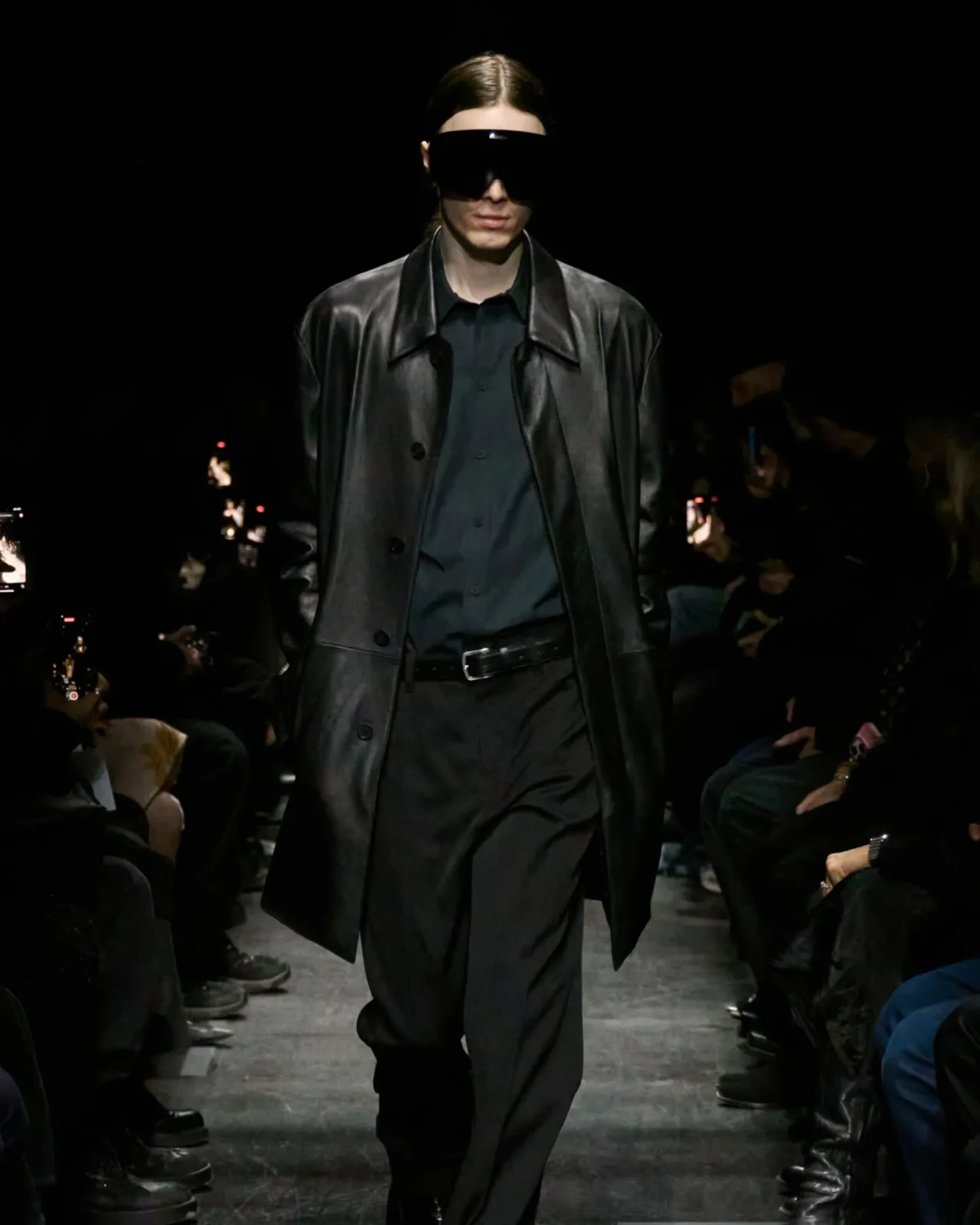
Key collections channeling the Matrix mood
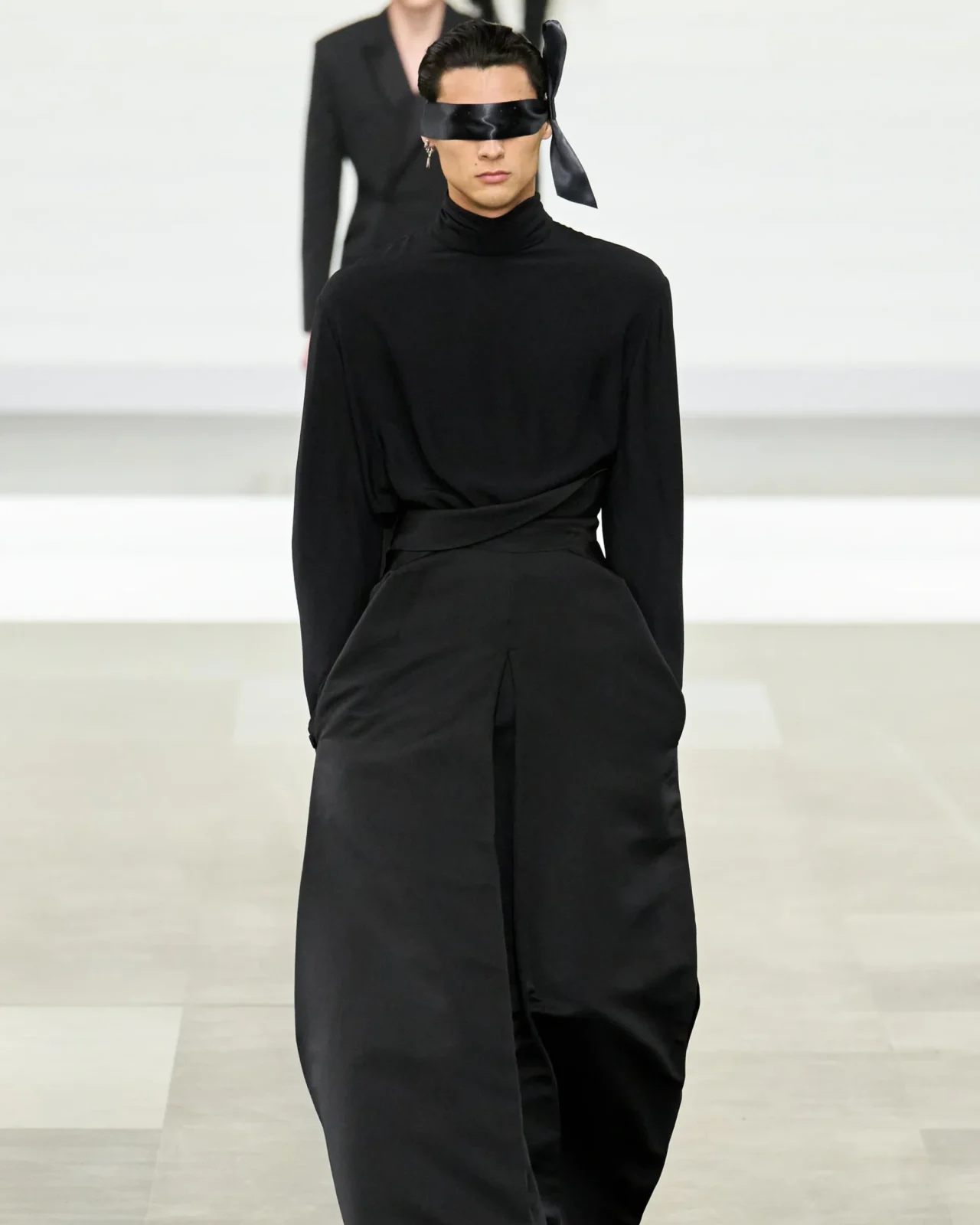
At Dior, Kim Jones’ final collection featured models with eyes covered by fabric rather than sunglasses, a gesture that suggested both anonymity and defiance. Saint Laurent presented long leather coats and tailored black ensembles that recalled the film’s most iconic imagery. Balenciaga and Enfants Riches Déprimés also embraced this aesthetic, presenting leather-heavy looks that felt straight out of the film.
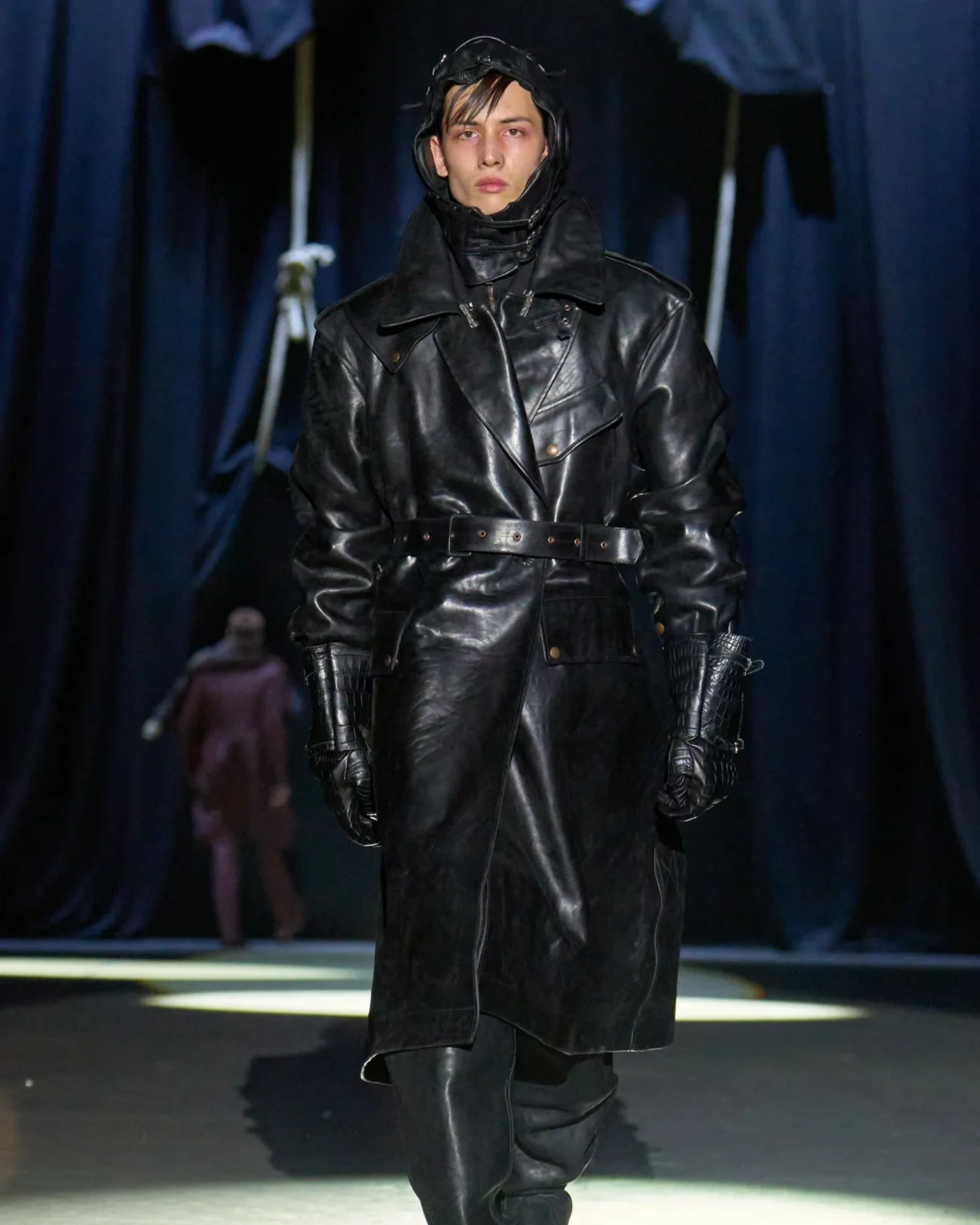
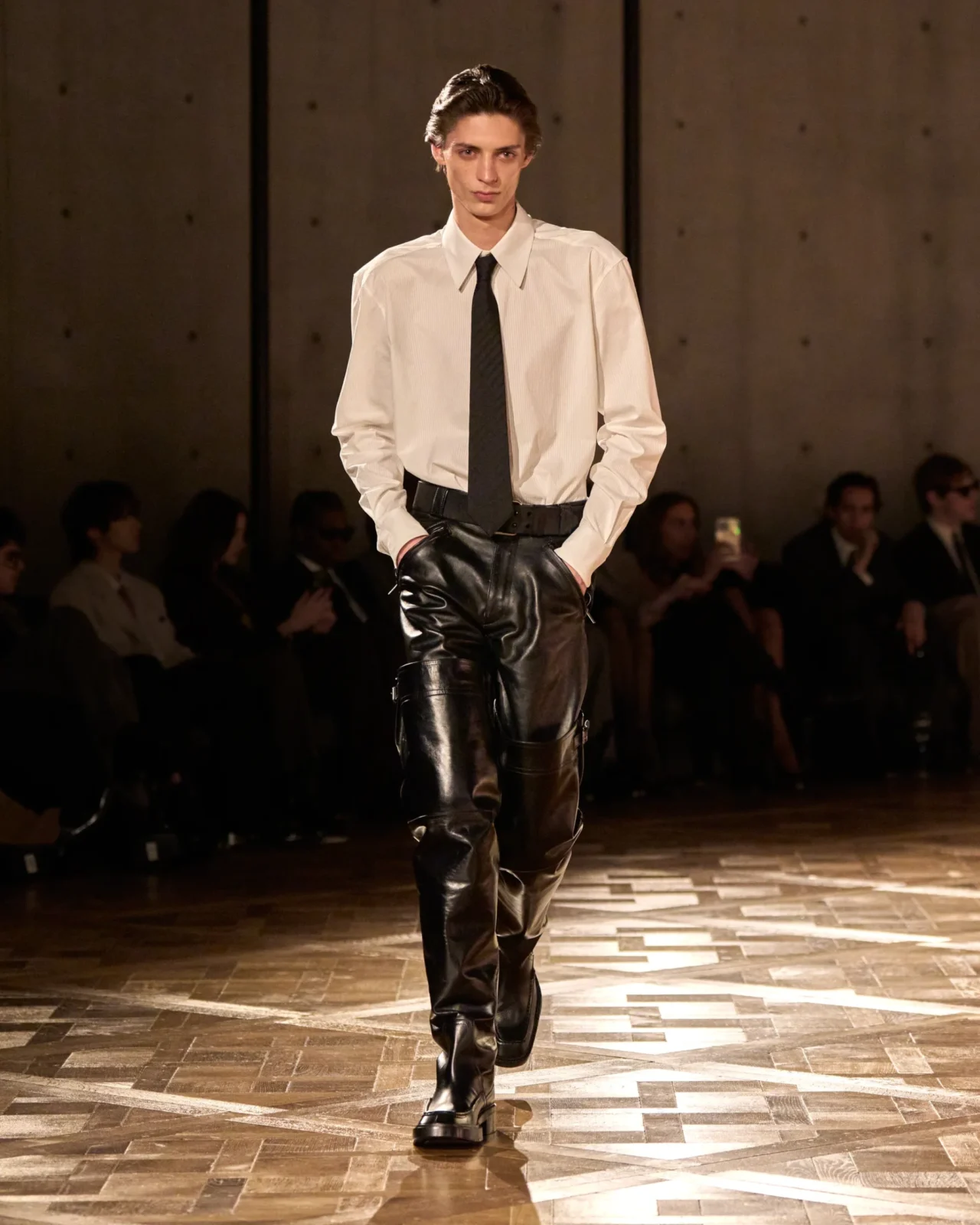
Leather has once again become fashion’s language of resistance. The material offers structure, while its texture conveys danger and independence. In 2025, the appeal lies in its contradiction. It feels at once futuristic and familiar, offering a sense of protection while still remaining provocative.
Even as trends accelerate, The Matrix continues to hold its cultural power. Its aesthetic endures because it captures something essential about the human impulse to break free. On the runway, as on screen, the message remains the same: freedom may be uncomfortable, but it looks undeniably sharp.
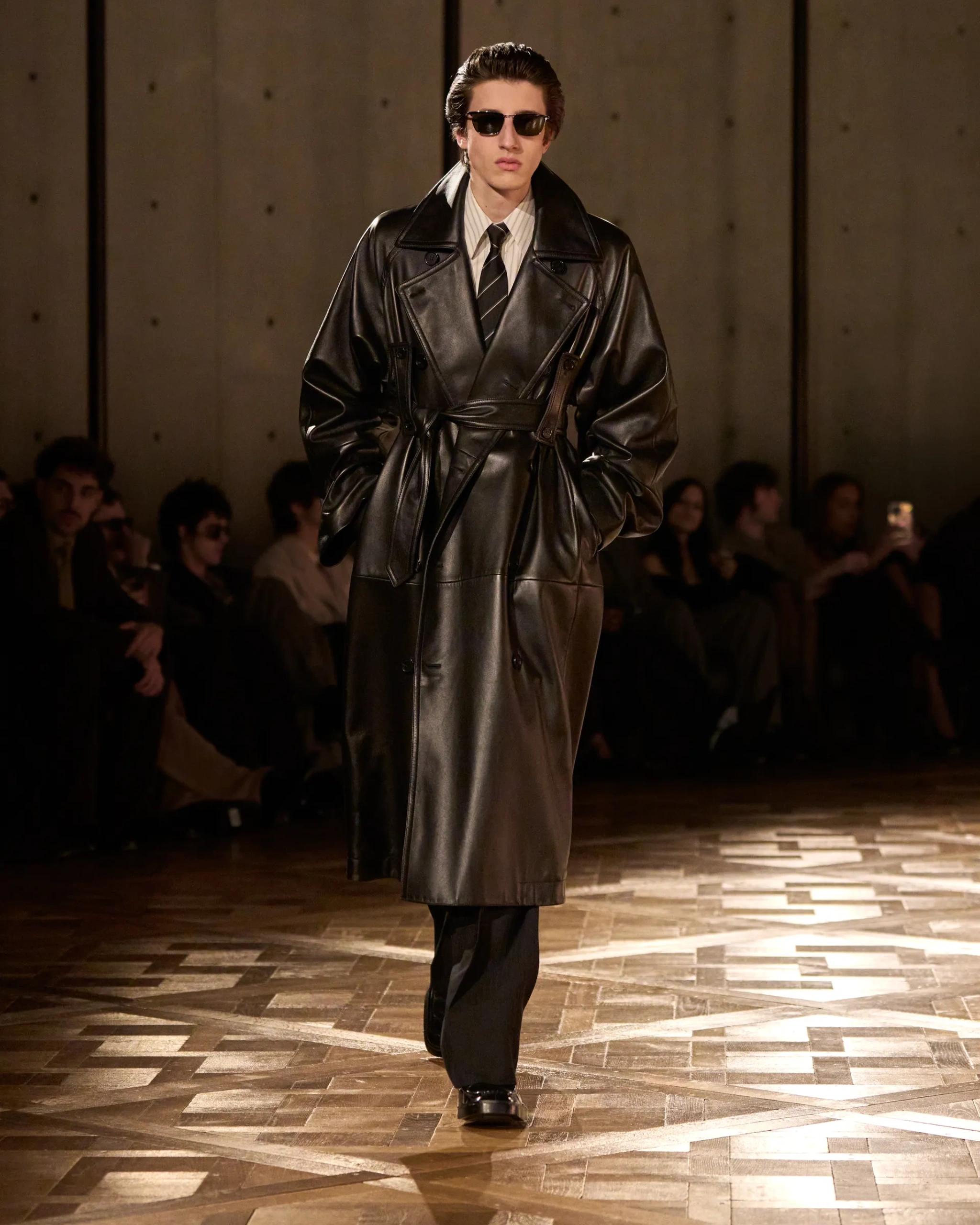
Photos courtesy Dior, Saint Laurent, Haderlump, Balenciaga, Saint Laurent,
Enfants Riches Déprimés
Frequently Asked Questions
The Matrix revolutionized sci-fi fashion by replacing traditional metallic futurism with minimal, functional, all-black clothing. Its structured leather silhouettes and sleek trench coats created an enduring, anti-establishment visual language.
Neo’s clothing symbolizes his personal transformation. His evolution moves from ill-fitting corporate suits representing conformity, to distressed knitwear during his awakening, and finally to a powerful, protective black trench coat.
Major fashion houses including Dior, Saint Laurent, Balenciaga, and Enfants Riches Déprimés are channeling the aesthetic for 2025, featuring long leather coats, monochrome tailoring, and subversive, anonymous styling.
Black leather is trending because it serves as fashion’s contemporary language of resistance. The material offers structural protection and a provocative edge that feels simultaneously futuristic, familiar, and fiercely independent.
Costume designer Kym Barrett created the original wardrobe for the 1999 film. Her intentional focus on utilitarian realism over high fashion inadvertently birthed a massive, decades-long runway phenomenon.
Recommended Video