From Anderson to Chavarria, Who Will Seize Designer of the Year?
Six designers now stand at the center of the Fashion Awards 2025, each offering a distinct vision of where the industry might go next




Who are the nominees for Designer of the Year at the Fashion Awards 2025?
The British FashionFashionThe art and industry of designing, producing, and styling clothing, footwear, accessories, and beauty trends. It reflects cultural influences, personal expression, and evolving styles across seasons and markets.Go to Fashion Glossary Council has announced the nominees for the Fashion Awards 2025, unveiling a shortlist that reads like a snapshot of fashion’s competing futures. Six names are in contention for Designer of the Year, each carrying their own claim on the present moment.
A jury of 19 editors, critics, and buyers, including Adam Baidawi, Ahmad Swaid, Bosse Myhr, Elizabeth Paton, Jeanie Annan-Lewin, Laura Ingham, and Sarah Mower, finalised the selections. Their task now passes to the Voting Committee, a group of industry leaders who will cast ballots in strict confidentiality.
The top category captures the global sweep of fashion today: commercial reach balanced with radical creativity, heritage names alongside subcultural champions.
Shape-shifting between mass and avant-garde
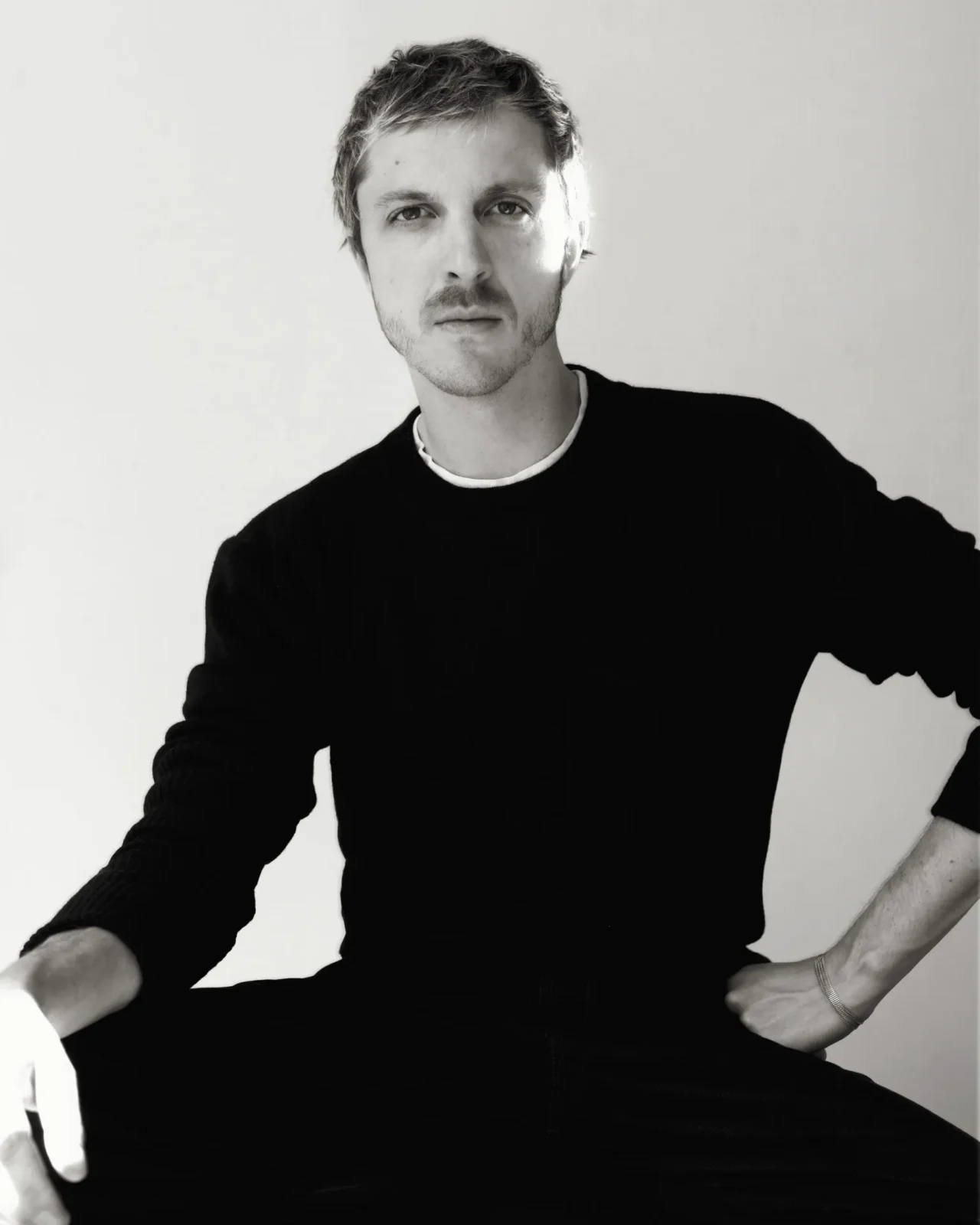
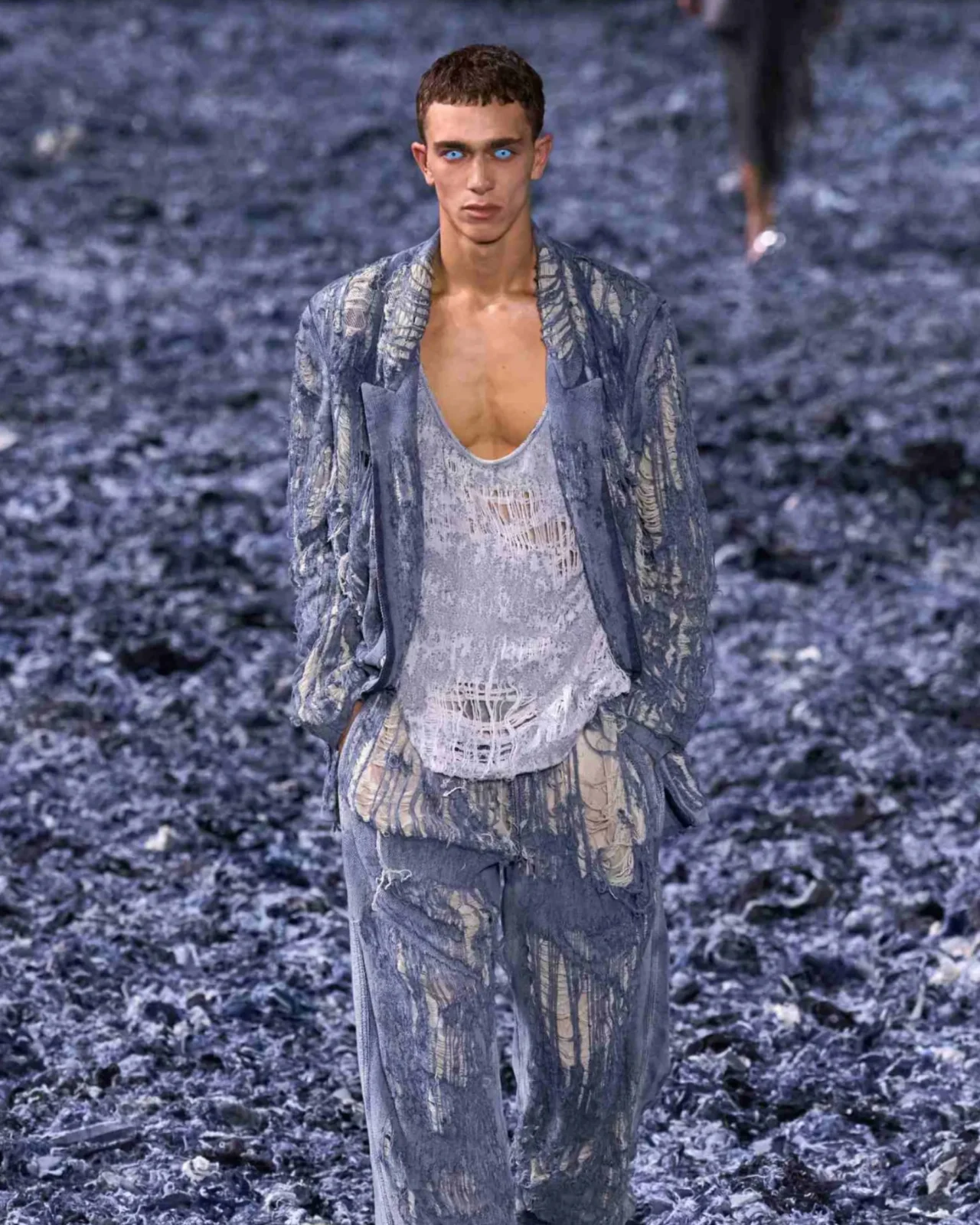
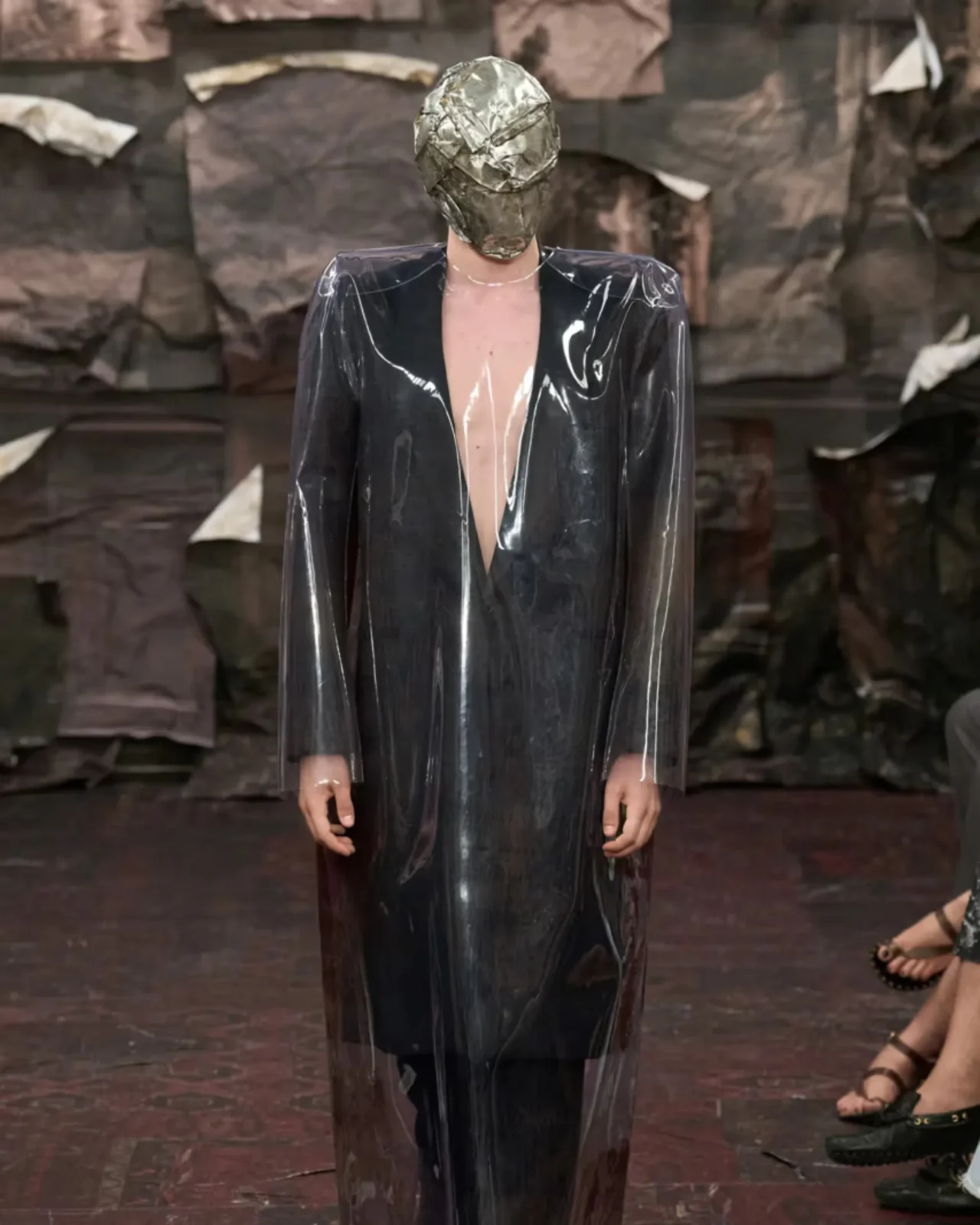
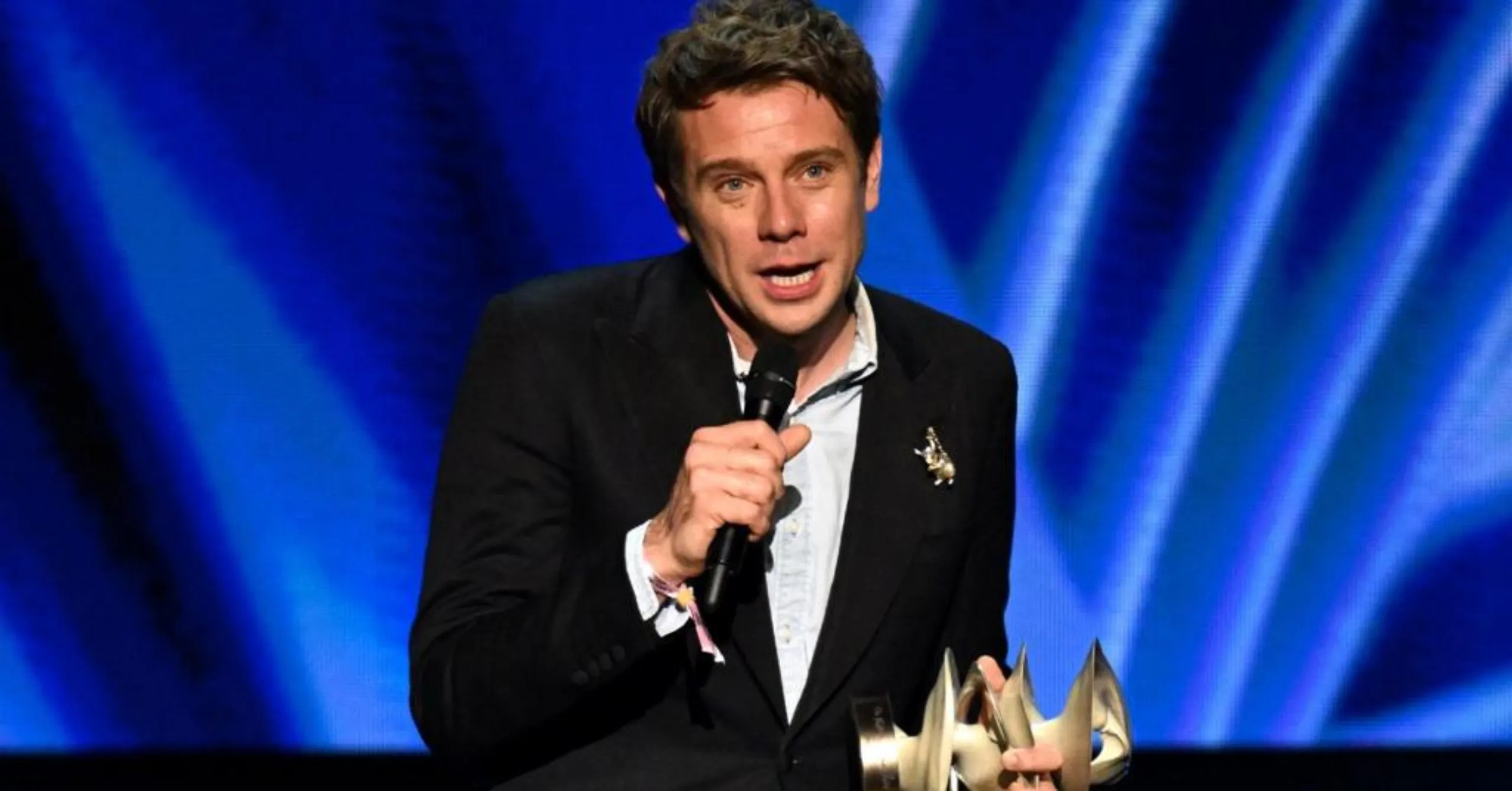
Glenn Martens has emerged as one of fashionFashionThe art and industry of designing, producing, and styling clothing, footwear, accessories, and beauty trends. It reflects cultural influences, personal expression, and evolving styles across seasons and markets.Go to Fashion Glossary’s great shape-shifters. At Diesel, he has turned a legacy denim brand into a Gen Z powerhouse, marrying pop provocation with precise construction. At Maison Margiela, his couture collections embrace the house’s legacy of theatrical disassembly, extending Martin Margiela’s playbook with his own maximalist energy. Few designers can toggle between mass-market appeal and avant-garde experimentation so fluidly.
A double act in motion
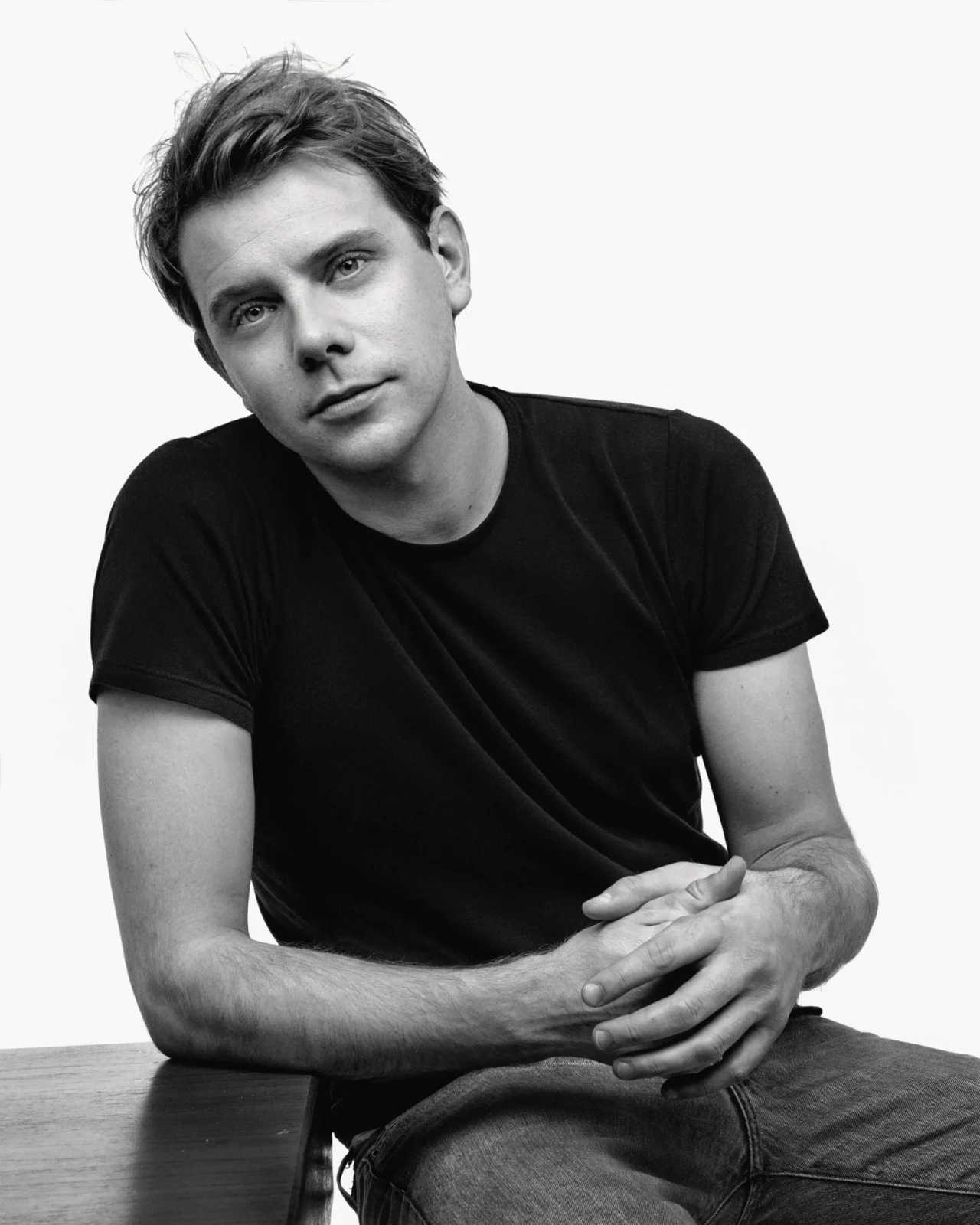
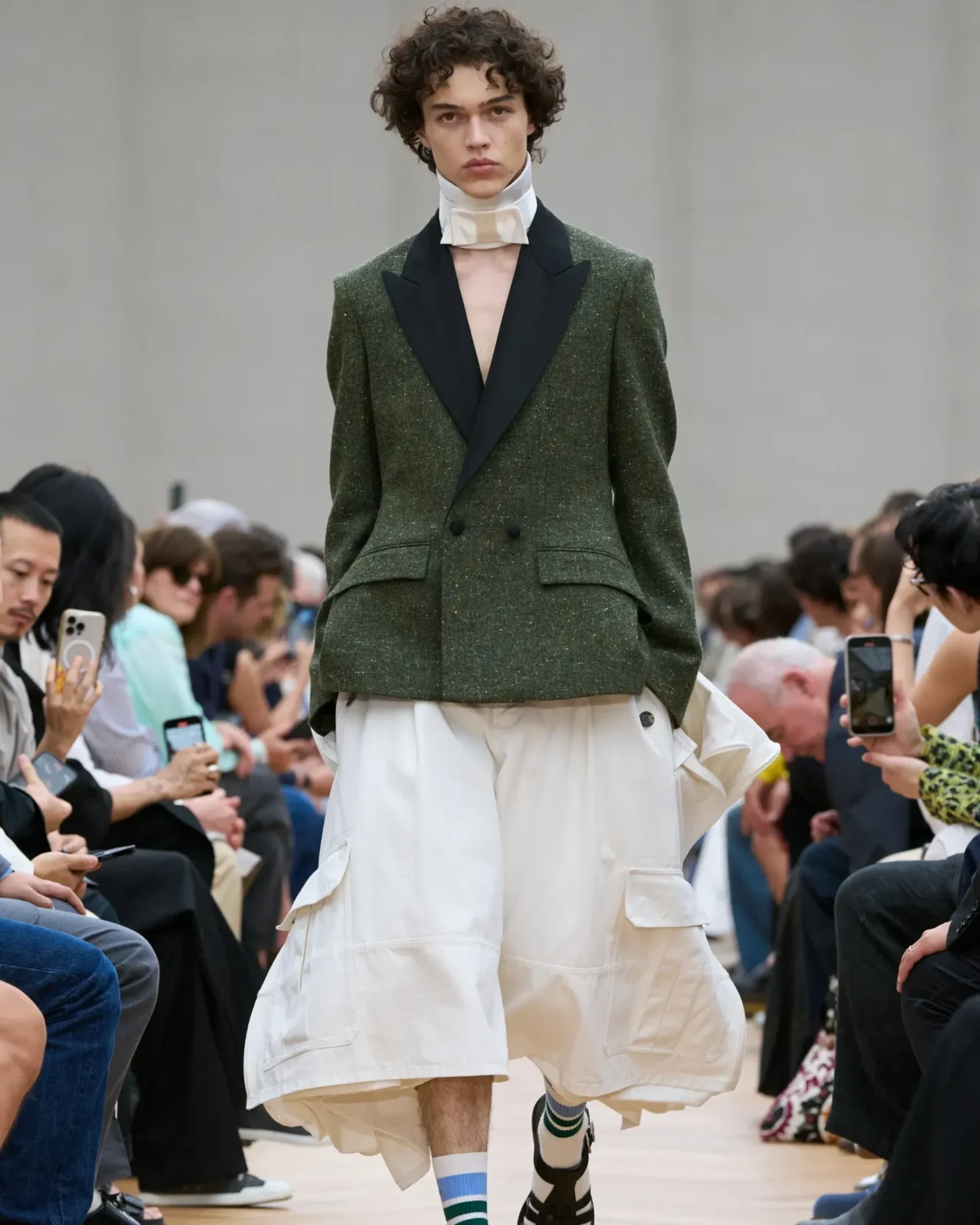
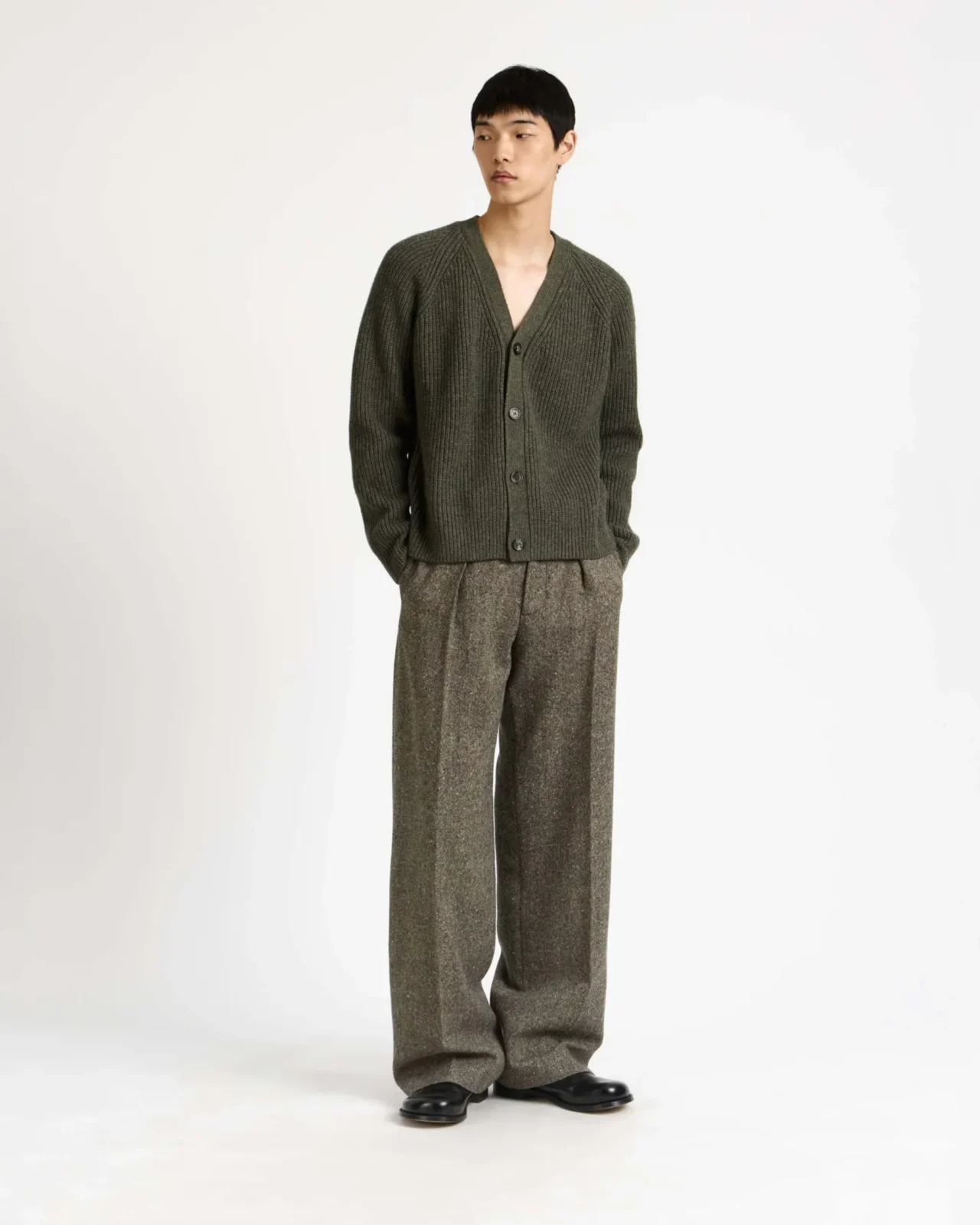
Jonathan Anderson continues his own double act, directing both his namesake JW Anderson label and Dior. At Dior, he has introduced a softened grandeur, mixing couture codes with a contemporary sensibility. JW Anderson, by contrast, remains a space for his most personal experiments. His two roles together illustrate a designer who is both a steward of heritage and a provocateur.
READ MORE: Can Jonathan Anderson Make Dior Feel Again?
From outsider to defining voice
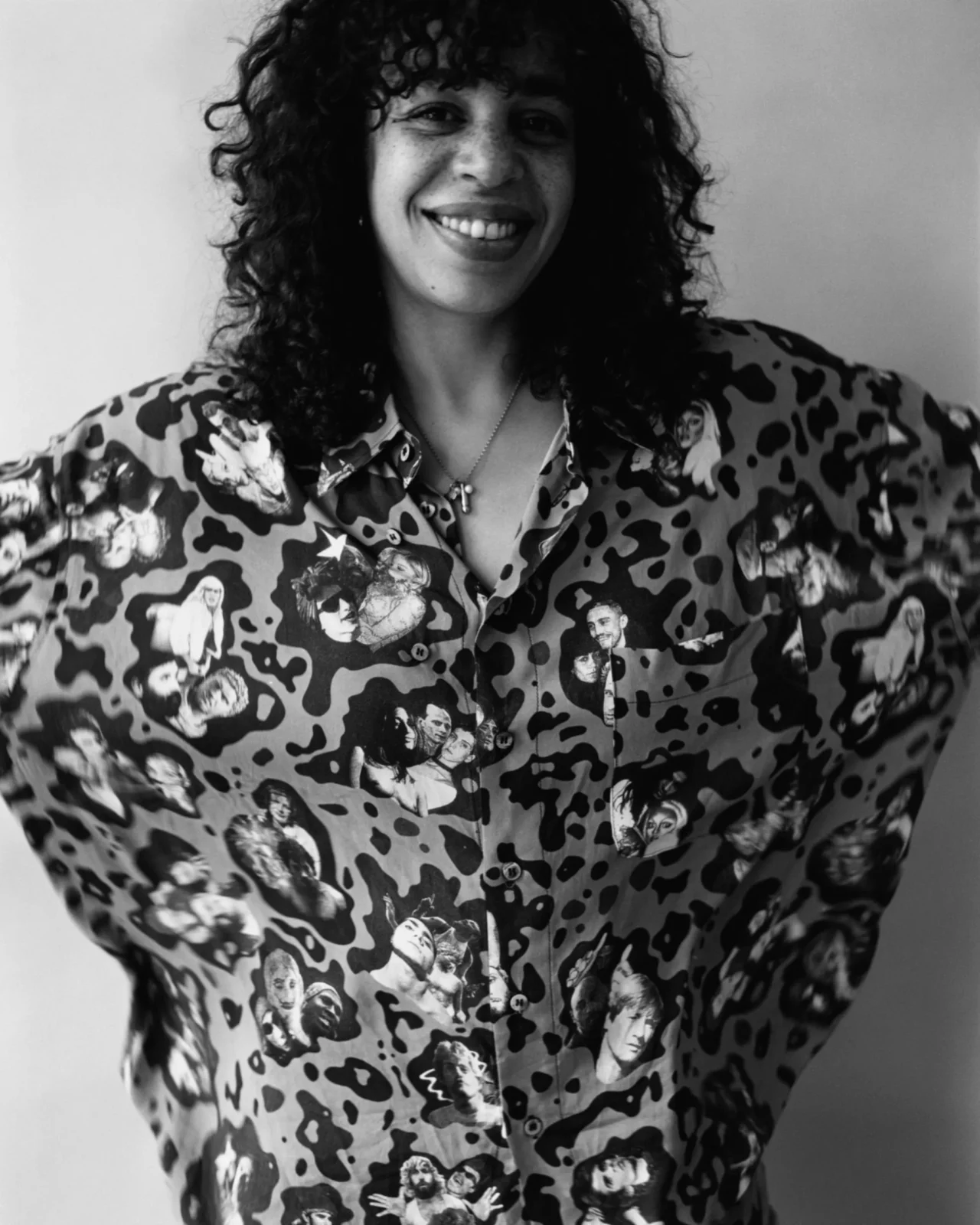
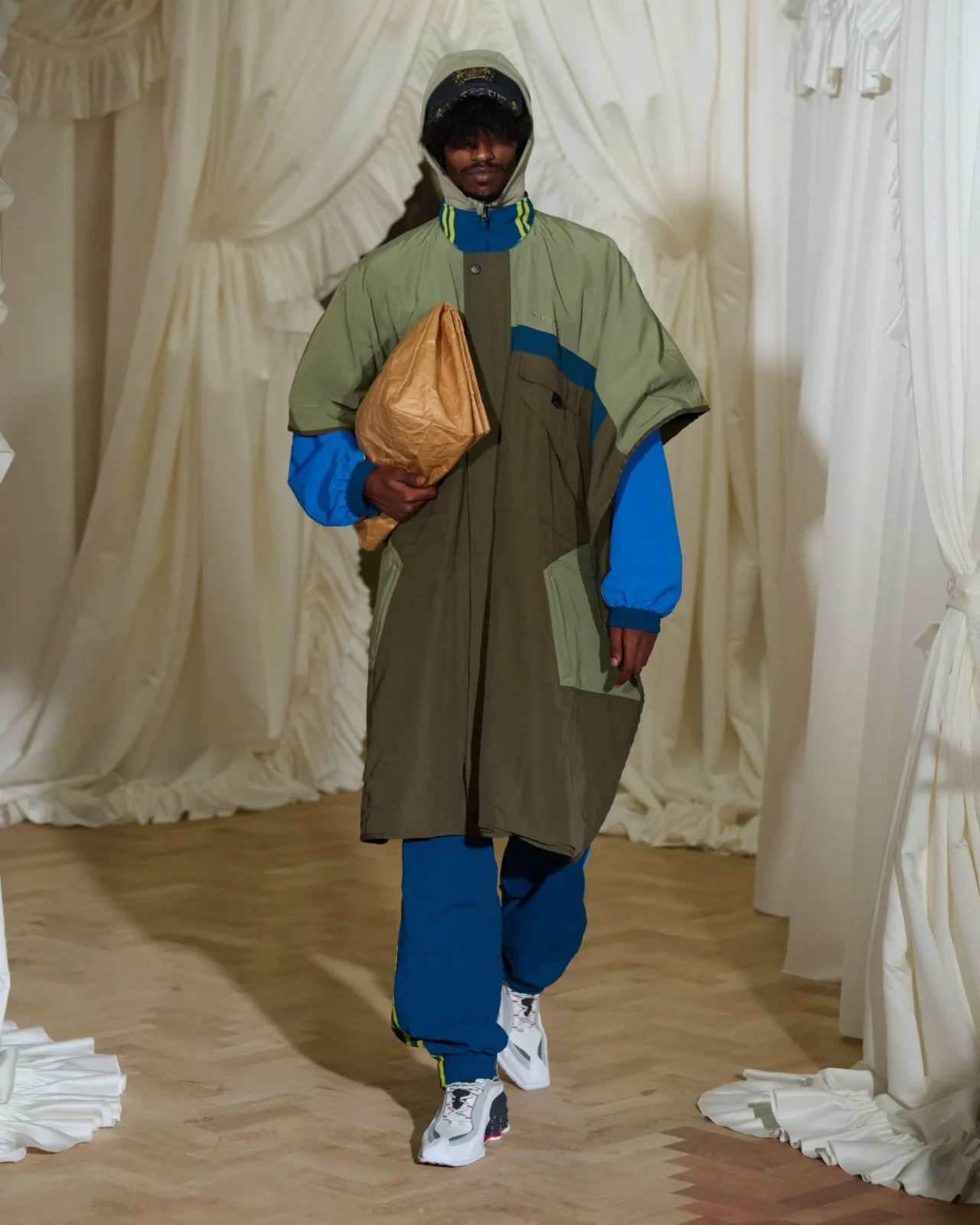
Martine Rose, long the underground’s favorite, has steadily pushed London street style into global consciousness. Her work feels rooted in lived experience: silhouettes lifted from rave culture, tailoring twisted into new shapes, references to football terraces and club basements woven with wit. Martine’s cult following has expanded into a broad cultural influence, and her place on this shortlist reflects her evolution from outsider to defining voice.
A league of her own
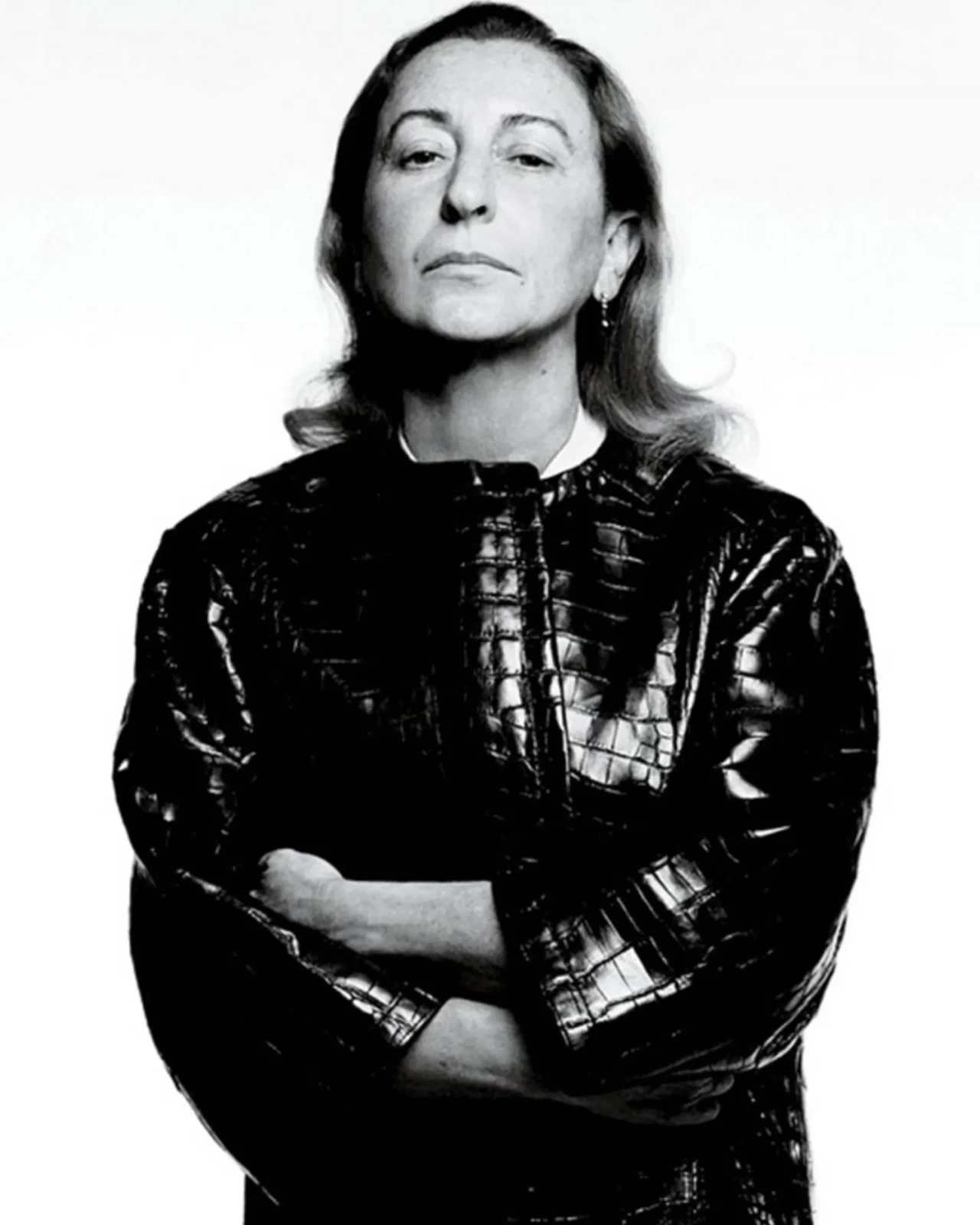
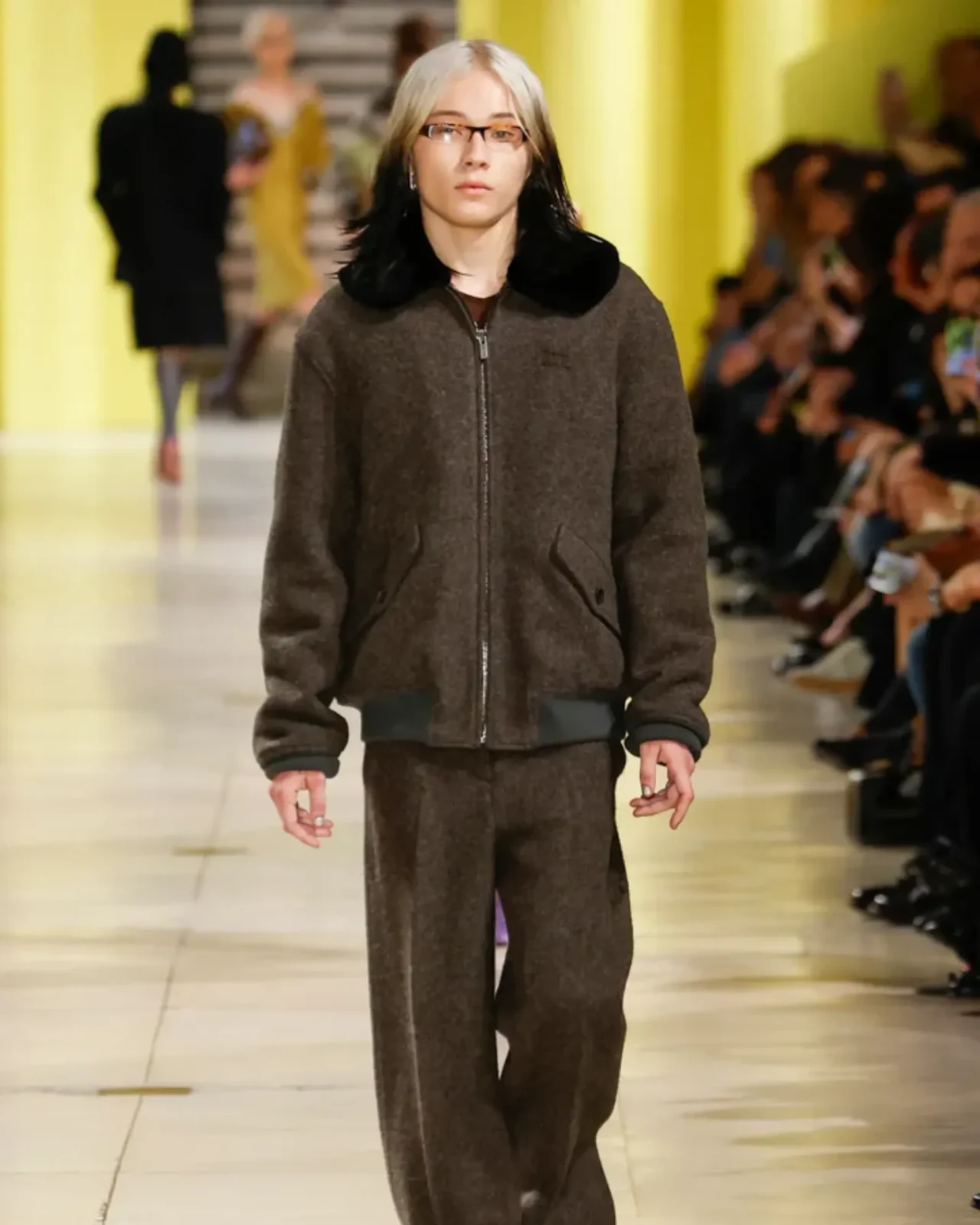
Miuccia Prada, nominated for her work at Miu Miu, remains one of fashionFashionThe art and industry of designing, producing, and styling clothing, footwear, accessories, and beauty trends. It reflects cultural influences, personal expression, and evolving styles across seasons and markets.Go to Fashion Glossary’s most enduring figures. Miu Miu’s rise in recent years has resonated with a new generation. Prada’s ability to continually reframe femininity and modernity, without repetition, places her in a league of her own. Even after decades at the center of the industry, her instincts for the cultural zeitgeist remain unmatched.
The dark monument
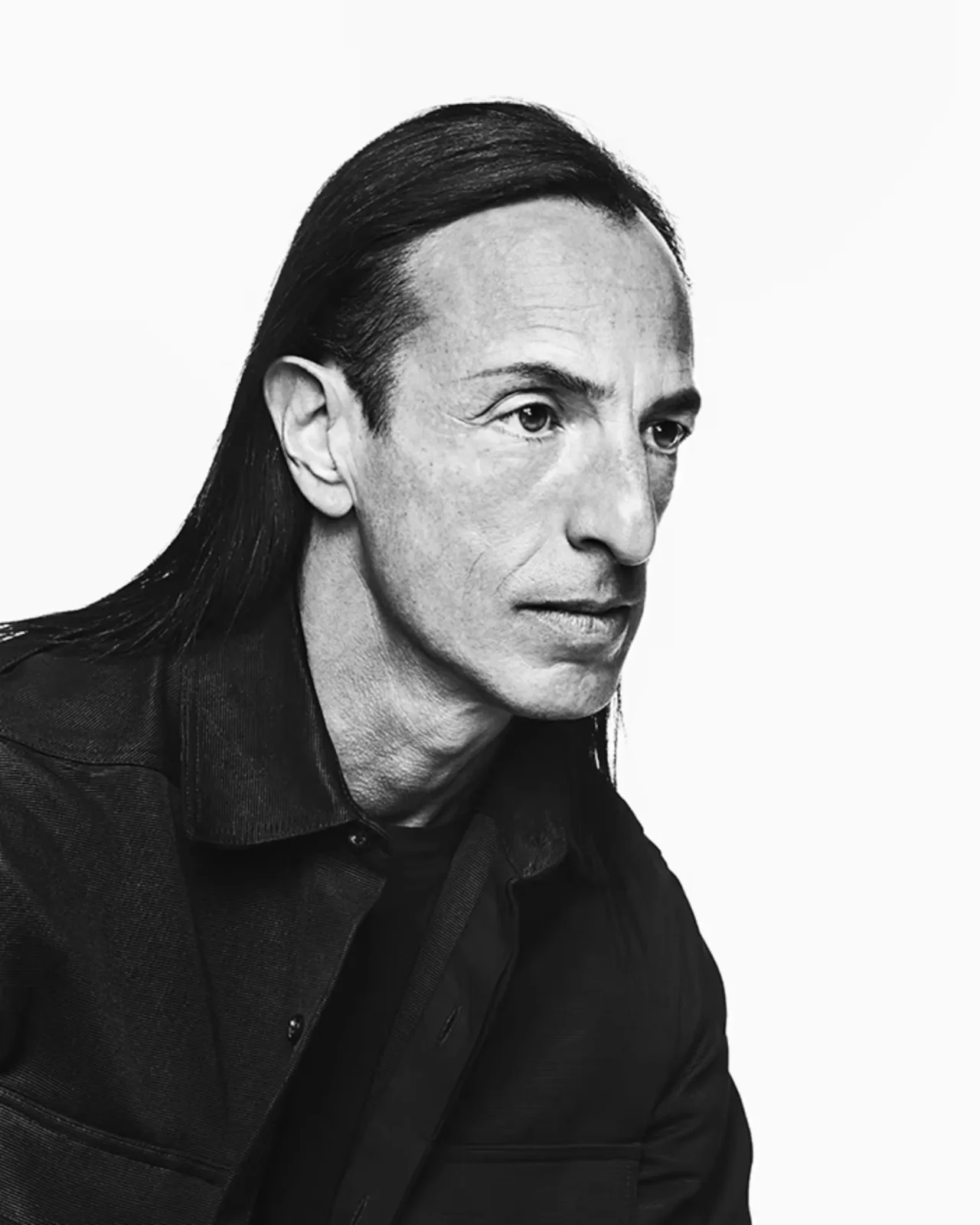
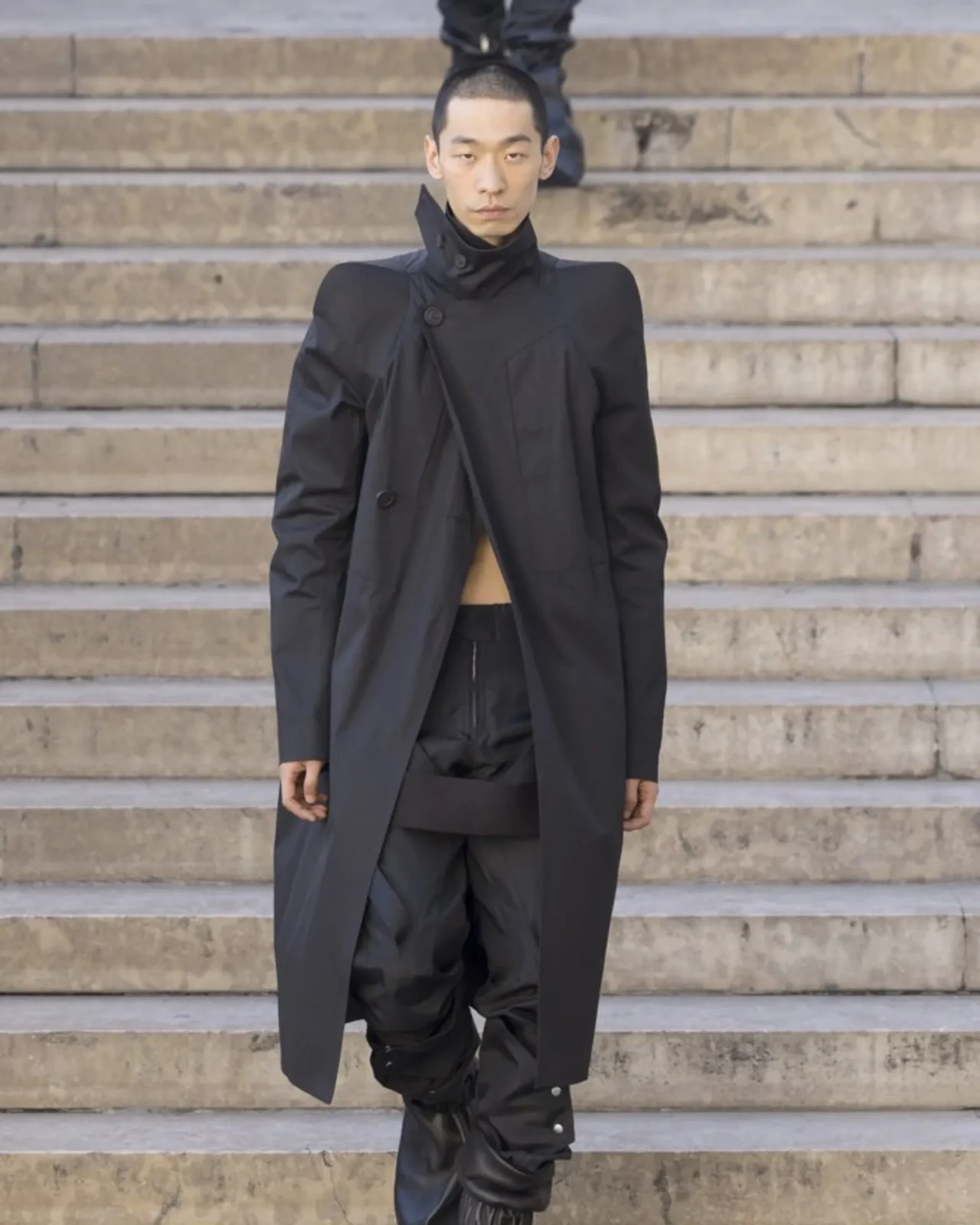
Rick Owens brings a stark counterpoint. His designs operate less as fashionFashionThe art and industry of designing, producing, and styling clothing, footwear, accessories, and beauty trends. It reflects cultural influences, personal expression, and evolving styles across seasons and markets.Go to Fashion Glossary and more as world-building. Rick has maintained a fiercely loyal audience while expanding his impact on silhouette and proportion across the industry. His vision, uncompromising and unmistakable, makes him both a perennial outsider and permanent insider.
Redefining masculinity
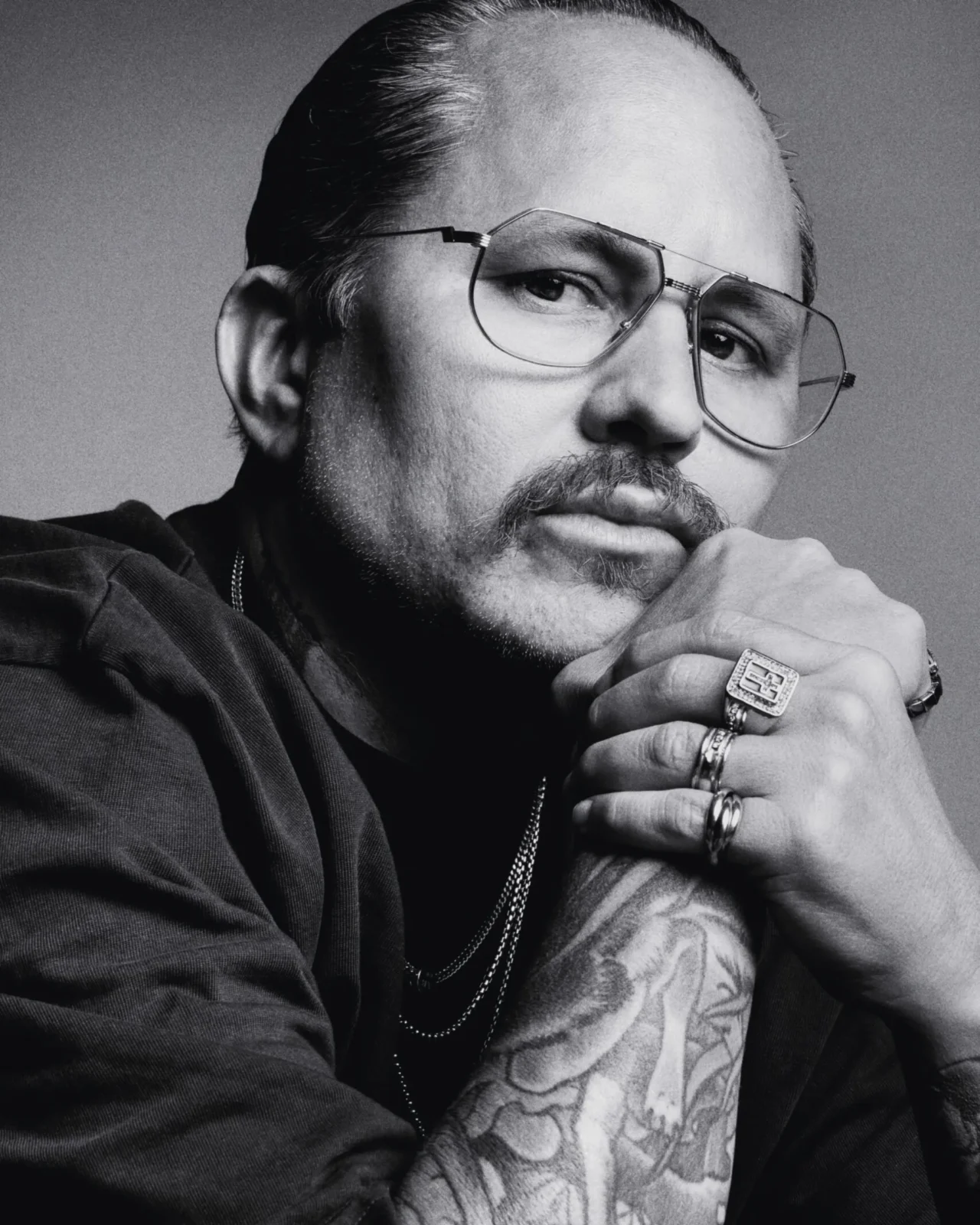
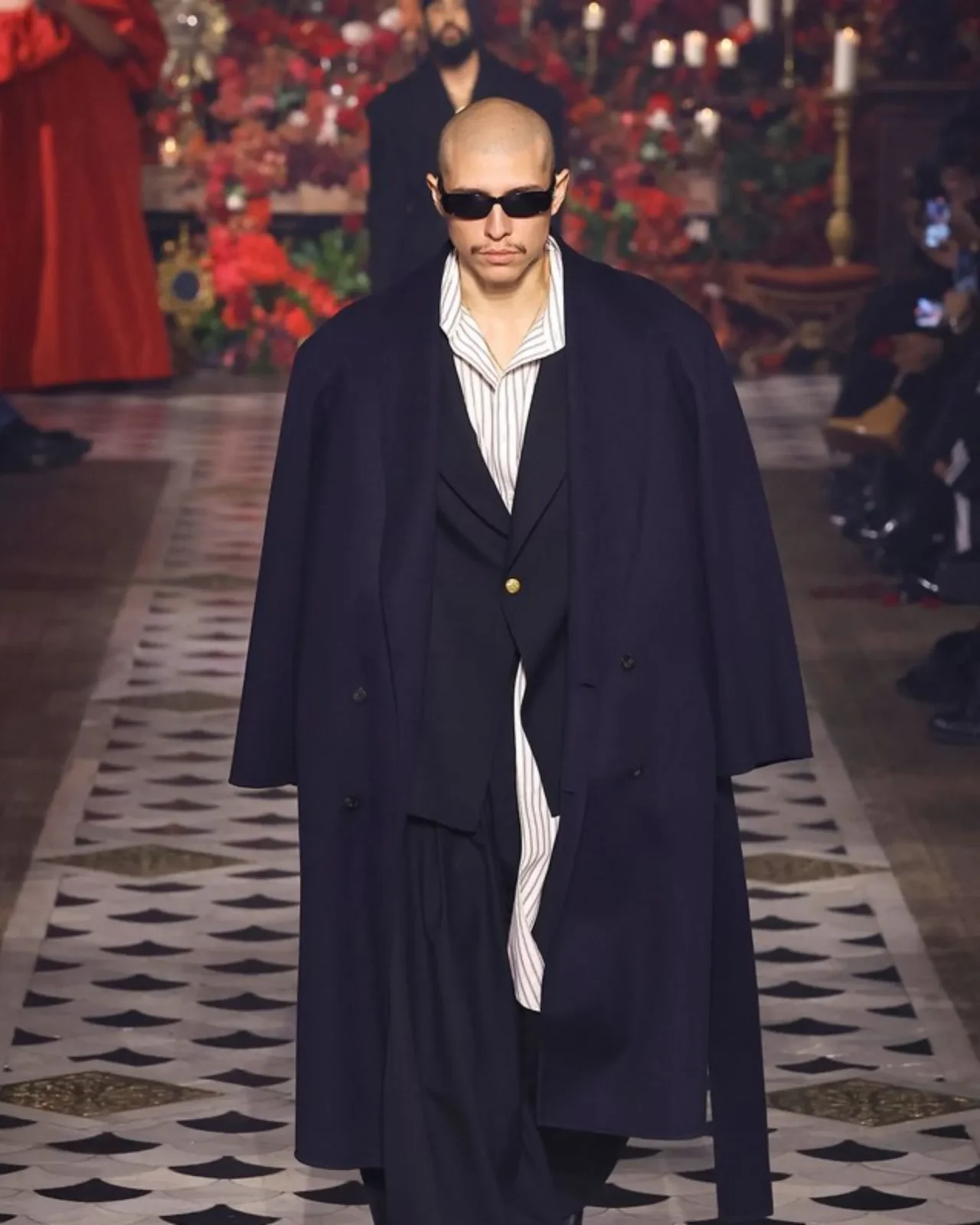
Willy Chavarria rounds out the list as a rising force. His menswear has redefined how masculinity is staged on the runway. With collections that balance tenderness and power, Willy has become one of the most closely watched designers in New York and beyond. His nomination signals the industry’s recognition of his cultural urgency.
MORE: Can Willy Chavarria Redefine Fendi? Meet the American Designer on the Rise
The category feels wide open. Martens and Anderson dominate through sheer range, Rose embodies the London spirit, Prada represents permanence, Owens persists as fashionFashionThe art and industry of designing, producing, and styling clothing, footwear, accessories, and beauty trends. It reflects cultural influences, personal expression, and evolving styles across seasons and markets.Go to Fashion Glossary’s dark monument, and Chavarria offers a new moral center.
By December, when the winners are announced at the Royal Albert Hall, the decision will say less about who designs the most beautiful clothes and more about which vision of fashionFashionThe art and industry of designing, producing, and styling clothing, footwear, accessories, and beauty trends. It reflects cultural influences, personal expression, and evolving styles across seasons and markets.Go to Fashion Glossary the industry chooses to endorse for the years ahead.
Photos courtesy Diesel, Maison Margiela, JW Anderson, Dior, Martine Rose, Miu Miu, Rick Owens, Willy Chavarria
Frequently Asked Questions
The British Fashion Council has shortlisted six designers: Glenn Martens, Jonathan Anderson, Martine Rose, Miuccia Prada, Rick Owens, and Willy Chavarria. The winner will be chosen by a confidential Voting Committee of industry leaders and announced at the Royal Albert Hall in December 2025.
Glenn Martens has demonstrated an unusual range across two simultaneous roles — transforming Diesel into a Gen Z-relevant denim label while directing Maison Margiela’s couture with theatrical maximalism. His ability to operate credibly across mass-market and avant-garde contexts makes him among the most versatile designers on the 2025 shortlist.
Willy Chavarria’s menswear reframes masculinity through tenderness and cultural specificity, drawing on his Chicano heritage and a moral clarity rarely seen on the runway. His Fashion Awards 2025 nomination — alongside his appointment at Fendi — signals the industry’s recognition of his cultural urgency as one of the most distinctive voices in contemporary men’s fashion.
Martine Rose has translated London street culture — rave, football terraces, club basements — into a globally resonant design language that speaks directly to subcultural identity and community. For Southeast Asian men whose style is shaped by similar intersections of heritage, youth culture, and urban identity, her work represents a model of fashion rooted in lived experience rather than institutional tradition.
The Fashion Awards 2025 winners will be announced at the Royal Albert Hall in London in December 2025. The Designer of the Year category will be decided by a confidential Voting Committee of industry leaders, separate from the jury of nineteen editors, critics, and buyers who compiled the initial shortlist.
Recommended Video