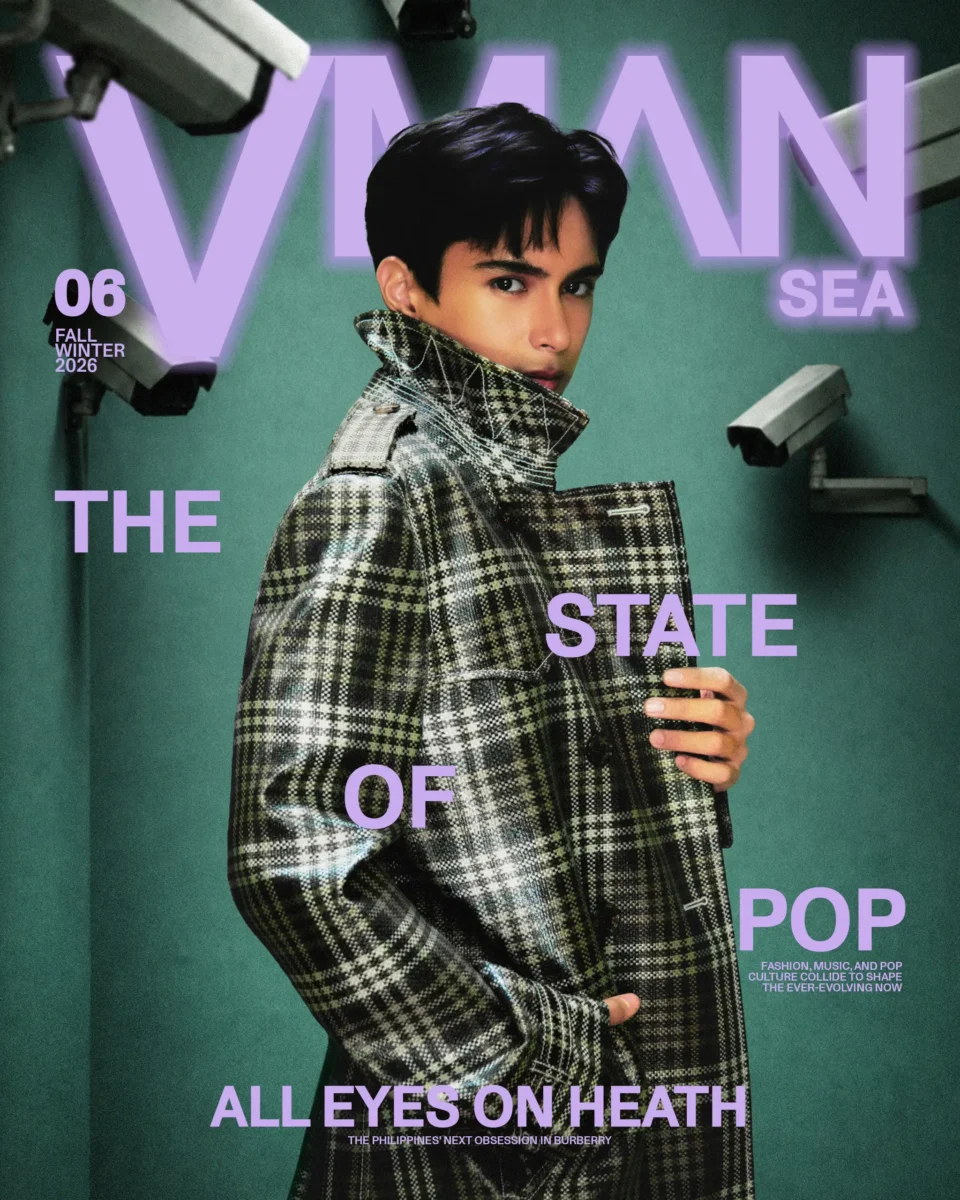
Trendspotting: The Fencing Jacket
The fencing jacket is emerging as the unexpected new uniform for performative men




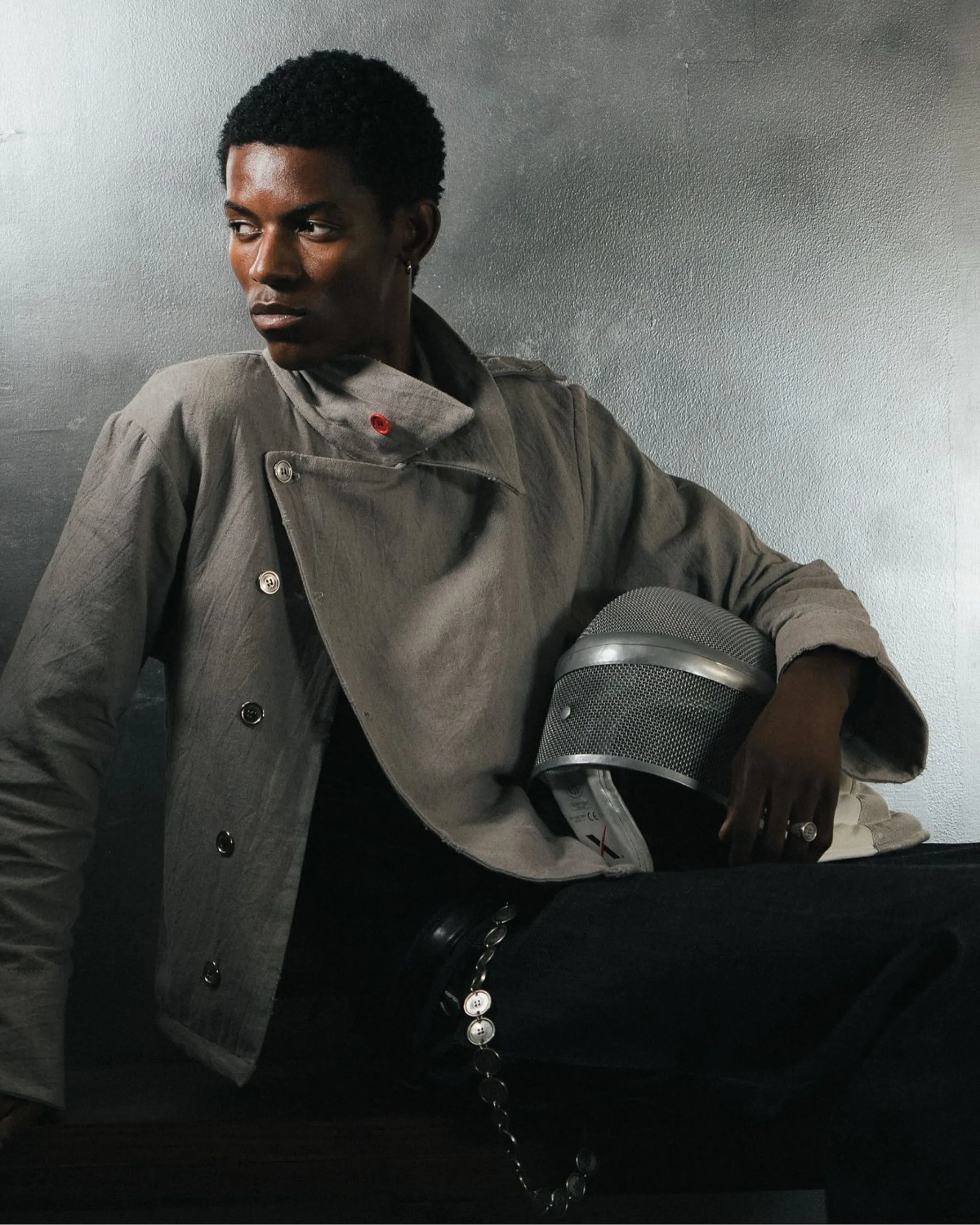
From barracks to moodboards
The shift from military wear to a new visual language is happening, first on the edges of social media and then across the moodboards that shape the next wave of menswear. After months of ornate trims and Napoleonic silhouettes, the fencing jacket is emerging as the next focus of style experiments.
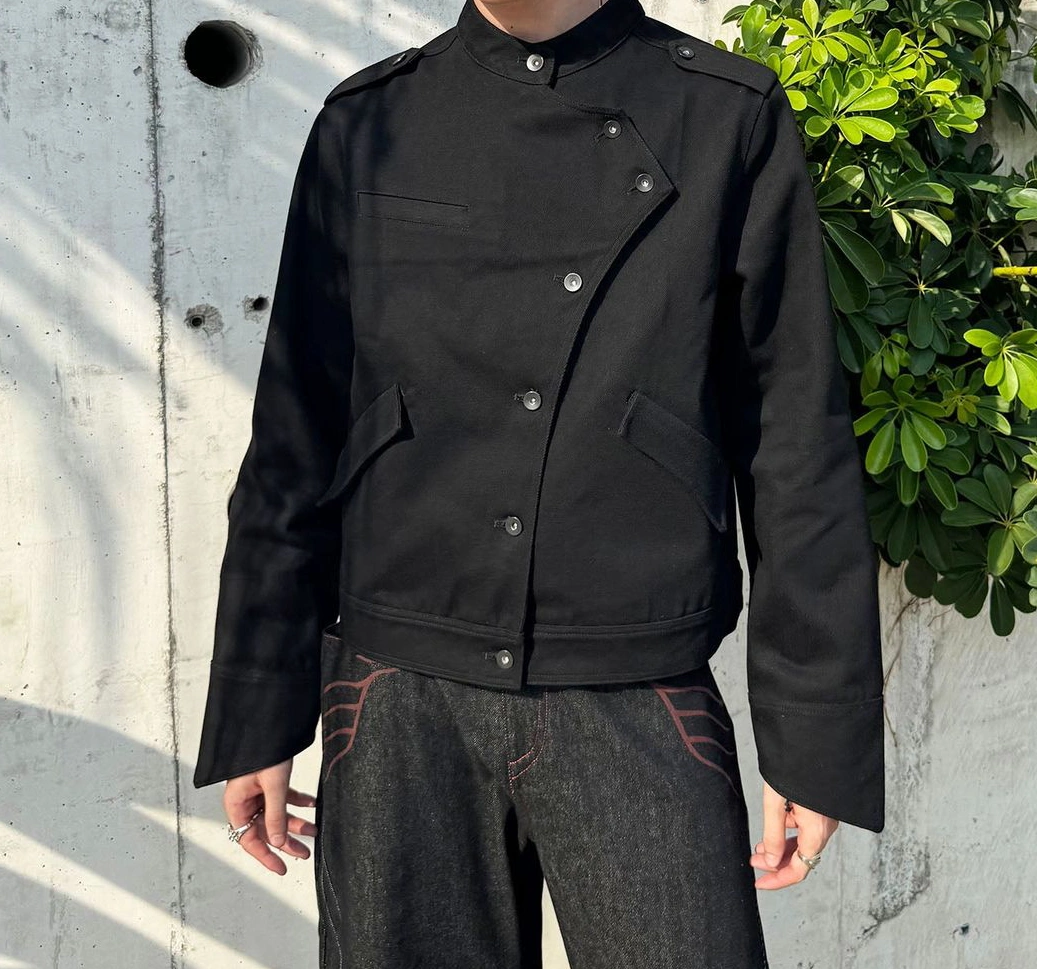
Defined by its diagonal fastening and its roots in Victorian-era sportswear, the garment is gaining momentum among people who study archive uniforms and the subtleties of construction that sit between costume and design.
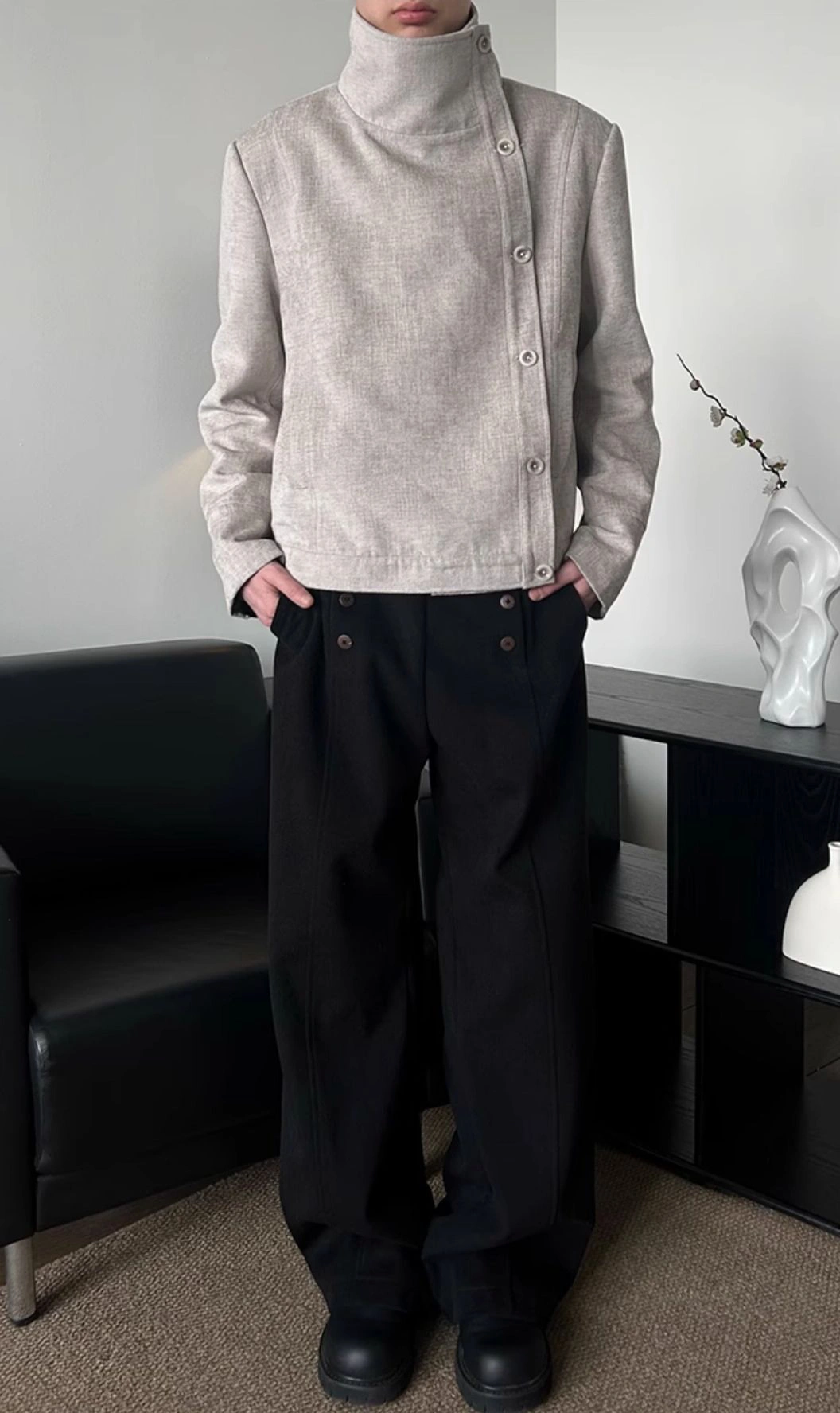
This trend began on second-hand platforms and in the small-batch releases of independent labels. Brands have introduced denim versions of the fencing jacket through limited drops, keeping the original cut intact while styling it with bootcut jeans and loafers. It stitches the sharp lines of a fencing uniform to the casual codes of contemporary menswear.
A lineage in couture
FashionFashionThe art and industry of designing, producing, and styling clothing, footwear, accessories, and beauty trends. It reflects cultural influences, personal expression, and evolving styles across seasons and markets.Go to Fashion Glossary’s relationship with fencing is not new. Maria Grazia Chiuri, for instance, expanded the fencing reference during her tenure at Dior, drawing from Olympic fencing uniforms for a 2017 collection that reimagined the foil jacket in crisp white silhouettes.
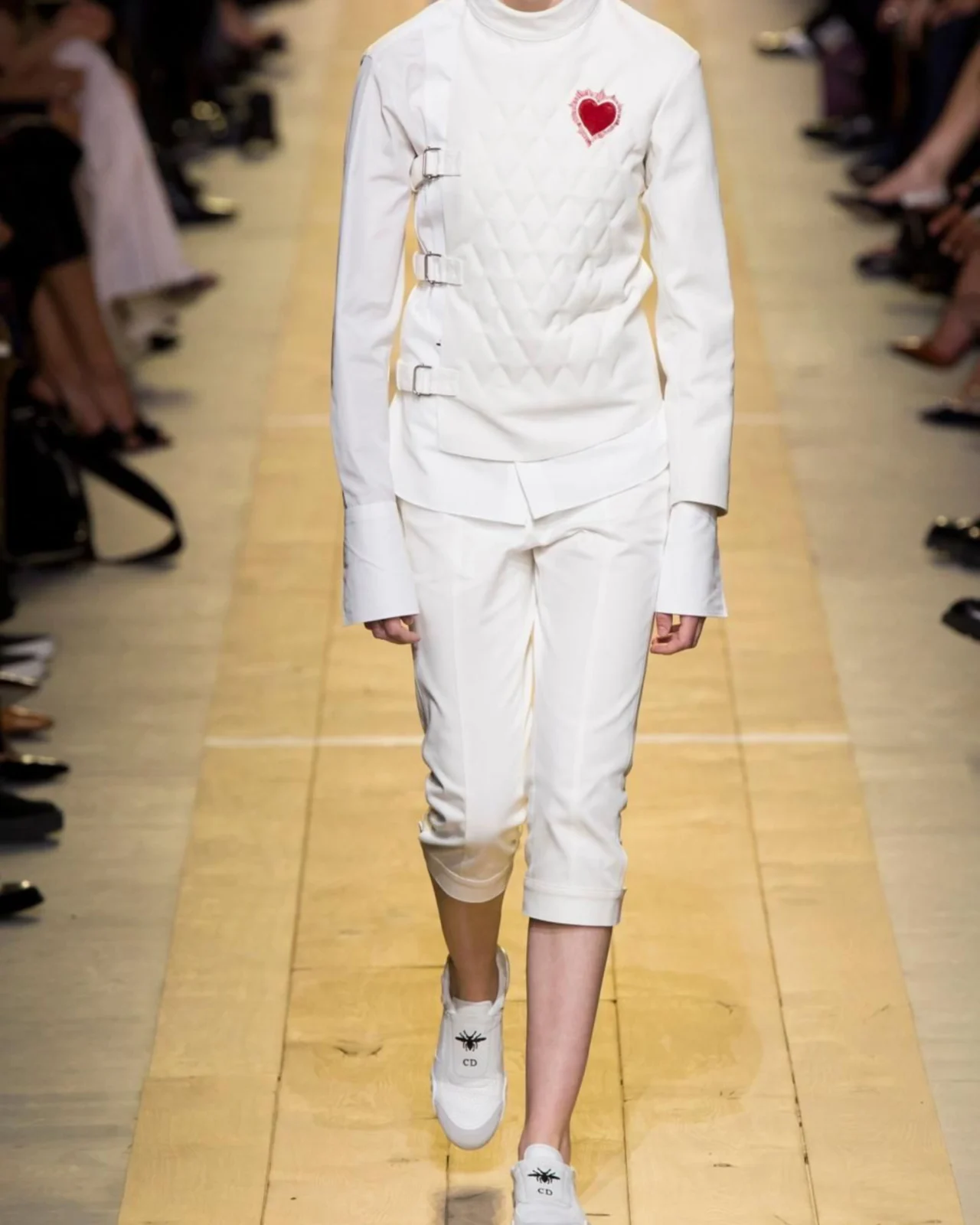
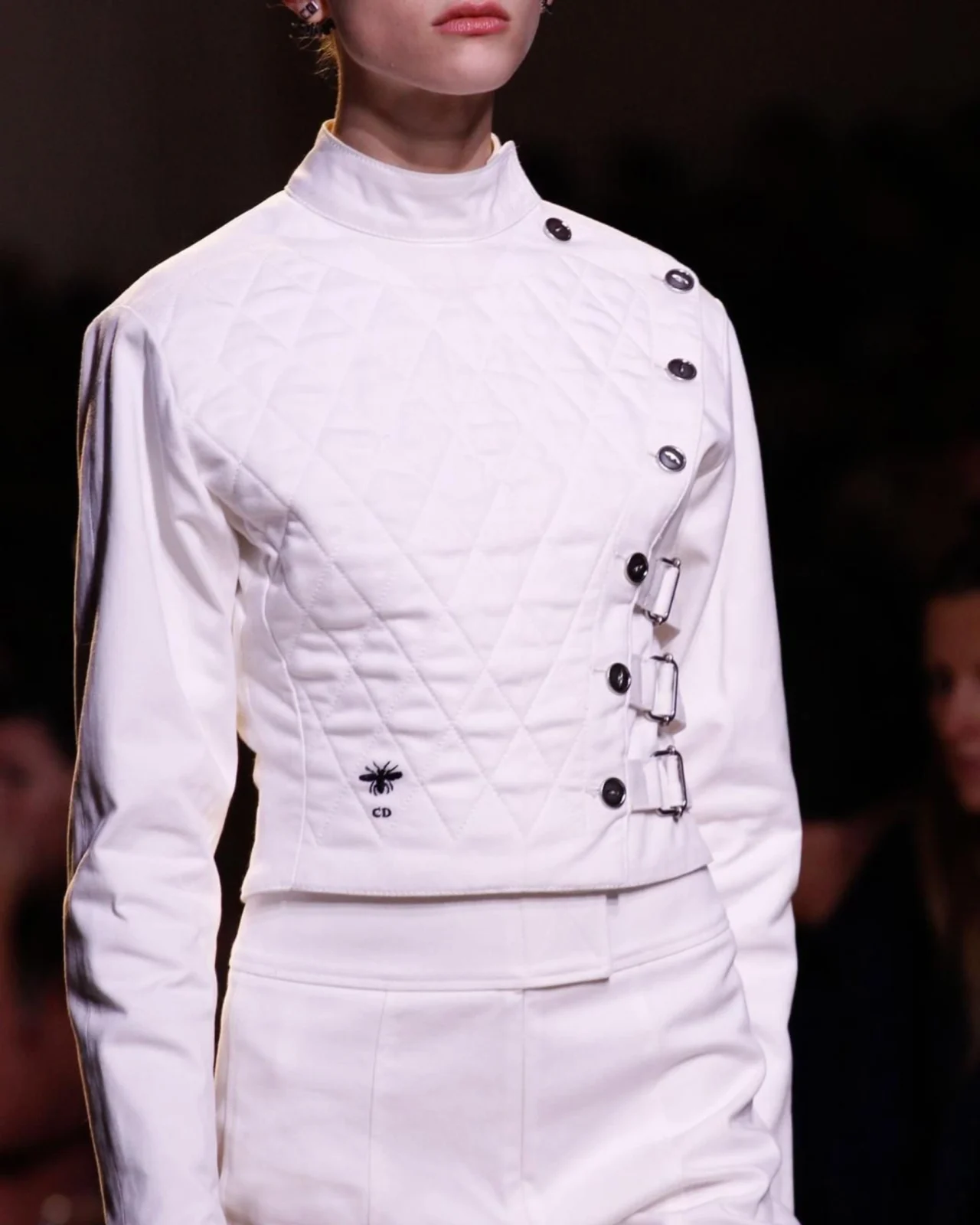
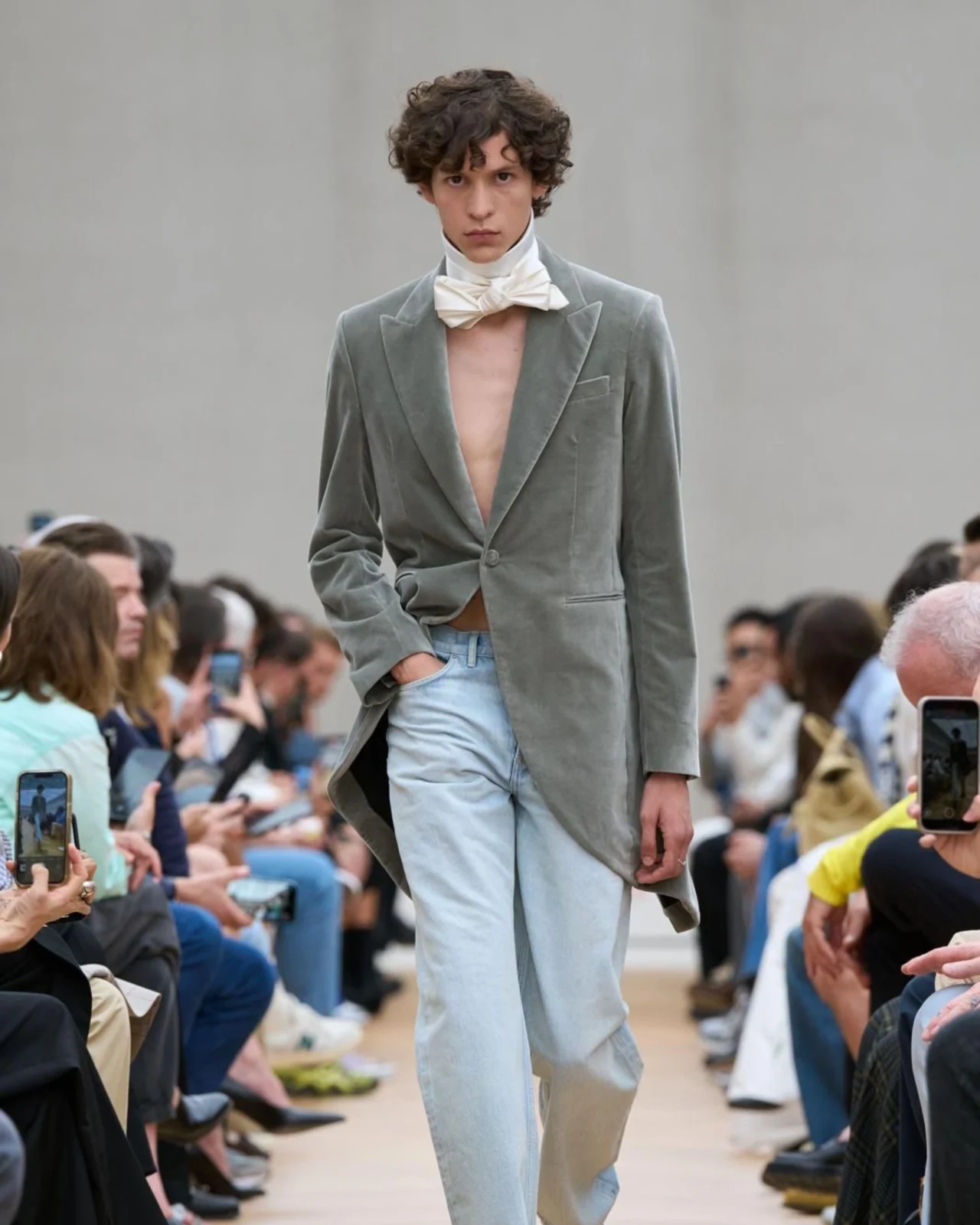
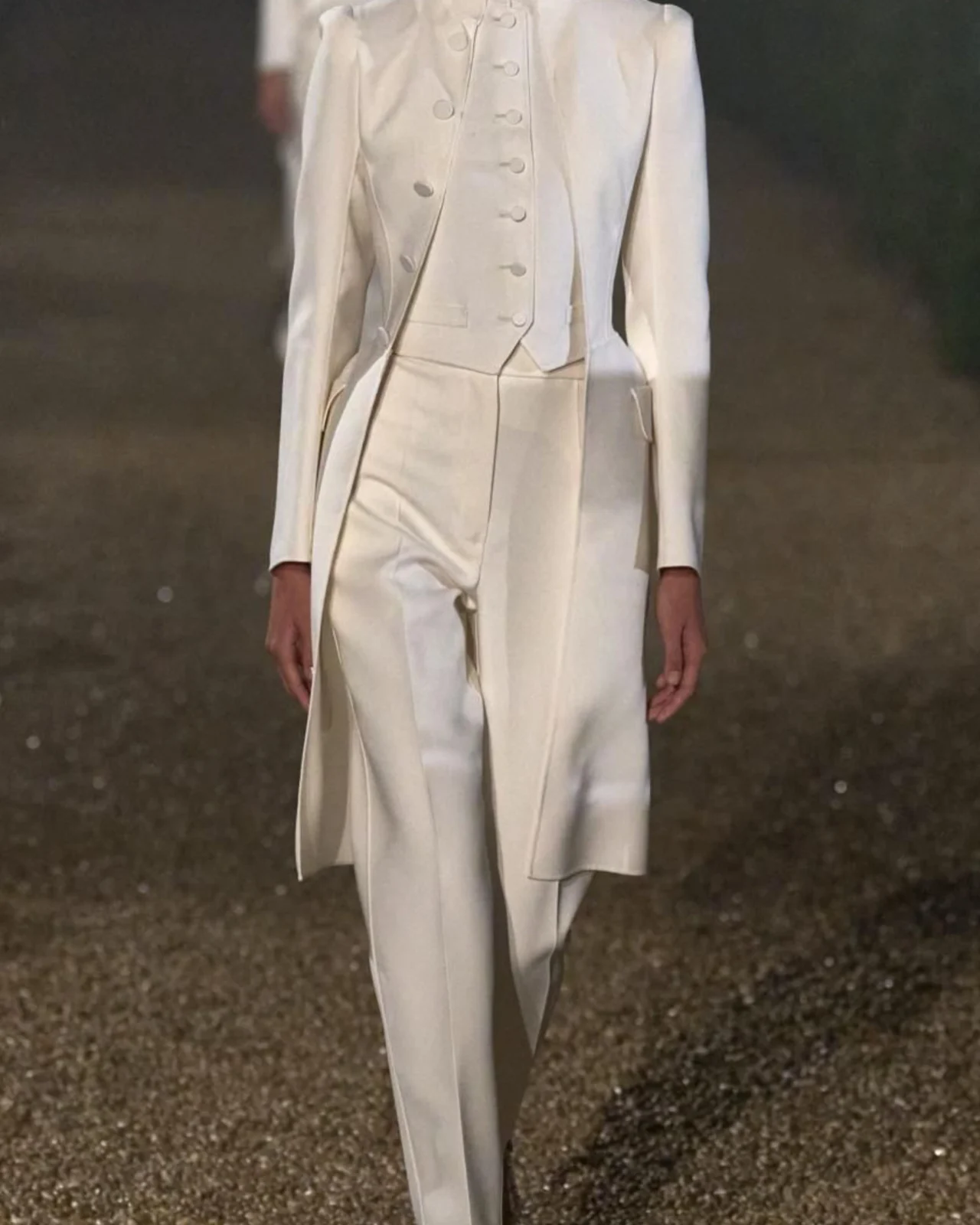
Recent runway seasons have shown two parallel approaches to the fencing trend. One leans into historical imagery tied to nineteenth-century interpretations of the foil.
Dior, Wales Bonner, and Enfants Riches Déprimés incorporated elements like ascots, capes, and redingotes, framing fencing through literary and romantic references such as Alexander Dumas and The Three Musketeers.
The modernists
The other approach focuses on modern sportswear. Nicolas Ghesquière at Louis Vuitton and Louise Trotter at Bottega Veneta introduced shirts with Mandarin-style collars that echo the protective shape worn by fencers today. Pieter Mulier at Alaïa expanded the scope further by referencing Kenjutsu through tall-collared kimonos and long shirts that evoke the garments used in ceremonial duels.
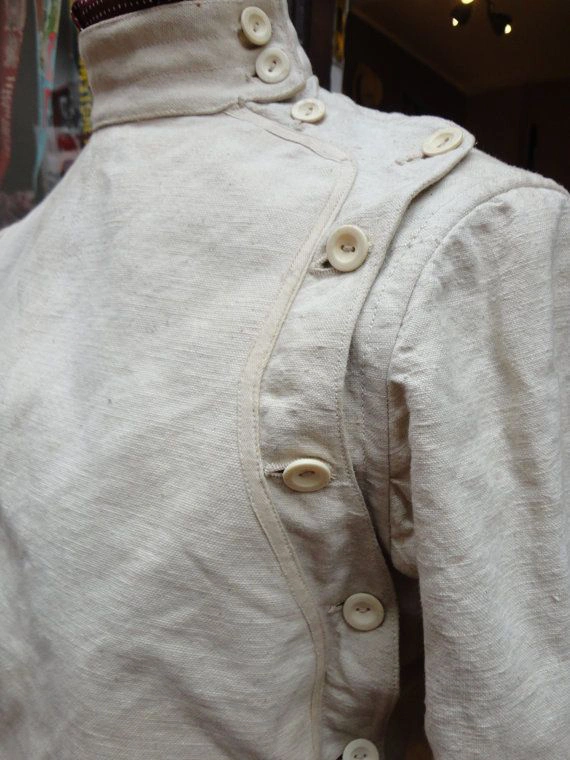
Taken together, these developments suggest that the fencing jacket is not simply a passing microtrend. It captures the search for structure in a style landscape that increasingly rewards subtlety over excess, making the fencing jacket a noteworthy marker of where menswear is (probably) heading next.
Frequently Asked Questions
A fencing jacket is a structured garment defined by its diagonal fastening and origins in Victorian-era sportswear. Its sharp, asymmetric closure and protective construction distinguish it from conventional tailored outerwear.
The fencing jacket reflects a broader menswear shift toward structure over excess. It first gained traction through archive uniform enthusiasts and limited independent label drops before crossing into mainstream runway conversations.
Dior, Wales Bonner, Enfants Riches Déprimés, Louis Vuitton, Bottega Veneta, and Alaïa have all drawn from fencing references — ranging from nineteenth-century foil aesthetics to modern protective sportswear and Japanese Kenjutsu ceremonial garments.
Two distinct approaches have emerged: one rooted in historical romanticism — ascots, capes, and Dumas-era literary references — and another focused on modern sport, with Mandarin-style collars and kimono-length silhouettes that echo active fencing wear.
The fencing jacket signals a preference for garments that reward construction knowledge and subtlety — bridging archive sportswear, couture tailoring, and everyday urban dressing without relying on ornamentation or logo-driven visibility.

Recommended Video