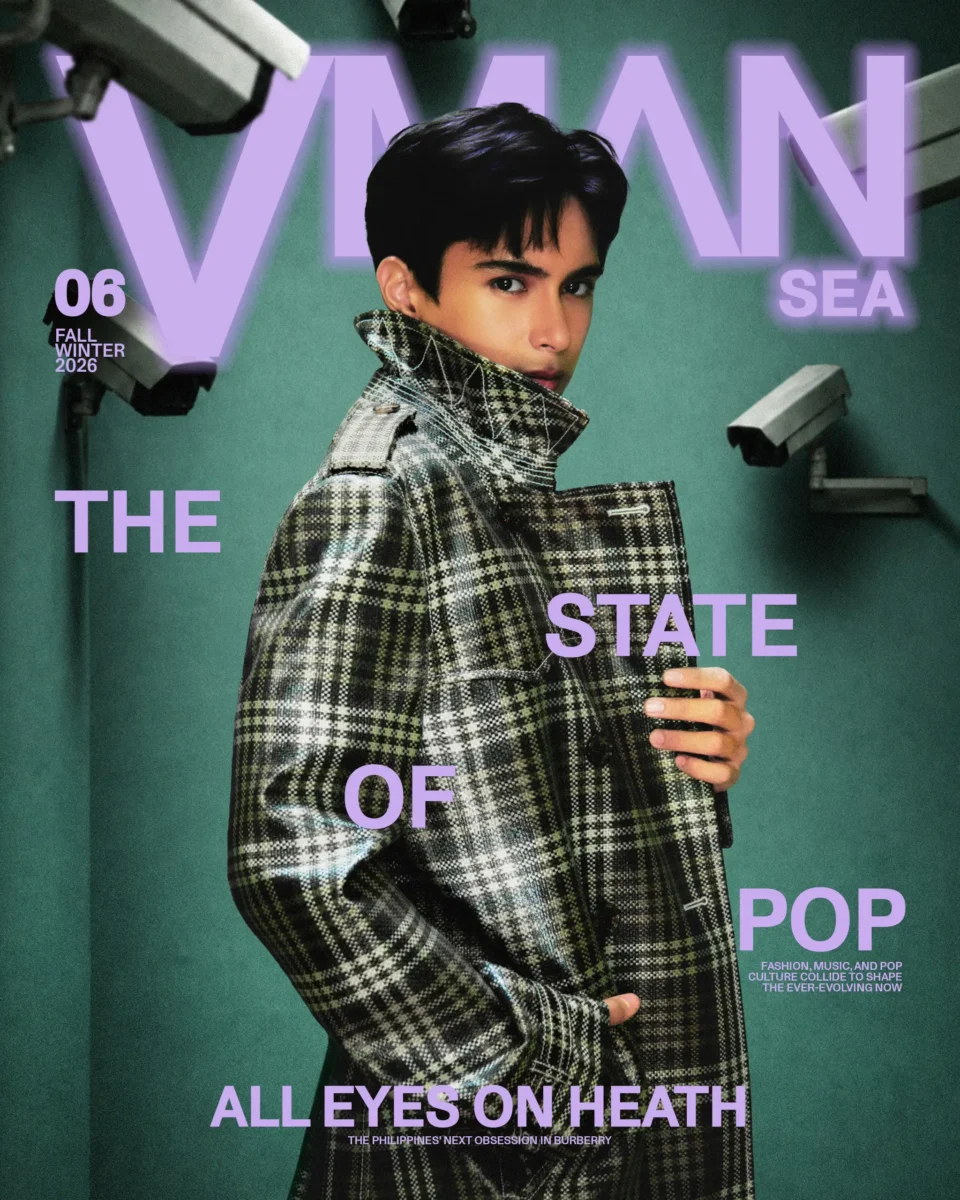
The Most Stylish Japanese Actors Today
These cinematic leading men are commanding the global fashion stage through high-stakes ambassadorships and a fearless sense of personal style




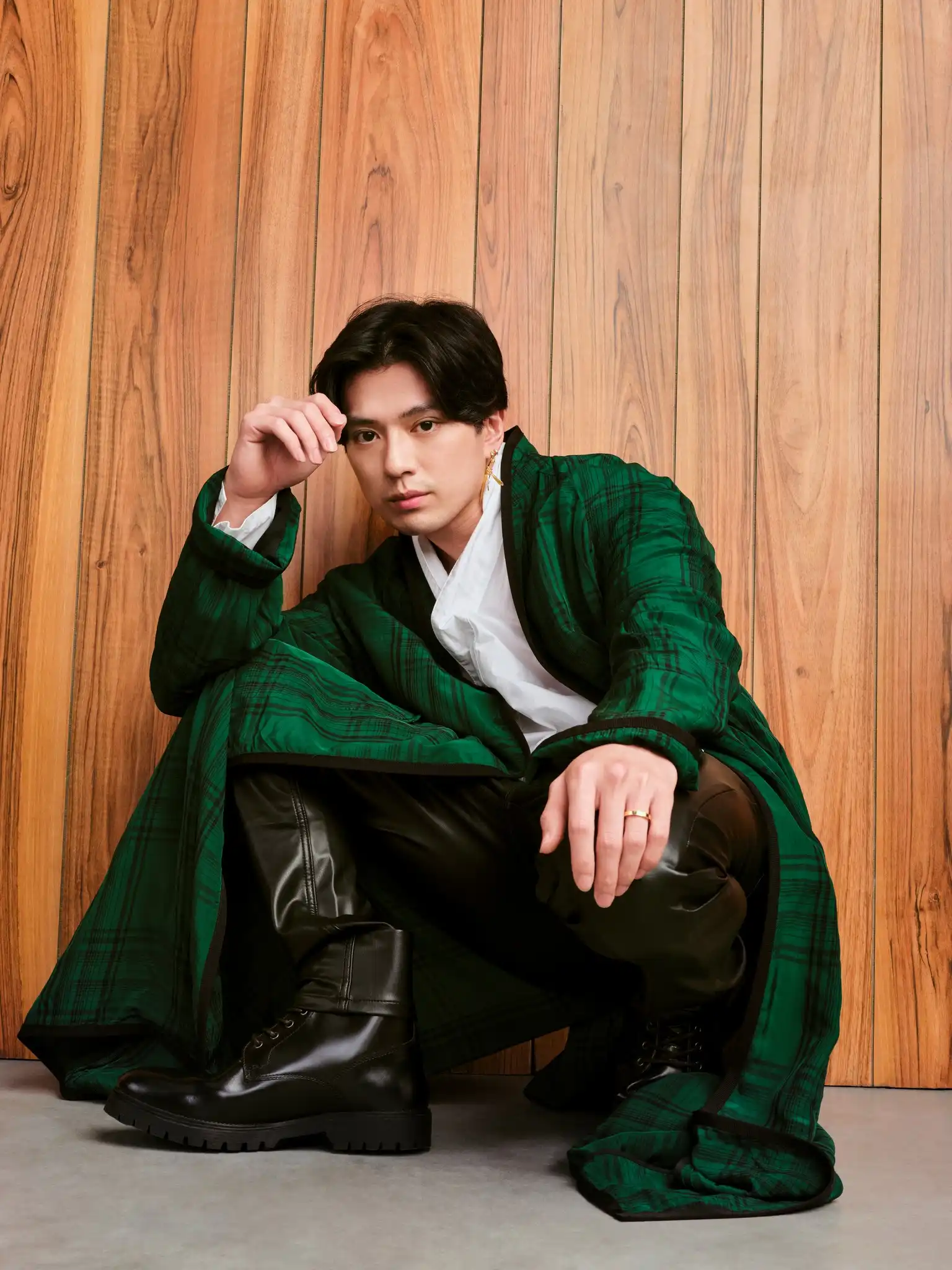
These Japanese actors are reshaping the global fashionFashionThe art and industry of designing, producing, and styling clothing, footwear, accessories, and beauty trends. It reflects cultural influences, personal expression, and evolving styles across seasons and markets.Go to Fashion Glossary landscape, moving beyond domestic cinema to emerge as the new faces of fashion houses and key drivers of menswear trends across Asia and beyond.
Their influence lies in a distinct balance of traditional Japanese minimalismMinimalismA design philosophy that favors clean lines, restrained color palettes, and quality materials over ornament and logos. In menswear, minimalism emphasizes impeccable fit and fabric, producing clothes that feel timelessGo to Minimalism Glossary with bold experimentation, resulting in an aesthetic that feels effortlessly cool.
Mackenyu
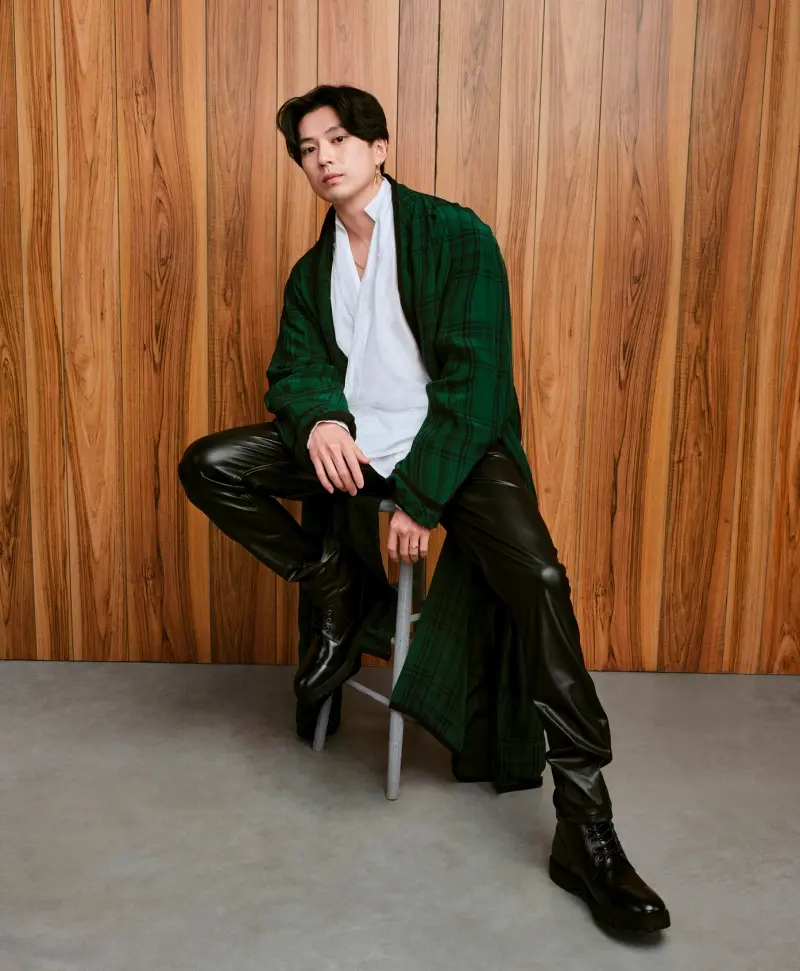
The rising leading man already setting his sights above the stratosphere, Mackenyu’s style is defined by sharp, structured tailoring and polished silhouettes. His ability to pull off monochrome luxury looks has made him a red-carpet staple and a favorite of high-end international brands.
Kento Yamazaki
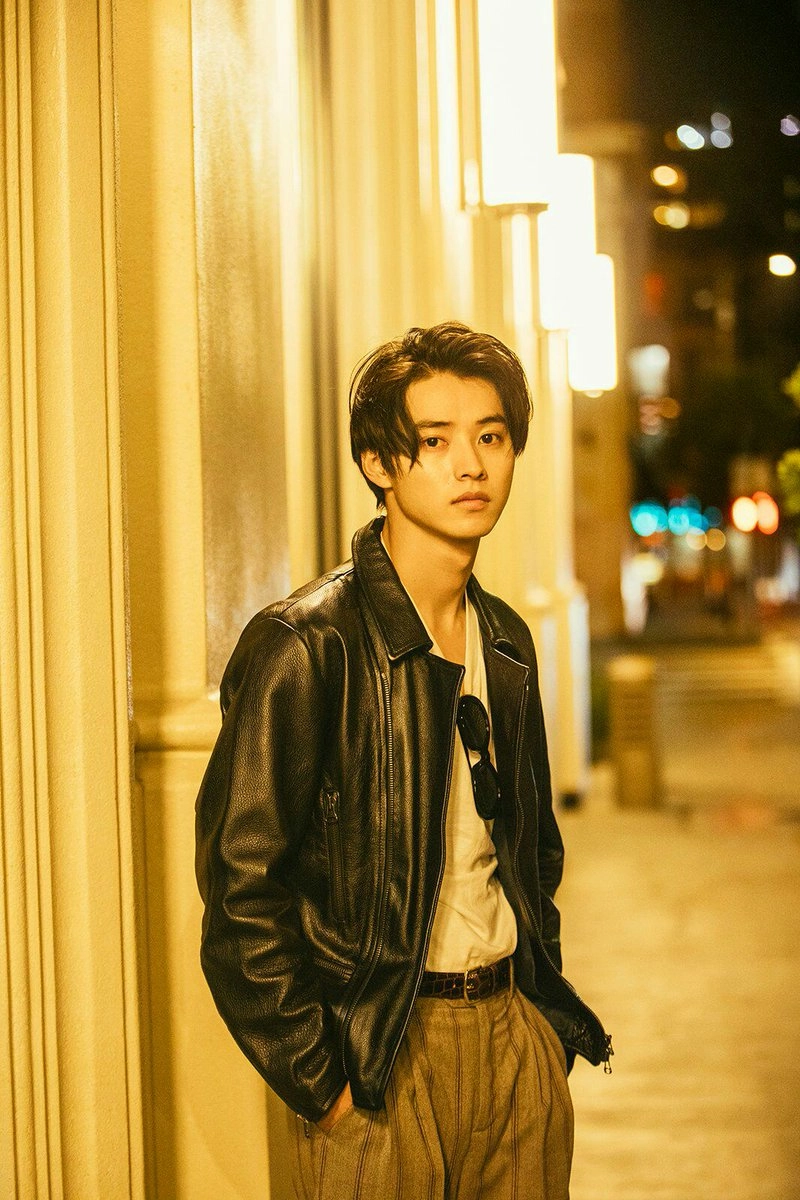
Often associated with the chic rock-and-roll aesthetic, Yamazaki is a master of the slim-fit Saint Laurent vibe. He frequently balances edgy leather accents with tousled, effortless hair, embodying a rebellious vibe.
Sho Hirano
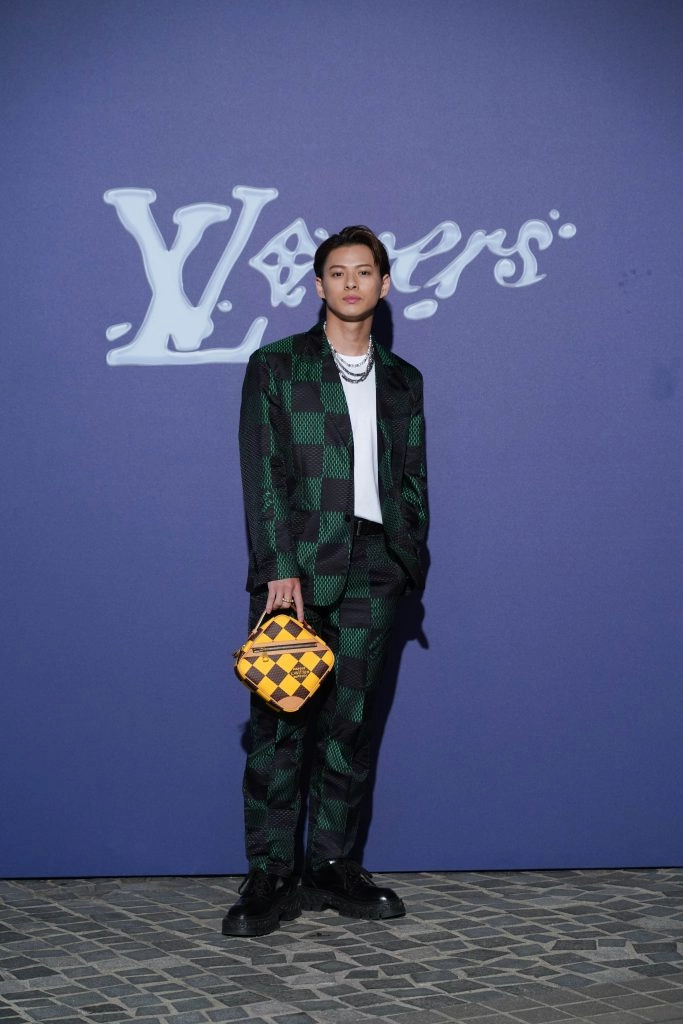
Hirano brings a high-energy, experimental edge. He is known for embracing bold patterns, oversized cuts, and vibrant streetwearStreetwearCasual fashion rooted in skate, hip-hop, and urban youth culture, characterized by graphic tees, hoodies, sneakers, and limited-edition releases. Streetwear has grown into a major global influence on luxury menswear,Go to Streetwear Glossary, making him a key influence for younger fans looking to mix style with urban comfort.
Masaki Suda
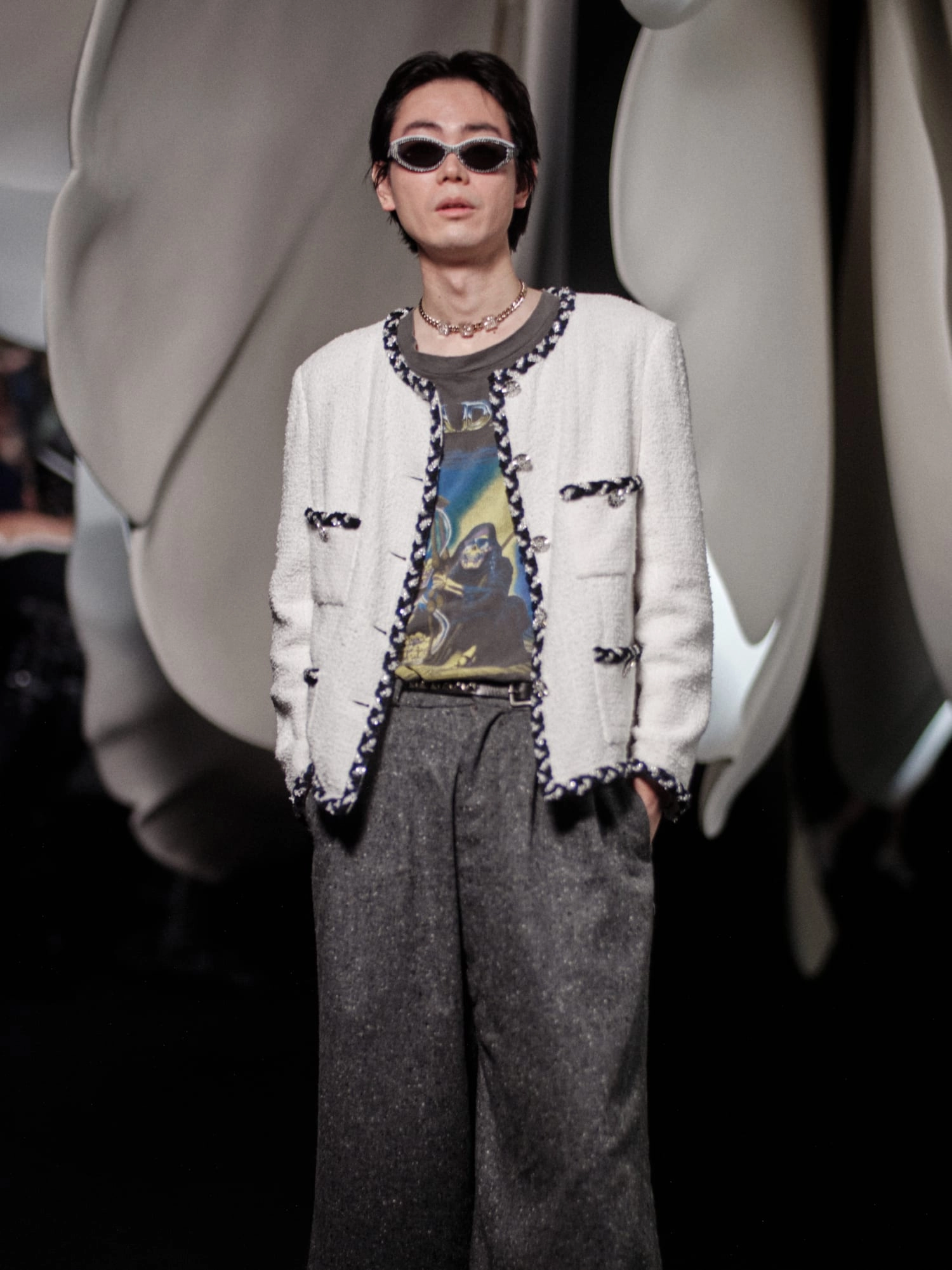
Perhaps the most chameleonic of the group, Suda is the king of the avant-garde. His style often leans into Tokyo’s vintage and thrift culture, featuring wide-legged trousers, retro knits, and eccentric pieces that treat fashionFashionThe art and industry of designing, producing, and styling clothing, footwear, accessories, and beauty trends. It reflects cultural influences, personal expression, and evolving styles across seasons and markets.Go to Fashion Glossary as performance art.
Kentaro Sakaguchi
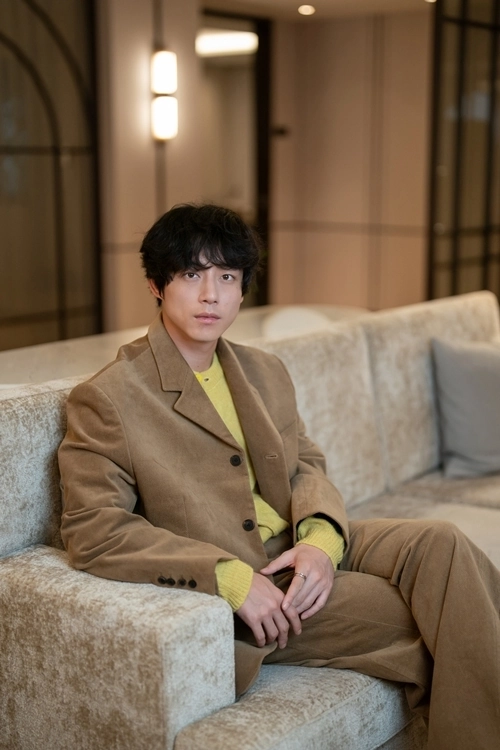
Representing the salt-face (shio-gao) aesthetic mostly found as illustrations on everyday items, Sakaguchi’s style epitomizes minimalismMinimalismA design philosophy that favors clean lines, restrained color palettes, and quality materials over ornament and logos. In menswear, minimalism emphasizes impeccable fit and fabric, producing clothes that feel timelessGo to Minimalism Glossary. He favors neutral tones, breathable linen, and clean lines, proving that “quiet luxury” and simple staples can be incredibly impactful.
Sota Fukushi
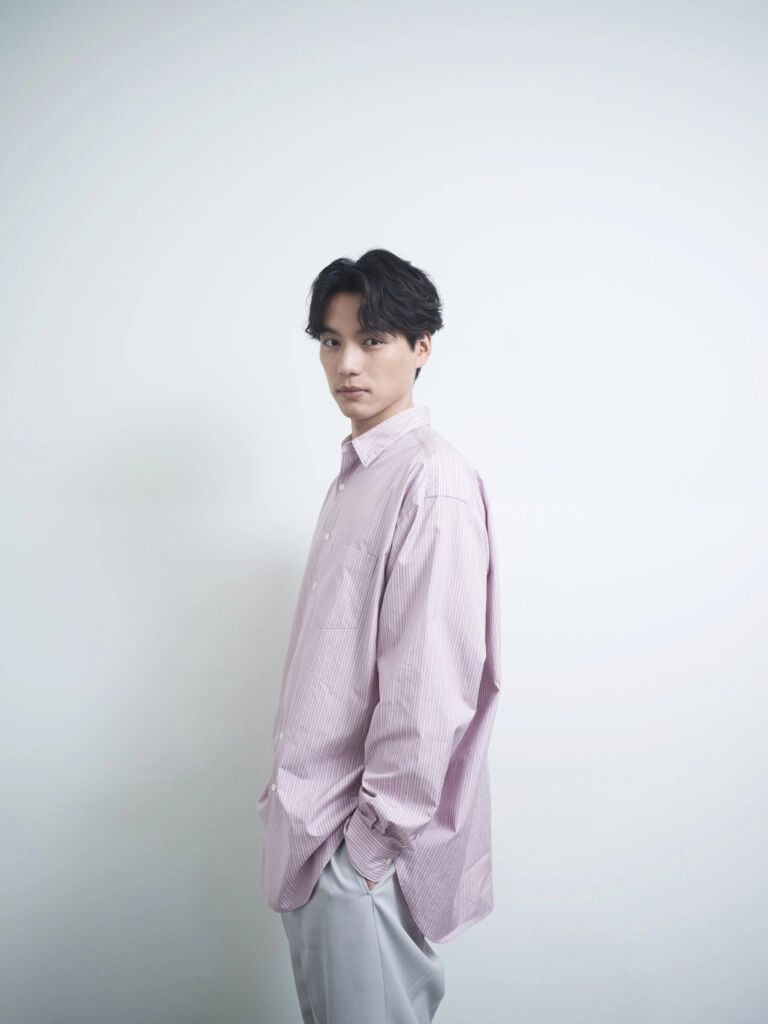
Fukushi excels in modern sophistication, often opting for classic, clean-cut looks that highlight his athletic stature. His wardrobe is a masterclass in how to wear foundational menswear pieces, like the perfect trench or a well-fitted blazerBlazerA tailored jacket that is less formal than a suit coat and often worn with contrasting trousers, in single- or double-breasted styles. The blazer is a versatile wardrobe cornerstone, movingGo to Blazer Glossary, with a contemporary twist.
Ryusei Yokohama
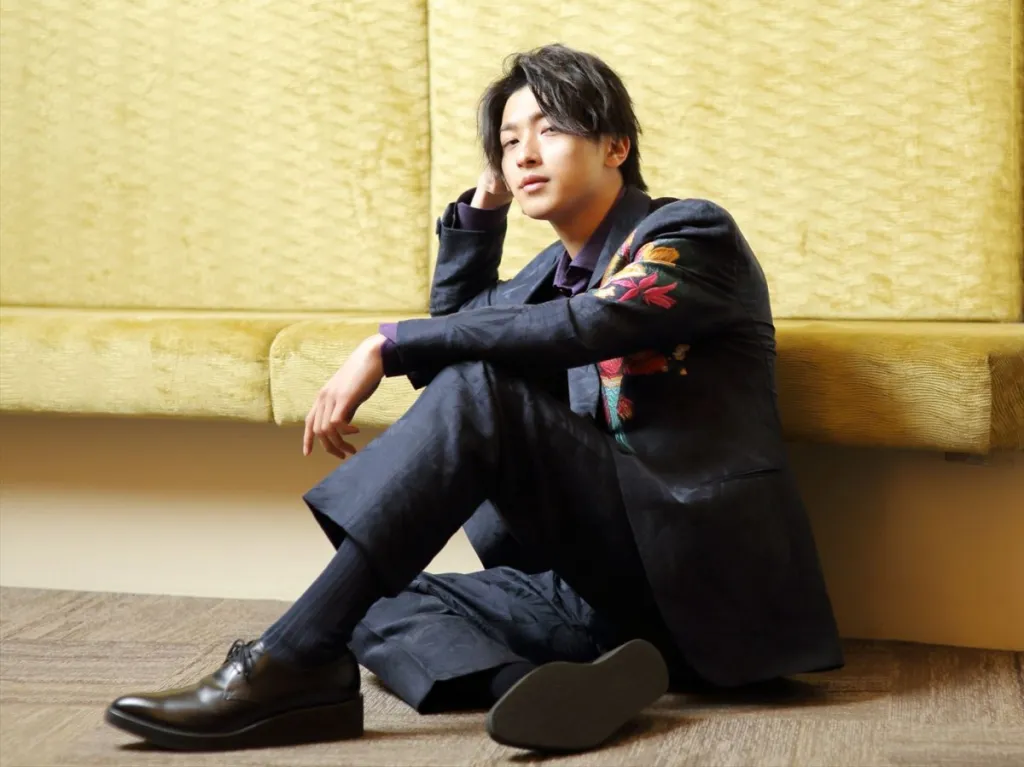
As a face for houses like Dior, Yokohama bridges the gap between high-fashionFashionThe art and industry of designing, producing, and styling clothing, footwear, accessories, and beauty trends. It reflects cultural influences, personal expression, and evolving styles across seasons and markets.Go to Fashion Glossary elegance and a brooding, cinematic edge. His style is meticulous, focusing on impeccable grooming and a dark, moody palette that feels both mysterious and expensive.
Shunsuke Michieda
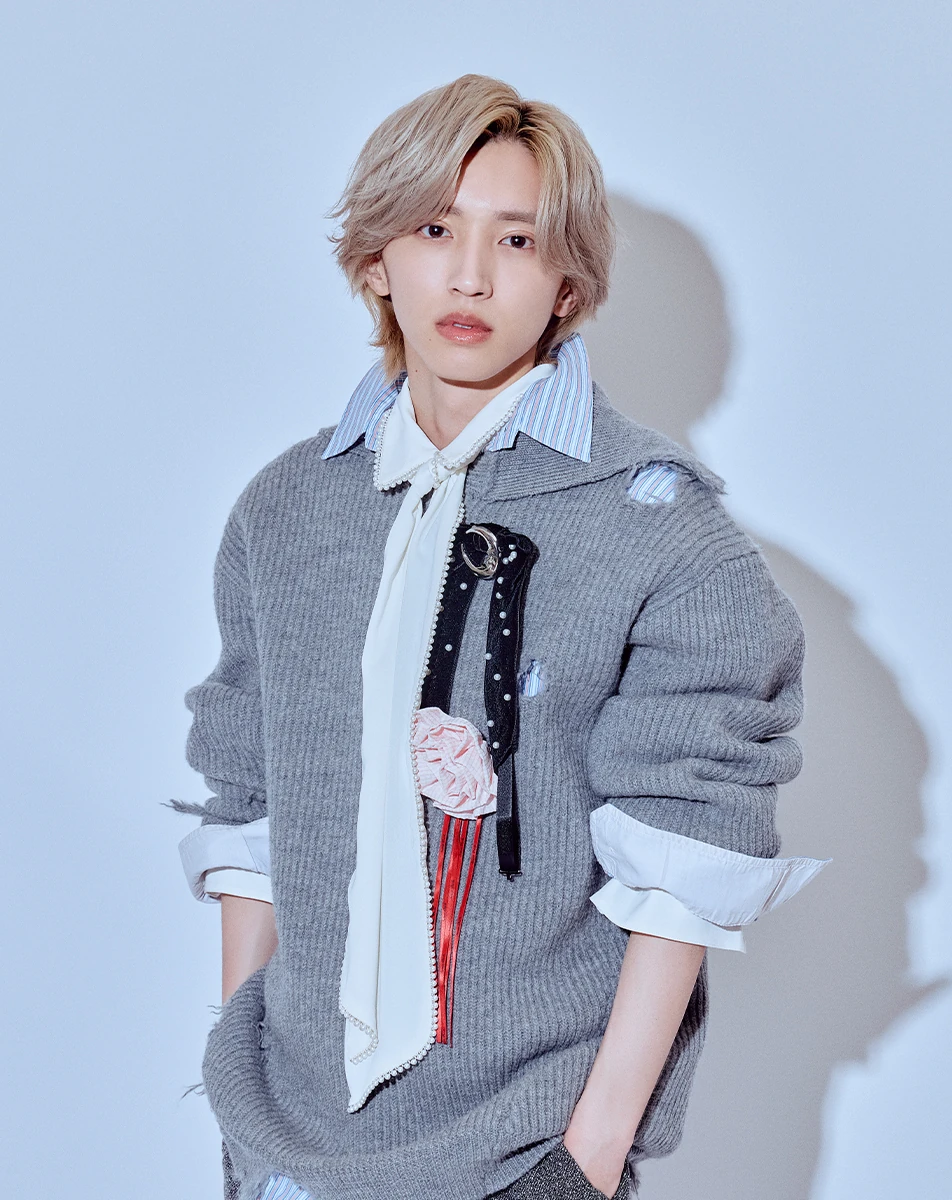
The youngest of the pack, Michieda represents the soft boy aesthetic that has taken Southeast Asia by storm. His style is characterized by pastel palettes, oversized shirts, and a gentle, approachable elegance that emphasizes comfort and youth.
Frequently Asked Questions
The most influential Japanese actors in menswear today include Mackenyu, Kento Yamazaki, Sho Hirano, Masaki Suda, Kentaro Sakaguchi, Sota Fukushi, Ryusei Yokohama, and Shunsuke Michieda. Each brings a distinct aesthetic — from structured luxury tailoring to avant-garde Tokyo vintage — that is shaping menswear trends across Asia and global fashion houses.
Ryusei Yokohama is a face for Dior and is known for a meticulous, brooding visual identity built on dark palettes, impeccable grooming, and cinematic styling. His approach bridges high-fashion elegance with a moody, introspective edge that positions him among the most visually distinctive Japanese actors in global menswear.
Shio-gao — literally “salt face” — refers to a distinctly refined, understated Japanese aesthetic characterized by soft features and quiet, minimalist styling. In menswear, it manifests through neutral tones, clean lines, breathable fabrics like linen, and an avoidance of loud branding or maximalist detail. Kentaro Sakaguchi is frequently cited as a defining reference for this look.
Japanese actors are increasingly appearing as brand ambassadors and front-row figures at major fashion houses, with Ryusei Yokohama at Dior as a prominent example. Their influence draws on a distinct balance of Japanese minimalism and bold experimentation — an aesthetic that resonates with luxury brands seeking culturally specific and visually precise representation from Asia.
Japanese menswear is defined by a tension between restraint and experimentation — evident in the coexistence of quiet luxury minimalism, Tokyo vintage culture, avant-garde silhouettes, and soft boy aesthetics within the same generation of actors and designers. This range, rooted in both traditional Japanese design principles and Tokyo’s subculture-driven street style, gives Japanese menswear a cultural specificity that is distinct from K-pop-driven Korean fashion or the heritage-focused aesthetics of Southeast Asian menswear.
Recommended Video