The Japanese Labels to Have on Your Radar Now
A look at the Japanese menswear labels shaping how men dress today, for those who want to get in the know before everyone else




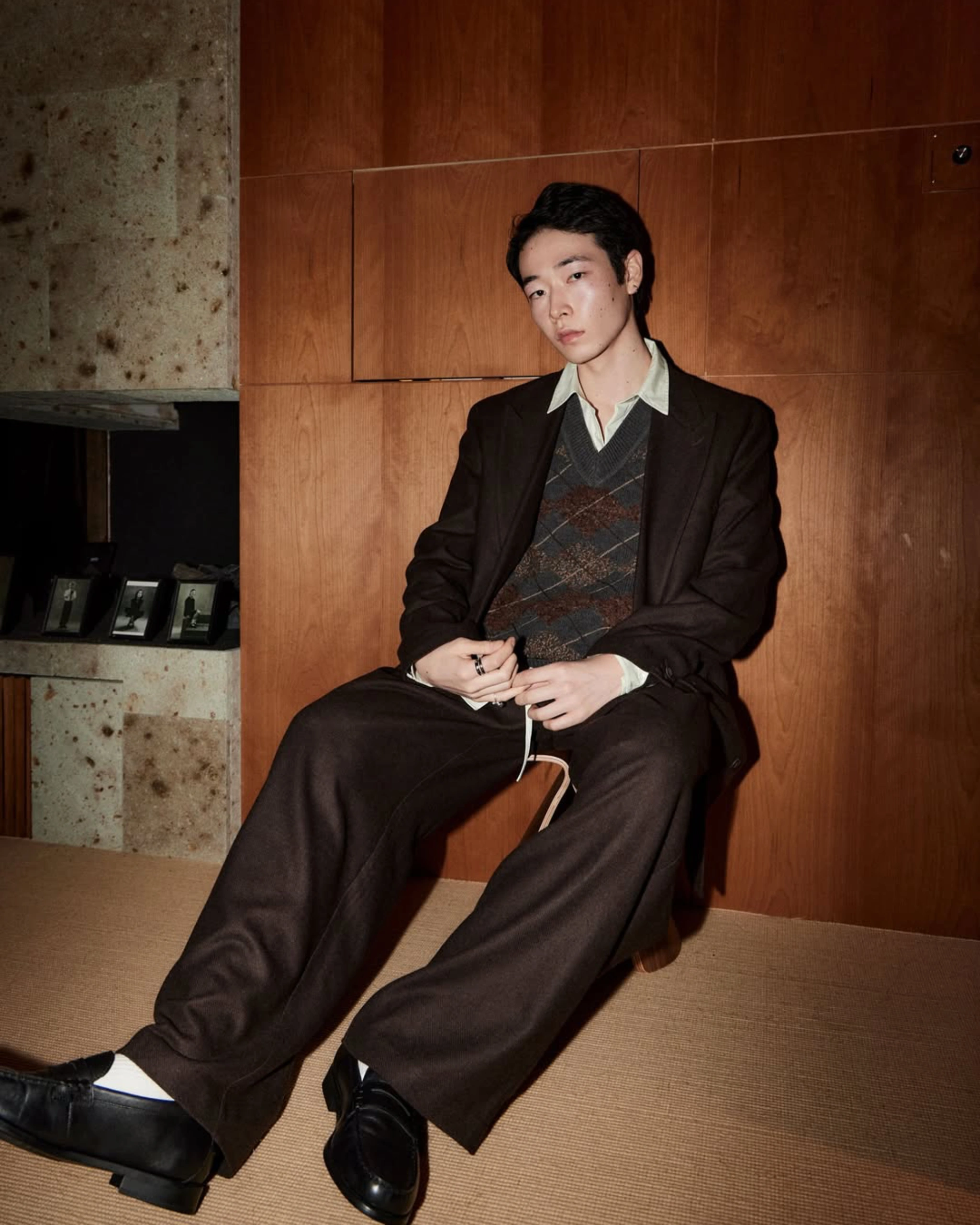
Fashion’s enduring fascination with Japanese menswear is not built on mythology alone. For decades, designers from Japan have reshaped how men dress by privileging its construction.
While household names like Rei Kawakubo and Yohji Yamamoto sit comfortably in the canon, they exist alongside a vast and often overlooked ecosystem of designers whose influence is no less consequential.
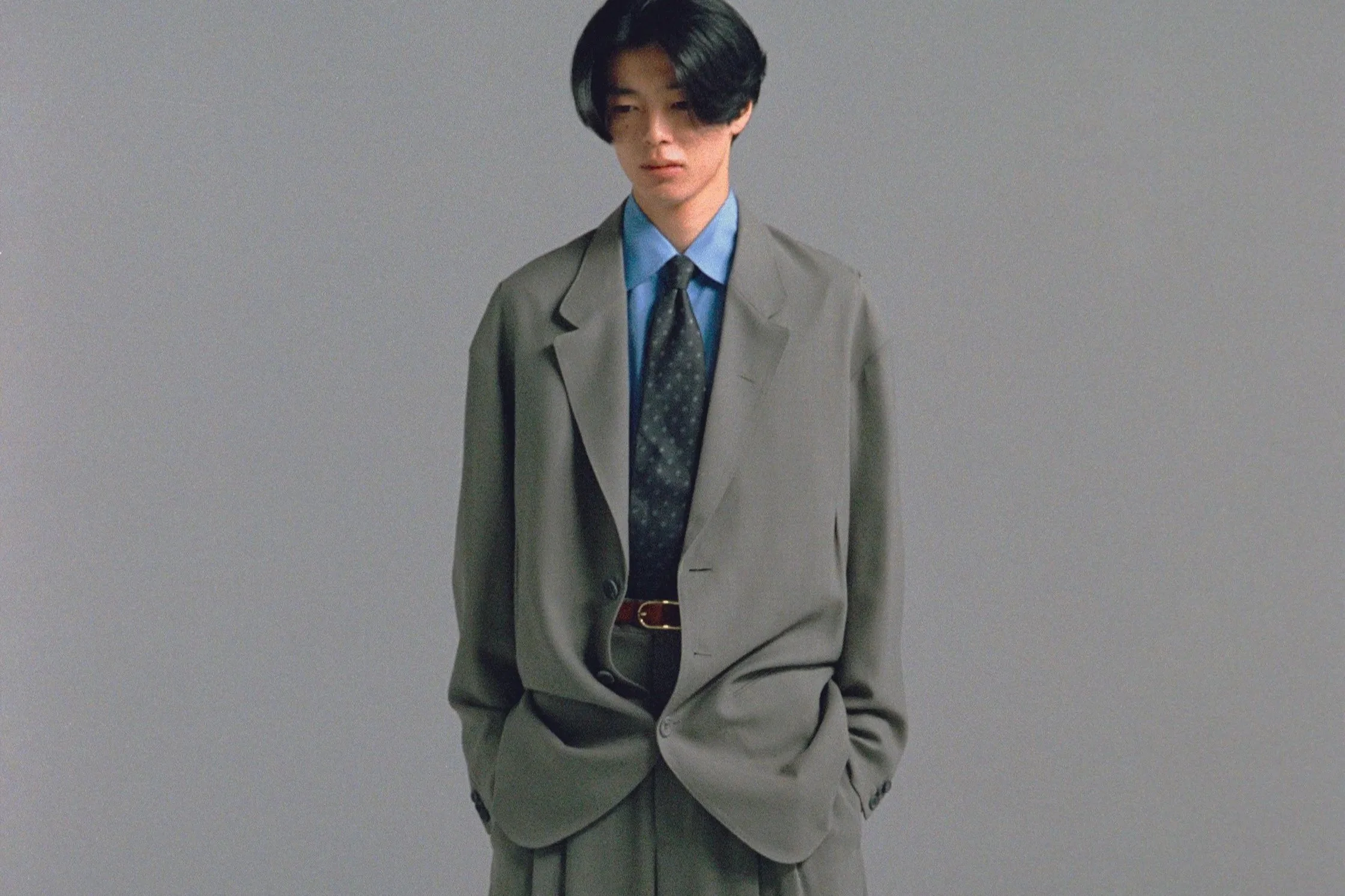
These are labels that thrive primarily within Japan. You encounter them not through viral runway clips but through the racks of secondhand institutions. Outside the country, they surface only at the most discerning boutiques. Discovering them requires a willingness to look past the obvious.
VMAN Southeast Asia turns its attention to these understated forces in Japanese menswear. Consider this a field guide to the designers shaping the present moment, long before broader recognition catches up.
Soshiotsuki
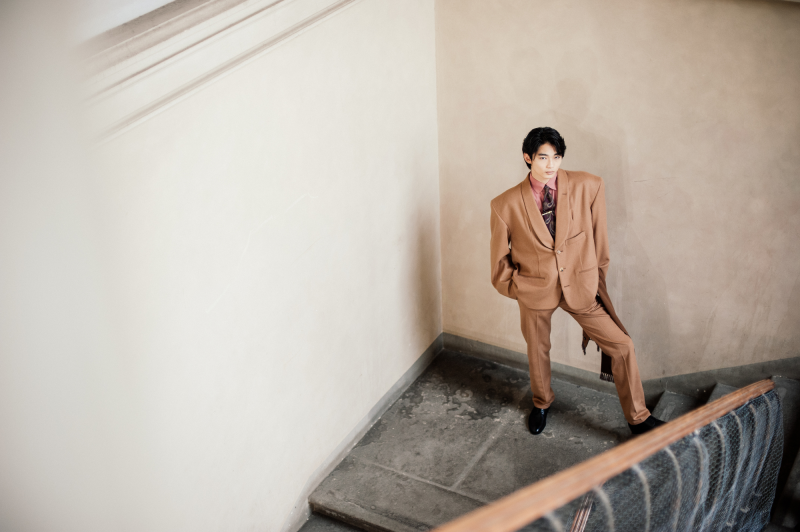
Founded in 2015 by Soshi Otsuki, Soshiotsuki has emerged as one of the most compelling voices in contemporary Japanese menswear. The brand explores the idea of modern dandyism through a careful synthesis of Japanese cultural references and Western tailoring traditions, particularly those rooted in Italian sartoria.
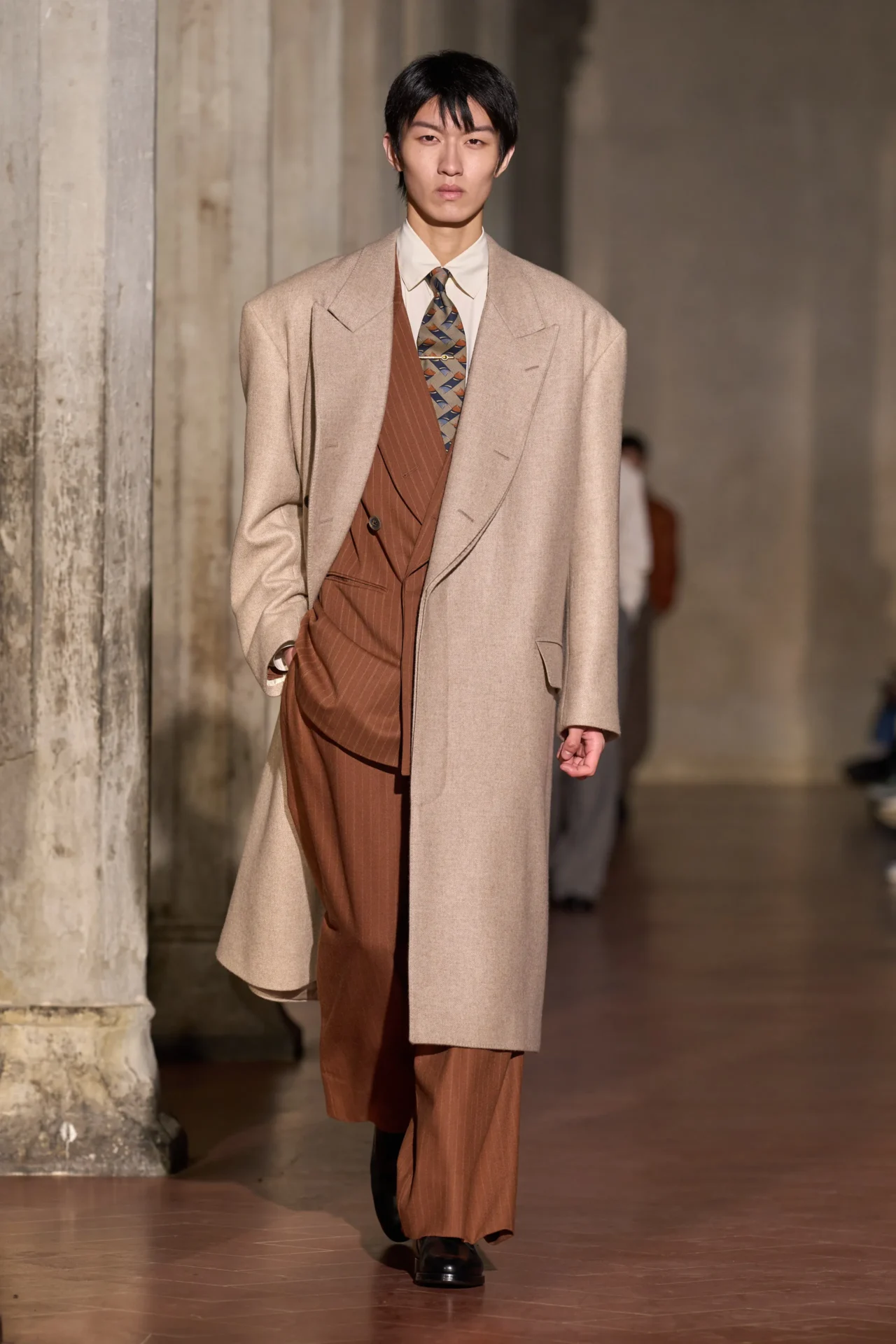
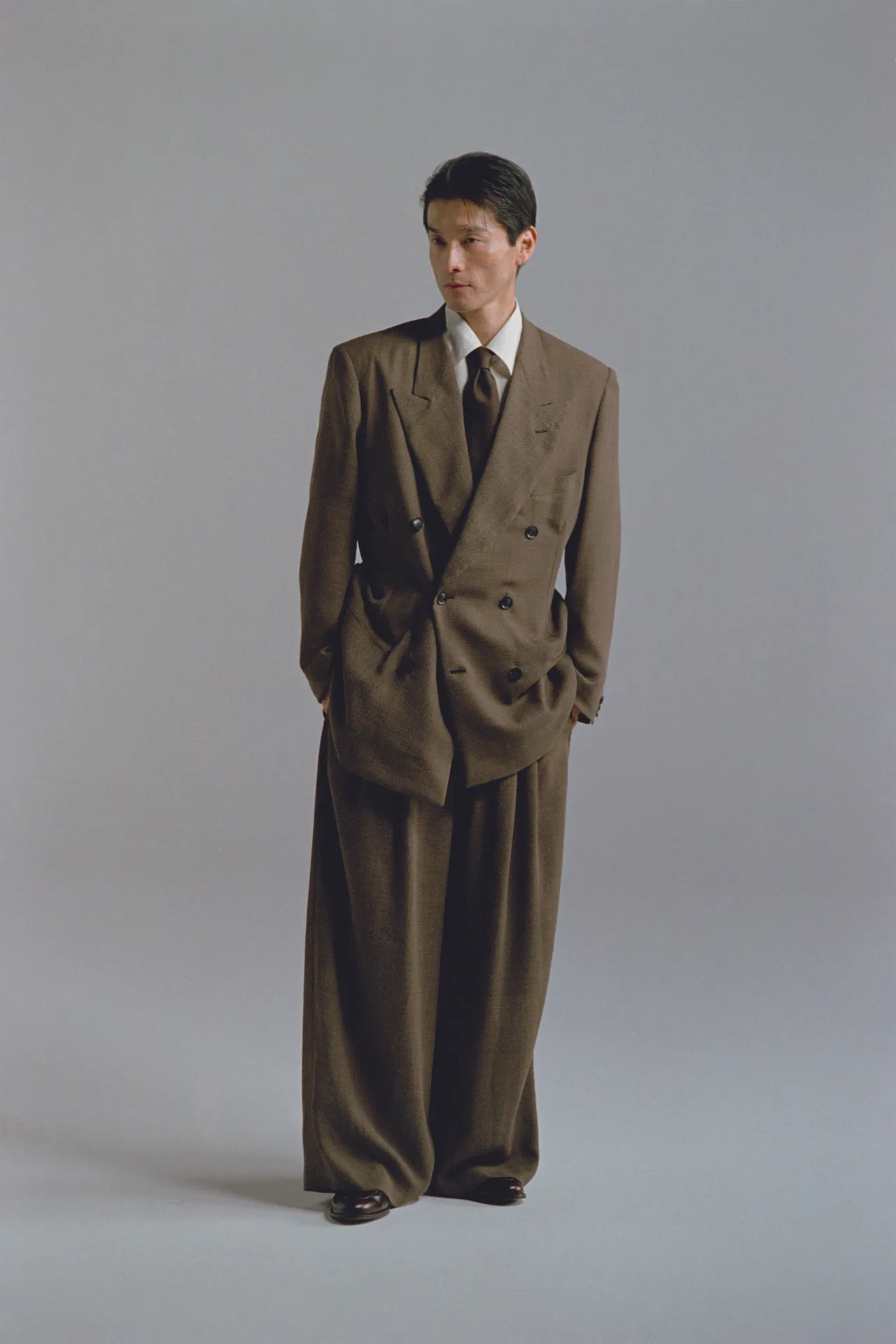
Soshi’s work often examines how identity is expressed through dress, using tailoring as both structure and language. His garments balance ceremony with wearability, creating pieces that feel intellectual without becoming remote.
In 2025, the label’s trajectory was formally recognized with the LVMH Prize, marking a significant moment for Japanese menswear more broadly. A recent presentation at Pitti Uomo further underscored Soshiotsuki’s growing international relevance, confirming its place as a label to watch closely.
Comoli
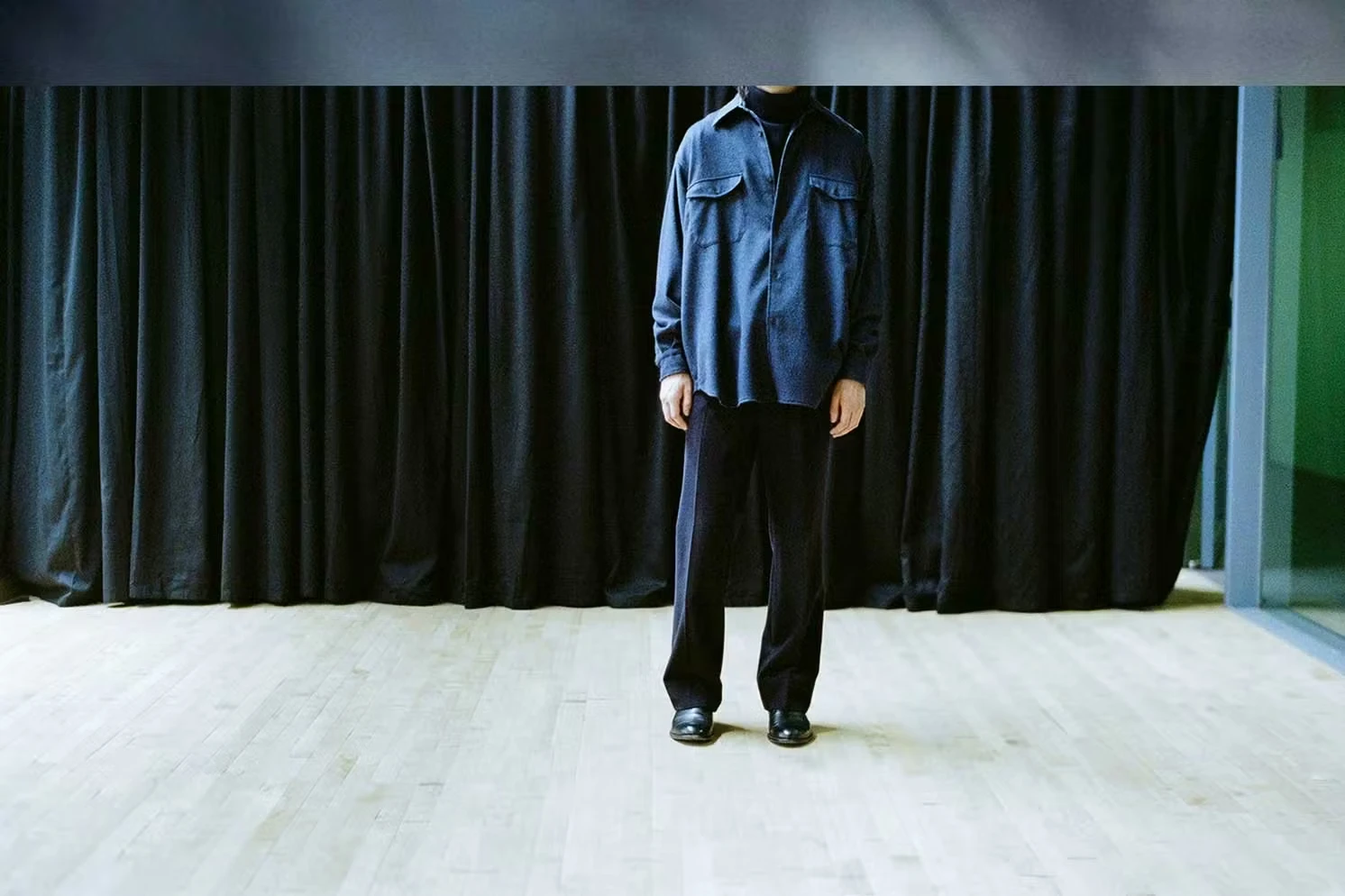
Comoli operates on a different register entirely. Founded by Keijiro Komori, a graduate of Bunka Fashion College, the brand is guided by a subtle but rigorous philosophy.
Keijiro often speaks about the importance of space, particularly the space between the body and the garment. That invisible margin shapes everything the brand produces.
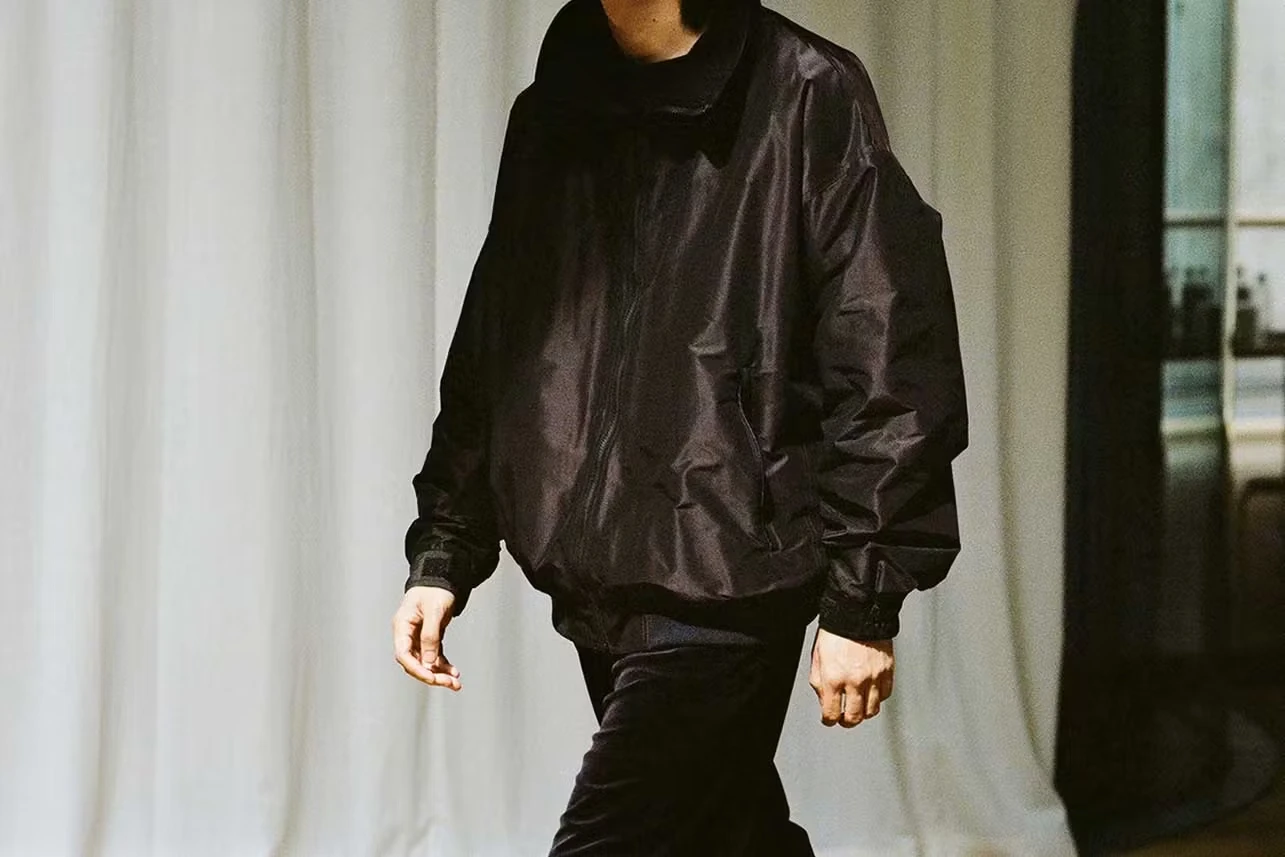
The silhouettes are relaxed and forgiving. Oversized garments fall with ease rather than exaggeration, creating an impression of effortlessness that is carefully engineered. Materials are chosen for how they age and how they feel in motion.
Attachment
Attachment, founded by Kazuyuki Kumagai, reflects a lineage that traces back to Issey Miyake, under whom Kazuyuki trained. That influence is evident in the brand’s attention to movement and material, though Attachment applies those principles to a distinctly urban wardrobe.
What sets the brand apart is its embrace of imperfection. Styling often includes irregular creases, loose tucks, and combinations that appear spontaneous but are carefully balanced.
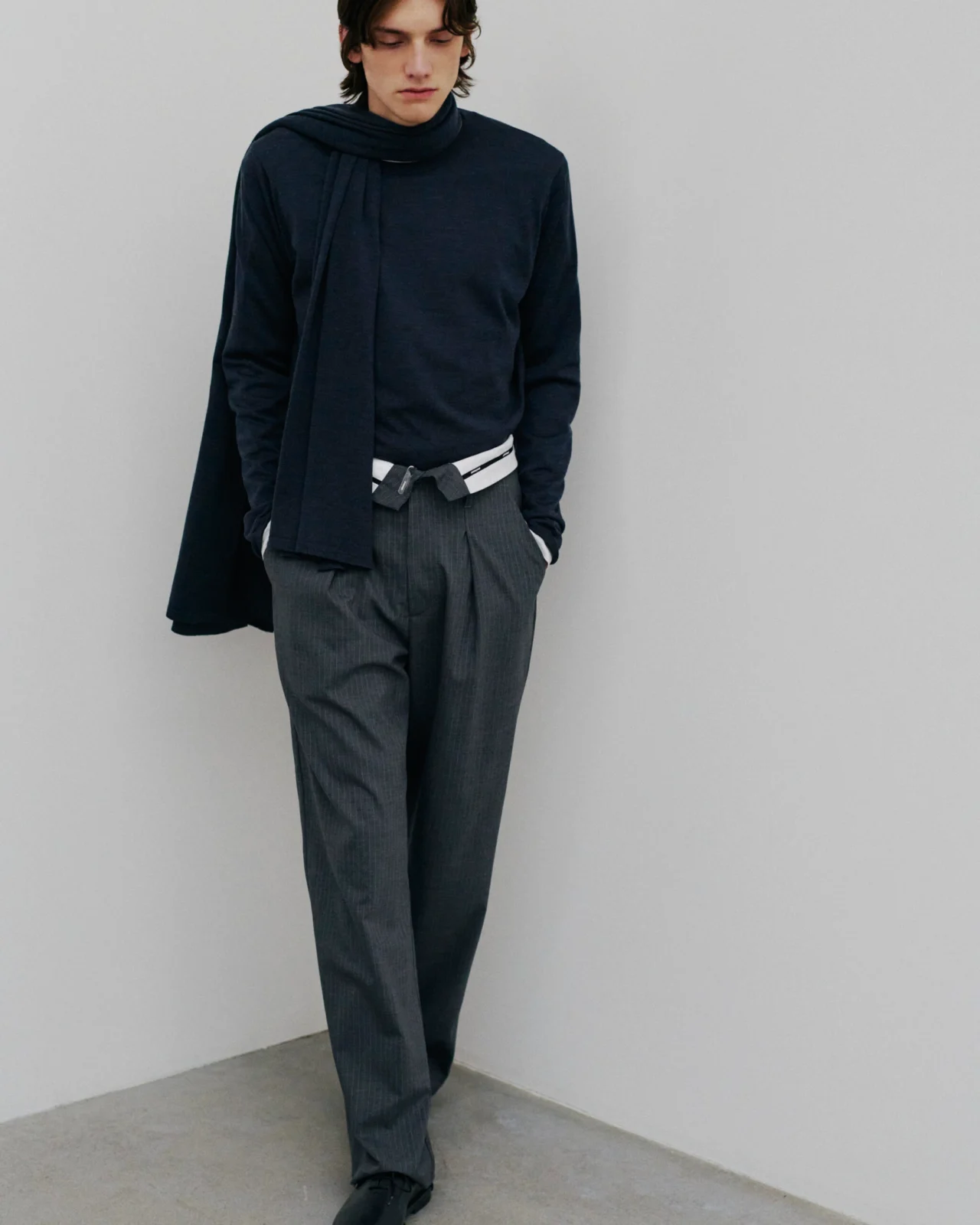
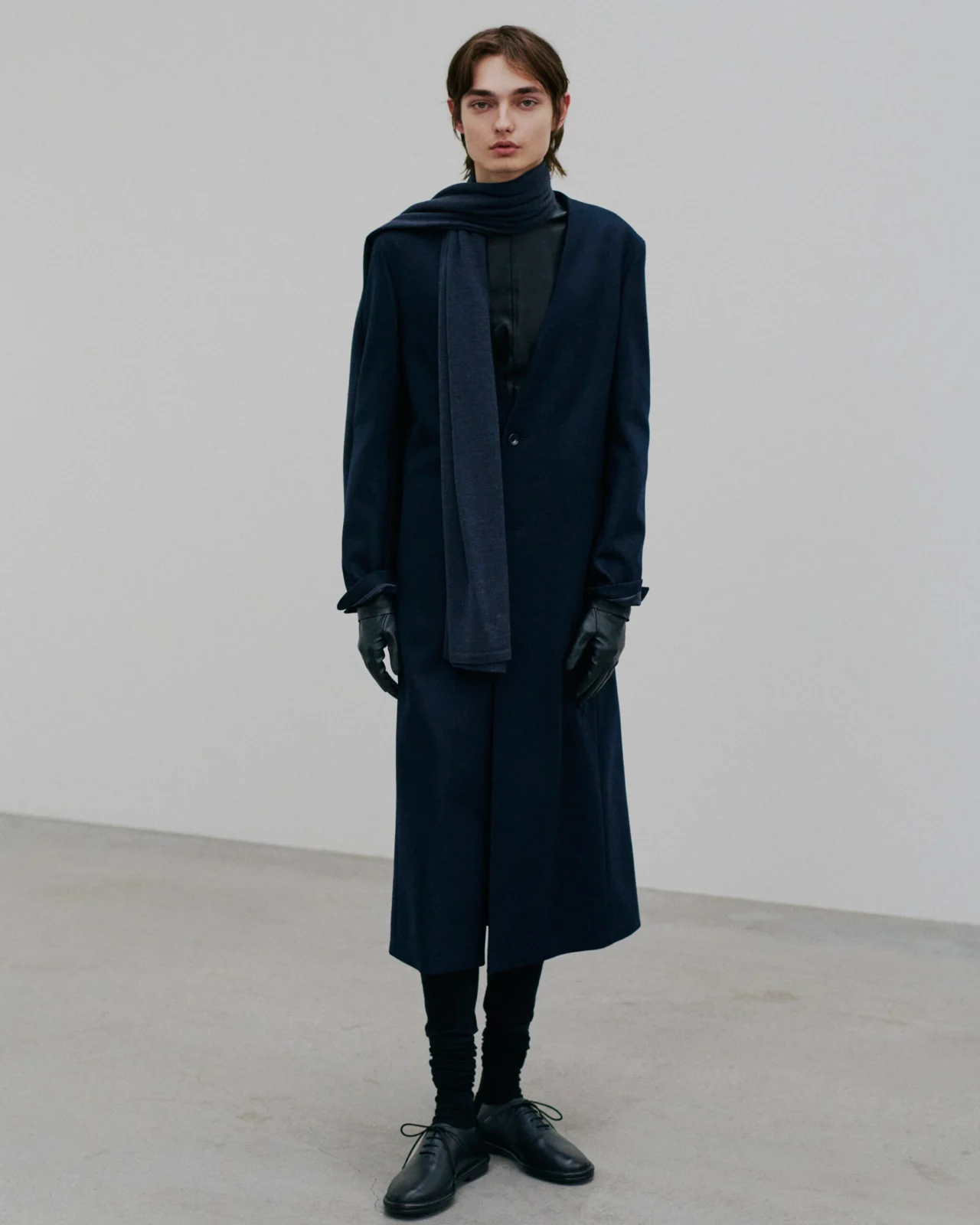
The label offers a broad range of elevated essentials, making it particularly appealing to those building their wardrobe. Each piece is designed to integrate seamlessly while still offering subtle distinction.
Sasaki Satoru
Established in Kobe in 2019, Sasaki Satoru approaches menswear with a sense of playful tension. The designer has described his aesthetic as “weird luxury,” a phrase that captures the brand’s willingness to challenge conventional ideas.
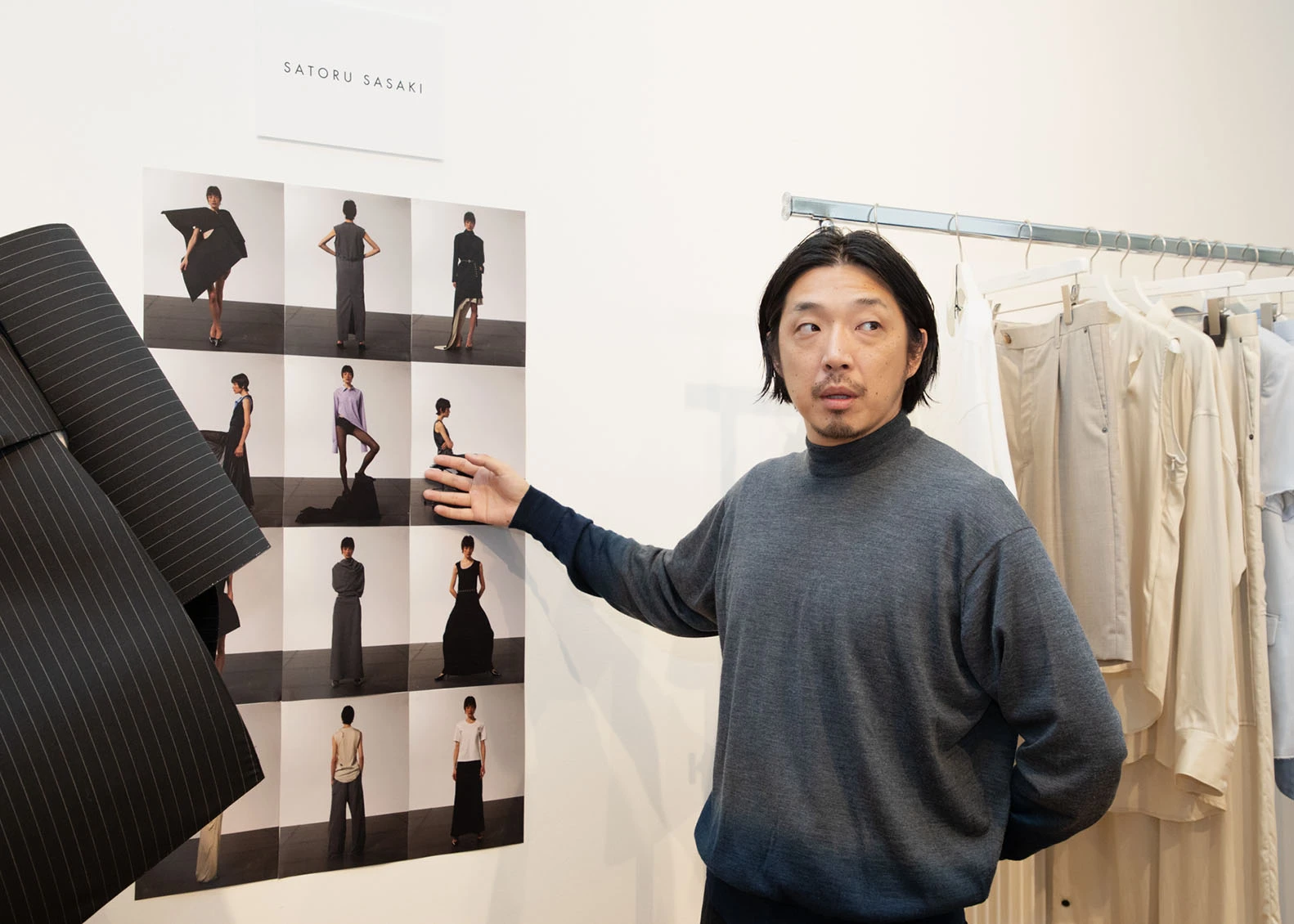
The collections mix bold colors and dense patterns with tailoring that is both angular and fluid. Garments often feature added panels, pockets, and layered elements that complicate familiar silhouettes. There is a clear interest in smart casual dressing, but one filtered through a lens that values experimentation.
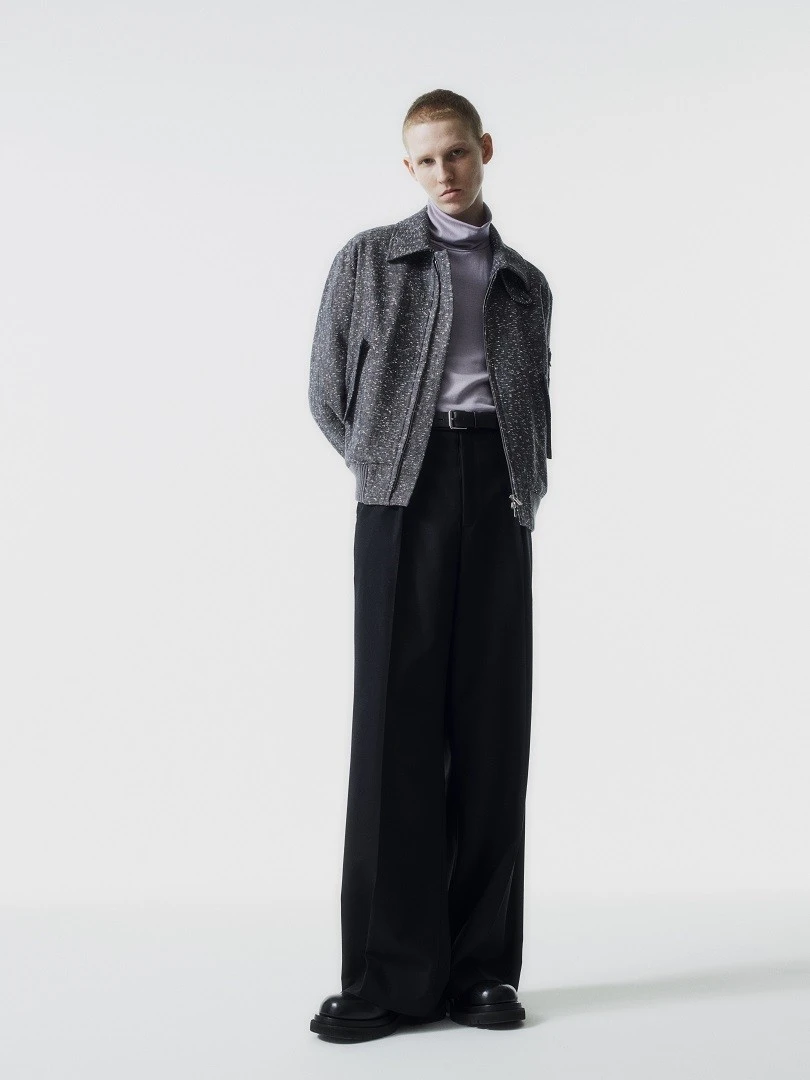
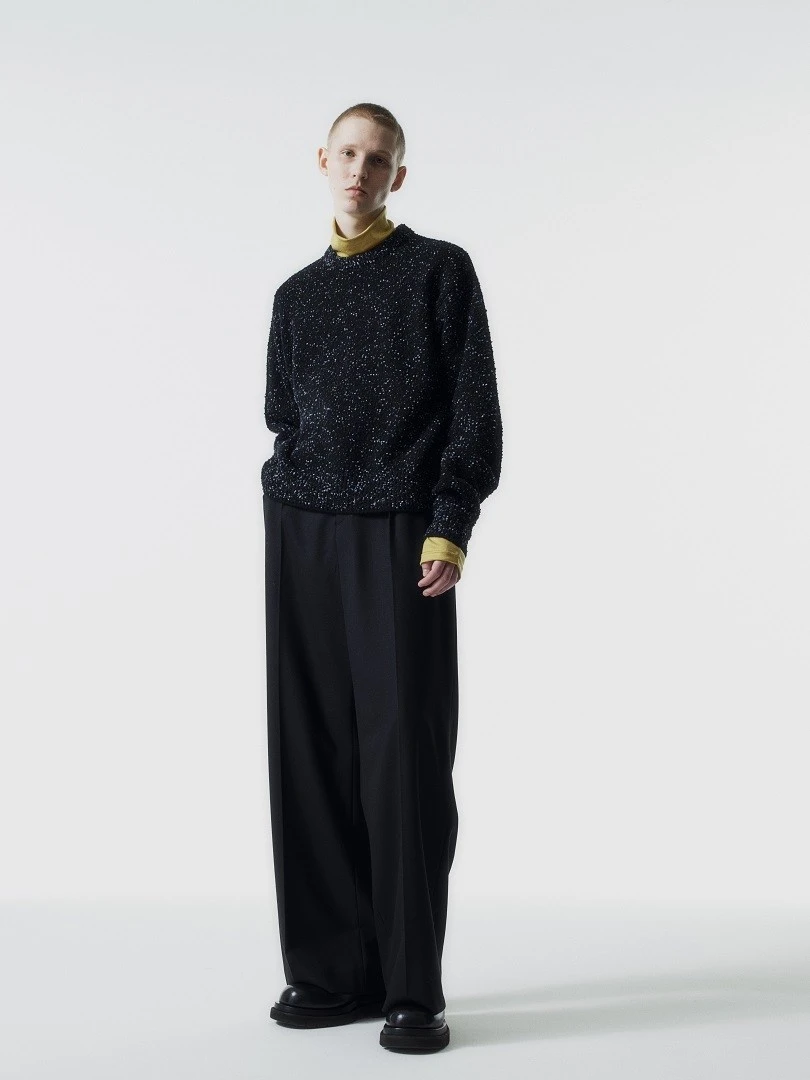
Despite its eccentricities, the brand remains grounded in strong construction and thoughtful styling. Sasaki’s work suggests a version of luxury that is expressive and appeals to wearers who see clothing as a form of personal authorship.
Rainmaker
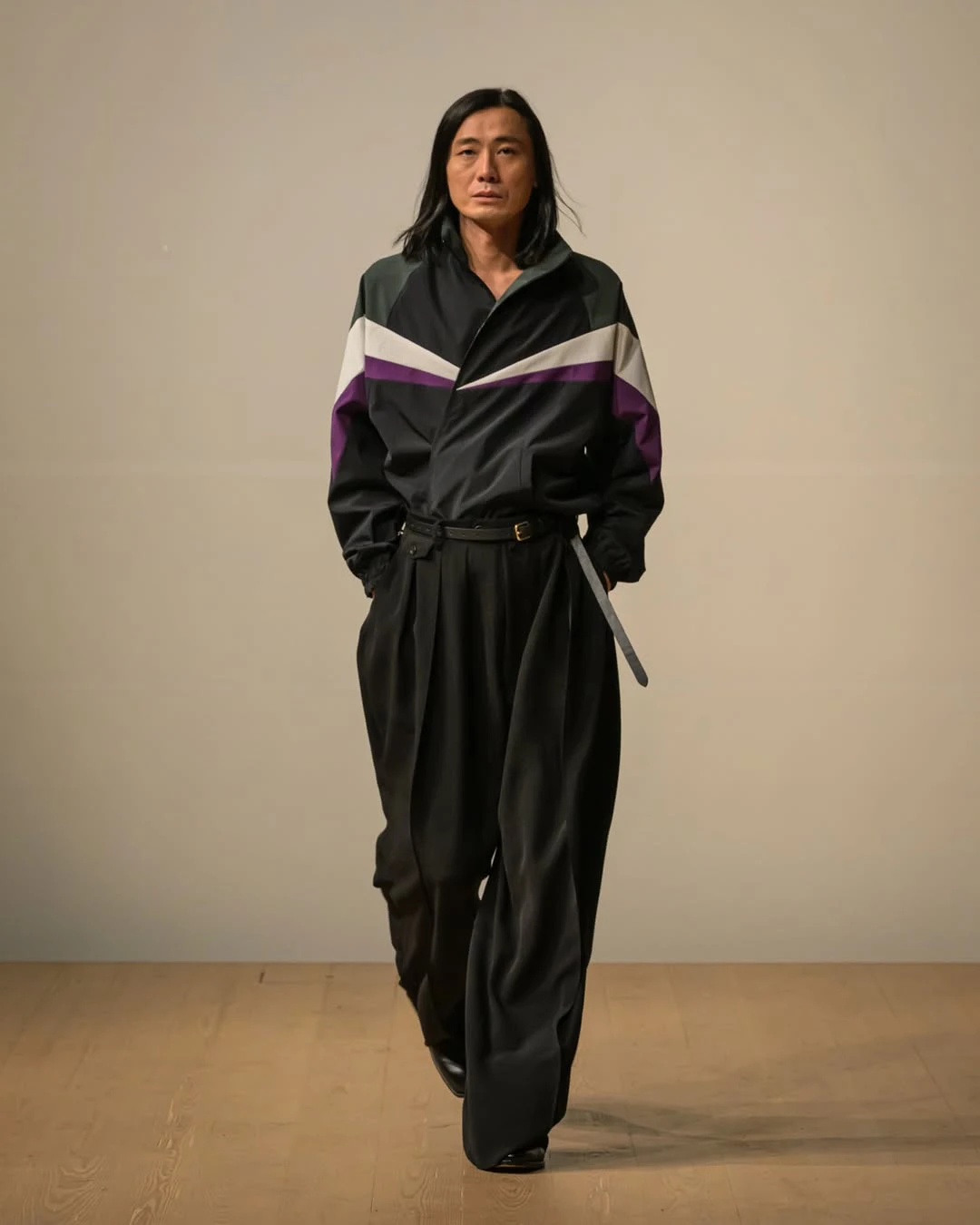
Rainmaker exemplifies a longstanding strength of Japanese menswear, the ability to navigate the space between formality and function. The brand reinterprets Western tailoring through subtle interventions, introducing elements such as pronounced pleats, outlined lapels, and asymmetrical cuts.
Recent collections have expanded the scale of these ideas. Shoulders are broader, trousers wider, and proportions more assertive.