The Faces Behind Street Style and the Future of Fashion Influence
From Nick Wooster to Wisdom Kaye, street style has evolved from sidewalk snapshots to a powerful engine of influence shaping fashion, culture, and the industry itself




How street style icons are redefining fashion influence
Street style has long been fashion’s most public stage, a place where influence is visible and immediate. In the 2000s, photographers like Scott Schuman turned the everyday act of getting dressed into a visual archive. By the 2010s, those images became data points for brands.
Today, the street exists in algorithms, filtered through TikTok and Instagram, where virality can replace venues. Certain figures stand out as both subjects and architects of this evolution, and each has helped transform street style from observation into design and influence.
READ MORE: Street Style and the Making of Modern Fashion Media
1. Nick Wooster
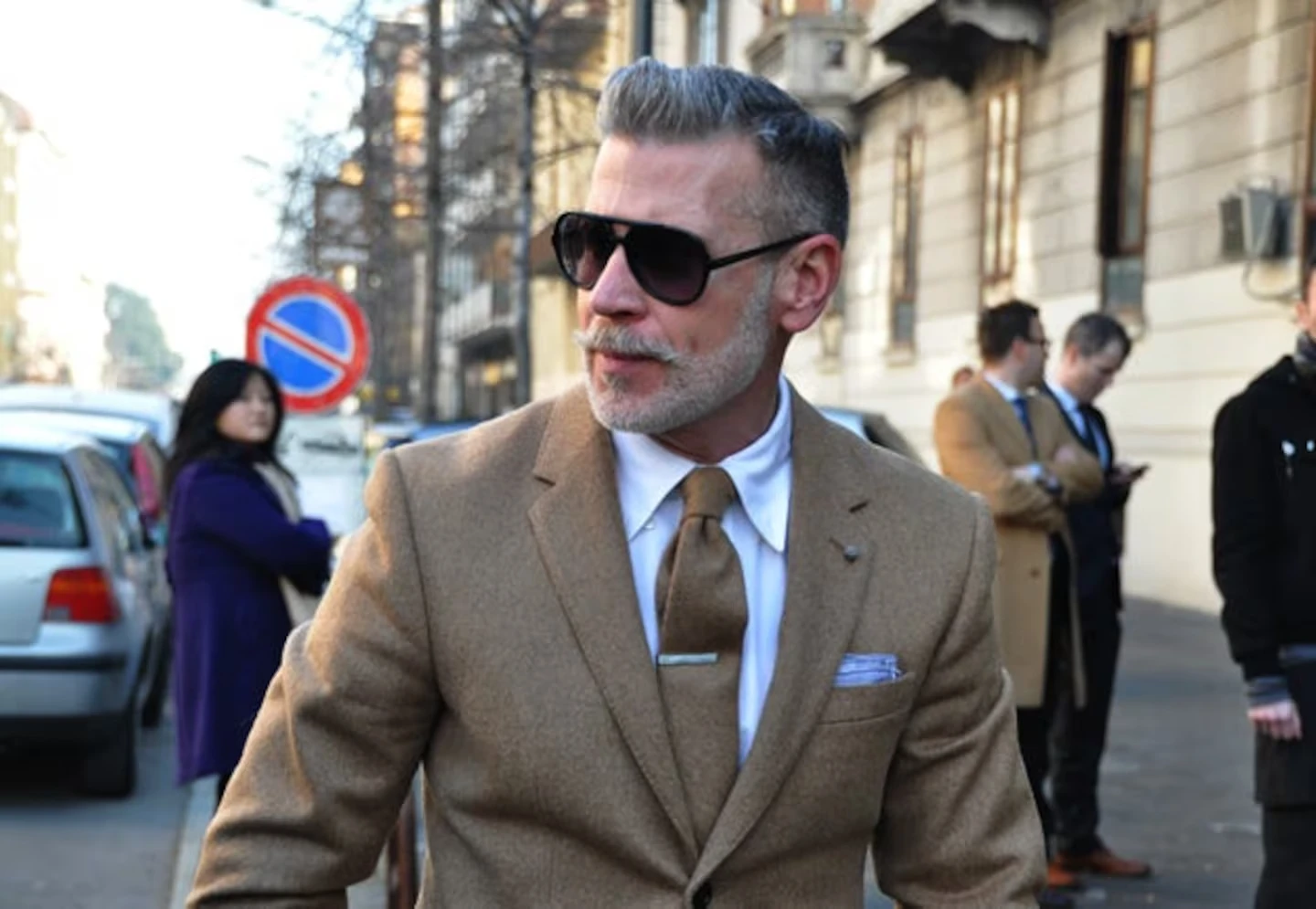
Nickelson Wooster commands attention without effort. His silver pompadour, tattooed arms, and precisely tailored blazers create a presence that combines authority with creativity. A veteran of Barneys and Bergdorf Goodman, Nick has turned a career in retail into a personal brand. His style combines Savile Row precision with subcultural touches, showing that age and experience can coexist with modern street credibility. Younger tastemakers study him as an example of how style can remain disruptive.
2. Pharrell Williams
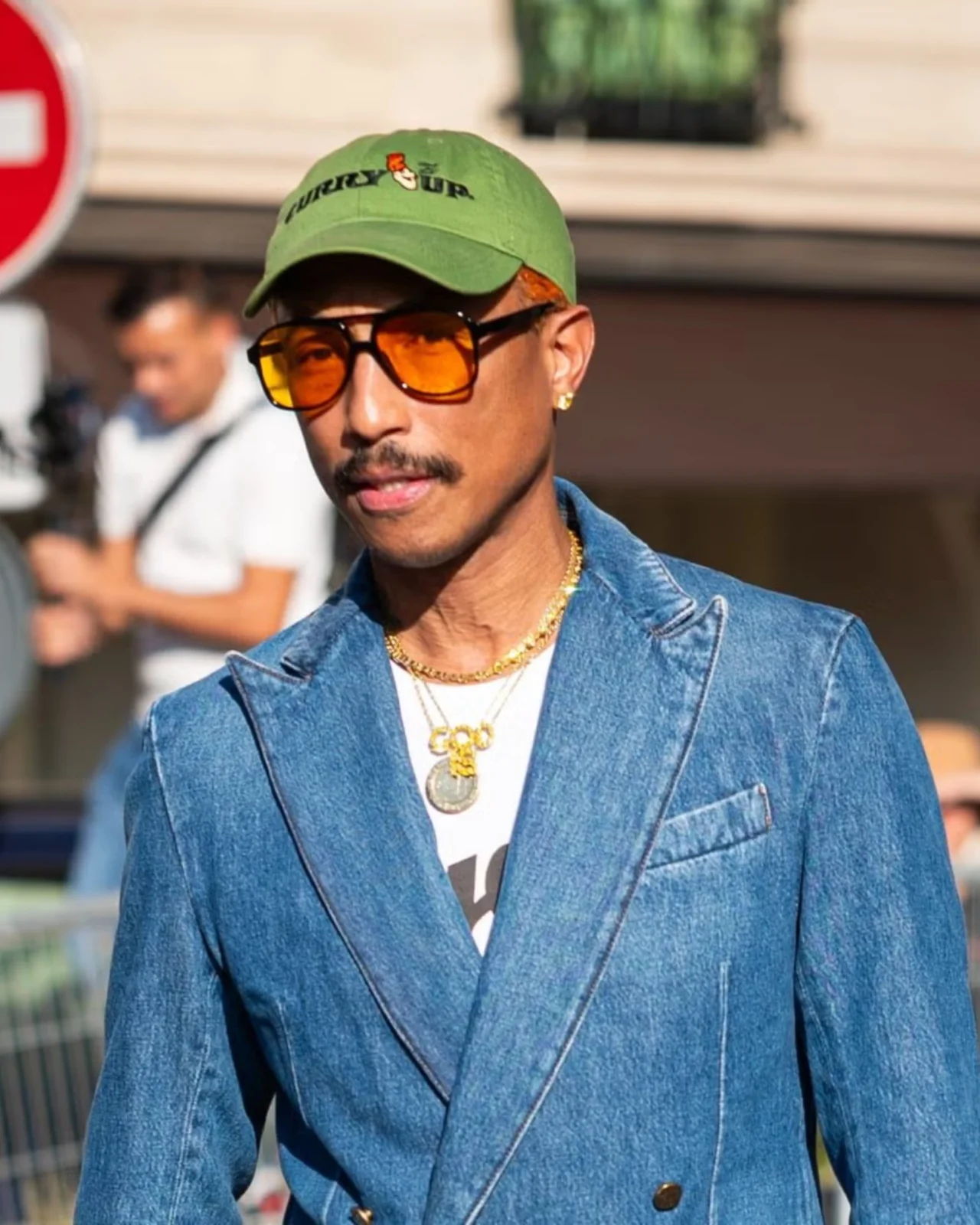
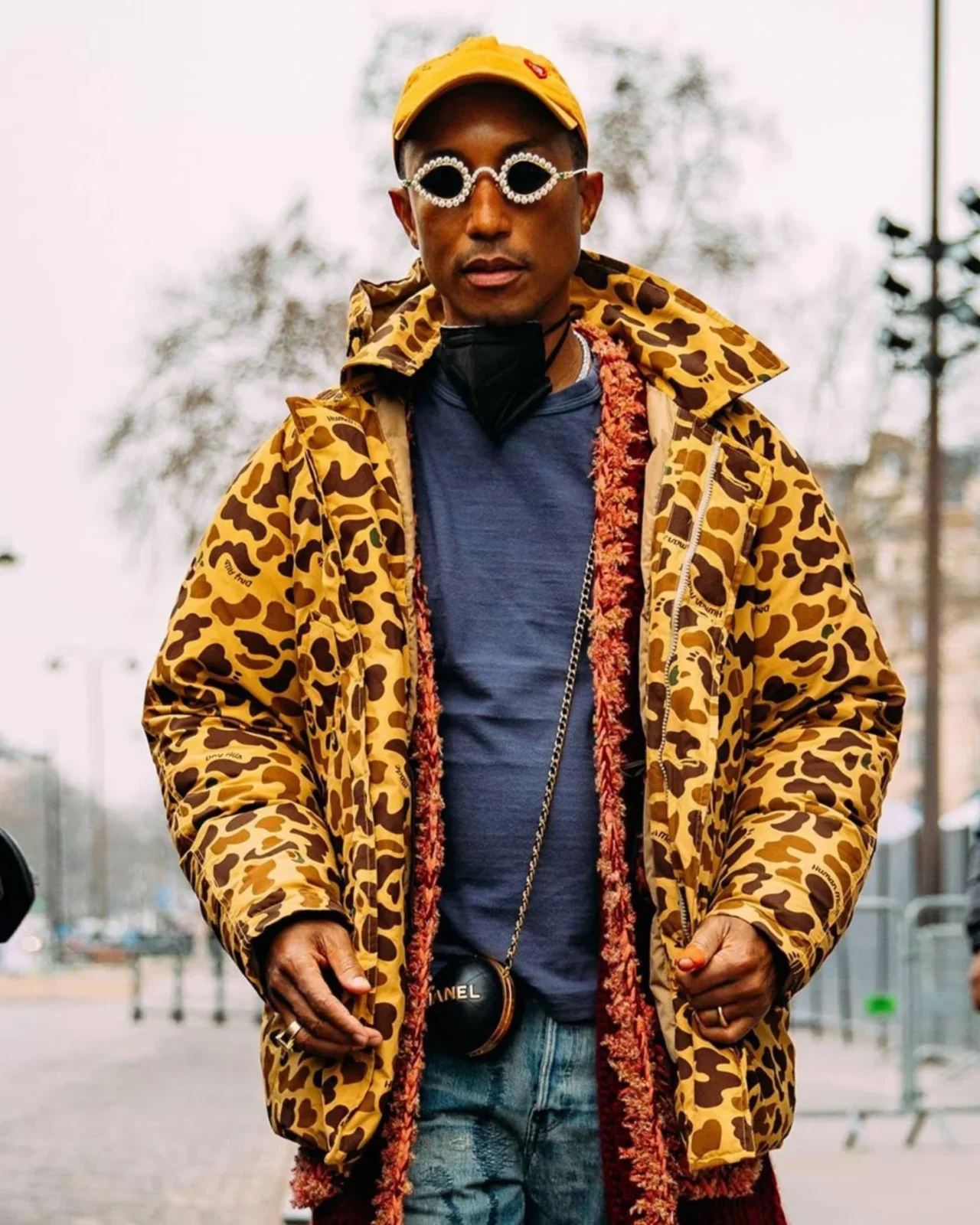
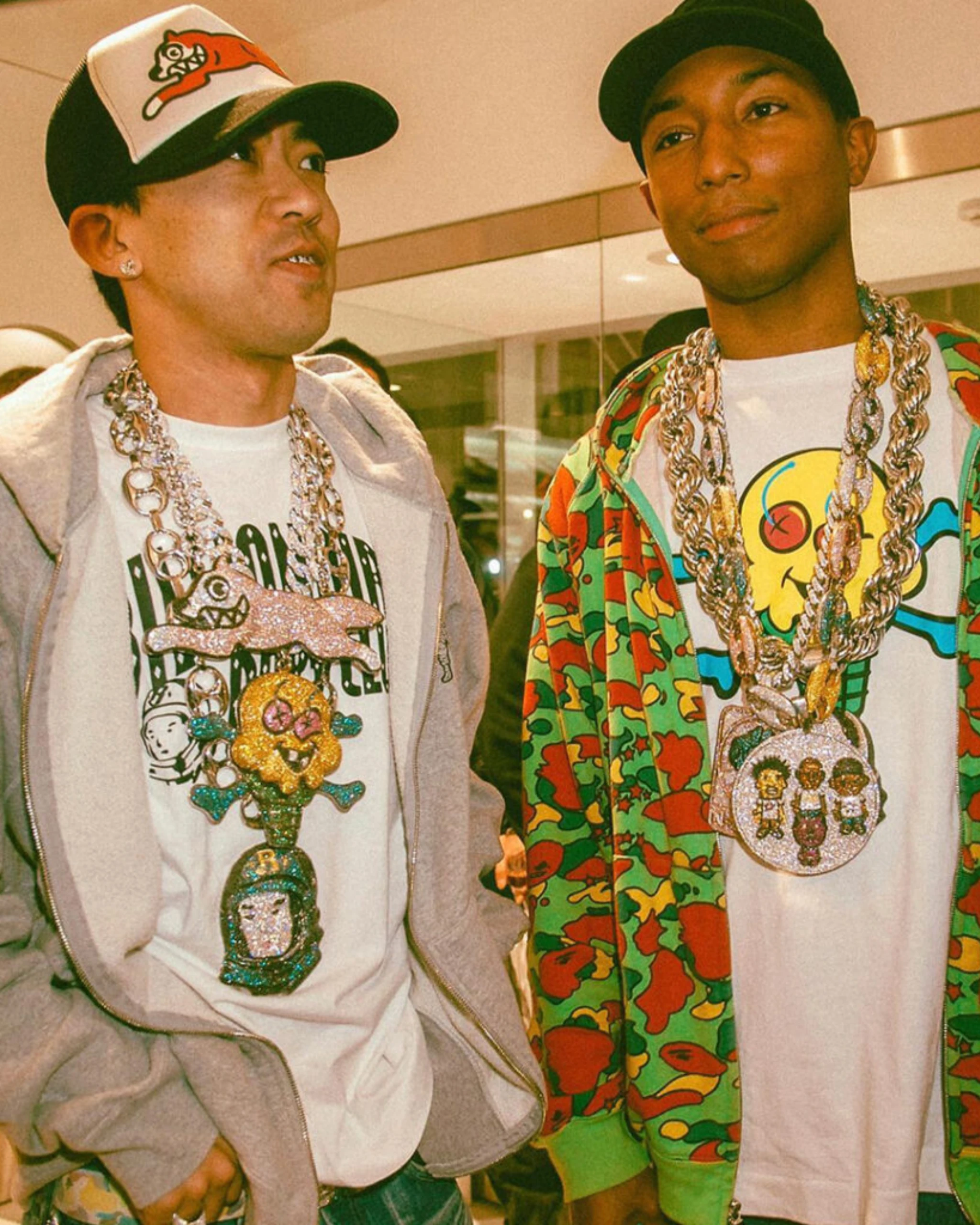
Pharrell Williams has always approached fashion with a sense of joy. From wide-brimmed hats to Chanel jackets paired with skate sneakers, he mixes eclectic references in ways that feel effortless. Through Billionaire Boys Club, Ice Cream, and collaborations with brands from Adidas to Chanel, he has shown that playfulness can drive influence. Pharrell’s work demonstrates how music culture can shape style codes across generations and from streetwear to luxury.
3. Virgil Abloh
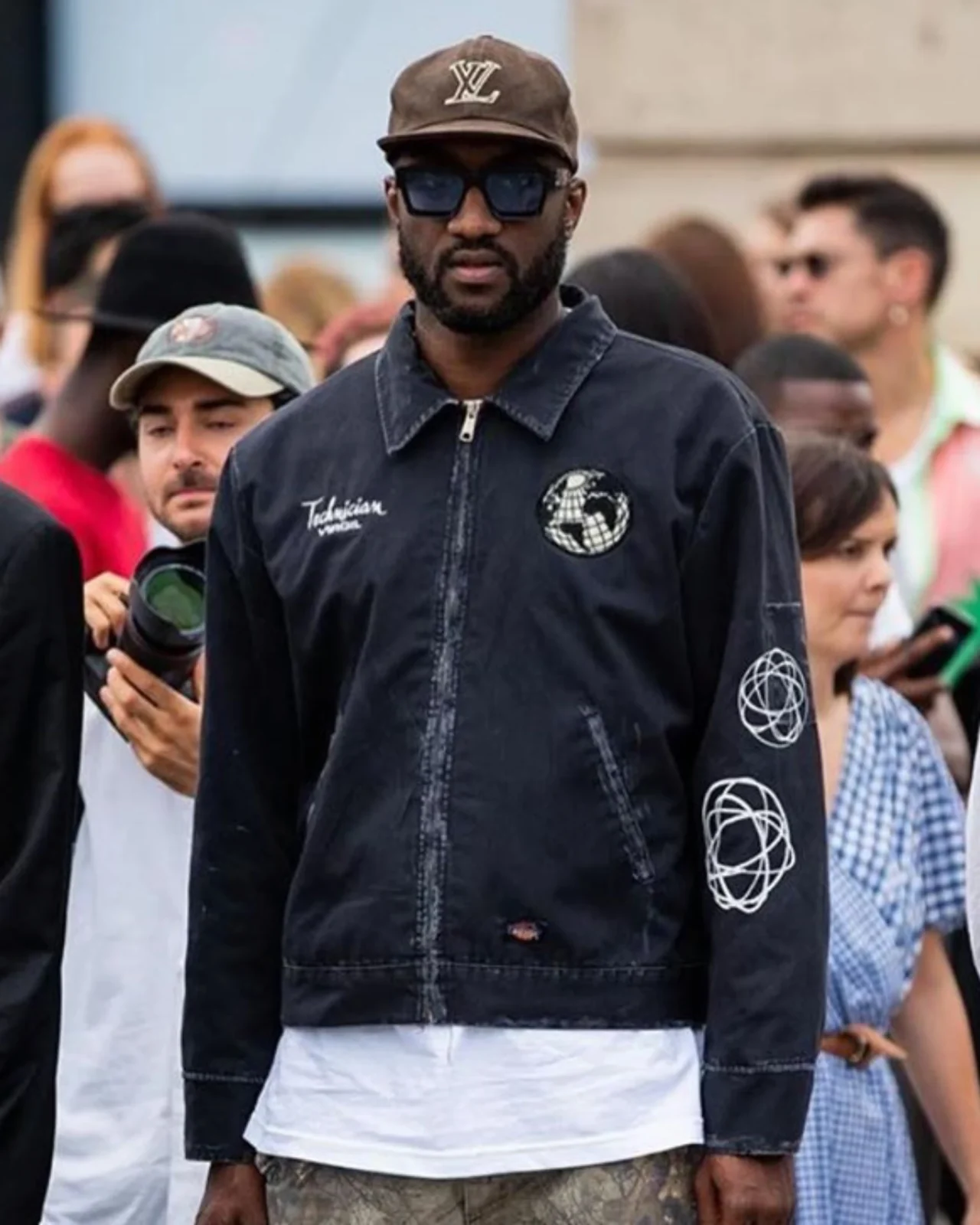
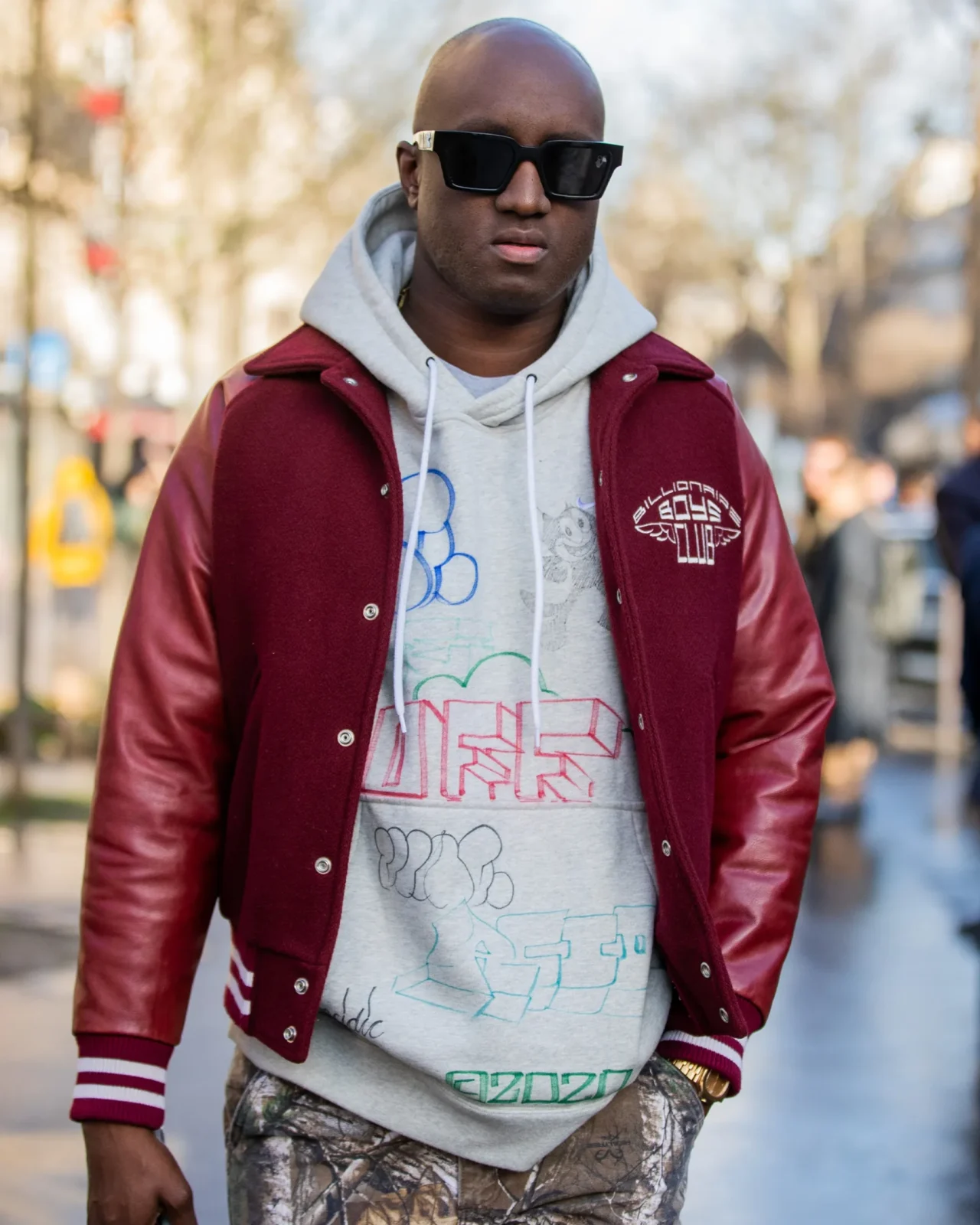
Virgil Abloh created a new language for fashion that bridged streetwear and luxury. Founder of Off-White and later Louis Vuitton menswear creative director, he used conceptual graphics and industrial references to make labels part of the story. His approach to collaboration redefined how brands work with artists and communities. Virgil expanded the role of the designer and institutionalized streetwear within high fashion, leaving a lasting blueprint for cultural influence.
4. KidSuper (Colm Dillane)
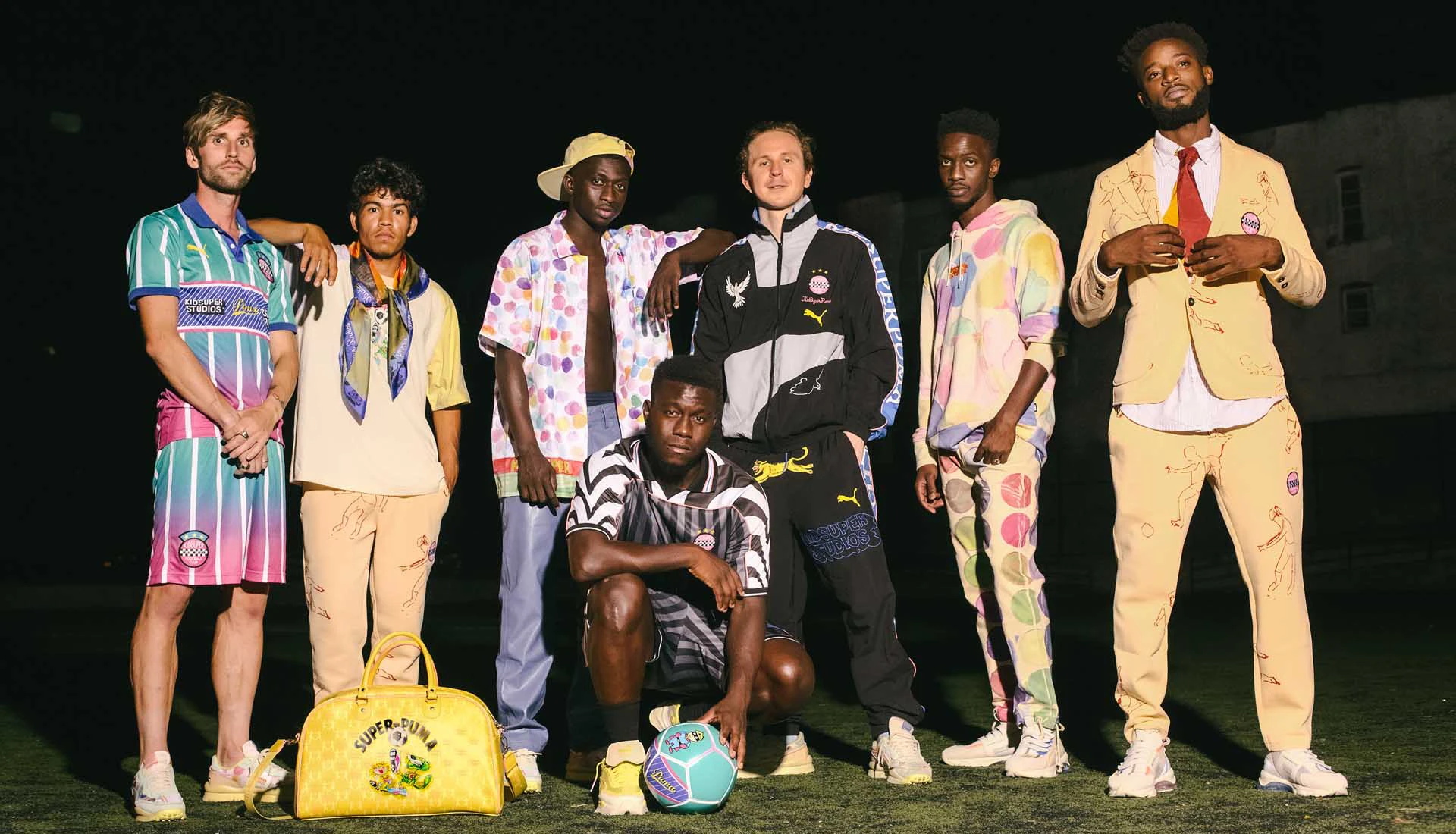
KidSuper, led by Brooklyn artist Colm Dillane, treats fashion as a form of theater. The brand’s hand-drawn graphics and maximalist aesthetic turn garments into moving canvases. Shows often feature puppets and performance elements, merging art with apparel. KidSuper illustrates how a label can operate as both a creative studio and a fashion brand, inspiring younger designers to integrate artistic practice into commercial design.
5. NIGO
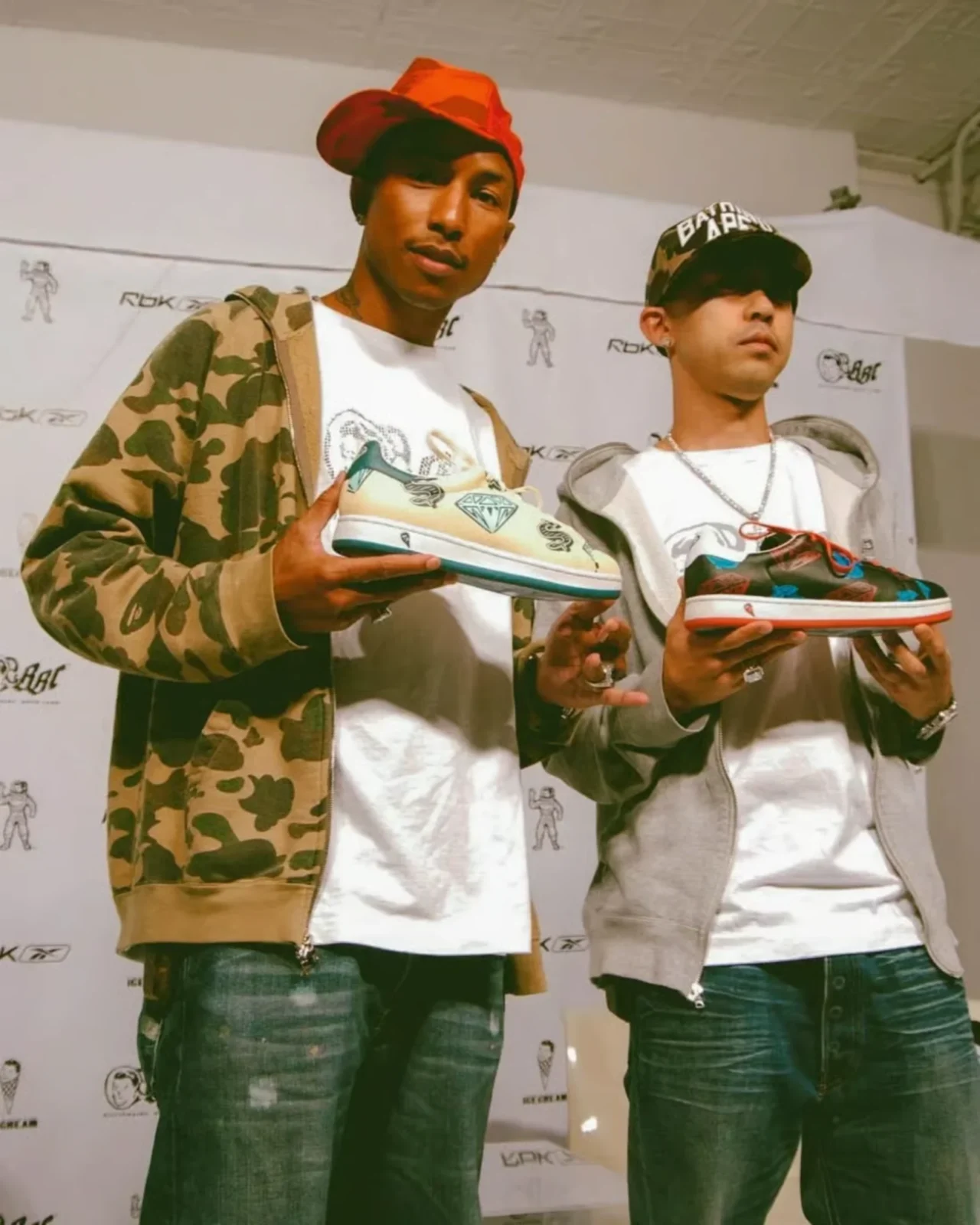
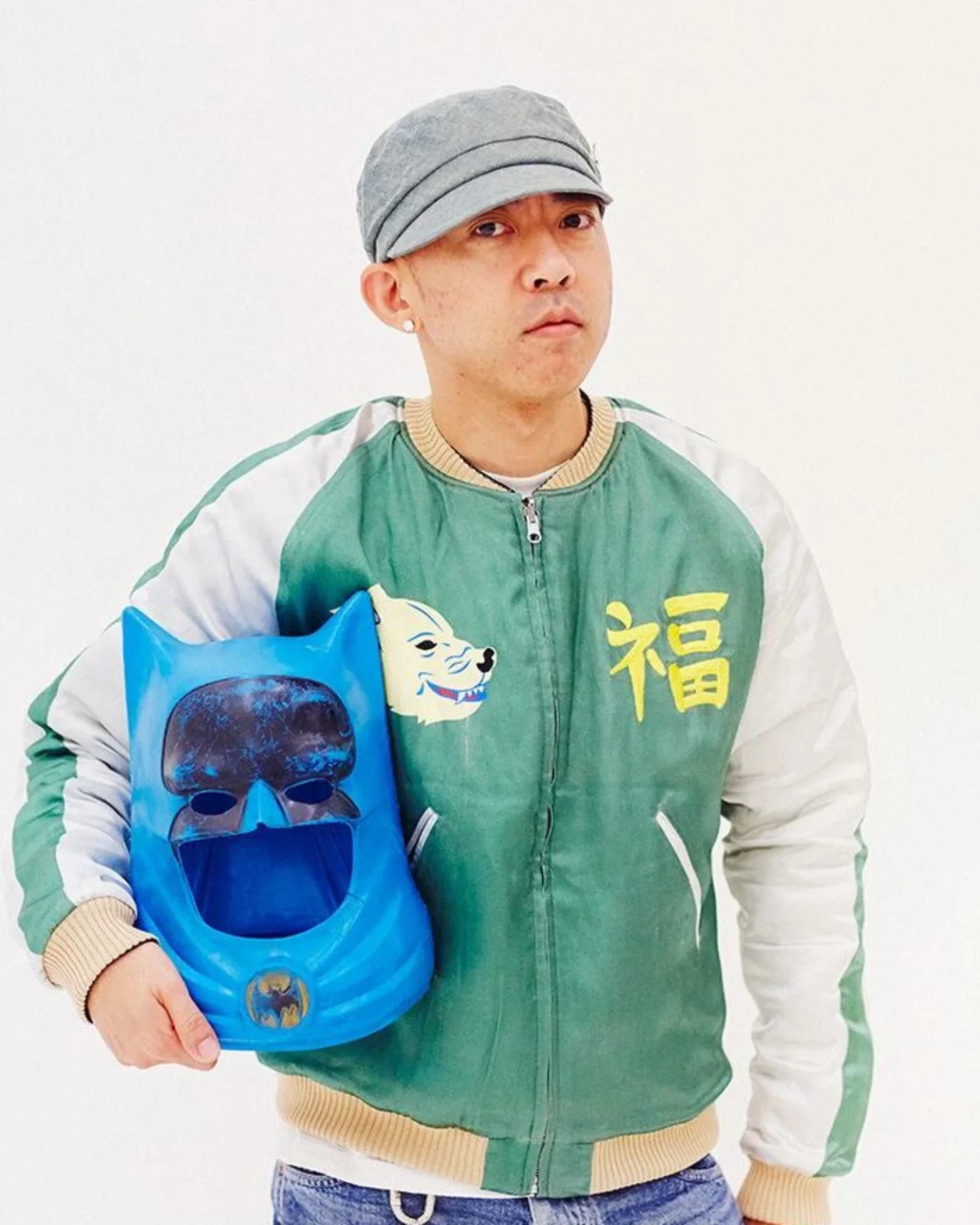
NIGO, the Japanese designer behind A Bathing Ape and Human Made, is a central figure in the rise of streetwear as a global industry. His collections combine vintage Americana with bold logos and camouflage motifs, turning personal archives into highly collectible products. NIGO’s business model and approach to collaborations have influenced a generation of designers and continue to shape streetwear culture worldwide.
6. Wisdom Kaye
Wisdom Kaye represents the latest evolution of street style influence. Scouted via TikTok, he quickly became a runway model for Balmain and Robert Wun. His videos combine high fashion references with accessible styling, translating fandom into fashion credibility. Wisdom’s trajectory shows how social media platforms have become pipelines into traditional fashion institutions, making creators part of the industry from the start.
What comes next
Street style influence has evolved alongside technology. In the early 2000s, it was defined by photographers and print blogs. The 2010s emphasized collaborations and celebrity endorsements. Today, platforms like TikTok and Instagram allow creators to become influential overnight. Virgil represents the bridge between culture and couture, while Wisdom Kaye explains how social media can directly launch a career in fashion.
It will continue to evolve as influence becomes measurable through collaborations, campaigns, and social media impact. The sidewalk remains a runway, but the audience now participates as much as it observes. Success in the next era will belong to those who convert community engagement into cultural currency while maintaining the creativity and authenticity that first made street style influential.
Some of the key figures shaping modern street style include Nickelson Wooster, Pharrell Williams, Virgil Abloh, KidSuper, NIGO, and Wisdom Kaye. Each has influenced fashion through unique approaches, from tailoring and luxury collaborations to social media and artistic innovation.
Nick Wooster is known for combining classic tailored blazers with subcultural elements like tattoos and bold accessories. His highly personal and disciplined approach to dressing has made him a reference point for younger tastemakers.
Platforms like TikTok and Instagram allow creators such as Wisdom Kaye to translate online followings into runway opportunities. Social media now serves as a pipeline where viral content can launch careers in fashion.
Virgil Abloh founded Off-White and became Louis Vuitton’s menswear creative director, fusing streetwear with luxury. He redefined collaboration and influenced how cultural ideas are incorporated into high fashion.
Street style encourages expressing identity through clothing while mixing confidence, creativity, and signature pieces. Observing figures like Pharrell, KidSuper, or NIGO shows that playful combinations, personal storytelling, and thoughtful curation can define a distinctive look.
Photos courtesy Instagram