Street Style and the Making of Modern Fashion Media
Street style began as an observation on city corners and became one of fashion’s most powerful stages, transforming how the world sees and performs personal style





How street photography redefined fashion
Once, fashionFashionThe art and industry of designing, producing, and styling clothing, footwear, accessories, and beauty trends. It reflects cultural influences, personal expression, and evolving styles across seasons and markets.Go to Fashion Glossary was confined to the runway and the editorial page. The front row decided what mattered, and the rest of the world observed from a distance. Then the camera went outside. Street style evolved from a documentary practice into a global industry that shapes trends, influences brands, and redefines who gets to decide what fashion looks like. It did so because the camera made everyday dress visible, bloggers turned observation into conversation, and social media turned attention into influence.
The camera before the catwalk
Street photography began as documentation long before fashionFashionThe art and industry of designing, producing, and styling clothing, footwear, accessories, and beauty trends. It reflects cultural influences, personal expression, and evolving styles across seasons and markets.Go to Fashion Glossary weeks existed. In the early 20th century, photographers like Eugène Atget and Henri Cartier-Bresson captured daily life with small handheld cameras. Their work made ordinary scenes appear worthy of study and established the aesthetics of candid observation that later shaped fashion photography.
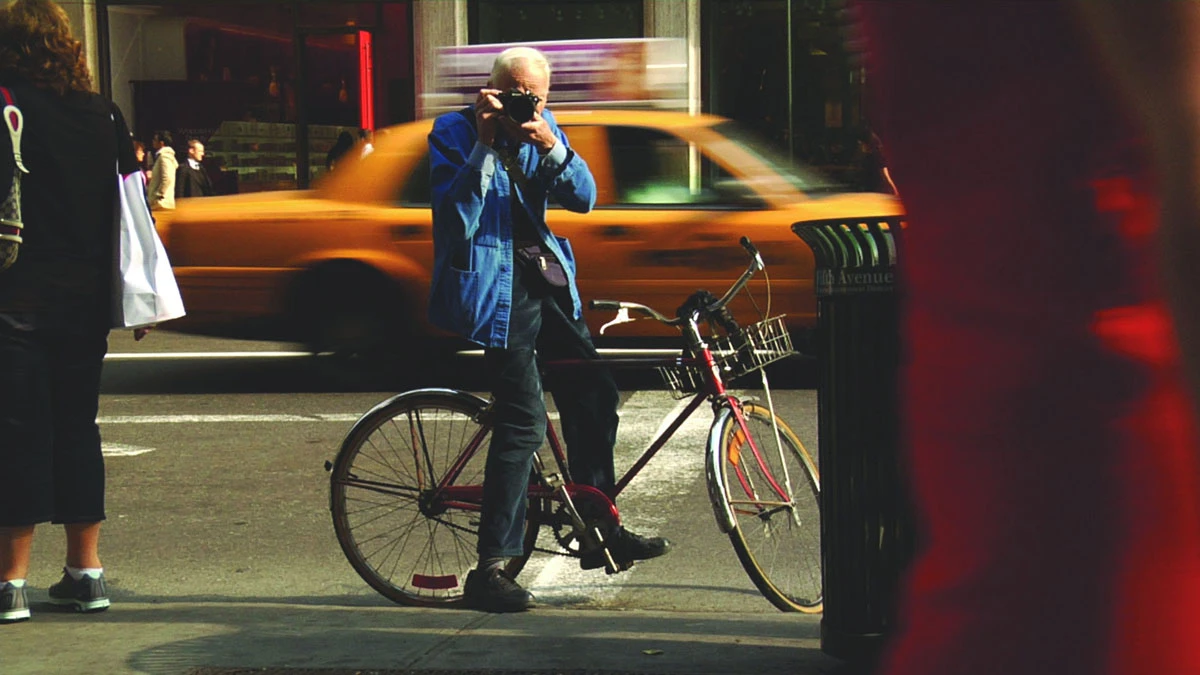
Bill Cunningham extended this tradition into fashionFashionThe art and industry of designing, producing, and styling clothing, footwear, accessories, and beauty trends. It reflects cultural influences, personal expression, and evolving styles across seasons and markets.Go to Fashion Glossary journalism. With his camera and bicycle, he spent decades chronicling the streets of New York. Bill photographed what people wore rather than who they were, turning style into a sociological record. His archive bridged documentary photography and fashion coverage, proving that the way people dressed in public carried as much cultural weight as what appeared on runways.
The blogger revolution
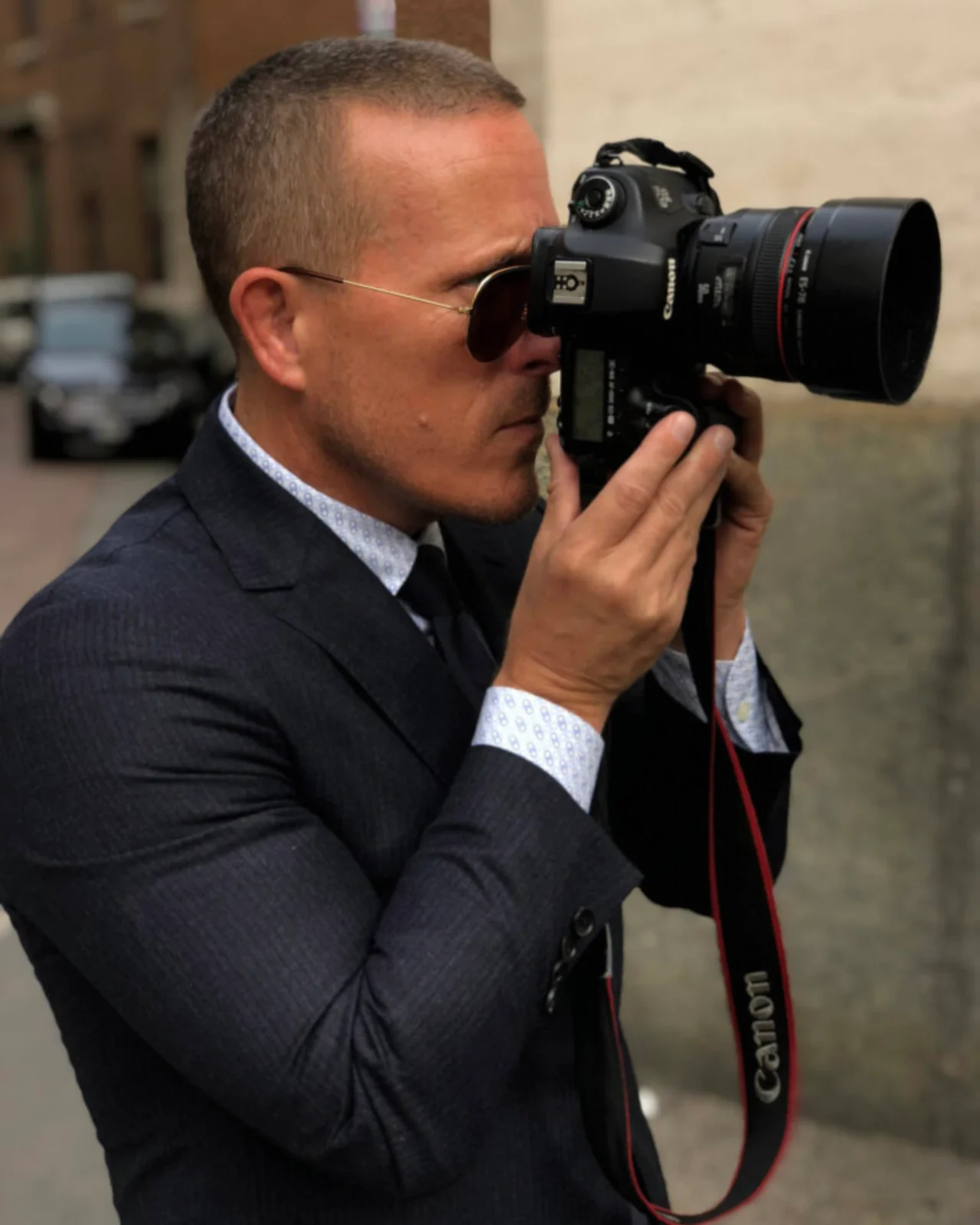
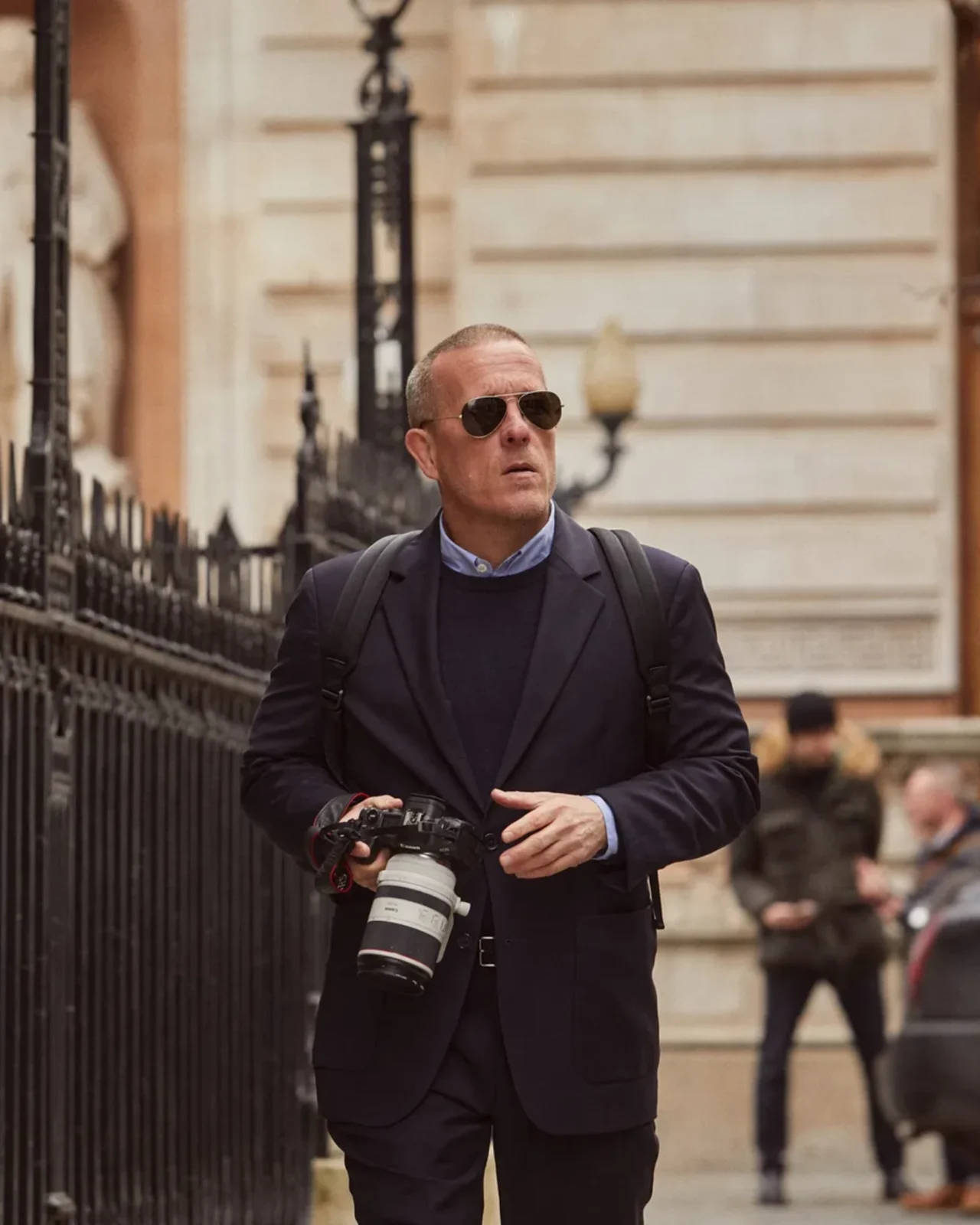
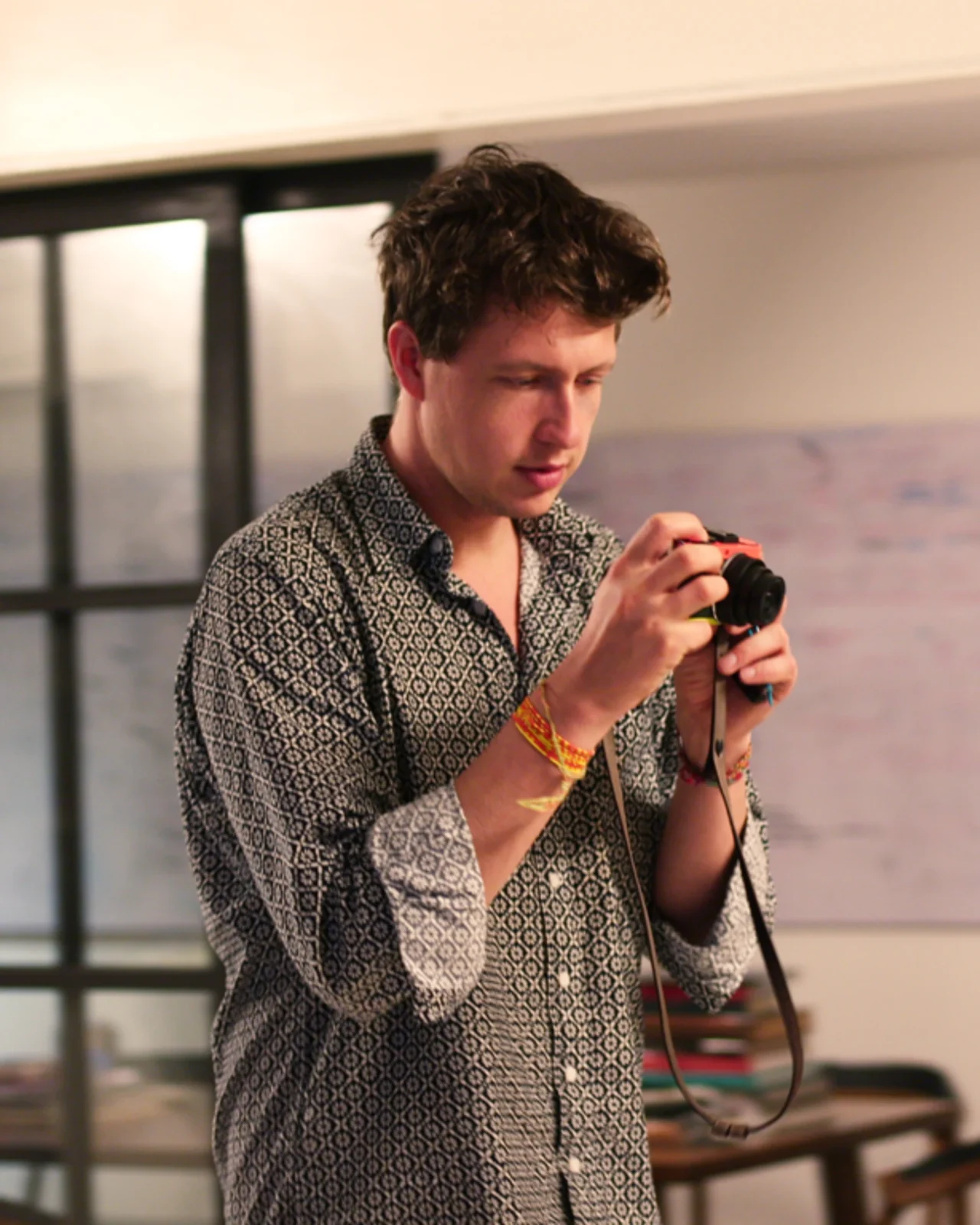
By the mid-2000s, a new generation of photographers began applying this documentary impulse to digital media. Scott Schuman launched The Sartorialist in 2005, posting portraits of people he encountered on city streets. His straightforward compositions and concise captions reframed street style as serious fashionFashionThe art and industry of designing, producing, and styling clothing, footwear, accessories, and beauty trends. It reflects cultural influences, personal expression, and evolving styles across seasons and markets.Go to Fashion Glossary commentary rather than coincidence.
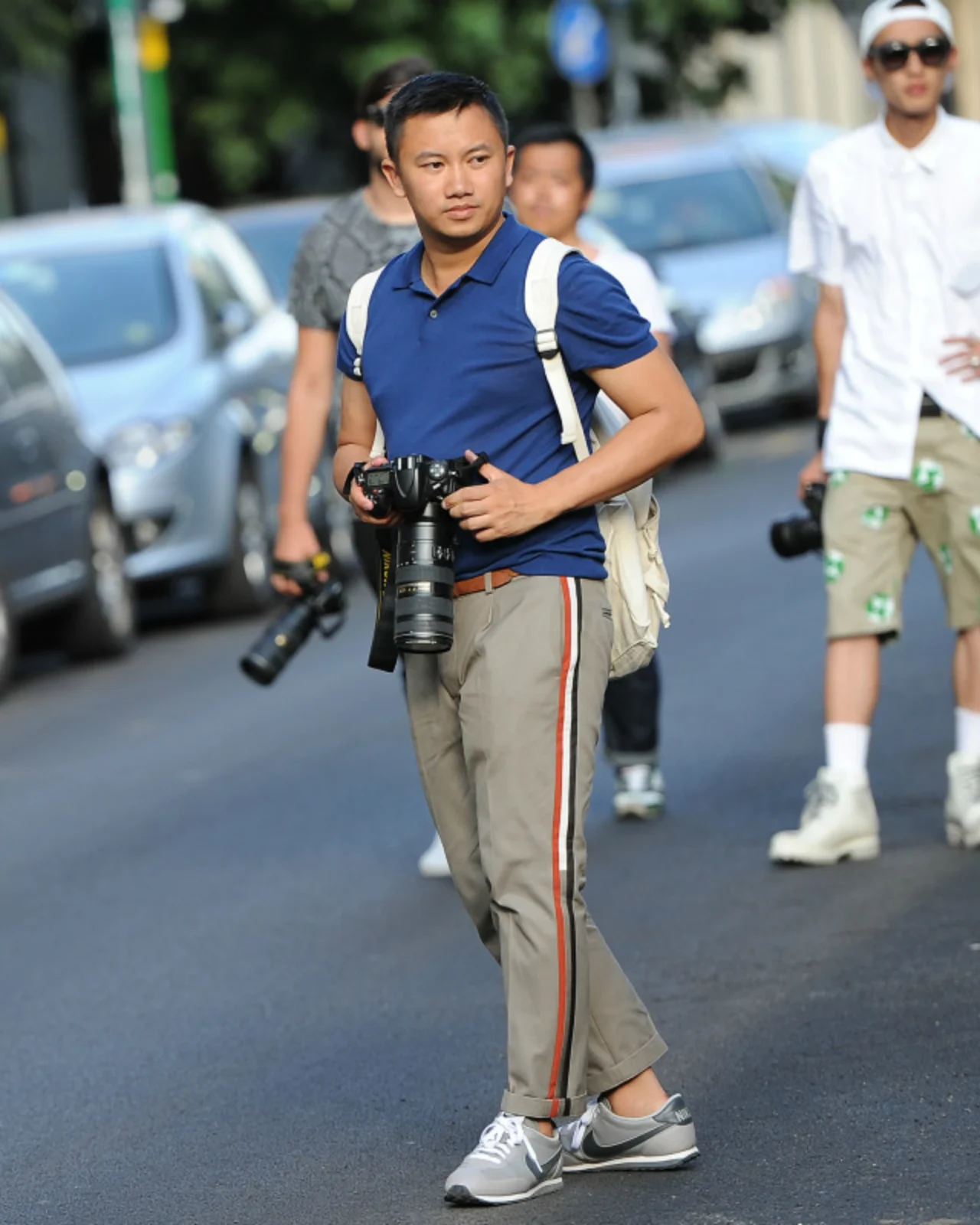
Garance Doré followed in 2006, combining photography with illustration and reflective writing. Her blog offered both visual and narrative insight, making fashionFashionThe art and industry of designing, producing, and styling clothing, footwear, accessories, and beauty trends. It reflects cultural influences, personal expression, and evolving styles across seasons and markets.Go to Fashion Glossary more personal and approachable. Around the same time, Yvan Rodic’s FaceHunter and Tommy Ton’s Jak and Jil appeared, turning global fashion weeks into stages. They photographed attendees, editors, and models outside shows, capturing the informal theater surrounding high fashion.
These early bloggers did not wait for institutional approval. They built their own audiences and proved that independent digital voices could influence taste. Their work blurred the boundary between candid documentation and editorial production, creating a new form of visual journalism that combined immediacy with aspiration.
From outsiders to industry
By the early 2010s, the movement had become integral to the fashion ecosystem. Bloggers and street photographers were being published in major magazines, invited to shows, and hired by brands.
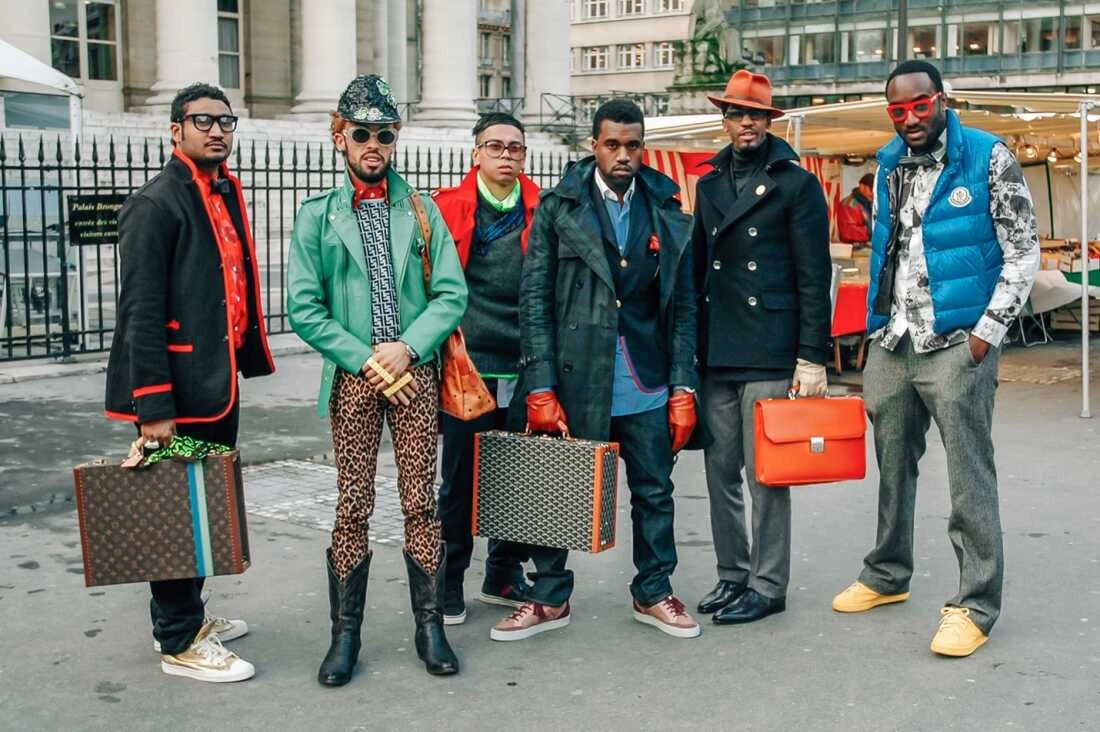
Bill’s 2010 documentary also renewed public attention to the value of documenting street dress. The film highlighted the ethical and artistic tension in photographing people without pretense. At the same time, debates about credit and compensation emerged, as magazines began to use images sourced from blogs without proper attribution.
The Instagram shift
Instagram changed both the pace and appearance of street style. What had once been posted on blogs over several days could now be shared instantly. The platform’s square format and algorithmic visibility rewarded bright colors, clear composition, and immediacy. Photographers such as Phil Oh, who launched Street Peeper in the late 2000s, adapted quickly. His work transitioned from an independent blog to an editorial partnership.
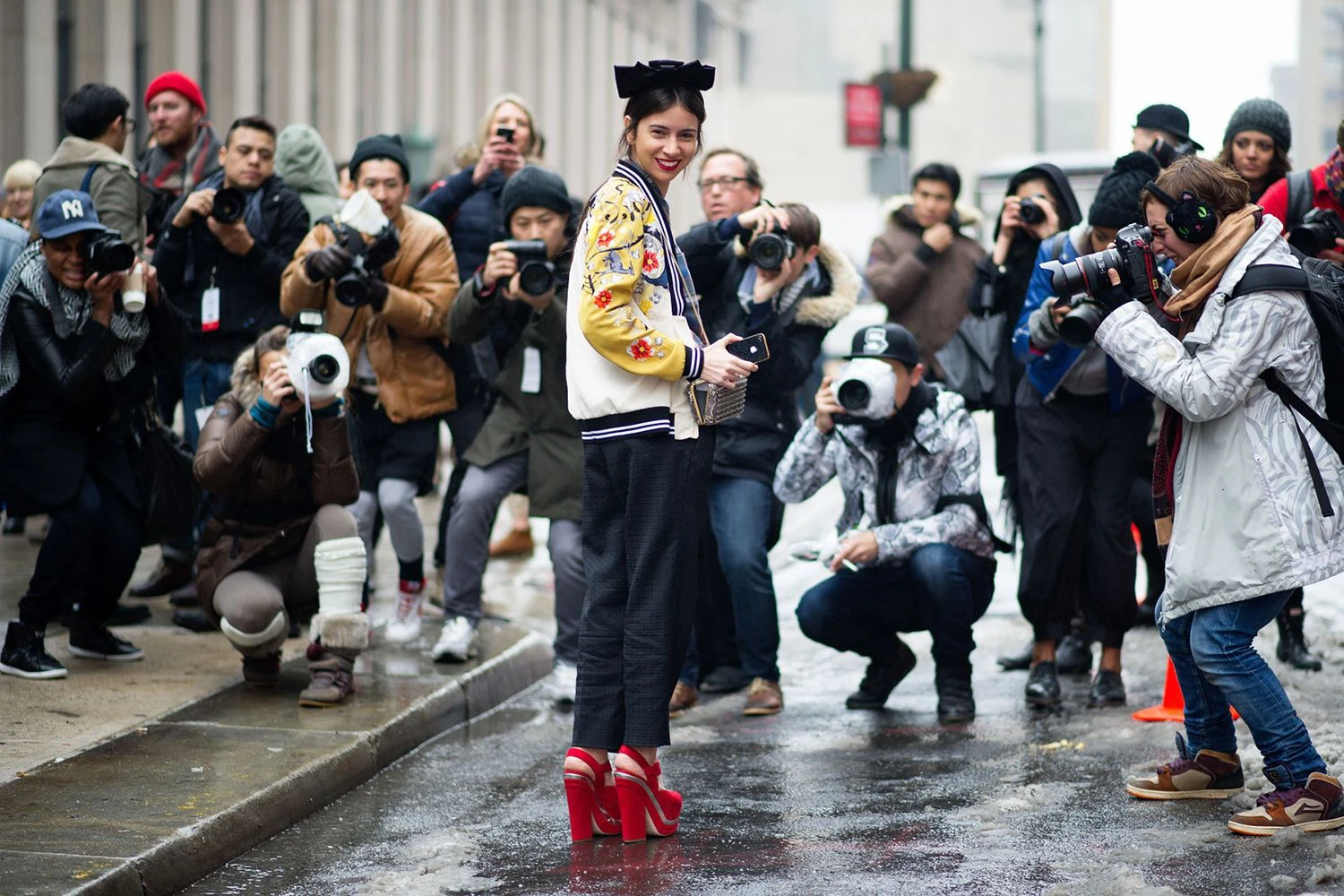
The result was a system in which street style became both content and marketing. Brands began dressing attendees in advance, knowing their images would circulate online. The spontaneous, observational spirit of early street style gave way to a more curated aesthetic, one that balanced authenticity with strategic visibility.
The ethics of the gaze
The genre’s expansion raised ethical questions about consent, ownership, and authenticity. While photographers operate in public spaces, the boundary between public documentation and private identity remains uncertain. Critics argue that the rise of “pose culture” and the expectation of being photographed have changed the authenticity that once defined street style. Many now dress for the camera rather than for themselves, and the image often precedes the intention.
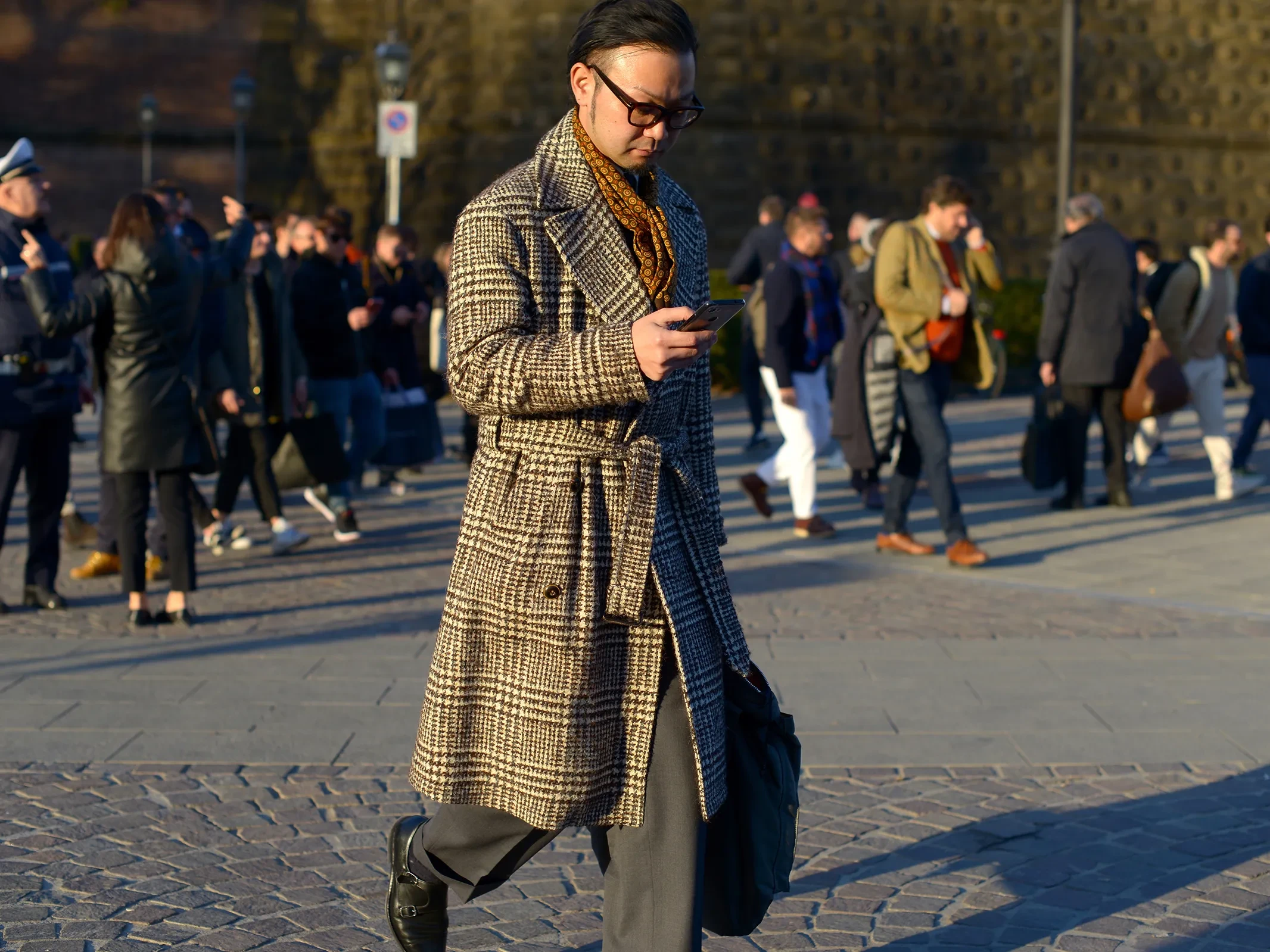
Despite these tensions, the practice retains its cultural significance. Street style decentralizes fashionFashionThe art and industry of designing, producing, and styling clothing, footwear, accessories, and beauty trends. It reflects cultural influences, personal expression, and evolving styles across seasons and markets.Go to Fashion Glossary authority, redistributing influence from editors and brands to individuals. The act of being photographed, and the decision of who gets photographed, continues to shape the global visual language of style.
The future sidewalk
Street style has moved from observation to participation. It is now part of a larger ecosystem that includes photographers, influencers, and brands working in mutual visibility. Yet within the commercial machinery, moments of sincerity still exist: the unplanned outfit, the improvised detail, and the individual whose presence draws attention without seeking it.
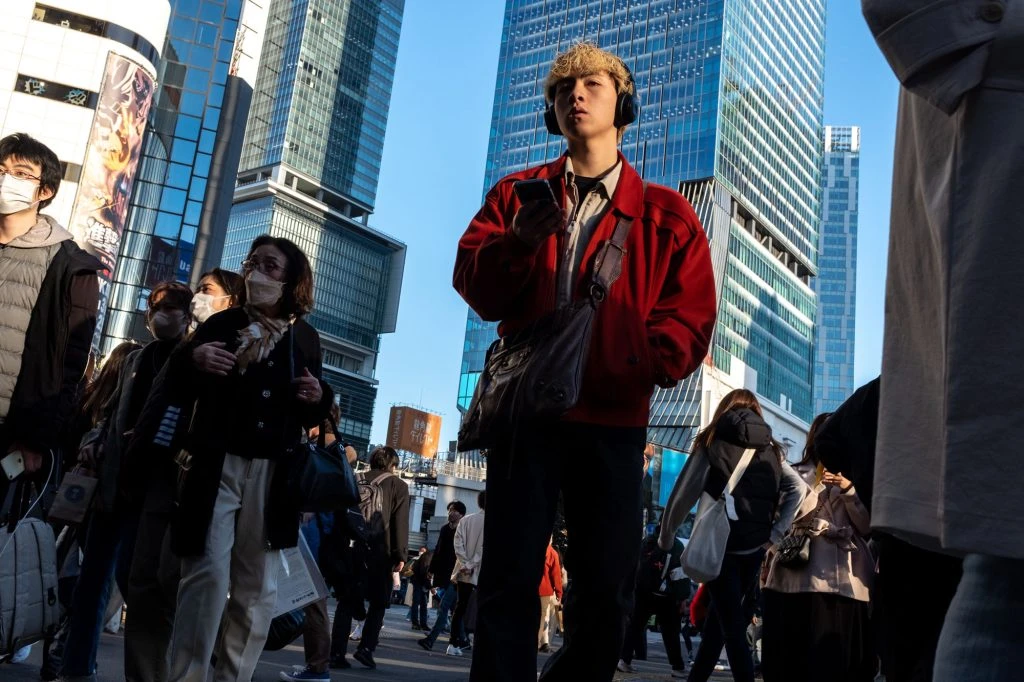
The street remains fashion’s most democratic space. From the streets to your social media feed, the impulse to document how people inhabit clothes continues to define how the world sees style today.
Frequently Asked Questions
Street style refers to the way people express their personal fashion choices in everyday public settings. It captures real-life dressing rather than curated runway looks, often influencing global fashion trends.
The modern street style movement began in the mid-2000s with bloggers like Scott Schuman of The Sartorialist and Garance Doré. Their work brought attention to the creativity and individuality found outside of traditional fashion spaces.
Social media, especially Instagram, made street style faster and more global. What once took days to publish now spreads instantly, turning casual street photography into a powerful marketing and trend-setting tool.
Bill Cunningham is considered a pioneer because he photographed everyday fashion on the streets of New York. His work bridged documentary photography and fashion journalism, inspiring later generations of street photographers.
Street style shifted influence from editors and brands to individuals seen outside fashion shows and on social media. It transformed personal style into a public conversation that now helps shape how trends are created and shared.
Photos courtesy The Sartorialist, Bill Cunningham, Tommy Ton, Street Peeper, Instagram
Recommended Video