Revisiting Jonathan Anderson’s Dior Homme FW26, With Clearer Eyes
When Jonathan’s new Dior Homme show ended, social media buzzed with mixed responses. Below, we examine the collection with fresh eyes




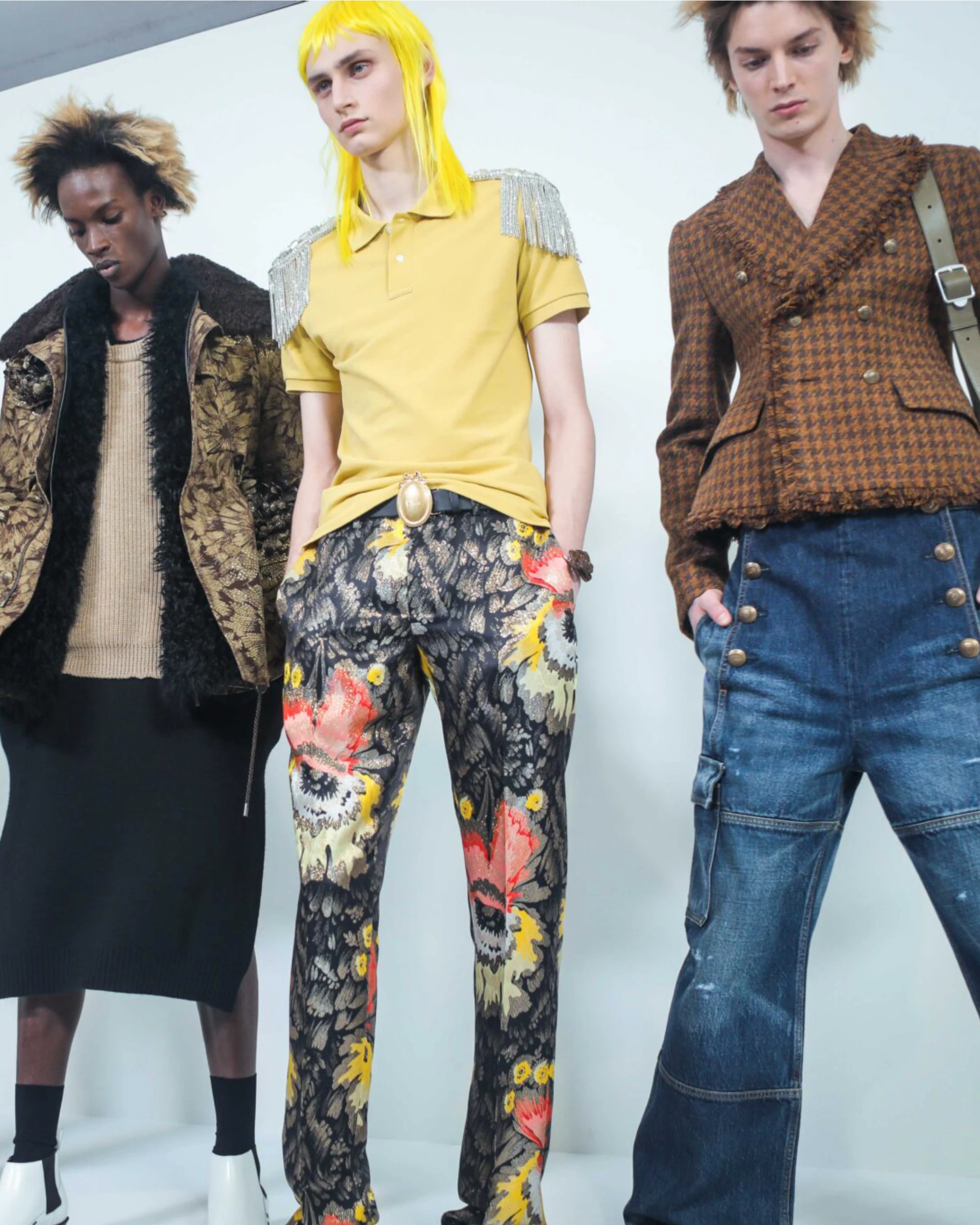
Three voices, one collision
At Dior’s FW26 show, Jonathan Anderson presented a menswear collection that felt like the echo of three very distinct voices colliding.
There was Paul Poiret, the Orientalist dreamer whose liberated approach to draping once freed women from corsets; there was Dior itself, with its architectural discipline; and there was Jonathan, insisting on his own instincts, pushing proportions slightly off balance, and asking, in the manner only he can, why men dress the way they do.
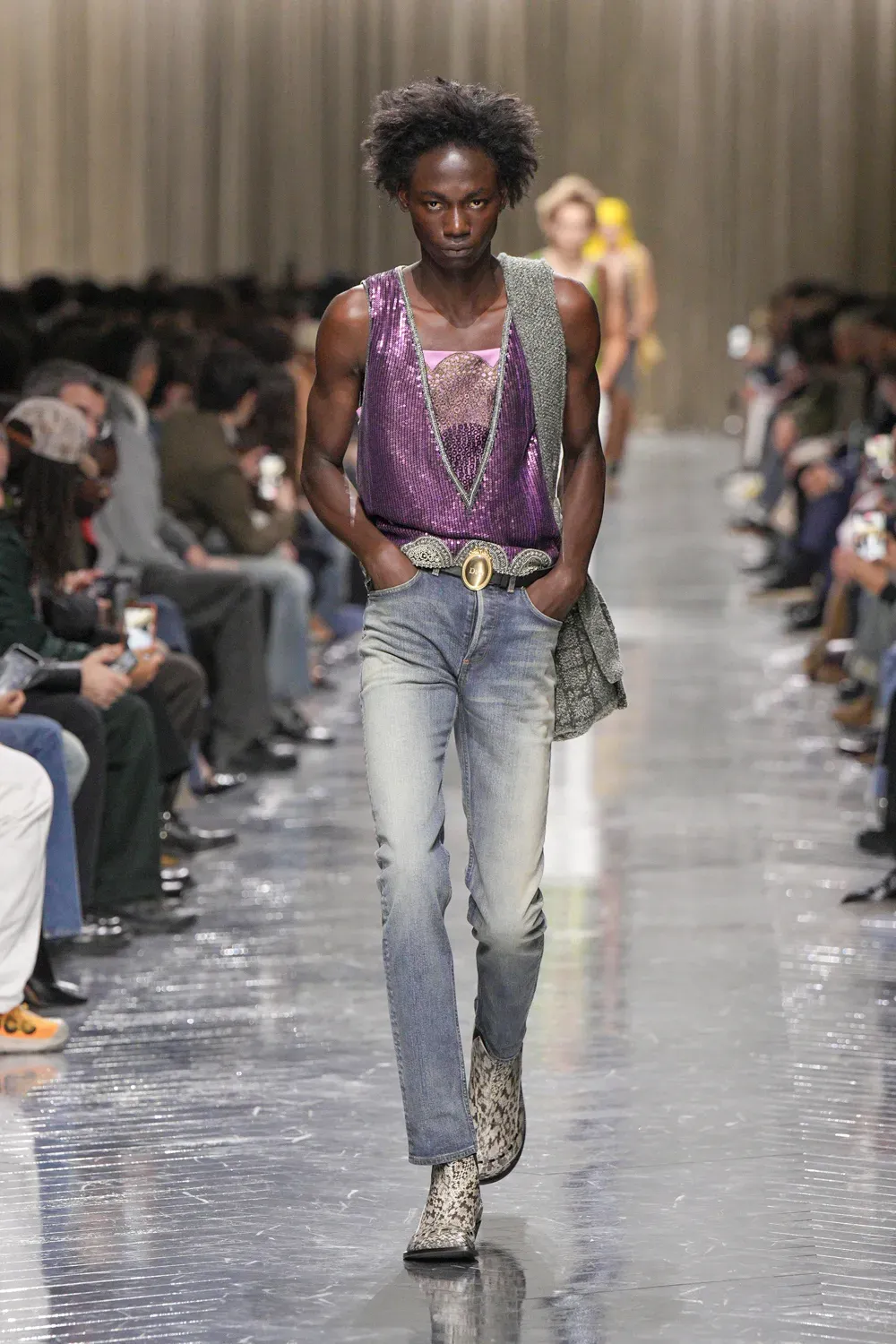
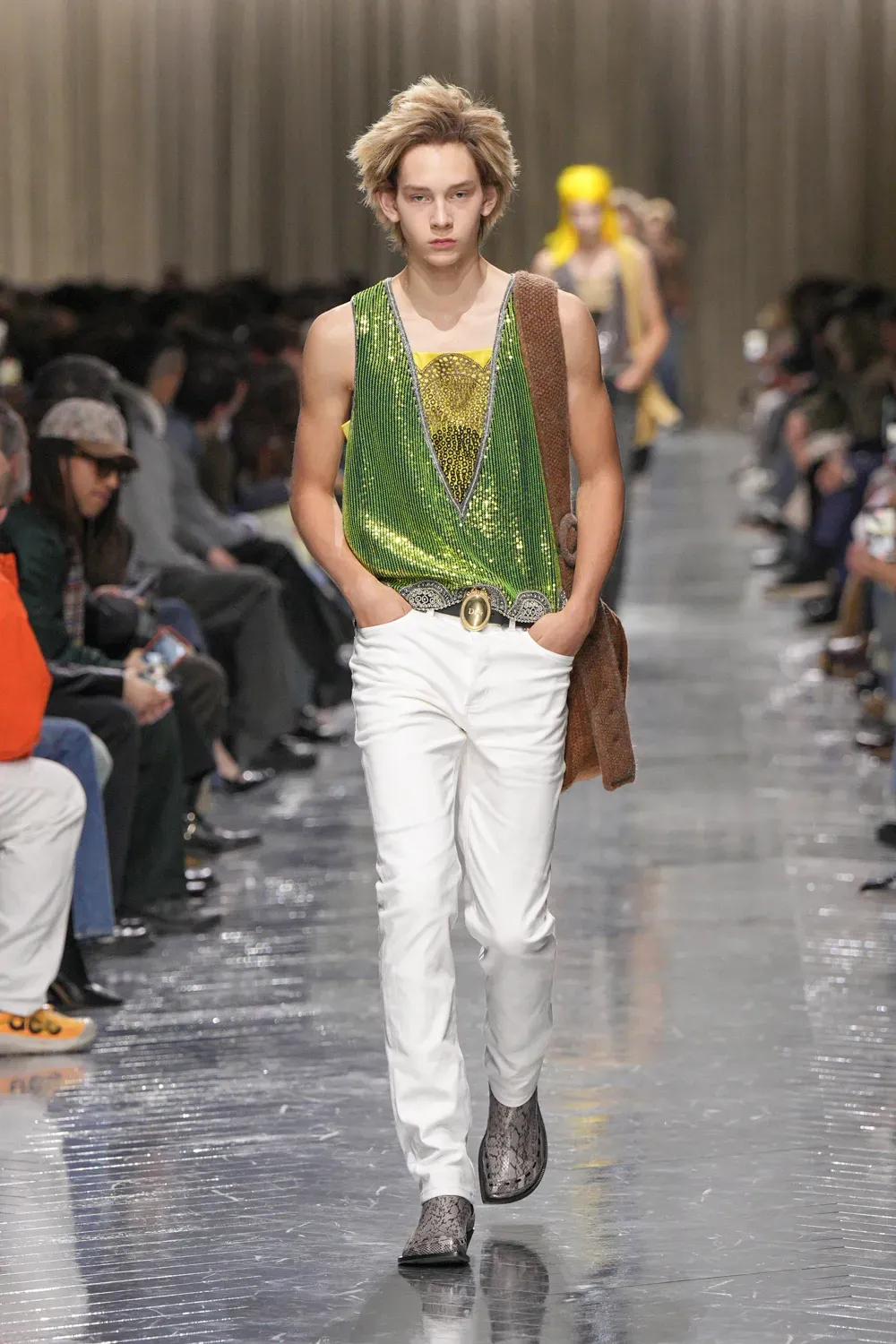
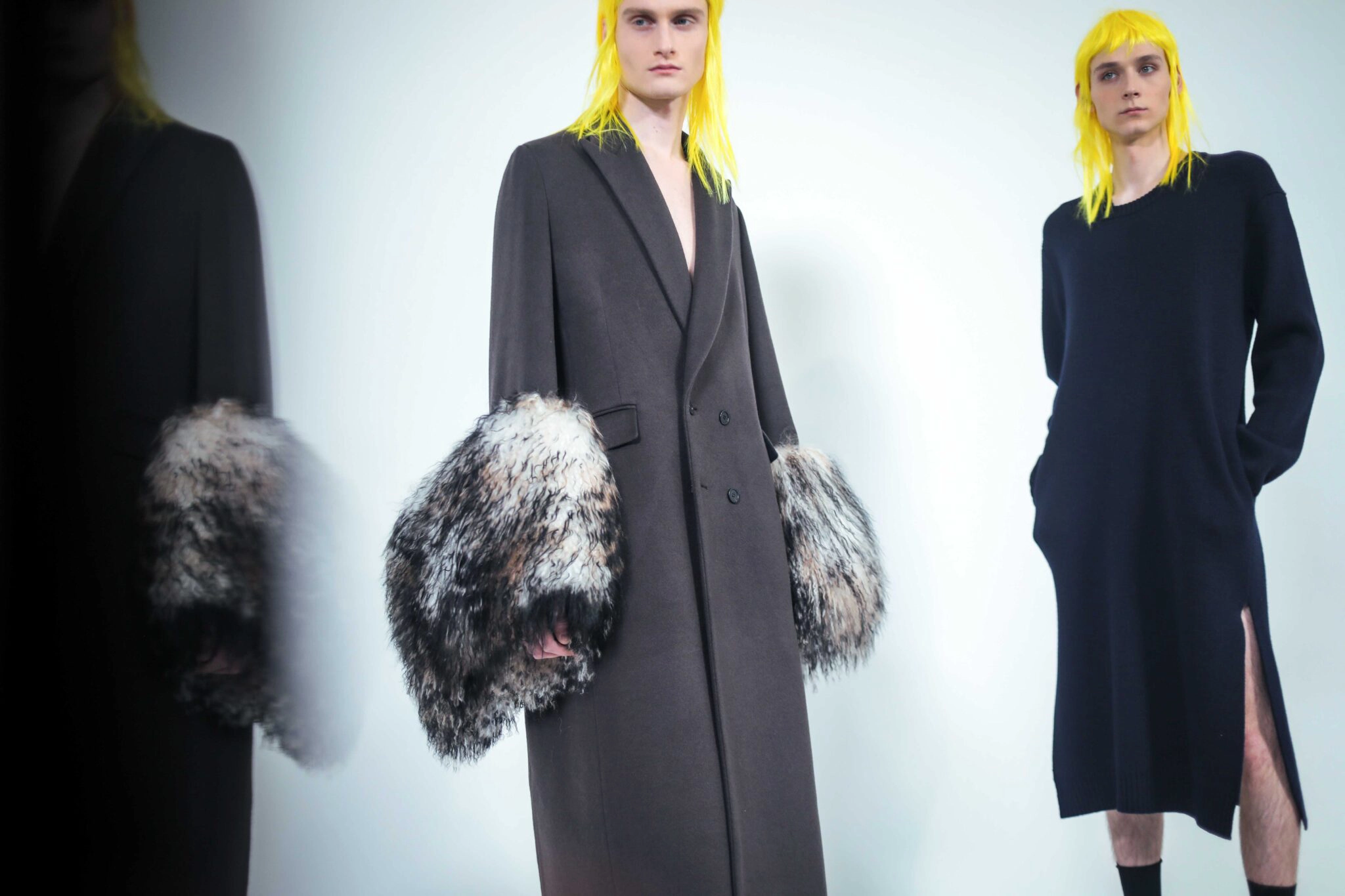
The answer, if we can call it that, arrived in the form of shrunken Bar jackets that cocooned yet constrained, tunic-length wool sweaters, and coats trimmed with faux-fur cuffs.
There were strass-studded tops that winked at Poiret, capelets expanded into voluminous parkas, and asymmetries that whispered mischief into Dior’s storied archive. It was, in short, a wardrobe where structure exists only to be undone.
Optical games
Jonathan’s risk-taking did not stop at proportion. There were optical illusions at play, cargo trousers buttoned at the front to round the silhouette, neon-yellow mullet wigs that refracted the light of the runway, and skirts or skirt-like garments that made the traditionally masculine vocabulary feel queer.
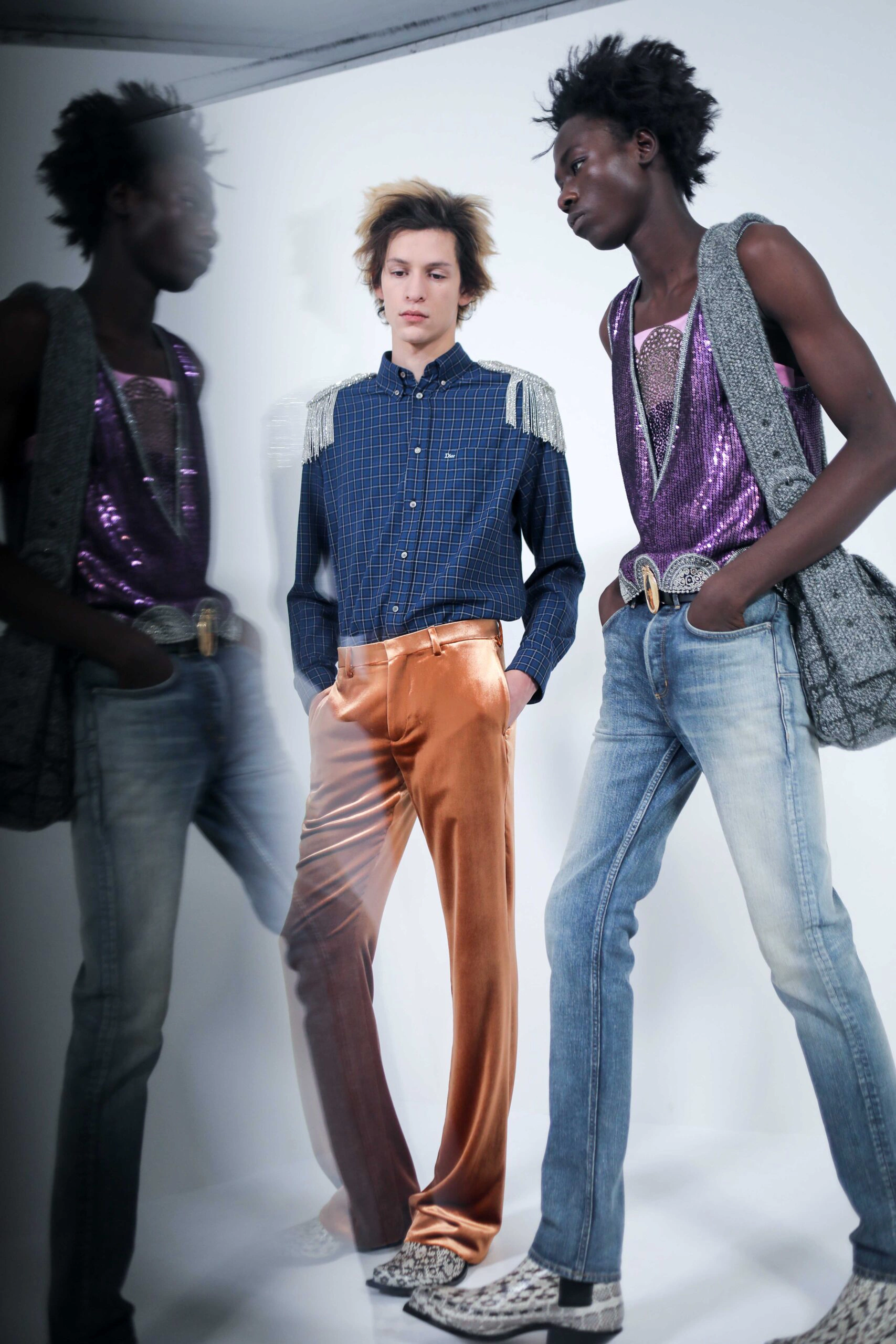
There were iridescent caftans over jeans, satin trousers in peach and kaleidoscopic prints, and scarves draped like tablecloths over coats, each element seemingly unrelated, yet threaded together by an audacious vision.
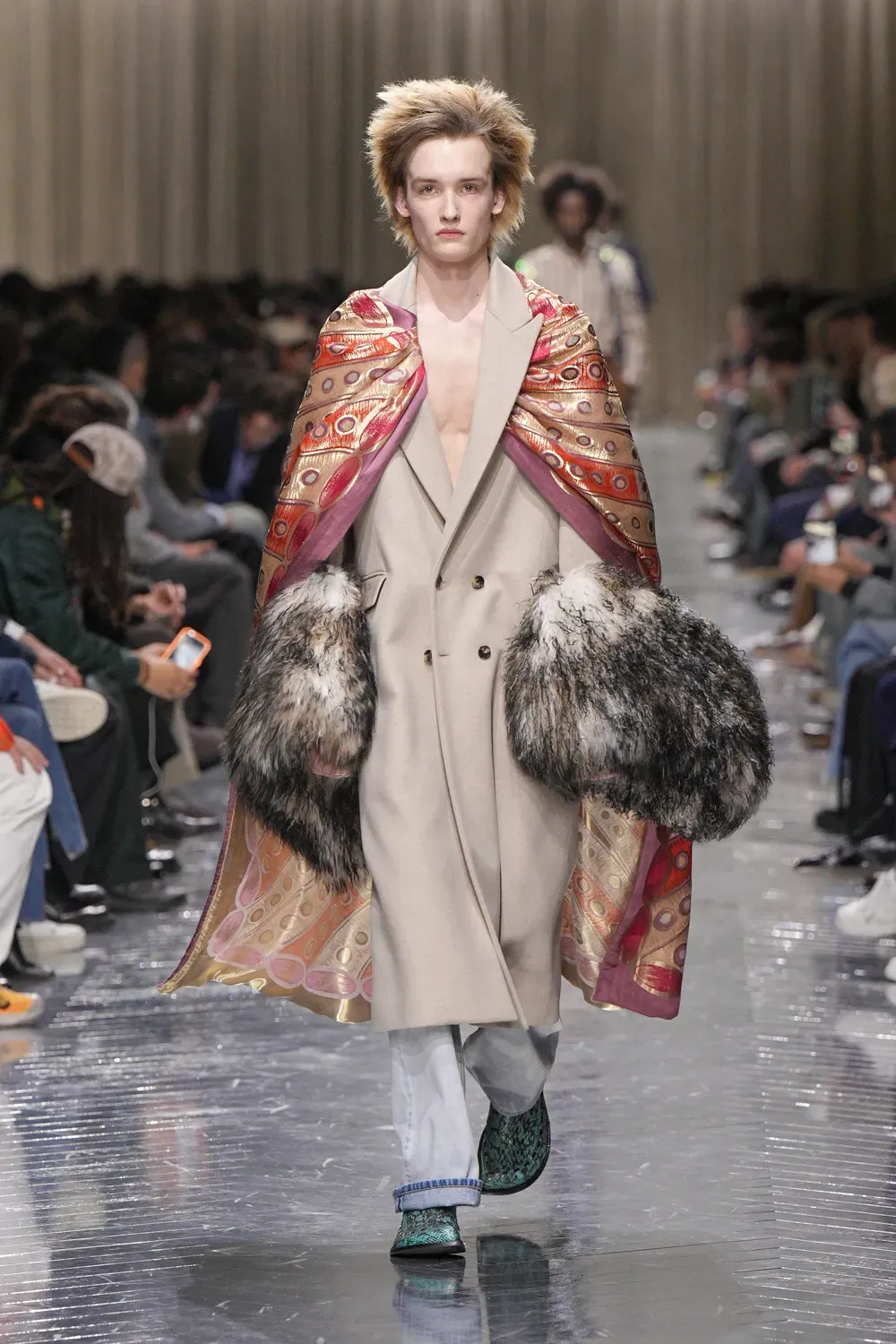
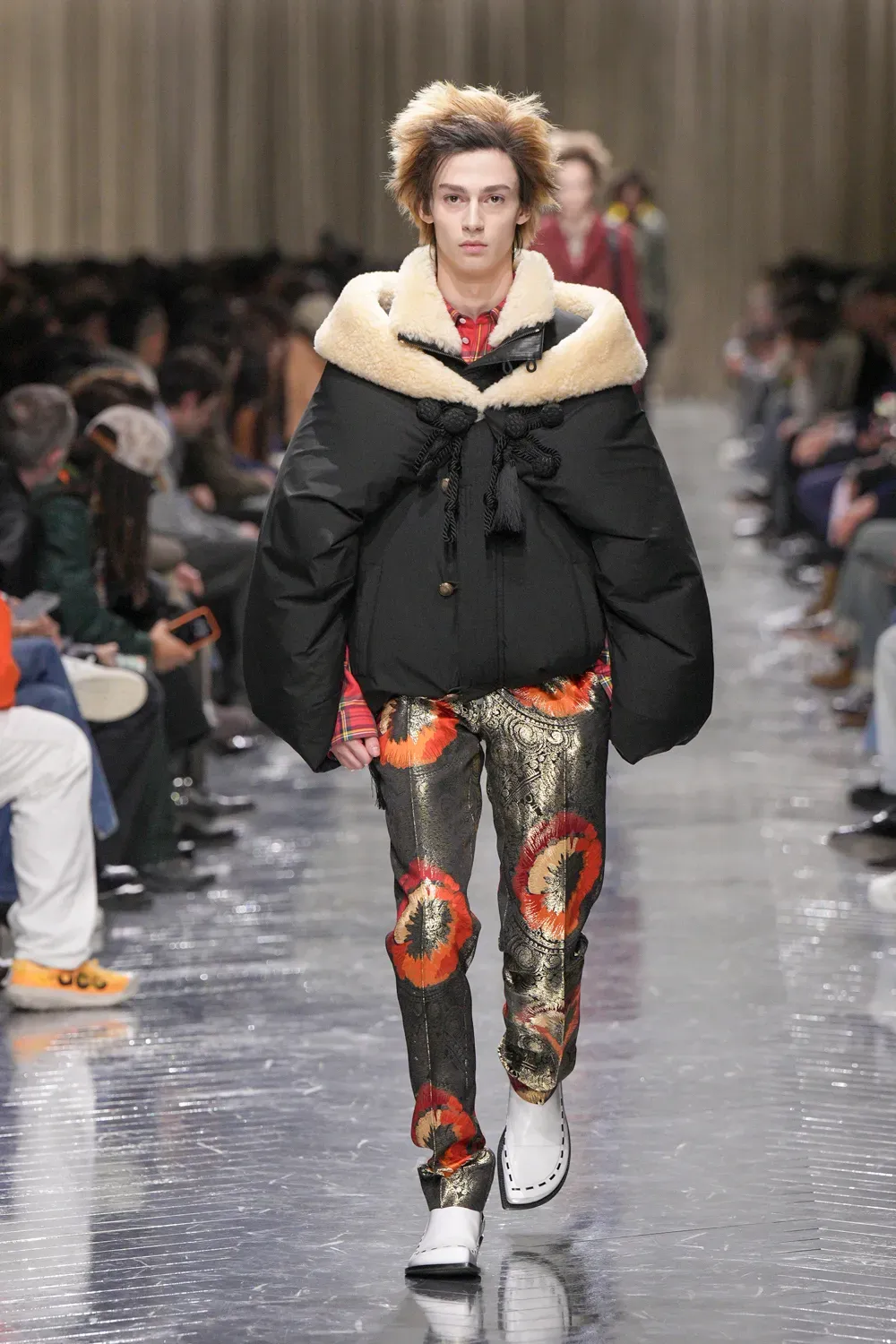
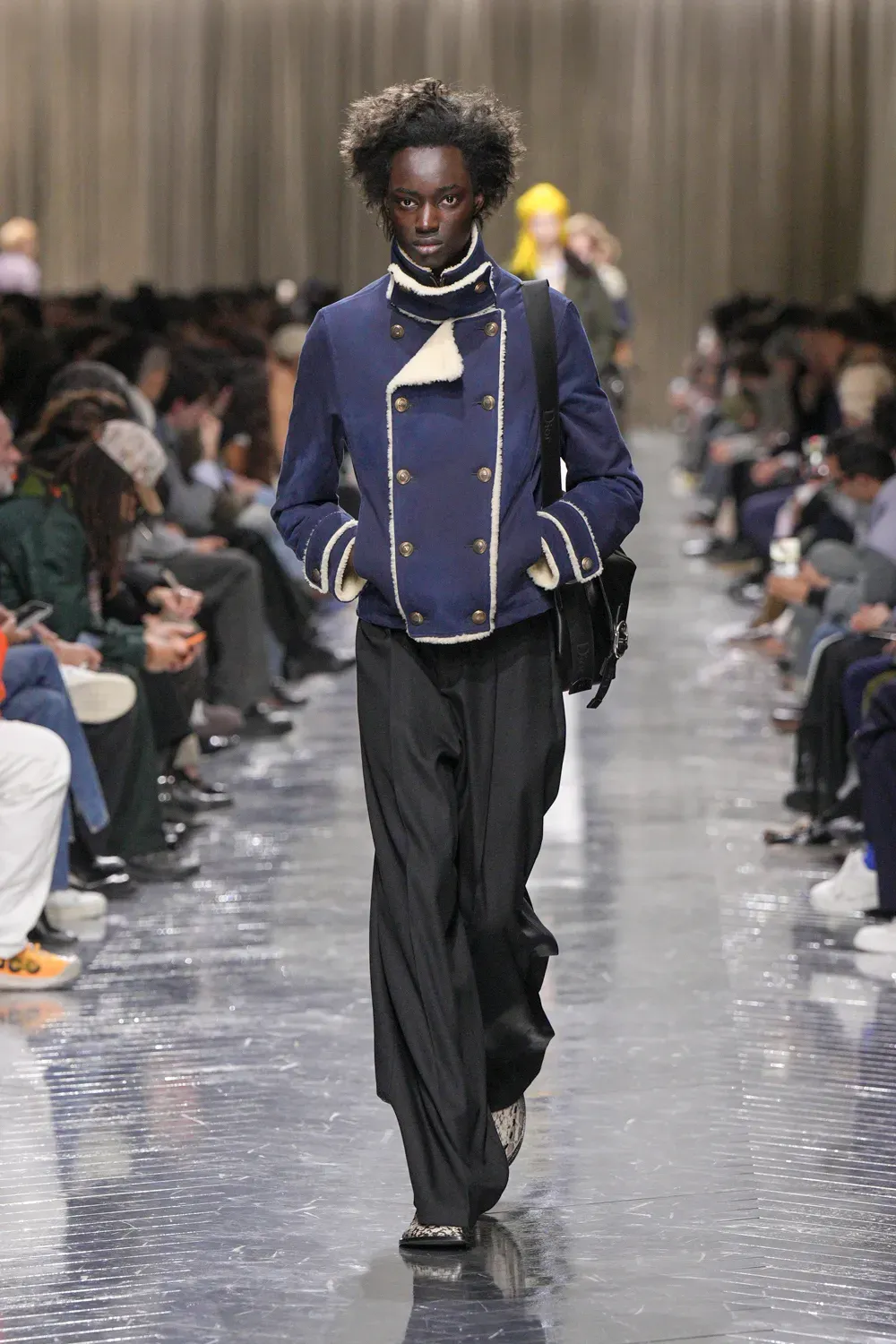
Yet amid the theatricality, moments of clarity emerged. A naval jacket lined entirely in shearling, suits in velours or pony hair, slim wool jackets of impossibly selective fit, and a green fishtail parkaParkaA thick, hooded coat with a warm lining, originating among Arctic peoples and later adopted by militaries and outdoor brands. Long, insulating, and weather-resistant, the parka is both a functionalGo to Parka Glossary with a generous white fur lining.
Order beneath the chaos
In the show notes, Dior framed the collection as “a game of unbridled associations, connecting unlikely elements and letting old and new collide with spontaneous ease.”
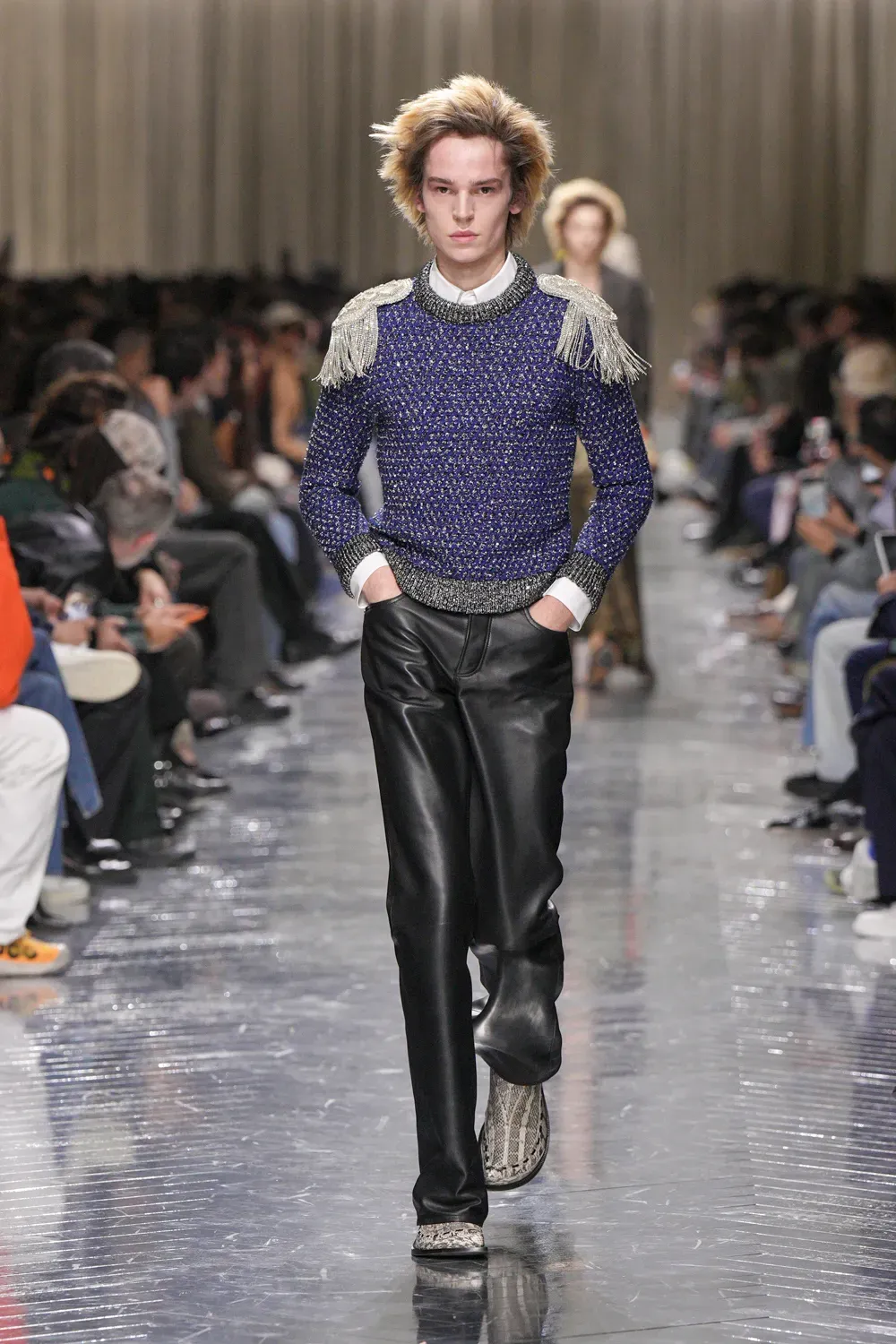
It’s a statement that feels almost modest when set against the reality of the runway. To the casual observer, it may seem like chaos; to the attuned eye, it’s a carefully composed exploration of history and the imagination.
What distinguishes FW26 is a subtle but decisive shift in Dior Homme’s direction. Earlier collections hinted at aristocratic preppyPreppyA style inspired by American private school and Ivy League culture, defined by polo shirts, blazers, chinos, boat shoes, and bright colors. Preppy dressing conveys relaxed, polished refinement, and periodicallyGo to Preppy Glossary codes, filtered through a skatewear lens.
A shift in Dior Homme
This season, his vision is more conceptual, more modern, and undeniably androgynous. These are clothes conceived more for thought than for routine and garments that invite contemplation.
Whether these experimental forms will translate into commercial success remains an open question.
But in a climate where conventional taste is in flux and the line between avant-garde and appealing is increasingly subjective, Dior asks a more urgent question: are we ready to see menswear as a field for ideas and playful imagination? The market may not answer today, but Jonathan’s vision will be felt tomorrow.
Backstage photos courtesy V Magazine
Frequently Asked Questions
Jonathan Anderson’s Dior Homme FW26 collection is built around the collision of three creative voices — Paul Poiret’s Orientalist draping, Dior’s architectural discipline, and Anderson’s own instinct to push proportion off balance and question why men dress the way they do. The result is a wardrobe of shrunken Bar jackets, tunic-length sweaters, iridescent caftans, and androgynous silhouettes where structure exists only to be undone.
Key pieces include shrunken Bar jackets, tunic-length wool sweaters, coats with faux-fur cuffs, strass-studded tops referencing Paul Poiret, capelets expanded into voluminous parkas, cargo trousers buttoned to round the silhouette, satin trousers in peach and kaleidoscopic prints, and a green fishtail parka with a white fur lining. Skirt-like garments and iridescent caftans over jeans further define the collection’s androgynous vocabulary.
Paul Poiret’s influence appears in the collection’s liberated approach to draping and its strass-studded tops that echo Poiret’s Orientalist aesthetic. Anderson uses these references to introduce fluidity and decorative excess into Dior’s architectural framework — creating tension between the house’s structured heritage and a more historically expansive vision of masculine dress.
Earlier Dior Homme collections under Anderson hinted at aristocratic preppy codes filtered through a skatewear lens. FW26 marks a more conceptual, androgynous, and intellectually driven direction — garments conceived for thought rather than routine, and a vision that asks whether menswear can function as a field for ideas and playful imagination rather than commercial certainty.
Whether the collection’s experimental forms will translate into commercial success remains an open question. In a climate where conventional taste is in flux and the line between avant-garde and appealing is increasingly subjective, Dior Homme FW26 positions itself as a collection whose cultural and critical impact may outlast its immediate market reception.
Recommended Video