This 200-Year-Old Tailor Became the Secret Behind Chanel’s New Era
In Paris, Matthieu Blazy turns to the perfection of Charvet, where the future of Chanel begins with a single shirt




A new chapter begins in a historic setting
In Paris, the elegance of Place Vendôme has long hidden some of the city’s most enduring stories. Among its facades stands Charvet, the legendary shirtmaker known for the art of making garments to the millimeter.
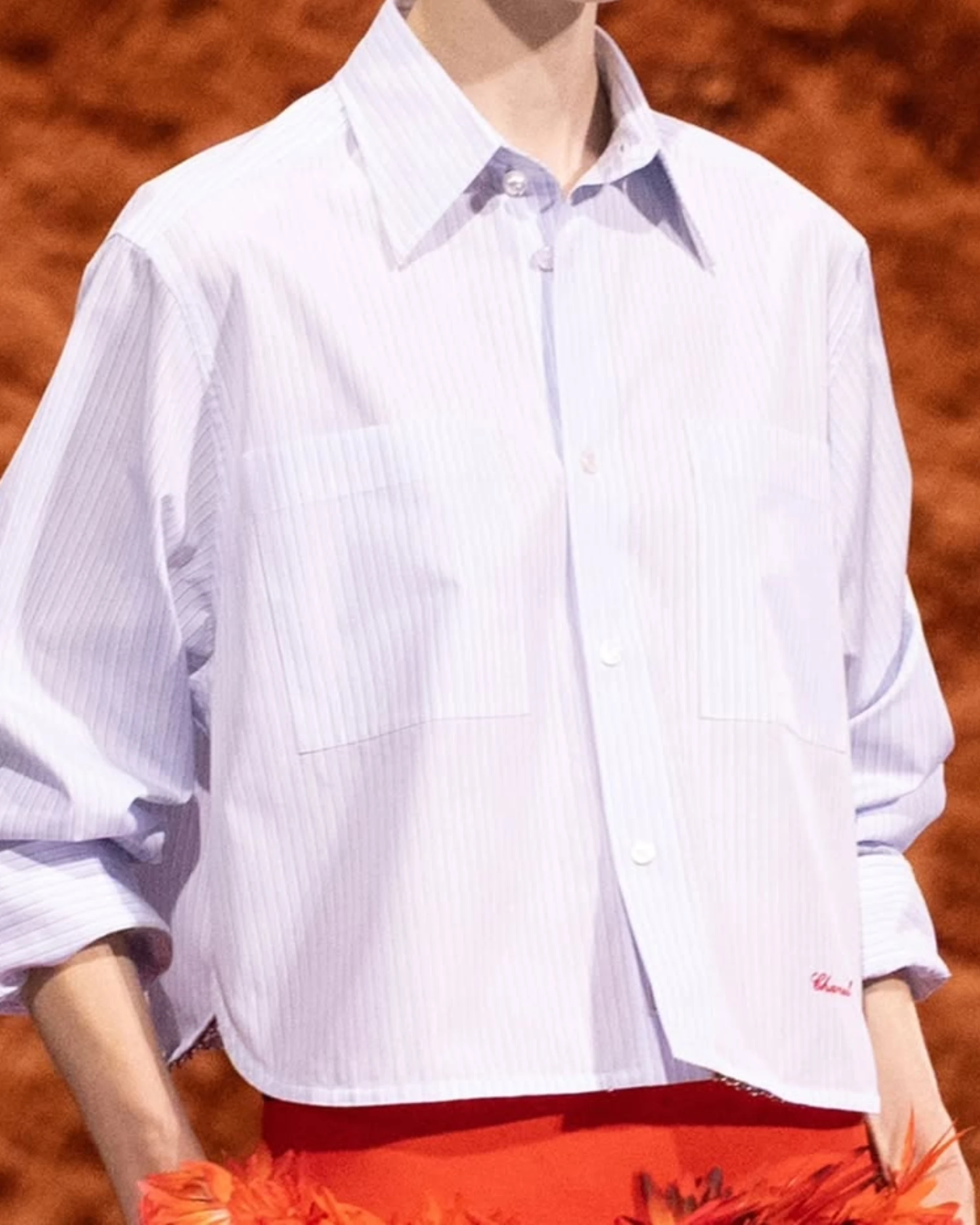
Since 1838, the house has perfected its approach to tailoring with an almost monastic devotion to detail. This spring, that same devotion framed one of the most anticipated fashion moments of the year: Matthieu Blazy’s first Chanel collection, presented inside Charvet itself.
READ MORE: 9 Things to Know About Matthieu Blazy, the New Creative Director of Chanel
Revisiting Coco Chanel’s intimate history
When Matthieu began his new role, he spent time in the Chanel archives and carried out his own research. He spoke with Jean-Claude and Anne-Marie Colban, the siblings who have directed Charvet for decades. In their conversations, he learned that Coco Chanel once bought shirts from Charvet as gifts for her longtime companion, Arthur “Boy” Capel.
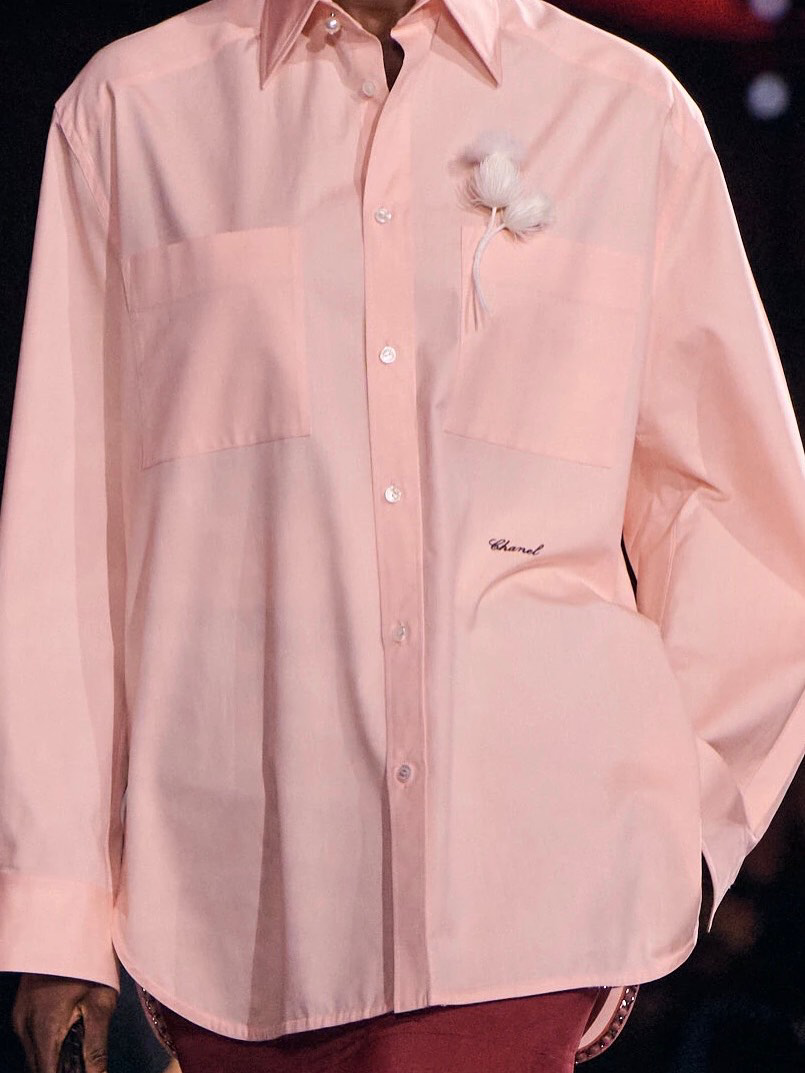
The English polo player was a defining figure in Coco’s life and style during the years when her vision was first taking shape. Matthieu imagined her studying the cut of Arthur’s shirts, the fitted shoulders and sharp plackets, the way tweed followed the rhythm of movement.
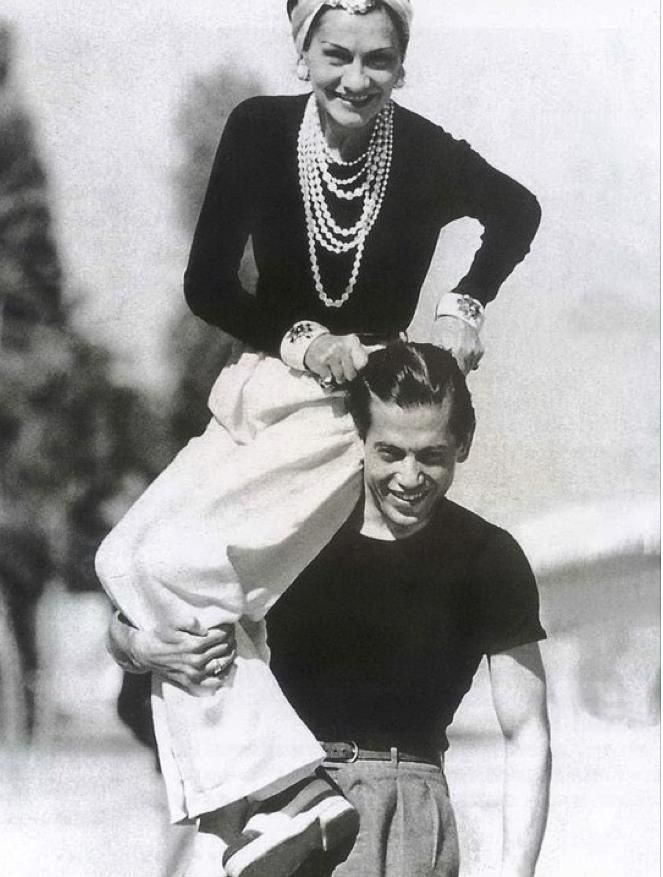
From this detail came an idea: a men’s white Charvet shirt paired with an evening skirt, “the ultimate paradox,” he said, and a tribute to the intimacy that shaped the brand’s early years.
The legacy of Charvet craftsmanship
Charvet remains a cornerstone of Parisian craftsmanship. Its founder, Christophe Charvet, was the son of Napoleon I’s wardrobe curator, and from its earliest days the company focused on quality rather than scale.
Over time, it became a discreet meeting point for history and elegance. Coco Chanel and Charles de Gaulle were among its most devoted admirers. Today, Anne-Marie and Jean-Claude Colban continue the work with the same simplicity that has defined the brand for nearly two centuries.
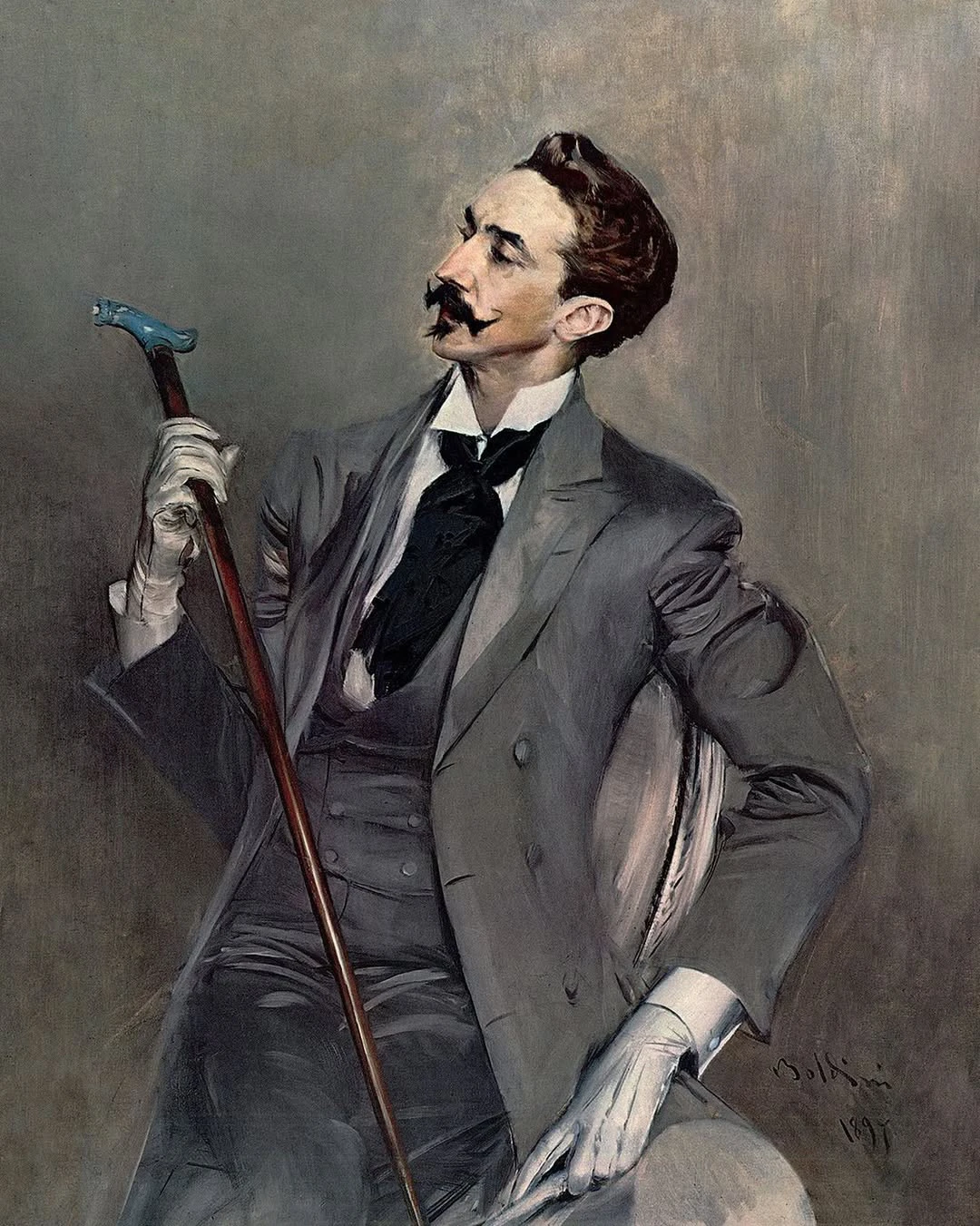
Inside Charvet, the process remains deeply personal. Customers are guided by expert model makers, who take measurements by hand and record them in ink. The choice of fabric is followed by a series of small but significant decisions: pocket shapes, sleeve openings, and, above all, the collar.
Where the garment comes first
For Chanel, showing at Charvet signals a shift. The house is returning to the garment itself, emphasizing construction and proportion over spectacle. The salons of Charvet offer a smaller scale and softer lighting, allowing the viewer to focus on the cut of a sleeve or the curve of a seam.
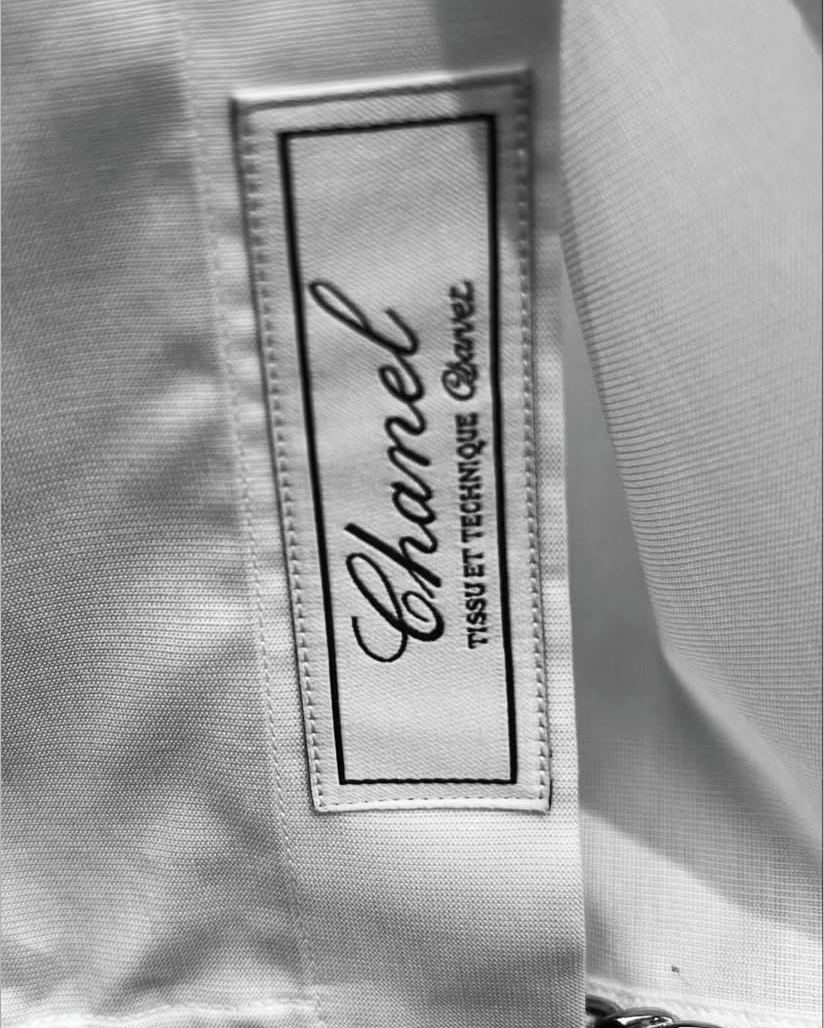
The choice also connects naturally with the house’s legacy of artisanship. Chanel has long championed the métiers d’art of Paris, and Charvet’s presence at Place Vendôme embodies the same ideals of patience and perfection.
In recent seasons, fashion has become increasingly defined by visibility and volume. By choosing Charvet, Matthieu’s Chanel is proposing something different. The focus, as his approach suggests, is on the discipline of design.
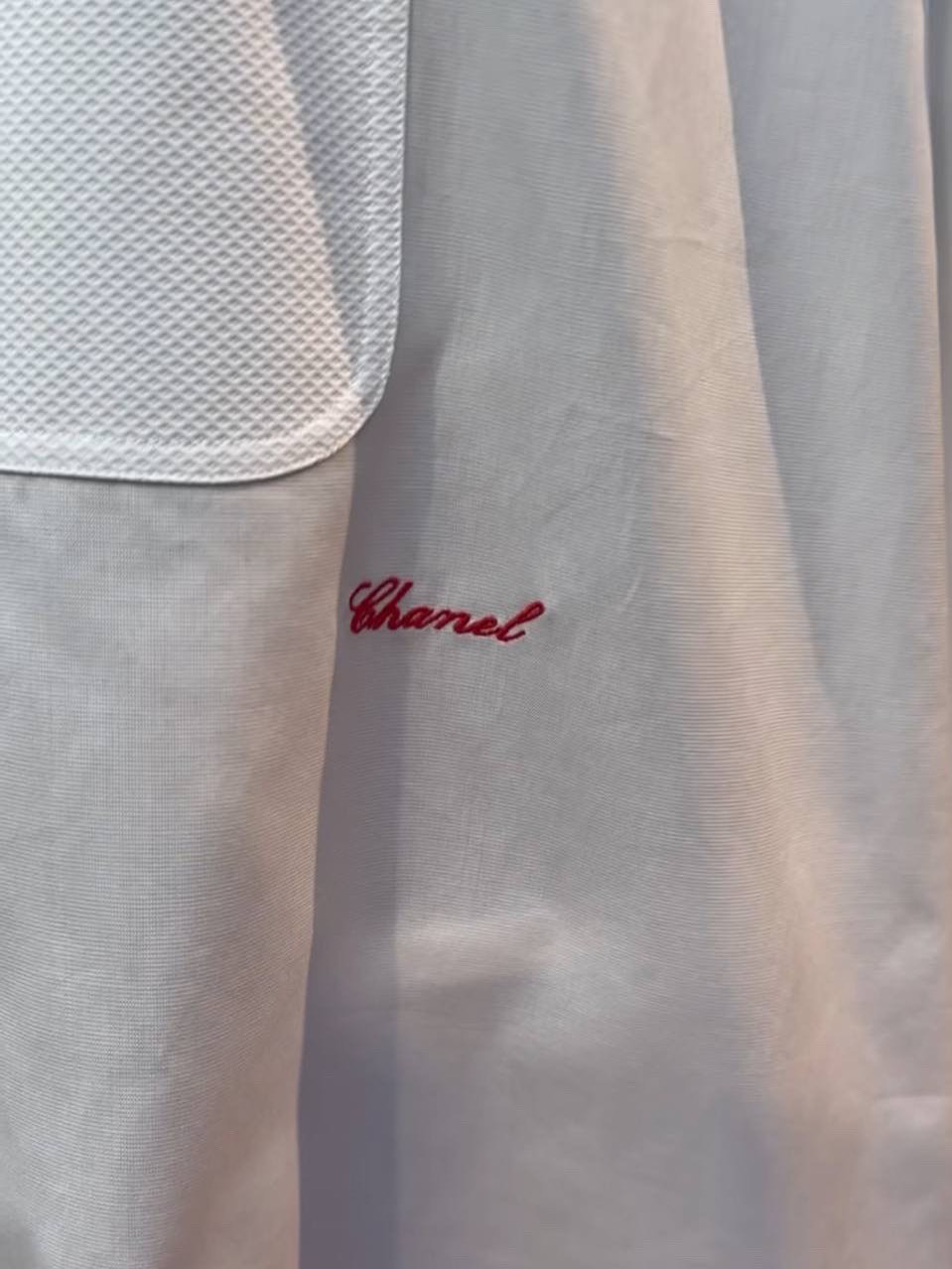
Since Virginie Viard’s departure in 2024, Chanel has managed a careful transition, maintaining continuity while exploring new creative directions. The selection of Charvet as a partner and setting reflects a measured effort to rebuild identity through material and method.
After Matthieu’s Charvet shirts appeared on the runway, public interest in the brand surged. Online searches multiplied, and discussion spread across fashion circles. Despite the attention, Charvet has remained steady.
The power of staying small
Its custom shirts still begin around $600, and the Colbans have no intention of expanding or introducing a large online presence. Most of the brand’s work is still done from its single Paris address. For many of its customers, visiting Charvet is as essential as the shirt itself.
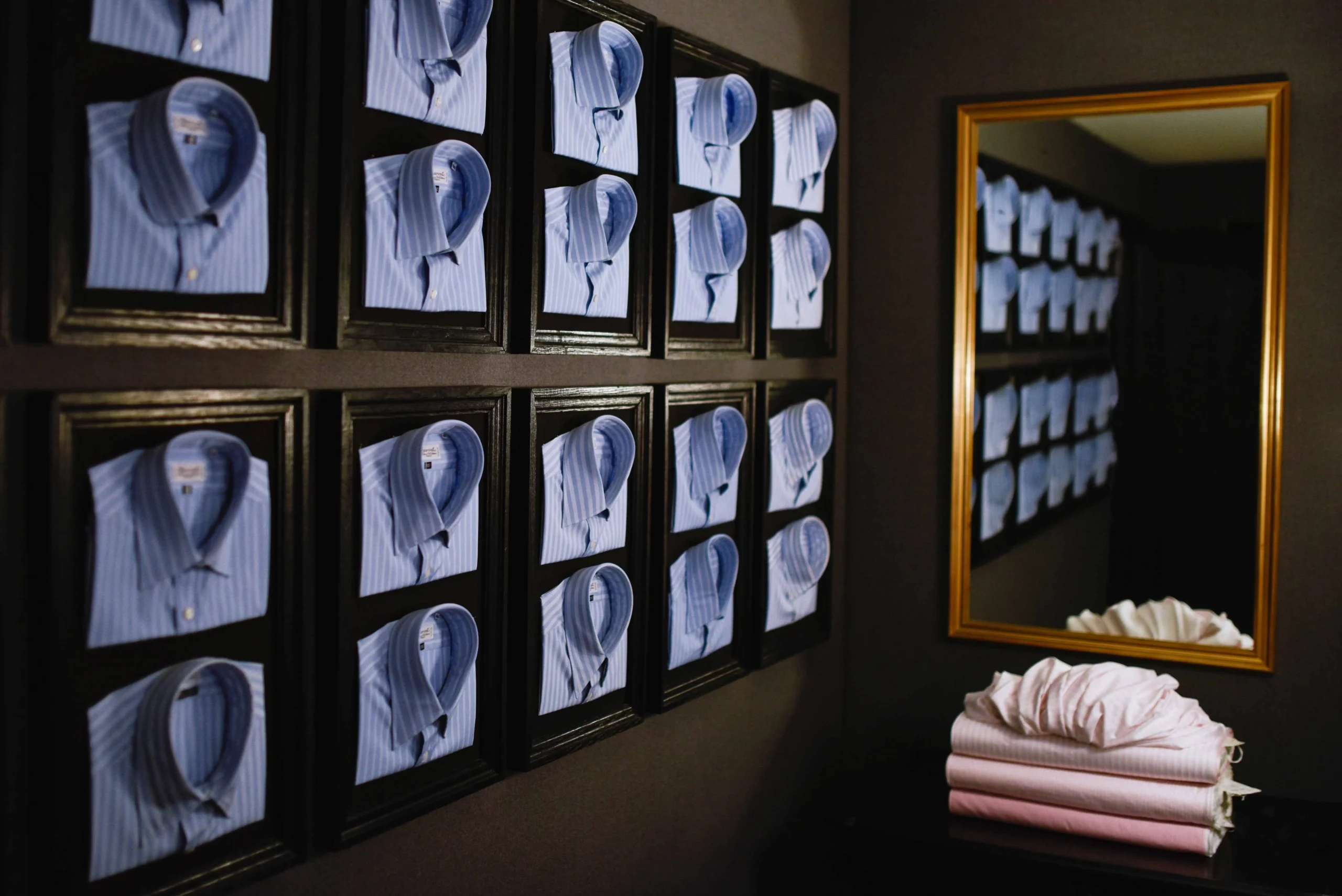
This resistance to growth has become part of Charvet’s strength. Its focus on singularity has made it an enduring reference point. The store’s calm atmosphere, its commitment to process, and its pace have created an authenticity that cannot be reproduced elsewhere. For Matthieu, this environment offers a model of permanence and a framework for renewal.
The collaboration between Chanel and Charvet stands as both a statement and a study. Inside the walls of Charvet, amid the work of cutting and stitching, Matthieu Blazy finds a way to connect Chanel’s past to its next chapter, one measured stitch at a time.
Matthieu Blazy selected Charvet for its long-standing tradition of craftsmanship. The setting reflects his focus on construction, proportion, and the value of handmade luxury.
Coco Chanel once bought shirts from Charvet for her companion Arthur “Boy” Capel, drawing inspiration from the tailor’s masculine elegance that later influenced her own designs.
Charvet is the oldest shirtmaker in Paris, known for its made-to-measure approach and meticulous attention to fabric and fit. It has remained a single-location family business since 1838.
His focus on craftsmanship and simplicity mirrors Gabrielle Chanel’s original philosophy of elegance through construction and detail rather than extravagance.
The show highlights the power of timeless tailoring. A perfectly cut white shirt remains a symbol of sophistication that can outlast any fashion trend.