Tom Ford’s Gucci Is Still Fashion’s Favorite Reference
Tom Ford’s menswear at Gucci redefined luxury for the modern man and continues to shape fashion today




A blueprint that still shapes fashion
Even decades after his departure, Tom Ford’s Gucci remains a reference point for contemporary menswear.
Designers, stylists, and collectors do not cite it out of nostalgia but as a blueprint for how bold vision and audacious sensuality can define an era. The proof is in the current season. Demna, Gucci’s creative director, recently unveiled a Pre-Fall collection that openly channels Ford’s archival work.
READ ALSO: Demna Revisits the 1990s to Shape Gucci’s Future Identity
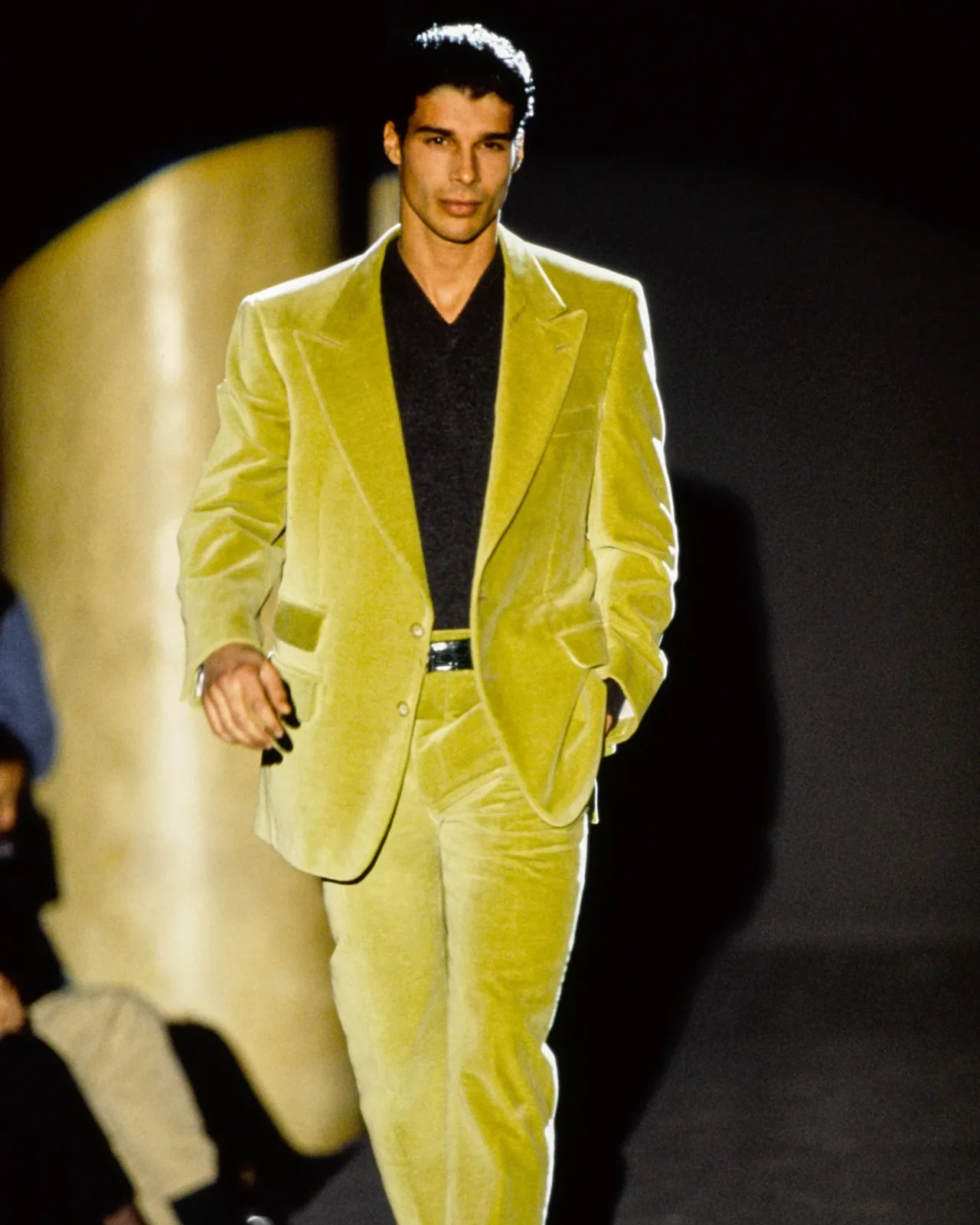
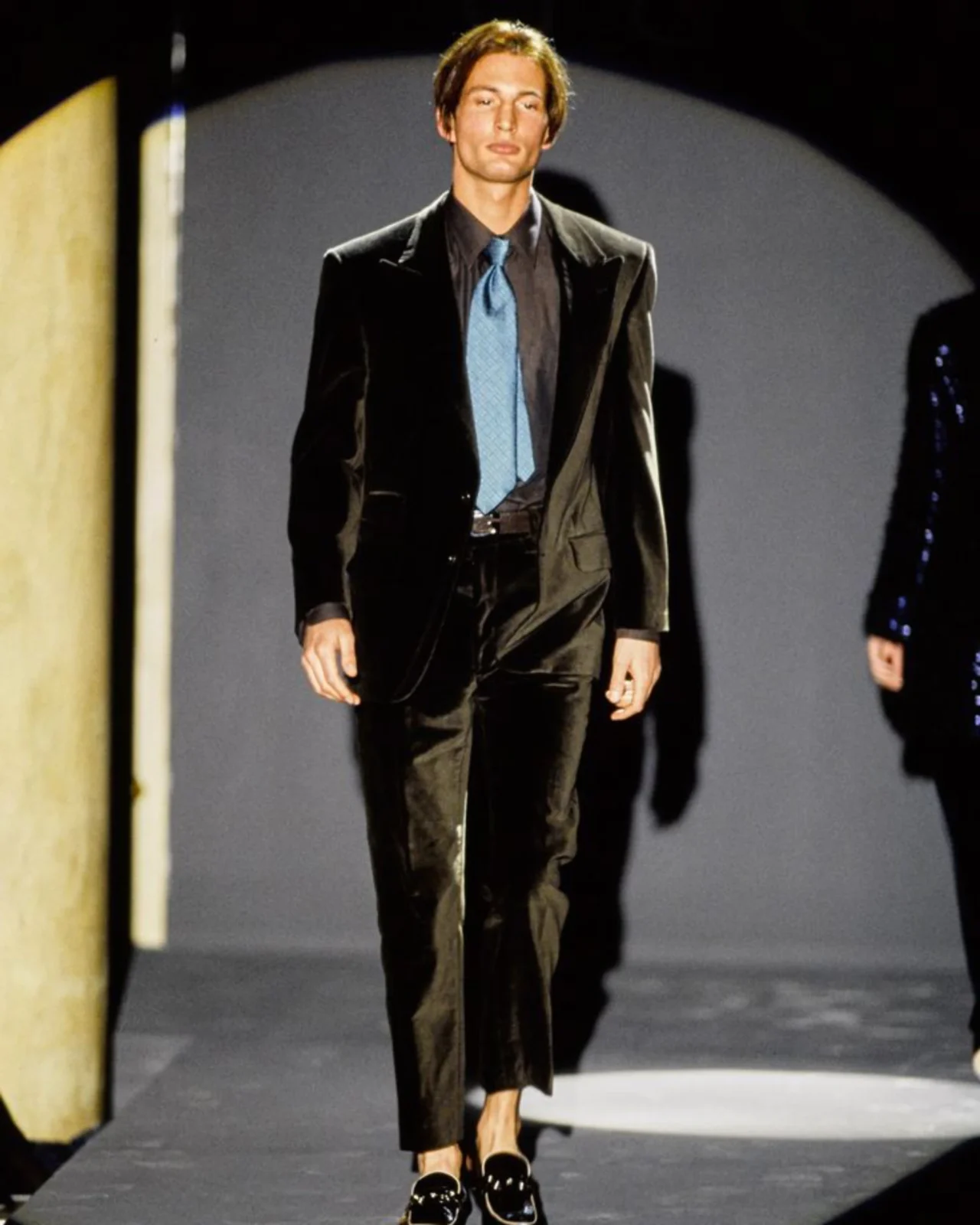
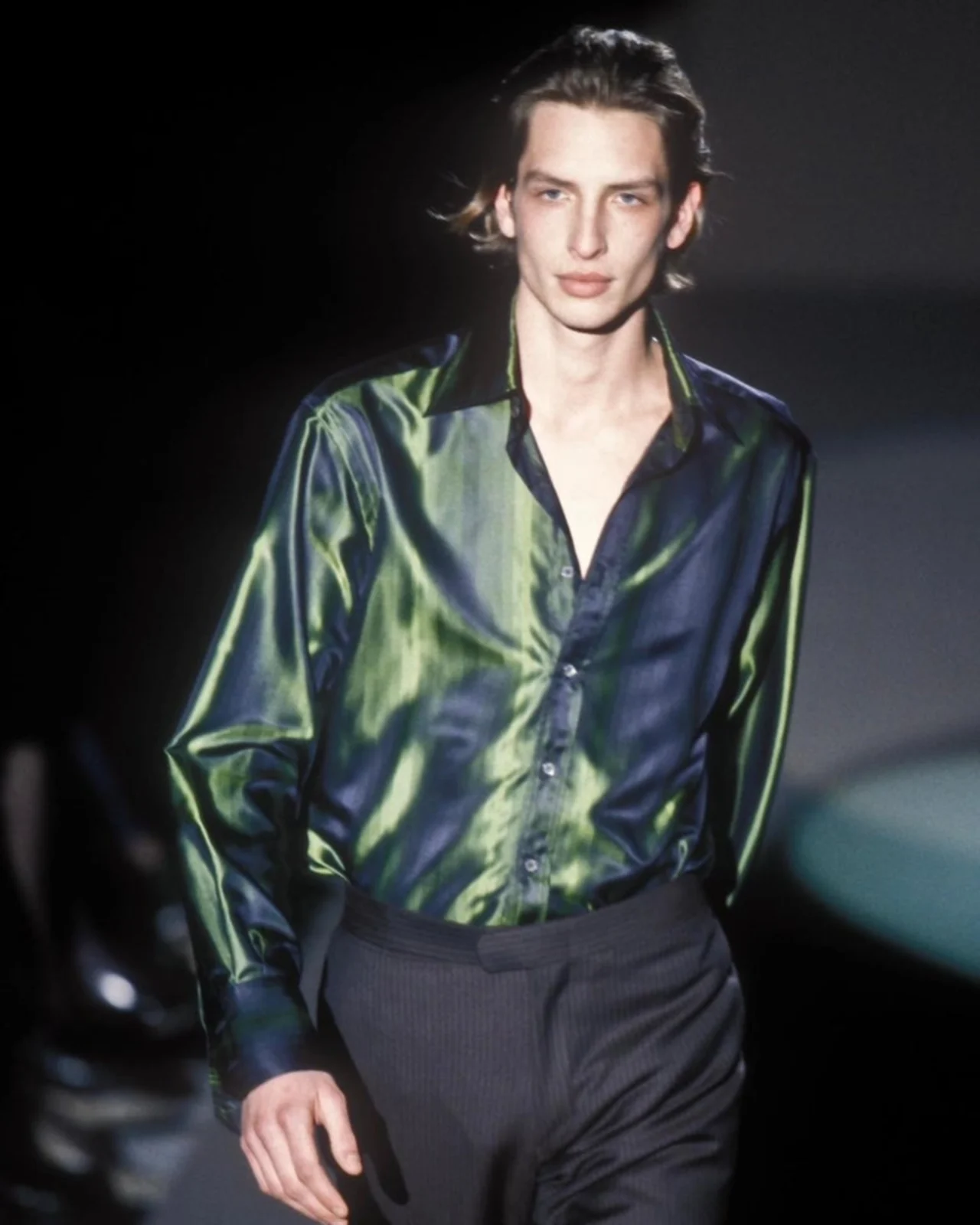
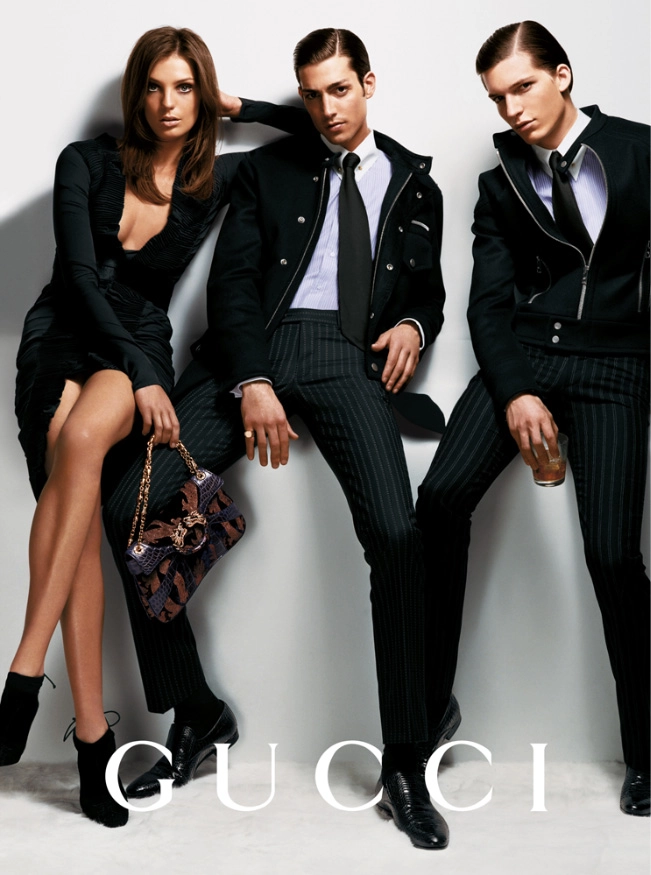
Velvet hip-huggers, glossy satin shirts, sharply tailored suits with a subtle slouch, and the iconic Horsebit detailing reappear as both homage and evidence that the designer’s vision still drives desire in fashion today. That his designs from the mid-90s can feel modern in 2026 underscores the timelessness of his approach: unapologetically sexy, meticulously tailored, and carefully curated.
Rewriting the mid-90s
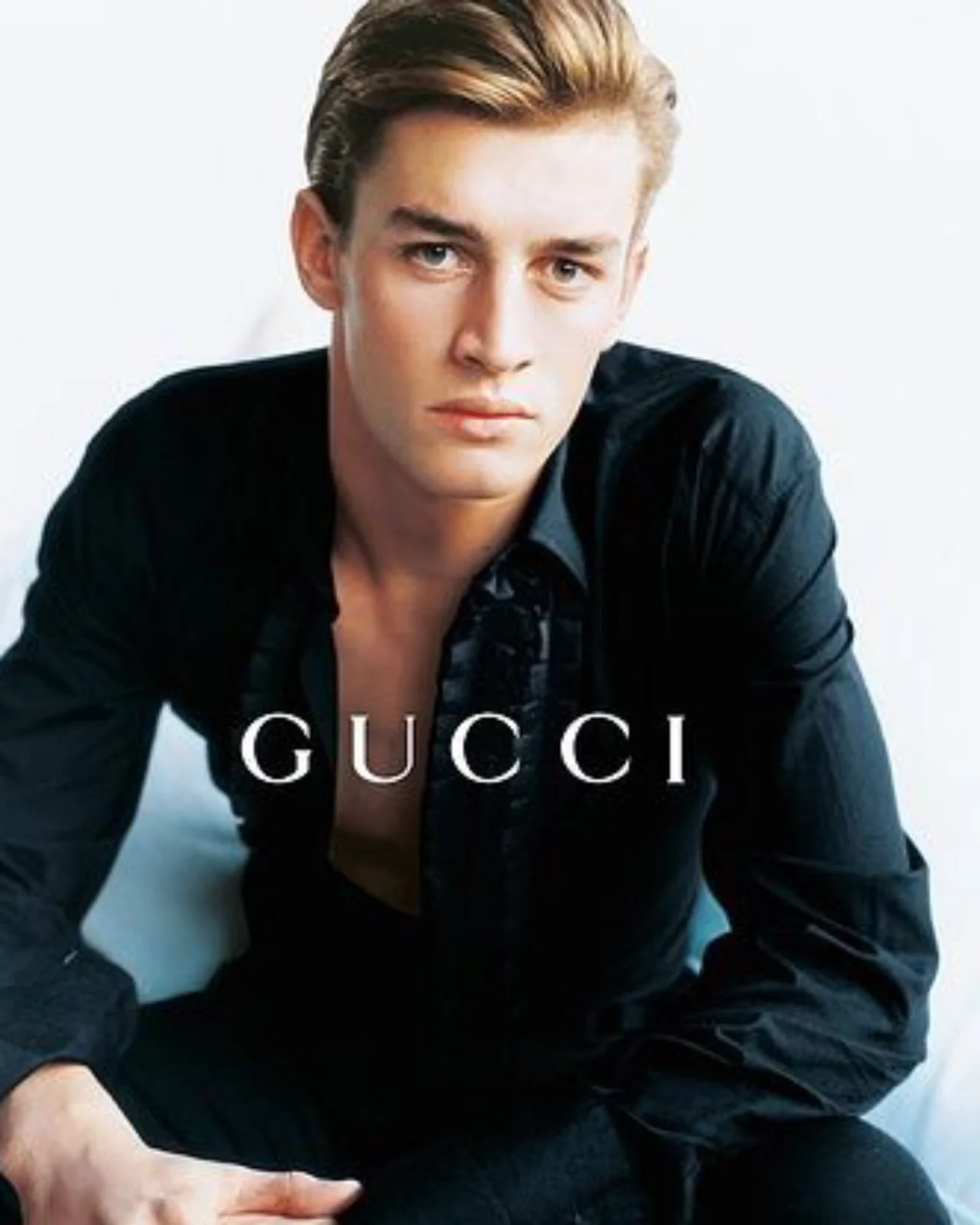
Ford was transformative because it combined commercial strategy with cinematic style. Arriving in Milan in 1990, he inherited a brand in crisis. Gucci offered little beyond brown leather shoes and conservative tailoring. He reshaped the narrative.
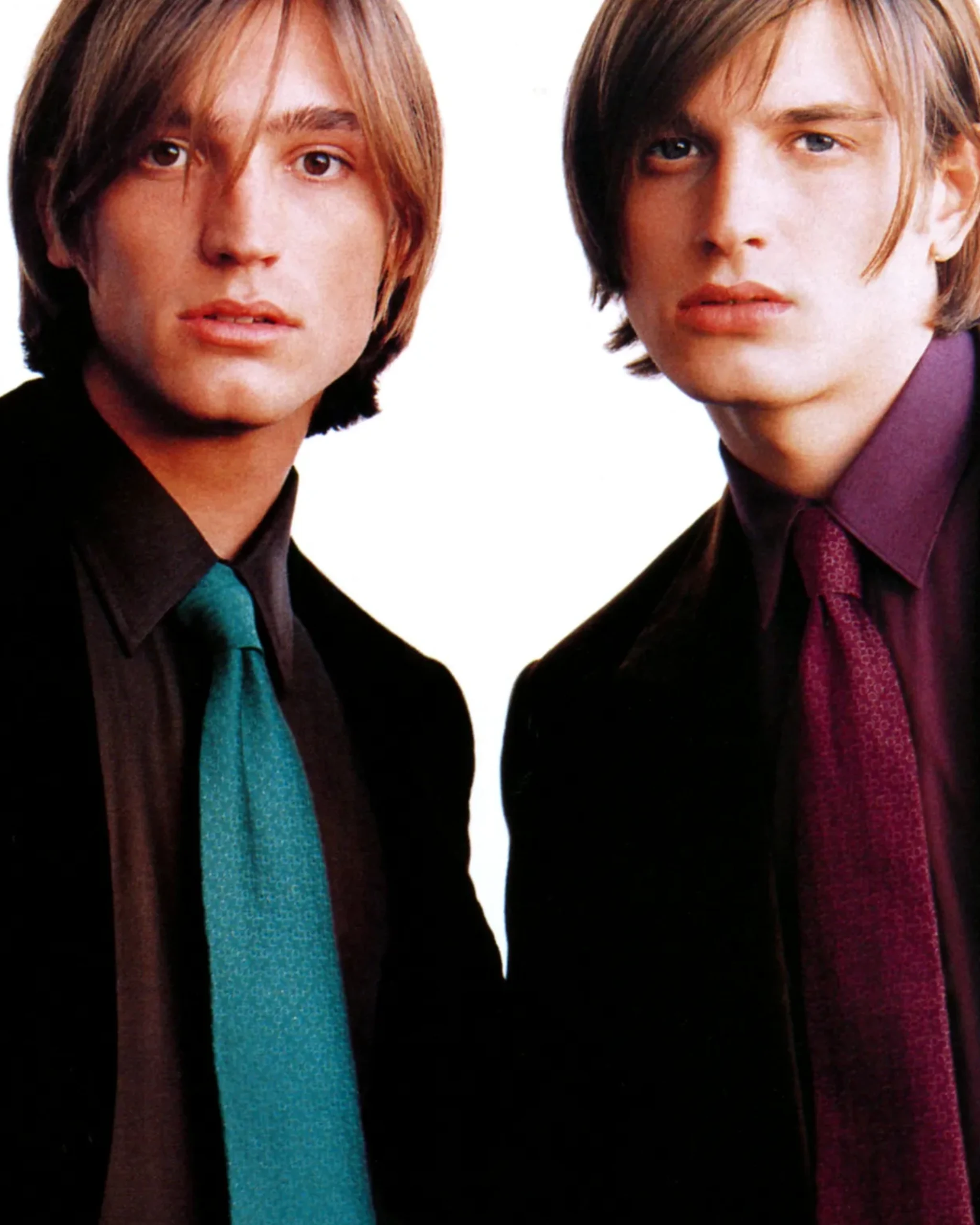
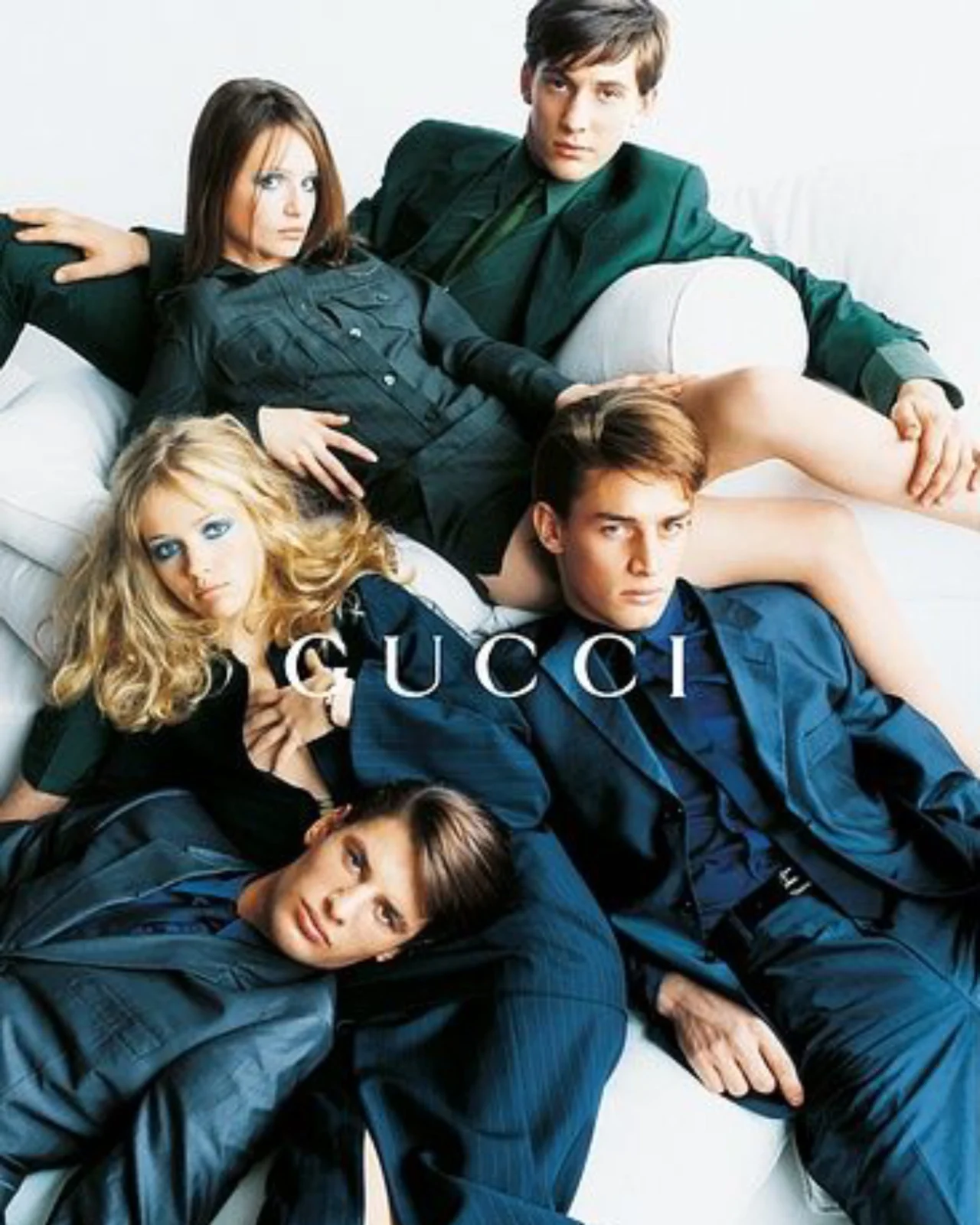
Men could wear clothing as storytelling and as a form of charisma in fabric. Fall 1995 saw velvet hip-huggers paired with jewel-toned silk shirts, leather loafers with horsebit hardware, and suits cut to accentuate confidence.
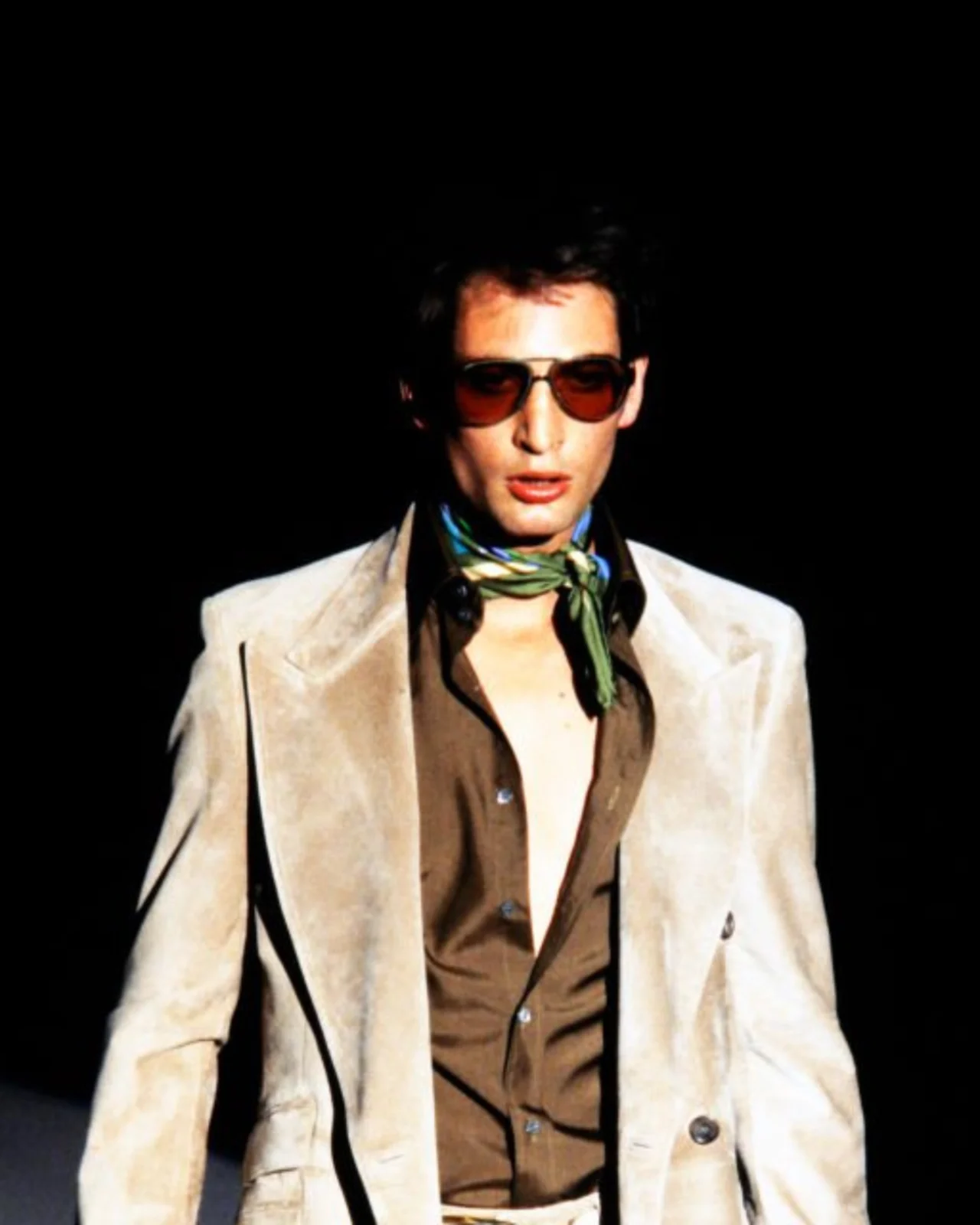
By 1996, the “bondage-chic” undercurrents in womenswear were mirrored in menswear through sharply cut jackets and low-rise trousers.
What made Ford’s Gucci particularly influential and why it remains a touchstone is the combination of risk and showmanship. While minimalist grunge dominated the early 90s, Ford reintroduced overt sensuality for men.
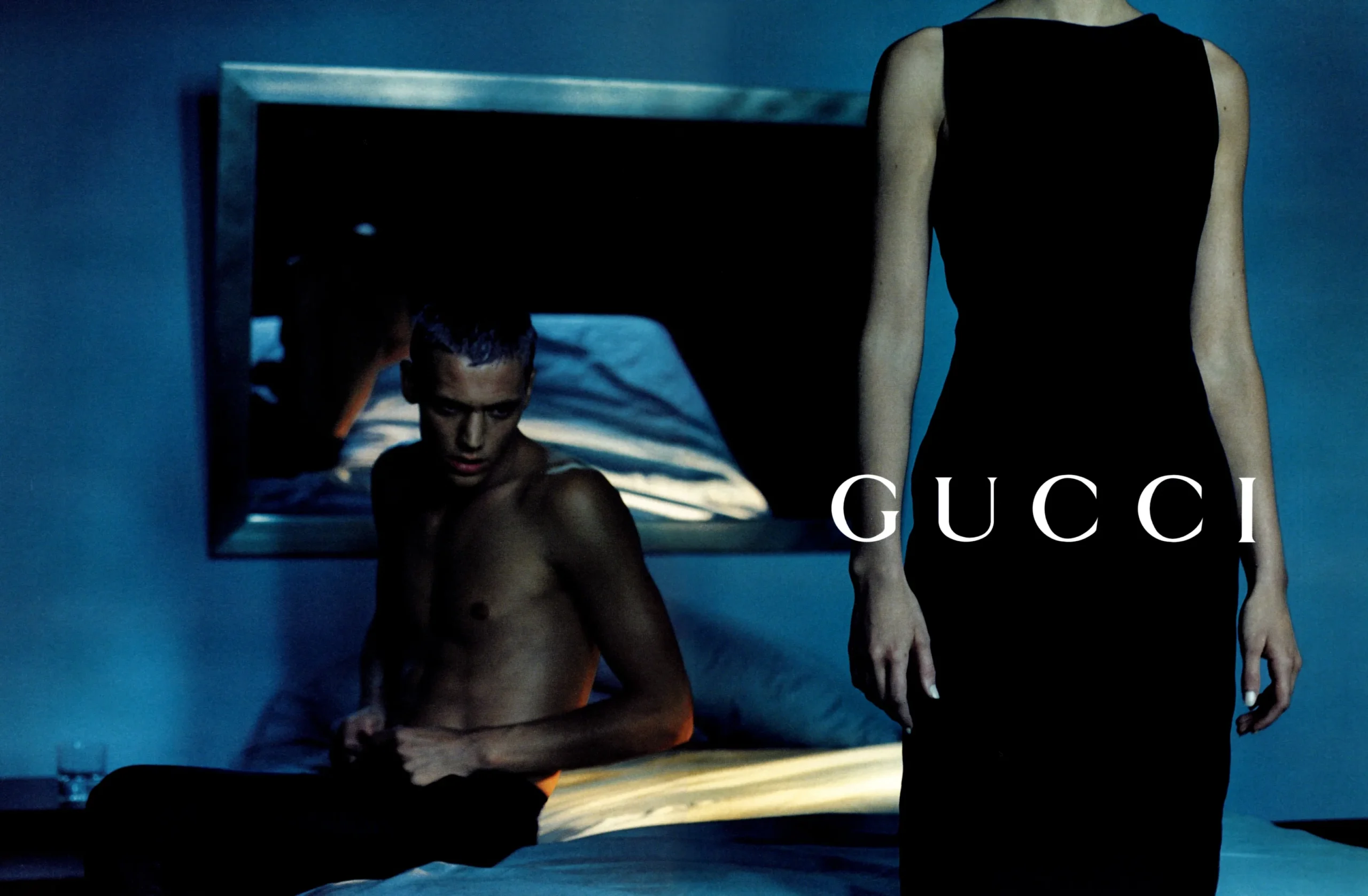
Tailoring was precise yet daring, fabrics were luxurious yet unexpected, and accessories, including leather belts, polished loafers, and subtle gold hardware transformed utility into desire. Campaigns photographed by Mario Testino and styled by Carine Roitfeld elevated menswear beyond clothing into lifestyle.
From runway to lifestyle mythology
Ford’s influence extended beyond the runway. Gucci’s acquisition of Yves Saint Laurent in 1999 gave it new territory to apply its vision. Leather jackets with exaggerated shoulders, satin shirts paired with trousers cut for elegance and subtle provocation, and accessories like the Mombasa bag combined functionality with sculptural flair.
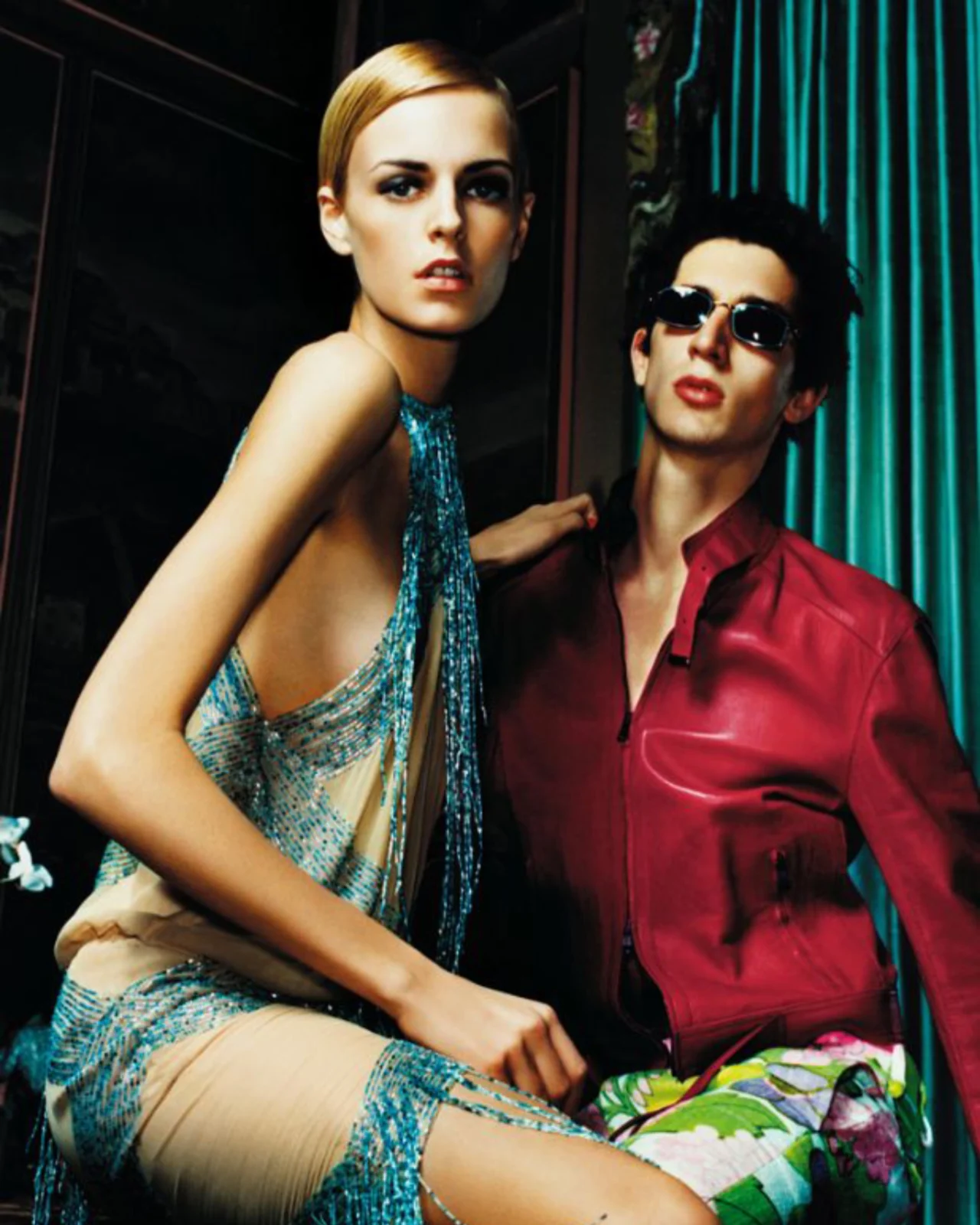
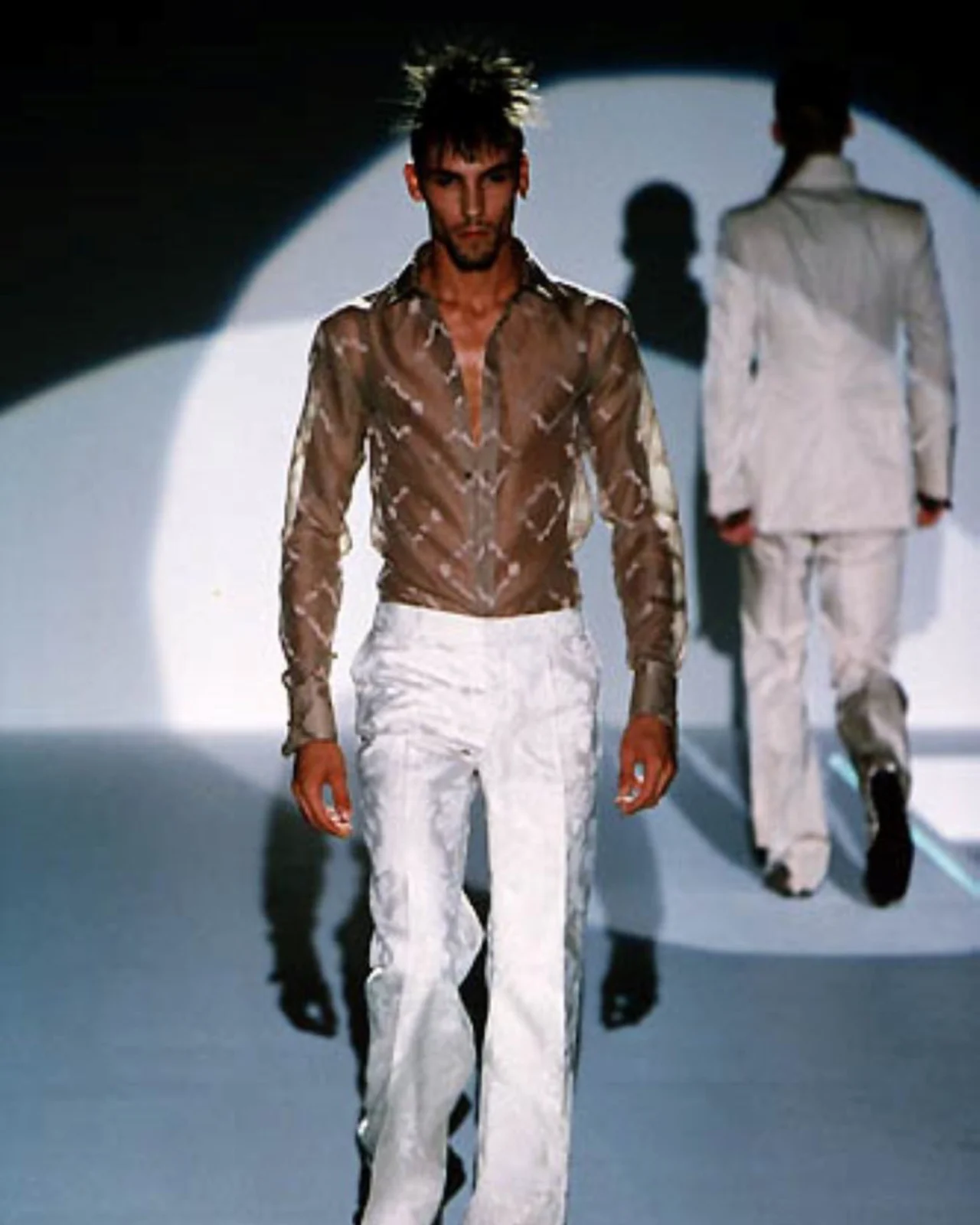
Even today, Ford’s influence remains a source of inspiration for established and emerging designers alike. Demna’s recent Gucci collection revisits these archival codes, reinterpreting hip-hugging trousers, glossy shirts, and leather loafers with modern proportions.
His design language is not only historical but living, providing a vocabulary for contemporary luxury menswear that balances past and present. Vintage collectors and street-style enthusiasts continue to seek out pieces from Ford’s decade-long tenure.
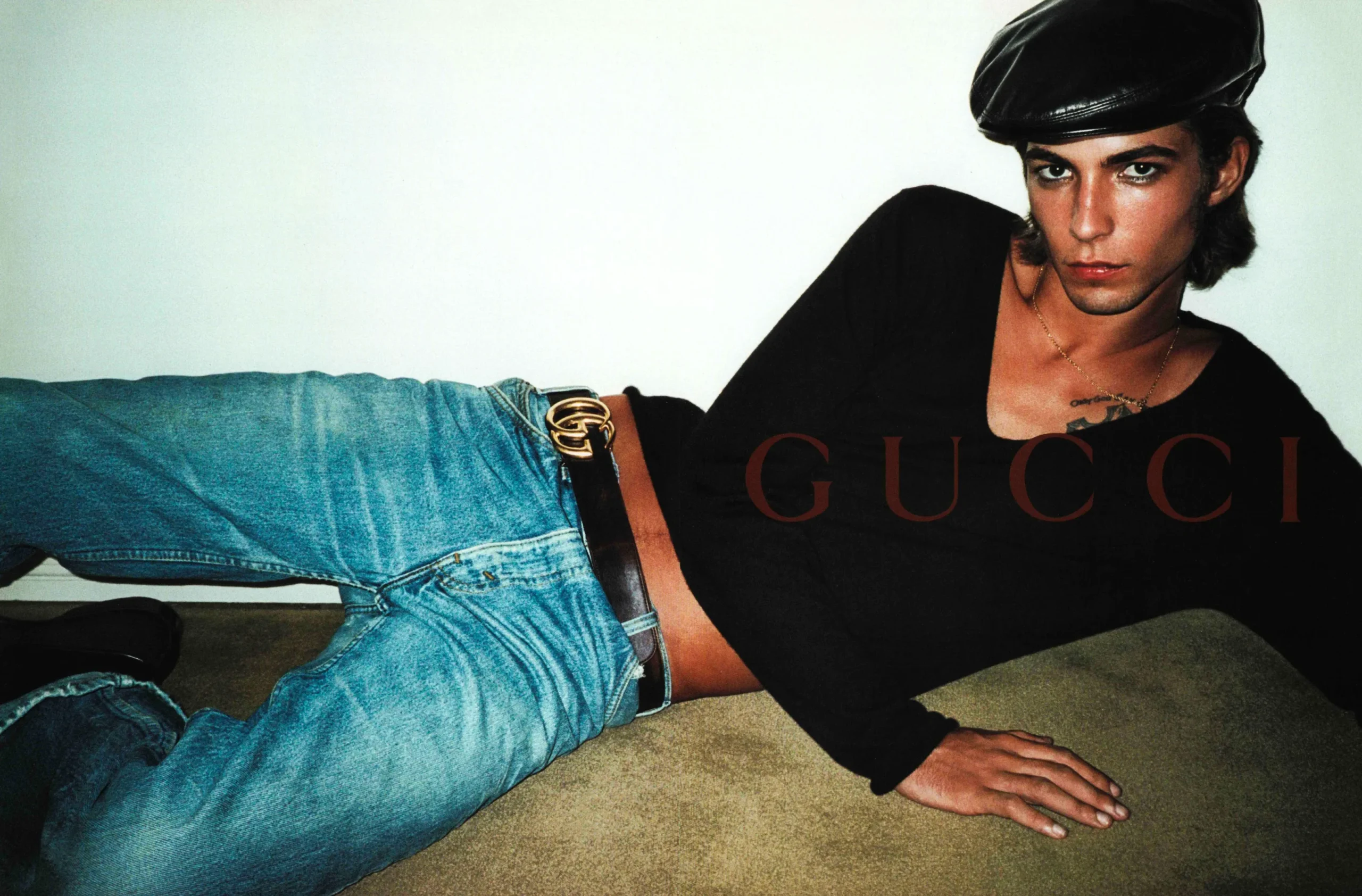
The void left after Ford’s exit
Ford’s departure in 2004 left Gucci in a complicated position. Though the brand was valued at 10 billion dollars, no single designer could replicate the cohesion of his vision. Four successors were hired to fill the gap left by Ford’s control over design, marketing, and brand image.
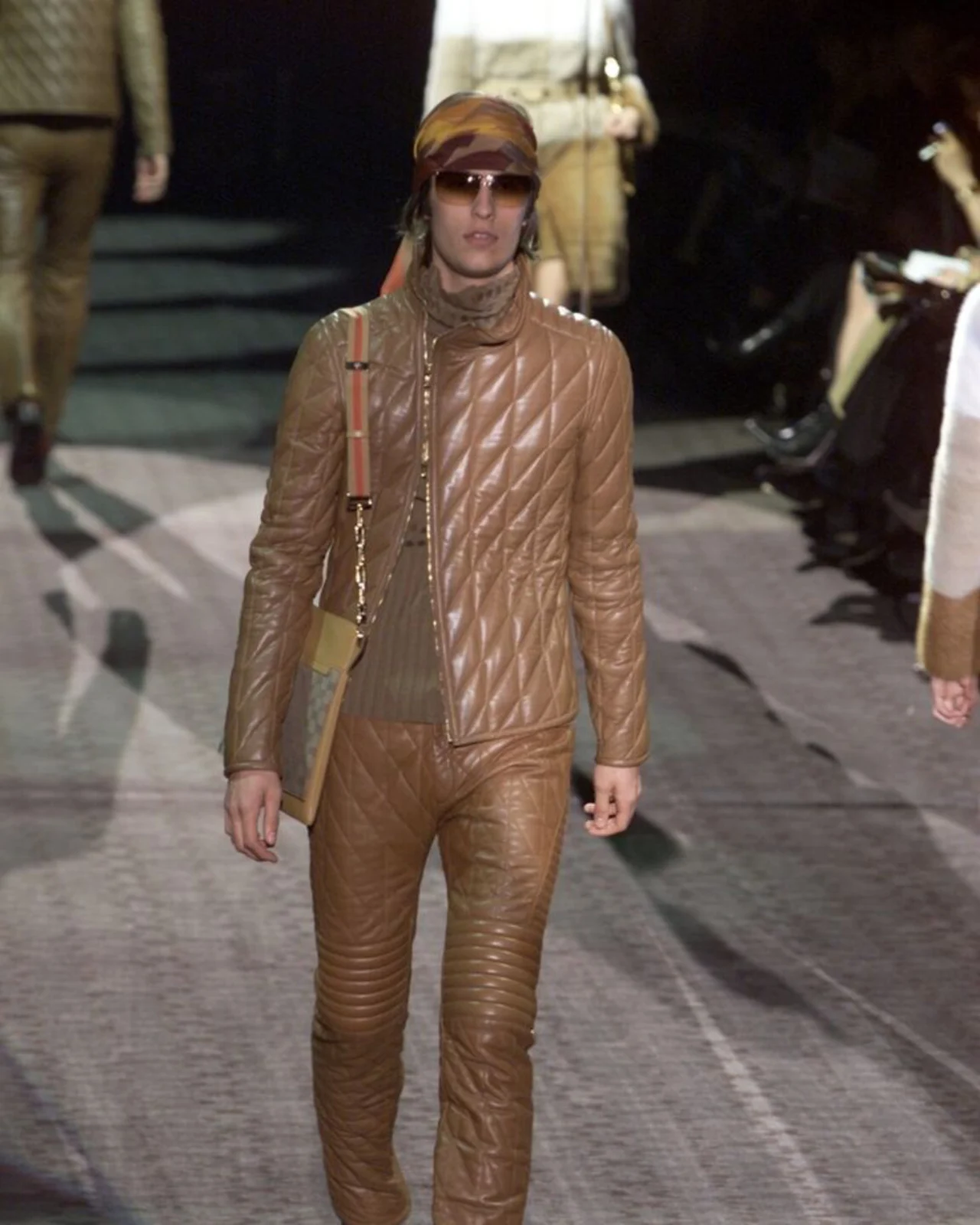
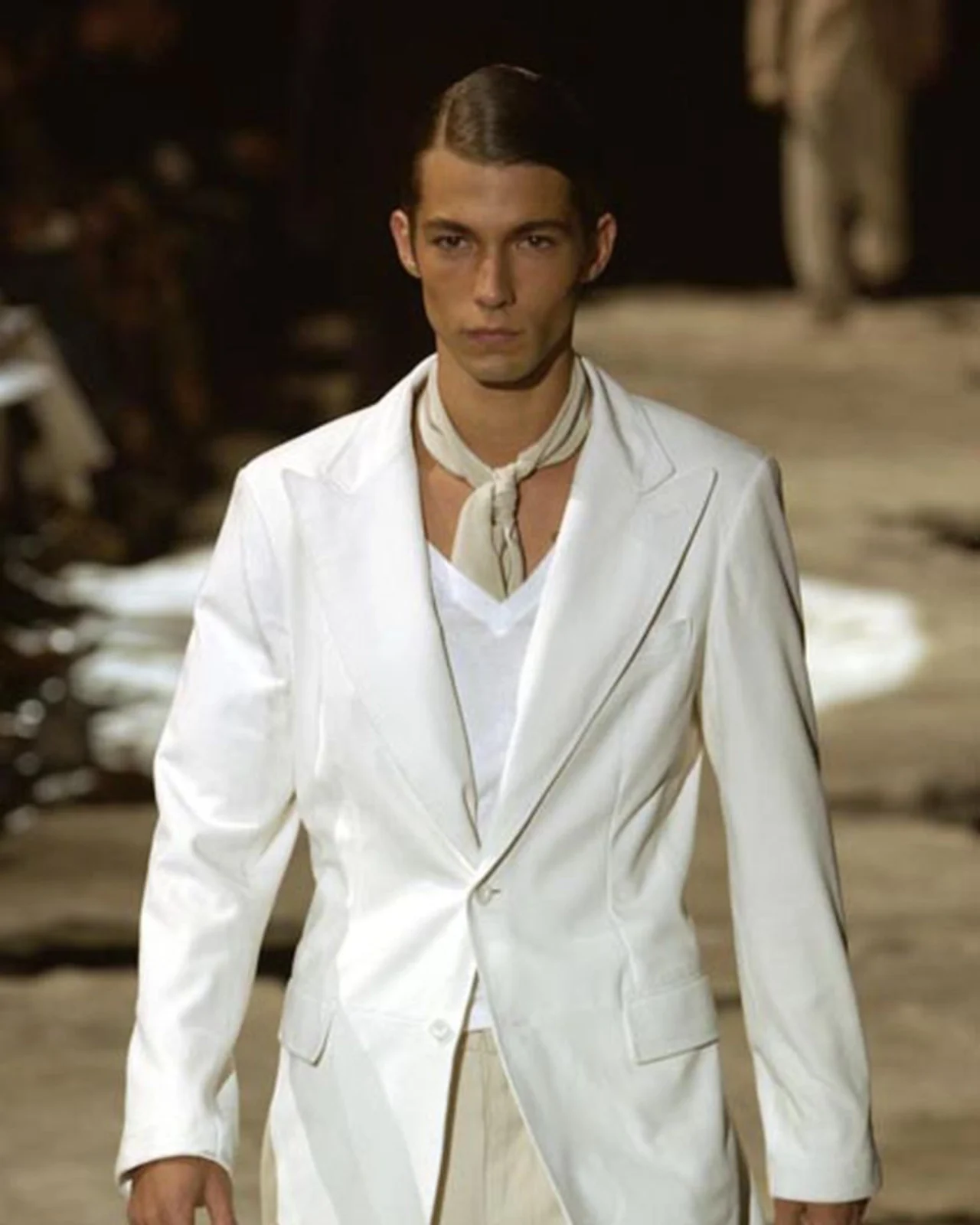
Even as Gucci experimented with new directions, the Ford decade became the standard against which all collections would be measured. Tailoring, fabrics, and the boldness of sensuality all trace back to his era.
Ford’s Gucci also inaugurated the era of the star designer, the creative director whose influence transcends runway shows and seasonal trends to define a brand’s identity. He showed that fashion could be aspirational, theatrical, and commercially irresistible simultaneously.
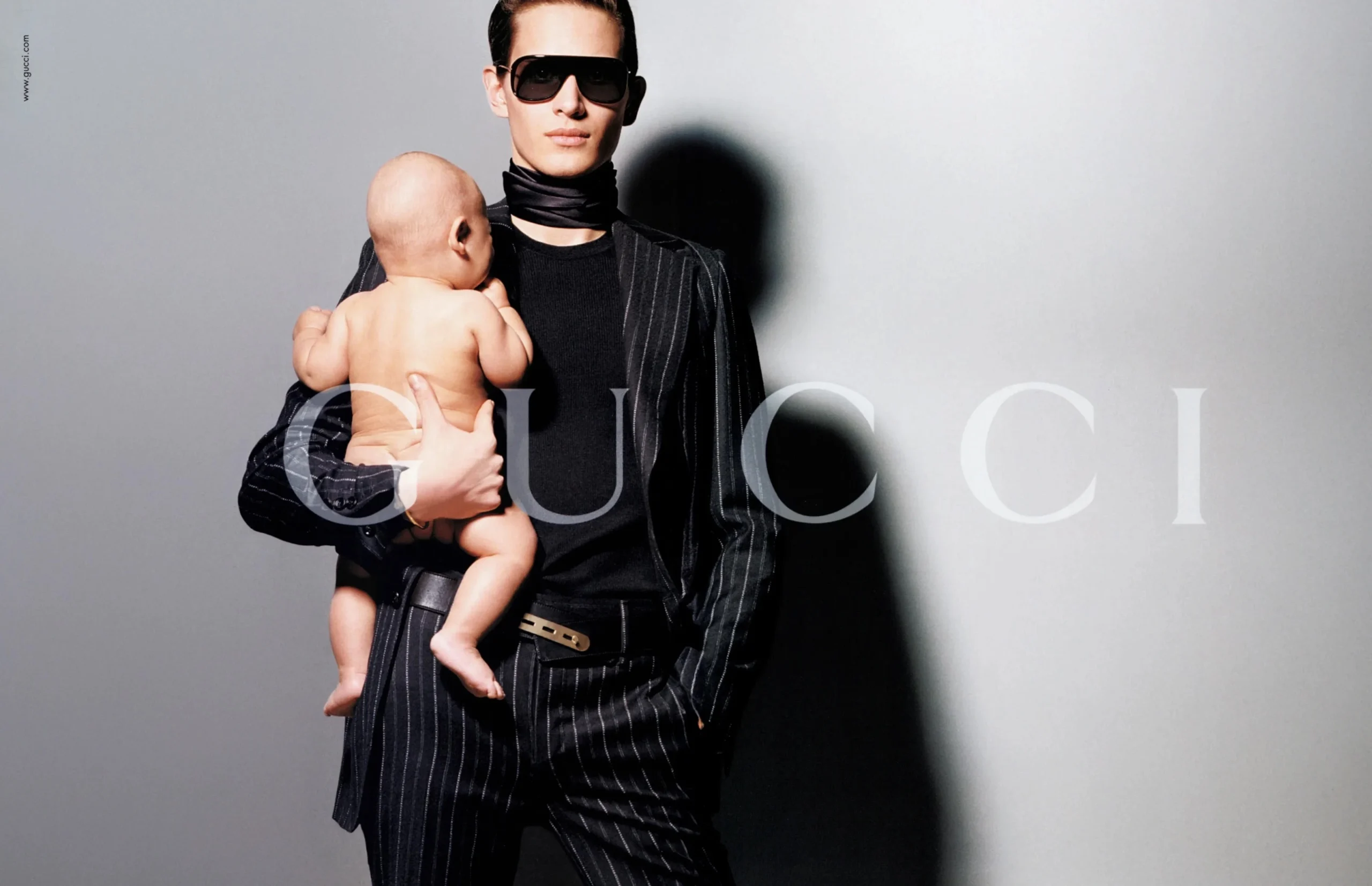
His influence extends to Hedi Slimane, Riccardo Tisci, Anthony Vaccarello, and Demna, each drawing from his audacious and cinematic approach to tailoring and silhouette.
A revolution that continues to dress power
In retrospect, Ford’s work at Gucci was a paradigm shift in modern fashion. Sharp tailoring, bold sensuality, and branding created a template that continues to resonate through fashion houses and street style alike.
As Demna’s current Gucci collection demonstrates, that inspiration has not diminished. Tom Ford’s Gucci was a fashion revolution that continues to define what it means to dress a man with power and presence.