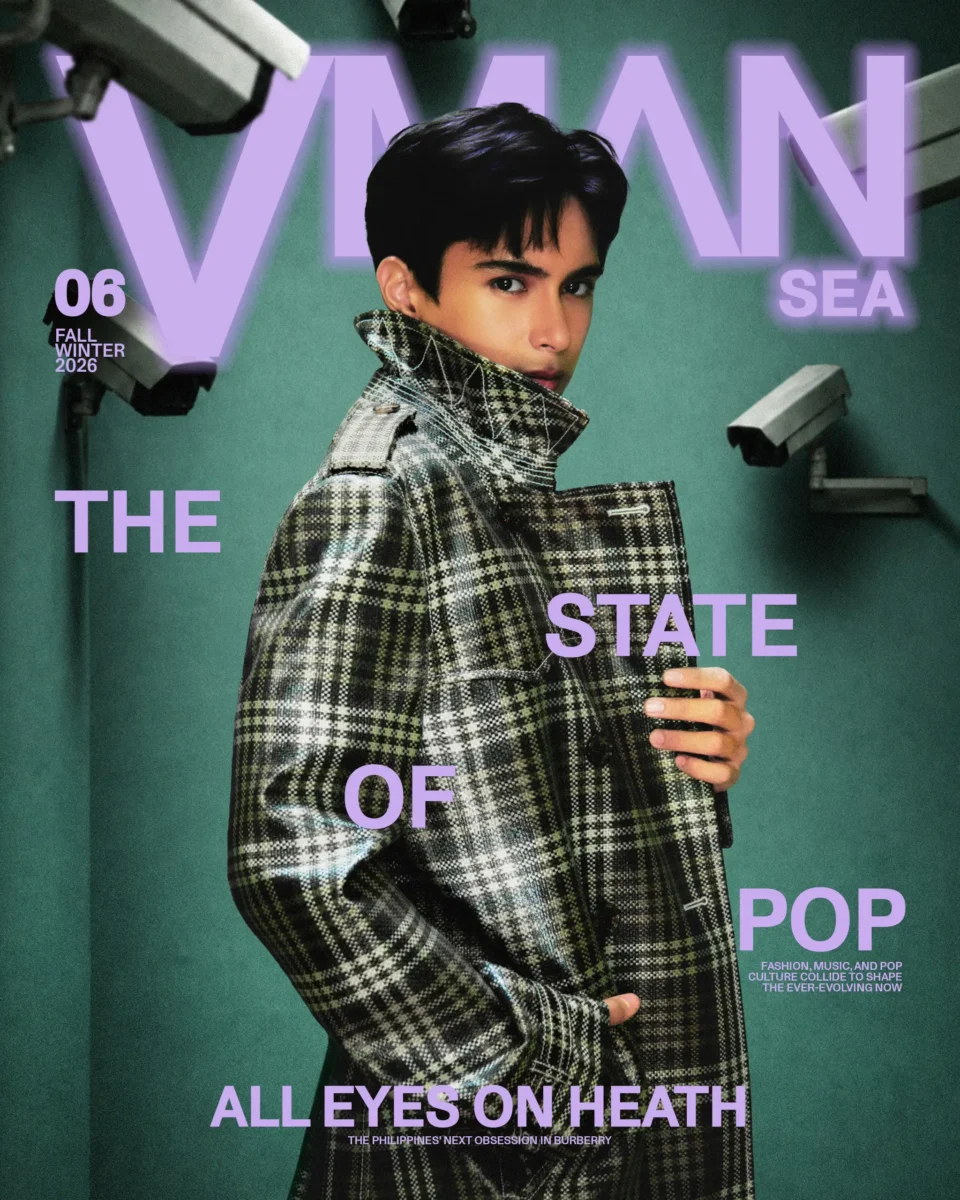
How Football and the 2026 World Cup Will Redefine Global Style
2026 marks another year for the World Cup, but it also arrives at a moment when football culture intersects more closely than ever with streetwear and fashion




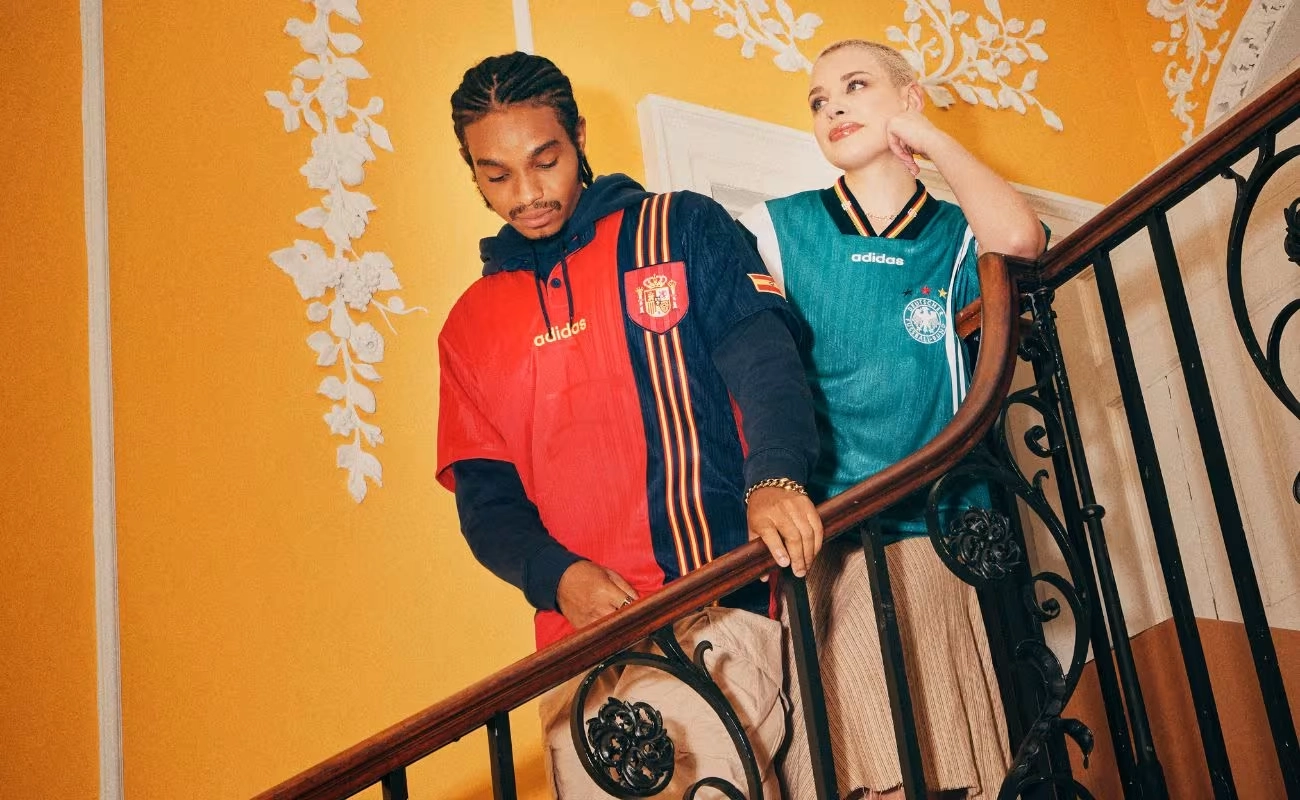
As the countdown to the 2026 FIFA World Cup in North America intensifies, the intersection of football and fashionFashionThe art and industry of designing, producing, and styling clothing, footwear, accessories, and beauty trends. It reflects cultural influences, personal expression, and evolving styles across seasons and markets.Go to Fashion Glossary has reached a fever pitch.
What began as a niche social media aesthetic in late 2021, known as blokecore, has matured into a dominant global style language, blurring the lines between the stadium terrace and the world’s most renowned ateliers.
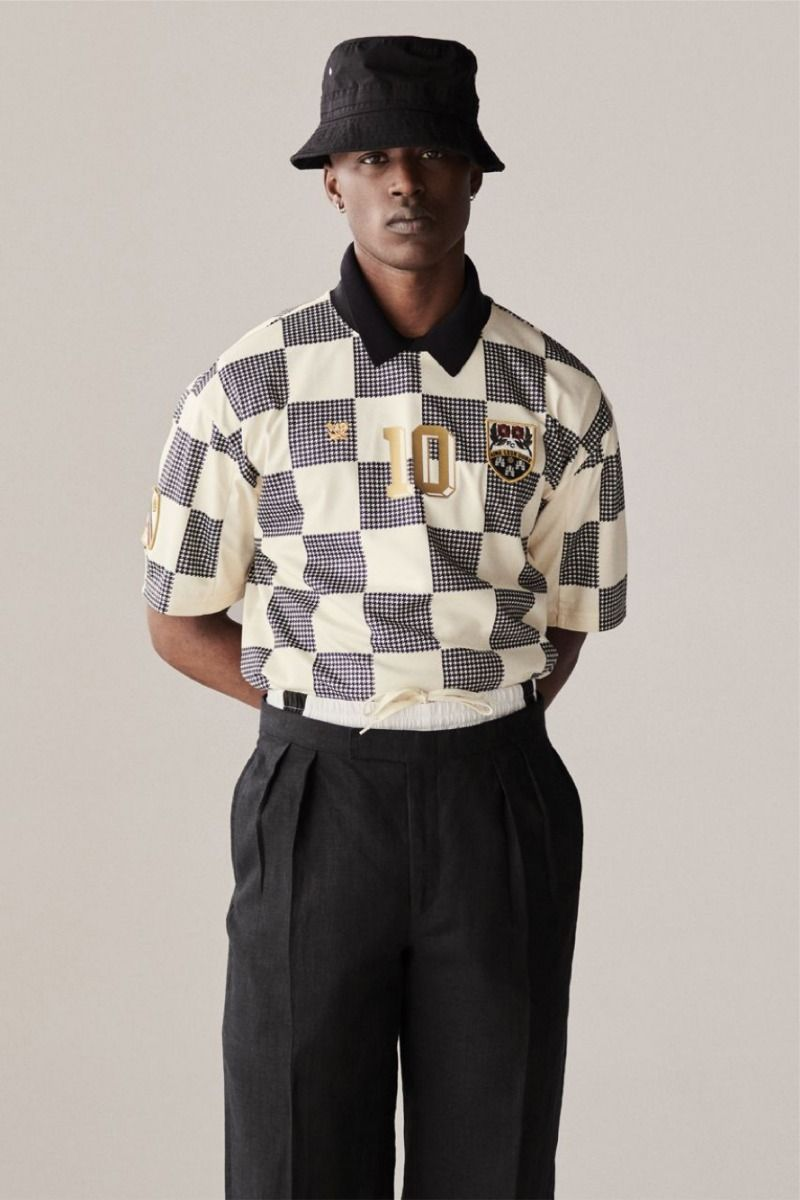
The evolution of blokecore
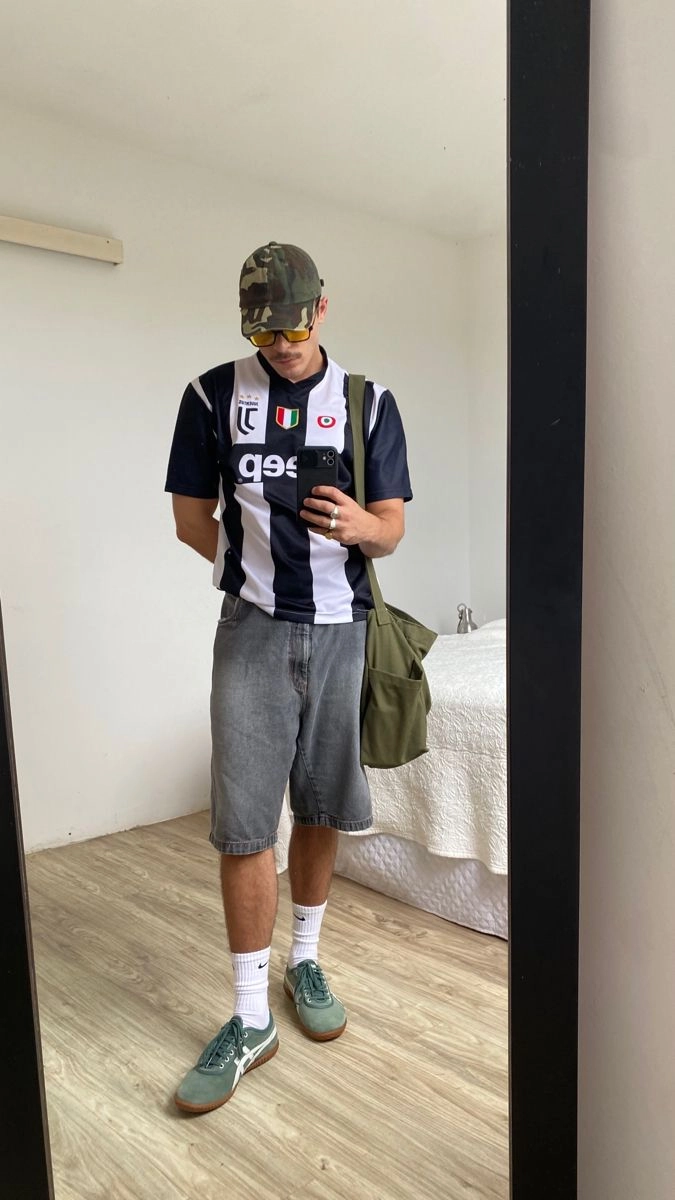
Originally coined to describe the look of a typical British “bloke”—vintage football jerseys, straight-leg jeans, and retro sneakers—blokecore has undergone a high-stakes elevation ahead of the 2026 tournament.
No longer just about thrifting ‘90s relics, the trend now emphasizes sporty silhouettes, including oversized jerseys styled with sharp tailoring, rugby-style collars, and technical fabrics.
In 2026, the football shirt is the new blazerBlazerA tailored jacket that is less formal than a suit coat and often worn with contrasting trousers, in single- or double-breasted styles. The blazer is a versatile wardrobe cornerstone, movingGo to Blazer Glossary. Jerseys are layered under trench coats or paired with silk scarves, shifting the aesthetic from casual fans to fashion audiences. This transition signifies a broader movement in which the terrace culture of the UK and Europe meets the high-energy streetwear of the tournament’s North American hosts.
The 2026 collabs fueling this phenomenon
This year’s World Cup has inspired a wave of drop culture collaborations that treat the football kit as collectible design.
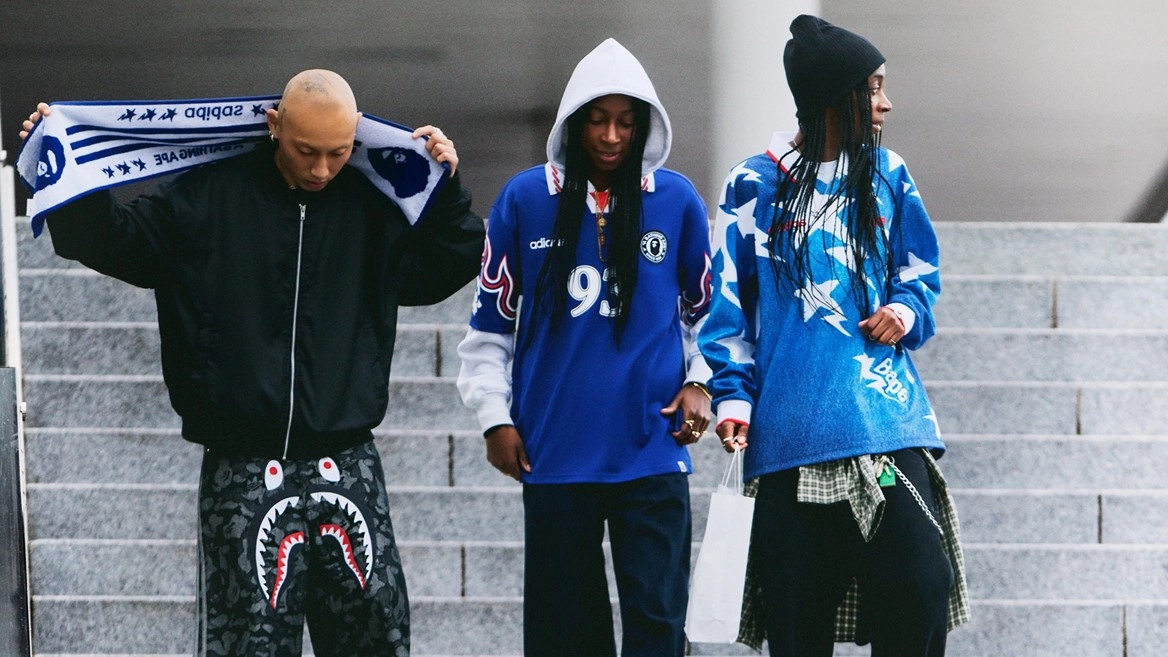
Adidas Originals partnered with BAPE, referencing the U.S. 1994 and Japan 1998 squads with jerseys featuring BAPE’s signature camo and flame graphics, creating a global blokecore look for collectors and hypebeasts.
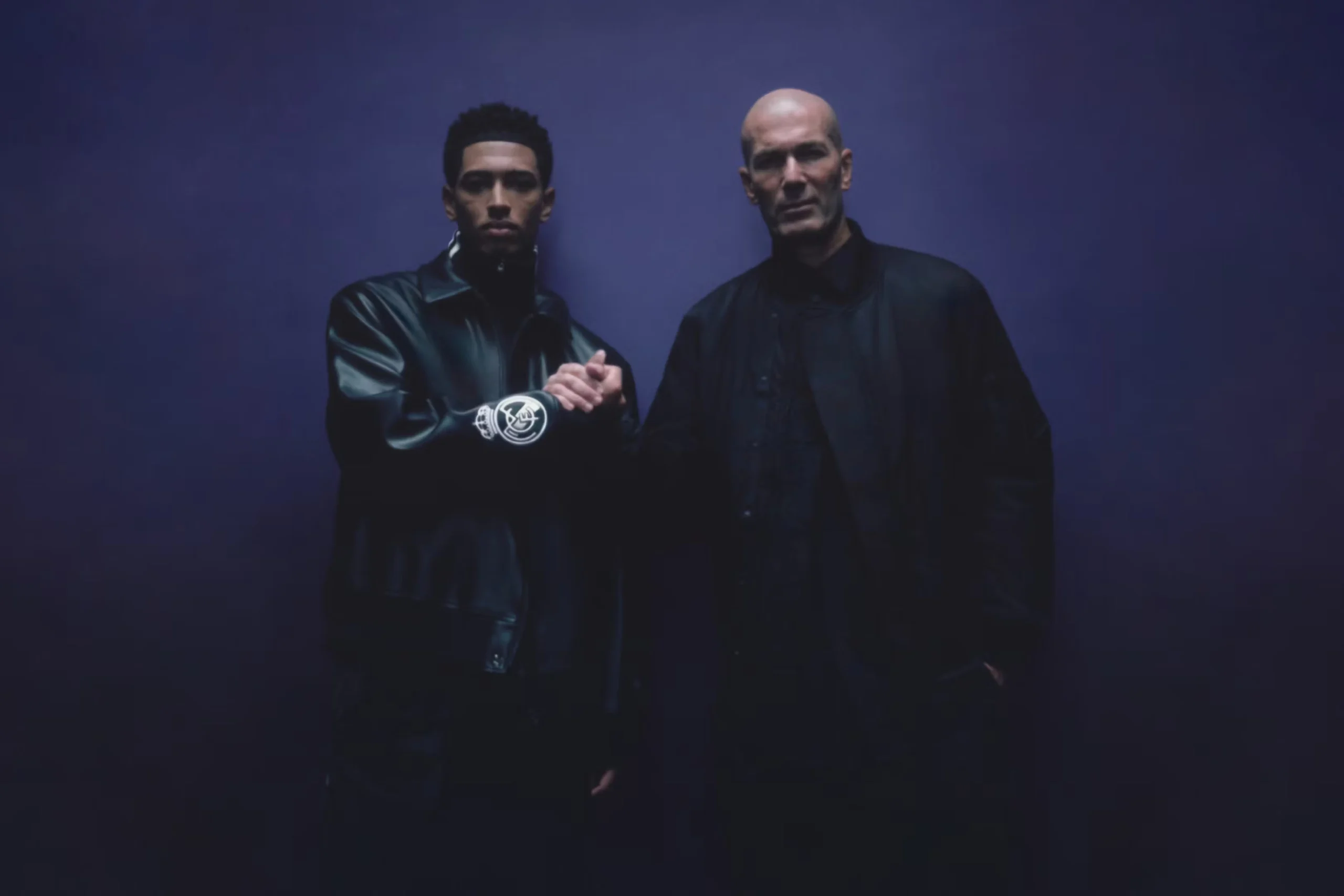
Complementing this, the Adidas Y-3 line tapped Jude Bellingham for a minimalist monochrome collection. The project uses sleek, avant-garde silhouettes to establish his growing status as a modern style icon.
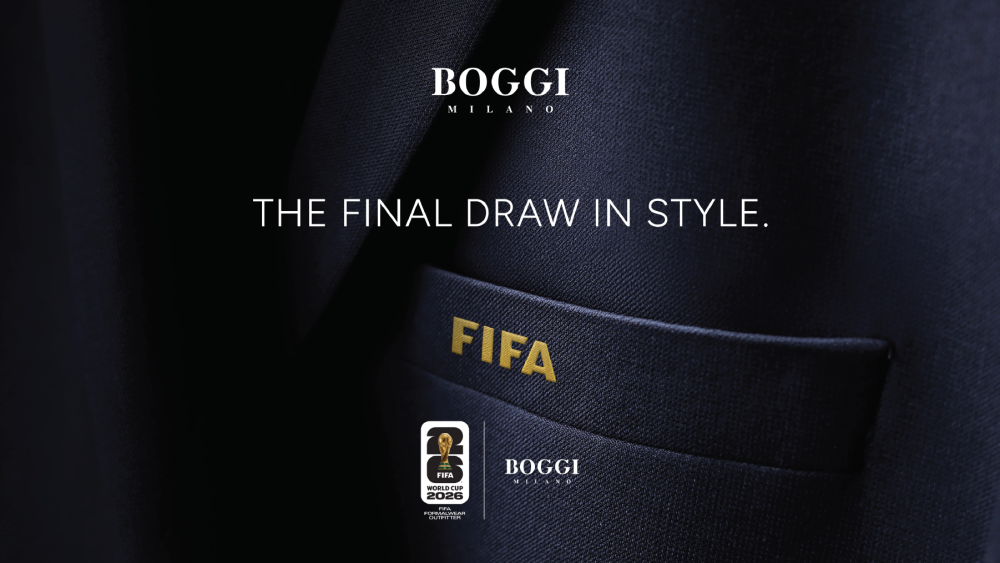
Italian tailoring house Boggi Milano serves as the official formalwear outfitter for the FIFA workforce during the tournament, supplying sport-sophisticated collections that combine classic elegance with athletic practicality.
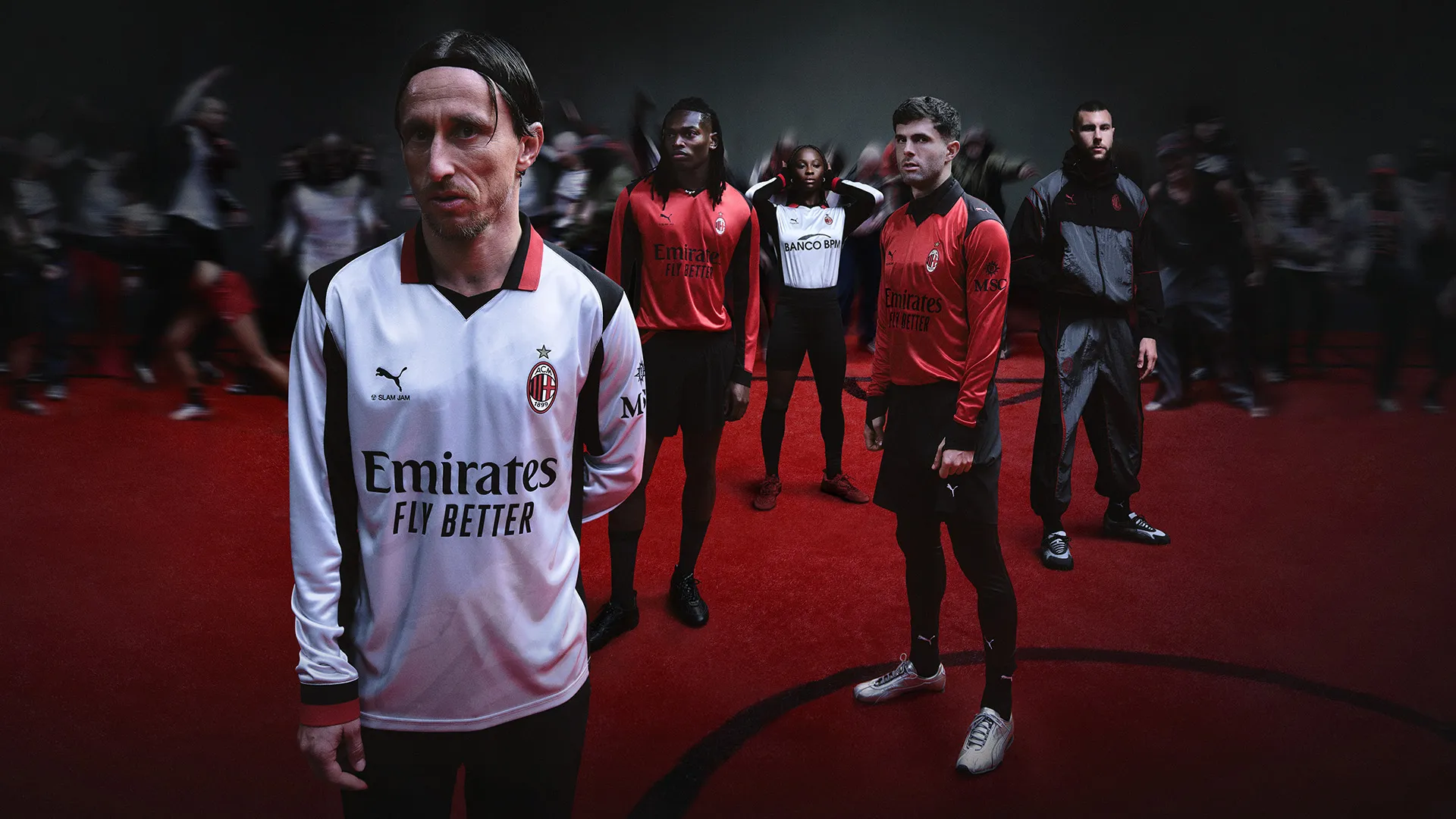
In contrast, Puma and Slam Jam collaborated on a punk-inspired industrial “Benvenuti all’Inferno” fourth kit for AC Milan, using glossy metallic fabrics to push the jersey into an underground club aesthetic far beyond typical match-day attire.
Why it feels different this year
The 2026 United States, Canada, and Mexico tournament has turned stadium style into a cultural commodity that moves beyond simple team allegiance.
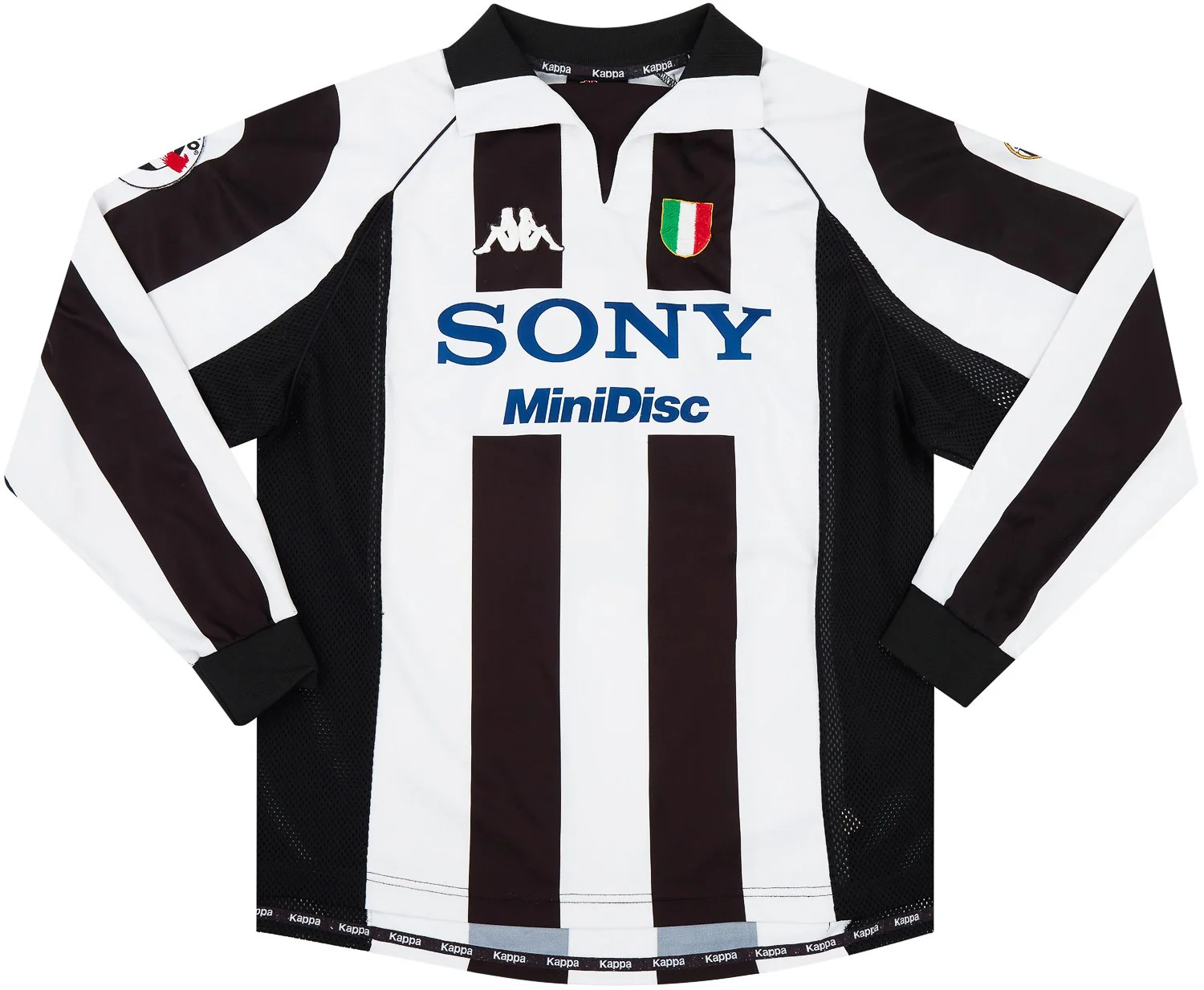
Nostalgia has become a luxury proposition, exemplified by brands like Juventus, which continues to revisit the visual codes of ’90s Serie A with wide, long-sleeved retro-tech kits.
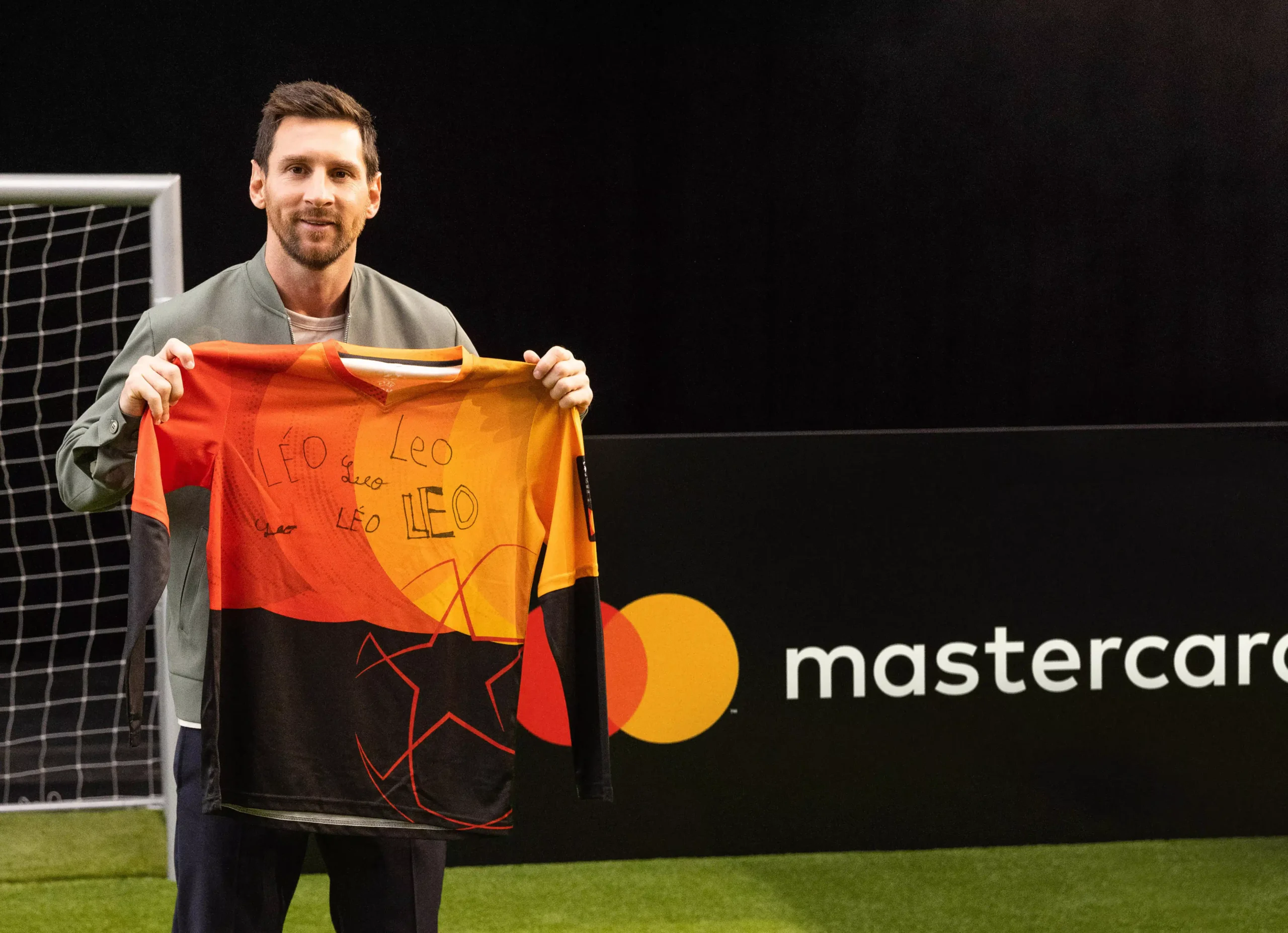
Athletes are also beginning to act as creative collaborators rather than simply campaign faces. Stars such as Jude and Lionel Messi increasingly participate in curated capsule projects, including initiatives like the Mastercard x Guillermo Andrade jersey swap, signaling a shift toward athlete-led creative influence.
Frequently Asked Questions
Blokecore originated around 2021 as a style defined by vintage football jerseys, straight-leg jeans, and retro sneakers. By 2026 it has matured into a broader global aesthetic — oversized jerseys layered under trench coats, rugby collars, and technical fabrics — moving from casual fan wear into the vocabulary of high fashion and menswear.
Notable 2026 World Cup fashion collaborations include Adidas Originals x BAPE, referencing the U.S. 1994 and Japan 1998 squads; Adidas Y-3 x Jude Bellingham, a minimalist monochrome collection; Boggi Milano as official formalwear outfitter for the FIFA workforce; and Puma x Slam Jam’s punk-industrial fourth kit for AC Milan.
The 2026 tournament has accelerated football’s crossover into menswear, with the football shirt functioning as a versatile wardrobe anchor — paired with tailoring, silk scarves, and luxury outerwear. Stadium terrace culture from the UK and Europe is merging with North American streetwear energy, turning the football kit into a collectible design object.
The Adidas Y-3 x Jude Bellingham collection is a minimalist monochrome capsule using avant-garde silhouettes that position the England footballer as a credible style figure beyond the pitch. It forms part of a broader shift in which elite athletes participate as creative collaborators rather than serving solely as campaign ambassadors.
The football jersey’s elevation to fashion status reflects a convergence of nostalgia, drop culture, and athlete-led creative influence. Brands are treating kits as collectible design objects, luxury houses are referencing terrace aesthetics, and athletes like Jude Bellingham and Lionel Messi are shaping capsule projects — making the jersey as culturally significant as any seasonal garment.
Recommended Video