LAWRENBERT HINGPIT OF LWRNBRT BELIEVES FASHION IS MORE THAN WHAT YOU WEAR
The future of Filipino fashion may not start with trends, but with one designer asking better questions




- Lawrenbert Hingpit built LWRNBRT around philosophy before fashion, prioritizing craftsmanship and technical design over trends.
- Drawing from experiences in the Philippines, Japan, Italy, and Belgium, the Filipino designer combines global influences into a multidisciplinary brand.
- Beyond clothing, he envisions LWRNBRT as a platform that champions Filipino creatives, expands access to opportunity, and reshapes how fashion is understood both locally and internationally.
Redefining fashion through philosophy and rebellion
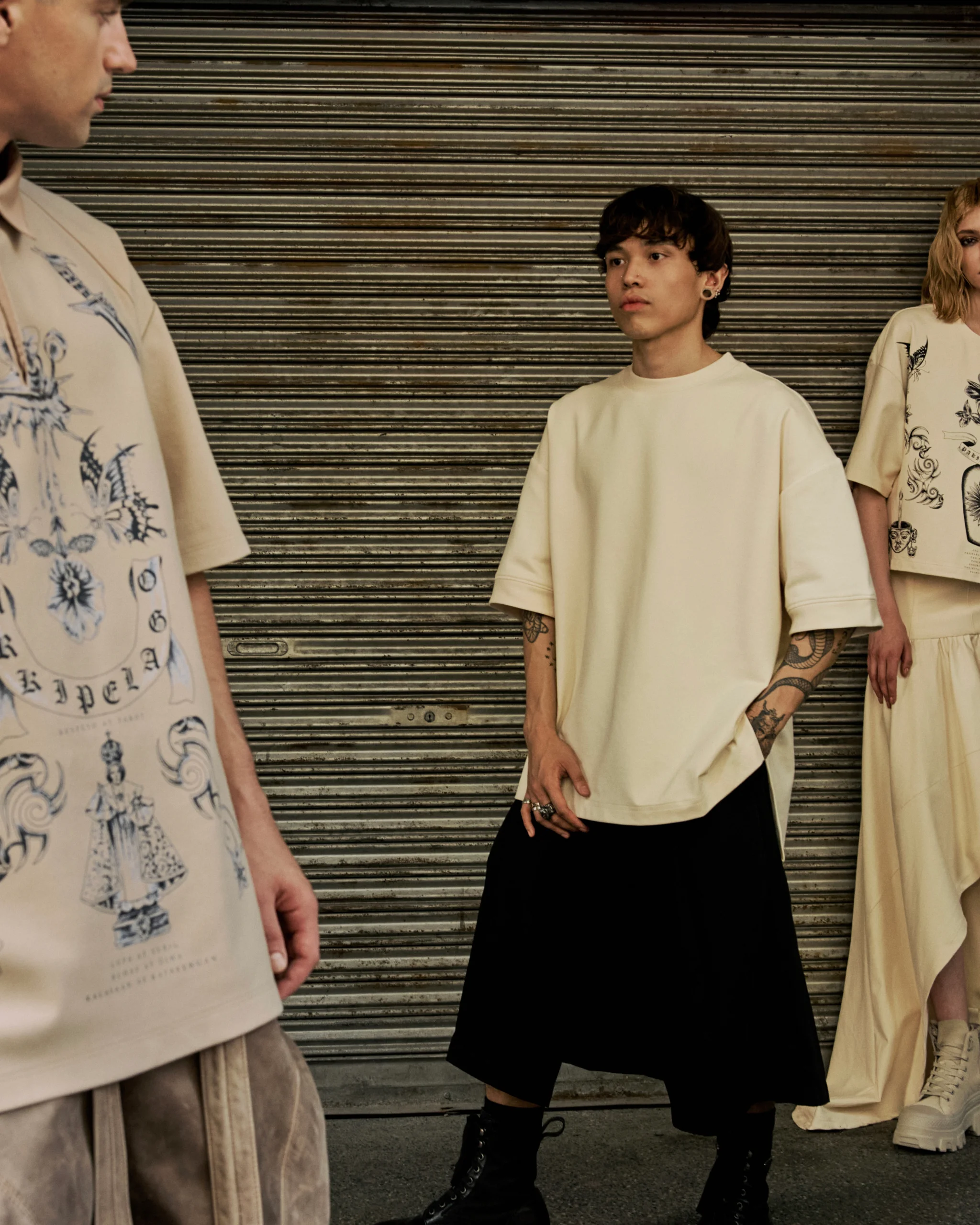
LWRNBRT has never been interested in competing for the loudest voice in the room. While much of fashion chases visibility, the Filipino-Italian label is preoccupied with something far less obvious: the cut of a pattern and the philosophy stitched into every seam.
For founder Lawrenbert Hingpit, the real statement is what a garment continues to reveal long after the novelty wears off.
His label is built on craftsmanship and the belief that rebellion is a perspective. LWRNBRT’s defining mantra, “Rebellion is within,” challenges us to rethink how fashionFashionThe art and industry of designing, producing, and styling clothing, footwear, accessories, and beauty trends. It reflects cultural influences, personal expression, and evolving styles across seasons and markets.Go to Fashion Glossary is conceived in the first place.
“We didn’t start with aesthetics,” Lawrenbert says. “We started with philosophy.”
ALSO READ: The Global Forces That Shape Filipino-Italian Label LWRNBRT
Why LWRNBRT started with ideas instead of clothes
You might think that sounds unusual for a fashionFashionThe art and industry of designing, producing, and styling clothing, footwear, accessories, and beauty trends. It reflects cultural influences, personal expression, and evolving styles across seasons and markets.Go to Fashion Glossary brand, but it explains nearly everything about LWRNBRT. Before discussing collections or even products, Lawrenbert and his original co-founder established the brand’s mission, vision, values, and house codes. The clothes came afterward.
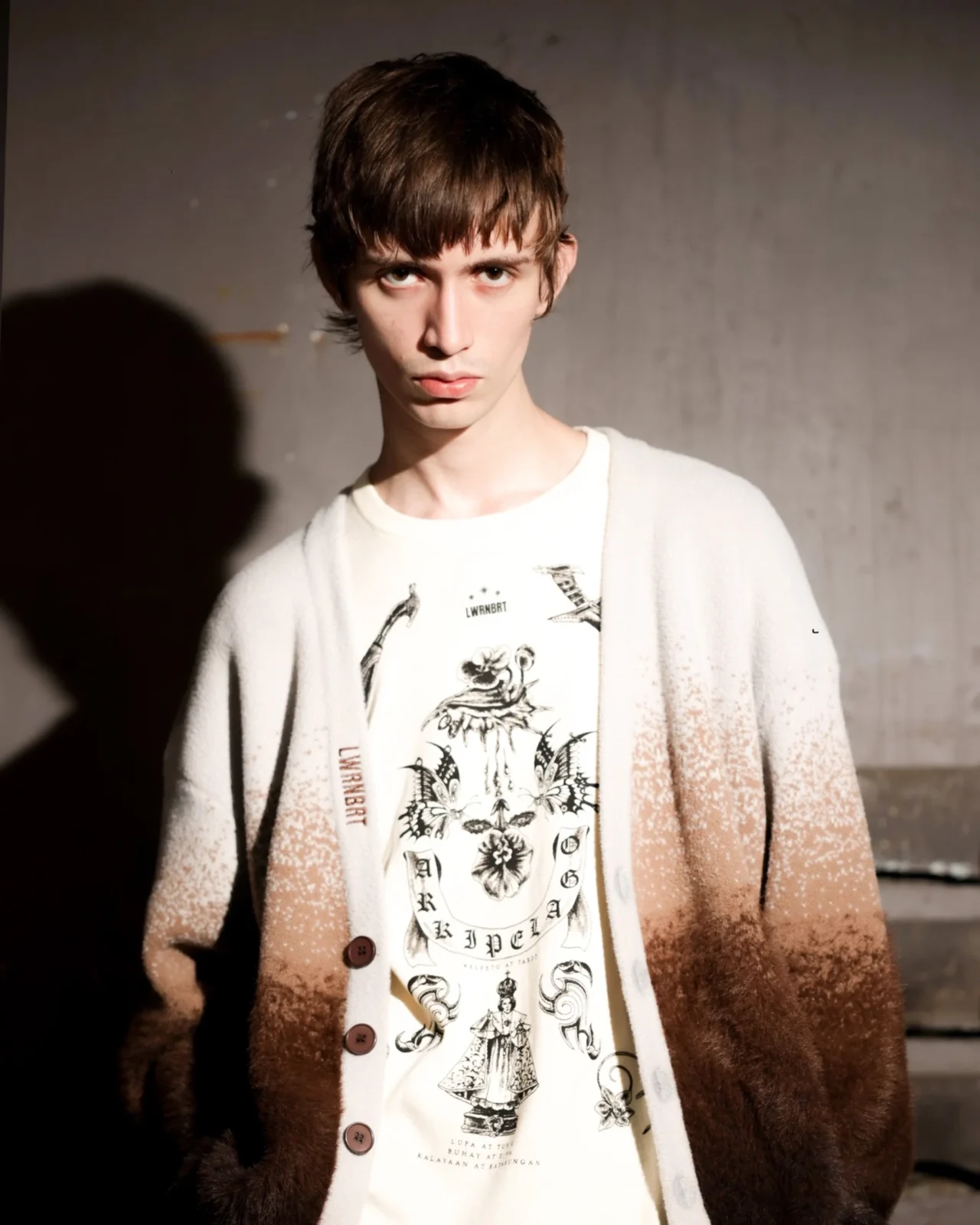
For him, that philosophy has been shaped by a life lived between cultures. Born in the Philippines, he spent much of his childhood in Japan, where music, theater, fine arts, and writing became part of his everyday life.
Fashion eventually emerged as the discipline capable of bringing all of those interests together. He later studied at Bunka Gakuen University in Tokyo before continuing his education at Polimoda in Florence, then built a career across ateliers in Italy and Belgium as a pattern-maker, CAD specialist, technical designer, and product developer before returning home.
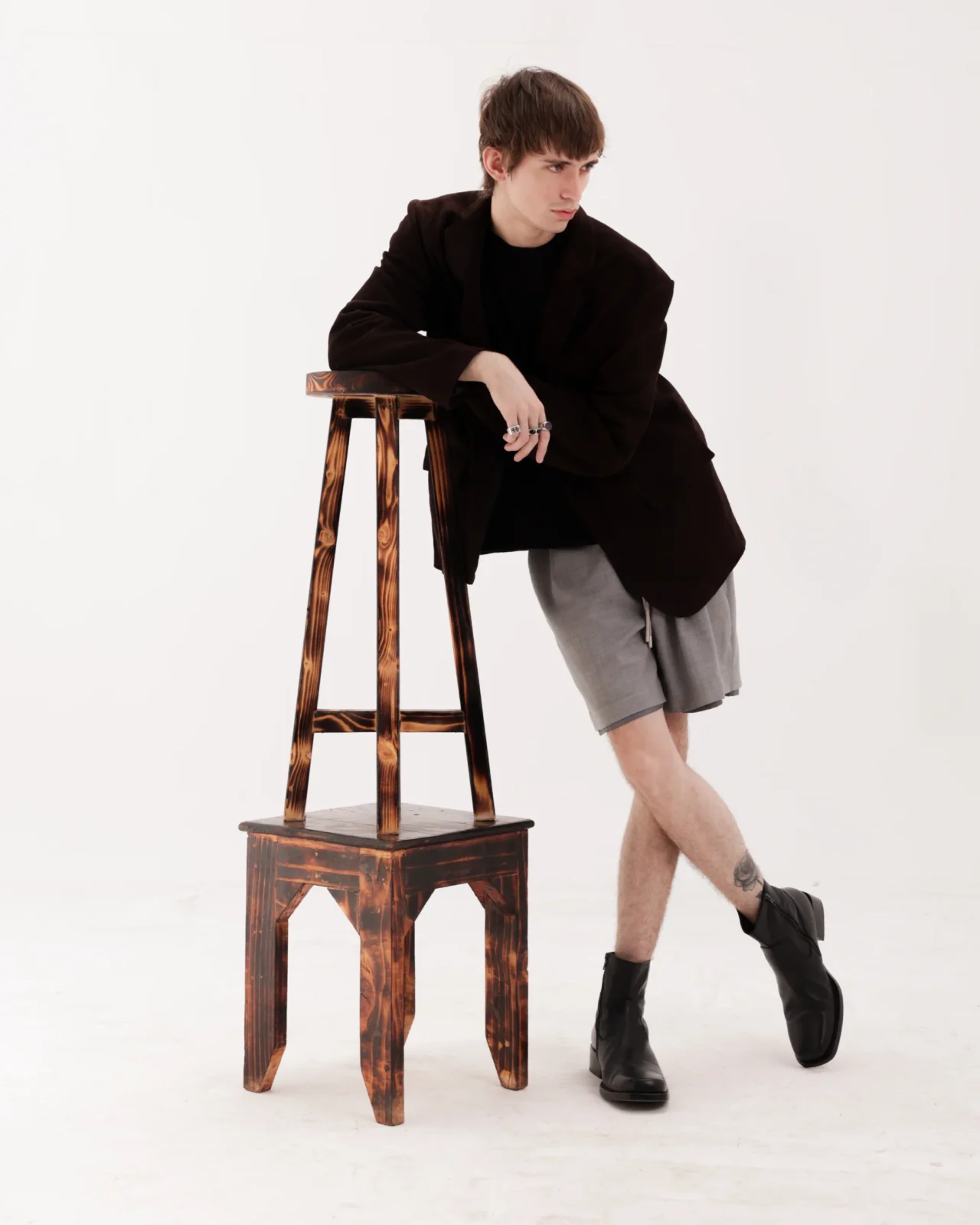
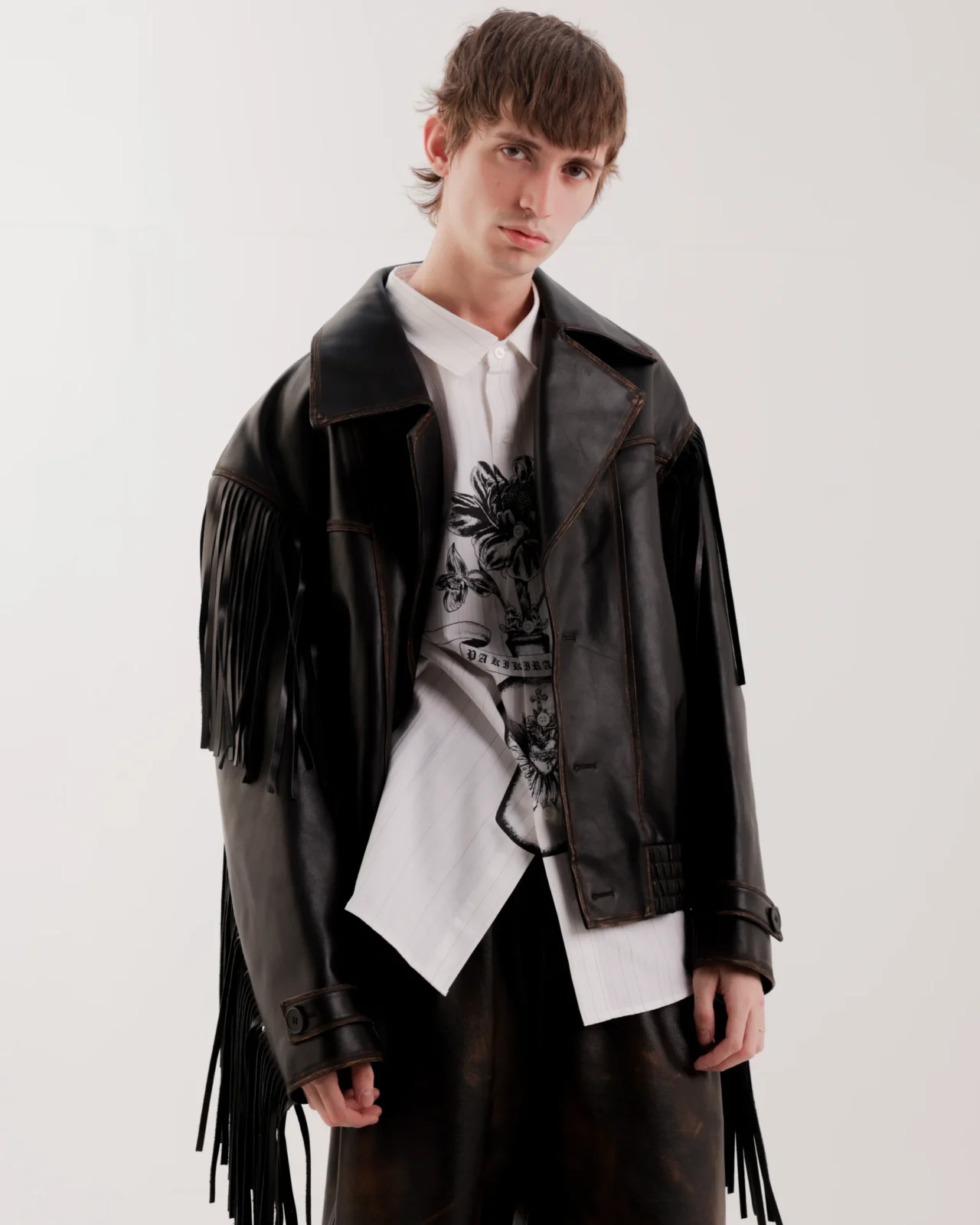
Each country left its mark. Japan taught him discipline; Italy instilled in him an appreciation for craftsmanship; Belgium introduced a conceptual approach to fashionFashionThe art and industry of designing, producing, and styling clothing, footwear, accessories, and beauty trends. It reflects cultural influences, personal expression, and evolving styles across seasons and markets.Go to Fashion Glossary, where garments function as ideas as much as objects; and the Philippines, meanwhile, remained the constant thread running through all of it.
“I don’t see operating across cultures as diluting my Filipino identity. Being Filipino is not something left behind. It is present in how I interpret and carry all of these influences through the work.”
What does ‘rebellion is within’ actually mean?
This ultimately shaped the origins of LWRNBRT. He often found himself existing between categories while moving across countries, while his original co-founder questioned the expectations placed on women and the lives they were expected to lead.
Today, Lawrenbert continues shaping the brand with his partner and co-founder, Simone Galli, whose background in Italy’s rock music scene and hospitality industry brings another dimension to the label’s evolving identity.
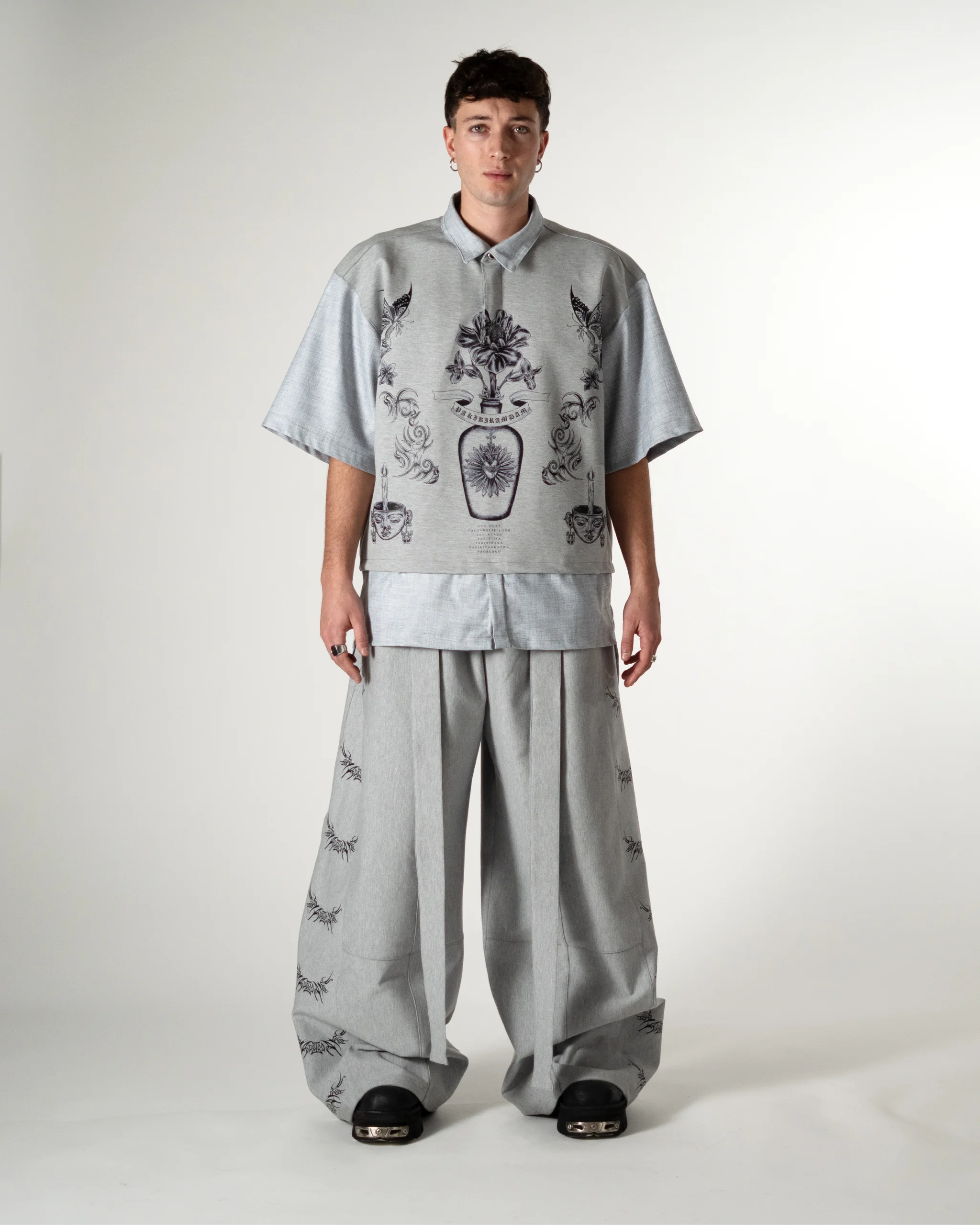
Although LWRNBRT is a fragmented version of his own, he intentionally avoided creating an eponymous label. From the beginning, he wanted the brand to feel larger than any single designer, something capable of evolving through collaboration rather than personality.
“I’ve never been interested in single authorship or hierarchy. I wanted to create something that could eventually belong to a wider community.”
The LWRNBRT design philosophy
It also explains why Lawrenbert spends remarkably little time talking about trends. Ask him about design, and the conversation quickly shifts toward pattern-making and technical development. The details most consumers never notice are the ones that matter most to him.
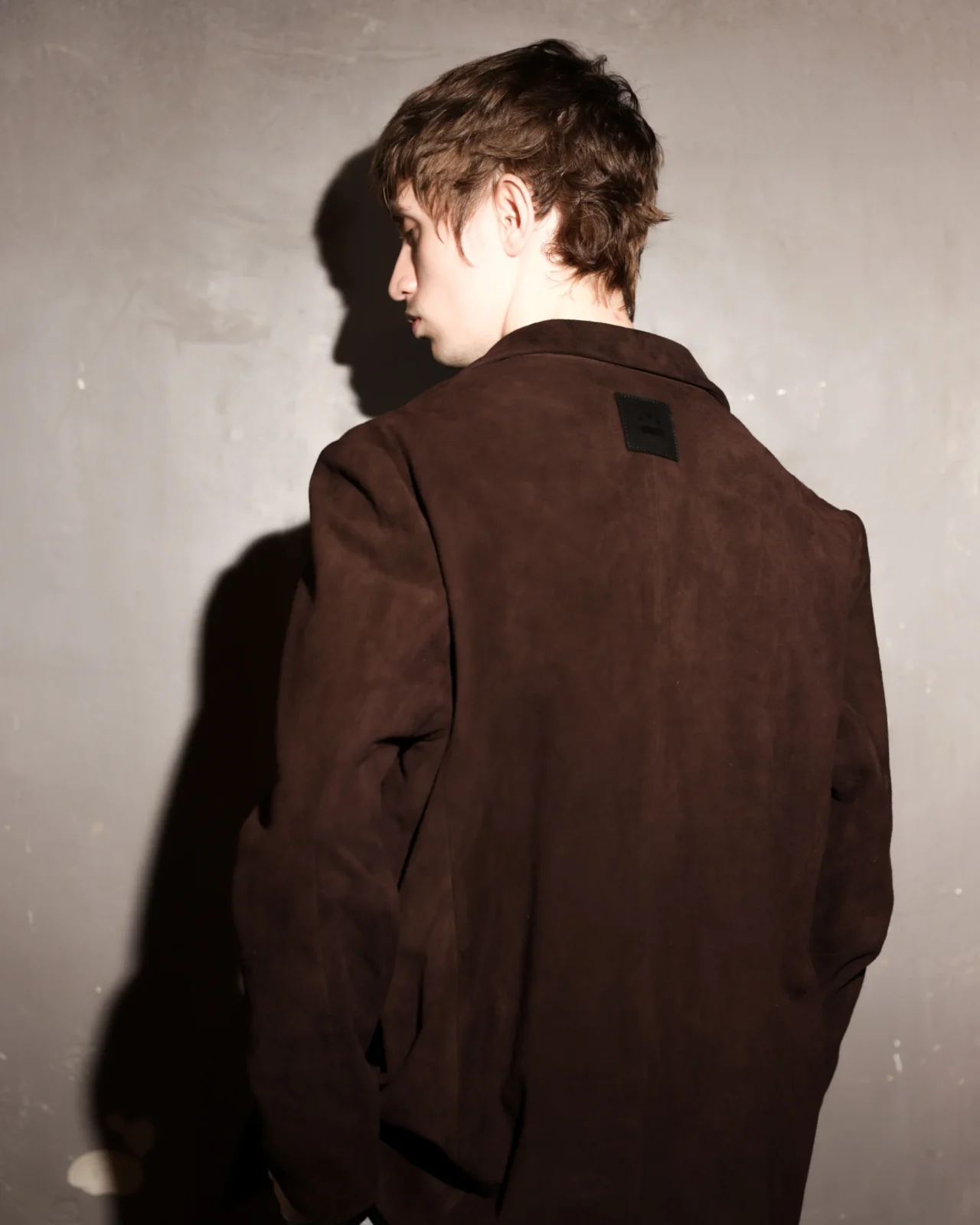
“The meaning of a garment often exists in how it is made rather than what is immediately visible,” he explains.
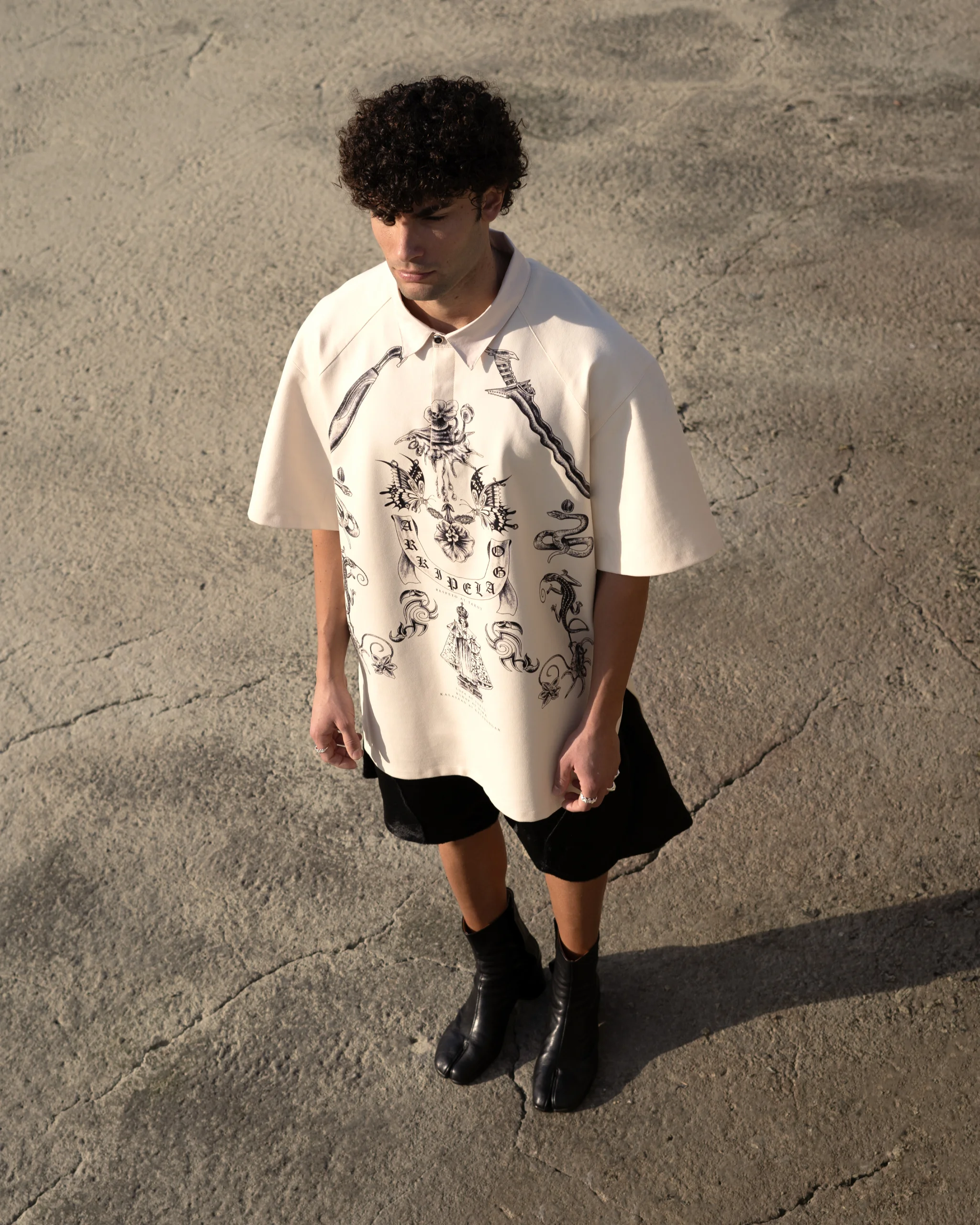
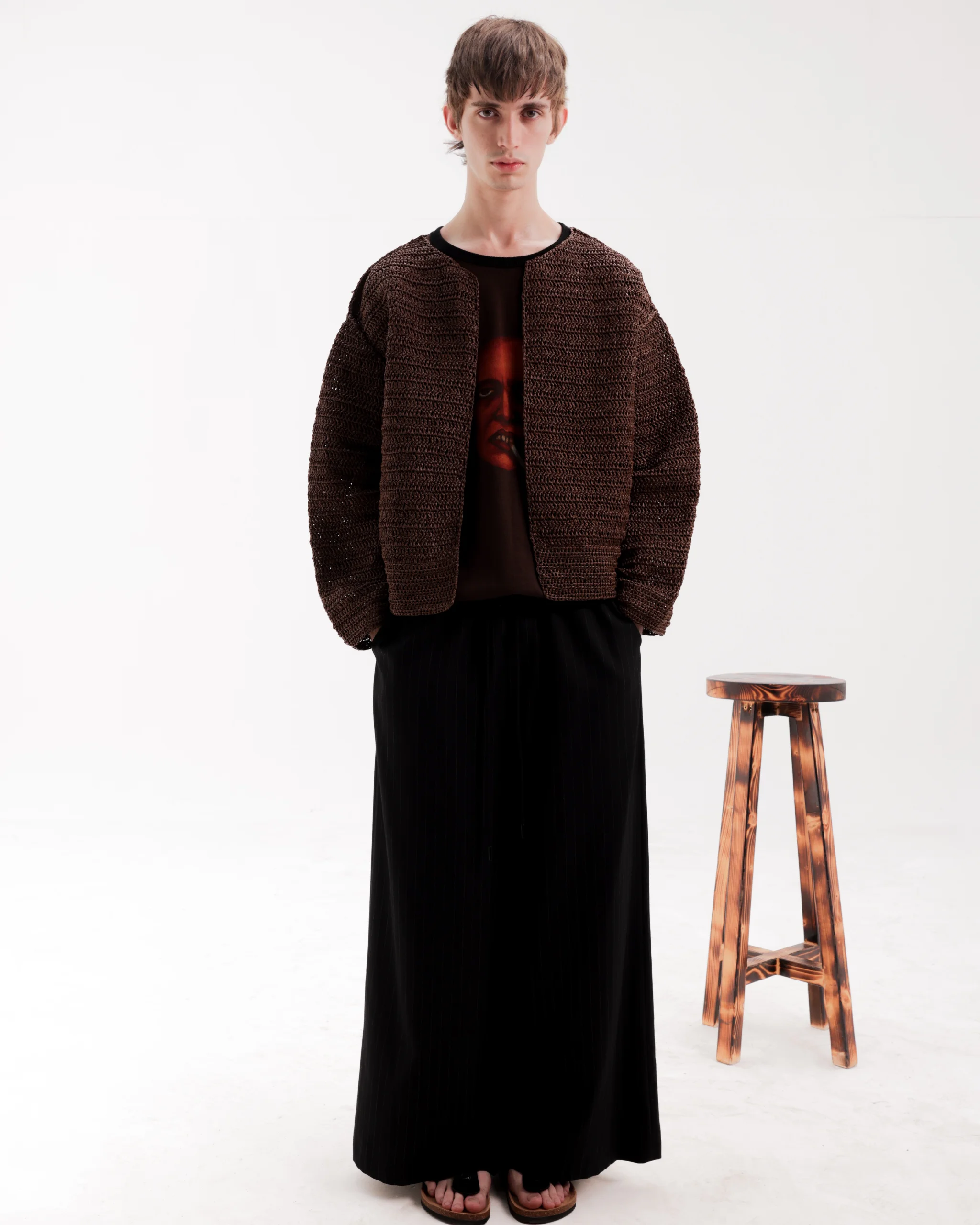
When you look at the brand, you see tailoring collide with streetwear, couture meet punk sensibilities, and classical craftsmanship exist alongside an instinct to question your surroundings. The rebellion in their mantra lives in the decisions hidden beneath the surface.
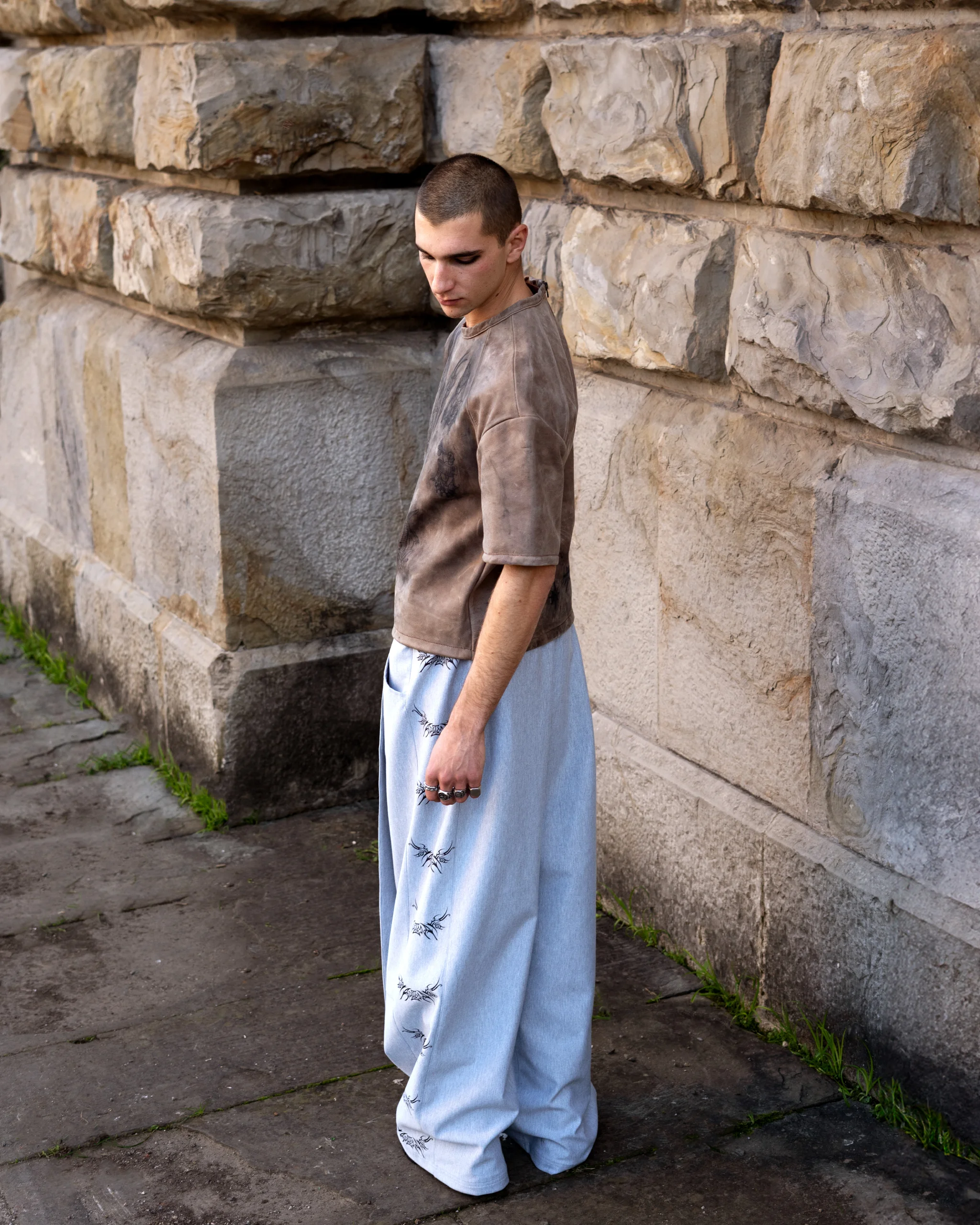
It’s a fitting portrayal of Lawrenbert himself. For years, he hesitated to launch his own label, preferring to remain behind the scenes. He worried that both his work and his perspective would be misunderstood. Eventually, he realized that discomfort could become part of the brand’s identity.
Instead of designing for immediate recognition, LWRNBRT embraces what he calls “the overlooked, the strange, and the not immediately legible.”
Can Filipino fashion compete on the global stage?
His ambitions, however, stretch well beyond clothing. Returning to the Philippines after years abroad exposed him to artisans and seamstresses with extraordinary technical skill but limited access to opportunities.
“I’ve always believed that education is not the main problem in the Philippines—opportunity is.”
For Lawrenbert, his eponymous label is ultimately intended to evolve into a multidisciplinary platform that creates opportunities for designers, pattern-makers, garment technicians, and craftspeople whose work often remains invisible despite being essential to the industry.
He also hopes to reshape how fashionFashionThe art and industry of designing, producing, and styling clothing, footwear, accessories, and beauty trends. It reflects cultural influences, personal expression, and evolving styles across seasons and markets.Go to Fashion Glossary itself is understood. Too often, he argues, clothing is reduced to appearance instead of being recognized as a discipline rooted in cultural dialogue.
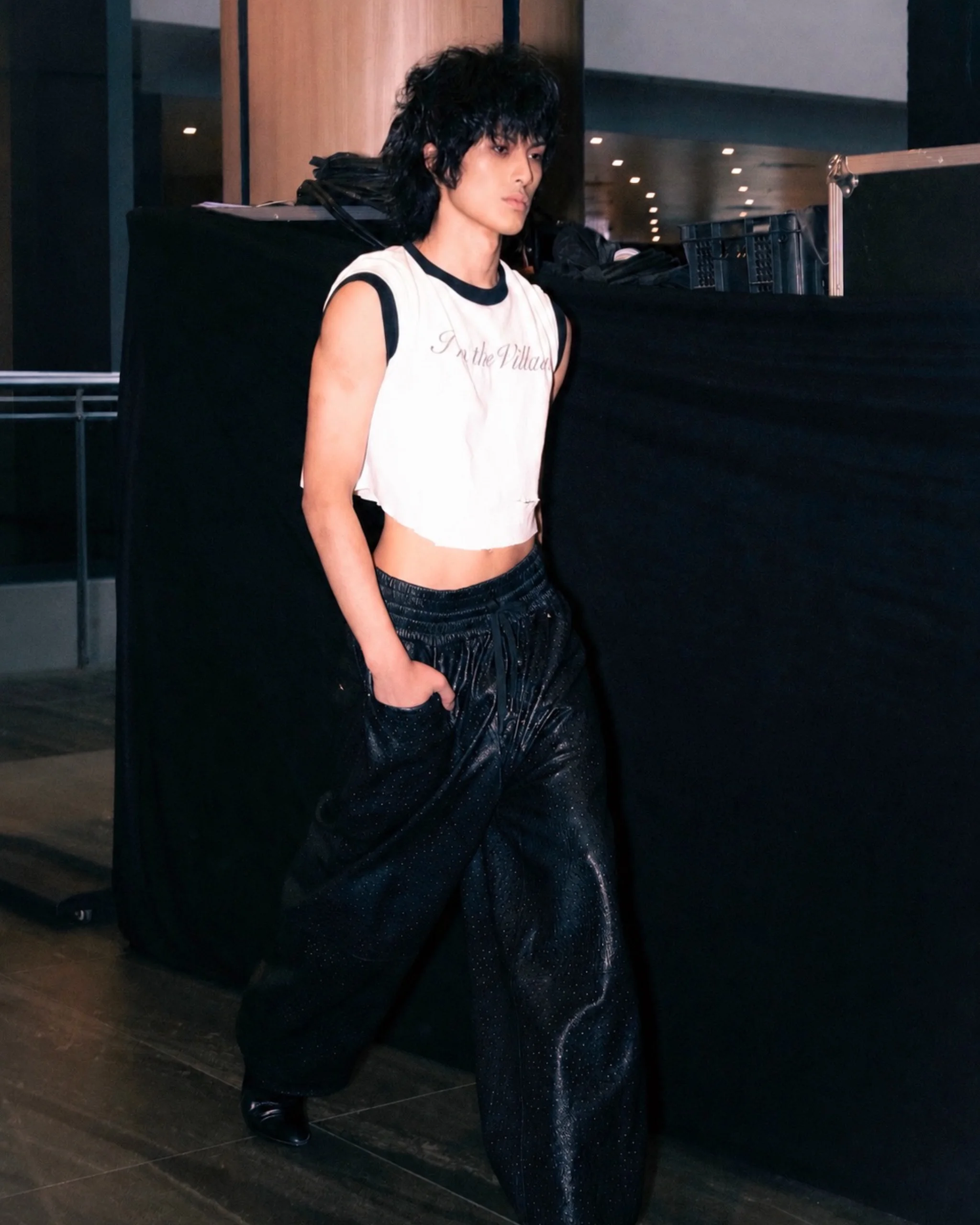
Building stronger respect for craftsmanship and creative rigor is, in his view, essential to strengthening Filipino fashionFashionThe art and industry of designing, producing, and styling clothing, footwear, accessories, and beauty trends. It reflects cultural influences, personal expression, and evolving styles across seasons and markets.Go to Fashion Glossary on the global stage.
Designers like Lawrenbert are making the case that the future of fashionFashionThe art and industry of designing, producing, and styling clothing, footwear, accessories, and beauty trends. It reflects cultural influences, personal expression, and evolving styles across seasons and markets.Go to Fashion Glossary may belong to those who build the strongest foundations. LWRNBRT doesn’t ask to be looked at once. It asks to be looked at twice, because the most interesting part was never on the surface to begin with.
Frequently Asked Questions
Lawrenbert Hingpit is a Filipino fashion designer and the founder of the Filipino-Italian label LWRNBRT. He studied fashion in Japan and Italy and has worked across Europe before returning to the Philippines to build a brand centered on craftsmanship and philosophy.
LWRNBRT is known for its technical approach to fashion. The brand combines influences from tailoring, streetwear, couture, music, and philosophy through a multidisciplinary creative vision.
“Rebellion is within” is LWRNBRT’s core philosophy. Rather than focusing on shock value or visual rebellion, it encourages questioning assumptions and valuing the unseen craftsmanship behind every garment.
Living and working in the Philippines, Japan, Italy, and Belgium has shaped his design philosophy. He combines Japanese precision, Italian craftsmanship, Belgian conceptual thinking, and his Filipino heritage to create garments that portray multiple cultural influences while staying rooted in his identity.
Lawrenbert aims to grow his brand into a global multidisciplinary platform that extends beyond fashion. He hopes to create more opportunities for designers and artisans, while promoting greater appreciation for craftsmanship and Filipino creativity on the international stage.
Photos courtesy Lawrenbert Hingpit

Recommended Video