Is It Finally Time for a Chanel Menswear Line?
Matthieu Blazy’s debut at Chanel this October could mark the house’s most radical shift in decades: the long-awaited possibility of a dedicated menswear line




Will Chanel launch a menswear line in 2025?
When Matthieu Blazy presents his first official runway show as Chanel’s new creative director this October in Paris, the industry will be watching for more than just clothes. It will be watching for men.
Chanel is the last of the great fashion houses to resist menswear. Dior has Dior Homme. Gucci, Burberry, and Valentino regularly stage mixed-gender runways. Even Miu Miu and Simone Rocha, once shorthand for unapologetically feminine fashion, have tested men in ruffles, bows, and sequins to great acclaim. Chanel, by contrast, has maintained an aura of exclusivity, its ready-to-wear conceived “for the girls,” as if men were welcome only as companions in the front row.
RELATED: 9 Things to Know About Matthieu Blazy, the New Creative Director of Chanel
But with Matthieu at the helm, that assumption feels newly unstable.
Chanel’s history with men at the runway
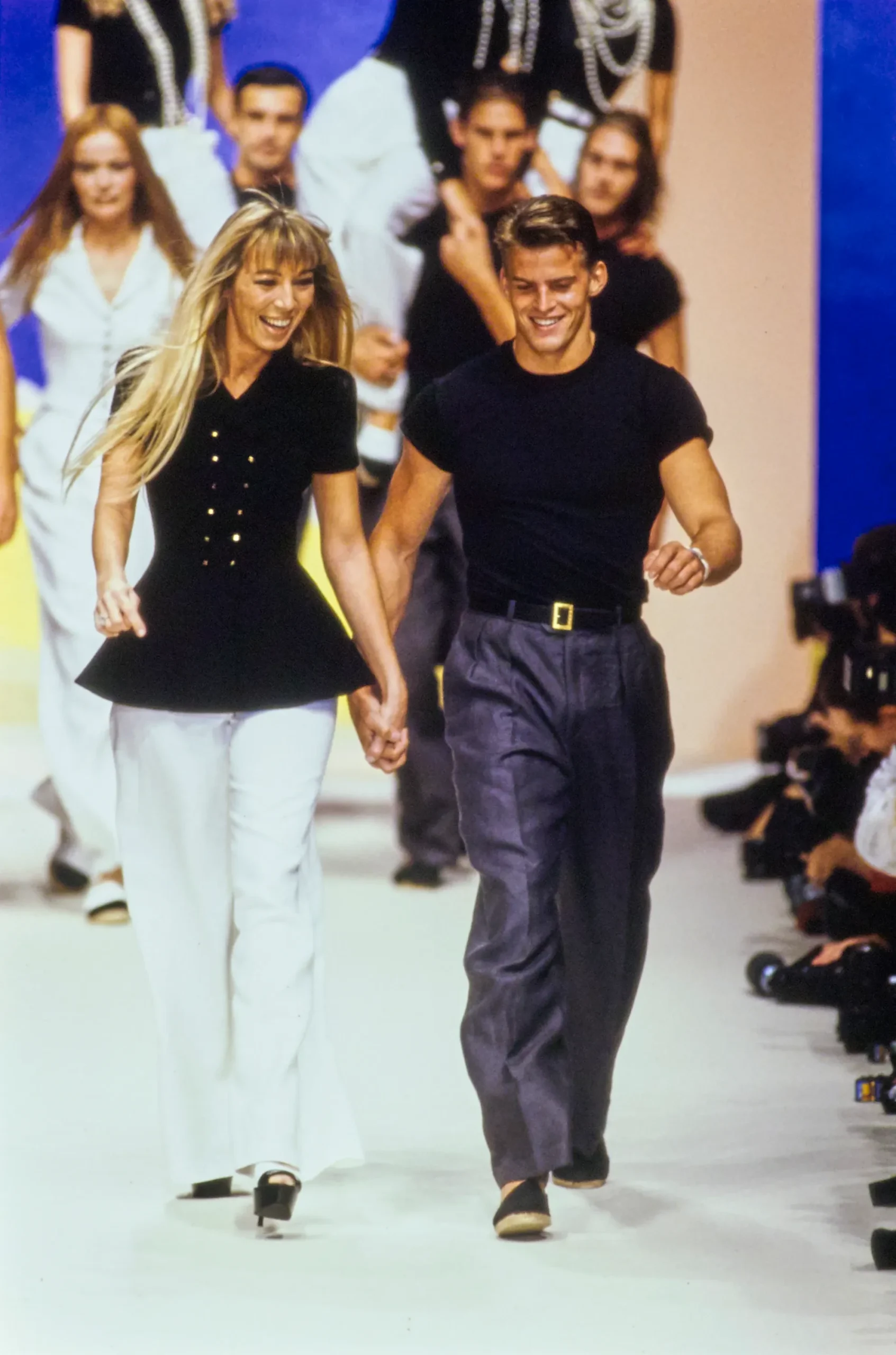
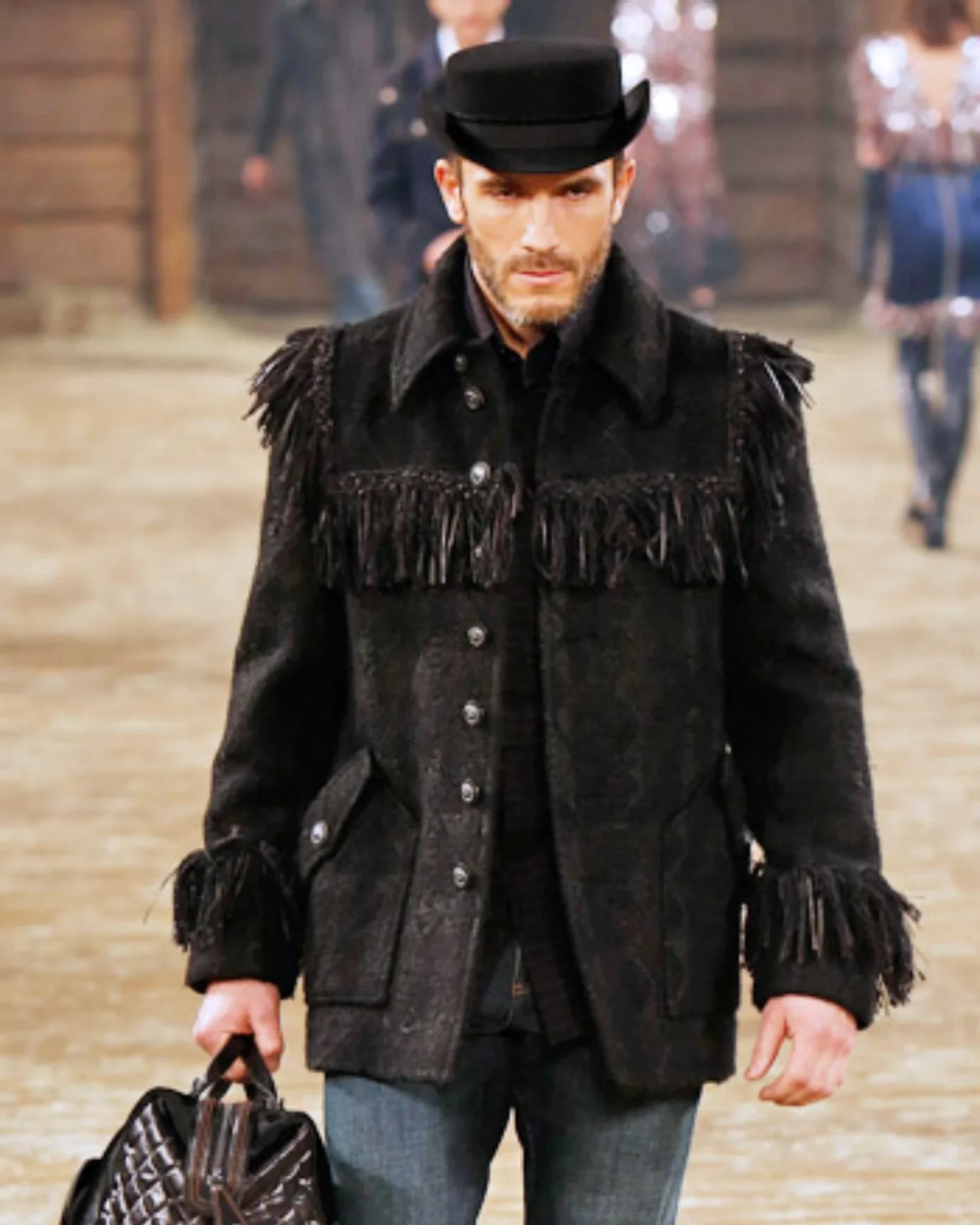
While Chanel has never staged a dedicated menswear collection, Karl Lagerfeld, who defined the house from 1983 until his death in 2019, occasionally placed men on the runway.
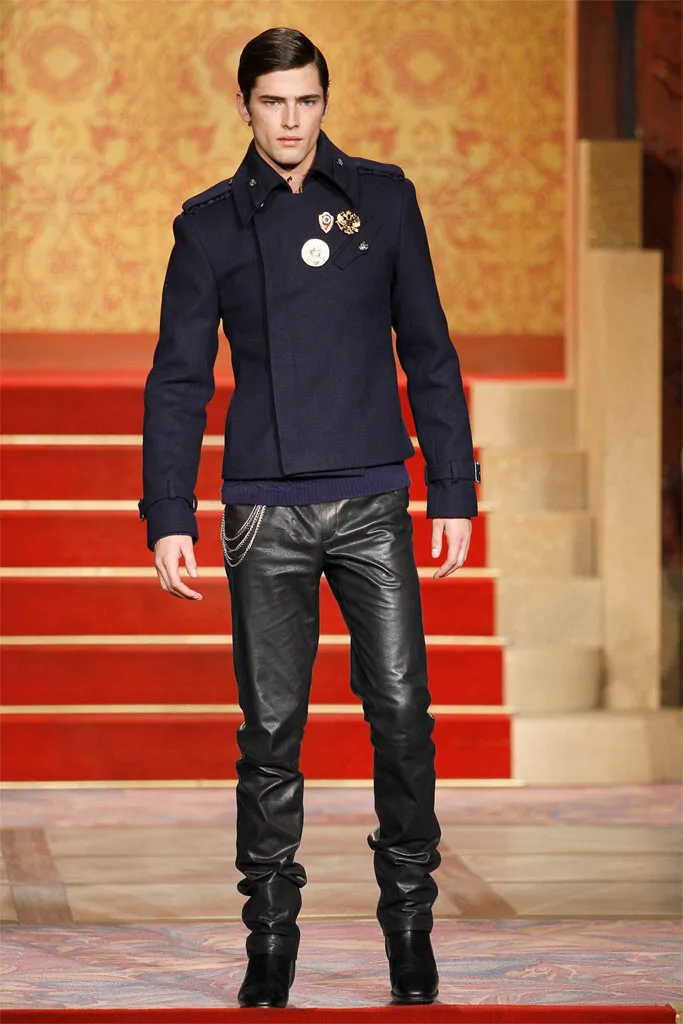
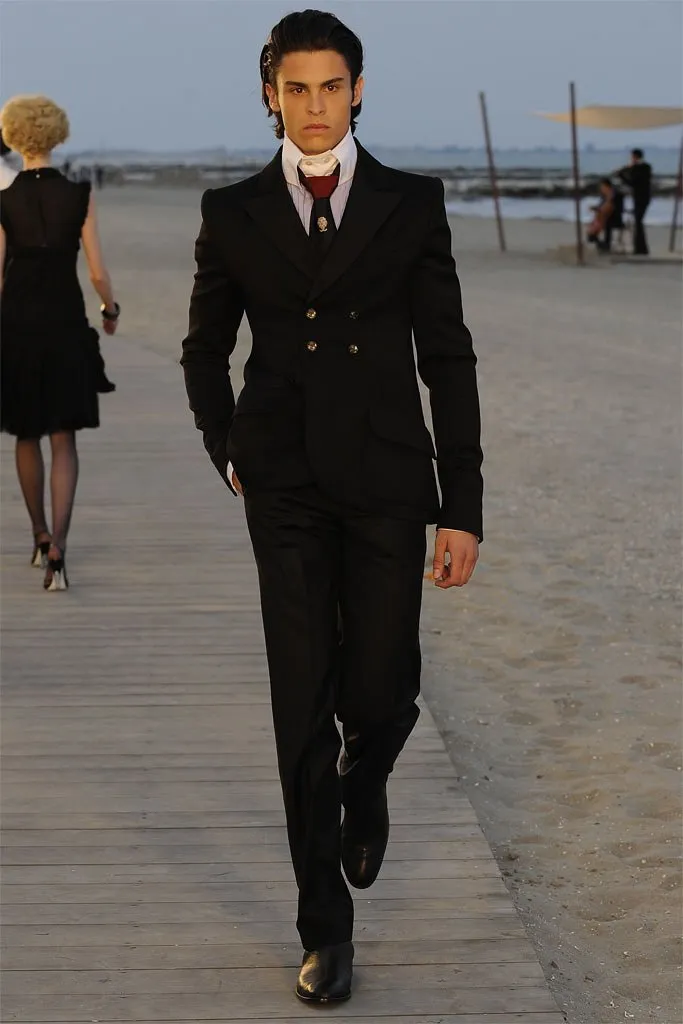
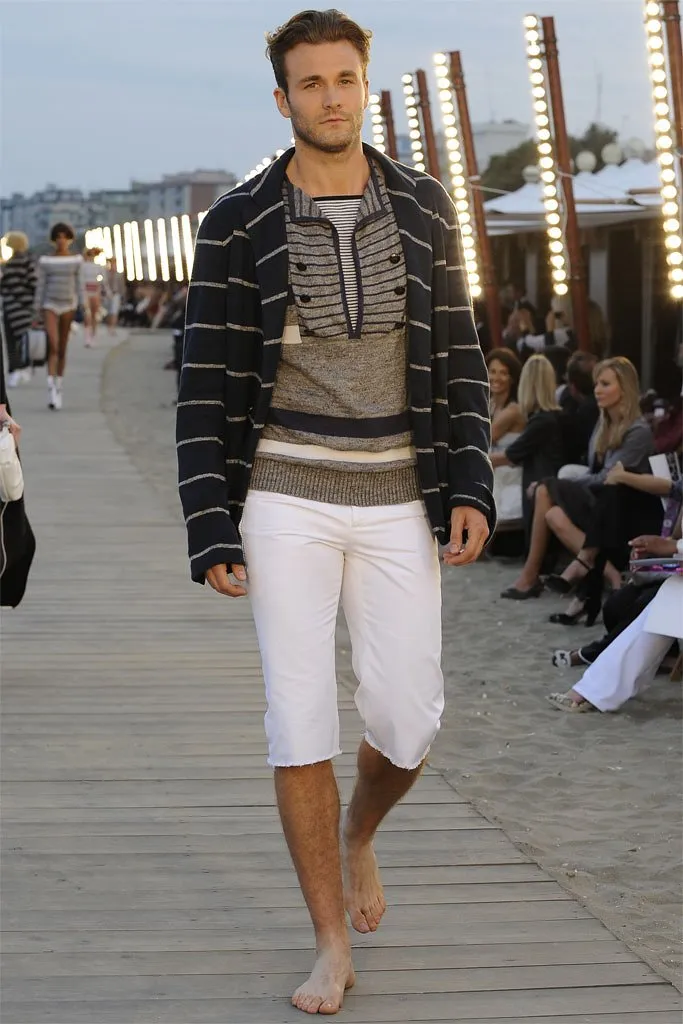
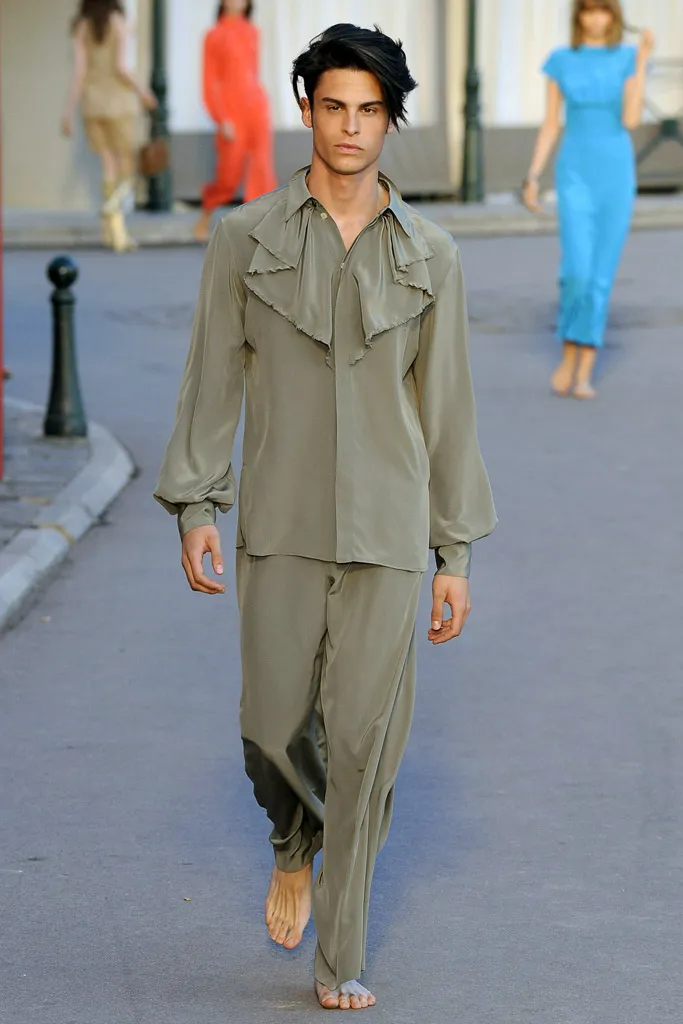
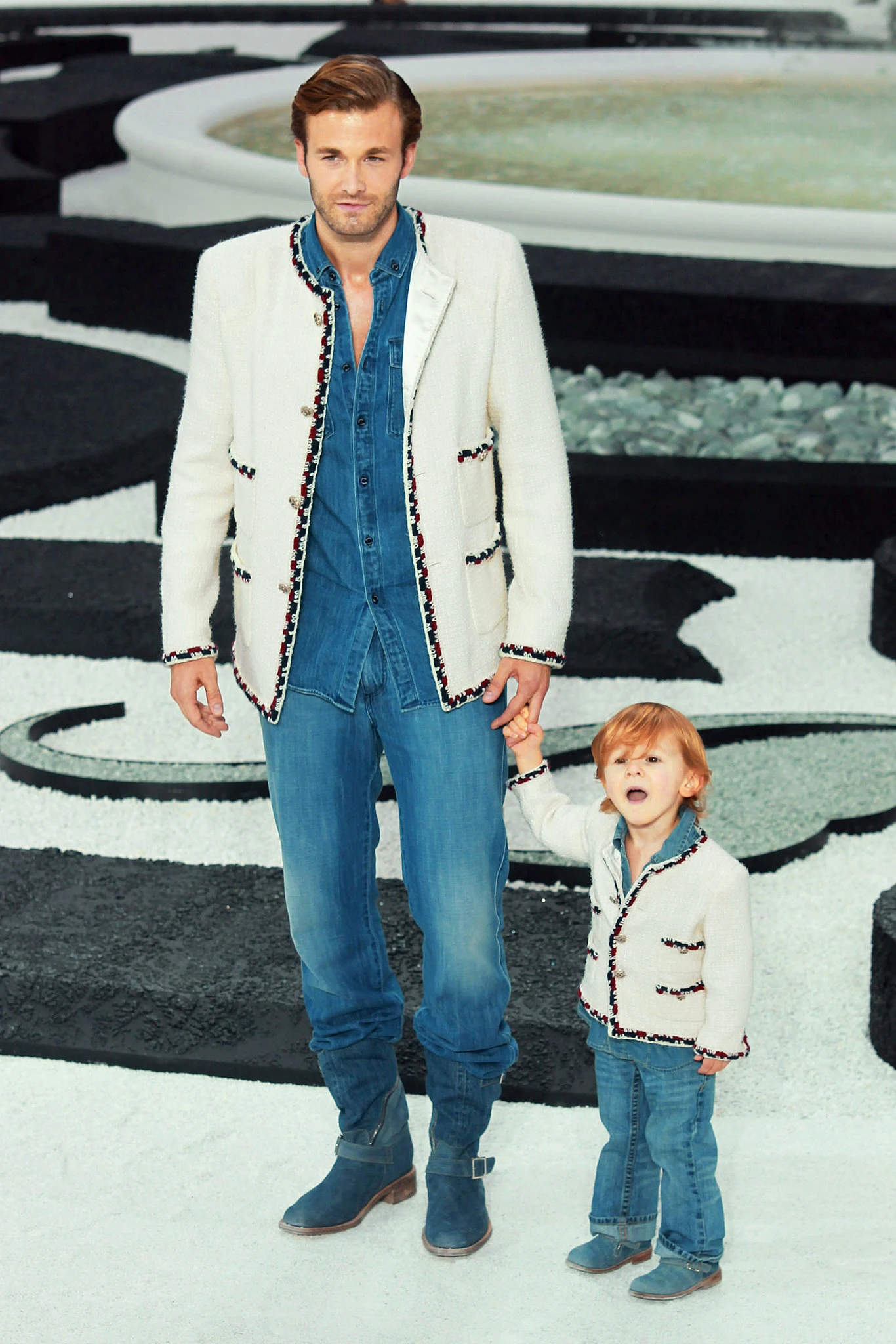
Through the 80s and 90s, men were occasionally integrated into ready-to-wear shows, often mirroring women’s looks in knitwear or suiting. By the 2000s, Karl’s longtime muse Brad Kroenig had become the closest thing to a male face of Chanel, appearing regularly on the runway alongside his son Hudson, nicknamed “Chanel’s little prince.”
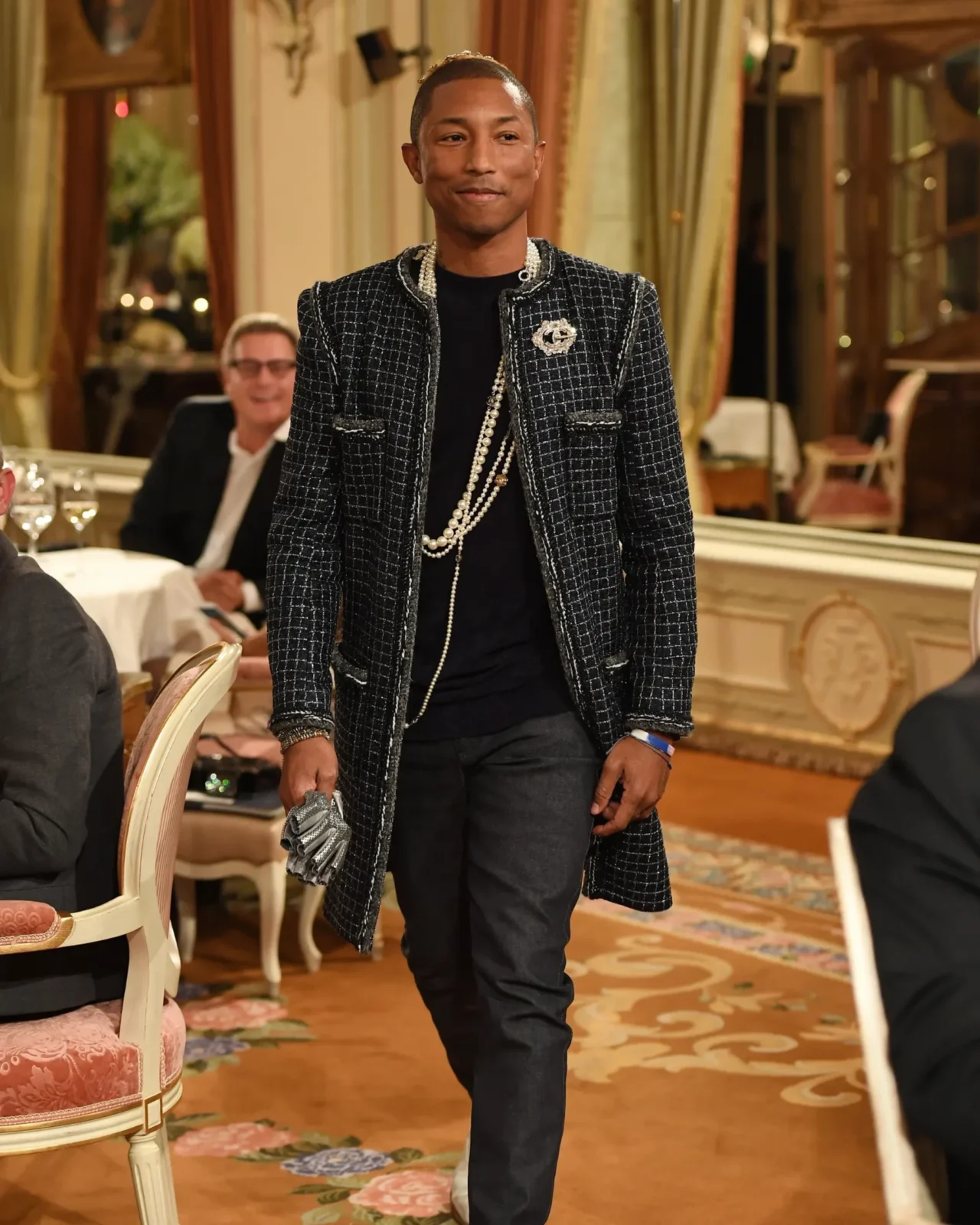
There were flashes of possibility in later years: Pharrell Williams walked the runway for Chanel in 2016, and in Karl’s final shows before his death, men were again visible in couture. Yet the gestures were always symbolic, never structural. Chanel offered no separate collection, no line labeled “Homme,” no sustained strategy. In an era when nearly every other luxury house was diversifying into menswear, Chanel remained the outlier.
Why this year feels different
This year, however, the signals are harder to dismiss. In April, Chanel announced Matthieu as successor to Virginie Viard, who led the brand for five years after Karl’s death. Virginie’s Chanel was faithful and deeply classic, a continuation of Karl’s codes rather than a reinvention. Matthieu, by contrast, is known for his sharp sense of innovation.
At Bottega Veneta, he drew acclaim for sculptural silhouettes and a refined understanding of proportion, particularly in menswear. Earlier in his career, he cut his teeth at Raf Simons and Maison Margiela, two houses with strong menswear pedigrees.
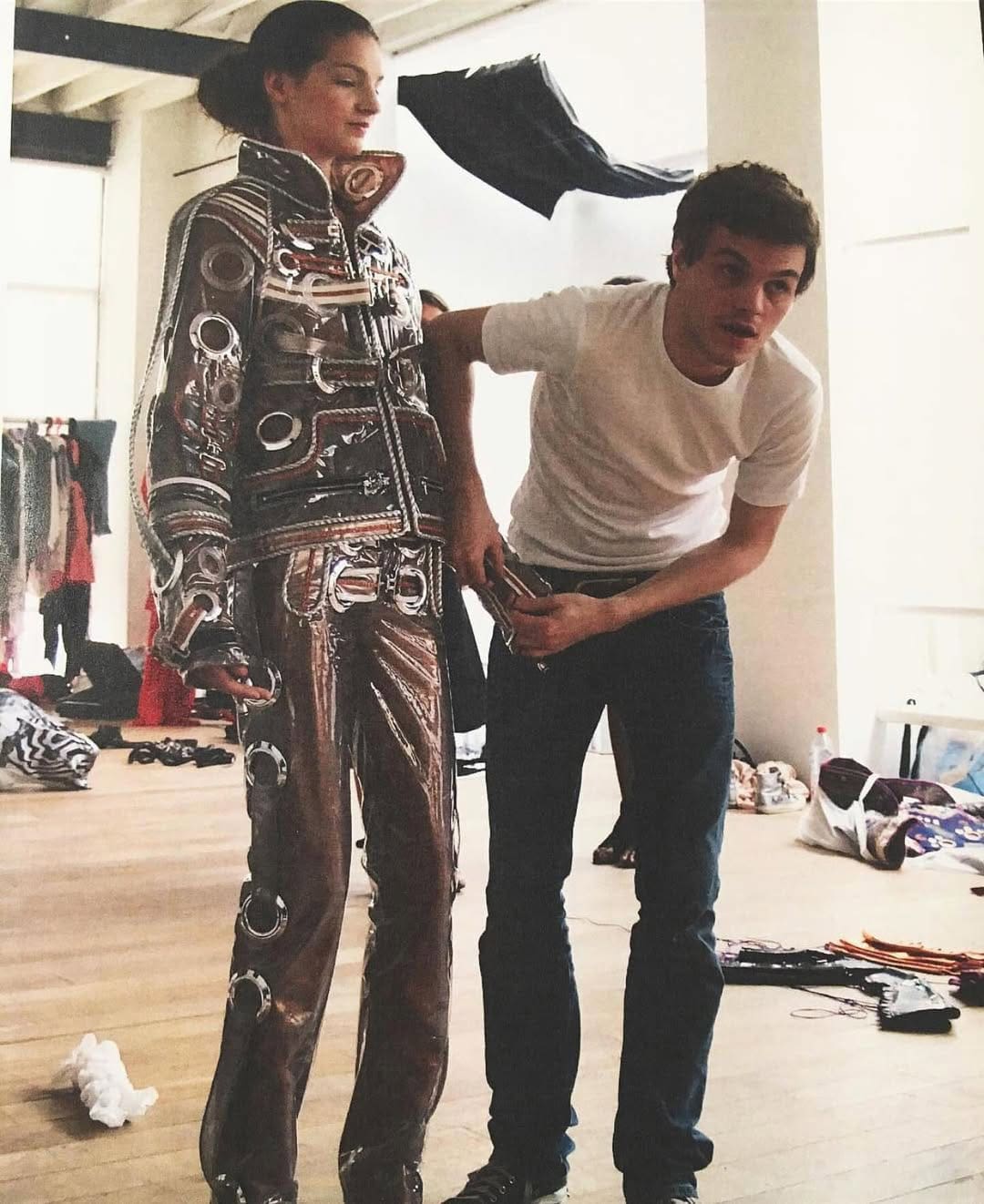
He brings to Chanel what Virginie did not: a proven track record in designing for men.
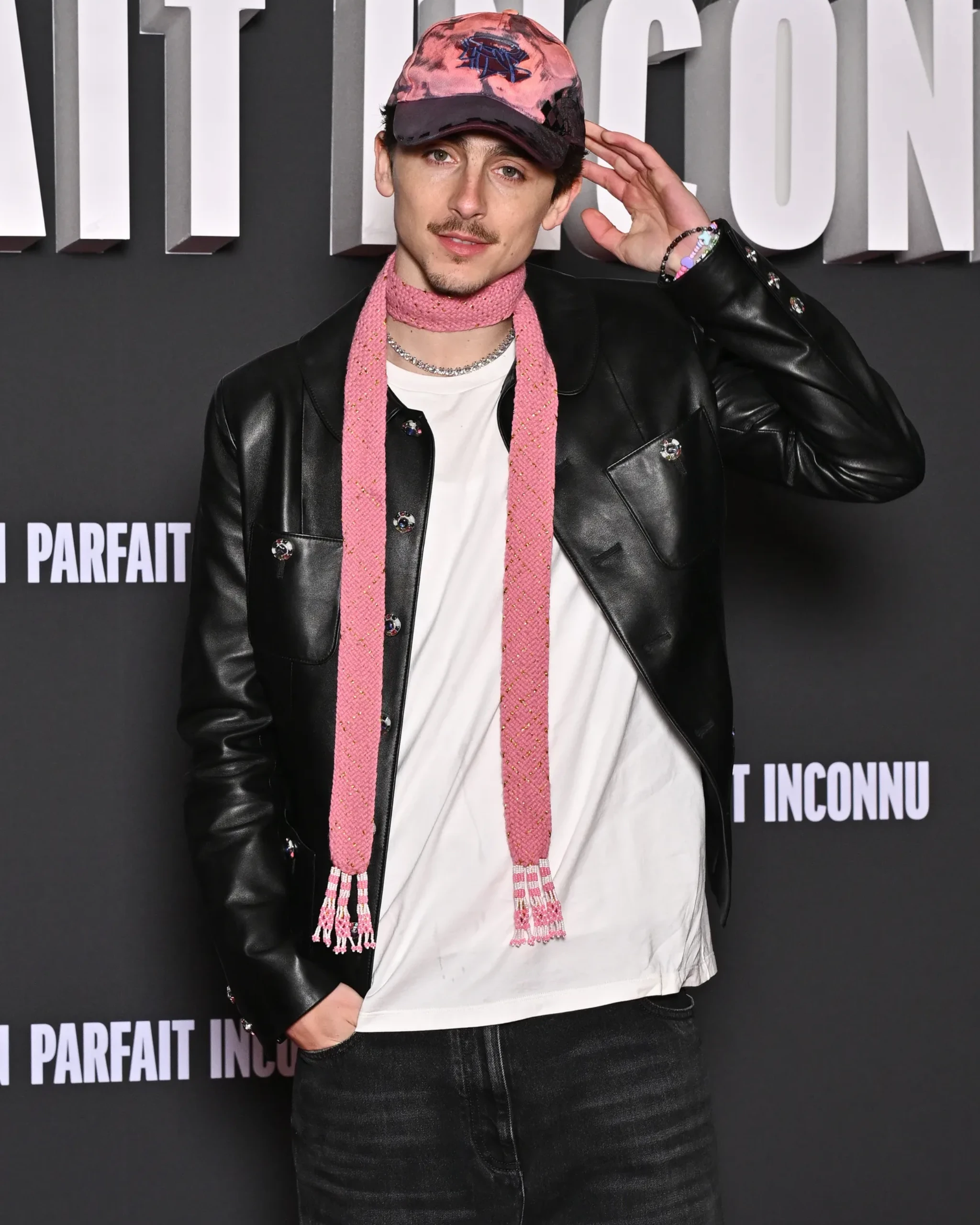
The cultural backdrop only sharpens the speculation. Timothée Chalamet, face of Chanel’s Bleu de Chanel fragrance, has become a fixture in the brand’s jackets and couture pieces, often lifted directly from womenswear collections. A$AP Rocky, another of Matthieu’s past champions from his Bottega days, has been photographed in Chanel accessories.
Kendrick Lamar was announced as a Chanel ambassador, noting in his appointment statement: “Since they don’t make clothes for men, I knew it would have to be glasses.” It read as a joke, but also as a nudge, as though the possibility of menswear were already hovering in the room.
The case for menswear
In 2025, it is unusual, almost anomalous, for a house of Chanel’s scale not to offer a menswear line. Luxury consumers expect it. Red carpets demand it. Ambassadors like Timothée, Rocky, Kendrick, and G-Dragon are already functioning as unofficial models for what Chanel menswear could look like. And the demand is evident: pieces available in larger sizes, even when designed for women, are quickly bought up by male customers.
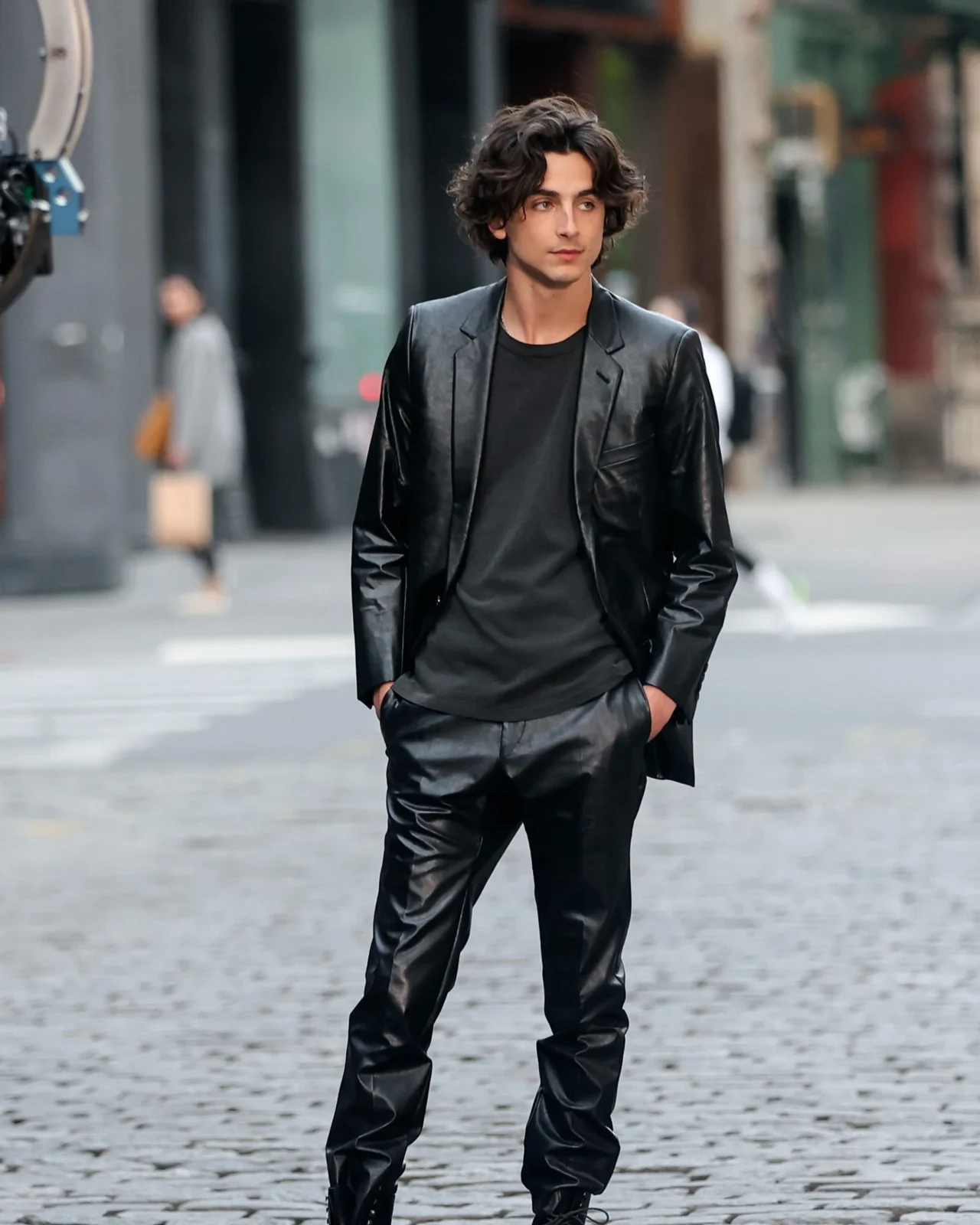
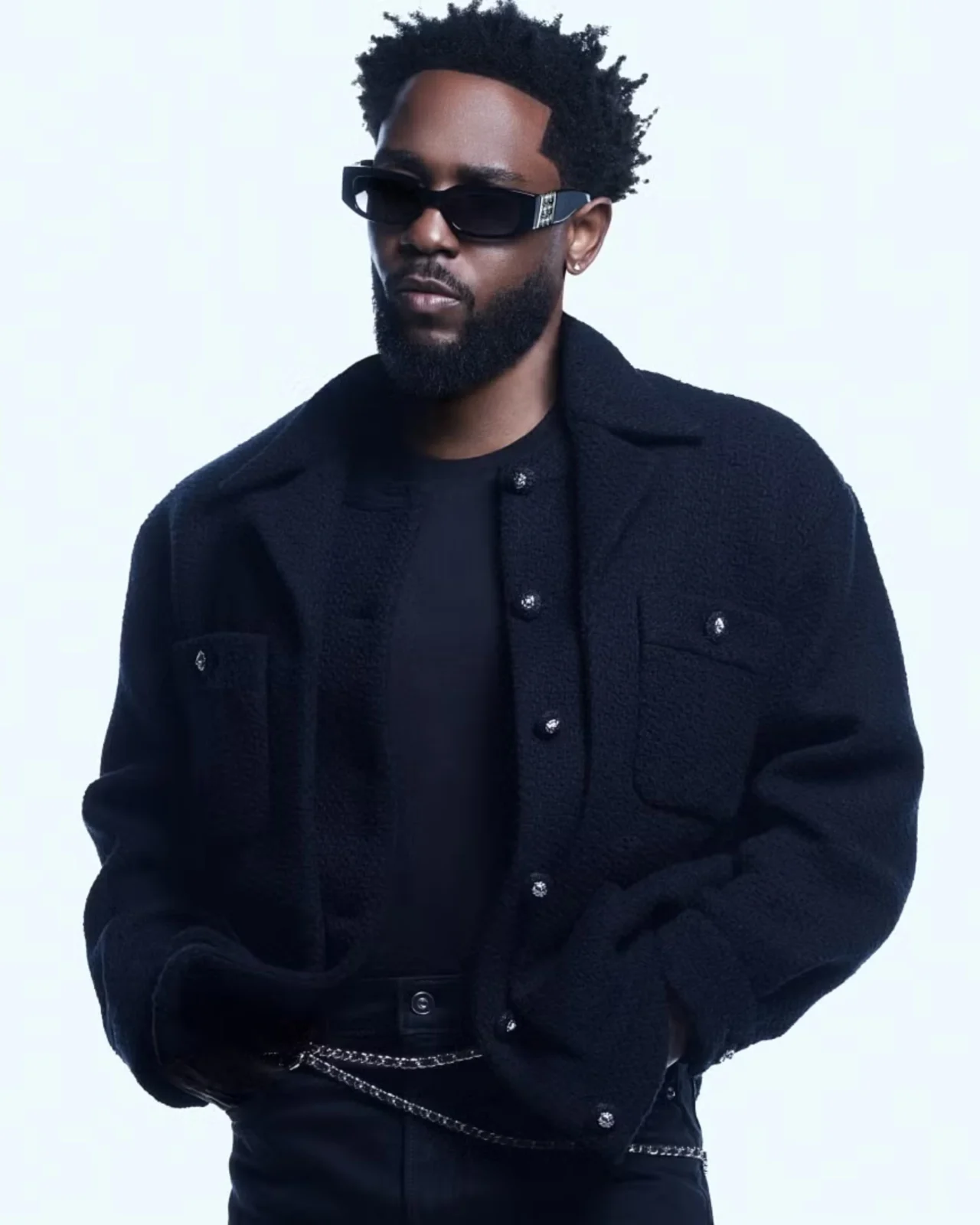
The brand has the skill in Matthieu. It has the cultural capital in its ambassadors. It has a design language that, while rooted in feminine codes, translates naturally into men’s tailoring: tweed jackets, pearls, quilting, the graphic simplicity of black and white. What it has not had, until now, is the will.
What happens next?
Fashion thrives on speculation, but Chanel has historically thrived on restraint. A dedicated menswear line would mark a profound shift in the house’s identity, reframing a brand image built for more than a century on exclusivity for women. And yet, the climate has changed. Gender boundaries in fashion are more porous than ever, and Chanel’s competitors have normalized unisex or mixed-gender shows.
When Matthieu’s first collection walks in Paris this fall, the industry will be scrutinizing every look for signs: a male model in tweed or a jacket that could not possibly have been cut from the women’s line.
If it happens, it will be the most significant expansion of Chanel’s ready-to-wear universe since Karl assumed the helm in 1983. If it does not, the question will only grow louder.
For now, the suspense lingers: is it finally the season where Chanel opens its double-C doors to men?
Photos courtesy Chanel