Whatever Happened to Hedi Slimane’s Skinny Aesthetic?
The death of the skinny ideal and the aesthetic he left behind




The Hedi boy
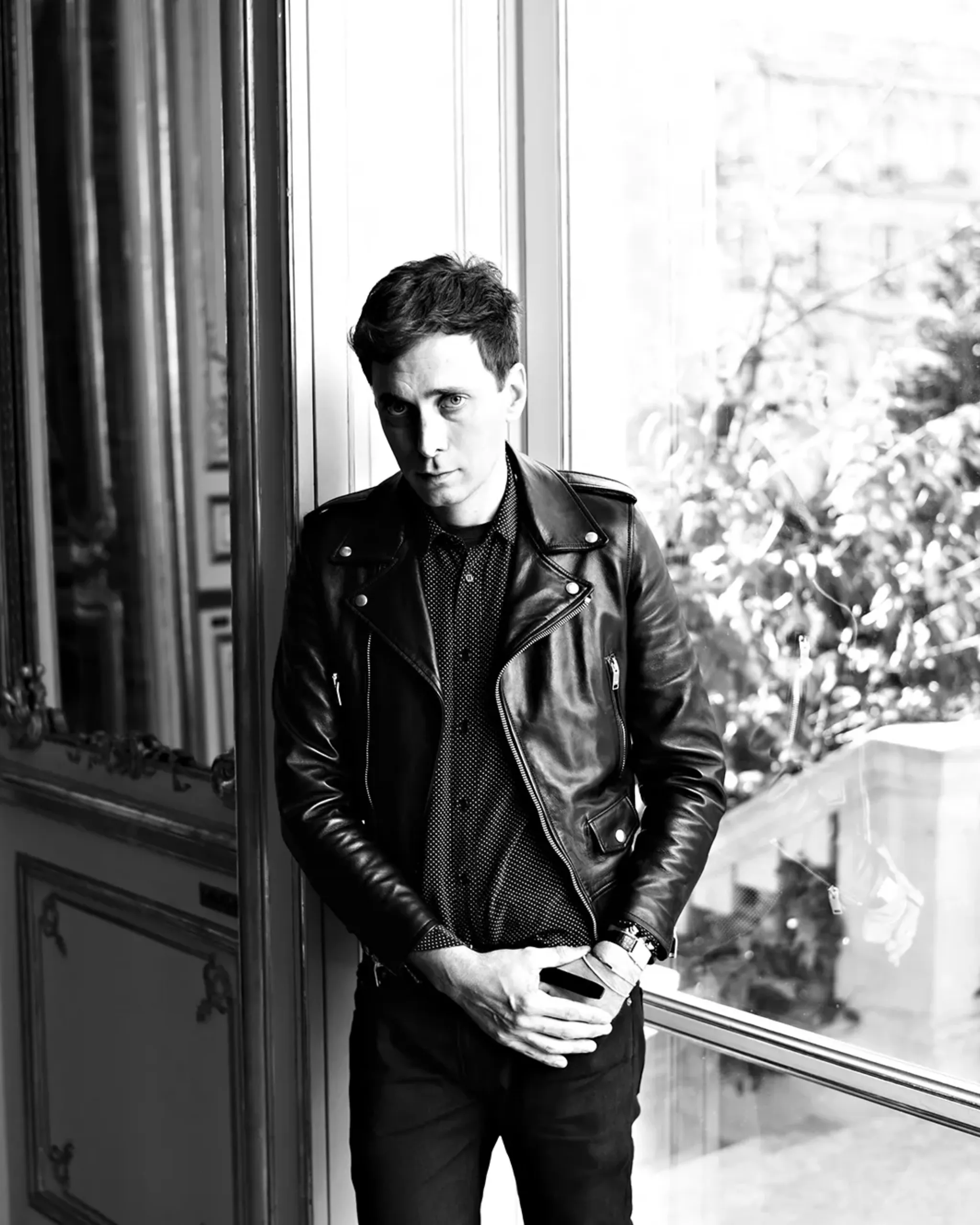
For a brief but defining moment in the 2010s, fashion belonged to a certain kind of boy. He was pale and thin, often unsmiling, with hollow cheeks and a wardrobe made almost entirely of black. He wore leather jackets like armor and jeans so tight they looked painted on. He always seemed to be coming home from the party, never going to it. He was the product, or perhaps the projection, of Hedi Slimane’s vision, first at Dior Homme, then at Saint Laurent, and later at Celine.
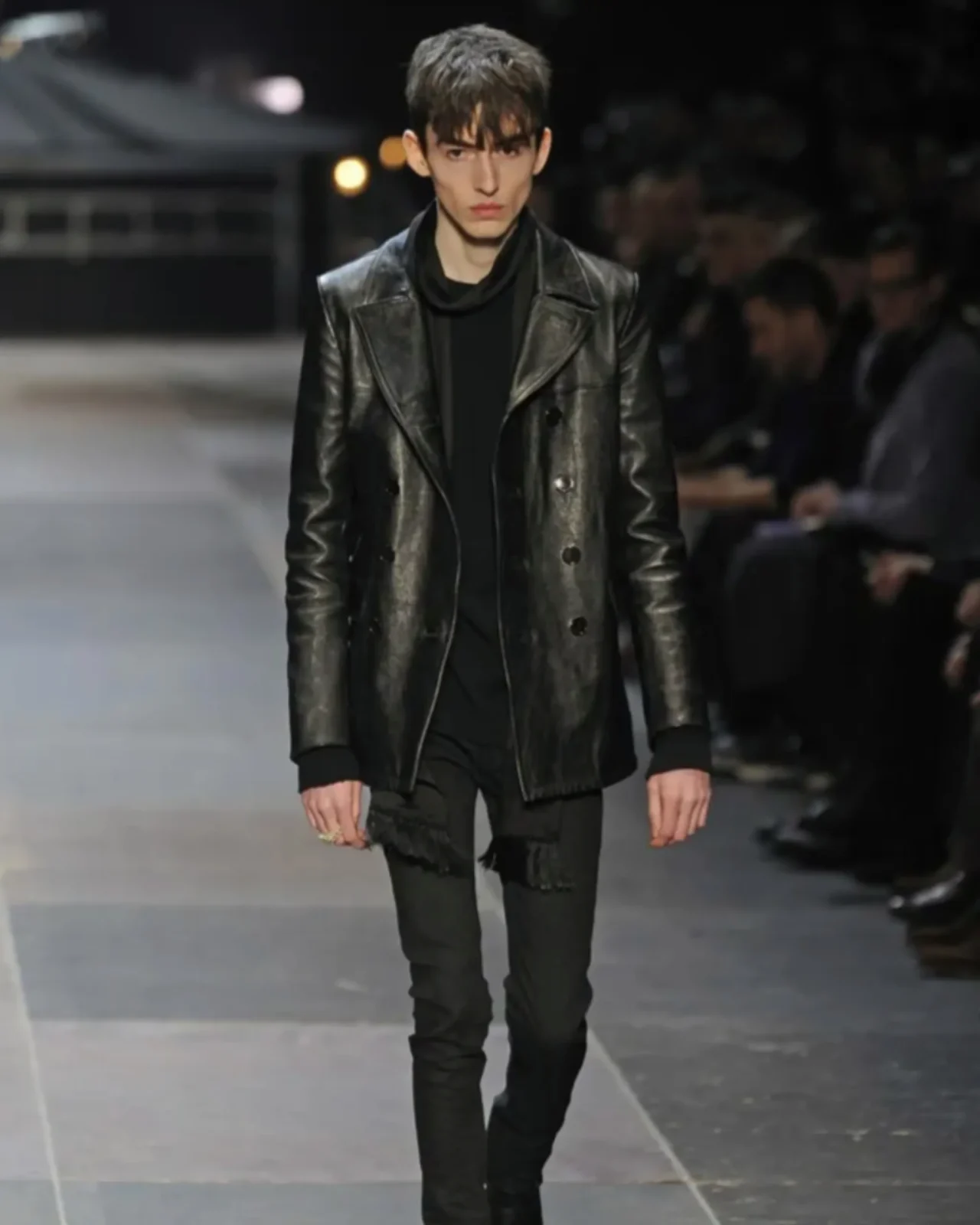
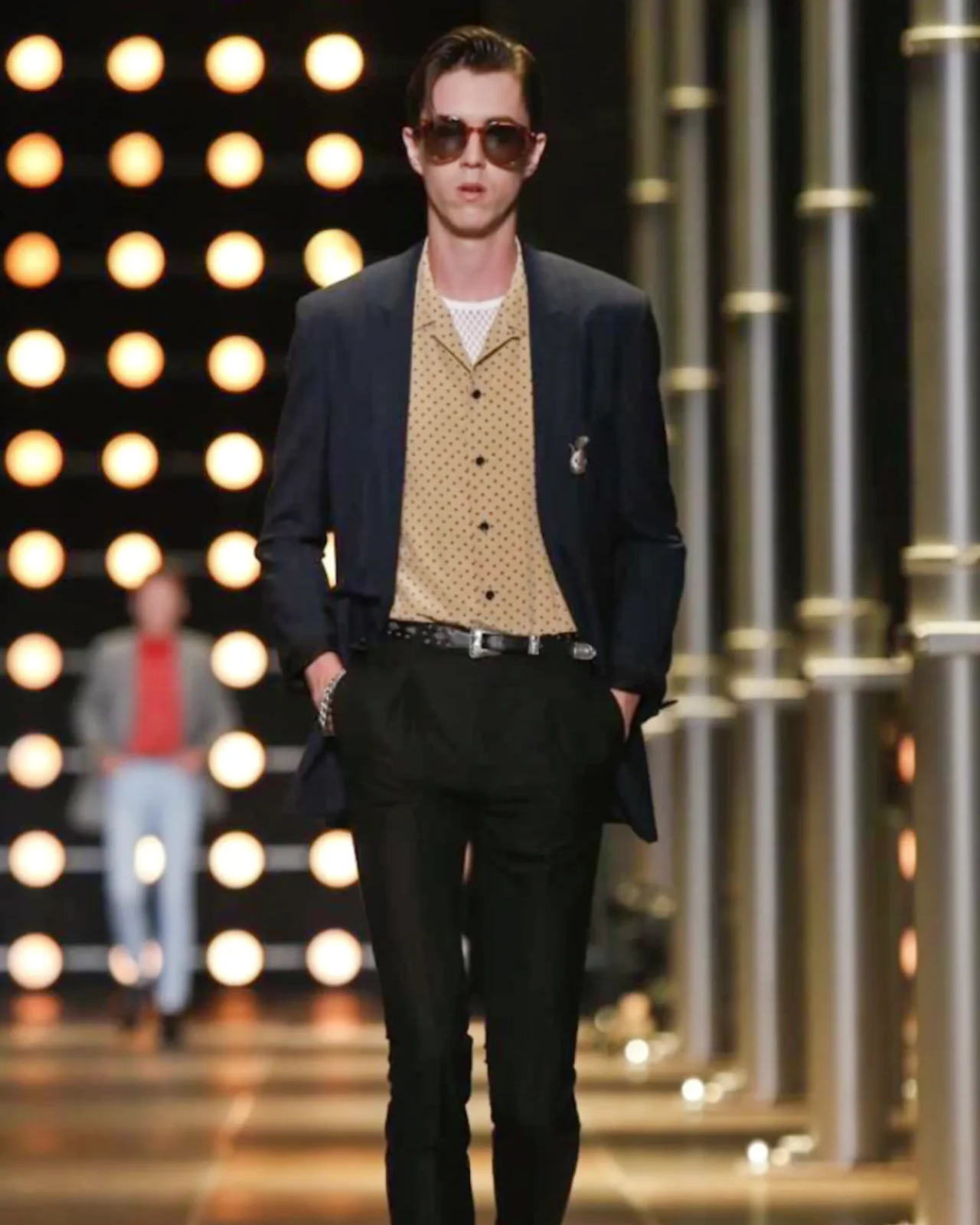
Hedi had actually started the skinny cultural shift way back at Dior Homme in the early 2000s. His sharply tailored, ultra-slim menswear redefined male silhouettes and introduced a new kind of androgynous cool that rippled across fashion. But when he took the reins of the storied French house in 2012, he didn’t just usher in a new era. He dismantled the one that came before.
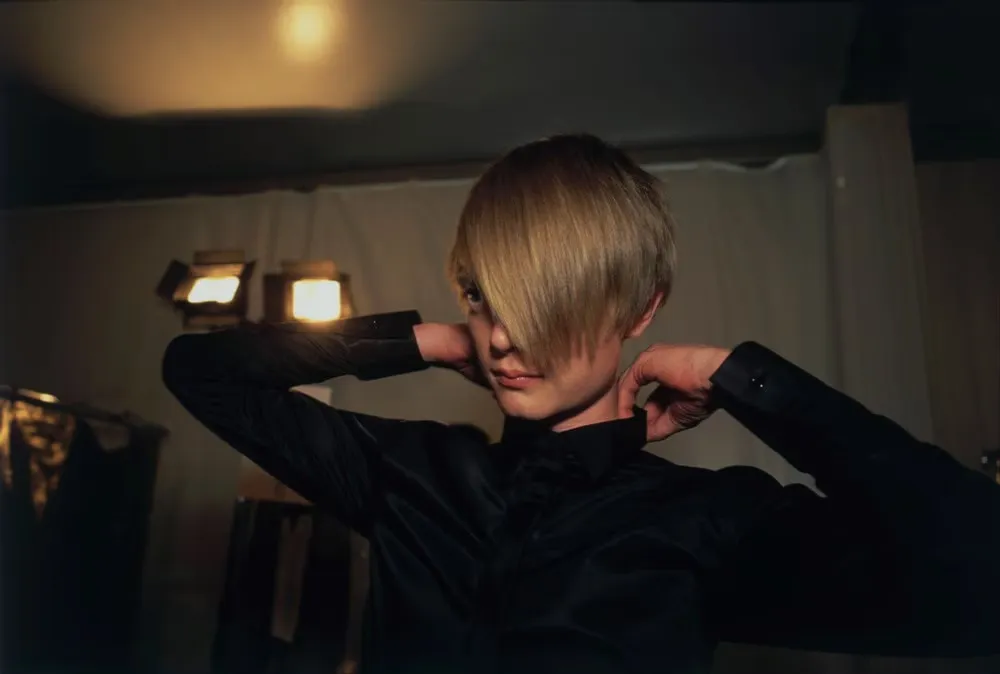
Gone were the bourgeois refinements of the Yves Saint Laurent legacy, replaced by a lean, charged aesthetic rooted in rock history, Parisian nightlife, and Los Angeles subcultures. His shows felt less like couture presentations and more like elegies to youth itself, with cigarette-thin silhouettes, gaunt models, and clothes that clung to the body with calculated effortlessness.
It was a polarizing shift, but an undeniably influential one. Hedi redefined menswear for a generation and spilled over into womenswear with the same sense of urgency. His work championed a romantic detachment, a world where cool was earned through indifference and beauty lived in the fragile, shadowy edges of rebellion. The clothes were not designed to flatter everyone; they were aspirational, exclusionary, and, for a time, deeply desirable.
A changing fashion landscape
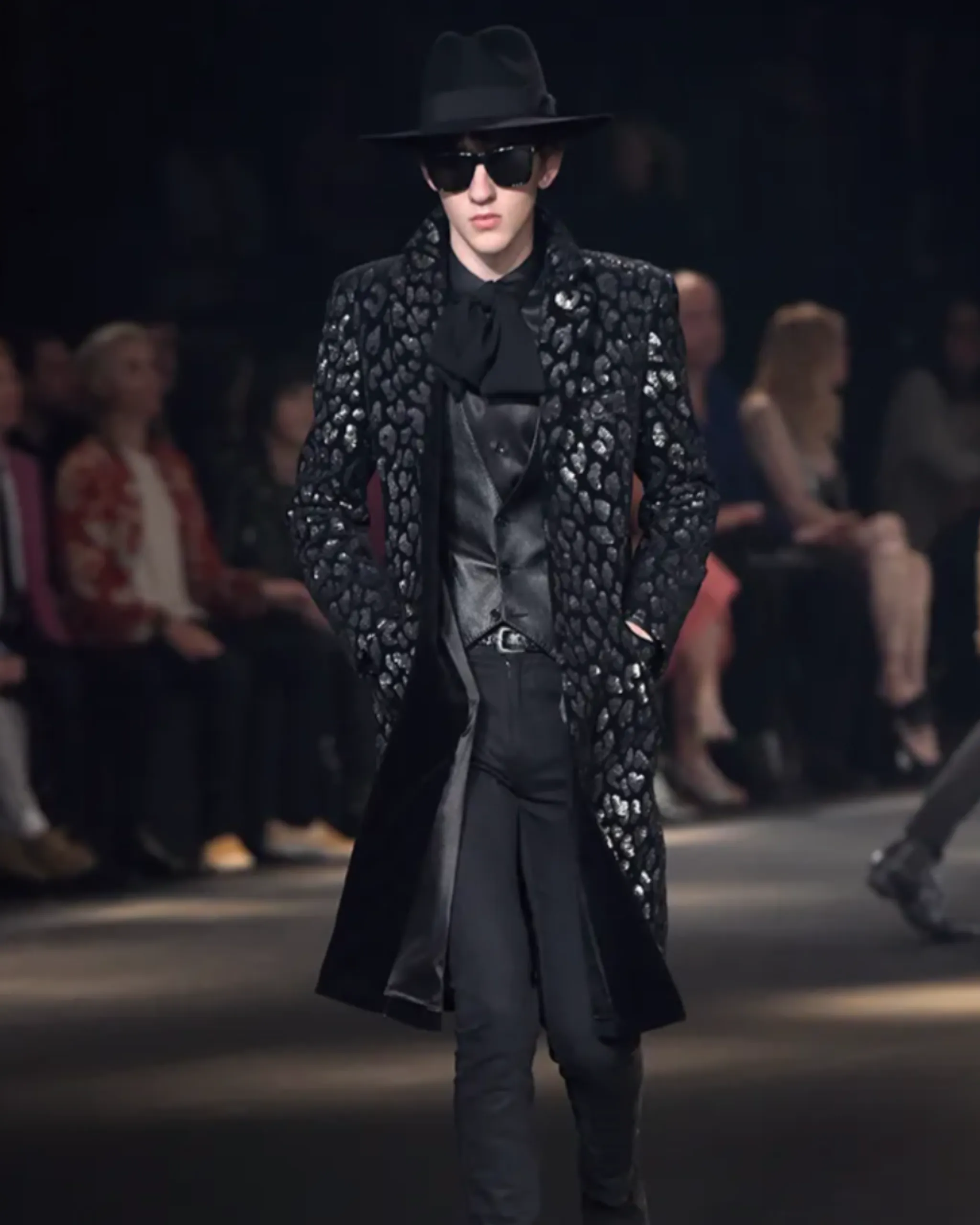
Today, that archetype feels almost like a relic. The hyper-skinny silhouettes he once championed, including razor-cut blazers, stovepipe trousers, narrow lapels, and Chelsea boots worn with louche nonchalance, have largely disappeared from the forefront.
In their place, designers have embraced oversized tailoring, gender-fluid shapes, and a broader reevaluation of body image. Alessandro Michele at Gucci and Jonathan Anderson at Loewe introduced whimsical maximalism and soft-focused eccentricity. Demna at Balenciaga brought distortion and irony into the mainstream. The French designer’s gaunt and tightly controlled aesthetic now feels not only dated but increasingly out of step with the cultural moment.
RELATED: Demna at Gucci? This Is Either Genius or a Beautiful Disaster
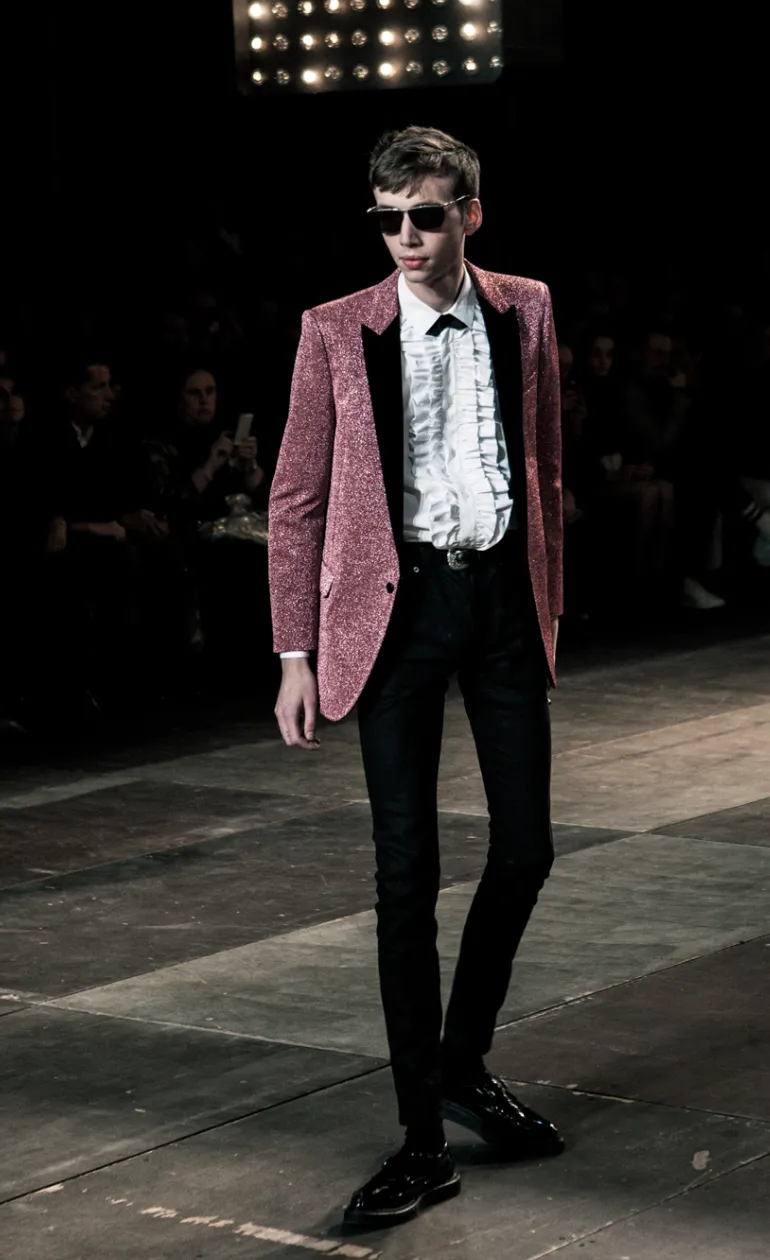
The change reflects deeper cultural shifts. Where Hedi’s skinny boy once symbolized punk rock aloofness, beautiful, distant, and untouched, the current fashion landscape is grounded in emotional accessibility and inclusivity. The cool detachment that once defined his vision now risks reading as exclusionary. With the industry reexamining its historic relationship with thinness and elitism, the space for that particular vision of glamour has grown smaller.
Fashion is ever-evolving. Hedi’s precise tailoring, keen sense of proportion, and deep connection to youth culture’s visual language continue to shape the industry. As trends shift and the preference for loose, soft styles wanes, a revival of the disciplined, enigmatic rockstar, or a reimagined version of him, seems entirely plausible.
A legacy that lingers
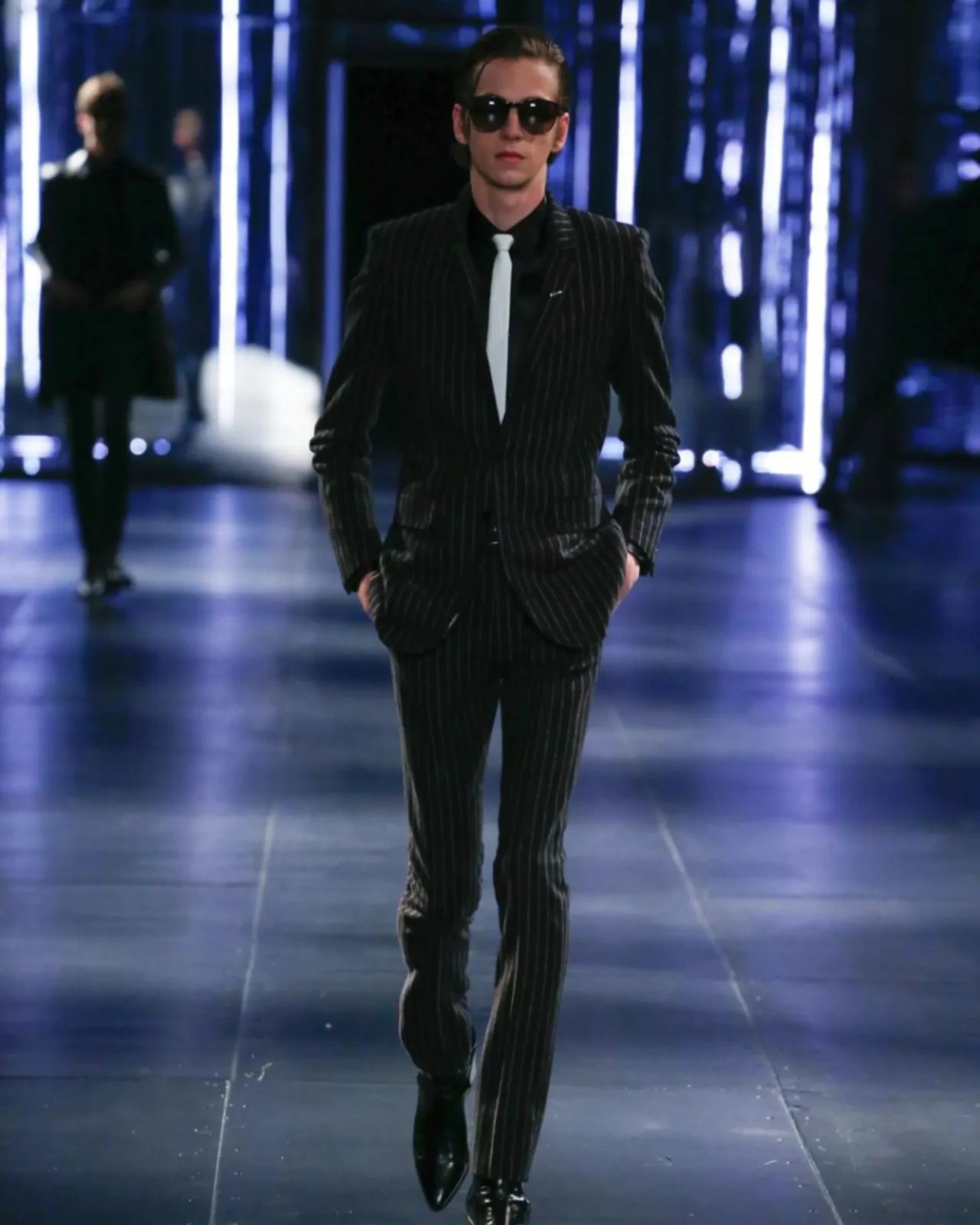
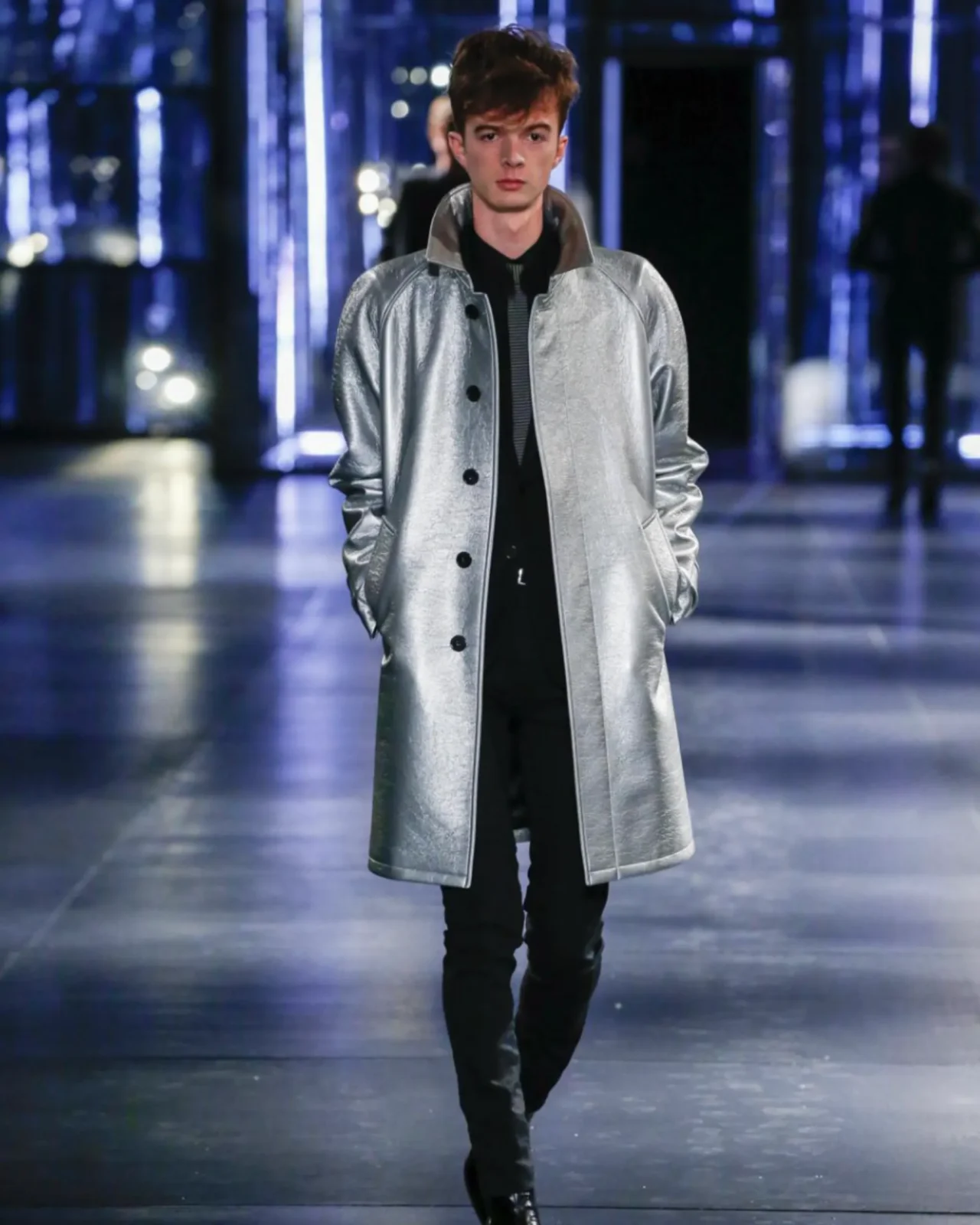
Until his departure from Celine in 2024, the French designer continued to explore the same themes that defined his earlier work. The visual language remained strikingly familiar: narrow silhouettes, black-and-white photography, and a heavy dose of nostalgia. But the cultural resonance had shifted. What once felt subversive had become more of a signature. In an era shaped by new forms of self-presentation and evolving gender norms, the old idea of cool had started to lose its edge.
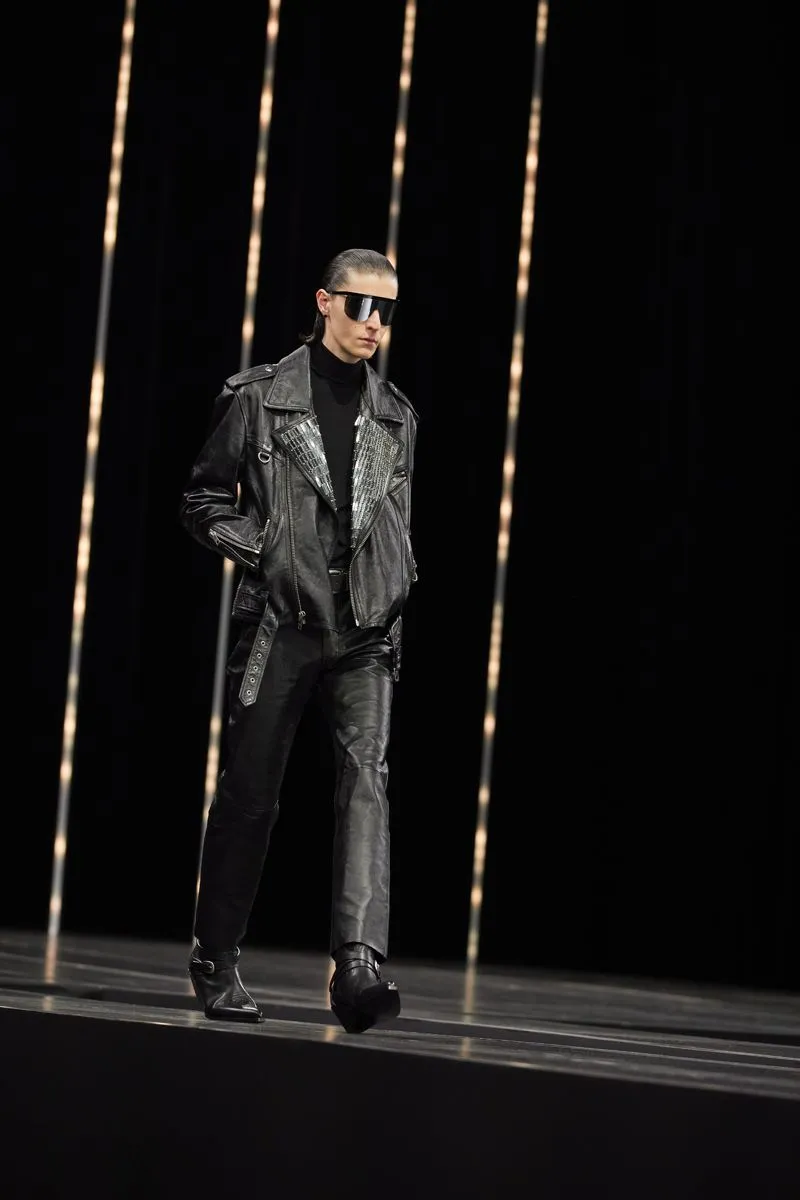
Still, Hedi’s impact is hard to overstate. His tenure at Dior Homme, Saint Laurent, and Celine helped define what fashion looked like in that era and, more importantly, what it felt like. He captured a mood of youthful alienation and turned it into something luxurious.
Even if the skinny boy aesthetic no longer dominates runways or magazine editorials, his presence lingers in fashion’s collective memory. The silhouette may have faded, but the image remains: gaunt, shadowed, and striding into the night.
Photos courtesy Saint Laurent