Fashion’s Latest Logo Trend Is All About What You Don’t See
Forget oversized monograms. Fashion’s coolest labels are now hiding in plain sight




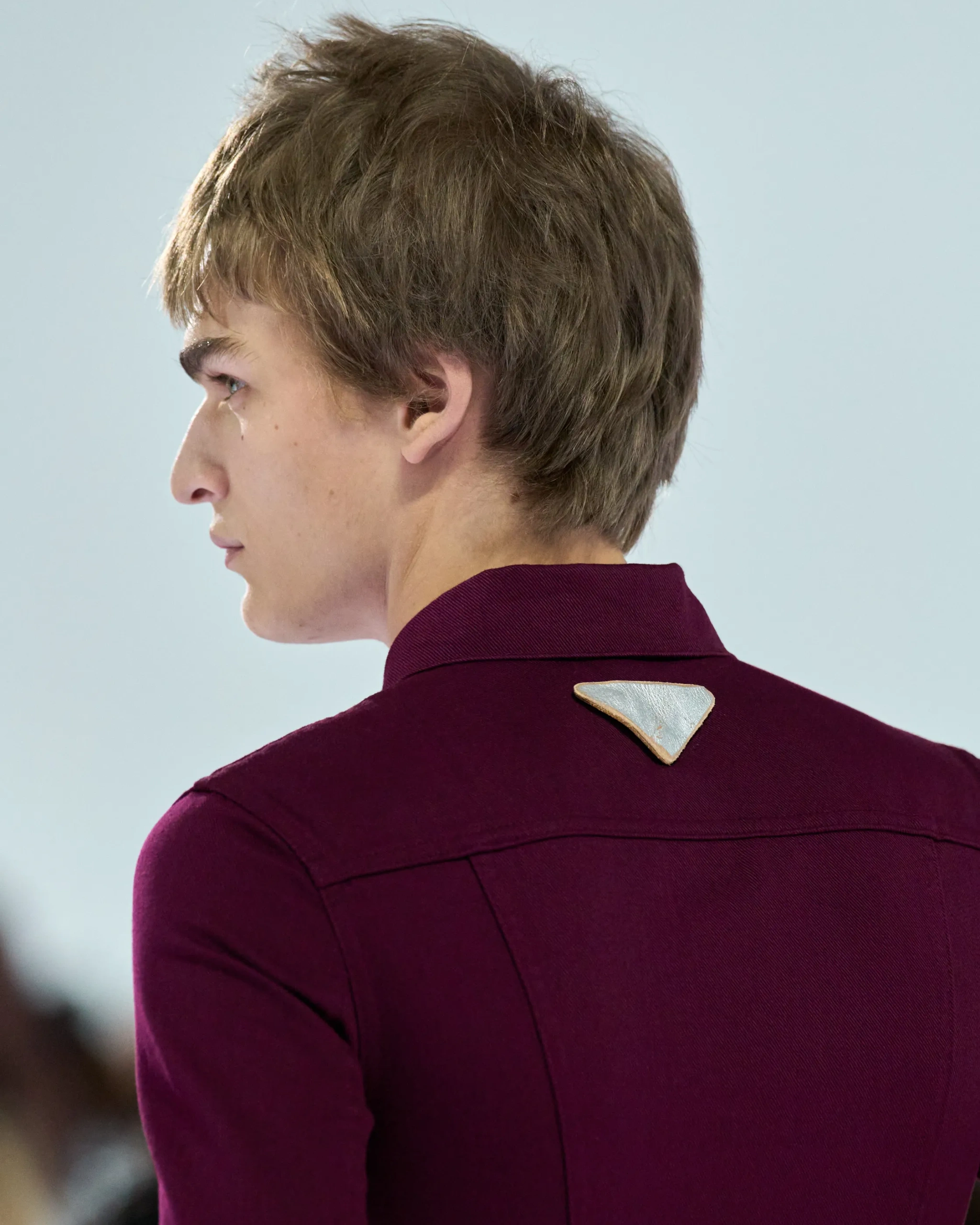
- The loud logo is out. Fashion’s biggest flex is now the detail most people never notice.
- The new flex is recognition. Today’s status symbols are designed for fashion insiders, not the entire room.
- Minimal branding remains one of fashion’s defining trends as consumers continue to favor detail-driven design over loud logos.
The new status symbol is the logo you can’t miss
What if the biggest flex in fashionFashionThe art and industry of designing, producing, and styling clothing, footwear, accessories, and beauty trends. It reflects cultural influences, personal expression, and evolving styles across seasons and markets.Go to Fashion Glossary is one that almost nobody notices?
We have entered the IYKYK branding era. The oversized monograms and chest-spanning logos that once defined status dressing have steadily given way to something far more minimal: a triangle tucked behind a jacket collar, four white stitches across the back of a sweater, a leather weave so distinctive it no longer needs a name attached to it, and many more.
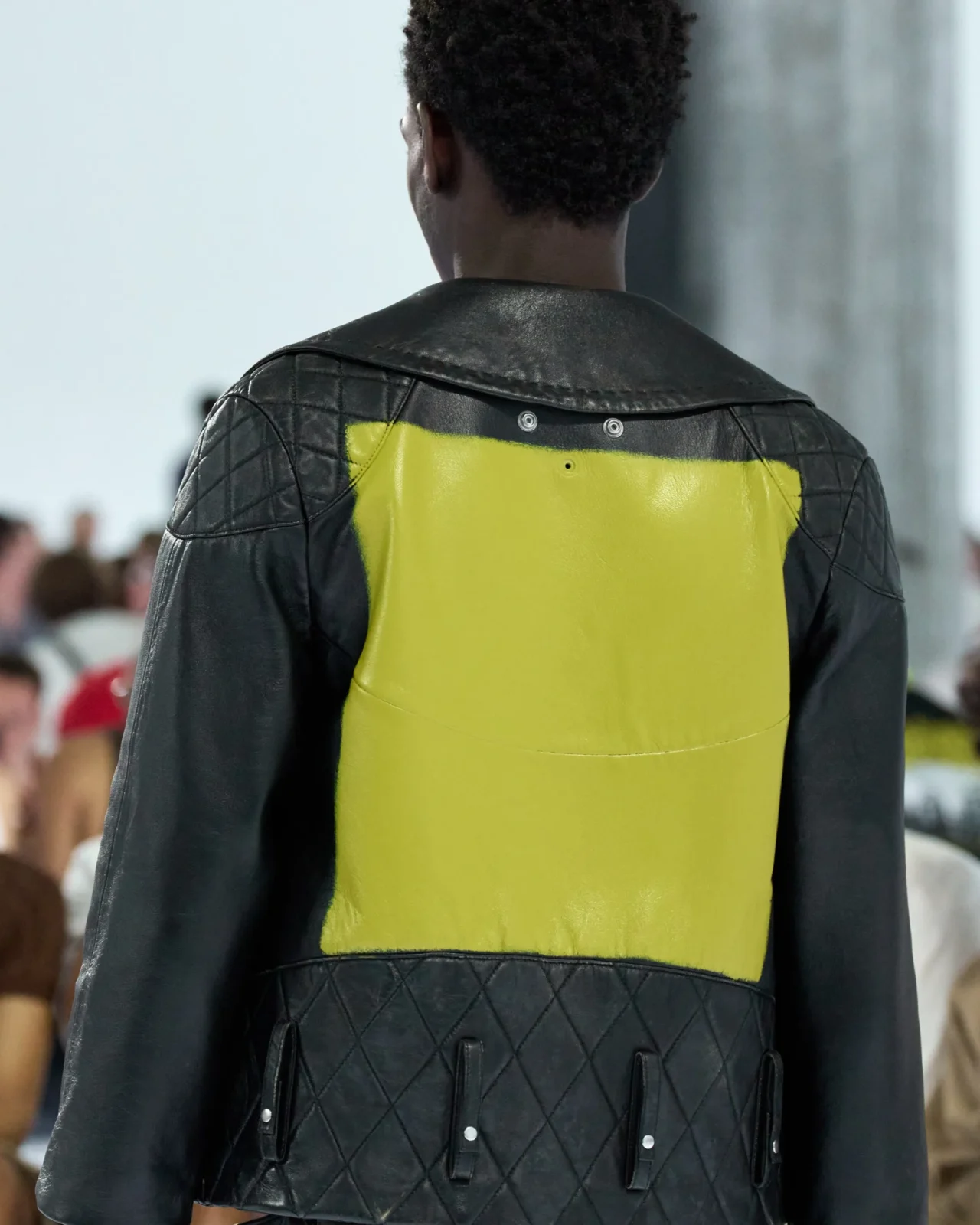
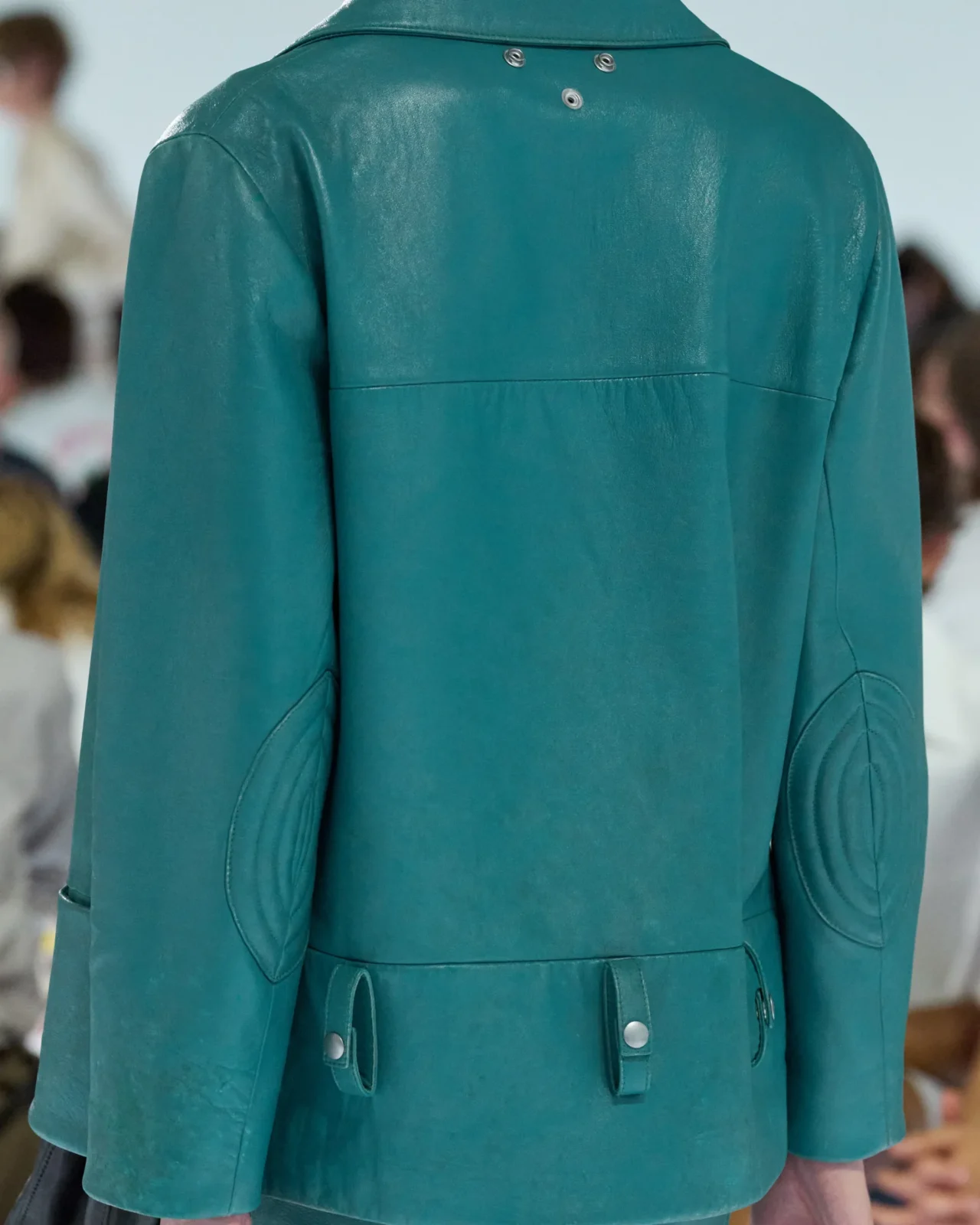
Subtle branding has emerged as one of fashion’s defining shifts. The internet has a phrase for it: if you know, you know. Instead of broadcasting a label to the world, today’s pieces reward those fluent in fashion’s visual vocabulary.
It marks a notable evolution from the logomania that dominated the late 2010s. Back then, branding was designed to be unmistakable. Today, the most coveted pieces often hide their identity in plain sight.
If you know, you know
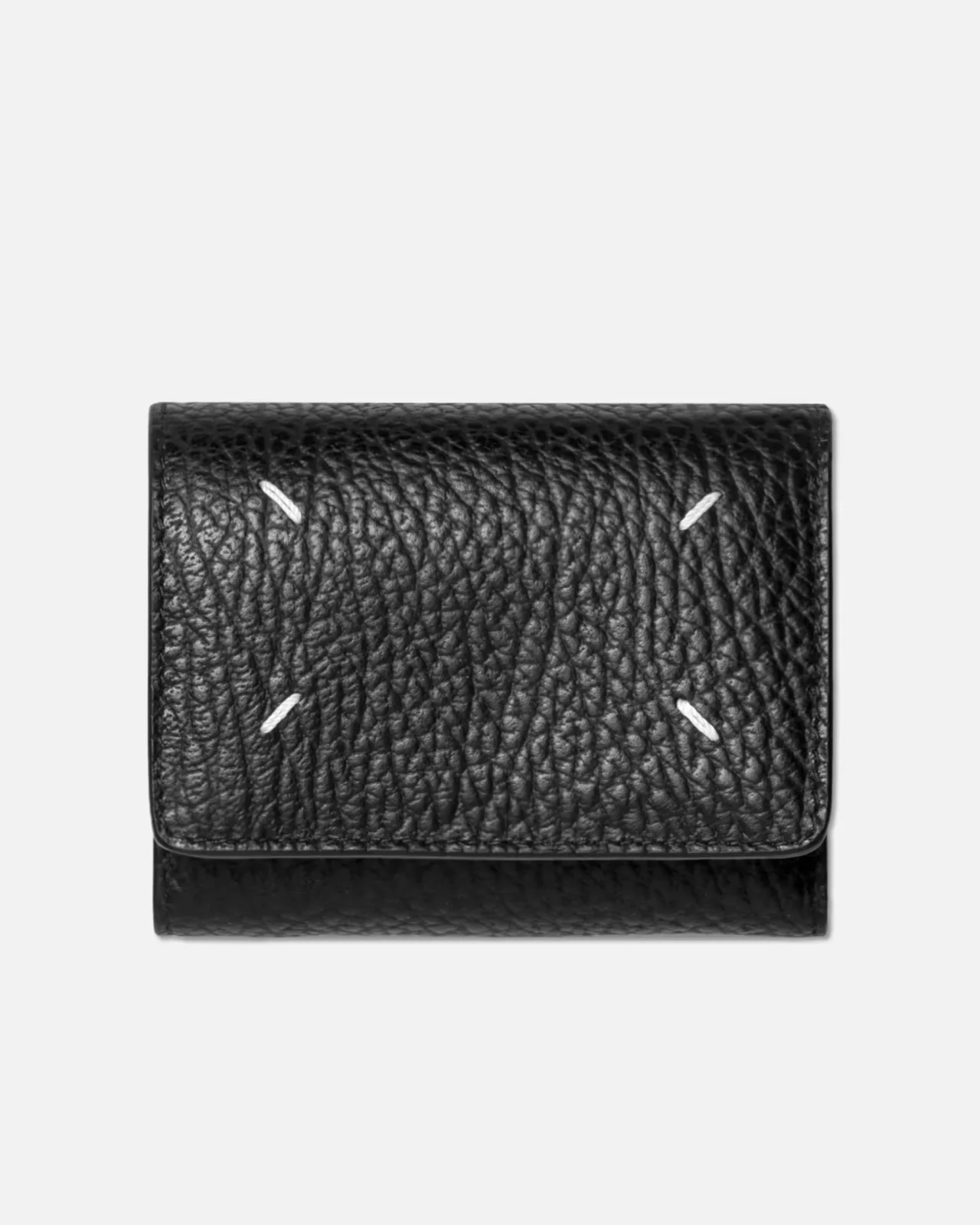
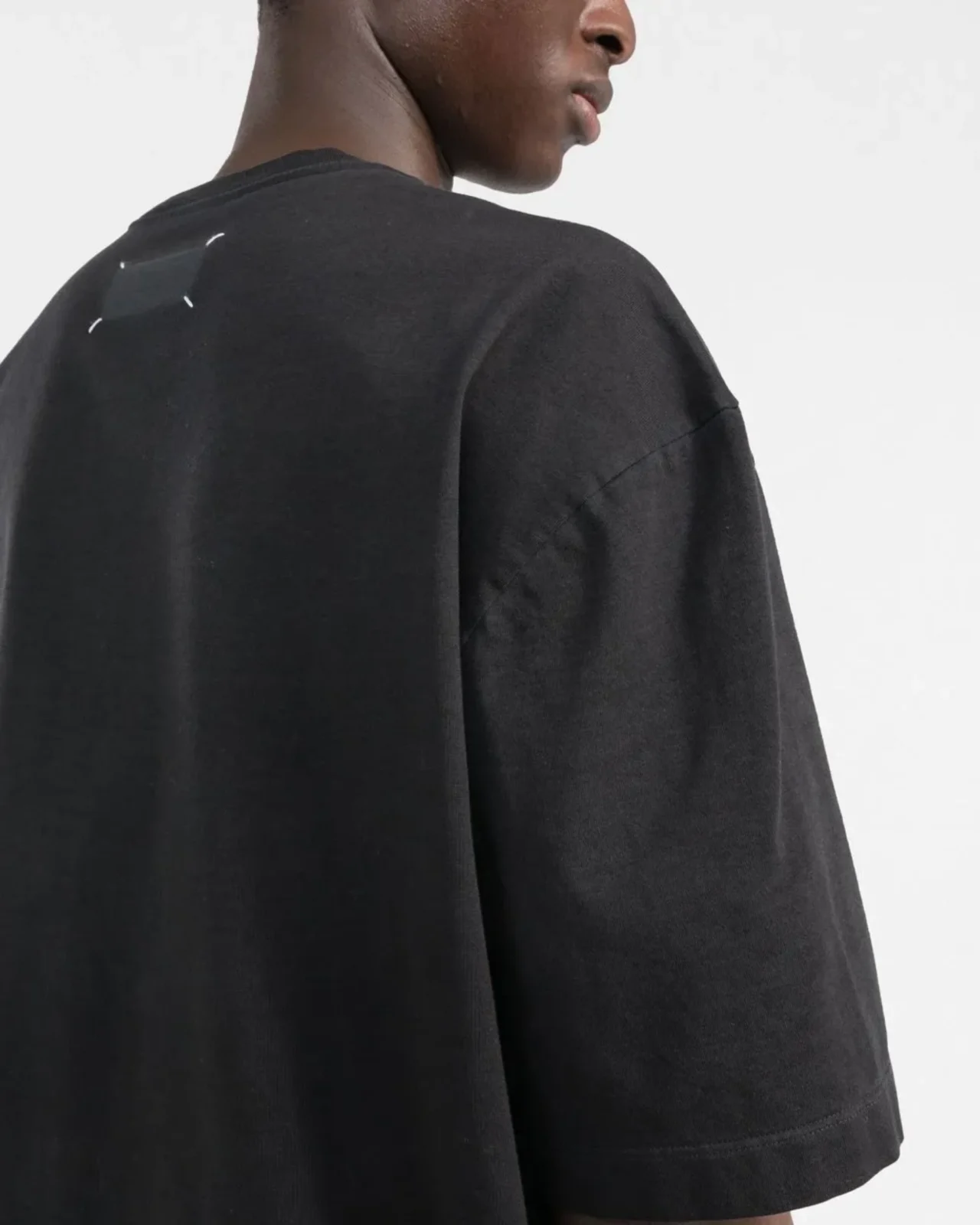
Maison Margiela’s four exposed white stitches have become one of the industry’s most recognizable non-logos. Prada’s recent SS27 show continues to rework its signature triangle, placing the emblem discreetly on the backs of jackets and shirts instead of front and center.
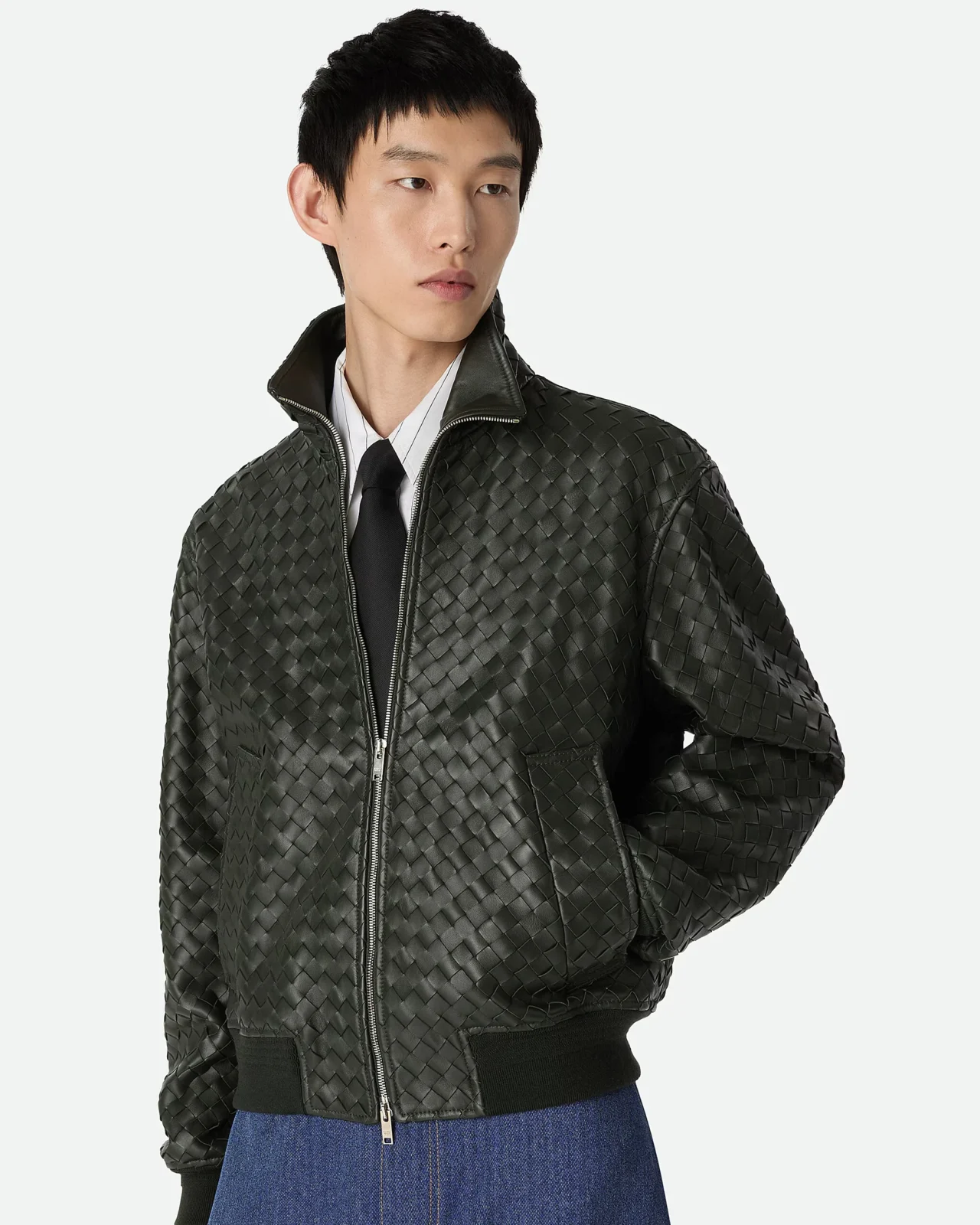
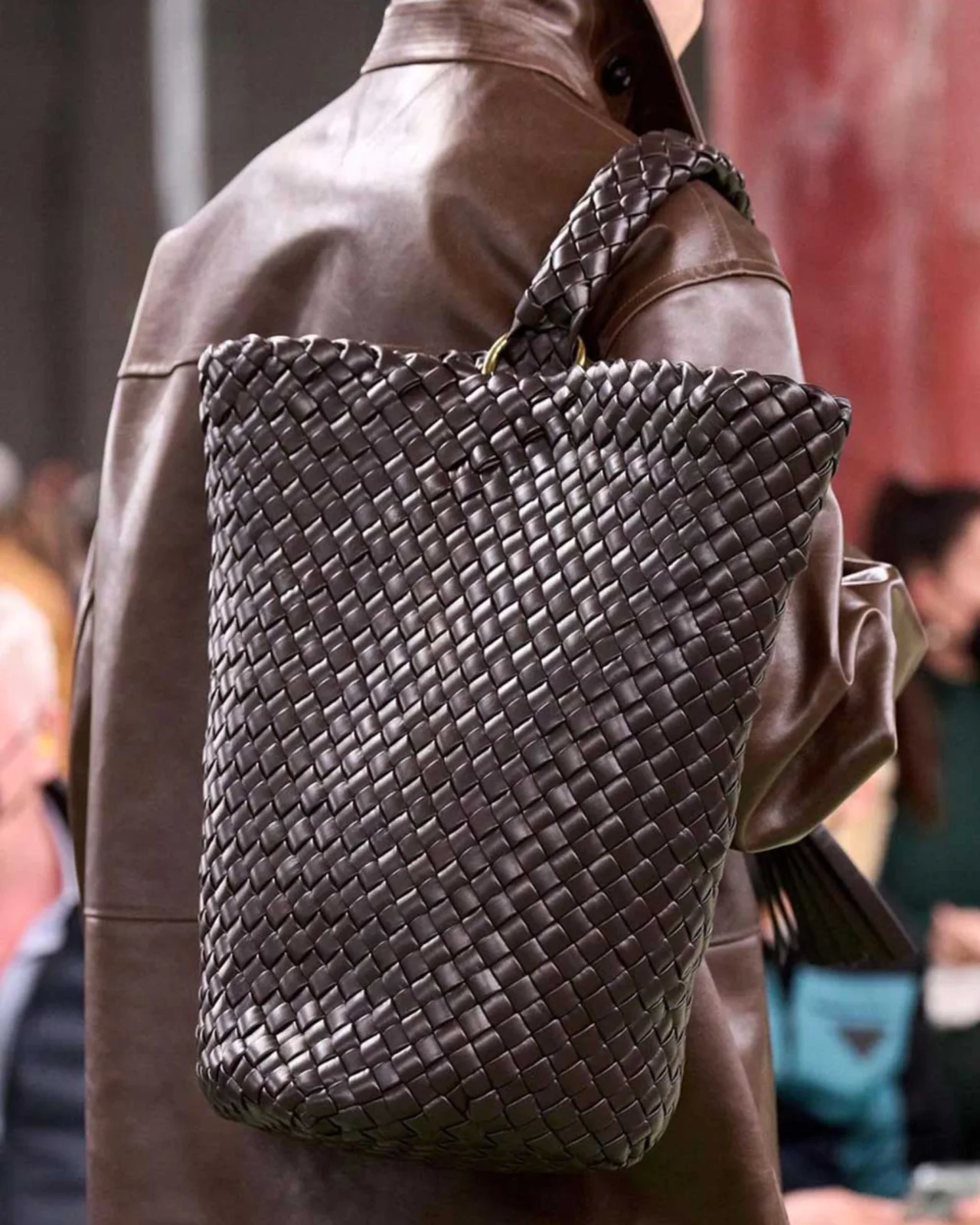
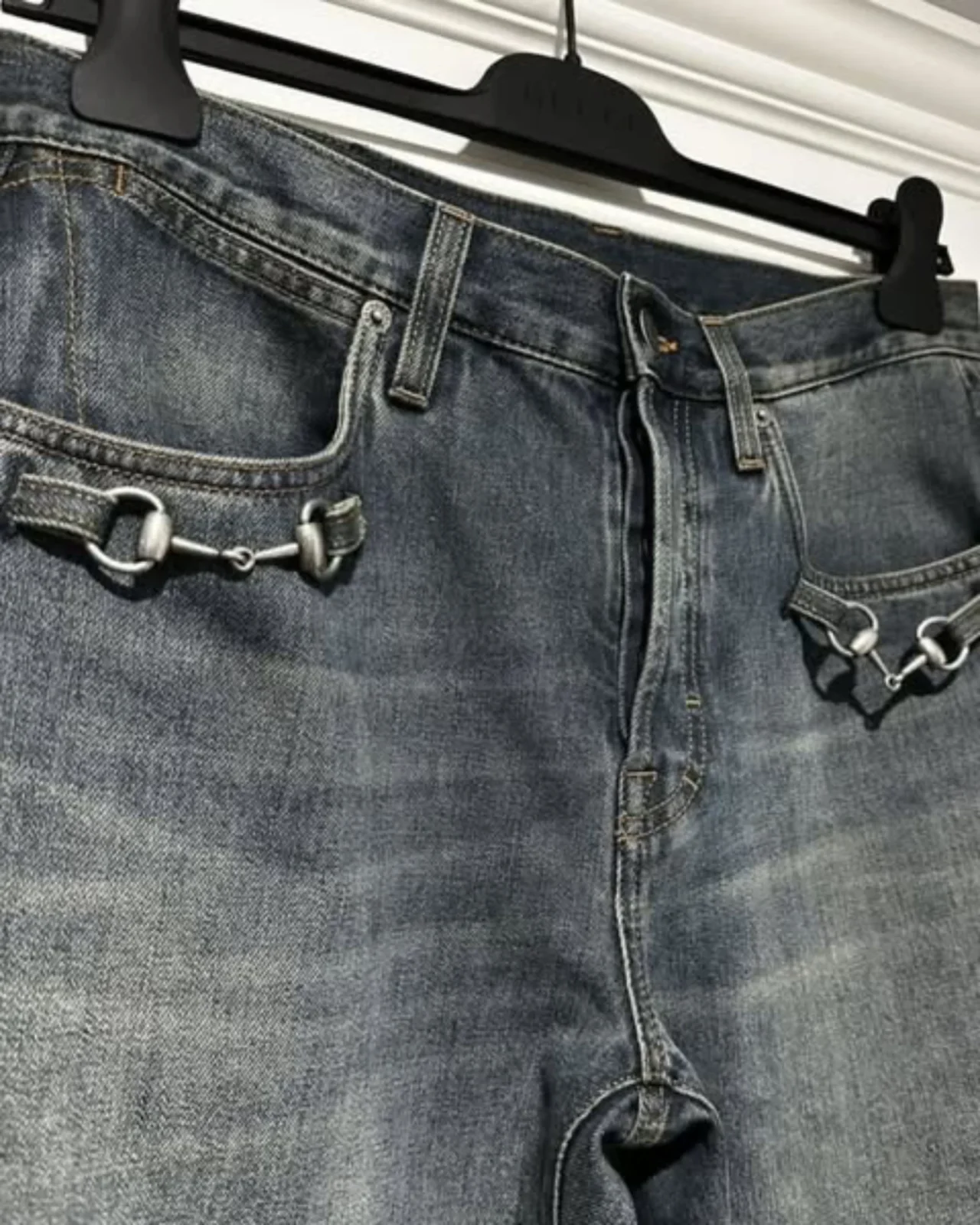
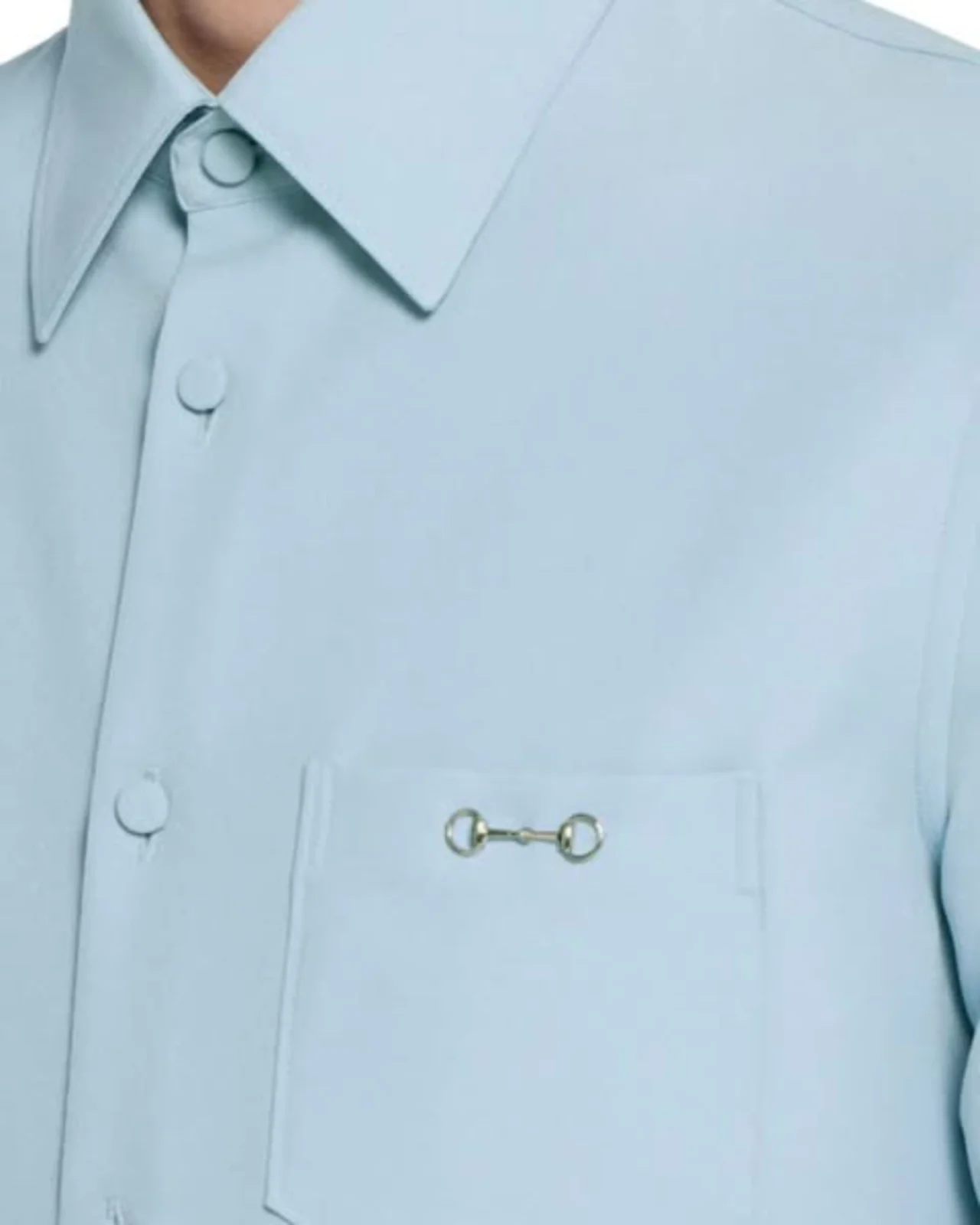
Bottega Veneta rarely relies on text at all, letting its Intrecciato leather weave speak for itself. Even Balenciaga has introduced a signature emblem, drawing from the two studs on its iconic City bag, while Gucci has extended its horsebit hardware beyond loafers to appear on jeans and jackets.
It’s also a response to the way fashion is consumed today. As quiet luxury reshaped consumer tastes, shoppers began prioritizing quality over overt branding. Instead of abandoning logos altogether, designers gave them a new form.
Quiet branding is just getting started
One way to look at it is this: rather than broadcasting status to everyone in sight, these details speak to a smaller circle of people who recognize the references. Owning the garment is one thing. Spotting it on someone else has become part of the appeal.
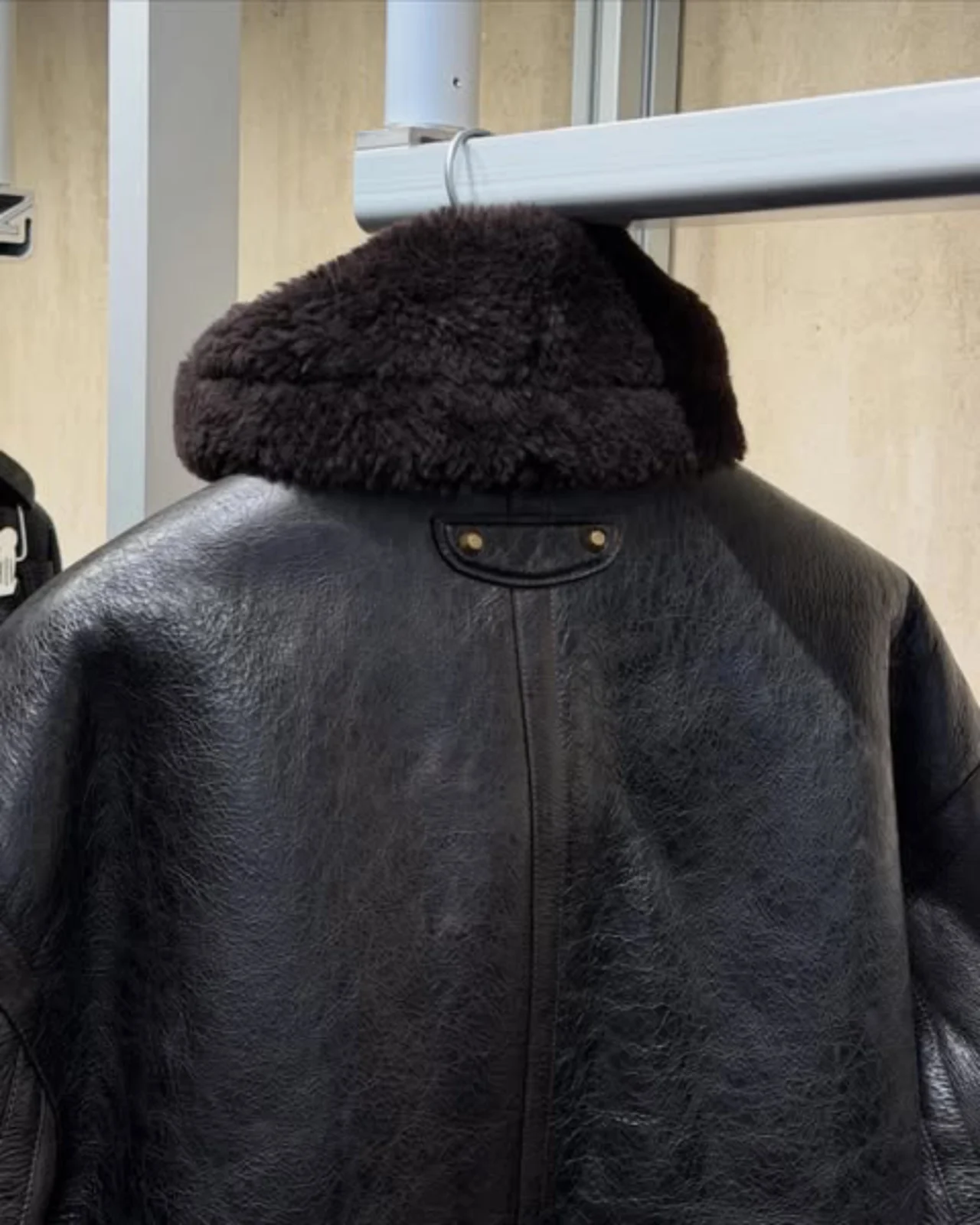
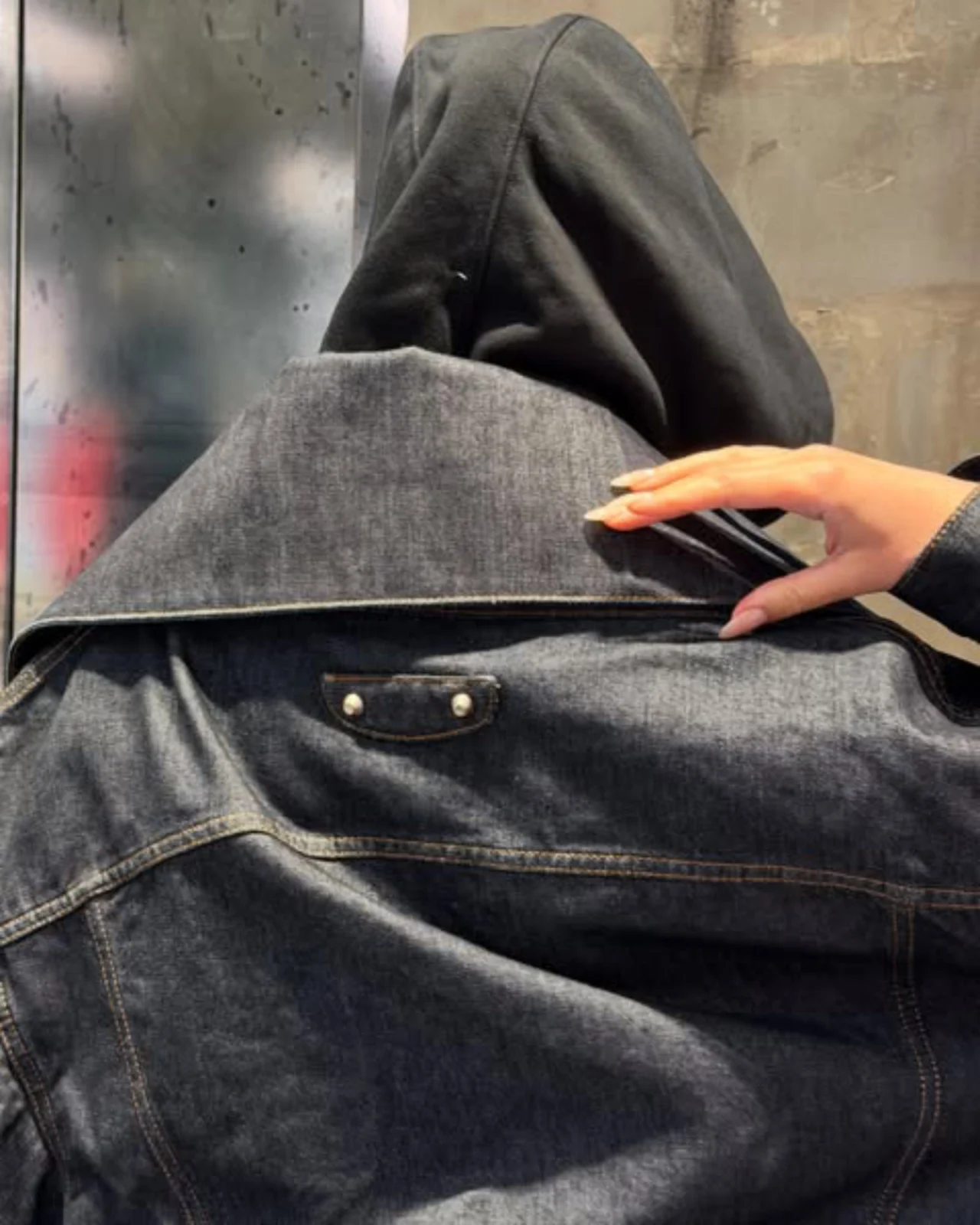
In many ways, branding now works like an inside joke. To most people, it’s simply a beautifully made jacket. To those who know, the placement of a triangular plaque is enough to identify its origin. One person sees leather. Another sees Bottega Veneta.
Frequently Asked Questions
In fashion, “if you know, you know” refers to subtle design details that identify a brand without relying on obvious logos. These hidden signatures are meant to be recognized by people familiar with the brand’s heritage and craftsmanship.
Many brands are moving away from oversized logos in favor of understated branding that highlights quality, craftsmanship, and design. Smaller logos also appeal to consumers who prefer a more discreet way to express personal style.
Brands such as Maison Margiela, Prada, Bottega Veneta, Balenciaga, and Gucci are known for using discreet branding. Signature details like Margiela’s four white stitches, Prada’s triangle, and Bottega Veneta’s Intrecciato weave have become recognizable symbols for fashion enthusiasts.
Yes. Quiet luxury continues to shape fashion by encouraging timeless design and subtle branding instead of bold logos. Many fashion houses have adapted this approach by creating signature details rather than eliminating logos altogether.

Recommended Video