In Search of Identity, Edmond Luu Finds a Language in Fabric
Edmond Luu transforms childhood memories, cultural fragments, and couture discipline into Pieces Uniques, a brand continuing to shape the identity of the Asian diaspora




From bedroom dreams to couture discipline
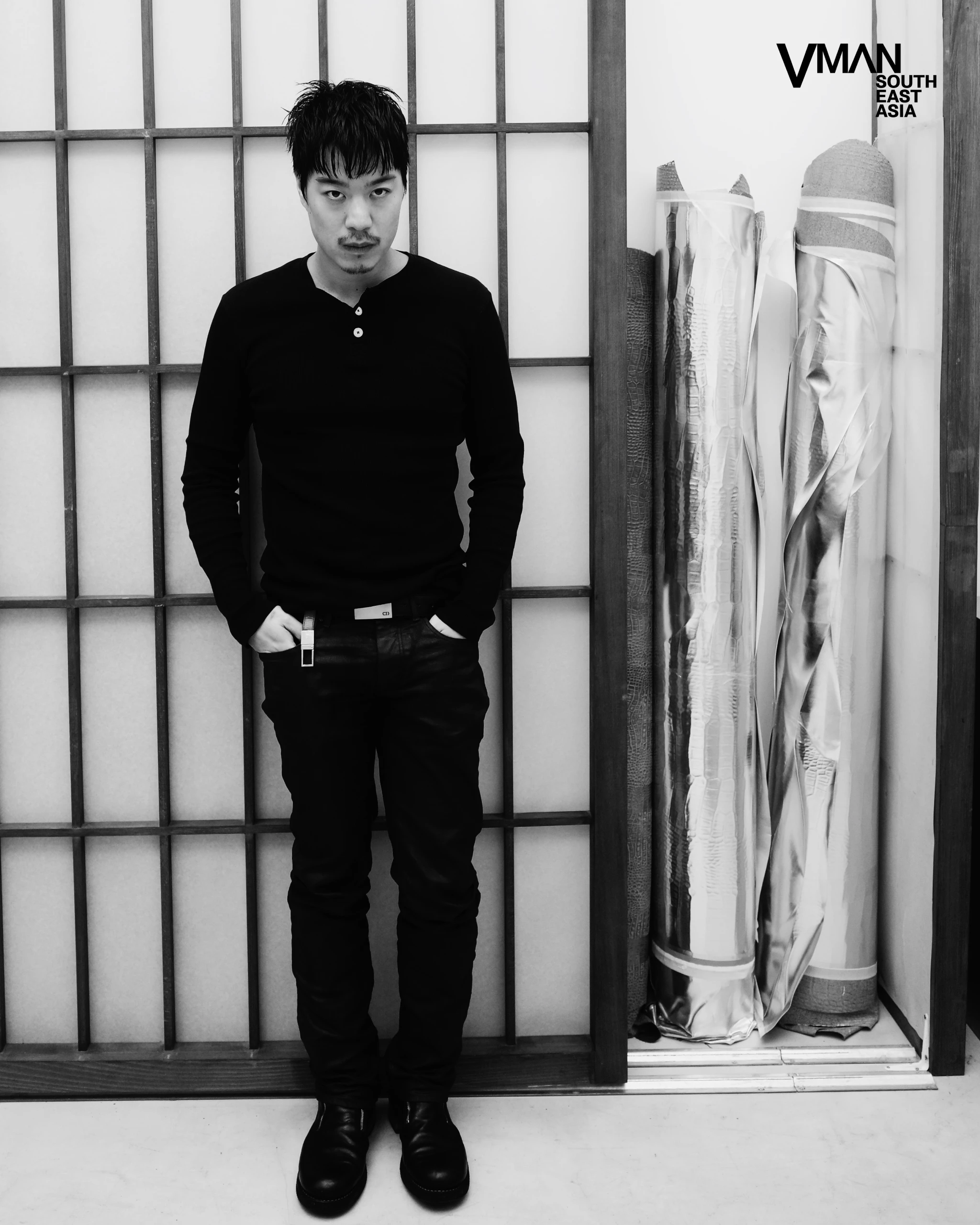
In Paris, fashion usually begins in ateliers, where garments are born from sketches and silence. For Edmond Luu, the founder of Pieces Uniques, it began in his bedroom. He was surrounded by stacks of notebooks filled with hand-drawn anime characters and the flicker of old game consoles, a small universe built on nostalgia.
“At the beginning, when I started to design, it was really to heal my inner child,” he says. What started as drawings of imagined worlds soon became sketches of jackets, uniforms, and silhouettes for the characters he wished existed.
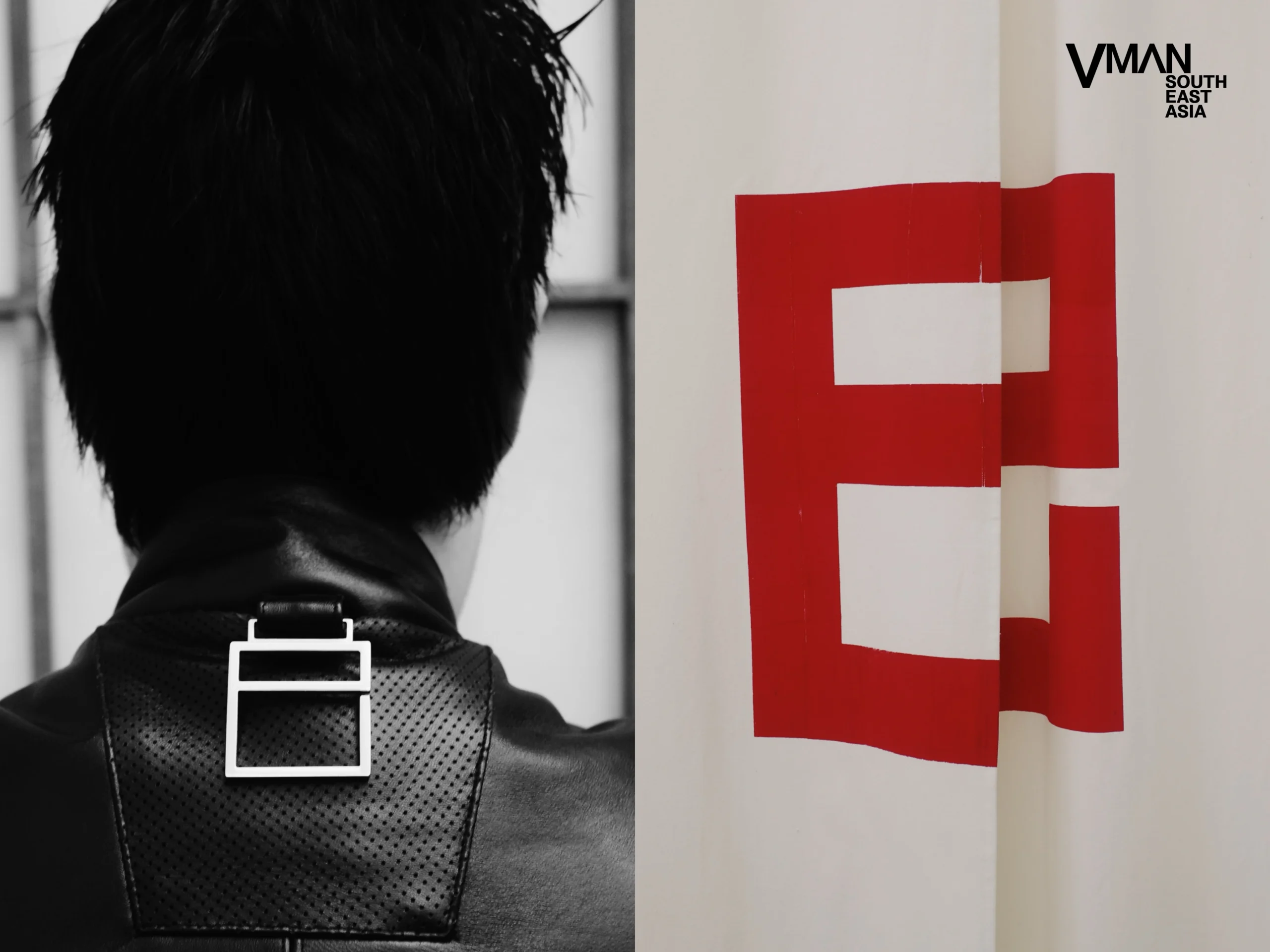
Pieces Uniques emerged from that intimate, almost private space. It was part experiment and part exorcism. Edmond was working at Dior then, learning the architecture of couture under the weight of luxury tradition.
“At Dior, I learned craft and discipline,” he recalls, “but my heart was still in the worlds I grew up with. Naruto, Fullmetal Alchemist, all those universes.” His first pieces, he admits, bordered on cosplay. They were theatrical and youthful, born from an unfiltered desire to merge fiction with fabric. That tension would later become the brand’s core identity.
Now, years later, Edmond calls the current moment of Pieces Uniques ‘Genesis.’ “Even if the brand started seven years ago, it still feels like the beginning,” he says. Winning the ANDAM Fashion Award for young designers validated his creative direction, but it also clarified his purpose.
“Back then, I was designing in a really innocent way. Now I understand our DNA. I know what we stand for.”
The name Genesis suggests both creation and reflection, an artist circling back to the start, but with sharper tools.
Reclaiming identity
Edmond’s cultural background adds another layer to his work. Born in France to Cambodian and Vietnamese parents with Chinese ancestry, he grew up in a multicultural suburb where questions of belonging were constant.
“The Asian diaspora in France is a really silent one,” he notes. “Our parents didn’t always encourage us to be confident about our origins.”
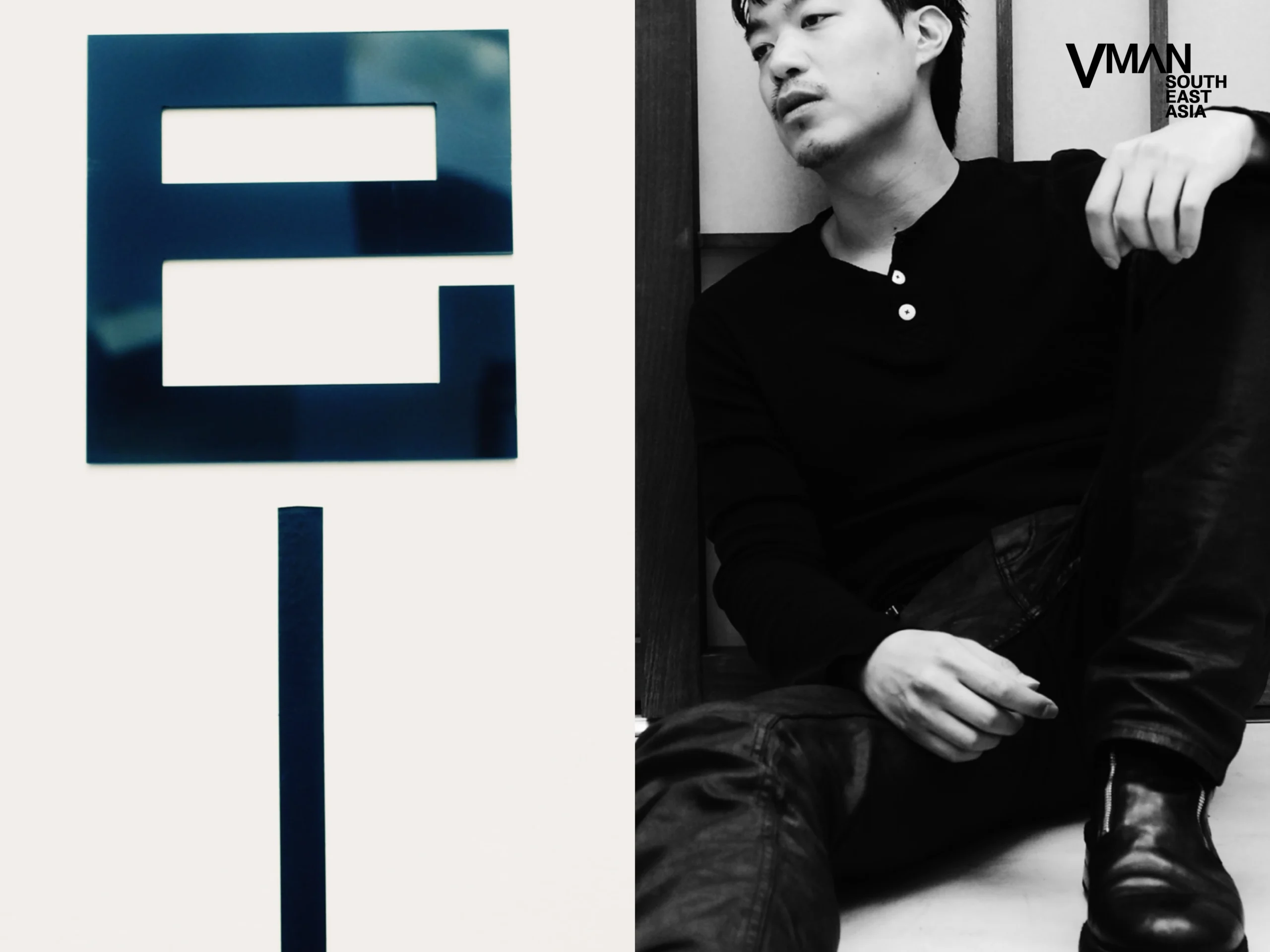
Many immigrant families, he notes, gave their children Western names to help them adapt, not realizing what was lost in translation. “But our generation is different. We’re starting to understand that we have something to be proud of.”
That realization is visible in the narrative threads of Pieces Uniques. The brand’s campaigns center on values that come from his Asian upbringing. “It took me time to accept all the parts of myself,” he says. “Now I embrace it all.”
His designs often transform symbols of discipline or humility into objects of beauty. The bonnet d’âne hat, once used to shame students in old French classrooms, became a playful winter beanie. Jade stones, long regarded in Asian families as protectors against misfortune, reappear as subtle accents throughout his collections.
“I can’t design without telling a bit of my story. It’s about turning something that symbolized shame or fear into something joyful.”
Memory and play
His storytelling often extends beyond fabric. One of his collections drew from a conversation with his grandfather, who lived through the Vietnam War. “He told me about the influence of American propaganda at the time,” Edmond recalls. The collection responded with sharp irony, including a T-shirt that read mon livre (“my book” or “free word”), a critique of how freedom is often used as a tool of control.
Another series, Rock, Paper, Scissor, explored fusing traditional Chinese silhouettes with Western denim rivets. Each collection functions like a chapter in a long-running manga, one that tracks his evolution as a person navigating heritage and globalization.
Still, Pieces Uniques is not nostalgia in disguise. Edmond’s fascination with uniforms, for instance, reveals a forward-facing philosophy.
“Uniforms are very Asian. They represent equality and identity at once. I like the idea of creating a modern uniform. Pieces that make people feel part of something bigger.”
Survival, however, remains part of the narrative. “Dior taught me discipline, but independence taught me survival,” Edmond says. Running an independent label in Paris means confronting financial limits while maintaining creative integrity. “Fashion weeks, campaigns, photographers; it all costs money. Even with friends helping, a campaign can cost [a lot].”
His approach is pragmatic: maximize every opportunity, collaborate across mediums, and make every trip count. “You have to be resourceful. That’s the reality behind the image.”
Building bridges across Asia
What sustains him is connection. Edmond sees his brand as a cultural bridge. “That’s why I said yes when you reached out from Southeast Asia,” he says. His work with other magazines grew from the same desire to connect with Asian audiences across geographies.
“Representation is powerful. I want young Asians everywhere to see themselves in what I do.”
When he speaks of Filipino culture, his admiration is genuine. “You have this warmth that’s so real. I wish I had grown up around that.”
The language of care
There is a spirituality that runs through his reflections. “My parents never said ‘I love you,’” he says. “They showed it through food, through asking if I’d eaten.” That form of unspoken care, he explains, shapes how he tells stories in fashion.
His campaigns often center Asian masculinity framed through tenderness rather than strength. “It’s hard for us to say ‘I’m proud of you.’ Even I struggle to tell my team that. But I try. I hope my work communicates what I can’t always say.”
When asked what he wants people to feel when wearing his clothes, Edwin pauses for a moment before answering. “Like it’s their second skin,” he says.
It is a simple answer, but one that carries the weight of everything that came before: the childhood drawings, the diaspora, and the struggle to be understood.
Pieces Uniques, in its current chapter, is a story still being written. Its language is one of balance between East and West, past and present, fantasy and reality. And in that balance, Edmond Luu continues to build an identity, one garment at a time.
Photography Goldie Williams