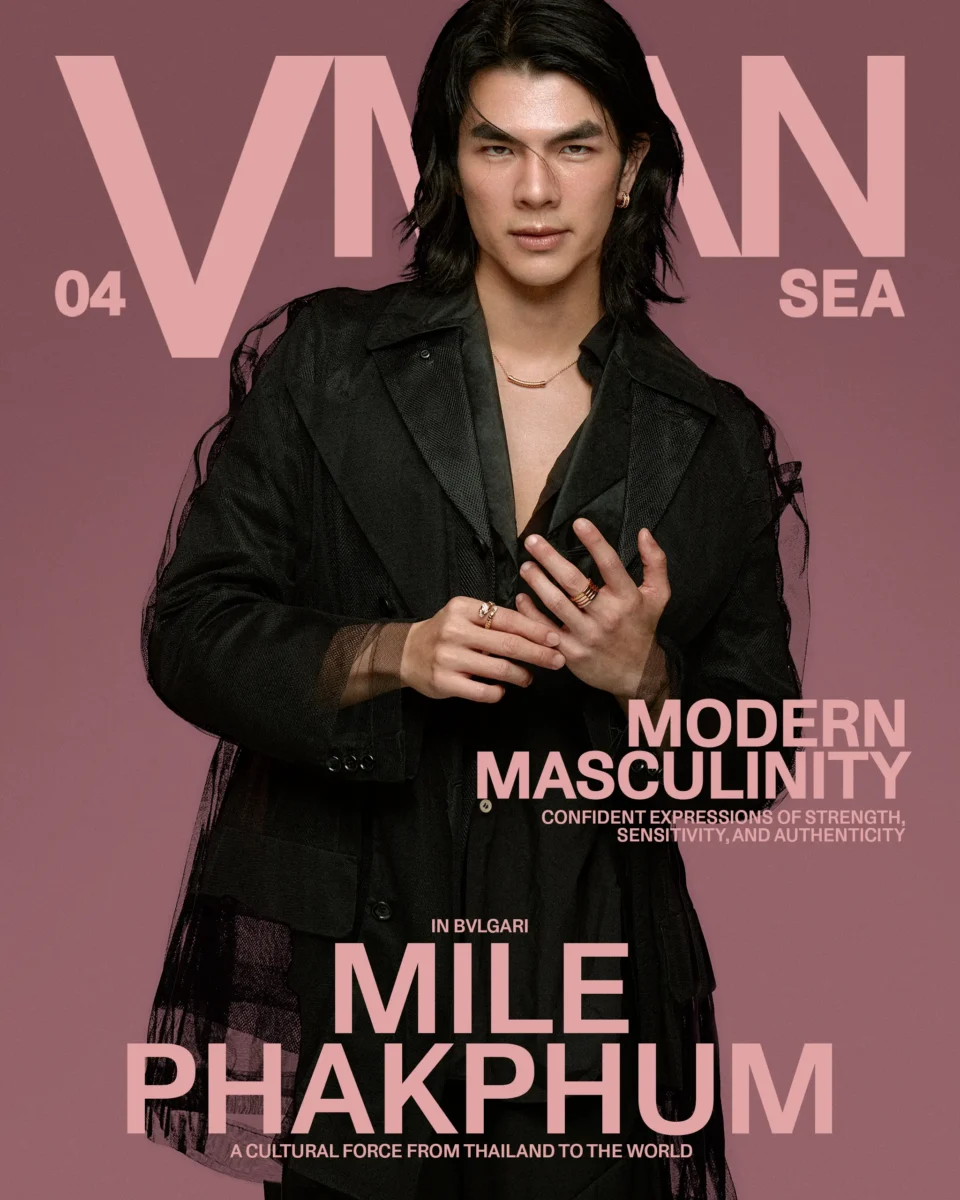
Man on the Verge: Why Cinematic Vulnerability Is the New Cool
Why the modern leading man is defined not by victory, but by the verge of collapse




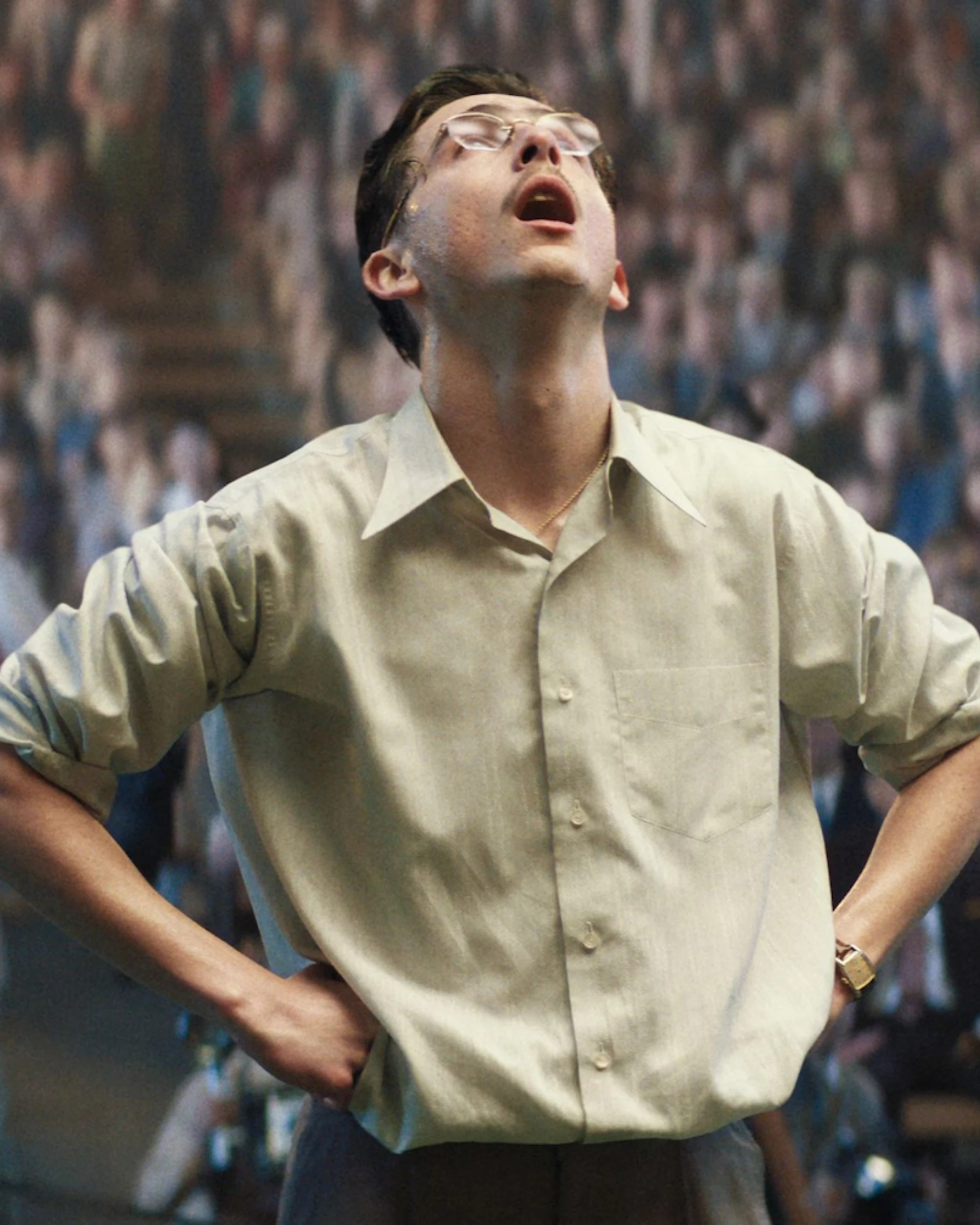
The year is 1995. Pierce Brosnan sprints onto the screen. He plays James Bond: lean, capable, and classically handsome. The mathematical ideal of the optimized man.
Wearing a perfectly tailored tactical suit, he looks over a 700-foot dam and leaps. With near-flawless precision, he fires a grappling hook exactly at his target, uses a laser to open an air vent, and slips suavely into a USSR base through the bathrooms. His hair remains untouched.
The optimized man
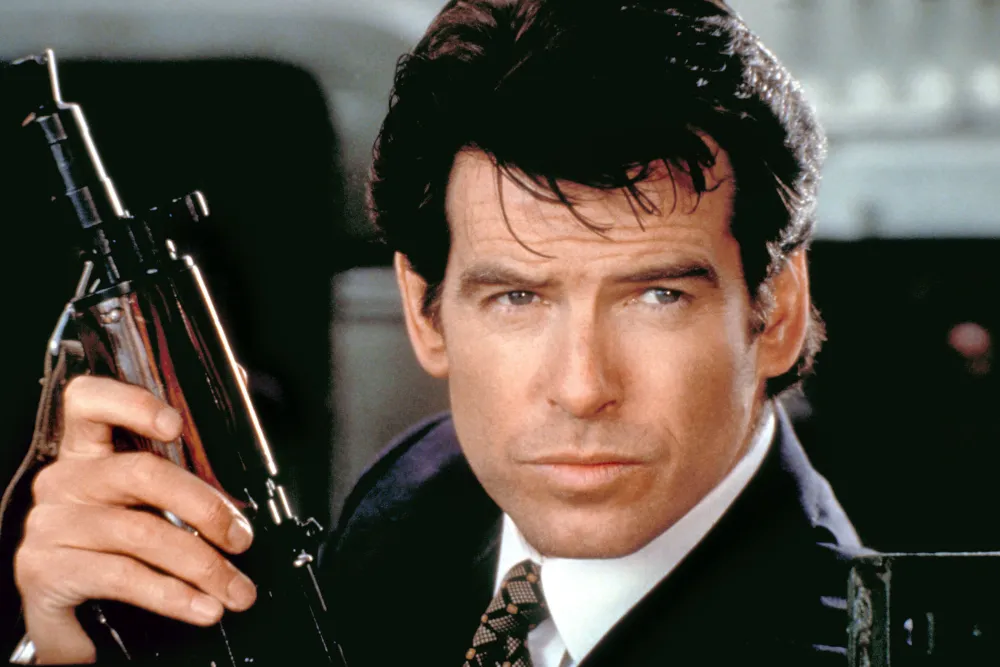
The year is 2025. Christmas Day. The biggest movie of the season, the product of the buzziest press tour. Onto the screen walks Timothée Chalamet as Marty Mauser, an almost-but-not-quite table tennis superstar. He has acne marks on his cheeks. He is skinny rather than lean. He talks too much, his words tumbling out in a nervous heap.
Yet the world watches. “He’s the white boy of the year,” the internet jokes. “He’s going to win an Oscar,” a little more seriously.
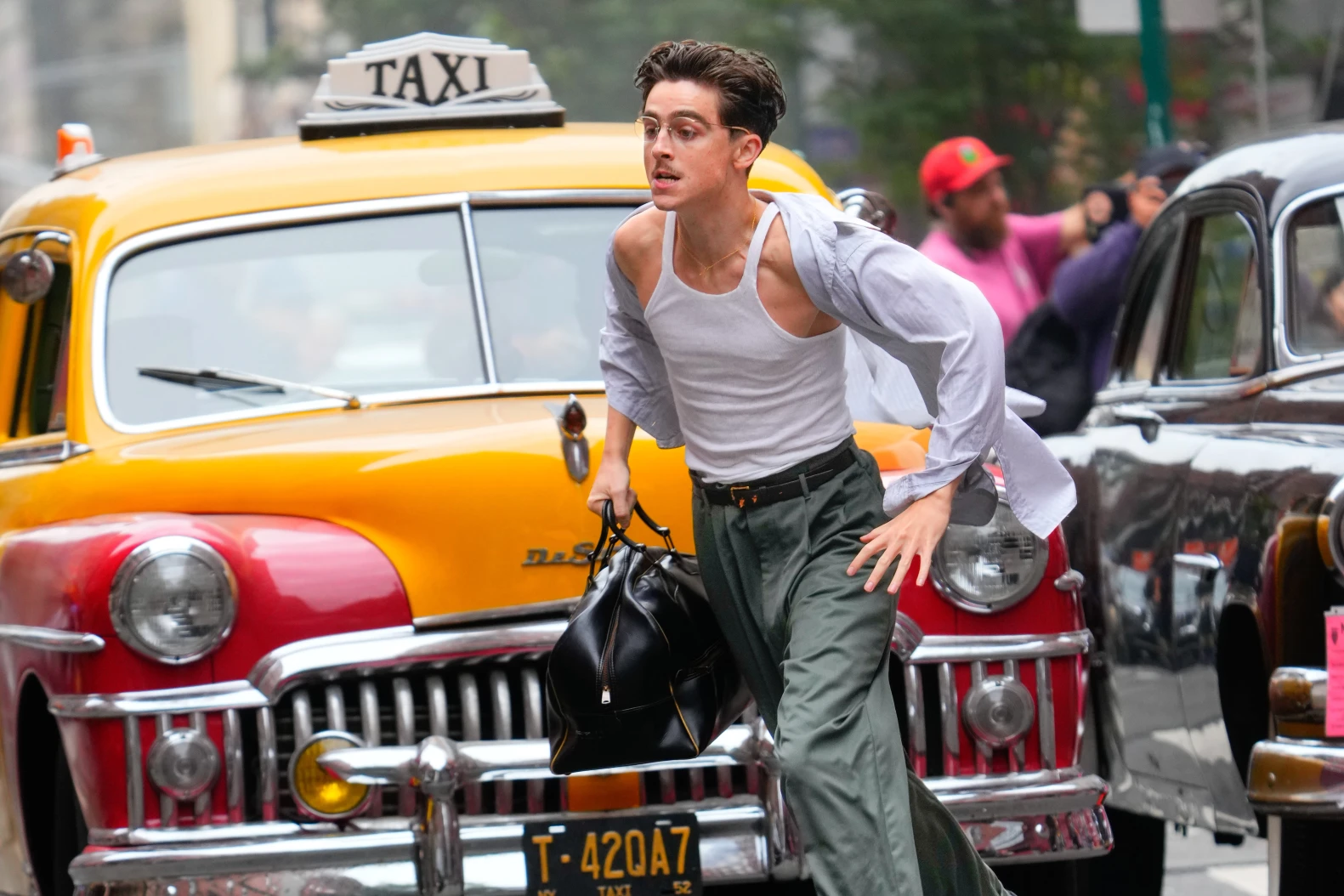
Beneath the memes is a shift in the foundations of stardom. The leading man has moved from the controlled and optimized masculine figure, someone admired from a distance, to someone who feels touchable. The aspiration of perfection has been traded for permeability.
From myth to memes
I felt this shift most acutely mid-year after walking out of a screening of Quezon. A friend and I picked apart the protagonist. He was flawed, certainly, but uncomfortably static, driven by a selfishness that felt like his only motive. We said the experience would have been stronger if he had been allowed to be truly gray.

What did we mean by gray? We talked about it as he drove me home. We were not looking for a hero or a villain, but for someone beyond black and white. We wanted shadows: shady intentions and ego. We also wanted light: silent and fumbled attempts at doing the right thing despite oneself.
A gray character feels like an actual person because they contain conflicting internal states. They struggle between right and wrong. In that struggle, they become human.
READ ALSO: Should We Really Bring Back Men Who Yearn?
In praise of the gray
You see it in films like Aftersun, where Paul Mescal plays a young father, Calum Patterson. In a budget seaside resort in Turkey, he attempts to simulate a perfect vacation for his 12-year-old daughter. But the mask is heavy. Between depressive episodes and crumbling finances, the tragedy is not that he fails, but that he collapses trying to maintain control.

Our modern heartthrobs lean into this proximity to breaking.
Take Jeremy Allen White in The Bear. A genius in the kitchen, haunted by grief and a crippling fear of failure, perpetually on the edge of a breakdown.
In the 90s, a man like Carmy Berzatto would have been a cautionary tale or a gritty antagonist.
Today he is a global obsession. When Jeremy Allen White climbed onto a SoHo roof for Calvin Klein, he did not offer the smug, waxed perfection of Titanic-era Leonardo DiCaprio. He looked like a man running on cigarettes and adrenaline.
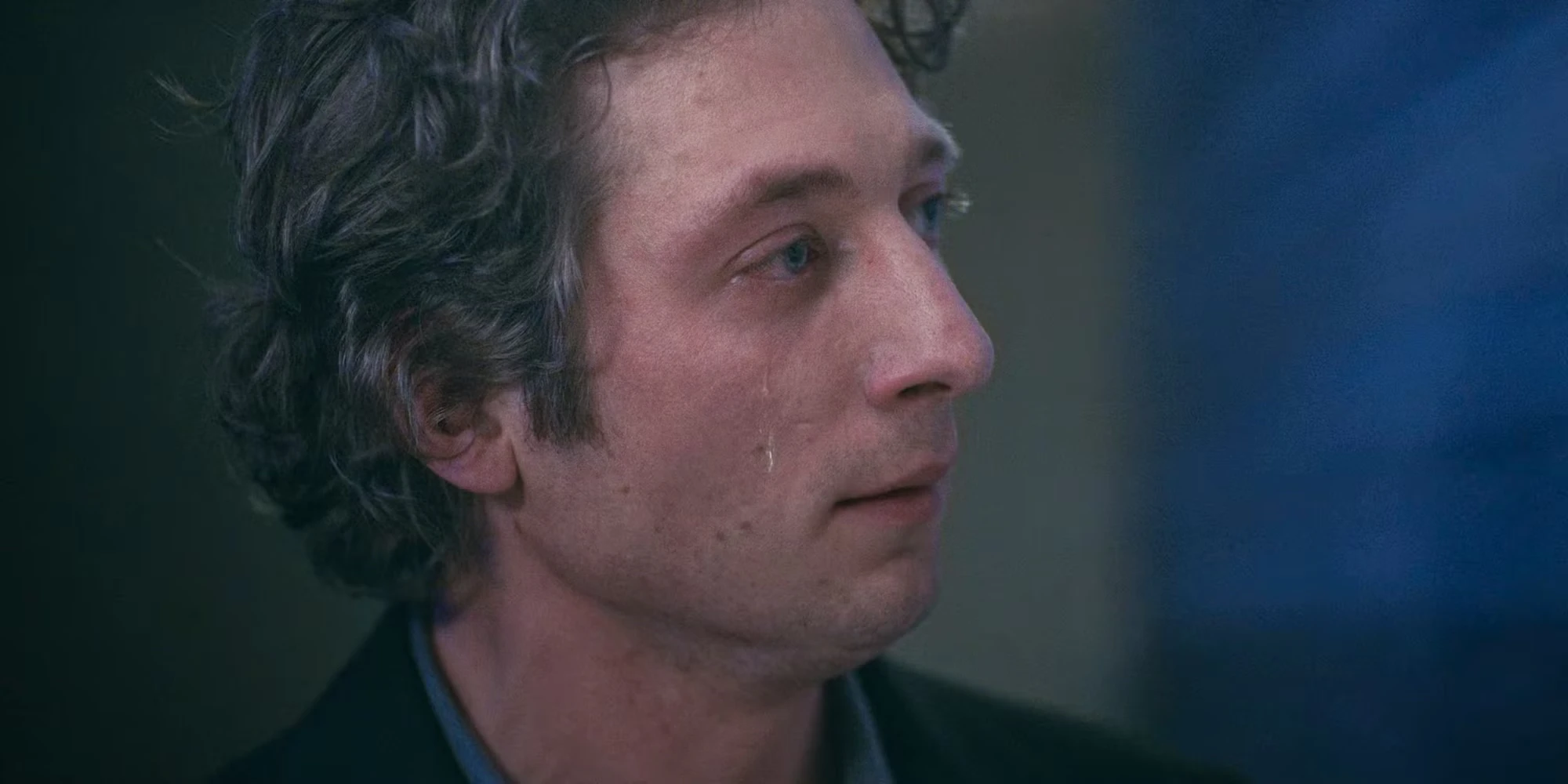
We find his panic and inability to communicate more attractive than Bond’s effortless victory. We no longer want the man who wins without breaking a sweat. We want the man drenched in it, because we know what it costs to keep things running.
Loving the monster
Enter Jacob Elordi as the Creature in Frankenstein, perhaps our most statuesque leading man cast as a body stitched together.
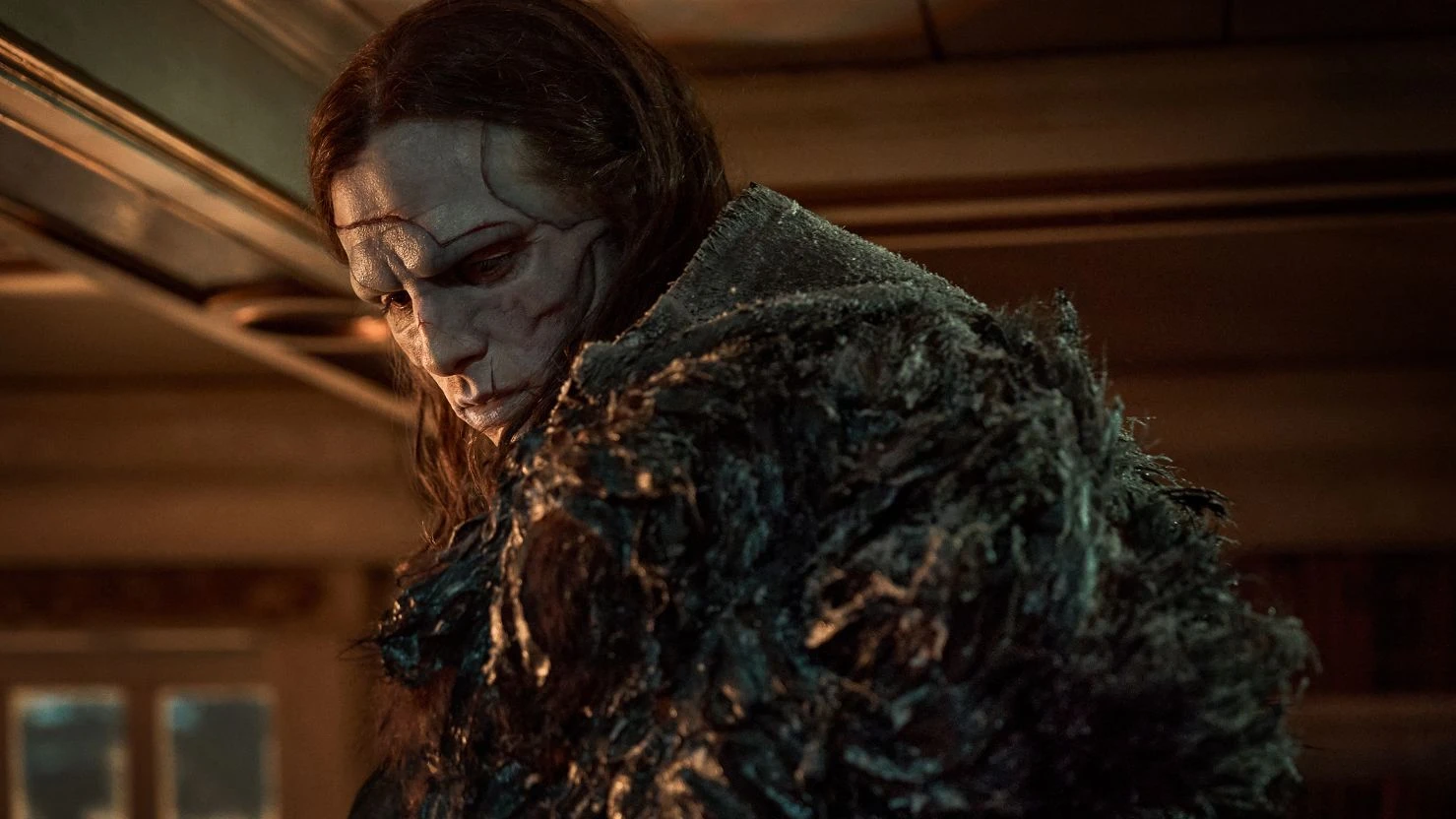
Cue the endless TikTok fancams. An Oscar nomination. A wave of confused attraction mixed with maternal protectiveness. “He’s such a good monster! Why are they mean to Frankenstein?” podcaster Brittany Broski asks through tears and laughter.
Films teach nuance, but they also teach the cost of living. We have moved away from distant admiration toward protective intimacy with our protagonists.
Collapse of charisma
In 1965, Joan Didion wrote John Wayne: A Love Song. John was the Golden Age heartthrob, the strong-willed cowboy who embodied the ideal man of his time.
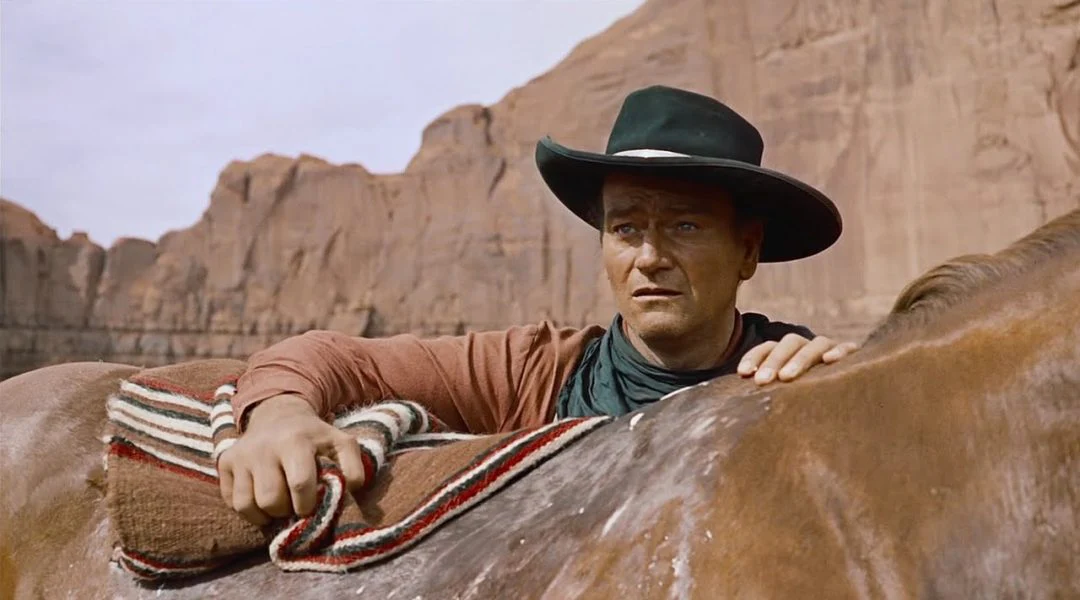
When Joan met him in person, older and ill, it felt like a shock to the system. He represented a world that was never supposed to break. By playing perfect characters, he became a myth that audiences felt compelled to worship.
Joan’s love song was for a symbol. Ours is for a mess.
The end of worship
Perhaps we love the man on the verge because the world itself feels that way. In a climate that threatens to come apart every news cycle, the Bond-level fantasy of total control feels less than unrealistic. It feels uncool.
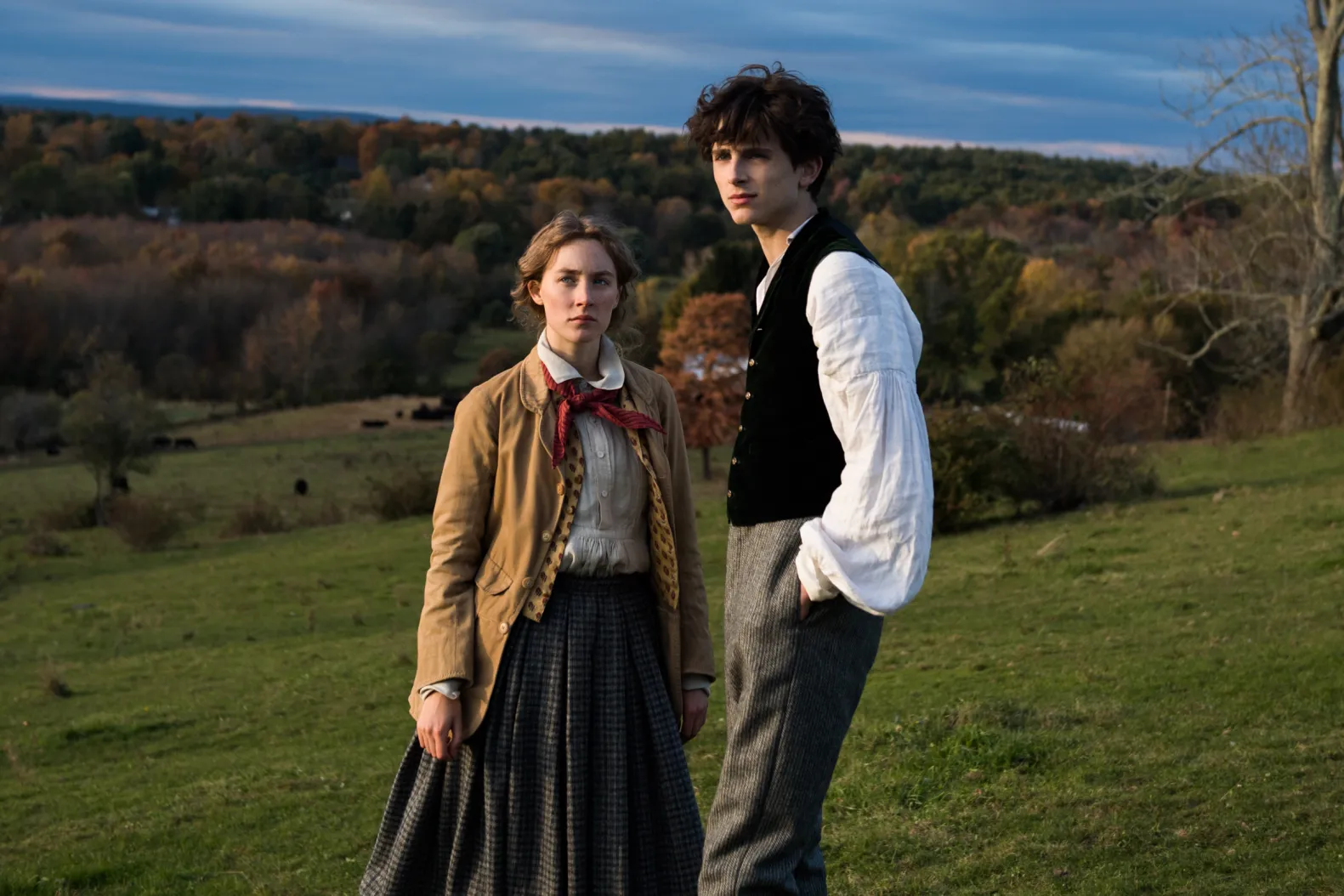
I have realized I like my protagonists, my friendships, and my people a little more gray. There is truth in the cracks of a person, a complexity far more attractive. We do not want the man who wins without breaking a sweat anymore. We want the sweat. The panic. The visible cost of things, maybe to assure ourselves that no one, not even a movie star, gets away with having it all.
Audiences are responding to characters who feel human rather than perfect. Flawed protagonists reflect real emotional struggle and feel more relatable in an unstable world.
The 1990s favored controlled and hyper-competent figures like James Bond. Today’s films embrace emotional exposure, anxiety, and moral ambiguity as signs of depth rather than weakness.
Films like Aftersun and The Bear spotlight men on the edge of emotional collapse. Their appeal comes from visible effort, not effortless victory.
Gray characters contain contradictions that mirror real life. Their inner conflict makes their choices feel earned and emotionally credible.
It suggests a move away from worshipping perfection toward valuing honesty and emotional cost. Viewers want to see what success takes, not just the outcome.
Photos courtesy IMDB