
The Time When Every Show on Television Was a Reality Show
A retrospective on the chaotic year of 2007, when a historic Hollywood strike left networks with nothing but unscripted chaos to fill the primetime slots




Recommended Video
- The 2007–2008 Writers Guild of America strike abruptly halted production on all scripted television dramas and comedies.
- To fill massive gaps in primetime schedules, television networks rapidly greenlit and aired dozens of unscripted reality programs.
- Desperate for content, executives pushed highly experimental, bizarre, and cheap game shows onto the airwaves.
Why were reality shows so prominent in the 2000s?
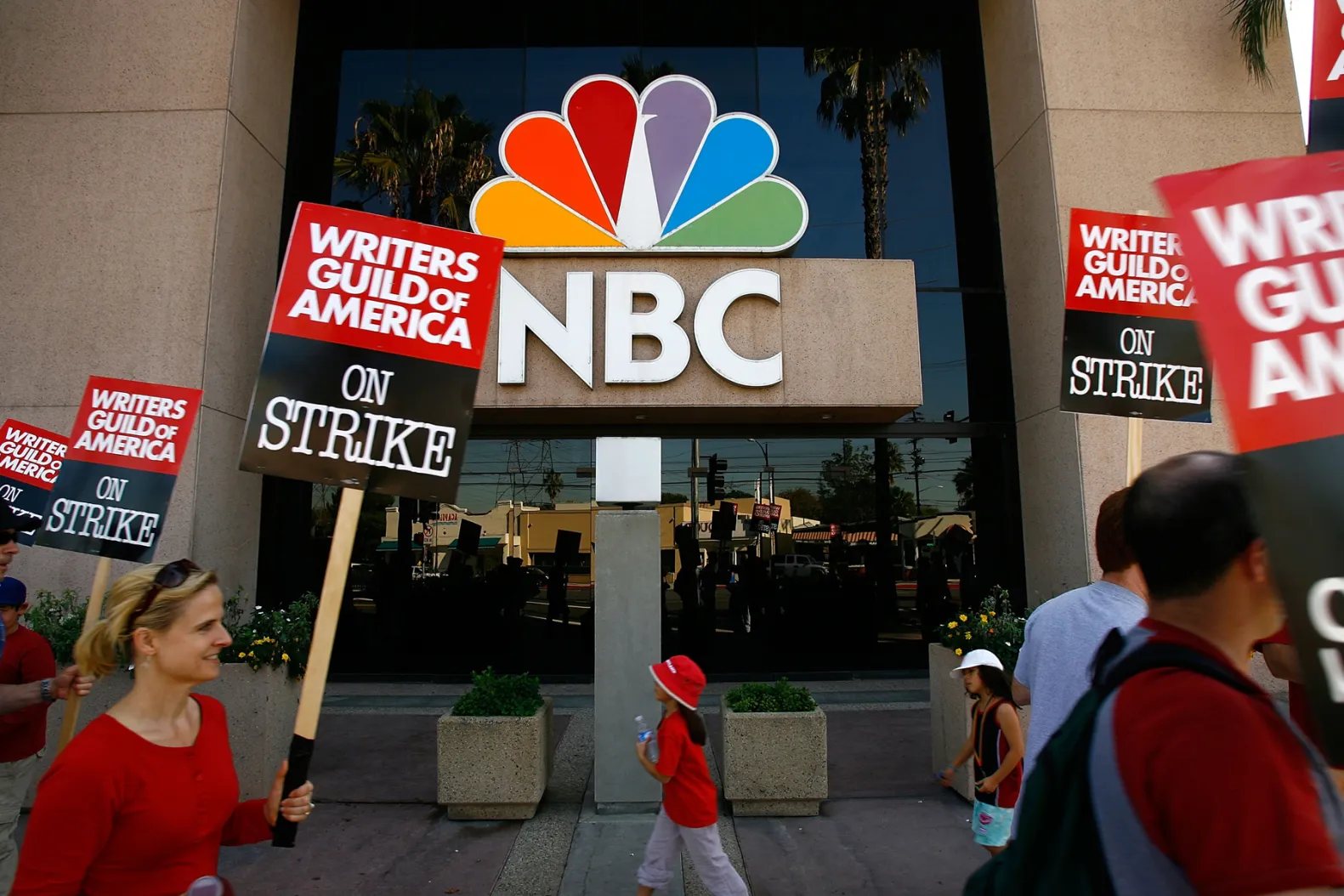
In late 2007, the entertainment industry ground to a sudden halt. A massive dispute over digital streaming residuals led thousands of writers to walk off the job. Within weeks, popular dramas and sitcoms ran out of completed scripts, forcing networks into an absolute panic.
Executives were suddenly staring down empty primetime slots and vanishing advertising revenues. They needed a quick solution that required zero union writers and could be produced overnight. The answer was already in their back pockets: unscripted reality television.
What followed was a sweeping transformation of the broadcast landscape. For several months, the traditional, carefully plotted television season was effectively dead. In its place stood an endless parade of competition shows designed to keep the lights on.
The era of total unscripted dominance
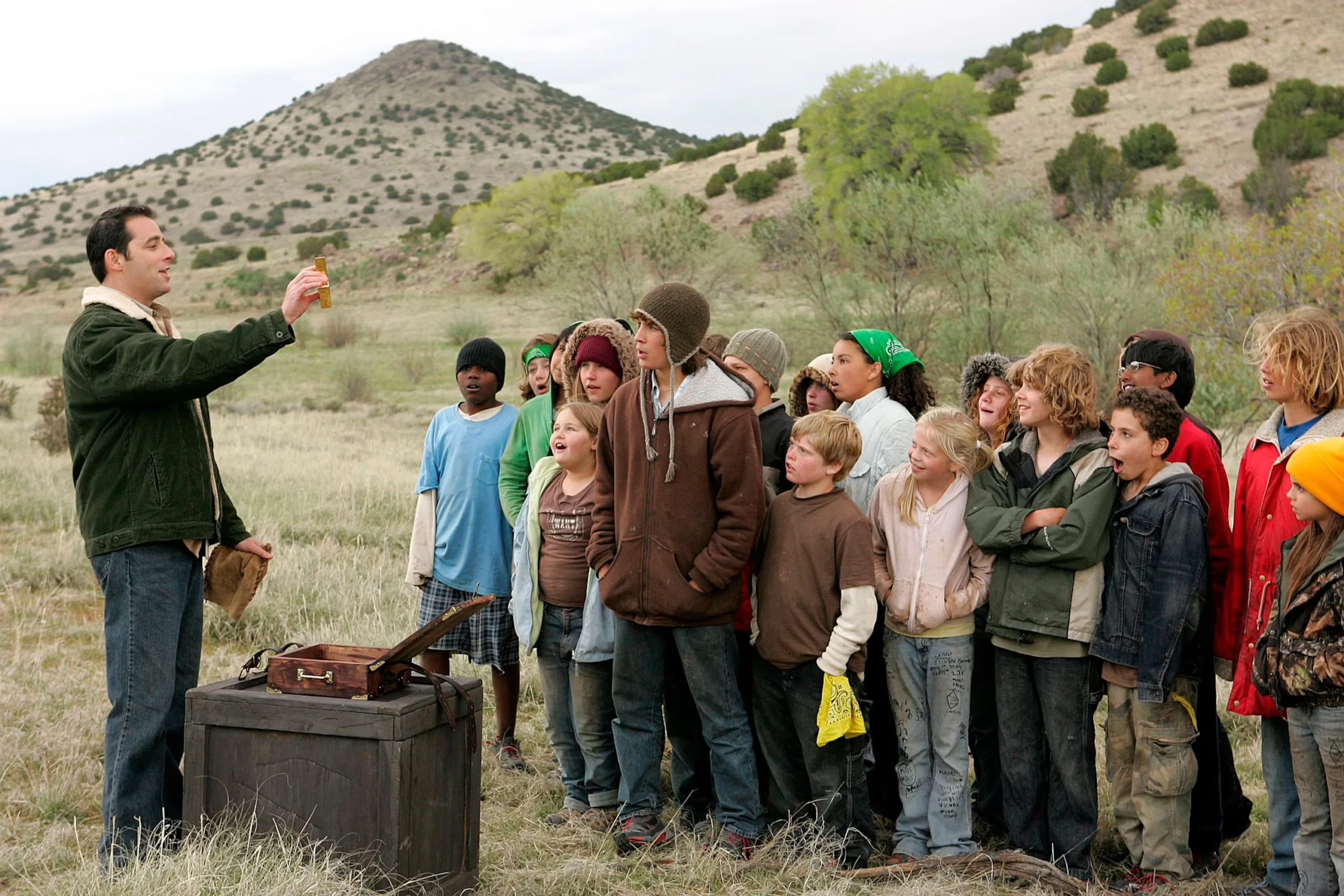
Almost overnight, major networks flipped their schedules to lean entirely into the unscripted format. Established juggernauts like American Idol and Survivor saw their presence amplified. Audiences used to tuning in for complex medical dramas were instead greeted by a barrage of unscripted competition.
Because the demand for content was so massive, networks greenlit increasingly bizarre concepts. Shows centered on intense trivia, extreme physical stunts, and elaborate dating setups were fast-tracked from pitch to air. It was a chaotic, experimental Wild West where anything without a script was deemed worthy of broadcast.
Viewers initially resisted the change, mourning the sudden cliffhangers of their favorite scripted serials. However, the addictive nature of these unscripted spectacles eventually won over the public. Audiences tuned in by the millions, turning ordinary people into household names over a single winter.
The permanent shift in modern media
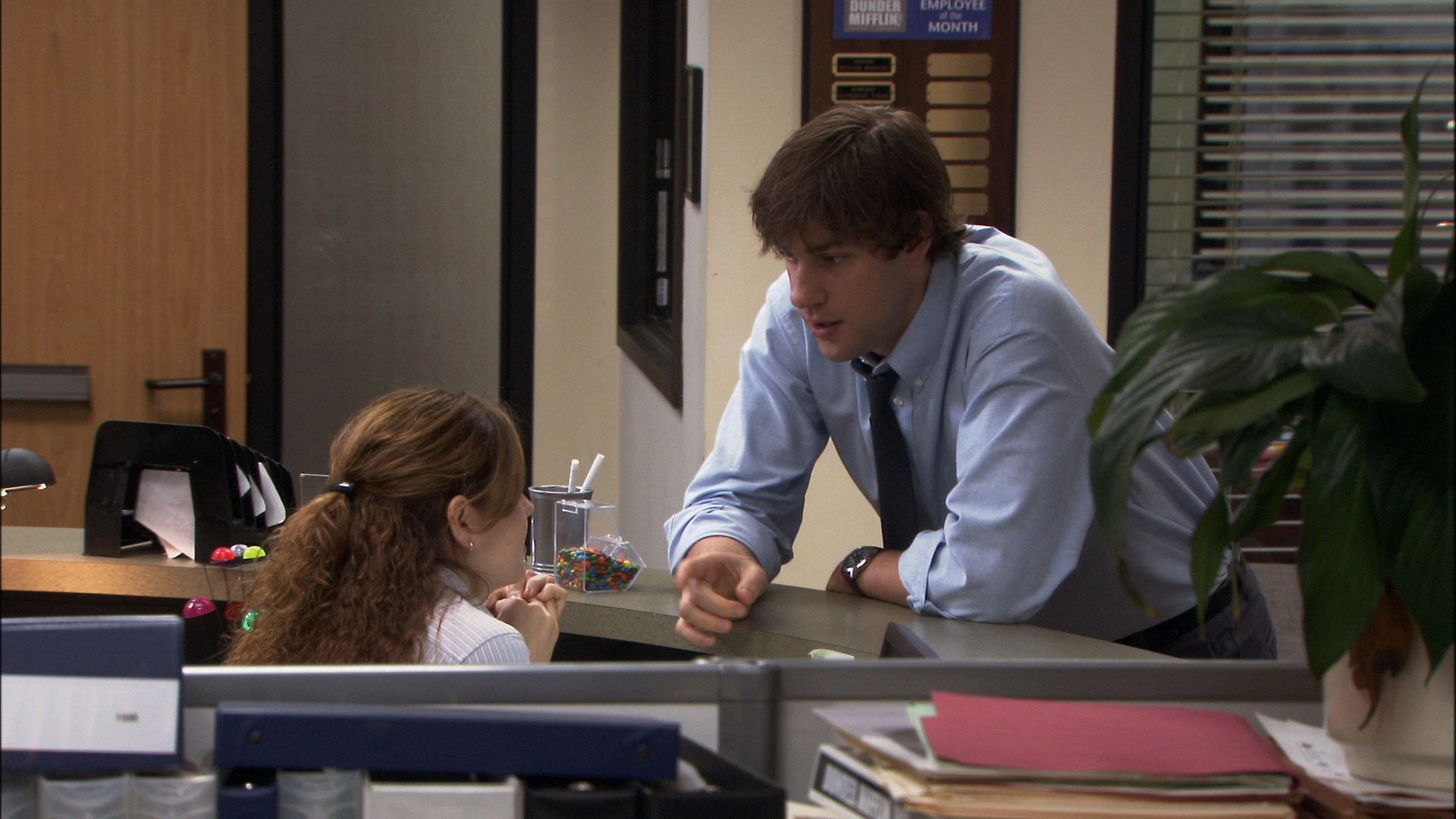
When the strike finally resolved in early 2008, the television landscape had been fundamentally reshaped. Writers returned to their desks, but they found an ecosystem that had learned to thrive without them. The dominance of the unscripted format during those dark months had proven something vital.
Executives realized that reality television wasn’t just a temporary safety net; it was an incredibly lucrative business model. These shows were significantly cheaper to produce, carried less financial risk, and generated massive buzz as the strike proved that reality TV could easily anchor an entire network’s identity.
Today, our modern media diet—from network television to streaming platforms—is a direct result of that mid-2000s shift. The era when reality TV took over the world wasn’t just a weird quirk in broadcasting history. It was the catalyst that proved unscripted storytelling was here to stay.
Frequently Asked Questions
The shift was caused by the 2007–2008 Writers Guild of America strike, which lasted for 100 days and left networks without any scripts for their regular programming.
No, while initial ratings dipped for certain networks, viewers quickly migrated to reality programs and game shows, which began pulling in massive, record-breaking audiences.
Yes, many shows were either conceived, fast-tracked, or achieved massive peak popularity during this time, including the rapid expansion of the Keeping Up with the Kardashians and The Real Housewives universes.
Networks kept producing them because they realized reality television was incredibly cheap to make, required shorter production timelines, and yielded massive profit margins compared to scripted shows.
It proved that unscripted content is essential for a balanced media library, leading modern streaming platforms to heavily invest in their own massive slates of reality and dating shows.