
How Television Rewrote Pop Culture History in Each Era
From clunky mechanical boxes to infinite digital streams, the screen transformed global entertainment, technology, and pop culture




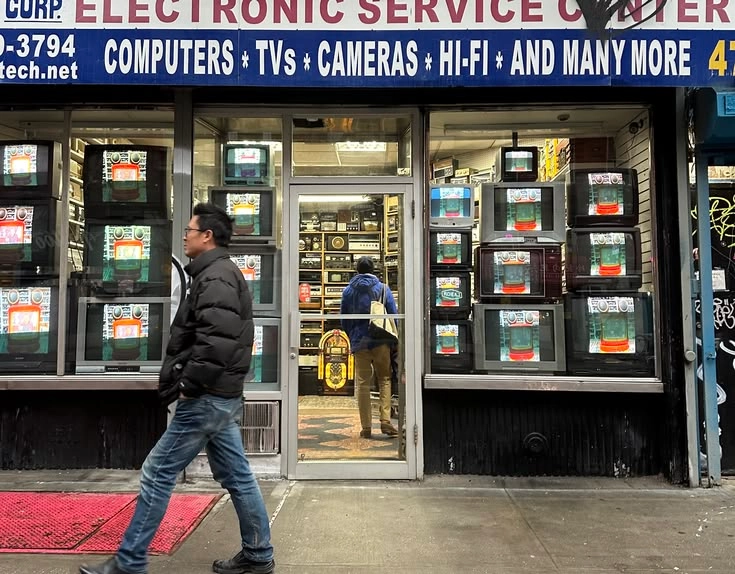
- The mid-century introduction of color broadcasting completely changed how families consumed art.
- Beaming data from orbit connected the globe instantly, birthing live international media events.
- Moving media entirely to internet-based servers decentralized traditional network programming schedules.
The evolution of the small screen
The evolution of television is a major media milestone. What started as an experimental mix of radio and optics became the core of global monoculture. These hardware shifts quickly altered home layout, daily routines, and how news travels worldwide.
As a social mirror, television pushed tech limits while reflecting pop culture. Every hardware upgrade opened fresh creative doors for writers, directors, and actors. The medium rapidly grew from a simple living room curiosity into a dominant artistic force.
Tracking this timeline means seeing how tech and taste evolved together. From rigid mid-century network programming grids to hyper-personalized modern algorithms, the screen constantly rewrites how we share human experiences.
The Electronic Breakthrough (1920s–1940s)
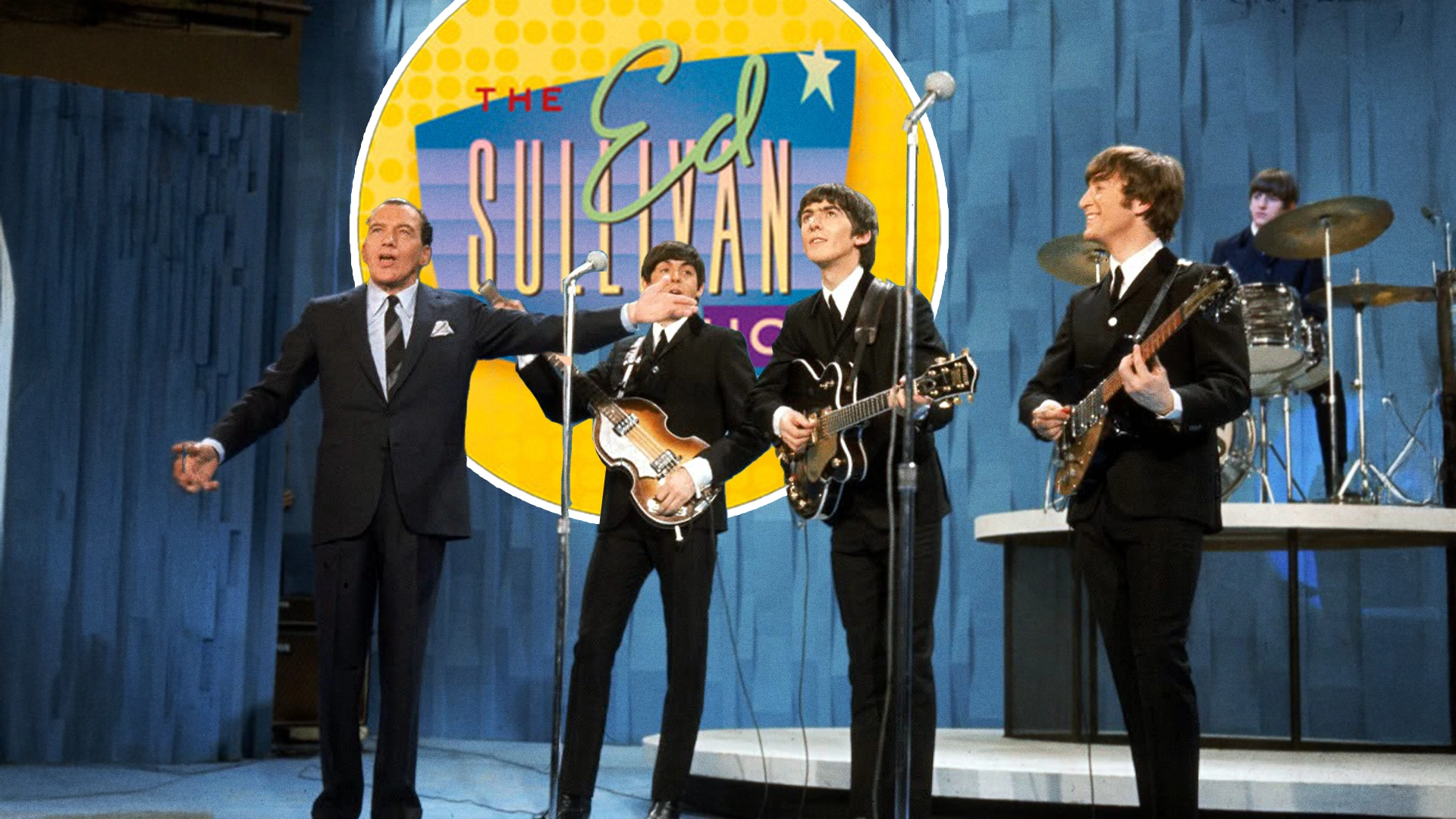
Philo Farnsworth invented the first electronic television using magnetic fields, replacing mechanical spinning discs. Pop culture remained formal, with families gathering for live variety shows like The Texaco Star Theatre and The Ed Sullivan Show.
The Color Revolution (1950s–1960s)
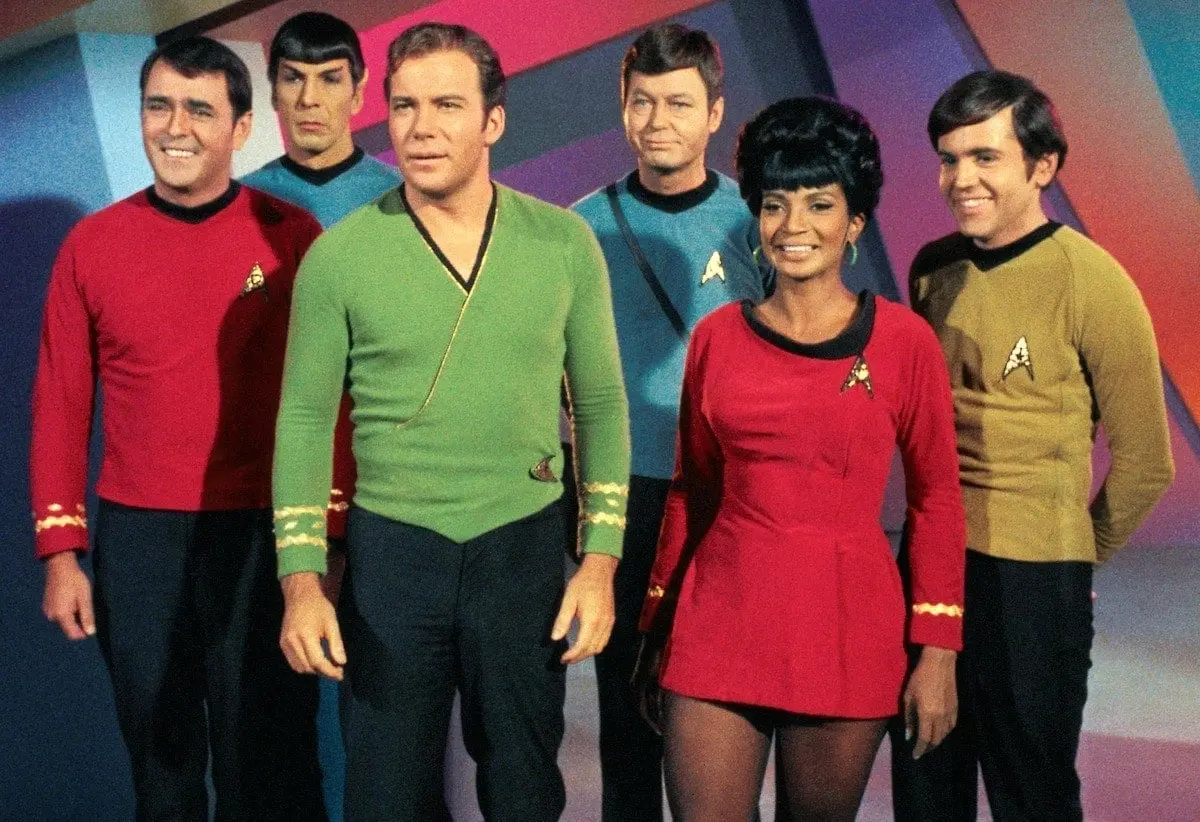
Color standards allowed networks to beam vibrant hues into living rooms, transforming set design, fashionFashionThe art and industry of designing, producing, and styling clothing, footwear, accessories, and beauty trends. It reflects cultural influences, personal expression, and evolving styles across seasons and markets.Go to Fashion Glossary, and ads. Audiences obsessed over colorful sitcoms, westerns, and sci-fi like I Love Lucy, Gunsmoke, The Twilight Zone, and Star Trek.
The Satellite & Cable Boom (1970s–1980s)
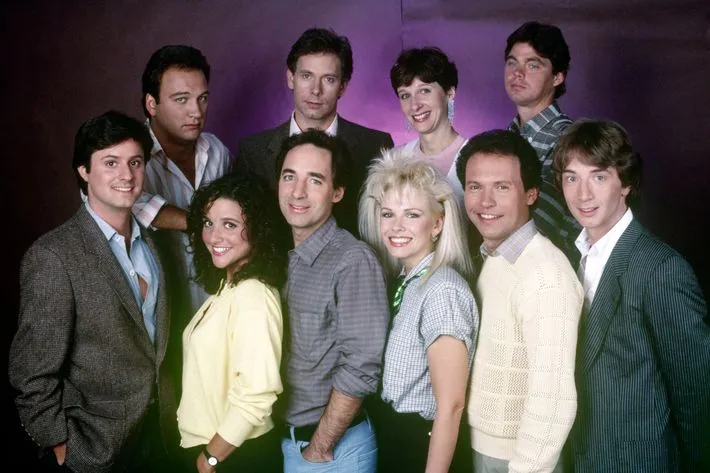
Satellites and cables shattered network monopolies, targeting niche demographics and fragmenting pop culture. This tech surge birthed late-night sketch comedy, procedurals, and highly stylized serial dramas like Dallas, Miami Vice, Saturday Night Live, and Cheers.
The High-Definition Flat Panel Shift (1990s–2000s)
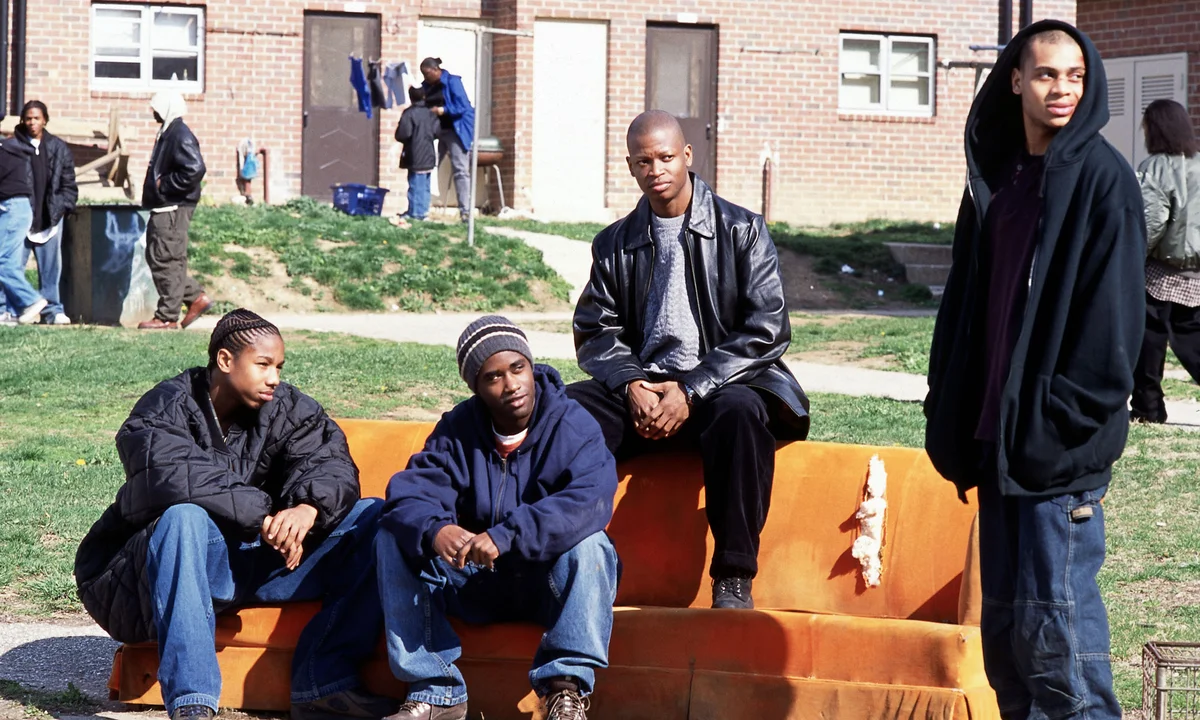
Flat panels replaced heavy glass tubes, reshaping living rooms with widescreen high-definition. This tech matched a creative “Golden Age” of prestige drama, mockumentaries, and reality TV, powering immersive character studies like The Sopranos, The Wire, The Office, and Lost.
The On-Demand Streaming Paradigm (2010s–2026)
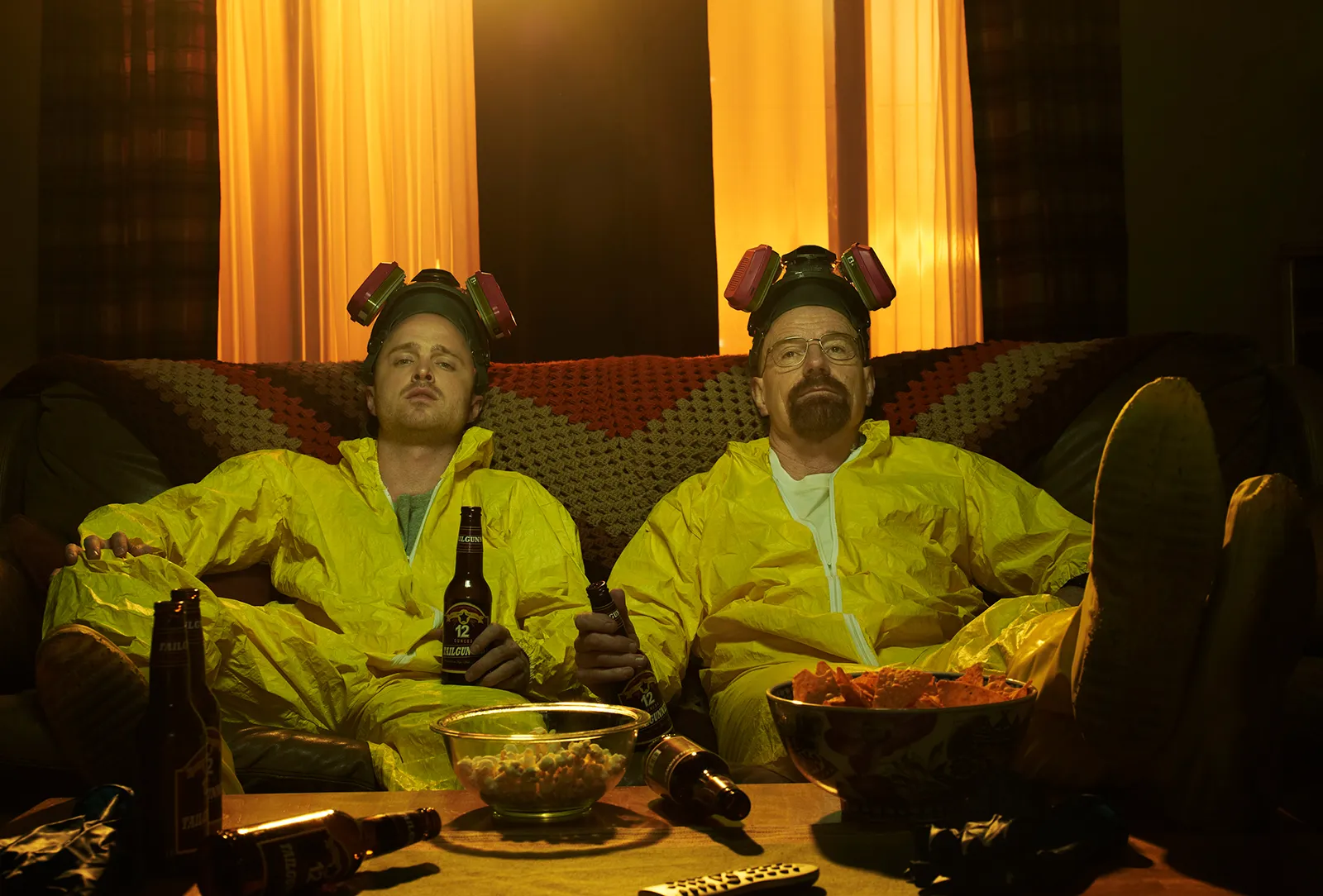
Cloud distribution bypassed cable networks, giving total viewing control to the consumer. Platform algorithms created a fragmented landscape where global audiences binge sci-fi epics and dark satires overnight, streaming cinematic hits like Breaking Bad, The Pitt, and Stranger Things.
Frequently Asked Questions
Philo Farnsworth invented the functional electronic television, though mechanical prototypes were built earlier by innovators like John Logie Baird.
In the United States, color programming officially surpassed black-and-white in popularity and network volume around 1972.
Cathode-Ray Tube sets used an internal electron gun to fire beams against a phosphor-coated glass screen, giving old TVs their heavy builds.
Home Box Office (HBO) launched via satellite in 1975, pioneering the model for commercial-free, premium subscription-based content.
The integration of built-in internet processors and Wi-Fi antennas during the early 2010s turned standard screens into connected web platforms.
Recommended Video