The Internet Is Done Pretending to Be Perfect
As digital burnout peaks, a new wave of raw content and MySpace nostalgia is dismantling the polished influencer era




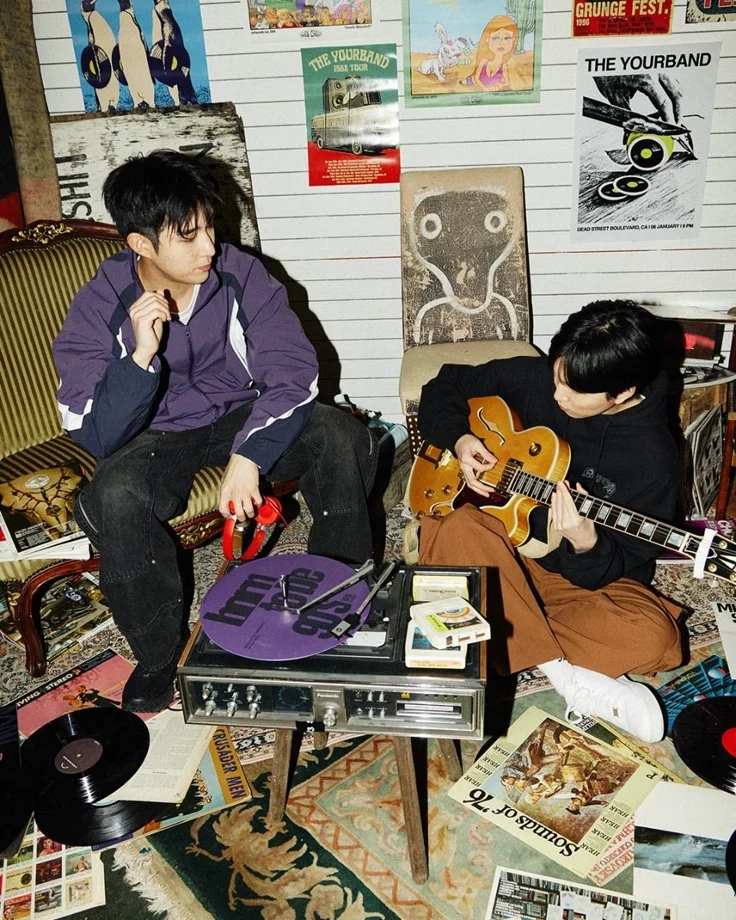
For nearly a decade, the “Instagram Layout” and “Pinterest Aesthetic” dominated digital media. Feeds were meticulously curated, filled with minimalist beige homes, color-coordinated travel, and filtered lives that resembled high-budget ads more than genuine human interaction.
But the pendulum is swinging back.
Enter “Chaos Culture,” a burgeoning movement across TikTok and, unexpectedly, LinkedIn, where users are rejecting the curated in favor of cluttered yet compelling visuals that showcase authenticity.
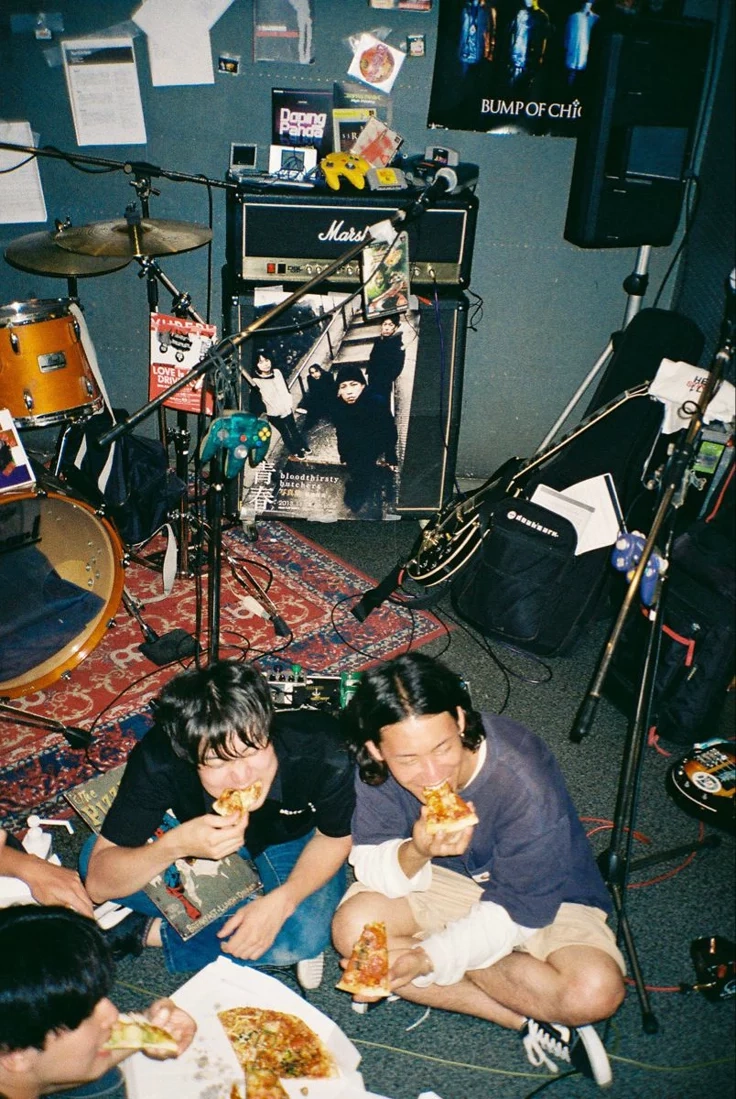
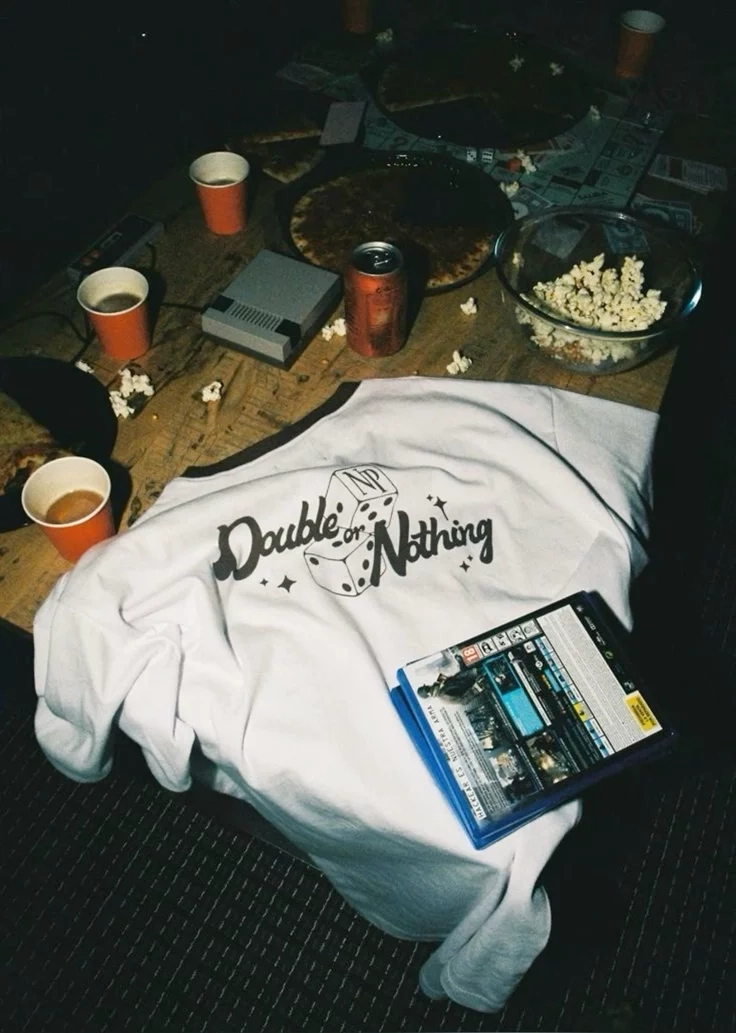
The rise of the “ugly” feed
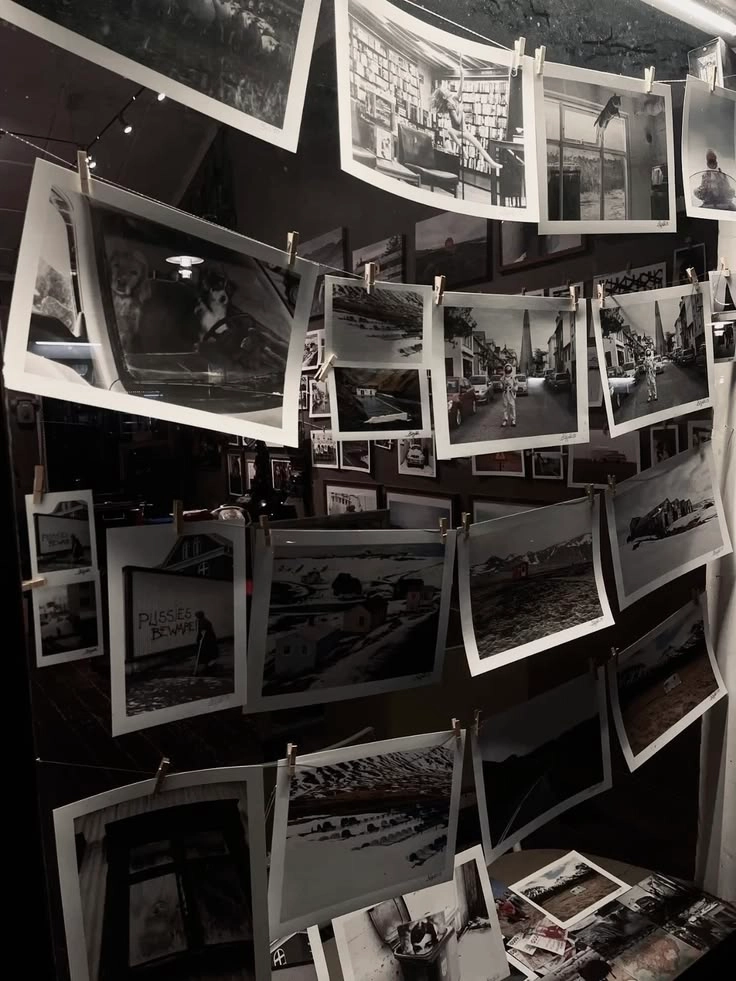
On TikTok, Chaos Culture takes the form of photo dumps featuring blurry outings and fragments of everyday life. On LinkedIn, professionals are sharing stories of failure, burnout, and unpolished work-from-home realities, moving away from the corporate-cool image.
In an era increasingly saturated with AI-generated content, “ugly” posts function as proof of life. They signal that there is a real person behind the screen who hasn’t spent hours editing a single upload.
By embracing a low-fidelity aesthetic, users are reclaiming their right to be imperfect in a space that has long demanded performance.
The MySpace renaissance
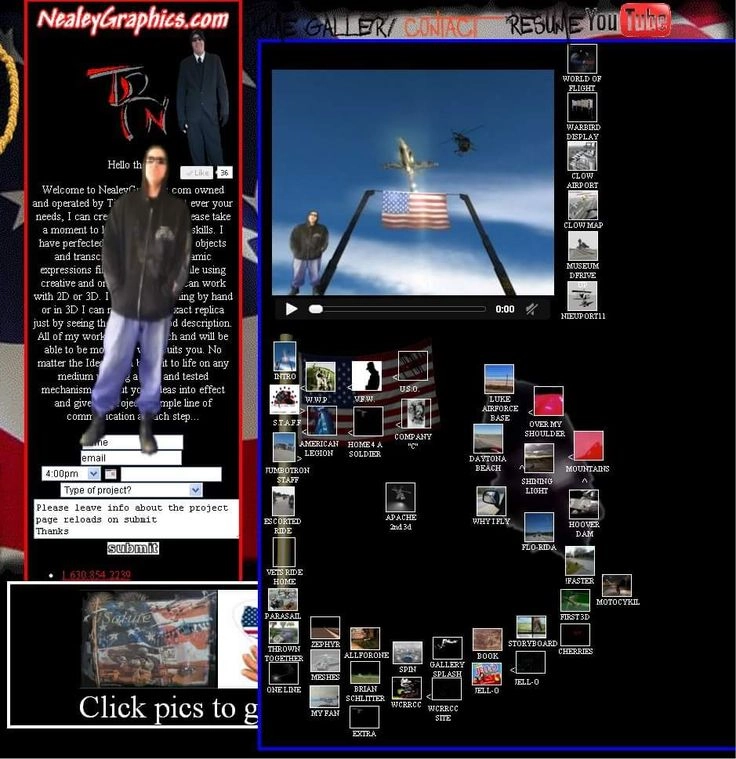
Running parallel to this messy rebellion is a surge of MySpace nostalgia. While the platform never fully disappeared, millennials are gravitating towards its spiritual successors, such as SpaceHey, while romanticizing the “glory days” of 2005.
Why now? Because MySpace represents the last era of the “Old Internet,” before algorithms dictated visibility. Users saw what their friends posted, not what a machine optimized to keep them scrolling for hours.
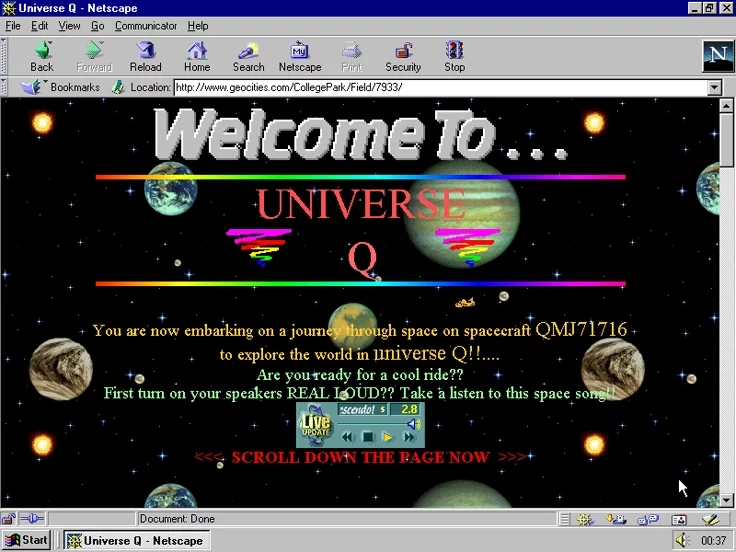
Defined by custom HTML, glittery cursors, and the infamous “Top 8,” the platform was chaotic, loud, and visually overwhelming, a stark contrast to today’s clean, corporate interfaces. It encouraged users to build their own digital “bedroom,” rather than exist within a pre-designed template.
Authenticity as luxury
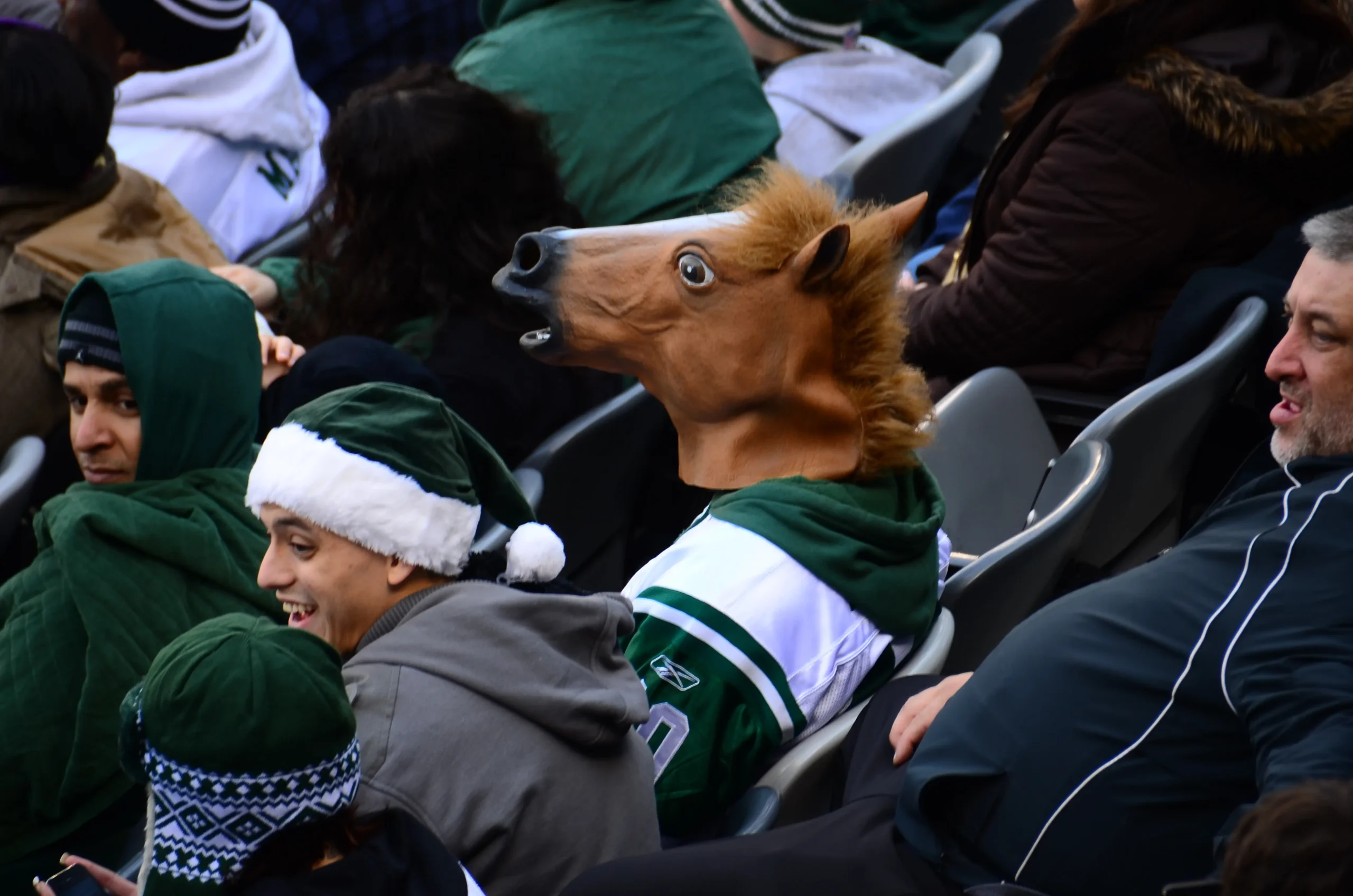
The overlap between Chaos Culture and MySpace nostalgia reveals a deep-seated craving for authenticity. We are fatigued by constant selling and by the pressure to present ourselves as brands.
Today, hyper-polished aesthetics are often read as inauthentic or even untrustworthy. The future of social media is beginning to resemble its past: imperfect, slightly disorganized, and unmistakably human.
Whether it’s a shaky video of a cluttered desk or a profile page with a “Song of the Day” that auto-plays on arrival, the message is clear. The mess is the message.
Frequently Asked Questions
Chaos Culture is a social media movement rejecting the curated, minimalist aesthetics that dominated platforms like Instagram and Pinterest for nearly a decade. It emerged on TikTok through photo dumps and unfiltered everyday content, and has since extended to LinkedIn, where professionals share stories of failure, burnout, and unpolished work-from-home realities.
In an environment increasingly saturated with AI-generated content, low-fidelity and unpolished posts function as proof of genuine human presence. Hyper-polished aesthetics are increasingly read as inauthentic or brand-driven, and users are reclaiming the right to present themselves outside the performance logic that has defined social media for the past decade.
Both movements are driven by a craving for pre-algorithmic, self-directed digital identity. MySpace — defined by custom HTML, user-built profiles, and chronological friend feeds — represents the last era of the internet before visibility was determined by machine optimization. Platforms like SpaceHey are reviving this model as a direct response to the corporate-clean interfaces of contemporary social media.
Chaos Culture signals a shift in how authenticity is valued online — where visible imperfection has become a marker of trustworthiness and human presence. The overlap with MySpace nostalgia reflects a broader fatigue with self-branding and the pressure to present a coherent, polished personal narrative across social platforms.
Chaos Culture has moved beyond TikTok into professional contexts, with LinkedIn users increasingly sharing unpolished narratives around failure, burnout, and everyday work realities. This crossover suggests the movement reflects a deeper cultural shift in how authenticity is understood across both personal and professional digital spaces.
Recommended Video