
Why Vinyl Records Remain the Ultimate Collector’s Item
In an era dominated by instant streaming, the tactile warmth and large-format artwork of vinyl records make physical music more desirable than ever




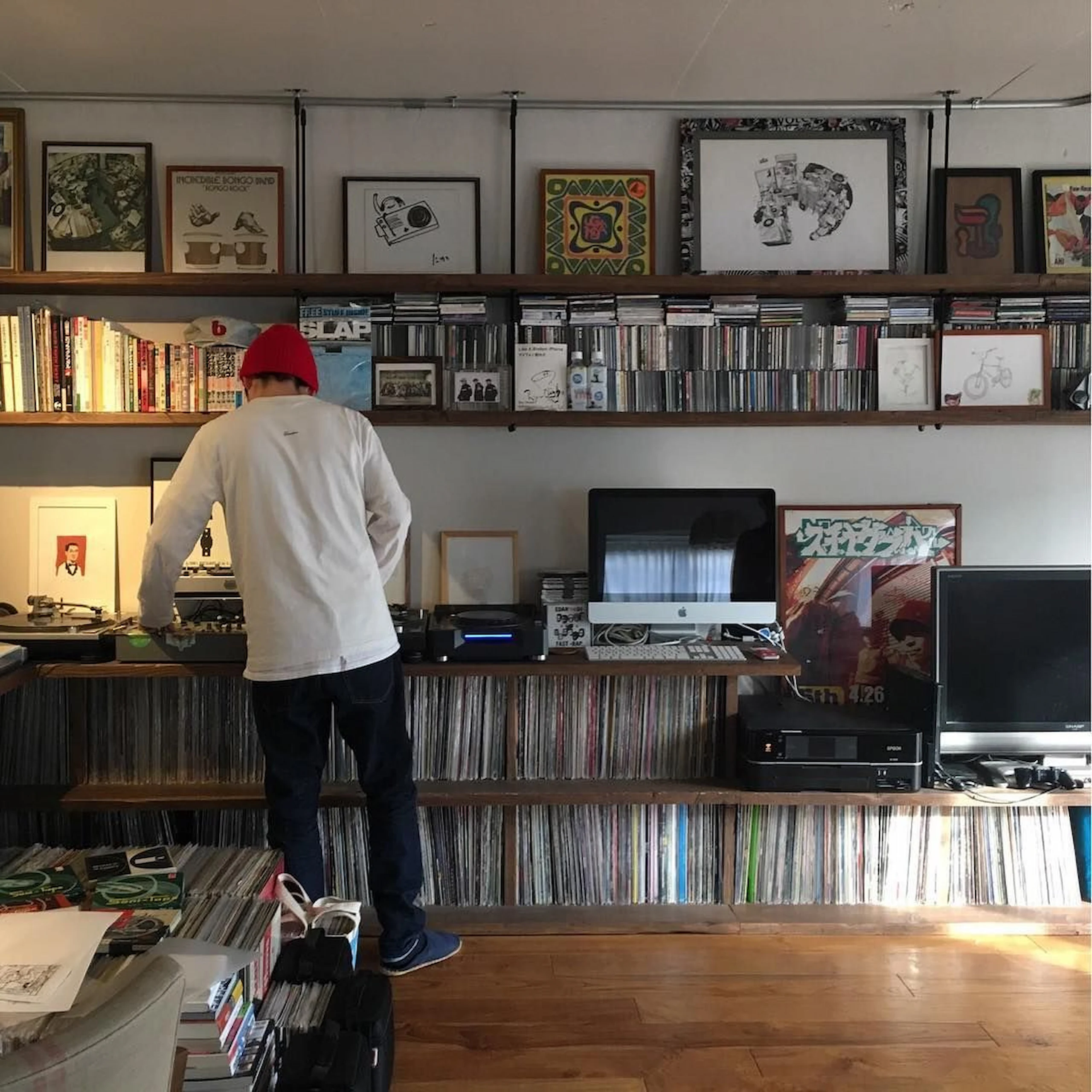
- Vinyl records offer an immersive, analog listening ritual that digital streaming algorithms cannot replicate.
- Packaging elements like gatefold sleeves, colored wax variants, and liner notes transform albums into displayable art pieces.
- Limited pressings and exclusive releases have established vinyl as a resilient cultural and financial collectible.
The sensory ritual of the scratches and hitches
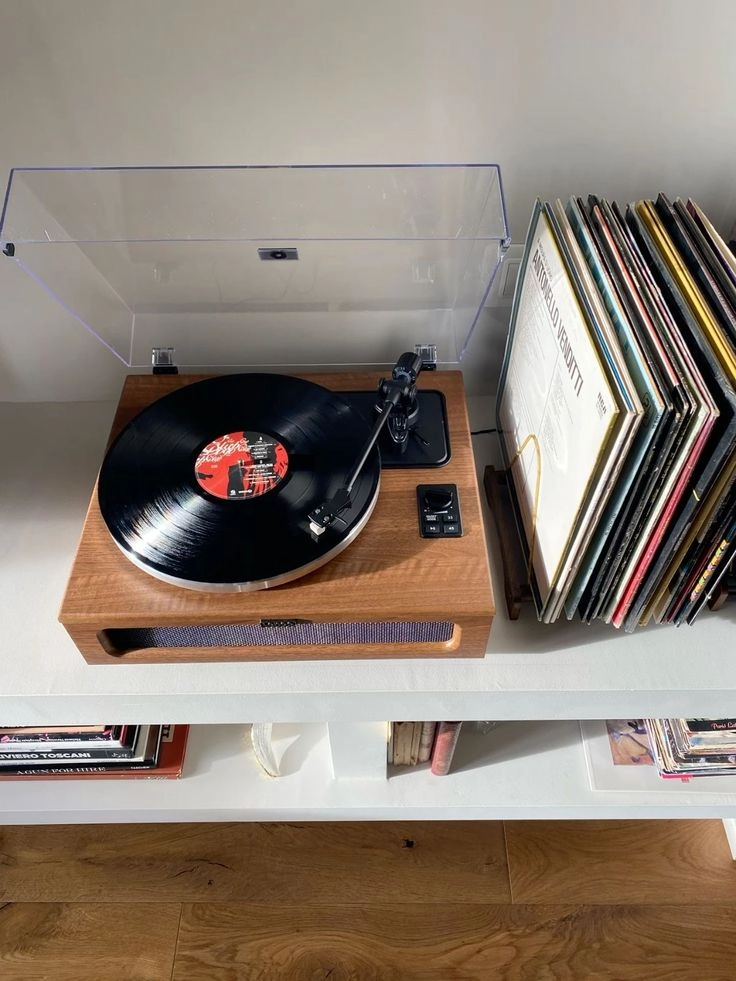
Digital music platforms offer endless convenience, but they often strip away the intentional listening experience. Slipping a record from its jacket and lowering the needle demands full attention and creates an active listening ritual.
The acoustic warmth of analog sound delivers depth, subtle imperfections, and harmonic richness that compressed digital files lack. This tactile engagement transforms passive background noise into an intentional, intimate listening session.
Experiencing an album in its intended sequence encourages deeper appreciation for the artist’s full creative narrative. It connects listeners directly to the pacing and emotional arc originally envisioned by the musician.
Appreciating album art
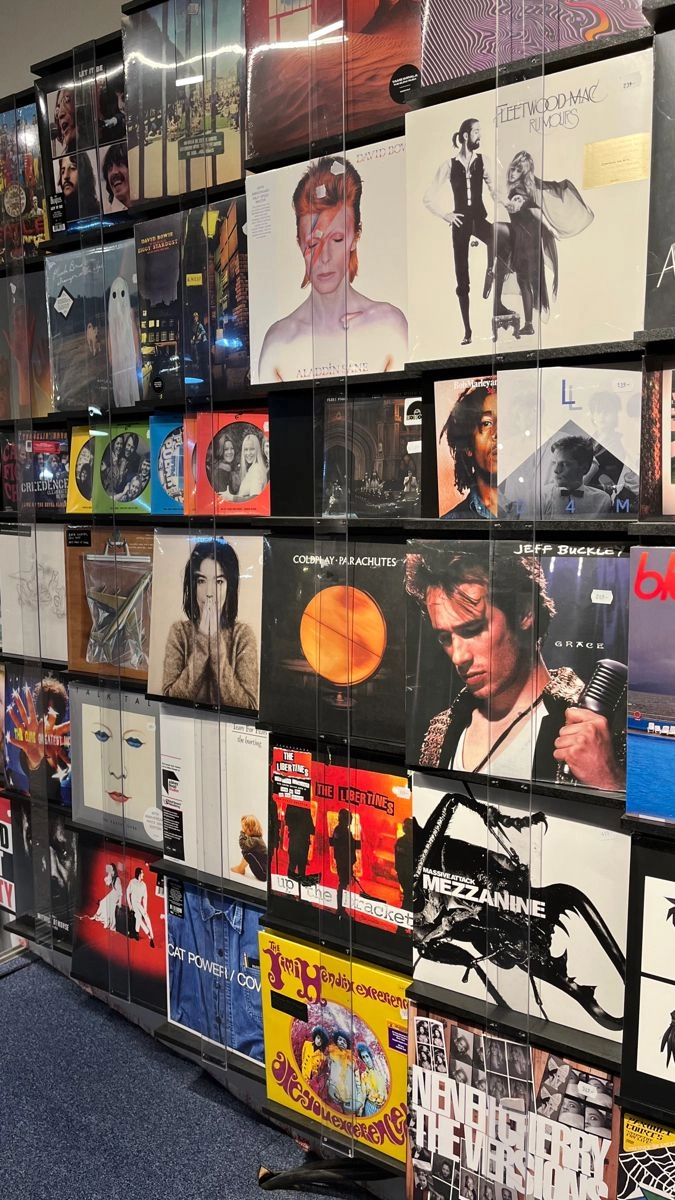
Beyond the audio experience, vinyl serves as a prominent canvas for visual design, typography, and photography. The 12-inch jacket provides visual impact that tiny digital album thumbnails on smartphone screens simply cannot match.
Modern pressings routinely feature elaborate gatefolds, custom lyric booklets, and striking colored vinyl formulations. These aesthetic enhancements elevate the record from a simple audio format into a collectible centerpiece for home spaces.
Displaying record spines and cover art on open shelving turns a private music library into a personal style statement. It communicates individual taste and cultural identity in a tangible, visually expressive way.
The thrill of the crate dig
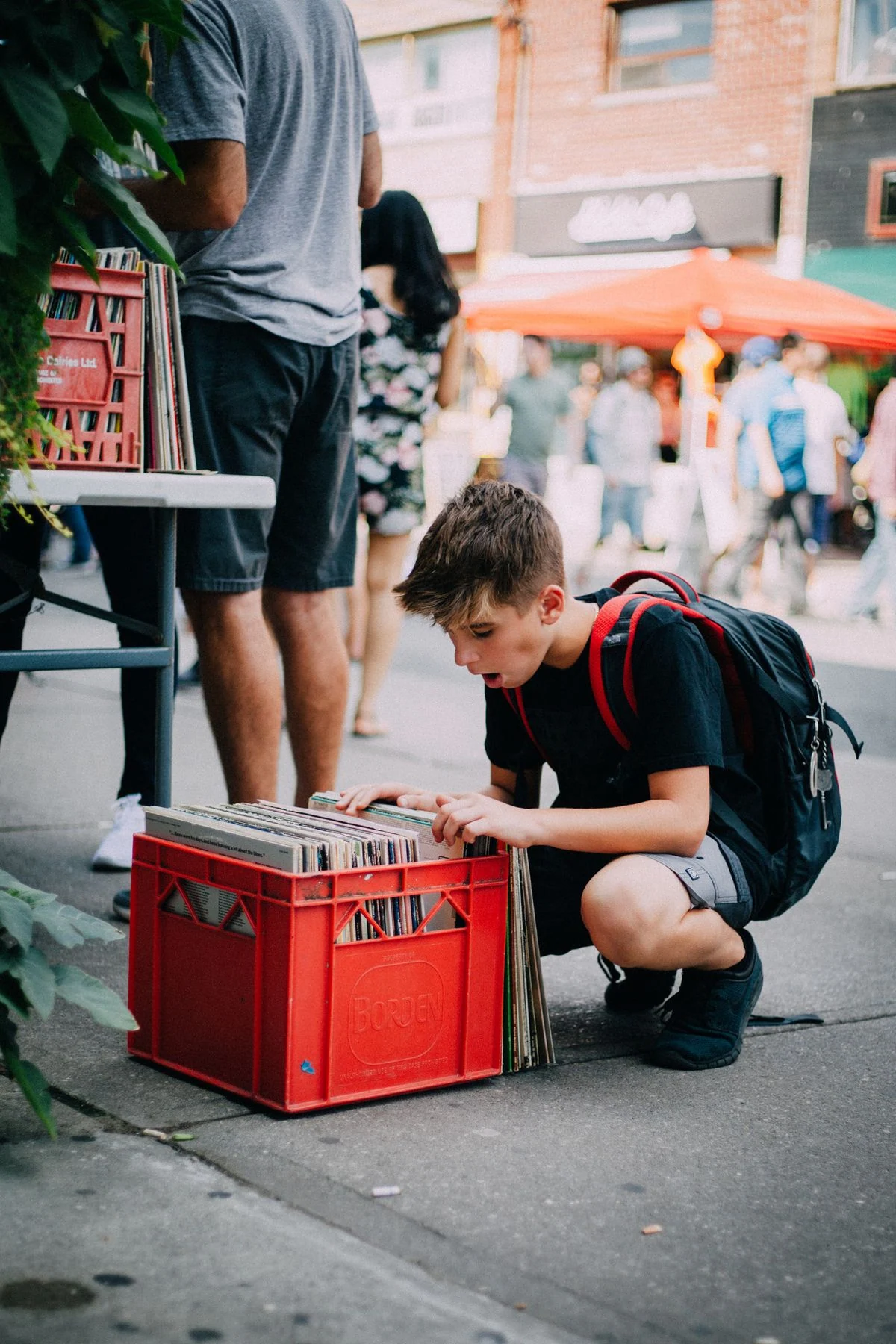
For dedicated enthusiasts, scouring local record stores and flea markets remains an essential part of the collector lifestyle. The thrill of uncovering an original vintage pressing or a long-out-of-print gem provides unmatched satisfaction.
Record labels have embraced this passion by producing limited Record Store Day drops and numbered artist variants. These exclusive runs generate vibrant trading communities where rare pressings hold strong secondary value.
Collecting records bridges generational divides, connecting older audiophiles with young music lovers discovering physical formats for the first time. It proves that despite rapid digital evolution, high-fidelity physical media holds enduring cultural power.
Frequently Asked Questions
Vinyl provides continuous analog sound waves that retain dynamic warmth, whereas digital audio uses compressed, sampled data points.
Keep records vertically in anti-static inner sleeves and poly outer sleeves, away from direct sunlight, humidity, and heat sources.
A gatefold is a jacket that opens like a book, often featuring expansive artwork, liner notes, and extra photography.
Modern colored pressings sound nearly identical to black vinyl, though picture discs and heavy glitter fills can occasionally produce slight surface noise.
It is an annual global event supporting independent record shops through exclusive, limited-edition vinyl releases and reissues.

Recommended Video