
The Psychology of the Chase: The Science Behind Collecting and Human Desire
Neurological reward systems, evolutionary psychology, and identity formation explain why humans are deeply wired to collect objects





- Collecting triggers dopamine release through the anticipation and pursuit of the next coveted acquisition.
- Evolutionary theories suggest that gathering behaviors historically provided survival advantages that now manifest in hobbies.
- Curated collections serve as external expressions of identity, emotional security, and personal life milestones.
The neurochemistry of the pursuit
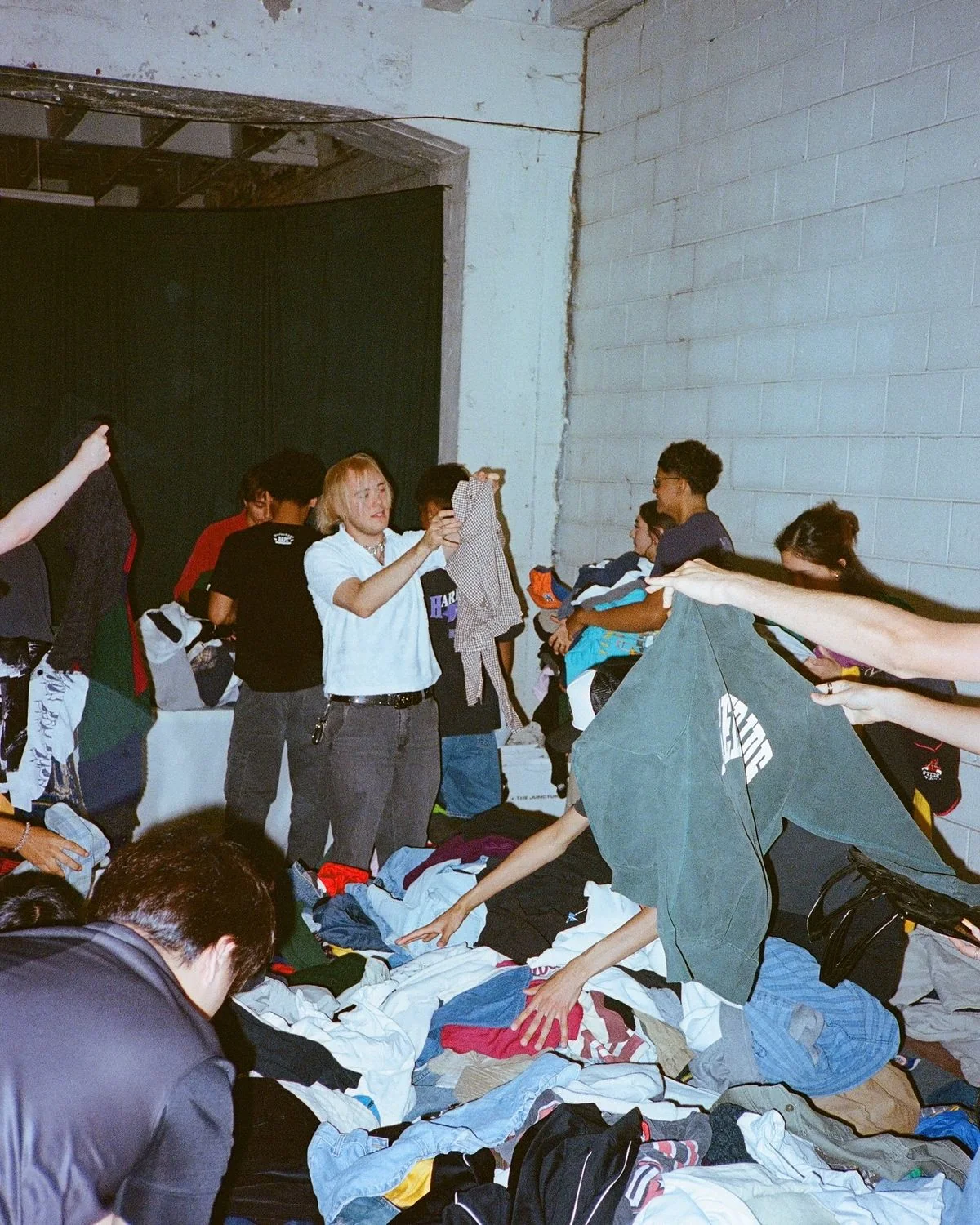
At the heart of collecting lies the brain’s complex dopamine reward pathway, which thrives on anticipation rather than final attainment. The mental high experienced while hunting for a missing piece is often stronger than the feeling of finally possessing it.
Psychologists refer to this phenomenon as the “thrill of the chase,” where uncertainty amplifies emotional engagement. Finding a rare item in the wild provides an unexpected dopamine surge that reinforces the collecting behavior.
This neurochemical feedback loop transforms collecting from a passive pastime into an active, mentally stimulating pursuit. It explains why seasoned collectors immediately set their sights on a new target as soon as one quest concludes.
Evolutionary roots and the gathering instinct

From an evolutionary standpoint, the drive to collect and categorize objects is closely linked to ancestral survival mechanisms. Early humans who successfully gathered and hoarded vital resources enjoyed a distinct adaptive advantage during seasons of scarcity.
While modern survival rarely depends on gathering physical supplies, the underlying psychological impulse remains hardwired in human behavior. That ancient gathering instinct now channels itself into acquiring books, art, fashionFashionThe art and industry of designing, producing, and styling clothing, footwear, accessories, and beauty trends. It reflects cultural influences, personal expression, and evolving styles across seasons and markets.Go to Fashion Glossary, or modern pop-culture memorabilia.
Organizing, grading, and displaying items provides a profound sense of order and psychological control over one’s personal environment. In an unpredictable world, a curated collection creates a structured space where rules and completeness are clearly defined.
Identity, self-extension, and emotional security
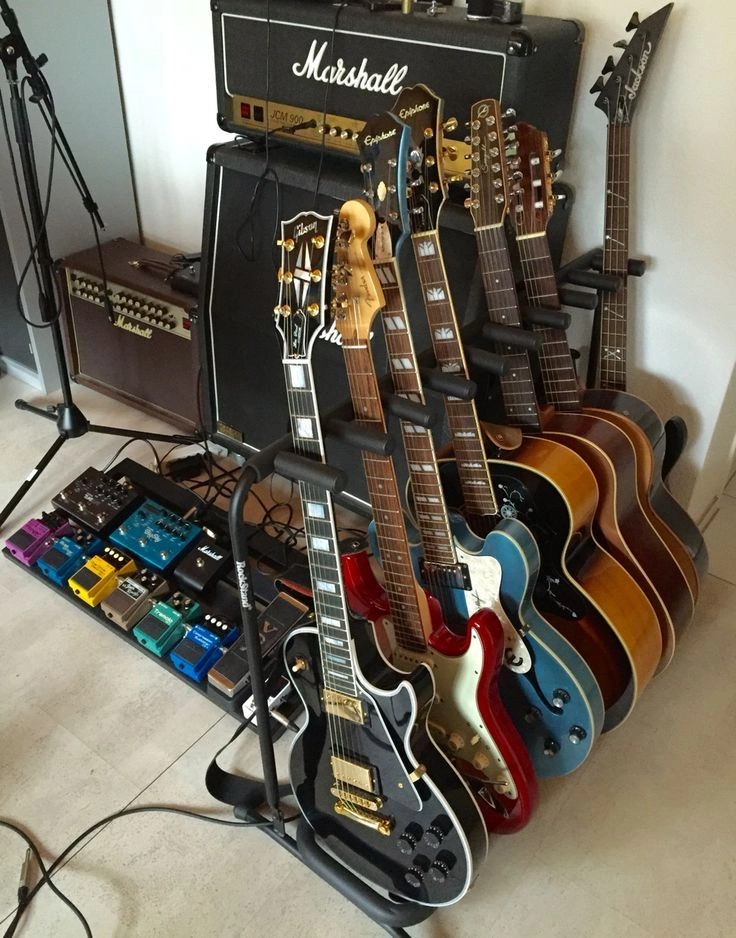
Objects in a collection frequently serve as tangible anchors for personal identity, self-worth, and nostalgic memories. Renowned psychologist Russell Belk introduced the concept of the “extended self,” noting that our possessions often reflect who we are.
Completing an elusive set or displaying rare items communicates expertise, discernment, and status within a dedicated social group. Collections also offer deep emotional comfort, acting as physical reminders of safe, joyful periods from earlier chapters of life.
Ultimately, collecting is far more than mere material accumulation—it is a creative process of personal storytelling. Through the items we choose to keep, we build a physical museum of our passions, tastes, and lived experiences.
Frequently Asked Questions
Dopamine, which drives the anticipation, excitement, and pursuit of discovering a new piece for a collection.
The theory that humans view their curated possessions as physical extensions and expressions of their personal identity.
Organizing, cataloging, and curating items offers a calming sense of order, structure, and emotional control over one’s immediate environment.
Collecting is organized and intentional, bringing joy, whereas hoarding lacks curation, creates unmanageable clutter, and causes distress.
Completing sets provides psychological closure and satisfaction by resolving the tension created by missing items.

Recommended Video