
The Lo-Fi Renaissance: Why 2026 is Trading 8K Realism for Past Tech
As digital perfection reaches its peak, a new generation of creators is finding beauty in grainy analog systems




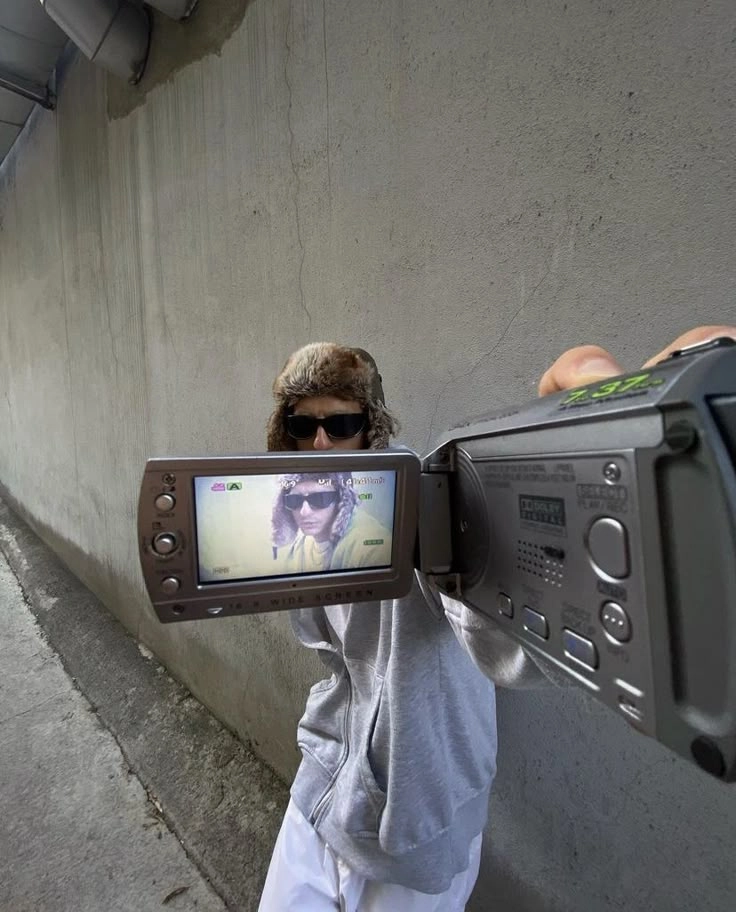
For the better part of a decade, the tech industry’s North Star was perfection. Each annual cycle promised more pixels, faster refresh rates, and AI-driven image processing that could turn a midnight stroll into a daylight masterpiece.

But in 2026, the pendulum has swung in the opposite direction. In a world saturated with 8K clarity and hyper-realistic AI-generated imagery, consumers are increasingly drawn to the imperfect.
From the resurgence of digicams to the broader analog movement, the shift is clear: clinical realism is giving way to emotional resonance.
The fatigue of perfection
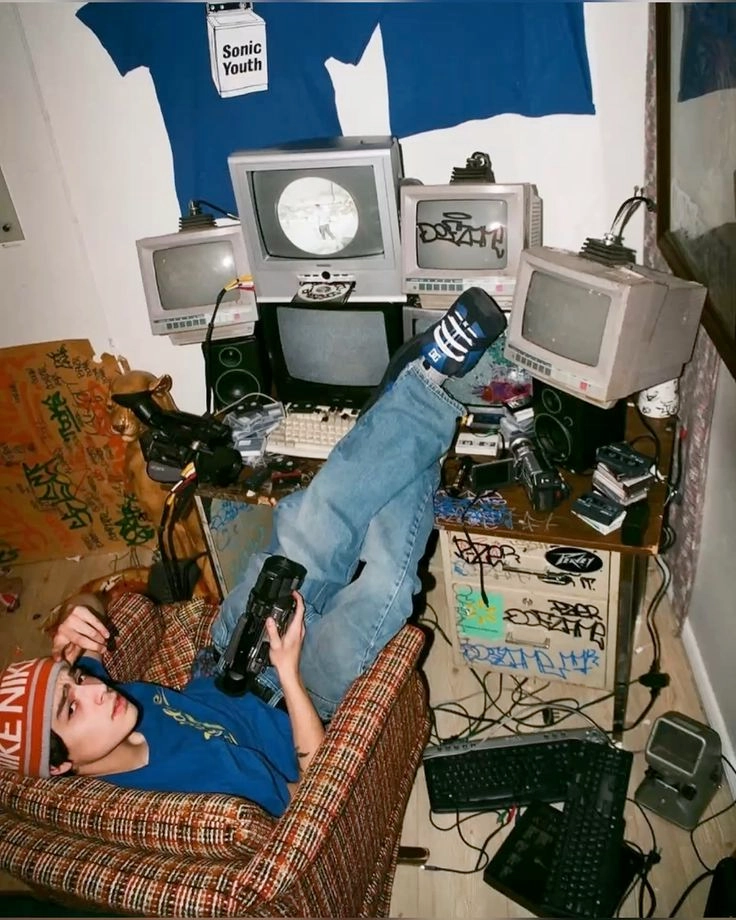
This shift is largely driven by collective exhaustion with online inauthenticity. When every smartphone photo is automatically color graded and denoised by an algorithm, the results start to feel uncanny.
They lack the human thumbprint and the happy accidents that define real memory. In response, a creative standard has emerged: “Imperfect by Design,” where creators intentionally embrace lens flares, motion blur, and color shifts.
Friction as a feature
Beyond visuals, there is a growing appetite for digital minimalismMinimalismA design philosophy that favors clean lines, restrained color palettes, and quality materials over ornament and logos. In menswear, minimalism emphasizes impeccable fit and fabric, producing clothes that feel timelessGo to Minimalism Glossary. Modern flagship devices are built to be frictionless, fueling a culture of passive scrolling and cognitive overload. In response, 2026 has seen a surge in the adoption of dumb phones and dedicated hardware.
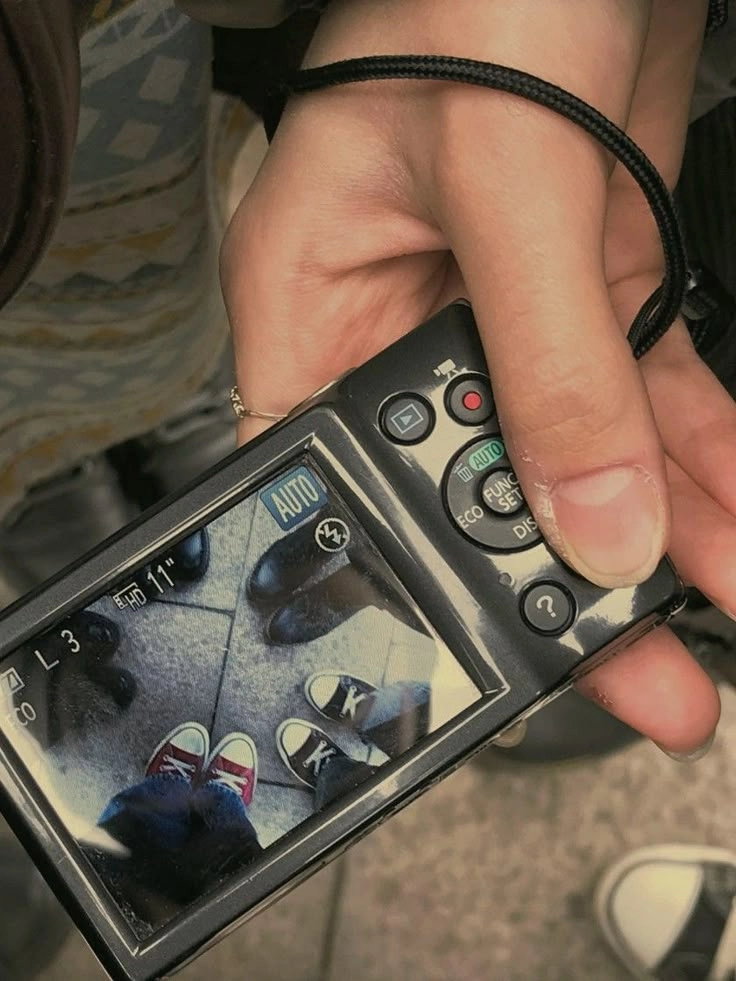
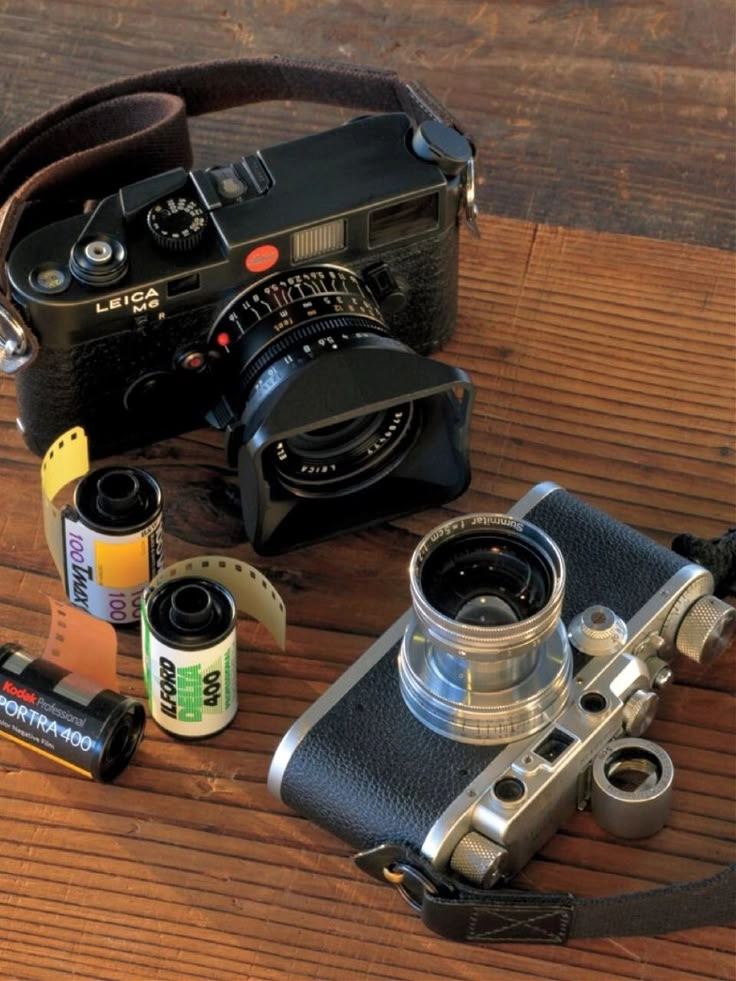
Using a 20-year-old Game Boy or a 35mm film camera introduces constraints. You wait for the film to develop. You hunt for light to see the screen. This friction encourages intentionality, an act that anchors you to your physical environment rather than a virtual one.
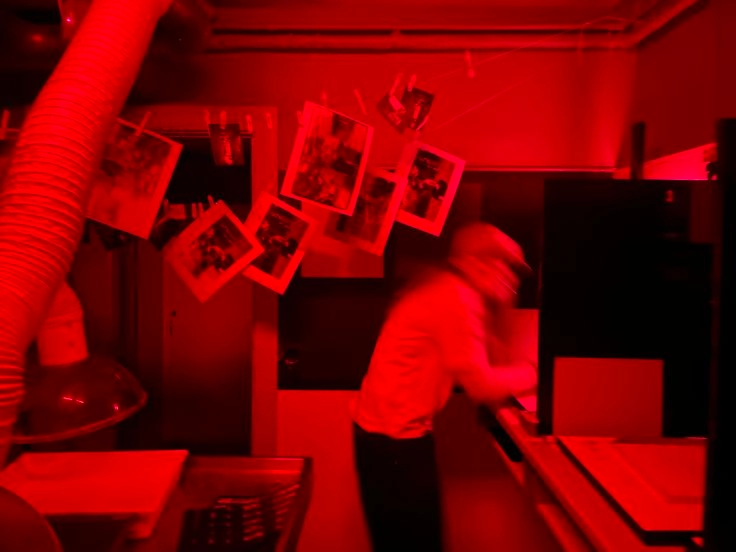
This mechanical friction acts as a speed bump, slowing us down just enough to transform constant digital consumption into intentionality. This analog lifestyle, favoring paper, vinyl, and manual controls, values the presence these ‘inconveniences’ demand. Making tasks slightly harder increases the meaning and memorability of the experience.
![DJ wearing a gray cap adjusts a vintage mixer beside two turntables on a wooden table with vinyl records nearby in a cluttered room] | (informative: vintage DJ setup with two turntables and mixer)](https://assets.vman-sea.com/wp-content/uploads/2026/04/3-1.webp)
The authenticity contract
The most powerful driver may be generative AI. As synthetic media becomes increasingly indistinguishable from reality, lo-fi aesthetics have become shorthand for authenticity.
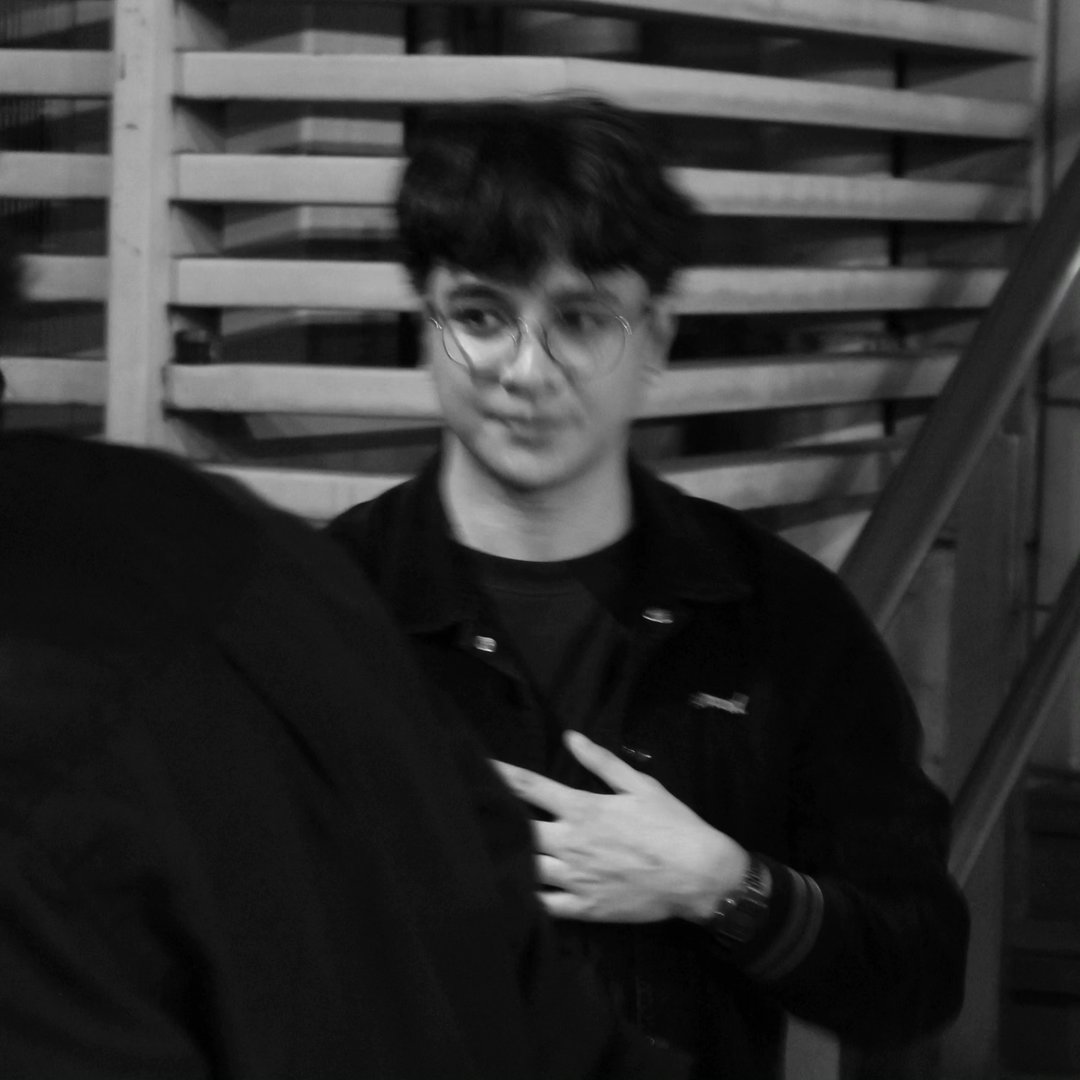
A grainy, direct-flash photo from a point-and-shoot camera carries a sense of proof of life that a polished 8K render cannot replicate. For Gen Z, using vintage gear signals that the work was made by a real person, in a real place.
Progress in 2026 is not strictly linear toward higher resolution. At times, moving forward means recovering lost textures. In an age increasingly defined by analog revival, the most advanced possession might be the one with no screen at all.
Frequently Asked Questions
Collective exhaustion with algorithmically perfected imagery has driven demand for imperfection. Lens flares, motion blur, and grain now signal human authorship in a media landscape saturated with AI-generated visuals.
“Imperfect by Design” is an emerging creative standard where photographers and content creators intentionally retain analog artifacts — color shifts, motion blur, and lens flares — as markers of authentic, human-made work.
Flagship smartphones optimize away friction, enabling passive scrolling and cognitive overload. Older hardware like digicams and dumb phones reintroduce intentional constraints that slow consumption and anchor users to their physical environment.
As AI-generated imagery becomes indistinguishable from real photos, grainy point-and-shoot or film camera images carry a proof-of-life quality that polished renders cannot replicate — making vintage gear a credibility signal for Gen Z creators.
The analog lifestyle movement favors physical and manual alternatives to digital defaults — vinyl records, paper, film cameras, and manual controls — valuing the presence and intentionality that slightly inconvenient tools demand from their users.
Recommended Video