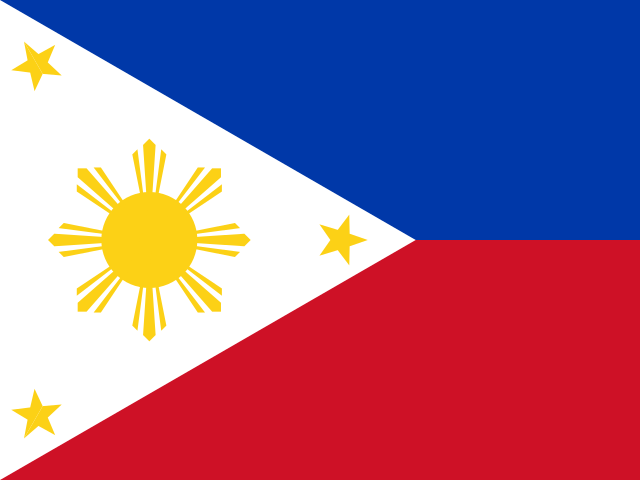
Is Ube the New Matcha?
Ube, the vibrant purple yam from the Philippines, is moving beyond local desserts to appear in cafes and supermarkets around the world




From Manila to mainstream
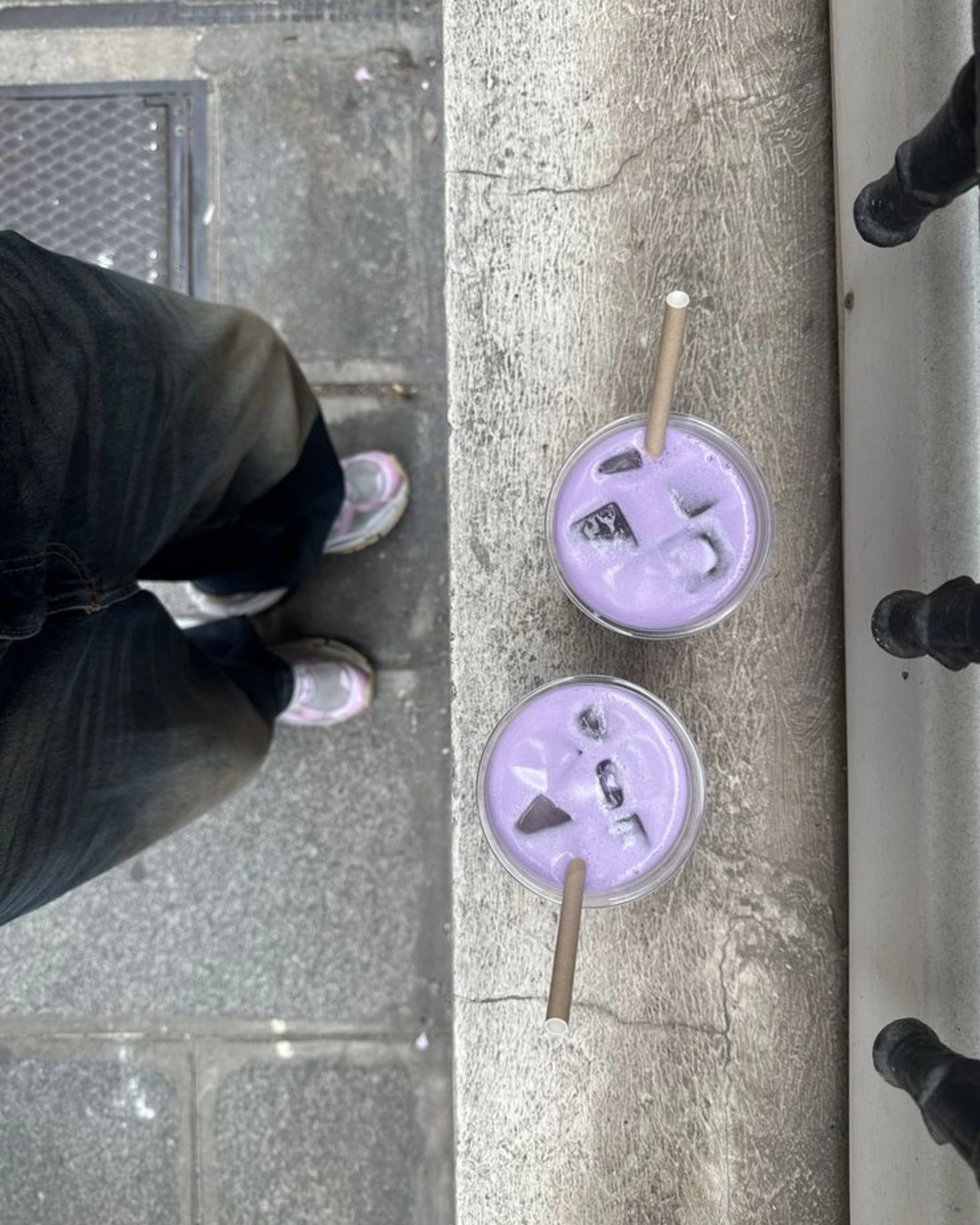
Ube is showing up everywhere. A flash of violet in a donut case, a swirl of lavender on a latte, a pastel hue in mochi and pancake mixes at Trader Joe’s. The Philippine purple yam has begun to claim its place on dessert menus and supermarket shelves around the world.
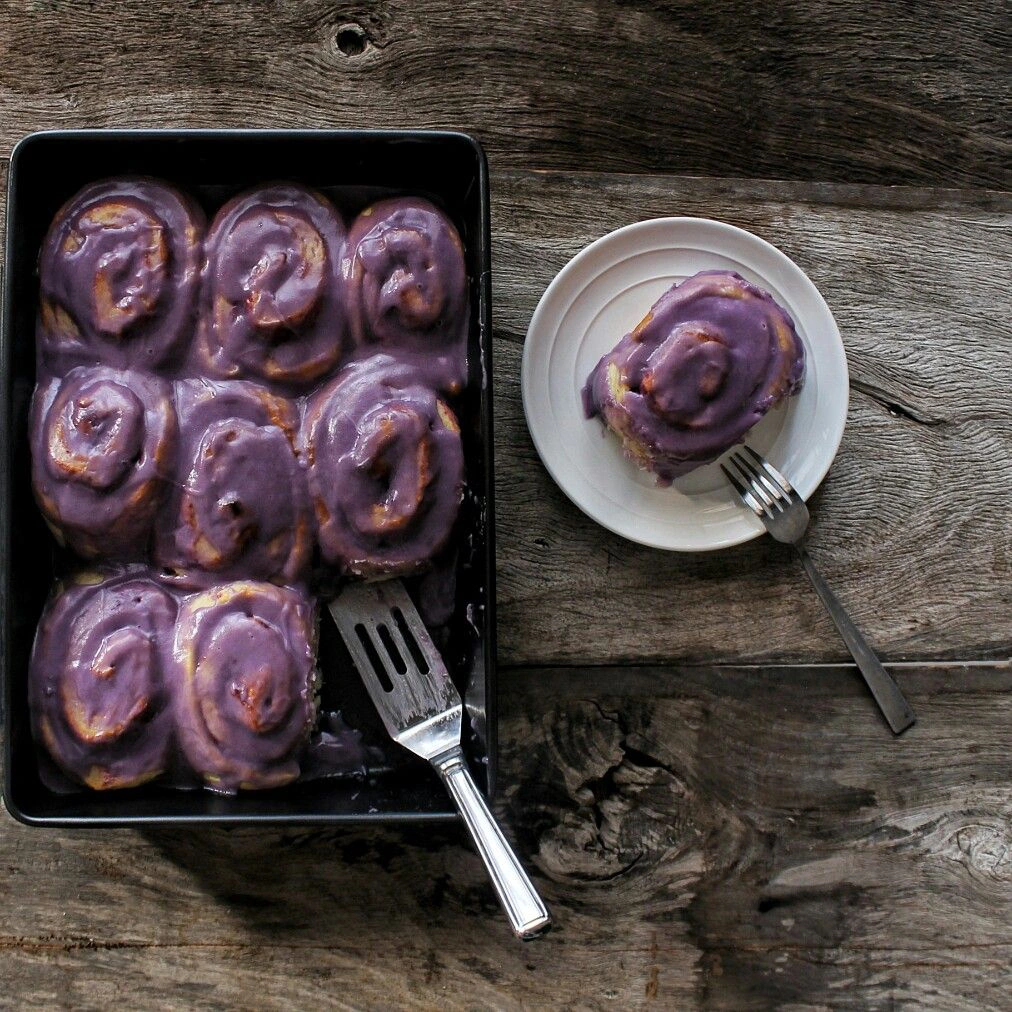
In the Philippines, ube is more than just an ingredient. Its sweet flavor and vivid color make it a staple in classics such as ube halaya (a creamy jam), halo-halo (the colorful shaved-ice dessert), and soft breads that disappear from bakery shelves within hours.
The tuber has been cultivated in Southeast Asia for centuries and has long been celebrated for its taste, its texture, and the comfort it brings to generations of families.
The flavor that needed context
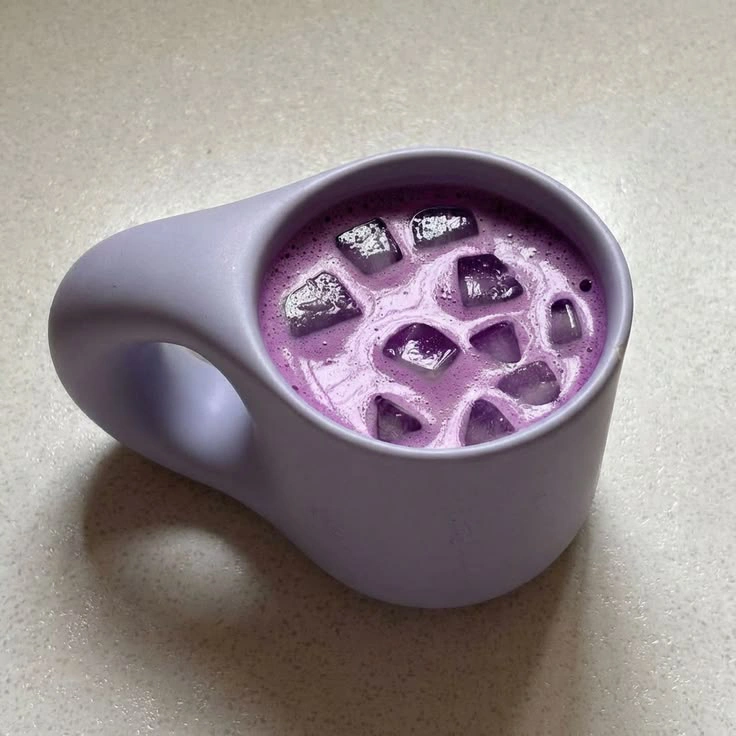
Outside its homeland, ube remained largely unknown. Unlike matcha, which traveled from Japanese tea ceremonies to become a global symbol of wellness and trend-conscious indulgence, ube’s flavor and history were confined to Filipino kitchens and local grocery stores.
Its gentle sweetness does not hit with the bitter edge of matcha or the familiar punch of chocolate. It required context and storytelling for people to understand it.
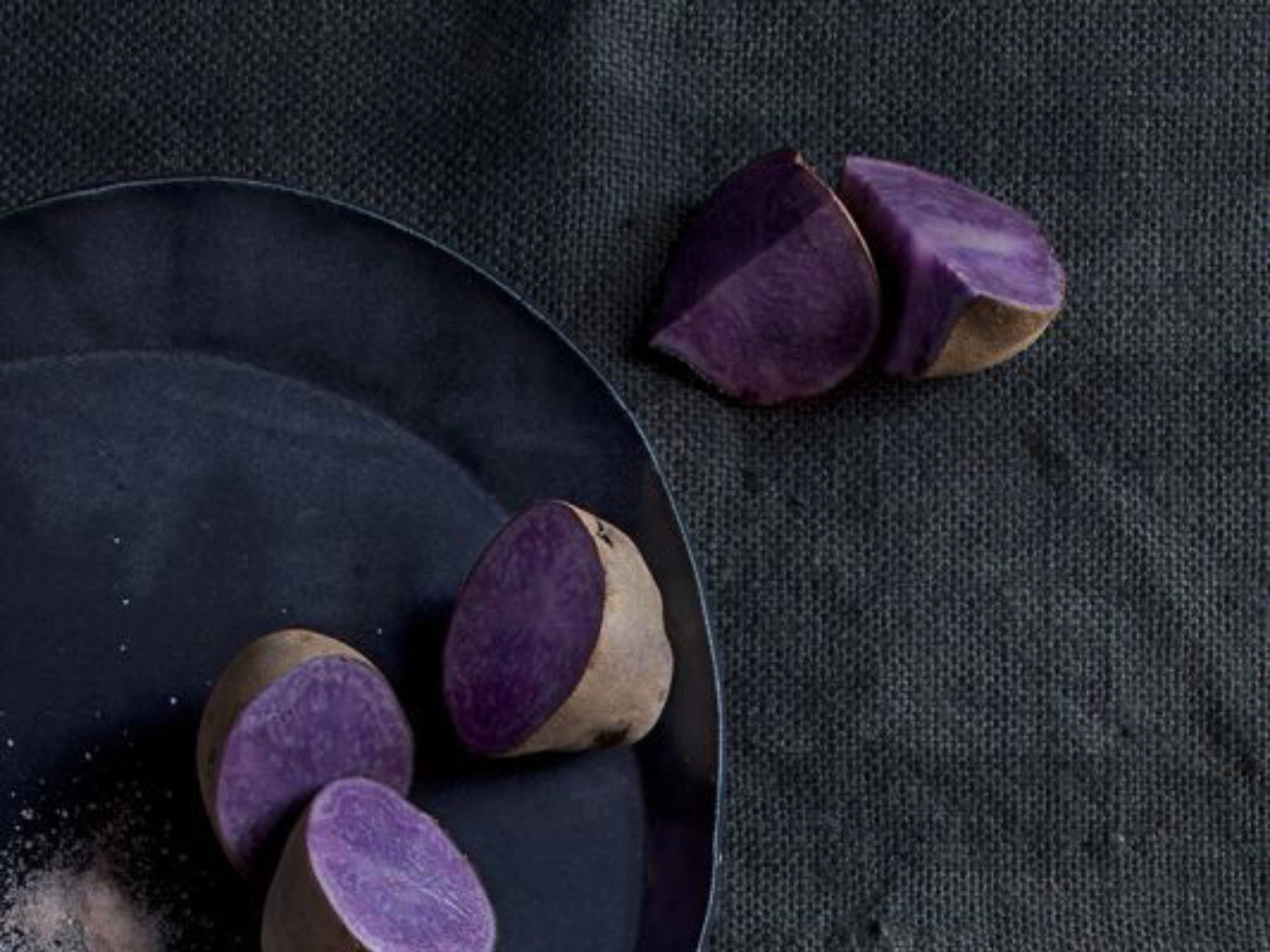
Now, ube is crossing borders. Bubble tea shops offer purple lattes. Artisan donut shops feature ube-glazed creations. Supermarkets stock ube pancake mixes and mochi. What is happening is a rare cultural moment. Instead of American trends spreading abroad, a centuries-old Southeast Asian crop is moving westward, gaining recognition for both its taste and its history.
The new matcha question
The world is learning to appreciate ube for the depth of flavor and tradition it carries. Its rise shows how a local ingredient can capture global attention when history and taste meet opportunity.
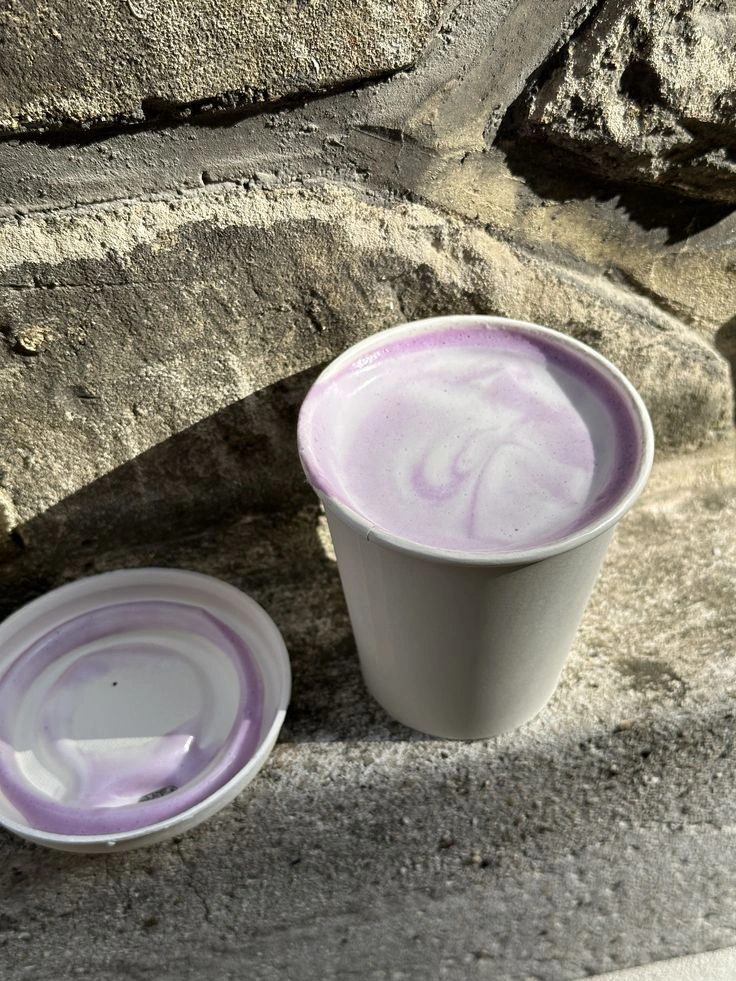
So, is ube the new matcha? Not yet in ubiquity, but it is on the path.
The purple yam is emerging from the margins to the mainstream with a confidence and a sweetness that speaks as much of culture as of dessert.
Ube is a purple yam native to the Philippines, known for its sweet flavor and vibrant violet color. It is commonly used in Filipino desserts like ube halaya, halo-halo, and sweet breads.
Ube is a naturally sweet root vegetable, while matcha is powdered green tea with a slightly bitter taste. Ube’s flavor is softer, and its rise in popularity reflects both taste and cultural heritage rather than wellness trends.
Ube is increasingly available in Western and European supermarkets, cafes, and bakeries. You can find it in products like lattes, donuts, mochi, and pancake mixes.
Popular Filipino desserts that feature ube include ube halaya (purple yam jam), halo-halo (shaved ice with toppings), and various sweet breads and pastries. Its vibrant color and flavor make it a signature ingredient in these dishes.
Ube is gaining international attention for its unique flavor, vivid color, and cultural history. Its expansion into mainstream markets shows a growing appreciation for Southeast Asian ingredients and traditional Filipino cuisine.