
Is Print Cool Again? Why We Are Returning to Magazines and Physical Media
In an era shaped by digital exhaustion, people are turning print magazines and physical media into a new symbol of taste and intentional living





- Print magazines and newspapers are experiencing a cultural comeback, especially among Gen Z.
- The shift is driven by digital fatigue, with many people seeking breaks from constant scrolling and notifications.
- Physical media is now linked to wellness trends like digital detoxing, slow living, and offline time.
- Print offers a more tactile and curated reading experience compared to digital content overload.
- What was once seen as outdated is now becoming a subtle status symbol tied to intentional living and taste.
Why are people returning to print media in 2026?
For years, print media was treated as a dying industry. Newspapers shrank, magazine stands disappeared, and digital platforms became the dominant way people consumed information. But in 2026, print is re-entering the cultural conversation, this time as something less ordinary and far more aspirational.

Across cafés, bookstores, airports, and university campuses, young people are carrying magazines, newspapers, and paperback books with visible intention.
Literary magazines appear in TikTok “what’s in my bag” videos. Vinyl records, film cameras, and physical newspapers are being folded into the same lifestyle category now commonly described online as “analog living.”
Print is becoming cool again, particularly among Gen Z consumers who increasingly associate offline experiences with wellness, authenticity, and status.
READ ALSO: 2026: The Year We Go Analog
The rise of analog living and digital detox culture
The shift has something to do with digital overload. After years of doomscrolling and algorithmic feeds, audiences are looking for ways to disconnect from screens and reconnect with physical experiences.
Trends like slow mornings, digital detox routines, anti-doomscrolling habits, and being “chronically offline” have moved from niche internet language into mainstream lifestyle culture.

As wellness increasingly becomes tied to intentional living, print publications have benefited naturally from the movement. Unlike digital content, physical media creates boundaries.
A magazine has a beginning and an end. A newspaper does not refresh every second. Readers engage with long-form articles without pop-up notifications or autoplay videos competing for attention. For many, that slower pace feels less stressful and more meaningful.
Why physical media feels more authentic than digital content
The appeal is also sensory. Print offers texture, weight, and permanence in a digital environment that often feels temporary. Readers frequently describe magazines and books as more immersive than online articles, with everything from paper quality to typography becoming part of the experience.

Even the smell of print has become part of the conversation online, often framed as evidence of a more “human” way of consuming media.
At the same time, people are approaching print with the same nostalgia-driven curiosity that has fueled the popularity of vinyl records, flip phones, and Polaroid cameras. Many grew up almost entirely online, making physical media feel both retro and new at the same time.
Is print media becoming a new luxury status symbol?
This “throwback” factor has helped transform print from a mass-consumption utility into a curated lifestyle product. Independent magazines, art books, and collectible print editions are increasingly viewed as cultural objects rather than disposable reading material.
In some cases, magazines are displayed more like fashionFashionThe art and industry of designing, producing, and styling clothing, footwear, accessories, and beauty trends. It reflects cultural influences, personal expression, and evolving styles across seasons and markets.Go to Fashion Glossary accessories or design pieces than traditional media products.

For younger consumers especially, offline time is increasingly associated with privilege. The ability to disconnect from screens, slow down, and focus attention on one thing at a time has become its own form of modern luxury.
Why long-form print journalism is making a comeback
The return of print also points toward a growing demand for authenticity. Online audiences are becoming more aware of how digital platforms prioritize engagement metrics and virality. Long-form print journalism, by contrast, is often perceived as more thoughtful, less clickbait-driven, and more trustworthy.
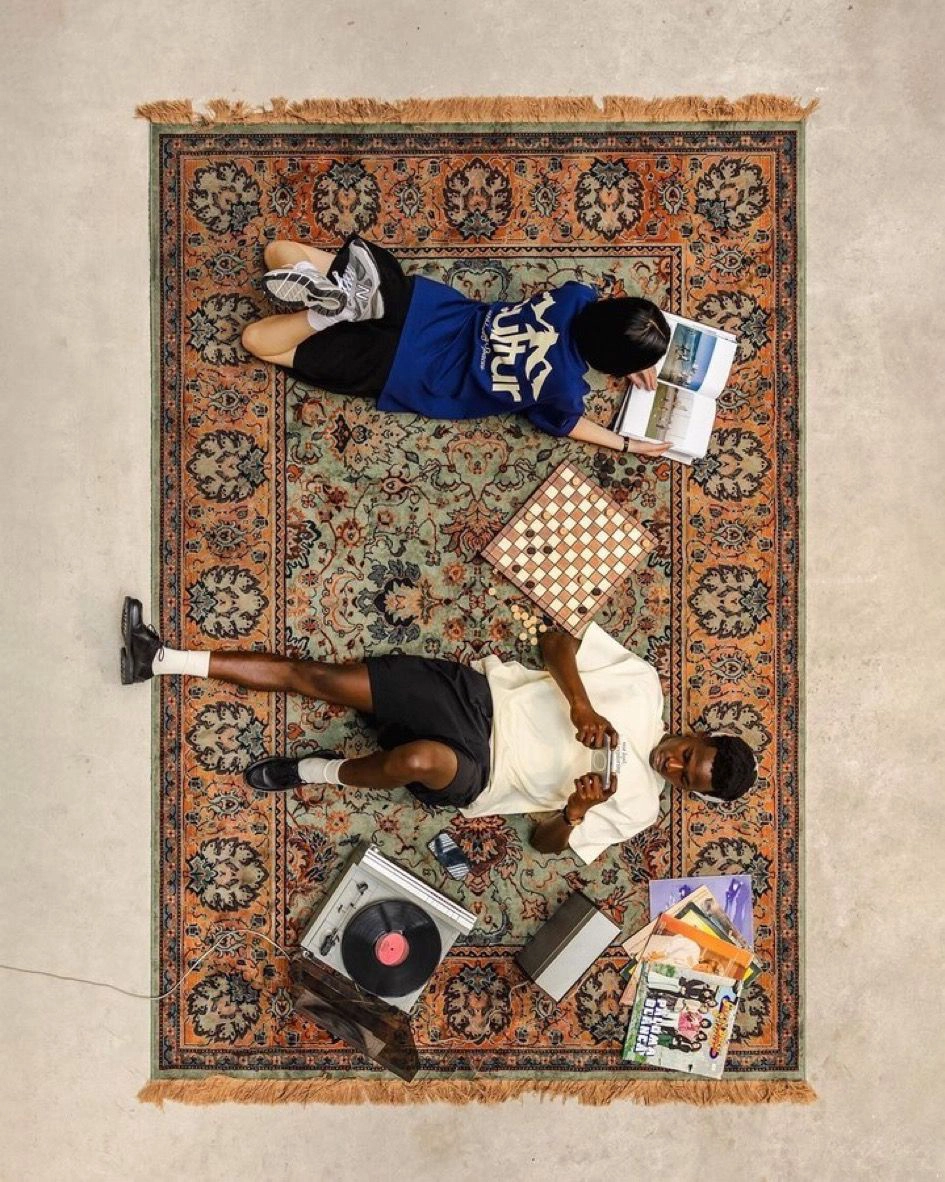
We now crave curation because the internet offers an overwhelming amount of information. The constant stream of content across social platforms has made many readers more selective about what they spend time with. Physical publications respond to that desire by slowing the experience down.
In print, readers are more likely to sit with an article instead of skimming it. That difference matters at a moment when attention spans are increasingly fragmented by digital media.

So, is print actually cool again?
Print is unlikely to replace digital media, but it no longer needs to. Its appeal now comes from offering something the internet increasingly struggles to provide: permanence and focused attention.
In 2026, carrying a magazine may say less about what someone is reading and more about how they want to live.
Frequently Asked Questions
Print media is making a comeback because people are experiencing digital fatigue from constant scrolling and notifications.
Yes, Gen Z is increasingly engaging with print magazines, newspapers, and books as part of a broader “analog lifestyle” trend. For many, print also carries aesthetic and nostalgic appeal, making it both a cultural and lifestyle choice.
Print media provides a tangible and distraction-free experience that digital platforms often lack. It allows readers to focus on long-form content without interruptions from ads or algorithm-driven feeds.
In some cases, yes. Carrying or displaying print magazines is now seen as a signal of taste and offline presence, especially among younger audiences who value authenticity.
The wellness movement has encouraged more mindful habits like digital detoxing and slow mornings. Print fits into this lifestyle by offering a screen-free alternative to consuming information.

Recommended Video