How Southeast Asian Countries Celebrate Chinese New Year
Aside from the red and gold, these countries celebrate the festivities in their own way




A region home to a massive Chinese diaspora, Southeast Asia has spent centuries weaving their own local threads into the festive tapestry, creating celebrations as diverse as its eleven nations.
Across the region, the 2026 celebrations will be defined by the bold and independent spirit of the Horse, marked by street parades and family reunions. From the prosperity toss to lion dances, here’s how Southeast Asia’s countries celebrate Chinese New Year.
Singapore and Malaysia
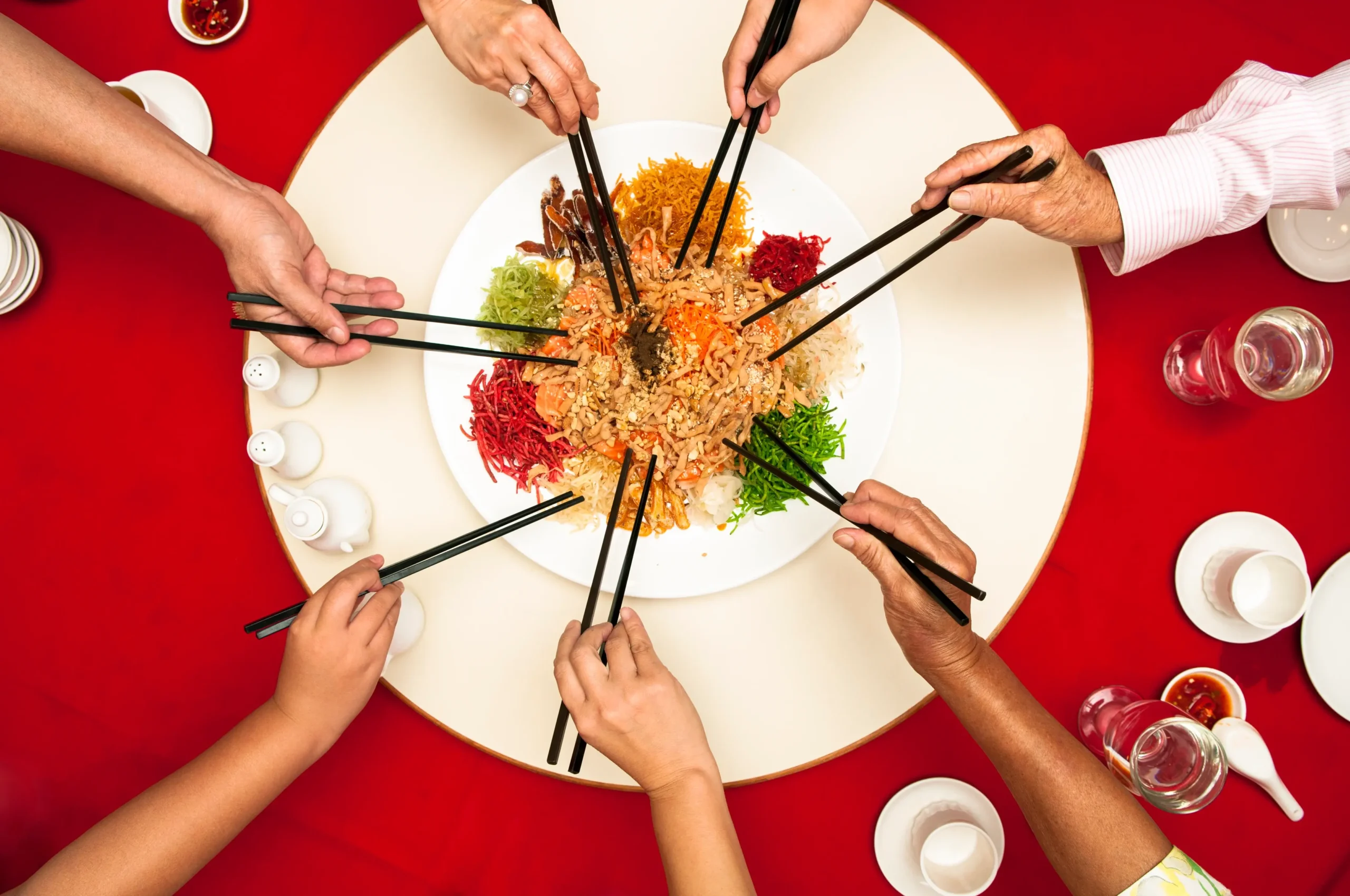
In both countries, family reunion dinners, exchanging mandarin oranges, and giving ang paos (red packets) are customary. Another signature tradition is the Lo Hei, the tossing of a raw fish salad mixed with colorful vegetables, crackers, and sauces high in the air with chopsticks, a ritual wishing prosperity upon its participants.
Vietnam
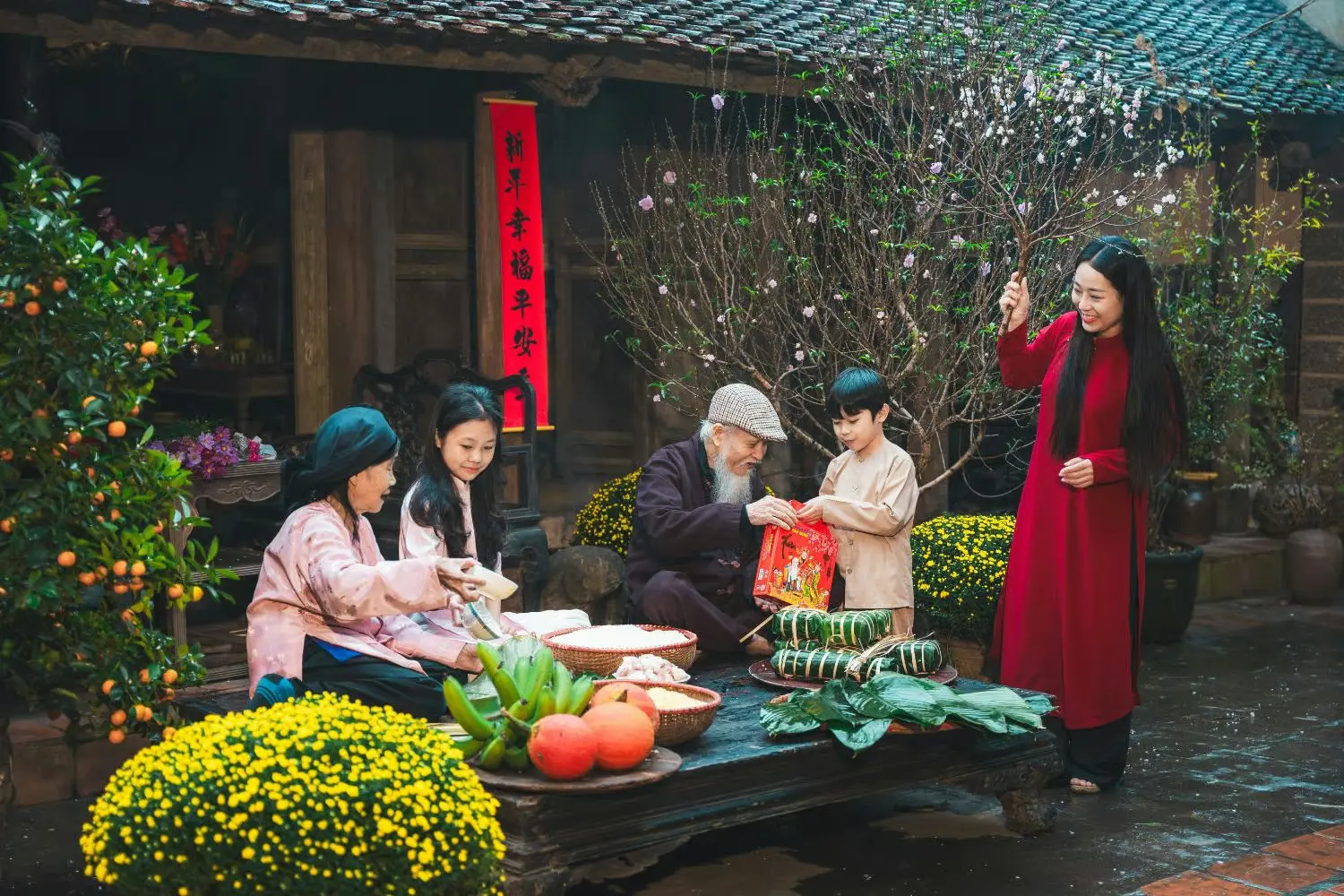
Tết is Vietnam’s most significant day of the year. Celebrations begin with cleaning homes, visiting temples, and paying respects to ancestors. Family reunions are central, as cities quiet down while people travel home, and many shops close. Children and elderly family members receive money in red envelopes as a sign of health and prosperity.
Philippines
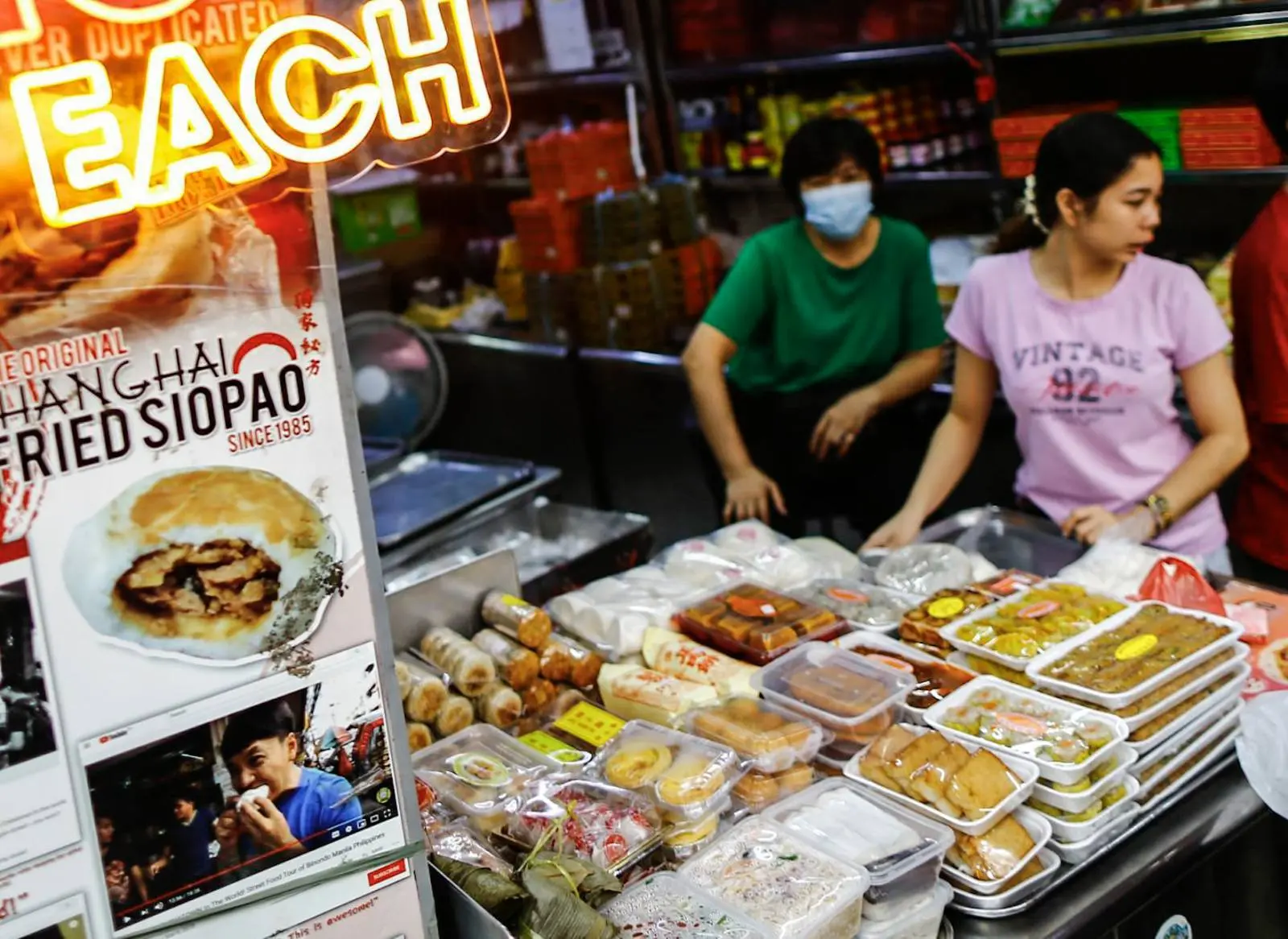
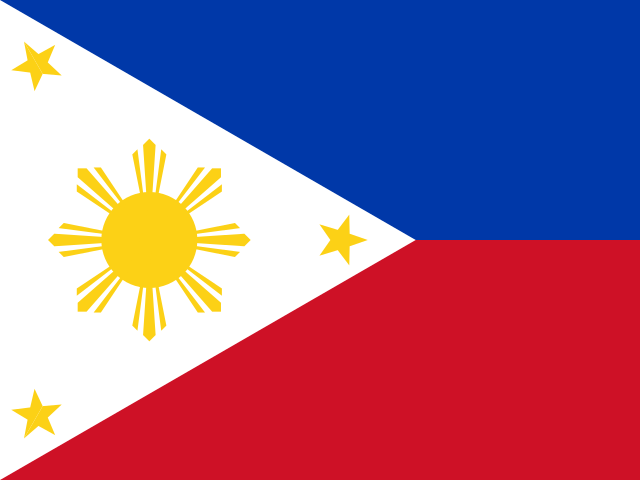
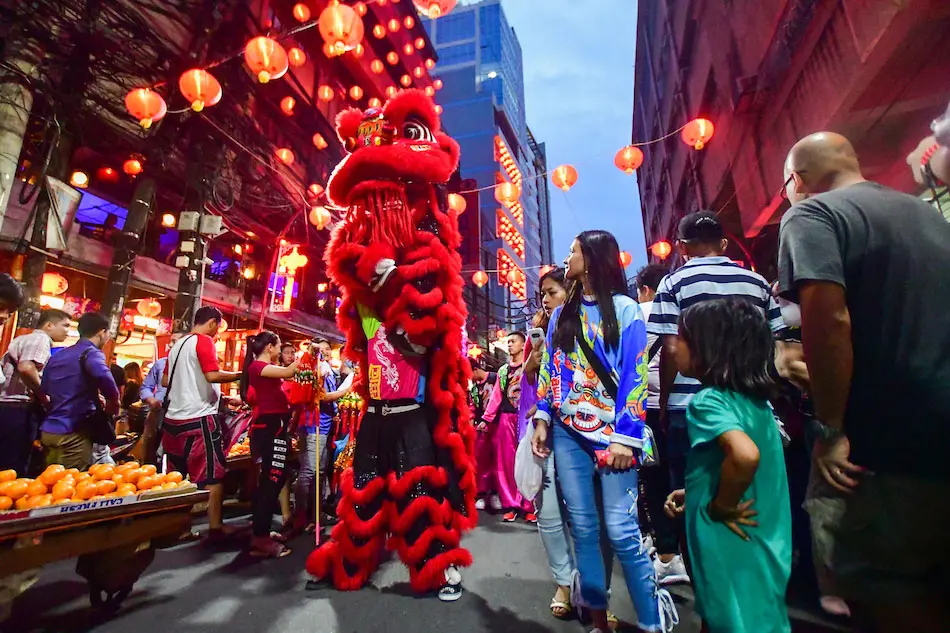
Home to the world’s oldest Chinatown, the Philippines marks the holiday with 12 different kinds of round fruits on the table, representing prosperity for each month of the year. Tikoy, a sticky rice cake, is traditionally given to friends and neighbors to signify unity within family and community. In Binondo, Chinese customs come alive with lion dances and fireworks.
Indonesia
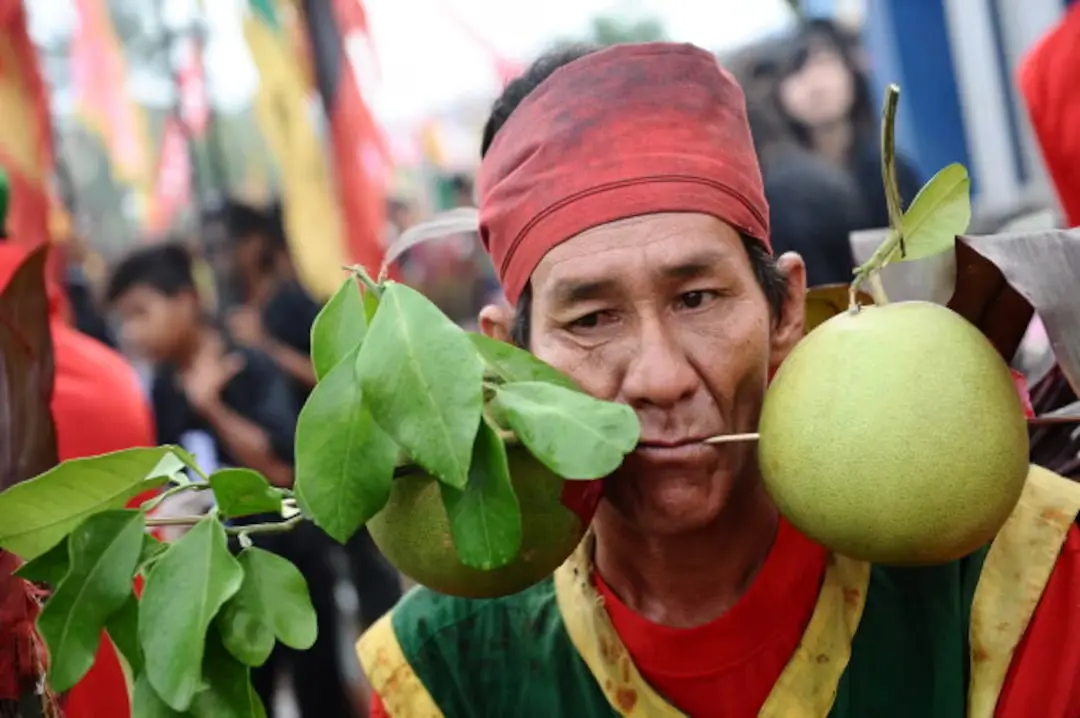
Imlek follows similar traditions, but in Singkawang, West Kalimantan, the 15th day of the celebration features one of the region’s most unique customs. Tatung involves practitioners entering a trance-like state while piercing their bodies with sharp objects, believed to ward off evil spirits. The ritual mixes Chinese and Dayak cultural practices.
Thailand
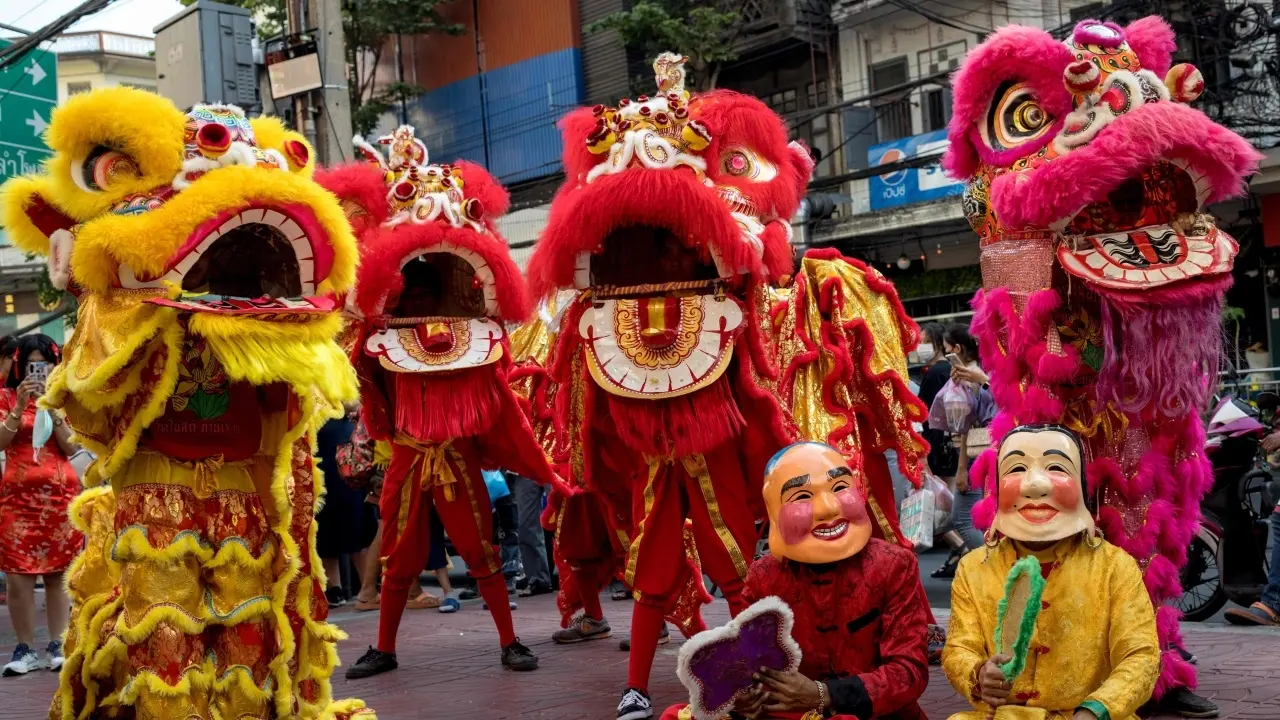
Thailand’s large Thai-Chinese population ensures major cities host grand celebrations. Merging ancient Chinese traditions with Thai culture, the multi-day festivities feature street food, red lanterns, temple visits, and symbolic feasts. Yaowarat in Bangkok remains the heart of the celebration, alive with lion dances, parades, and food stalls.
Laos
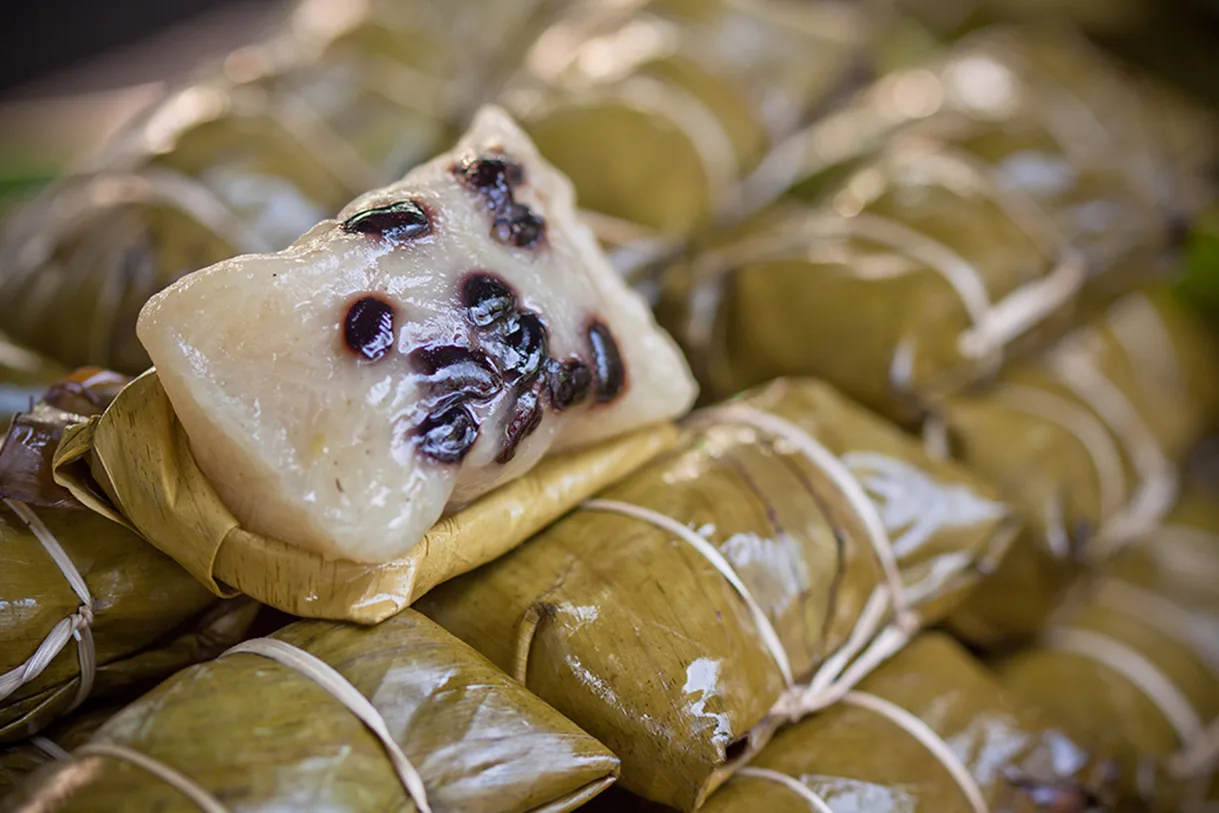
Although Laos celebrates its national New Year in April, Chinese and Vietnamese people observe the Lunar New Year with a focus on communal cooking. Families gather to make Khao Tom, a sticky rice and banana treat, and steam it to perfection. Visiting multiple temples brings luck for the year ahead.
Brunei
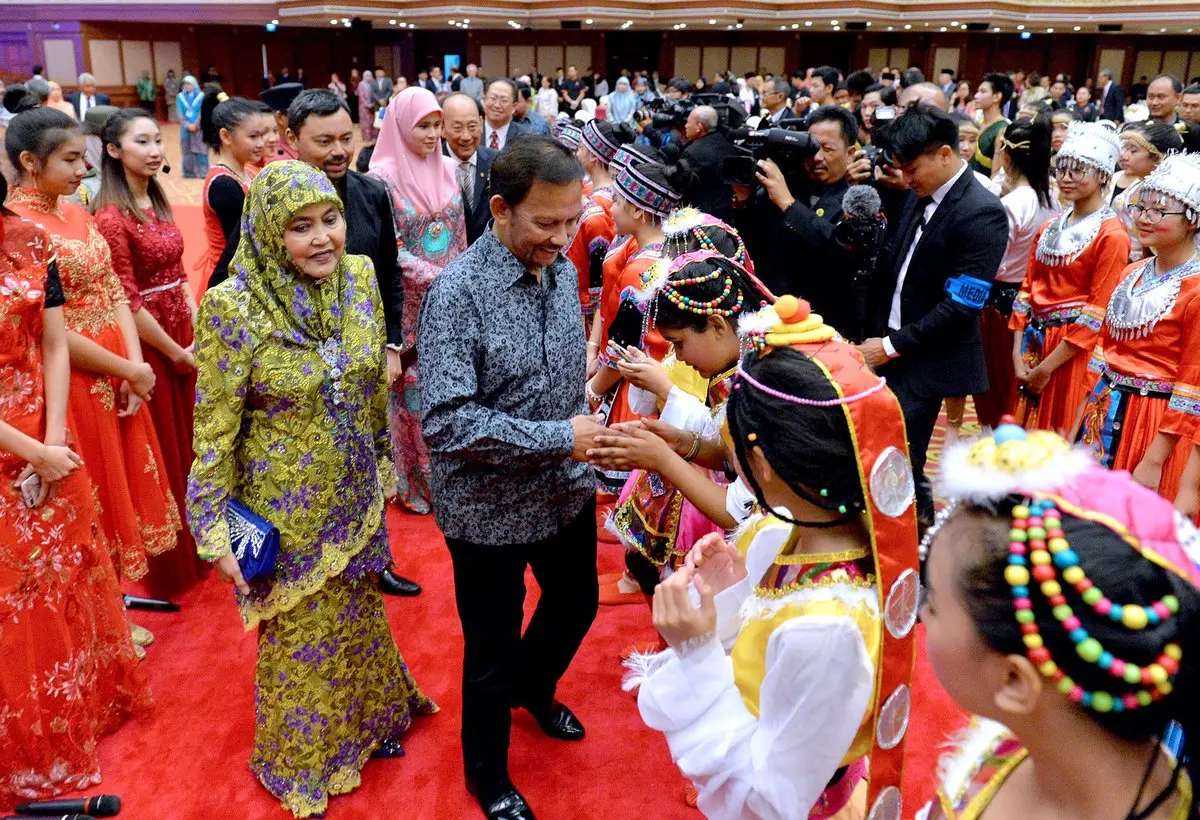
Despite being a predominantly Malay-Muslim nation, Brunei has a vibrant Chinese-Bornean community that celebrates with its own social flair. Open houses are central to the festivities, where Chinese families invite neighbors of all backgrounds to share a festive meal.
Frequently Asked Questions
Southeast Asian countries each bring distinct local traditions to the Lunar New Year. Singapore and Malaysia practice the Lo Hei prosperity toss, Vietnam centers celebrations around Tết and ancestor veneration, the Philippines gathers in Binondo with round fruits and Tikoy, Indonesia observes Imlek including the Tatung trance ritual, and Thailand hosts grand festivities along Bangkok’s Yaowarat road.
Lo Hei is a Lunar New Year tradition practiced in Singapore and Malaysia in which diners toss a raw fish salad mixed with colorful vegetables, crackers, and sauces high into the air using chopsticks. The act is a communal ritual wishing prosperity on all participants, and the height of the toss is considered a sign of good fortune for the year ahead.
Tatung is a trance-based ritual observed on the fifteenth day of the Lunar New Year celebration in Singkawang, West Kalimantan. Practitioners enter altered states and pierce their bodies with sharp objects as a means of warding off evil spirits. The ritual is a distinctive fusion of Chinese and indigenous Dayak cultural practices, making it one of the most unusual Lunar New Year traditions in Southeast Asia.
The Philippines marks the Lunar New Year with twelve round fruits on the table — one for each month, symbolizing prosperity — and the gifting of Tikoy, a sticky rice cake representing unity and community bonds. In Binondo, Manila, home to the world’s oldest Chinatown, the celebration comes alive with lion dances, fireworks, and street festivities rooted in centuries of Chinese-Filipino tradition.
While shared elements such as red envelopes, family reunions, lion dances, and temple visits appear across the region, each country’s celebration is shaped by its own cultural context. Vietnam’s Tết is a national holiday centered on ancestor veneration, Indonesia’s Imlek incorporates indigenous Dayak practices, and Brunei’s Chinese-Bornean community observes the holiday through multi-faith open houses — reflecting the diversity of the Chinese diaspora across eleven nations.
Recommended Video