
In ‘Sleep No More’, Iqbaal Ramadhan Refuses to Get Comfortable
As the movie brings monsters and social critique into one unsettling vision, Iqbaal explains why he continues to chase stories that challenge both himself and his audience





- Iqbaal Ramadhan takes on his first major horror film with Sleep No More, directed by acclaimed filmmaker Edwin.
- The film replaces familiar ghost stories with a monster narrative, using horror to explore labor exploitation, workplace pressure, and power dynamics.
- Iqbaal plays Bona, a mysterious young man with the ability to regenerate lost limbs, in what he calls his most physically demanding role yet.
- As both actor and executive producer, Iqbaal was drawn to the film’s originality and its mix of creature-feature thrills and social commentary.
Iqbaal never settles for the unexpected
There has always been an unspoken understanding among the Indonesian cinephiles: when the name of Iqbaal Ramadhan is attached to a film, it is certainly poised to be an interesting saga.
Iqbaal’s reputation as one of the most beloved and celebrated actors of his generation certainly plays a part, but there is more to it. Both cinephiles and industry insiders have now recognized that, above everything else, he has excellent taste in storytelling.

Films such as Dilan 1990, Stealing Raden Saleh, and Perayaan Mati Rasa have captivated millions of Indonesian moviegoers not just because of Iqbaal’s powerful performances but also because of the riveting stories they tell.
READ ALSO: These Indonesian Male Soloists Have What It Takes to Conquer the World Stage
Sleep No More (Monster Pabrik Rambut), which is Iqbaal’s latest feature film, is unlike anything else that has existed in the Indonesian horror cinema—no wonder the actor, also known for being very selective with his projects, was very excited to get on board and discuss the finished work afterward.
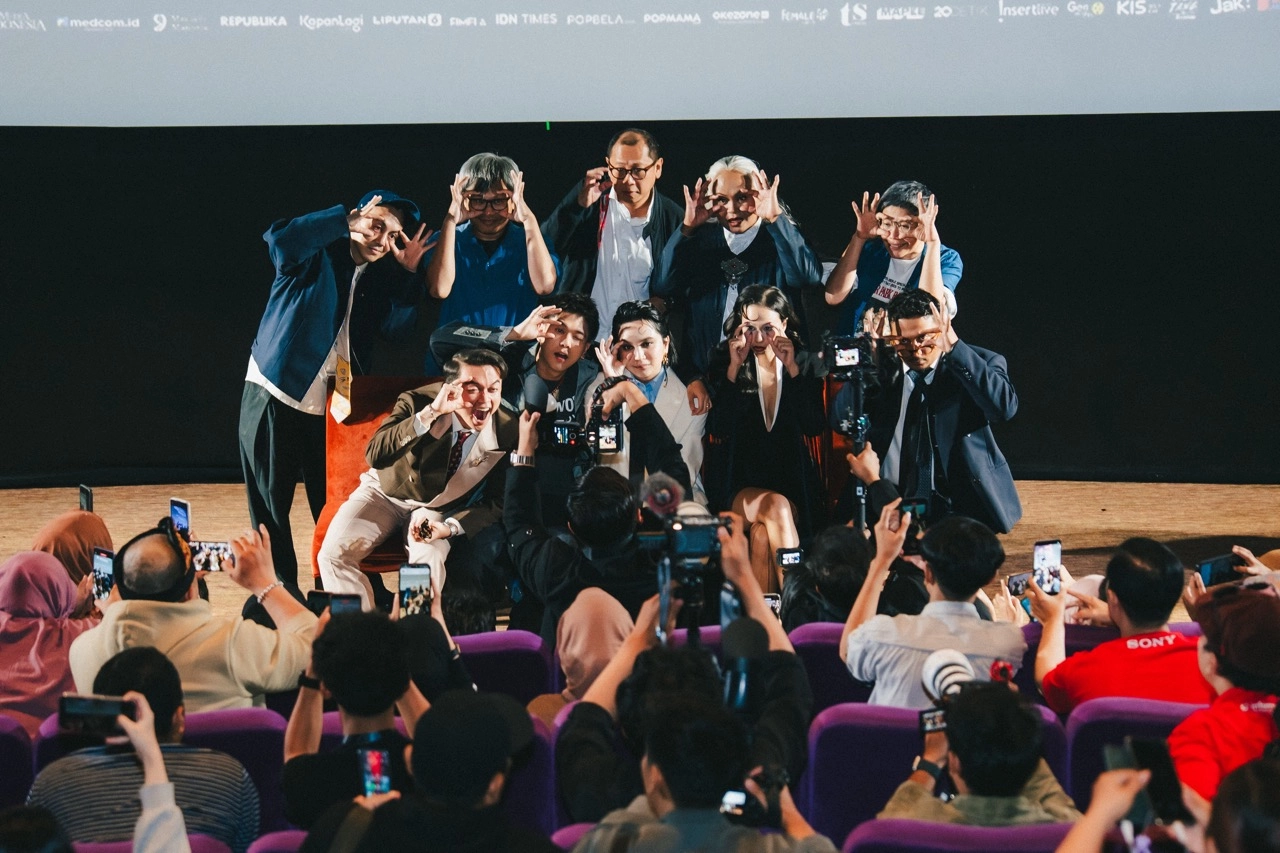
And for Iqbaal, being different and deliberately creating something different are always worth fighting for.
“As part of the young generation, I’m one of those people who demand that differentiation—not just as a creator but also as a consumer, as a viewer, as a music listener, and as an art enthusiast. It so happens that I have the privilege to have two roles: as an enjoyer as well as a provider of those artistic works.”
The old saying goes that a writer should write the book they want to read, and a musician should make the music they want to listen to. In Iqbaal’s case, Sleep No More is the kind of film he wanted to both make and enjoy.
“I finally get to create, as well as be a part of an ensemble for, a horror film that I would like to watch. The kind of horror film that I love, that is fun, that is monstrous, and delivers underlying criticism that can resonate as well.”
Monster’s ball
Sleep No More marks a new territory for Iqbaal. This film marks his first time foraying into the horror genre, his first time being directed by Golden Leopard winner Edwin (Vengeance is Mine, All Others Pay Cash), and his second time sitting in the executive producer’s chair. This particular project, therefore, called for the ultimate focus—in the best way possible.
“That’s one of the reasons why I rarely do a lot of projects in a single year. When I do a project, regardless of the role, I’m always all in. For this particular film, to be an actor at first, then given an opportunity as an executive producer, was truly very special.”
Another element that makes Sleep No More special is the story, which revolves around overworked millhands who find themselves amid what appears to be supernatural terror.
Iqbaal was intrigued by Edwin’s pitch about monster tales, which may hide a deeper, more timely interpretation. In the case of this film, humans can be as monstrous as beasts—or even more.
“What Edwin actually wanted to illustrate was how the employment system, which is something that we find typical in our everyday lives, is in fact very terrifying,” he explained.
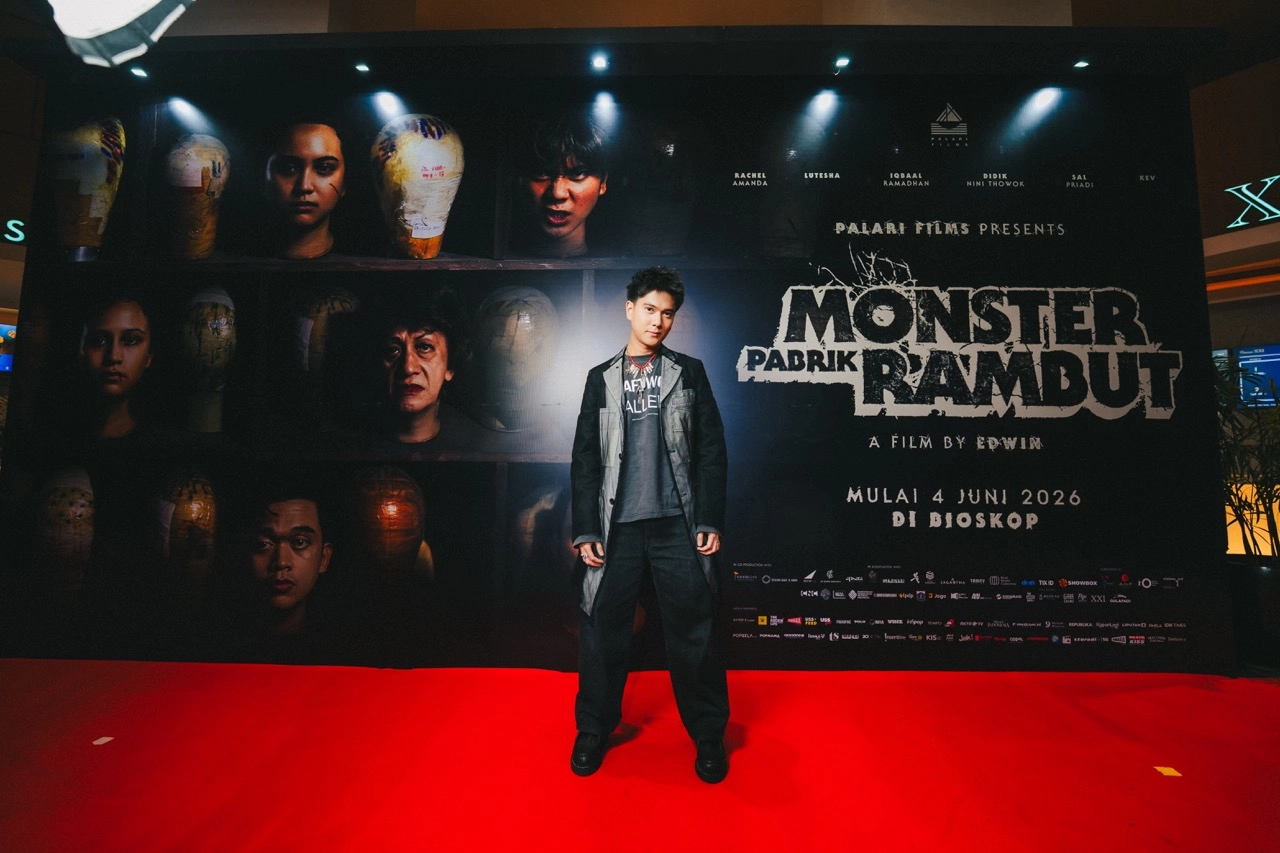
“We are forced to answer to a superior without understanding what our labor is ultimately for. But those things have become normal, and as a result, the risks that entail have also become normalized.”
Such unusual normalcy is eerily portrayed in Sleep No More. For example, without spoiling the plot, the millhands’ reactions toward the supernatural terror and the likely presence of something altogether inhumane in their hair factory are not exactly what horror fans might expect.
On top of that, monsters can be both literal and metaphorical. Iqbaal is certainly not a millhand. However, as an artist working in the creative space, he is nevertheless aware of how monstrous this world can be.
Scream king
Acting-wise, Sleep No More has given Iqbaal his most technically demanding role to date. The actor plays Bona, the step-brother of millhands Putri (Rachel Amanda) and Ida (Lutesha), who is treated as the family’s black sheep due to his inexplicable mutant ability to regenerate his body limbs whenever injured or completely chopped off.

A lot of blood and prosthetics went into Iqbaal’s preparation to give life to Bona. Making Iqbaal’s preparations even more interesting, Edwin and the filmmakers decided to apply practical effects as opposed to another quick-and-easy practice of digital overengineering.
Without spoiling too much, there are plenty of scenes in Sleep No More where Iqbaal’s Bona is treated in a way that audiences may find visceral, yucky, or downright belly-inducing. Bona, thus, posed Iqbaal a unique challenge, as well as a unique opportunity, that miraculously harked back to the actor’s childhood.
“When I was offered this project and the character Bona, I felt that watching Edward Scissorhands back when I was a kid, as well as being a fan of the titular character, was not in vain after all. He has a human form, he can empathise as humans do, but he also has an ability that no other humans have.”
Still and all, Iqbaal was determined to make Bona entirely original. To do his character justice, a lot of his performances required an unusual commitment to his physicality. Here, Iqbaal must deliver with—quite literally—his entire body.
Beastly and borderless
As the executive producer of Sleep No More, Iqbaal was all in to create a horror film unlike anything that local audiences have seen before.

In the borderless cinema landscape, Sleep No More, as well as its fellow Indonesian fright flicks, is now in a delicate position. On one hand, the film should be able to provide fresh excitement to local cinephiles who have been very much accustomed to Indonesian horror tropes like pocong, kuntilanak, and jelangkung.
On the other hand, the filmmakers may also need to start paying attention to the mindset of global cinephiles, who may have just discovered Indonesian horror cinema—including its local styles and tropes—for the very first time.
“We have always been focusing on making a film that is great, unique, bewitching, and different. Turns out, a film that is both personal and local usually ends up being universal and global. That’s the magic of cinema.”
Eternally foolish
After everything has been said and done, Iqbaal believes that he still has a lot to learn as an artist. He revealed that his principle has always been to have an open and eager mindset, which always gives him the drive to challenge himself and make a difference.

Sleep No More, in particular, fearlessly showcases Iqbaal’s refusal to be bored and get comfortable in his craft.
“A lot of people ‘die’ when they are stuck in their comfort zone, regardless of its shape,” he concluded.
“One of my teachers, FSTVLST’s Farid Stevy, always reminds me to always feel foolish and to always feel that I don’t know anything. Thanks to those feelings, I will never want to stop learning, trying something new, and giving what I want to enjoy as well.”
And just like the regenerative Bona, nothing can ever chop off Iqbaal Ramadhan’s indomitable spirit.
Photography Arman Febryan
Frequently Asked Questions
Sleep No More (Monster Pabrik Rambut) is an Indonesian horror film directed by Edwin. The story follows factory workers who face a monstrous threat while navigating exploitation, overwork, and fear within their workplace.
Iqbaal Ramadhan plays Bona, a mysterious young man with the unusual ability to regenerate lost limbs. The role required extensive physical acting, prosthetics, and practical effects work.
Unlike many Indonesian horror movies that focus on ghosts and supernatural spirits, Sleep No More centers on a physical monster. The film also uses horror to explore social issues such as labor conditions and power structures.
Iqbaal was drawn to the film’s originality and its blend of monster horror with social commentary. He said it was the kind of horror film he personally wanted to watch and help create.
Sleep No More premiered in Indonesian theaters on June 4. The film previously screened at the Berlin International Film Festival, where it received a warm response from international audiences.

Recommended Video