
Could Filipiñana Be the Philippines’ Next Oscar Contender?
On the green, privilege has the best view. Filipiñana shows us what happens to everyone left outside it




- Rafael Manuel’s Filipiñana turns an elite Manila golf course into a striking portrait of privilege and structural inequality.
- The Sundance-winning debut has earned international acclaim and strong festival momentum, while drawing packed audiences back home in the Philippines.
- With Oscar buzz building, Filipiñana could become a strong contender for the Philippines’ submission to the 99th Academy Awards.
Turning a golf club into a portrait of class
What if the Philippines’ next Oscar contender is hiding in plain sight, somewhere between a manicured fairway and the sound of a golf club striking a ball?
In Rafael Manuel’s Filipiñana, the country’s social fault lines are not found in the places cinema usually sends us to look for them. They are tucked behind immaculate greens, pastel uniforms, private club doors, and the carefully performed hospitality of people whose job is to make privilege feel effortless.
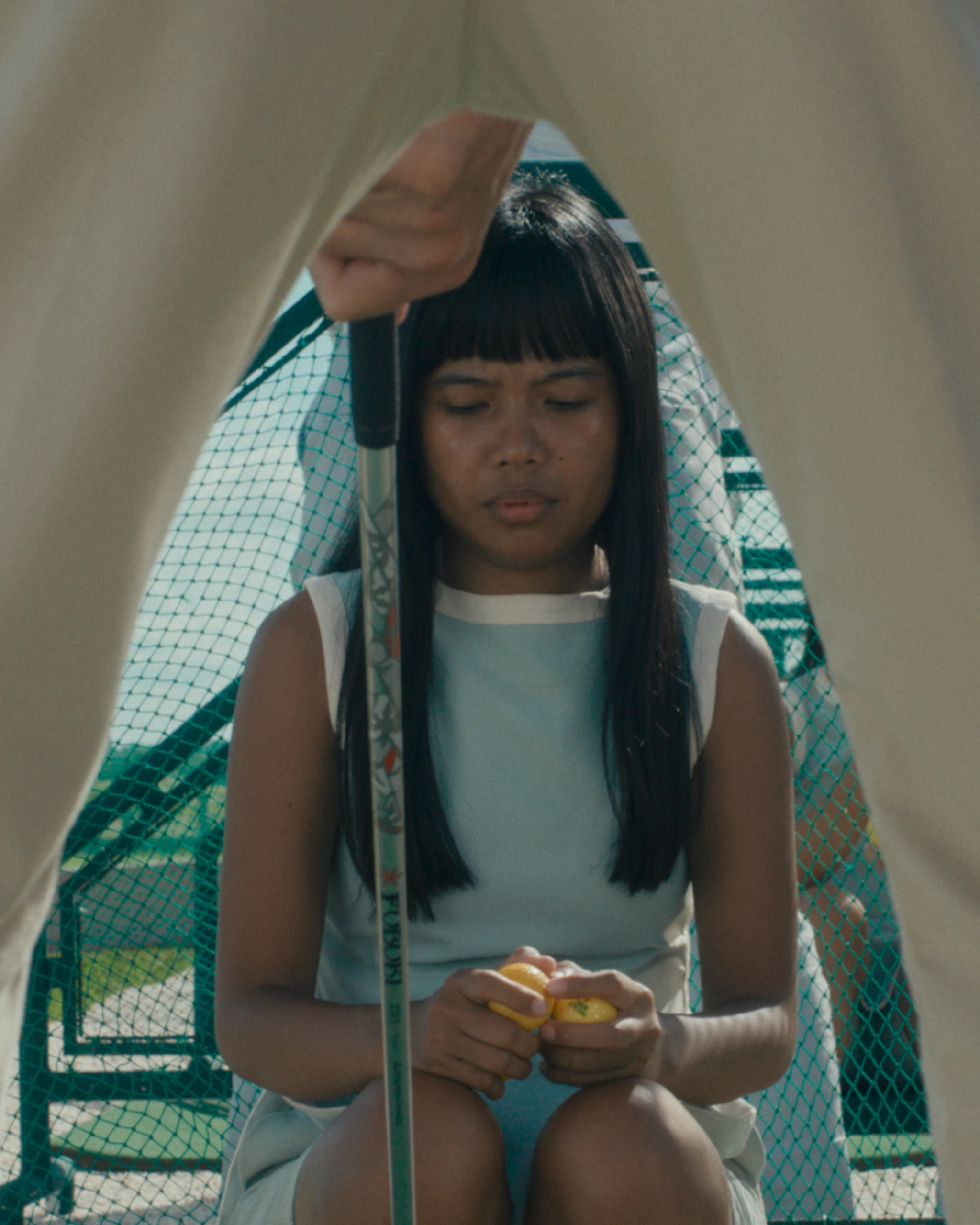
The film, which won the World Cinema Dramatic Special Jury Award for Creative Vision at the 2026 Sundance Film Festival, follows 17-year-old Isabel (Jorrybell Agoto), an Ilokana teenager working as a “tee girl” at an elite golf club in Manila.
Her job is simple enough: position the golf balls for members before they take their shot. What unfolds around her is anything but. Beneath the club’s surface is a hierarchy so deeply embedded that almost everyone seems to know their place, even when nobody says it aloud.

Using golf to explore inequality in the Philippines
Rafael makes that hierarchy visible without turning the film into a lecture. His camera, working with cinematographer Xenia Patricia, stays remarkably still, often holding on compositions long enough for the discomfort to arrive on its own.
Members occupy the higher parts of the frame while workers look upward. Isabel is occasionally positioned between the legs of the men she serves, an image that is difficult to dismiss once seen.
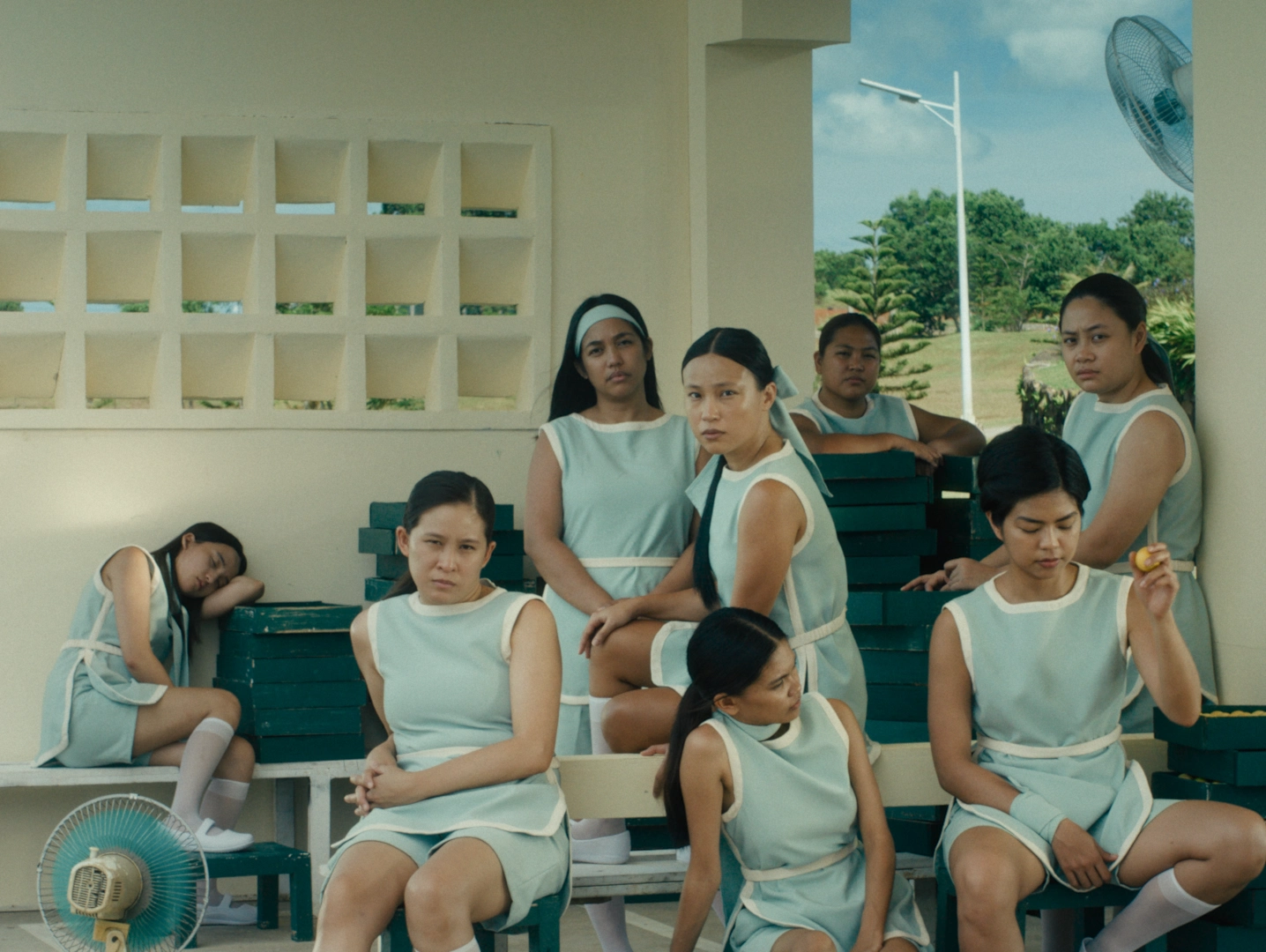
The golf course becomes the film’s great visual trick. It is almost absurdly well maintained, and therefore an unlikely setting for a story about violence. But that is why Rafael chose it.
“There are about 30-40 golf courses in and around Manila,” he says. “To my mind, a golf course is the perfect metaphor for my country.” It is land worked by many and ultimately enjoyed by very few, a landscape whose beauty depends on an enormous amount of labor remaining largely invisible.
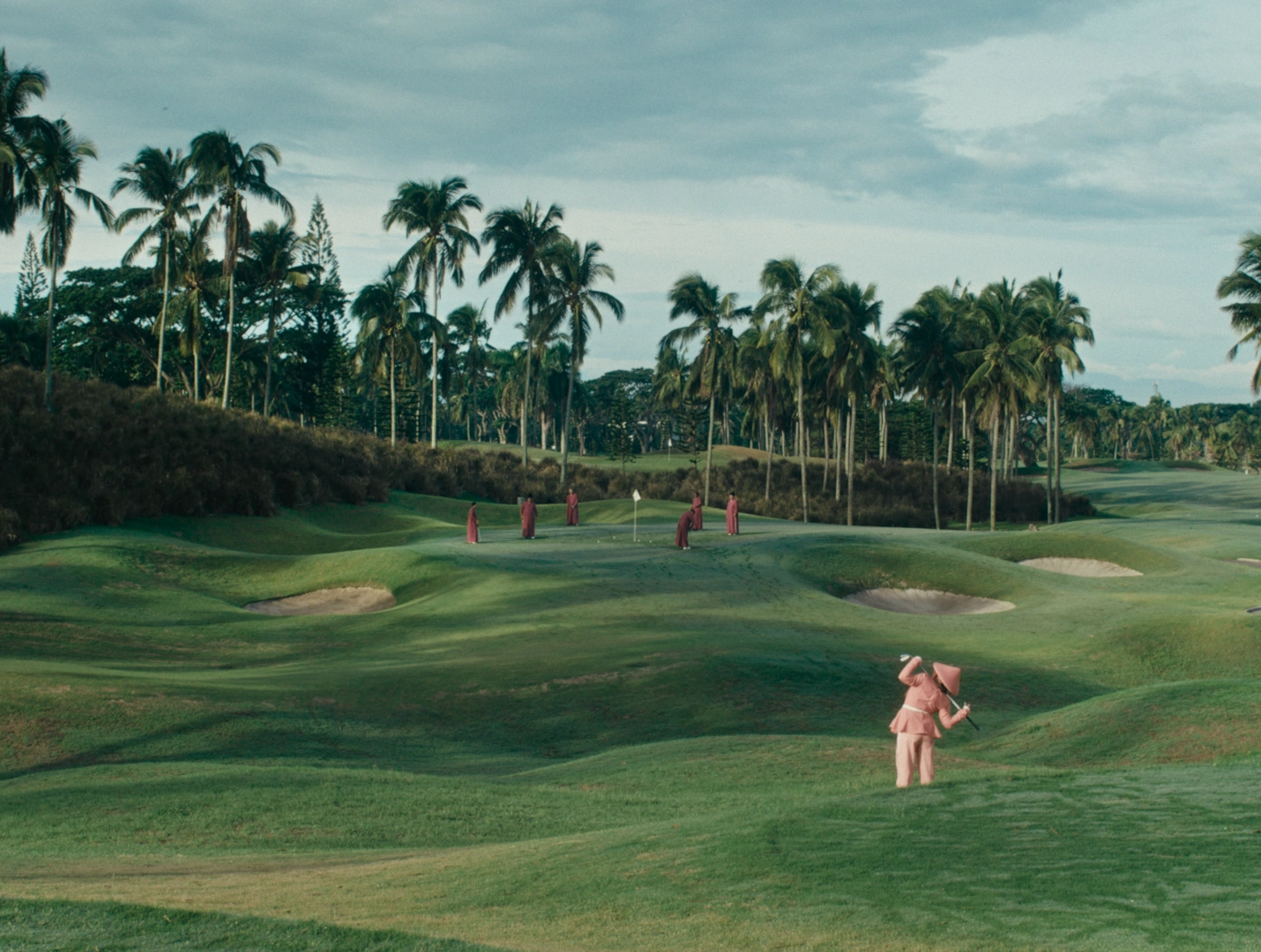
The film announces this contradiction almost immediately. Its opening moves from a water truck in Manila, where families wait with containers for their allotted supply, to sprinklers casually watering the golf course.
The cut is simple, but brutal. Outside the club, water is rationed. Inside, it arcs across the grass without a second thought. In Filipiñana, scarcity and abundance exist beside each other, often separated by nothing more than a gate.
Looking beyond class at power and colonialism
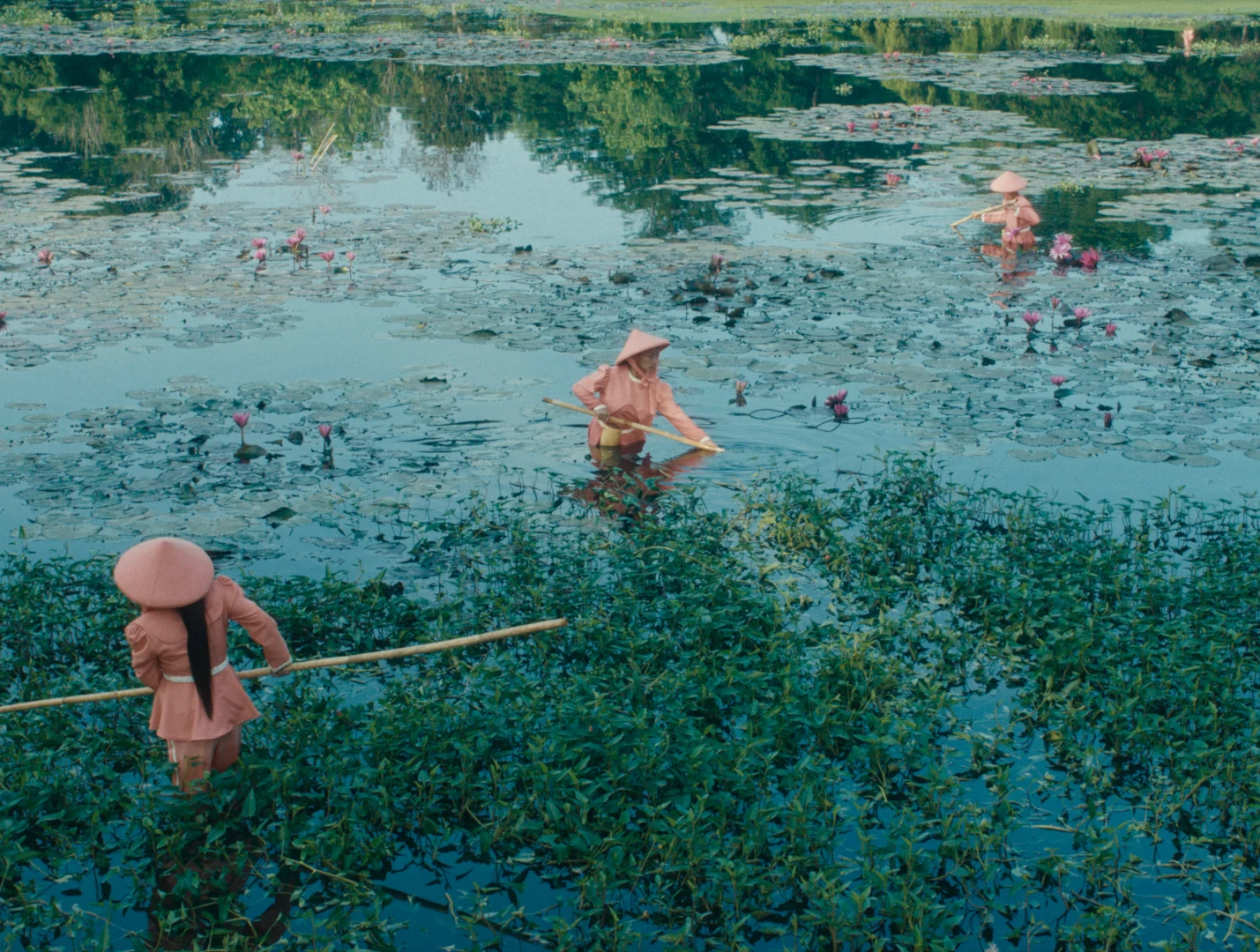
Rafael’s critique extends beyond class into the architecture of power itself. The film repeatedly returns to masculinity, patriarchy, and the history embedded in the land. Golf, with its shafts, balls, rituals, and overwhelmingly male spaces, becomes an unusually effective language for that examination.
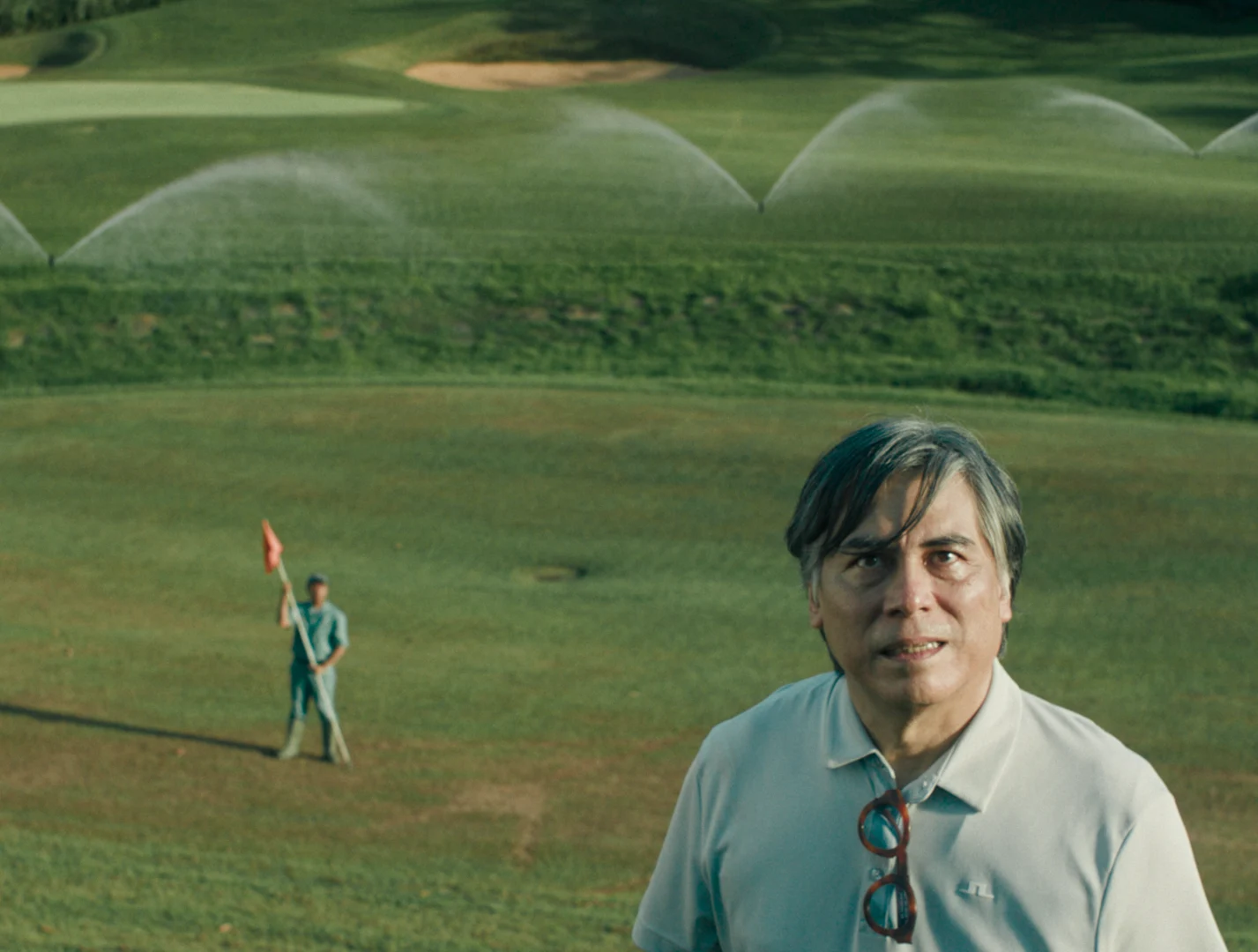
The director also connects the course to a longer history of political and economic power in the Philippines, resisting the temptation to package that history neatly as something belonging to the past. As he puts it, “we are still living in colonialism, especially in the Philippines.”
A “daring, singular debut,” according to the International Cinephile Society, the film has also been praised by The Hollywood Reporter for its visual inventiveness, with The New Yorker suggesting that it “opens up new vistas in the future of cinema.”

Could the film represent the Philippines at the Oscars?
At home, the response has been just as telling. After its international festival run, Filipiñana returned to the Philippines for packed Cinemalaya screenings, with advance screenings selling out as interest continued to build. The attention has inevitably raised a larger question: could this be the film that represents the Philippines at the Academy Awards?
Nothing is official yet. The Philippines is still considering its submission, and Filipiñana is one of the films that could enter that conversation.

But it arrives with international momentum that makes the possibility difficult to ignore. A Sundance jury award, a Berlin-winning filmmaker, strong critical attention, established U.S. and U.K. distribution, and a film whose politics are Filipino while remaining legible far beyond the country give Rafael’s debut an interesting position.
More importantly, Filipiñana does not feel engineered for an awards campaign. It feels like a film that found the right metaphor and refused to let it go.
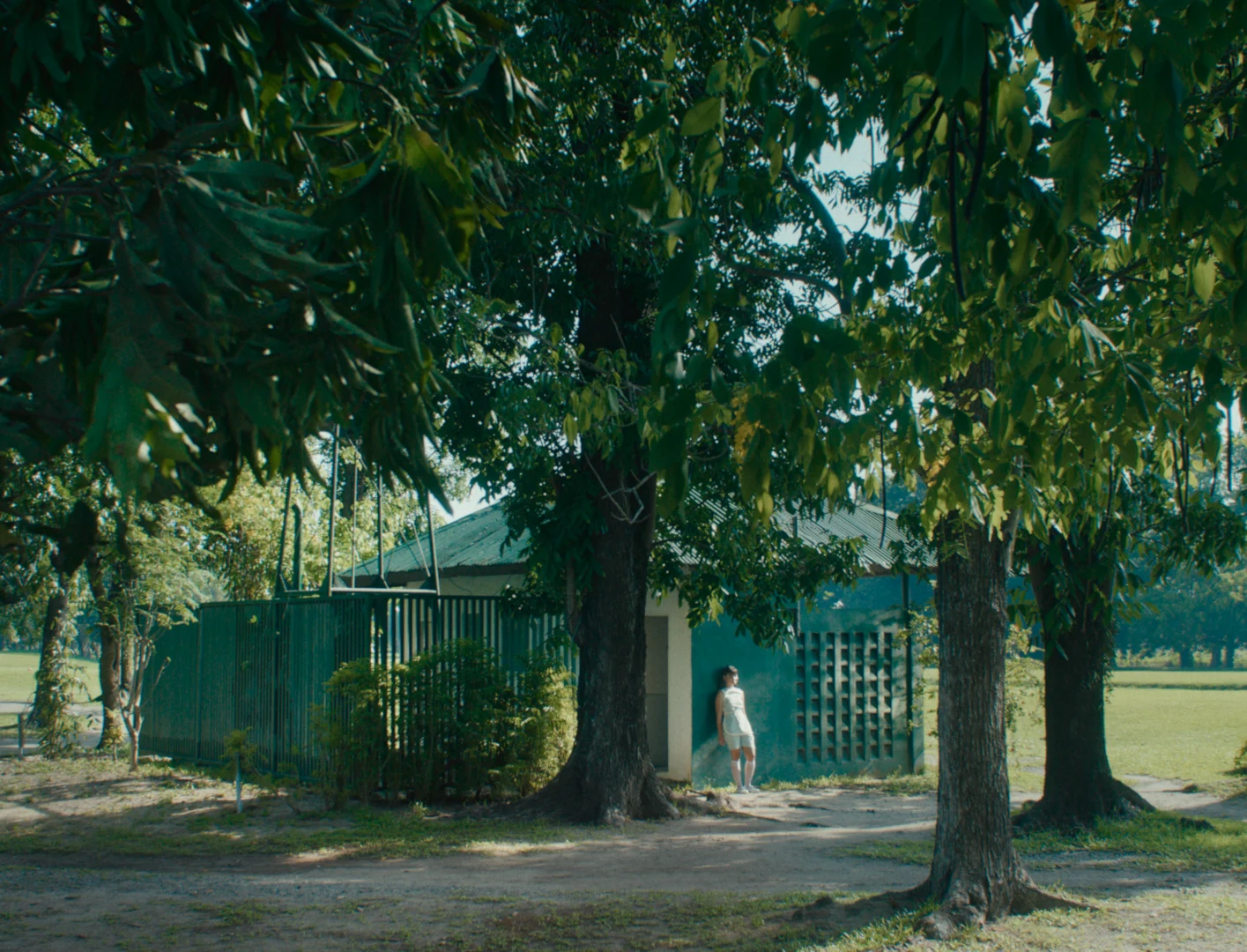
The golf course is beautiful because somebody maintains it. It is peaceful because somebody is expected to remain quiet. It is exclusive because somebody has been kept outside. By the time Isabel begins to see the machinery beneath the green, the audience has already been looking at it all along.
For a filmmaker making his first feature, that is impressive. And if the country is looking for its next Oscar submission, Rafael may have already found a film capable of making the world look closely at what the Philippines has been trying not to see.
Frequently Asked Questions
Filipiñana is Rafael Manuel’s debut feature about a 17-year-old tee girl working at an elite Manila golf club. The film explores class inequality, privilege, gender, and the power structures hidden beneath the club’s surface.
Filipiñana was directed by Filipino filmmaker Rafael Manuel, whose 2020 short film of the same name won the Silver Bear Jury Prize at the Berlin International Film Festival.
Yes. Filipiñana won the World Cinema Dramatic Special Jury Award for Creative Vision at the 2026 Sundance Film Festival, giving the film significant international momentum.
Filipiñana is considered a potential contender for the Philippines’ submission to the 99th Academy Awards. The country’s official submission had not yet been decided as of August 2026.
The film combines a Filipino story about inequality and power with a visually inventive style that has resonated internationally. Its Sundance win, strong critical reception, and distribution in the U.S. and U.K. have also brought greater attention to contemporary Filipino cinema.

Recommended Video