
Jordan Firstman’s Club Kid Is the Ultimate Party-to-Paternity Plot Twist
Between late-night debauchery and unexpected dad duties, Club Kid finds the funny and messy business of growing up without losing your people


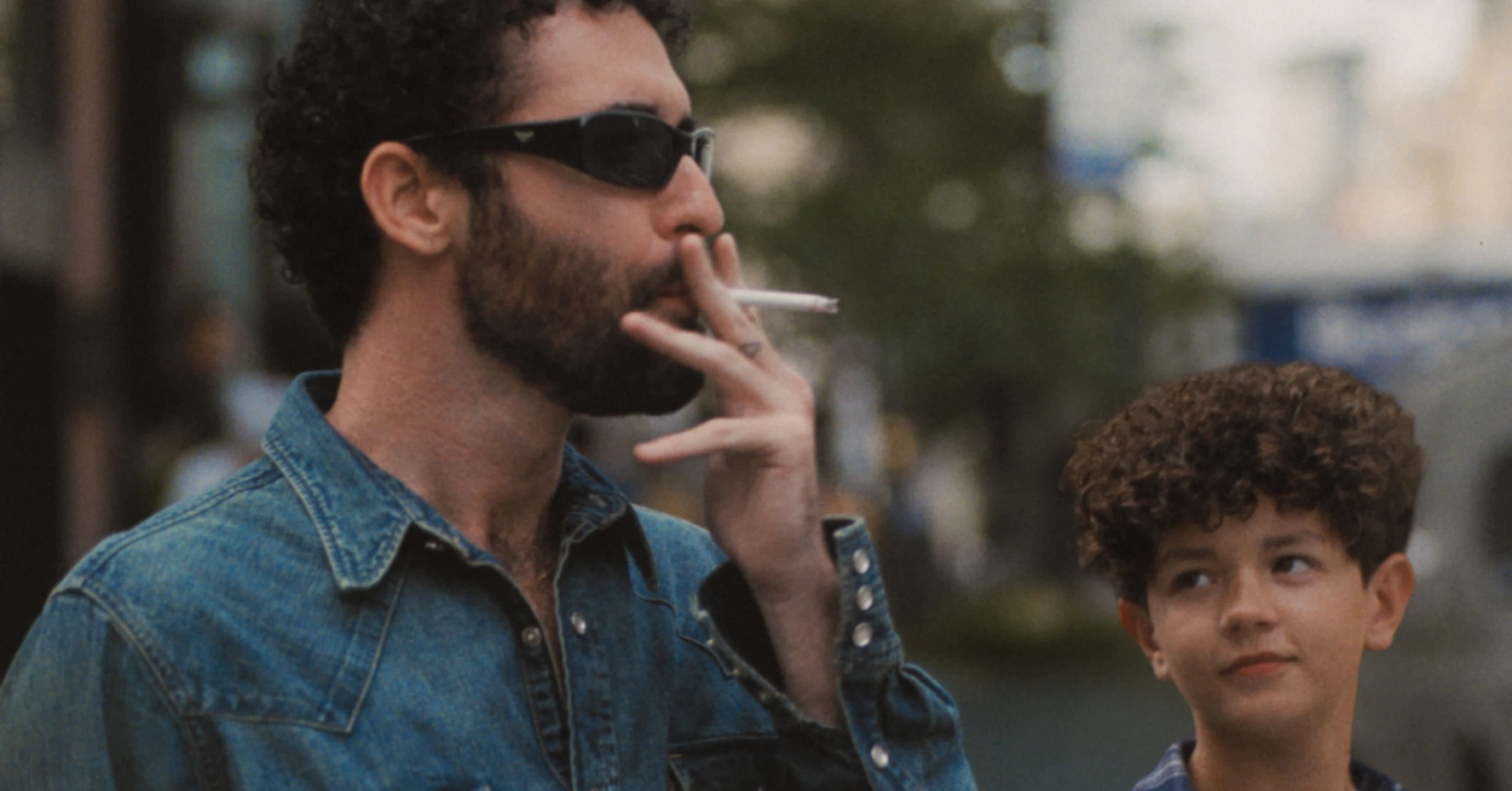
- Jordan Firstman’s Club Kid follows a hedonistic New York club promoter whose carefree nightlife takes an unexpected turn when he discovers he has a ten-year-old son.
- Beneath its raucous queer party scenes, the film explores chosen family, unexpected fatherhood, and the messy business of growing up.
A very good time, until it isn’t
Perhaps all it takes is a change in perspective to realize that life has been generous with love all along. In Club Kid, Jordan Firstman‘s directorial debut, that change comes in the shape of a ten-year-old boy, a questionable fatherhood situation, and a New York party scene that could probably do with a collective glass of water.
Jordan stars as Peter, a thirtysomething gay club promoter who’s made a respectable career out of knowing everyone and staying out far too late. His world’s a revolving door of underground parties, questionable substances, colorful friends, and mornings he would probably forget.
He is, in other words, having a very good time. Until he isn’t. A decade after an eventful night, Peter discovers that he has a son, Arlo, whose mother has died and whose care now falls inconveniently into his lap. Suddenly, the man who can organize an entire night out but struggles to organize his own life has a child to raise.
The opening scenes capture the intoxicating appeal of Peter’s world with considerable flair. A car full of queer partygoers belts out Rihanna’s Sex With Me as the camera spins around their cramped taxi, before following the group into a neon-soaked New York nightclub.
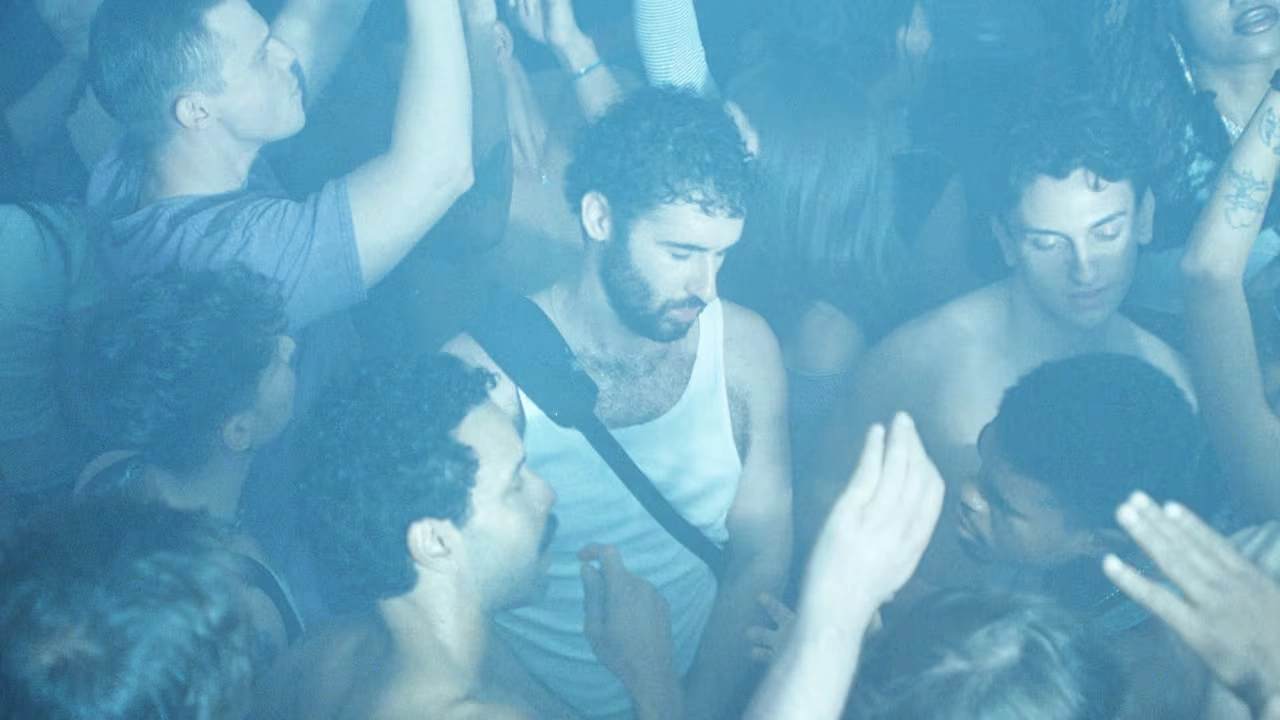
It’s loud, sweaty, gloriously chaotic, and just a little bit ridiculous. Jordan understands the peculiar intimacy of nightlife, where strangers become family by sunrise and getting past the door can feel like a greater achievement than most things accomplished during daylight hours.
There’s a certain romance to it, too, particularly in the way the film observes a community of people who have found one another in the margins of conventional life.
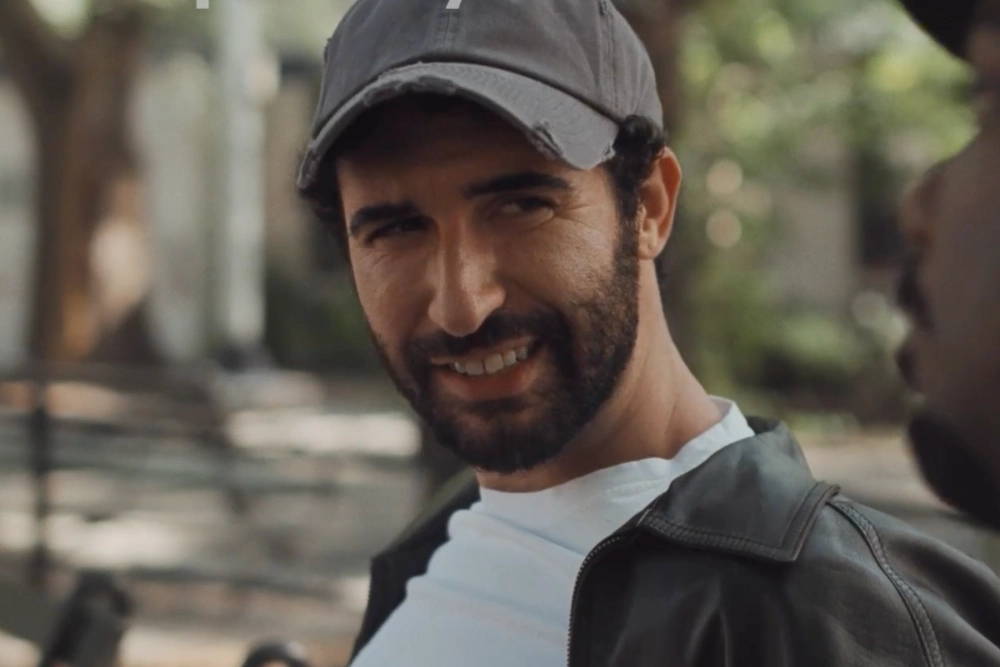
Ten years on, however, the party has begun to take its toll. Peter is older, more dishevelled, and still operating as though his twenties might make a surprise return. His career is slipping, and his spacious Brooklyn apartment has become a revolving door for friends and freeloaders.
The coolest kid in the room
Enter Arlo, a British boy with a broccoli haircut and better emotional instincts than his newly discovered father. He knows his Cocteau Twins and seems perfectly comfortable around Peter’s queer entourage. Frankly, he might be the coolest person in the room.
What could have been another predictable tale of a wayward man being taught the virtues of responsibility becomes something more interesting. Arlo isn’t there to dismantle Peter’s world, nor does the film suggest that fatherhood requires him to trade his nightlife credentials for a sensible cardigan and an early bedtime.
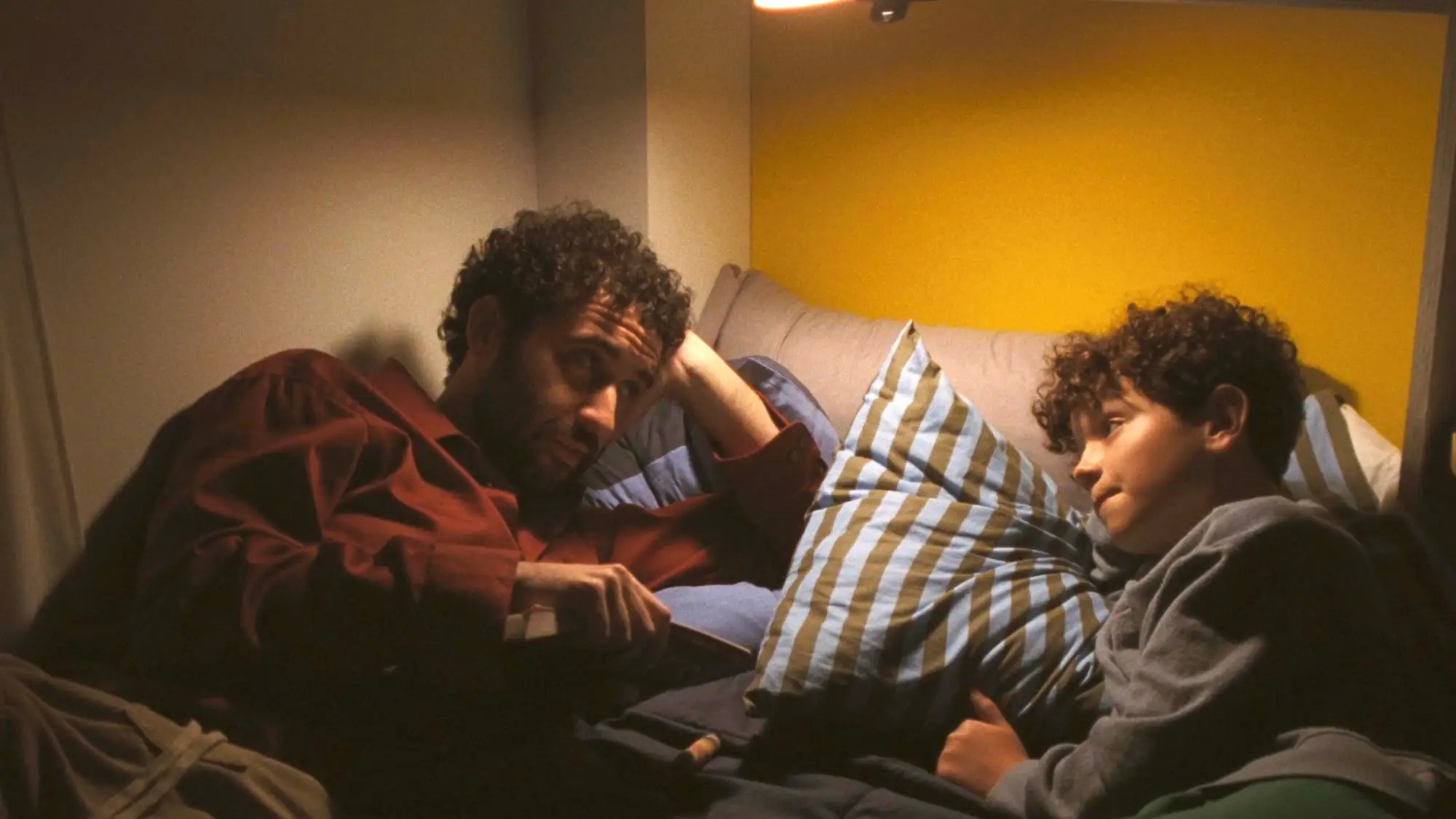
Instead, the two gradually find their footing, with their relationship developing through awkward conversations, shared musical tastes, and the occasional domestic disaster. Peter’s attempts at parenting are hardly textbook material, but there’s something touching about watching a man who has spent years avoiding responsibility discover that he might actually be capable of it.
More importantly, Club Kid has a genuine affection for the people surrounding its central duo. Peter’s friends are an unruly bunch, but they’re also his chosen family, and Jordan gives their relationships room to breathe.
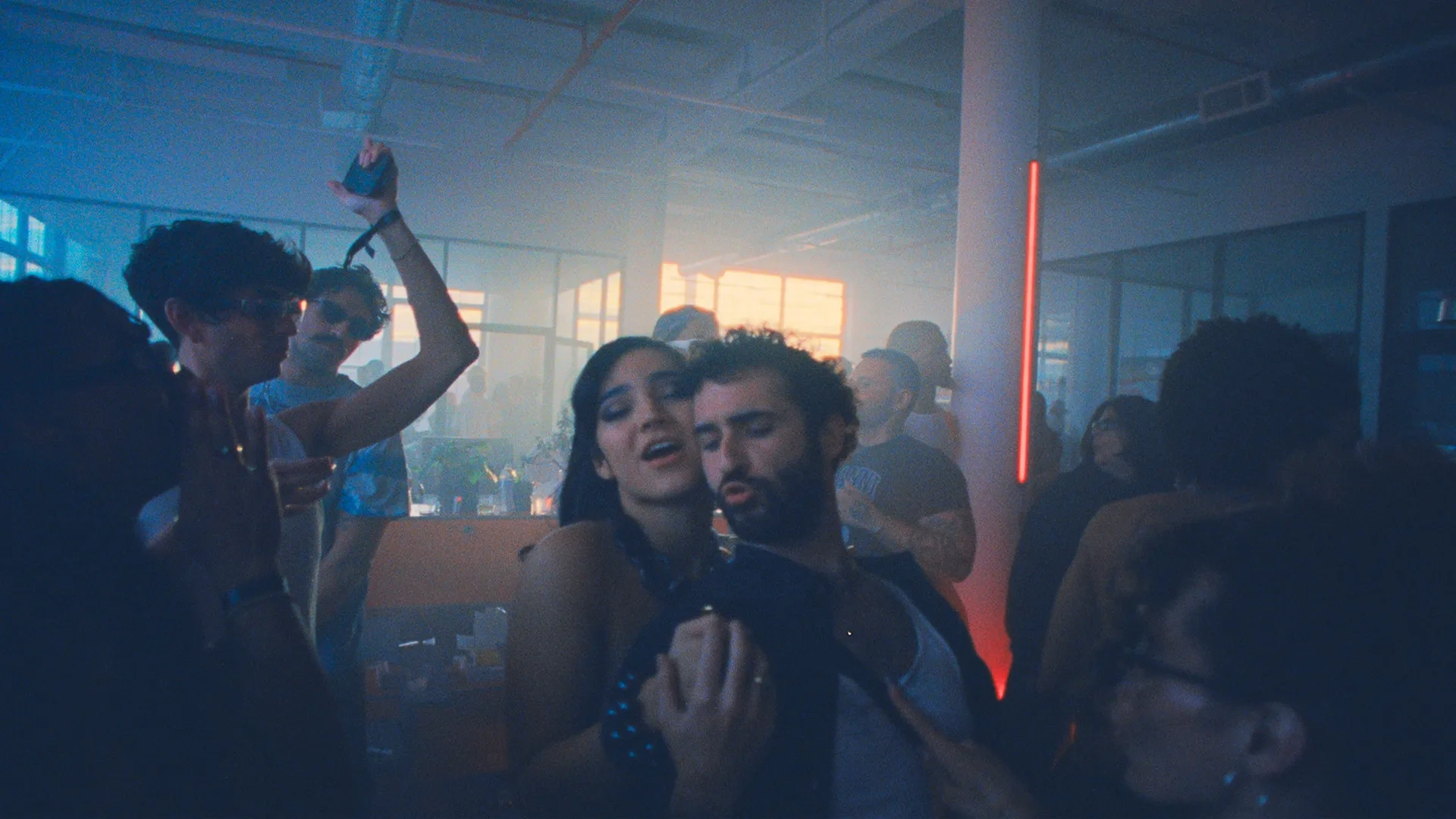
As Arlo becomes part of their lives, the group welcomes him with an unexpected tenderness. The film understands that queer community is built through more than late nights and dance-floor camaraderie. It’s also about making space and knowing who to call when things go wrong.
Beneath the banter, a man in free fall
As a performer, Jordan brings a welcome degree of vulnerability to Peter’s otherwise sharp-tongued exterior. His humor remains irreverent, but there are moments when the jokes give way to something more uncomfortable: the insecurity of a man who has spent so long performing a version of himself that he has little idea what to do when someone genuinely needs him.
The film occasionally stumbles when it moves into more conventional family-drama territory, but its emotional instincts remain sound. The director’s good at finding tenderness in unexpected places, whether in a shared song, an unguarded confession, or the sight of an entire group of party animals rallying around a child.
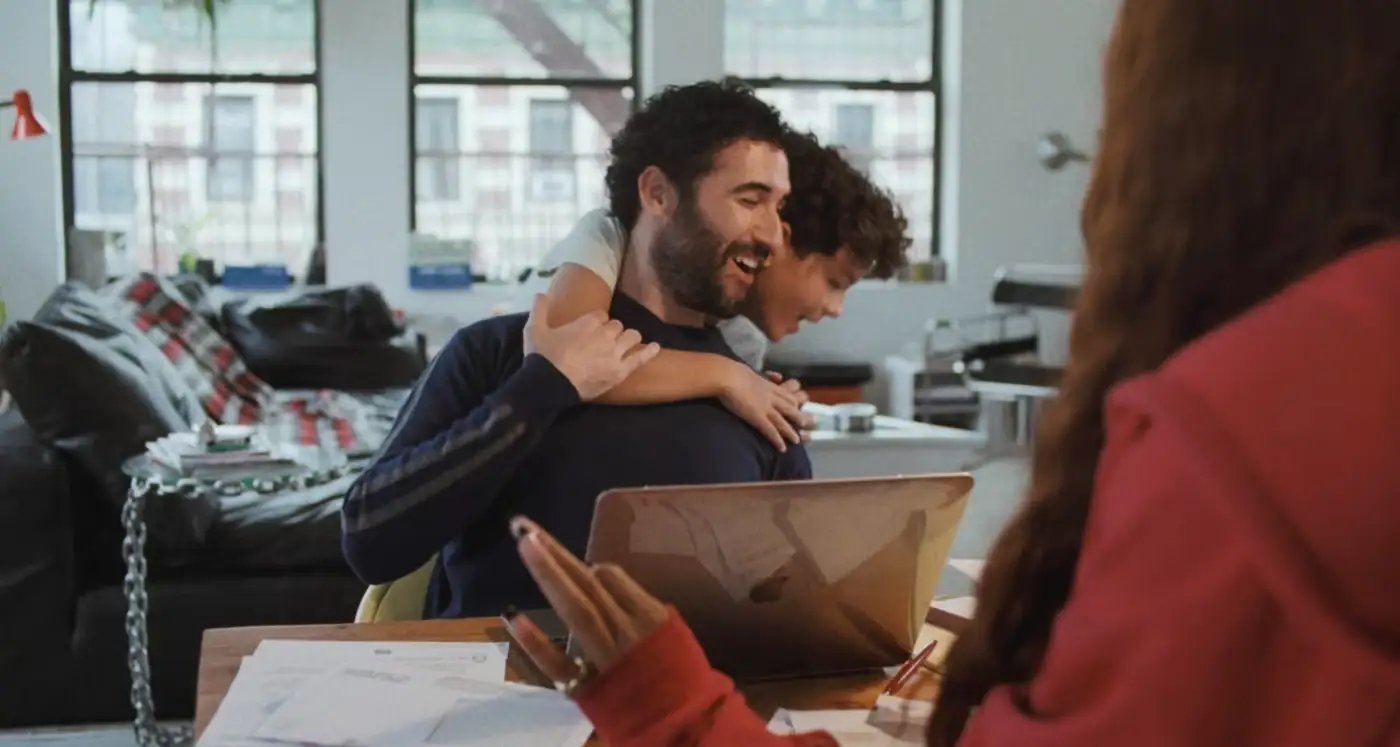
Perhaps all it takes is a change in perspective to realize that life has been generous with love all along. Peter spends much of Club Kid looking for the next party and the next thing to keep him from sitting still long enough to examine his life.
Arlo gives him a reason to look around instead. And what he finds is not a world he needs to abandon, but one that has been holding him together. Growing up doesn’t mean leaving the party behind. Sometimes it just means finally recognizing who’s been saving you a place.
Club Kid comes to Philippine cinemas nationwide on November 18.
Special thanks Lunchbox
Frequently Asked Questions
Club Kid follows Peter, a thirtysomething New York club promoter whose carefree lifestyle is upended when he discovers he has a ten-year-old son.
Jordan Firstman stars as Peter, alongside Reggie Absolom as his son Arlo. The cast also includes Cara Delevingne, Diego Calva, Kirby Howell-Baptiste, and Eldar Isgandarov.
Yes. Club Kid marks Jordan Firstman’s feature directorial debut, with him also writing and starring in the film.
The film explores fatherhood, queer identity, chosen family, personal growth, and the complexities of adulthood.
Club Kid fuses irreverent comedy with heartfelt family drama. Its humor and chaotic nightlife scenes are balanced by a tender story about unexpected fatherhood and learning to embrace responsibility.

Recommended Video