Why Everyone Is Suddenly Living Through a “Very Chinese Time”
As people jokingly “Chinamaxxes” online, a viral meme reveals a broader shift in how China is shaping global culture and taste




What is Chinamaxxing?
Chinamaxxing is a viral internet trend in which people jokingly describe themselves as becoming more Chinese, usually by highlighting habits and aesthetics associated with Chinese culture.
It is often framed through the phrase “You met me at a very Chinese time in my life,” a line used to signal a period of heightened interest in Chinese food, fashionFashionThe art and industry of designing, producing, and styling clothing, footwear, accessories, and beauty trends. It reflects cultural influences, personal expression, and evolving styles across seasons and markets.Go to Fashion Glossary, language, or media. What began as a playful caption has grown into a widely recognizable shorthand for cultural alignment and admiration.
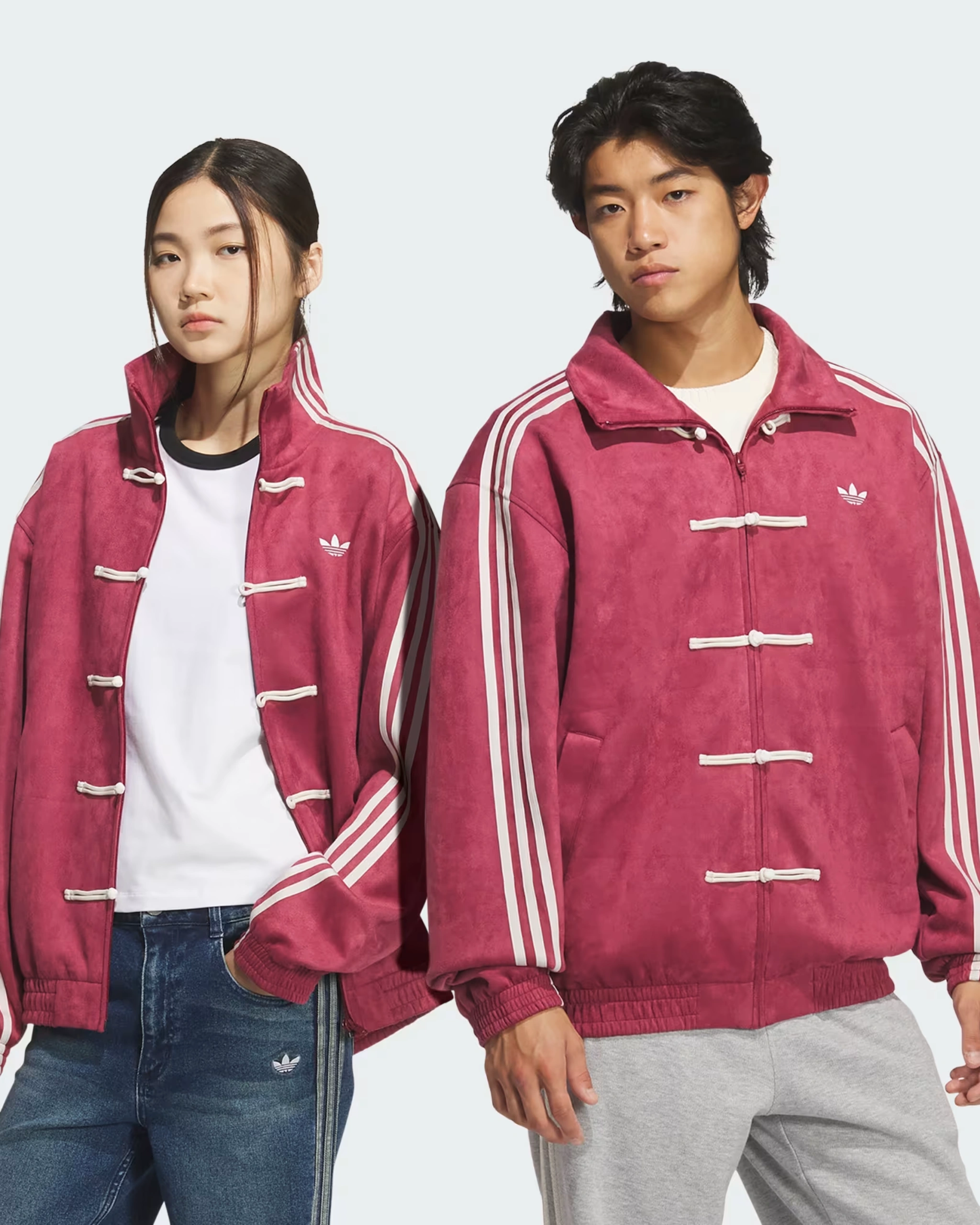
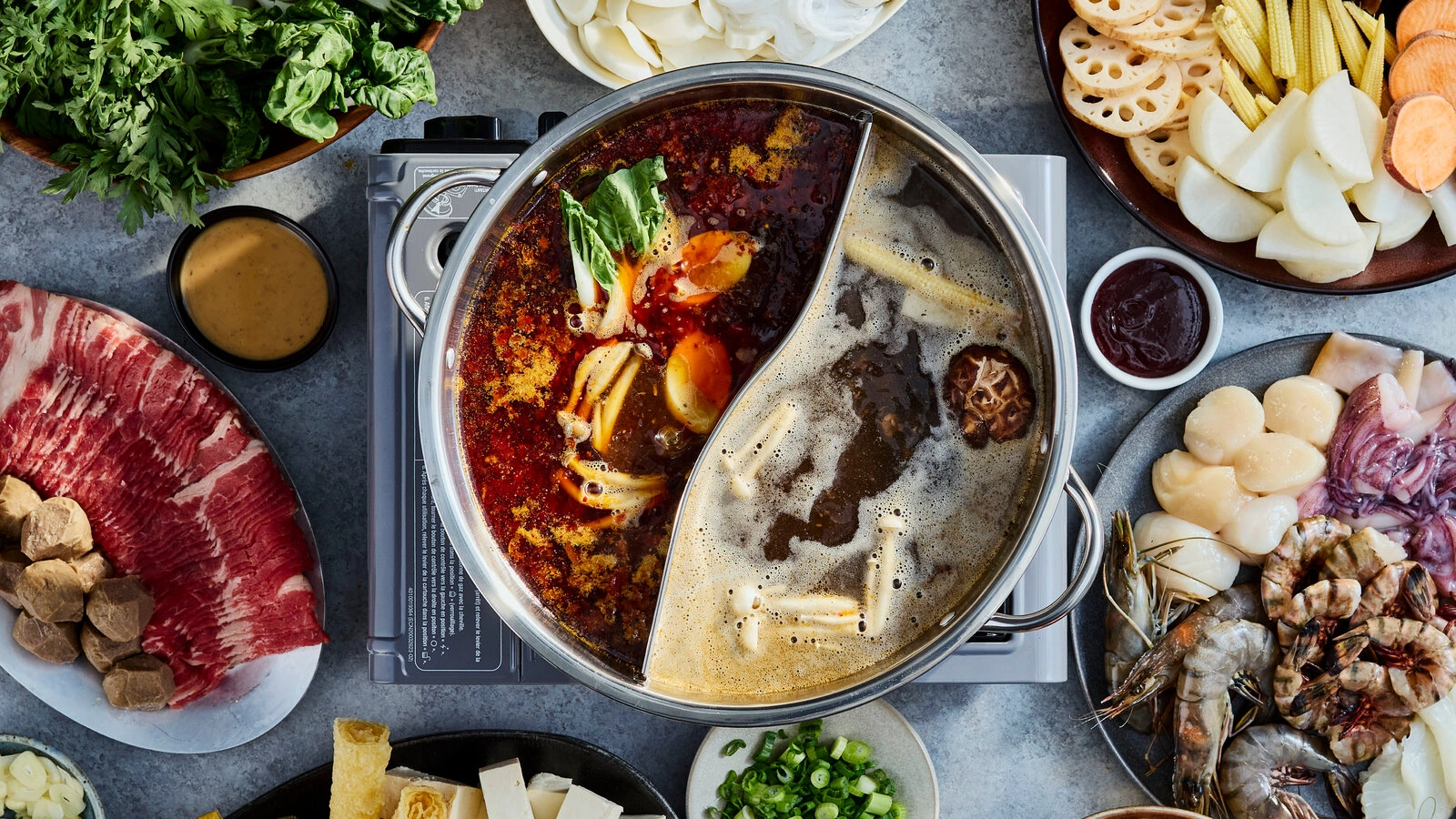
Across social media, users narrate their “very Chinese time” through short videos and images. The visuals are consistent. Steaming baskets of dim sum, hot pot bubbling on a shared table, and the now-familiar adidas Chinese-style track jacket. The tone is usually affectionate, sometimes ironic, and rarely explanatory.
Variations have emerged quickly. “Chinamaxxing” describes leaning further into Chinese-coded behaviors. “You will turn Chinese tomorrow” circulates as a tongue-in-cheek affirmation.
Everyday China in global life
The popularity of the trend points toward a broader shift in how China is experienced in global culture. While political rhetoric around tariffs, export controls, and strategic competition continues, everyday engagement with China has become more normalized, particularly among younger audiences. For Gen Z, China is embedded in daily life.
Many of the devices people rely on are made in China. The world’s best-selling electric vehicle brand is Chinese. Chinese solar technology powers much of the Global South. One of the most widely discussed open source artificial intelligence models in recent months originated in China.

Even Labubu, the toy that became an unexpected global obsession, is Chinese-made. These facts have reshaped familiarity, making Chinese influence feel ordinary rather than exceptional.
Cultural confidence at home
Within China, this period is often described through the concept of zixin, or self-confidence. Chinese brands and creators increasingly operate without reference to Western validation. Rather than presenting themselves as alternatives, they assume centrality.
The appeal of the trend lies in its accessibility. It operates through shared reference points, allowing people to participate without fear of misstep. In an online environment where cultural discourse has often been cautious and polarized, the tone here is notably relaxed.
At the same time, the ‘Chineseness’ on display is selective. It tends to emphasize food, clothing, language snippets, and other highly visible markers. These are entry points rather than full representations. Still, this fragmentary engagement is typical of internet culture, where familiarity often precedes depth.
A moment of attention
The phrase “at a very Chinese time” can suggest a temporary state, but it also shapes a broader moment of attention. It names a period in which China occupies a central place in the global imagination without the distance or suspicion that once shaped that attention.
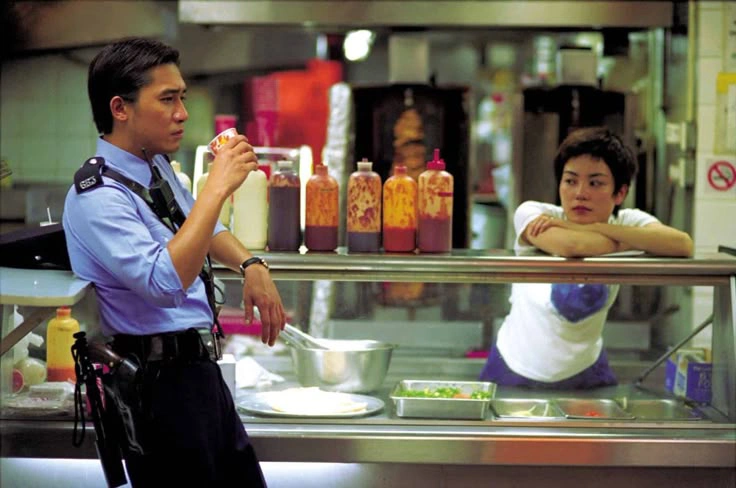
After decades of misrepresentation, and following a recent period marked by heightened anti-Asian sentiment, the casual embrace of Chinese culture on social platforms signals a meaningful change.
Chinamaxxing as a term will likely fade. What appears more lasting is the context that made it legible. China’s cultural confidence is increasingly visible, and global audiences are responding not with surprise, but with recognition.
Frequently Asked Questions
Chinamaxxing is a viral internet trend in which people humorously describe themselves as becoming more Chinese — typically through food, fashion, language, and media. It grew from the phrase “You met me at a very Chinese time in my life,” which circulated widely on social media as a caption for content celebrating Chinese cultural aesthetics and habits.
The phrase signals a period of heightened personal engagement with Chinese culture — dim sum, hot pot, Chinese-style track jackets, language snippets, or Chinese media. It functions as an affectionate, often ironic shorthand for cultural alignment, allowing people to participate in a shared reference without requiring deeper explanation.
The trend reflects a broader normalization of Chinese cultural influence among younger global audiences. Chinese brands, technology, and consumer products — from electric vehicles to AI models to Labubu toys — have become embedded in daily life globally, reshaping familiarity with China from exceptional to ordinary.
Zixin translates roughly as self-confidence. Within China, it describes a cultural moment in which Chinese brands and creators increasingly operate without reference to Western validation — assuming centrality rather than positioning themselves as alternatives. The Chinamaxxing trend is, in part, a global audience’s response to that confidence becoming visible.
The trend engages selectively with Chinese culture — emphasizing highly visible markers like food, clothing, and language snippets rather than deeper cultural knowledge. This fragmentary engagement is typical of internet culture, where familiarity often precedes depth. Still, the casual and affectionate tone represents a meaningful shift from the distance and suspicion that previously shaped Western engagement with Chinese identity.

Recommended Video