
Brains and Brawn Aren’t Opposites Anymore
A new masculine ideal is emerging in Southeast Asia, one that seeks to balance physical strength with intellectual ambition in a culture increasingly shaped by globalization and modern aspiration




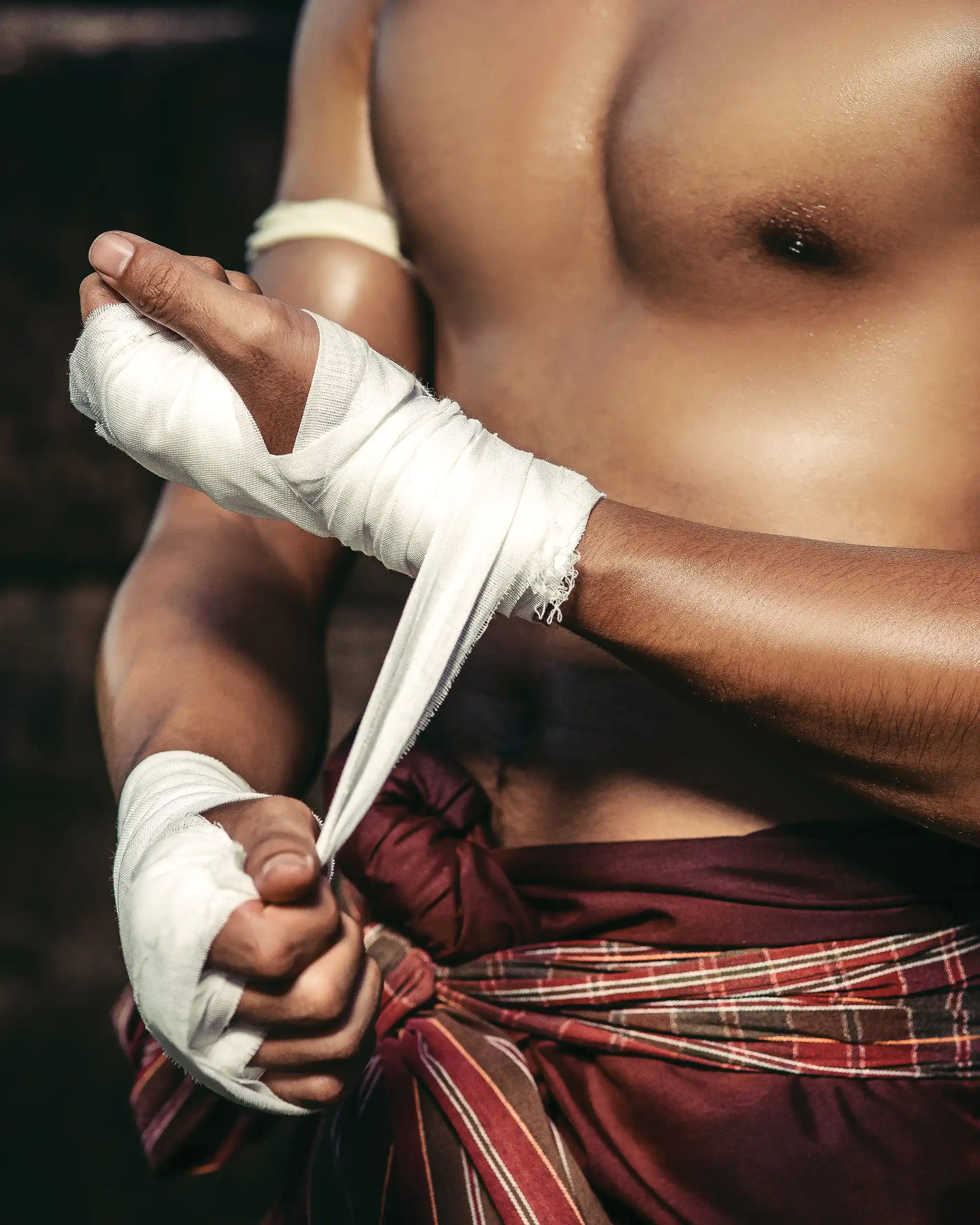
The body as cultural text
In the glow of Southeast Asia’s humid afternoons, where the golden light spills over motorbikes weaving through alleyways and satellite dishes crown terracotta roofs, there emerges a portrait of a man suspended between muscle and mind. Physicality in this part of the world has long been tethered to survival, utility, and beauty built in the cadence of movement; rice farmers bending into the earth, fishermen balancing on narrow boats, dancers carving myths into space with each articulation of hip and wrist.
The body has been, and remains, a cultural text in Southeast Asia: a narrative vessel for discipline, spirituality, and identity. Yet today, as globalization maps new contours onto the psyche of the modern Southeast Asian man, there is a shift, not away from the body, but toward a new synthesis of intellect and brawn.
It is tempting to think of the intellect as something imported, perhaps a byproduct of colonialisms old and new. Ambition now is a broadband impulse. Where once the markers of masculinity were embedded in duty and labor, how much one could lift, harvest, endure, they are now increasingly measured by the ability to navigate abstract systems. The brain has become its own gymnasium.
But to say that this signals a departure from traditional physicality is to miss the dialectic entirely. The modern Southeast Asian man is not choosing intellect over body. He is, rather, attempting to hold both, often uneasily, but deliberately.
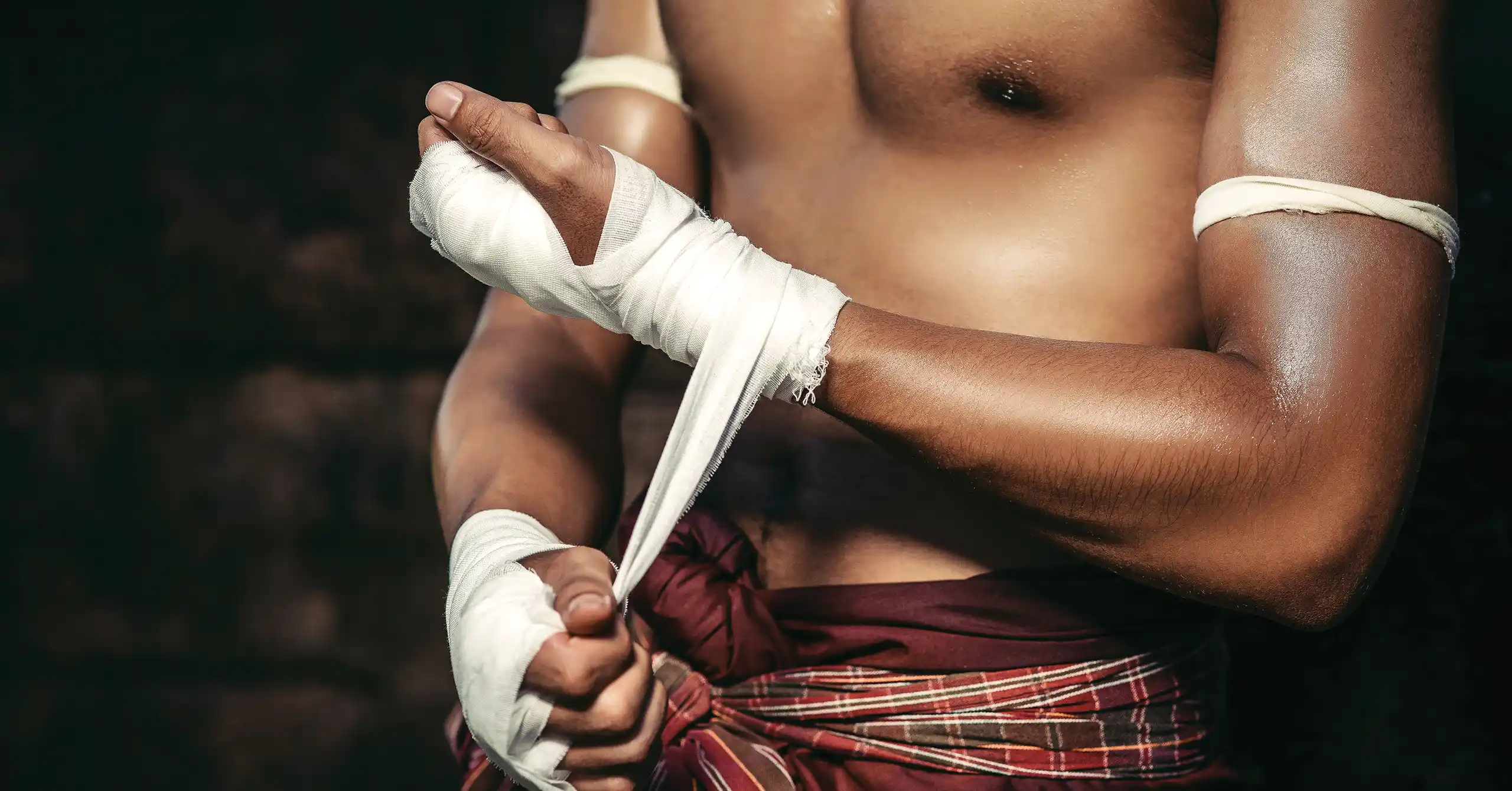
The brain as the new arena
This dual pursuit is not entirely novel. Ancient epics and courtly traditions across the region are populated by archetypes who were both scholars and warriors; figures like Arjuna, the philosopher-archer, or Jose Rizal, doctor-poet and revolutionary. But what is unique to today’s landscape is how this dualism must now contend with visibility and performance in unprecedented ways. In this context, the modern Southeast Asian man becomes a palimpsest of histories: colonial residue, indigenous pride, and neoliberal pressure.
There is, of course, tension. For every man sculpting his body and mind in tandem, there are questions of access; who gets to perform this ideal, and who must still choose between backbreaking work and late-night study. Yet even among those with fewer choices, there remains an aspirational echo. The modern ideal, this confluence of physical strength and intellectual prowess, is seductive precisely because it feels like mastery. It’s an embodied intelligence, a strategic grace that suggests not just success but transcendence: a way of being that defies the fragmentation of postcolonial identity and globalized selfhood.
To watch this unfold is to witness a culture writing a new masculinity into itself. It is not Western imitation, nor is it a return to traditional archetypes. It is its own myth-making. A Southeast Asian remix of old virtues and new anxieties. And in this remix, the body and the brain are no longer opposites, but collaborators. Together, they sketch out the silhouette of a man in motion, thinking, sweating, dreaming; a man who no longer has to choose which version of himself is valid.
As seen in the pages of VMAN SEA 03: now available for purchase!