
Is Our Concept of Love Changing?
From chasing fairytales to surviving the real world





The way we look at love and relationships is evolving. Gone are the days when milestones and cinematic tropes defined what a partnership should look like. The narrative of romance is undergoing a profound shift in an era shaped by hyper-connectivity and rapid societal change.
Love no longer resembles a fairytale. It feels more like a steady partnership. We’re moving away from treating it as an abstract emotion and beginning to understand it as a conscious alliance shaped by the complexities of the 21st century.
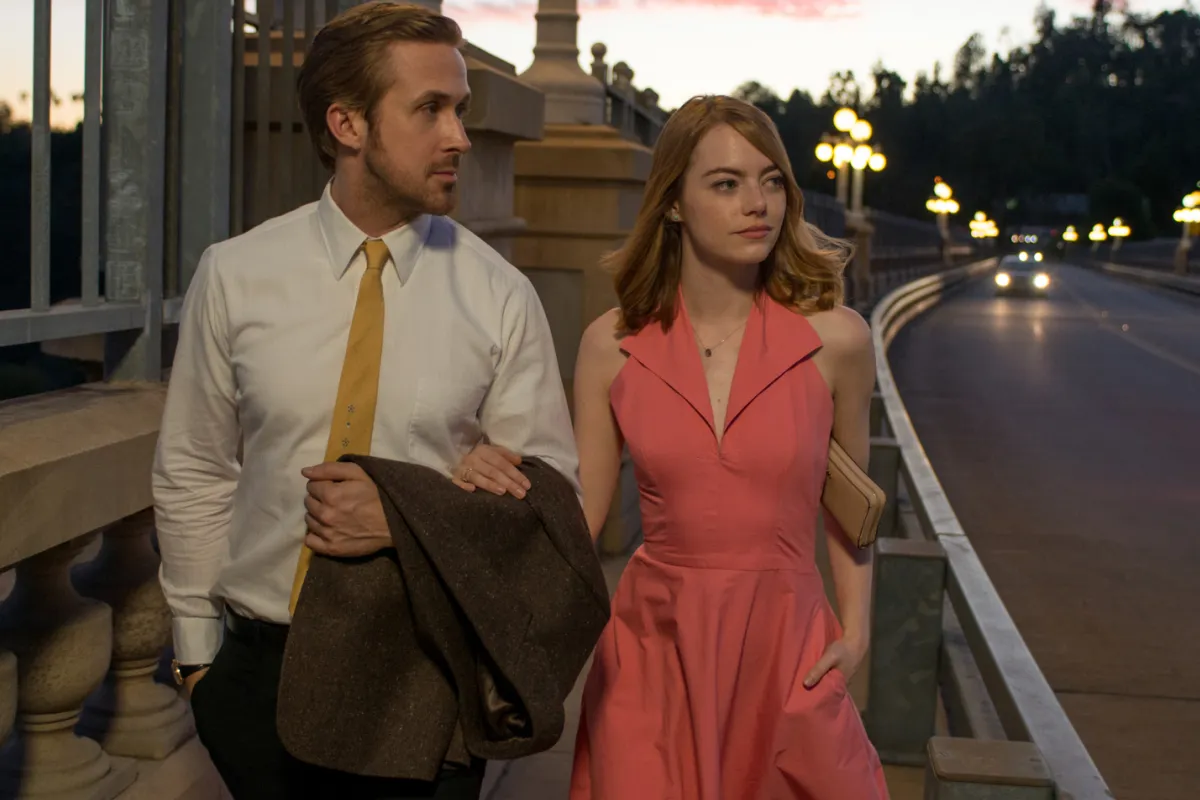
Like everything else, people are constantly changing. The idea that two halves make a whole has given way to something more grounded: two individuals choosing to grow alongside each other.
For the real world

Long-term commitment is no longer about following a rigid script. It is about mutual growth. The pressure to buy a house and settle down by a certain age has eased. What matters more now is finding someone who shares your values and is ready to navigate life with you.
Modern relationships often resemble strategic collaborations, a joint effort to manage careers, economic realities, and personal ambitions. Many people prioritize adaptability, resilience, and building a sustainable future together. Intellectual alignment and shared goals have become just as important as chemistry.
Through the digital noise
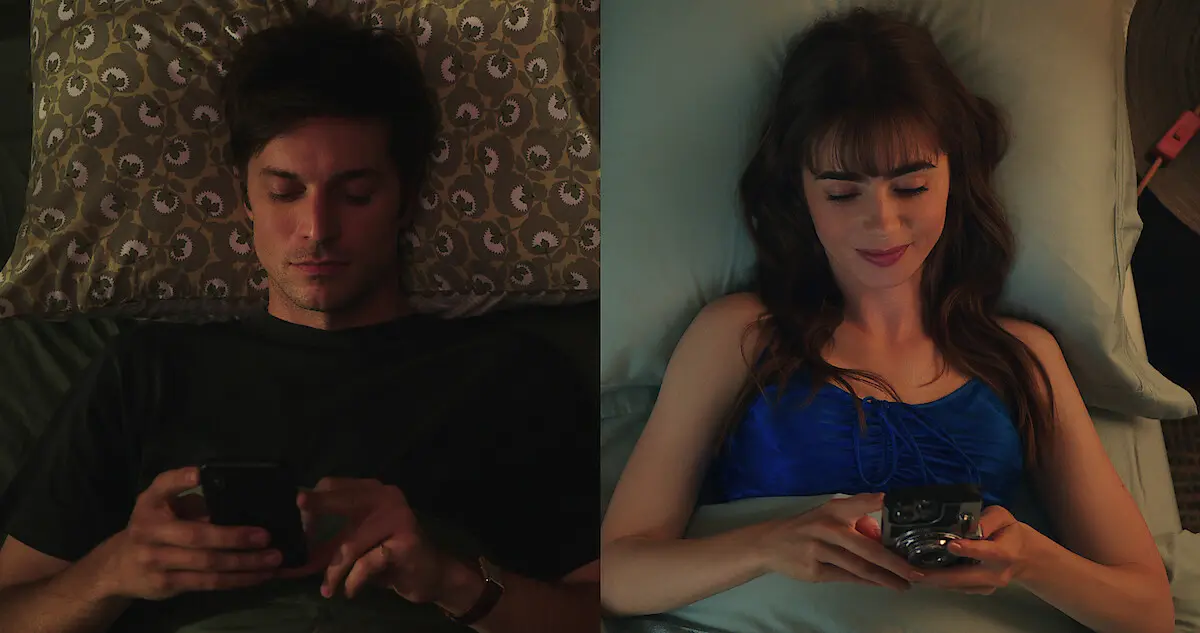
Technology has fundamentally changed how we connect. Love is no longer a fixed destination. It is an ongoing conversation, a choice to keep building a life with someone amid constant distractions.
With social media and endless notifications competing for attention, one of the biggest tests of a relationship is communication. Emotional intelligence becomes essential in filtering external pressures and staying present with your partner.
A necessary anchor
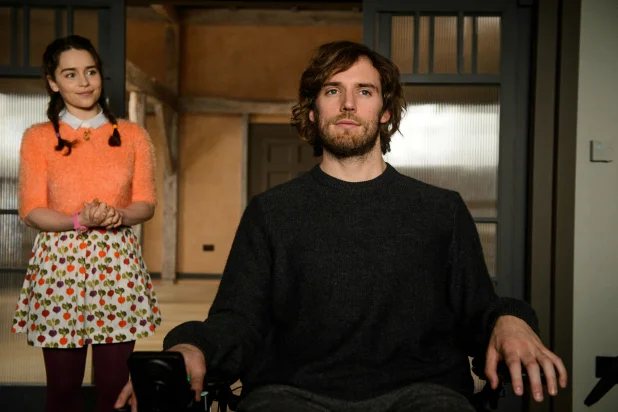
Modern romance is about standing shoulder to shoulder while maintaining independence. In a chaotic world, a relationship can become an anchor, a steady source of clarity and support.
At its core, modern love blends practicality with joy. Outdated expectations have faded, replaced by a cooperative approach rooted in realism. It may look different from the fairytales, but it is built to last in the real world.
Frequently Asked Questions
Modern love has moved away from cinematic milestones and fairytale tropes toward a more conscious and collaborative model of partnership. Rather than following a rigid script of shared timelines and societal expectations, contemporary relationships are increasingly defined by mutual growth, shared values, and the ongoing choice to build a life with someone.
Modern relationships tend to prioritize intellectual alignment, adaptability, shared goals, and emotional resilience over traditional markers like buying a house or settling down by a certain age. Many people now approach long-term partnership as a strategic collaboration — a joint effort to navigate careers, economic realities, and personal ambitions together.
Technology has transformed love into an ongoing conversation rather than a fixed destination, with social media and constant digital notifications competing for attention and presence. Emotional intelligence has become essential in filtering external pressures and maintaining genuine connection with a partner amid hyperconnectivity.
Modern romance is increasingly defined by two individuals who choose to grow alongside each other rather than merge into a single unit. Standing shoulder to shoulder while maintaining personal independence — rather than the older model of two halves making a whole — is how many contemporary relationships balance intimacy with individual identity.
Modern love is not less romantic — it is differently grounded. While it may not resemble the fairytale narratives that defined earlier cultural ideals of romance, it is built on practicality, mutual respect, and a cooperative approach rooted in realism. Many argue this makes it more durable and more honest than the aspirational but often unrealistic models it has replaced.

Recommended Video