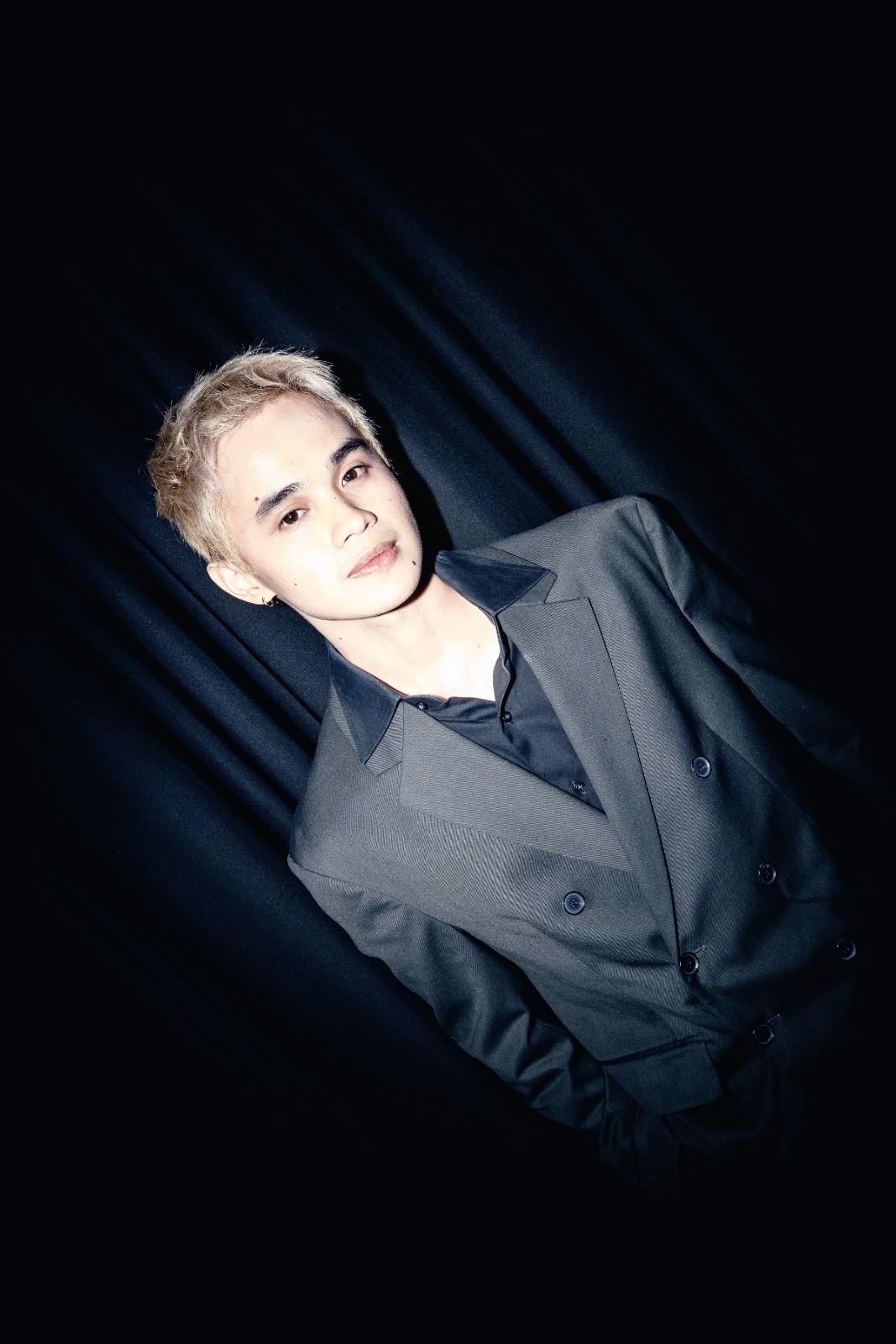
Meet Minh Lai, Vietnam’s Berlin-Bred Style Star
Lai has no interest in chasing trends. Just good clothes, great shoes, and a style that feels unmistakably his




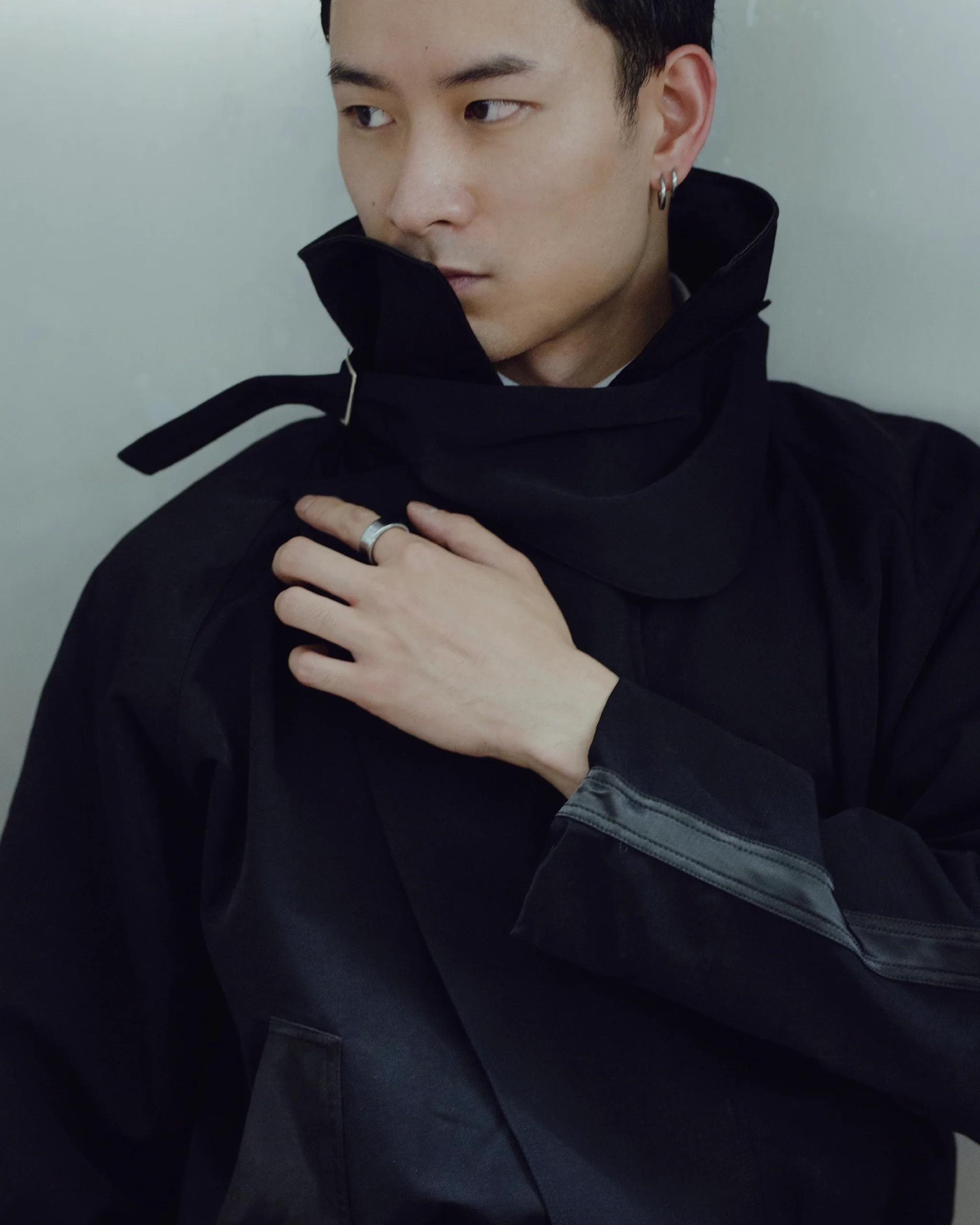
The man behind the style
Minh Lai knows how to make a simple outfit look like a point of view. The Vietnamese model, who built his career in Europe while staying closely connected to his roots, has emerged as one of Southeast Asia’s best-dressed men, with a wardrobe that sits comfortably between Berlin minimalism and the increasingly vibrant creative scene back home in Vietnam.
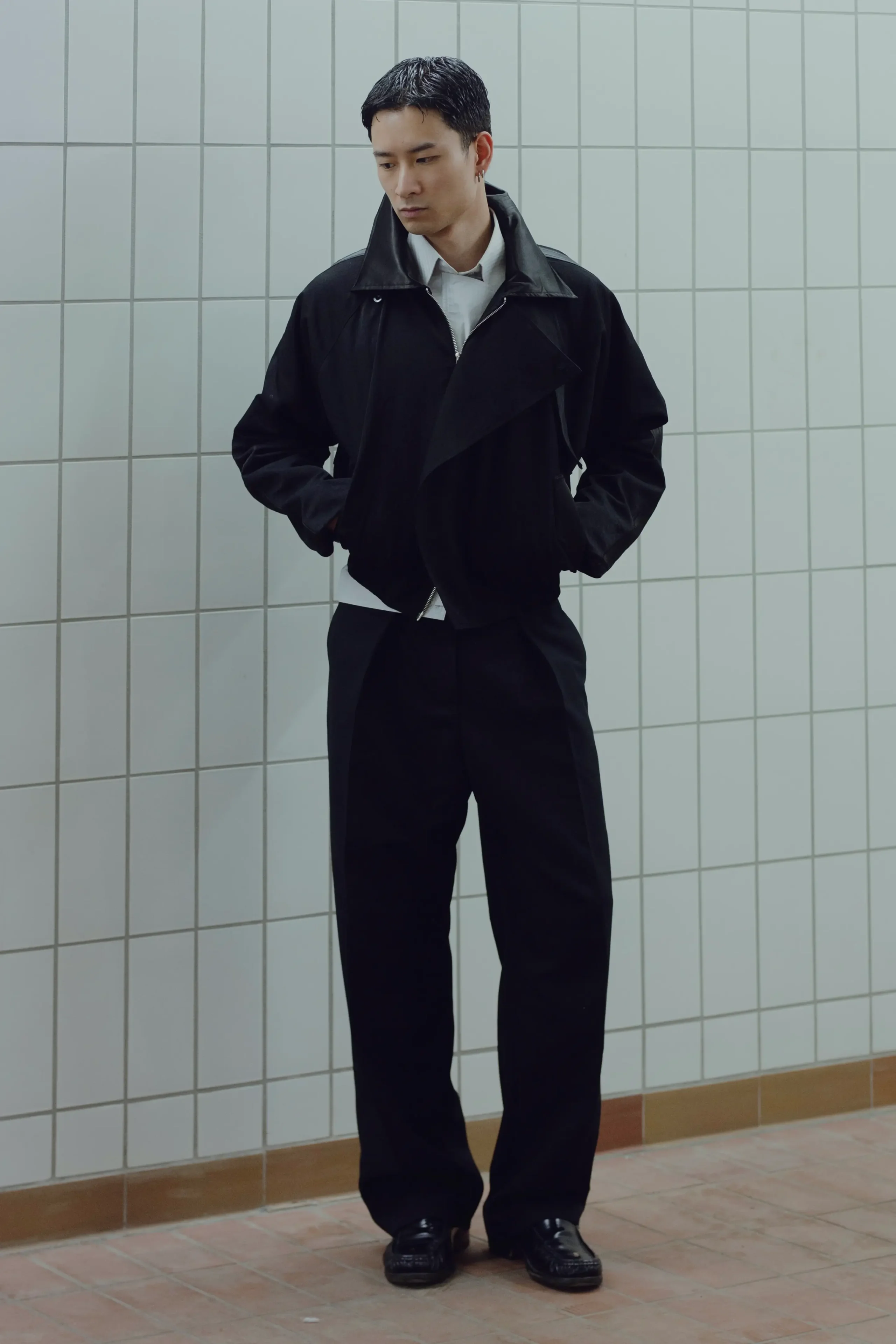
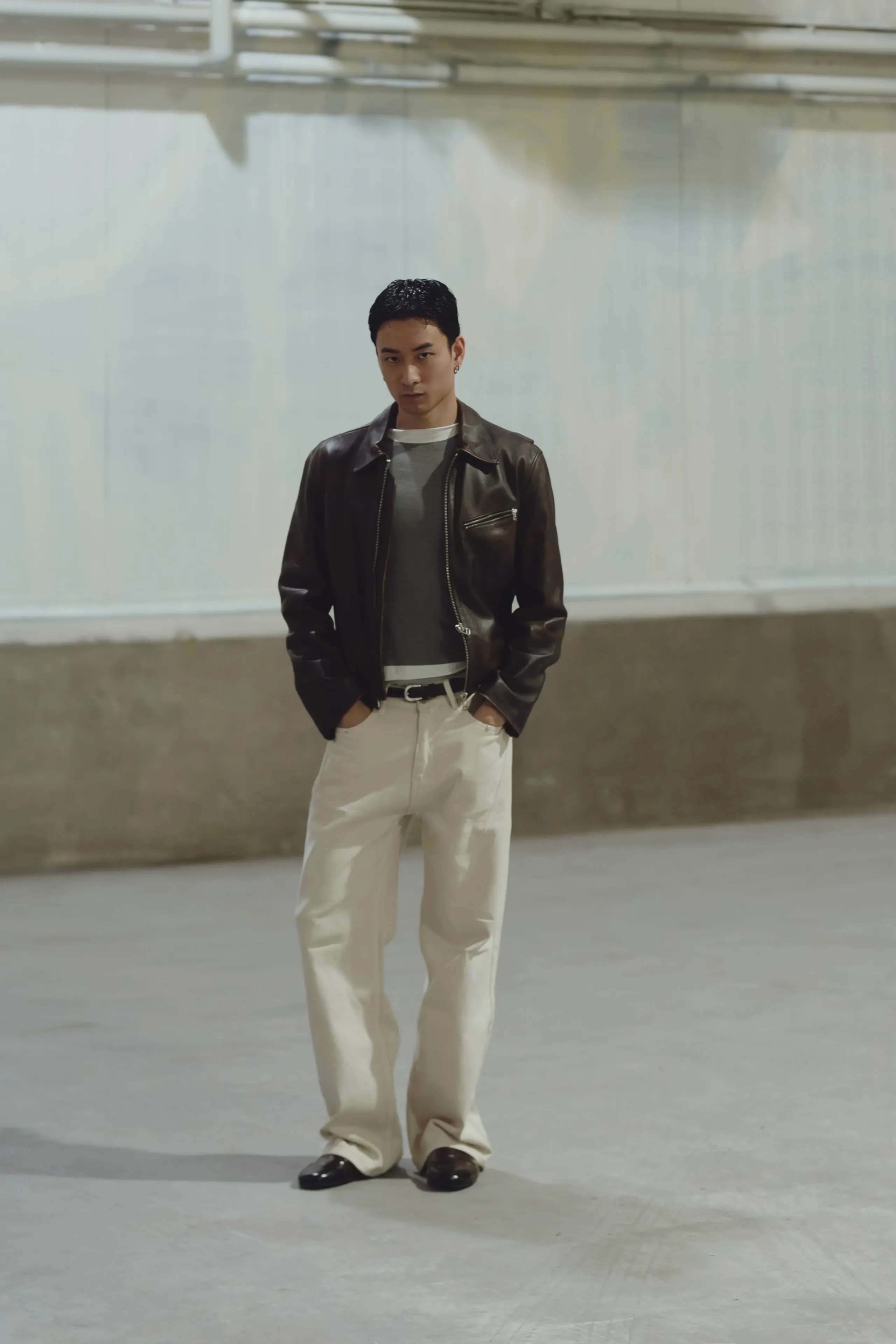
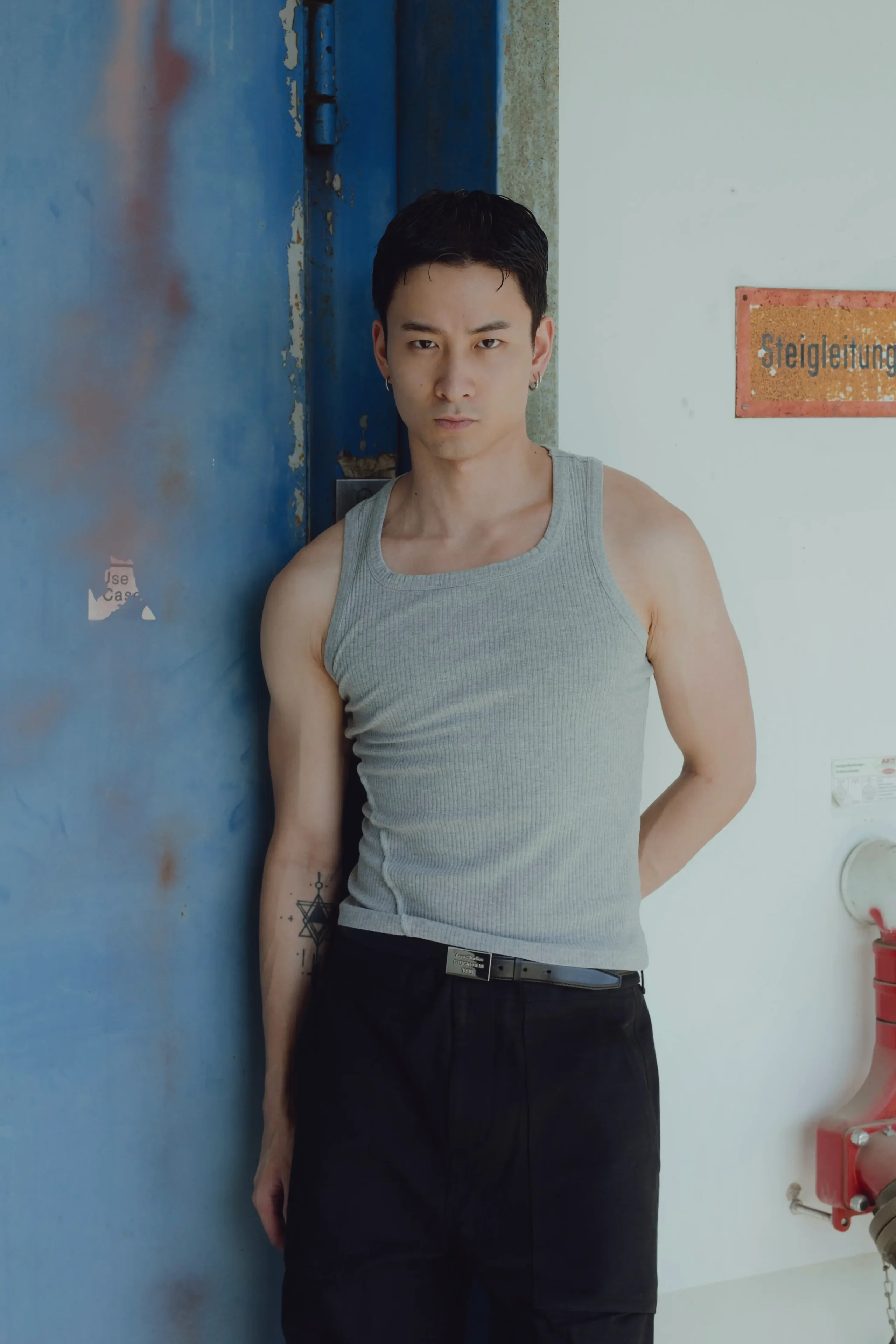
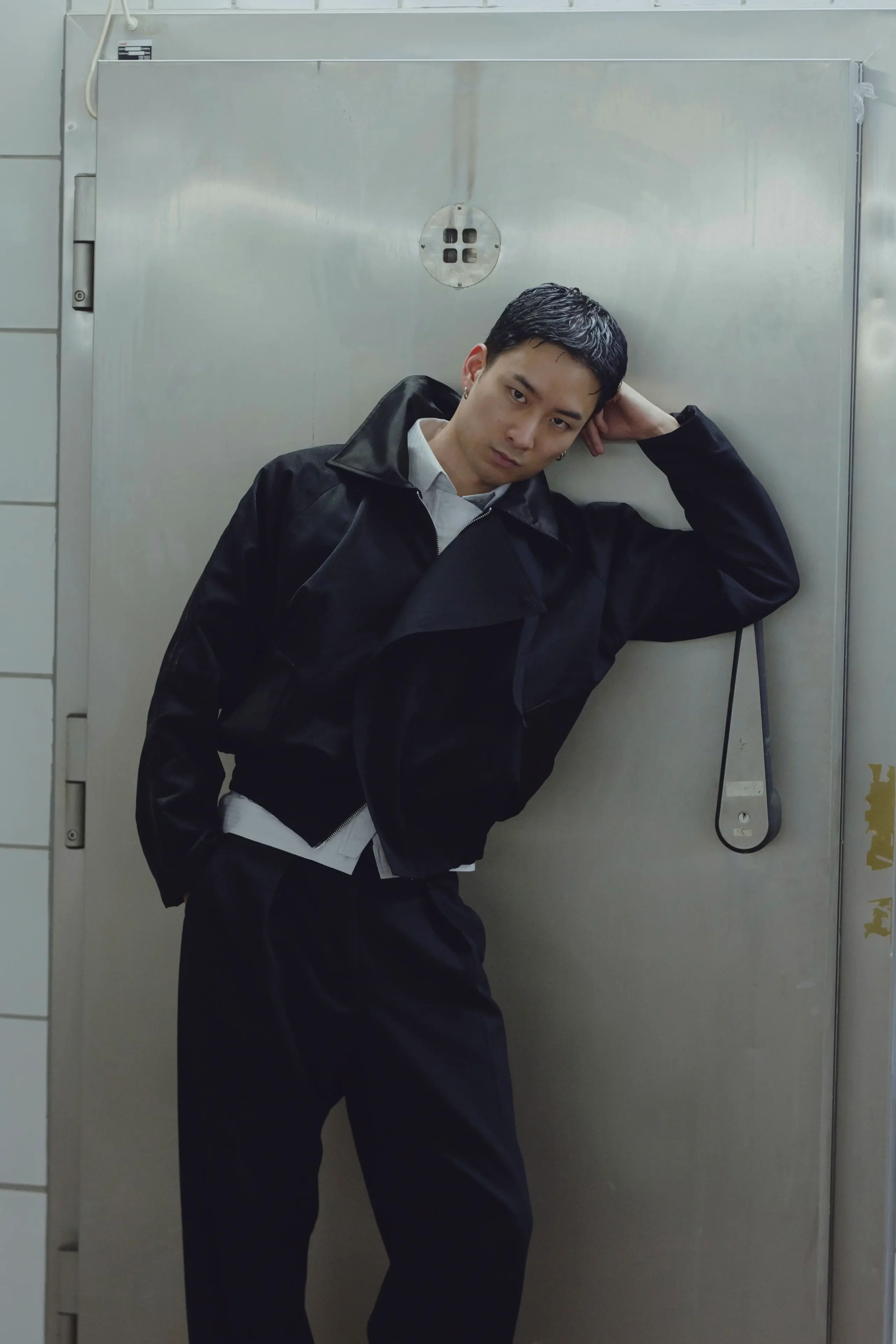
His formula is deceptively straightforward: pleated trousers, cropped tees, tanks, leather jackets, and a reliable rotation of loafers and leather shoes. Nothing feels overworked, and everything feels intentional.
Lai grew up in Berlin, where individuality is practically a dress code. “Everyone kind of does their own thing,” he says, which the environment taught him early that style did not have to mean chasing whatever was trending. He wore what he liked, followed his instincts and, without really thinking about it, developed the personal style that would eventually become part of his professional identity.
It started with a DM
FashionFashionThe art and industry of designing, producing, and styling clothing, footwear, accessories, and beauty trends. It reflects cultural influences, personal expression, and evolving styles across seasons and markets.Go to Fashion Glossary was never exactly the plan. Modeling entered his life through an Instagram DM that he initially assumed was a scam. He ignored it. When the message came again, he figured he might as well see where it led. “Why not?” he remembers thinking. “I had nothing to lose.”
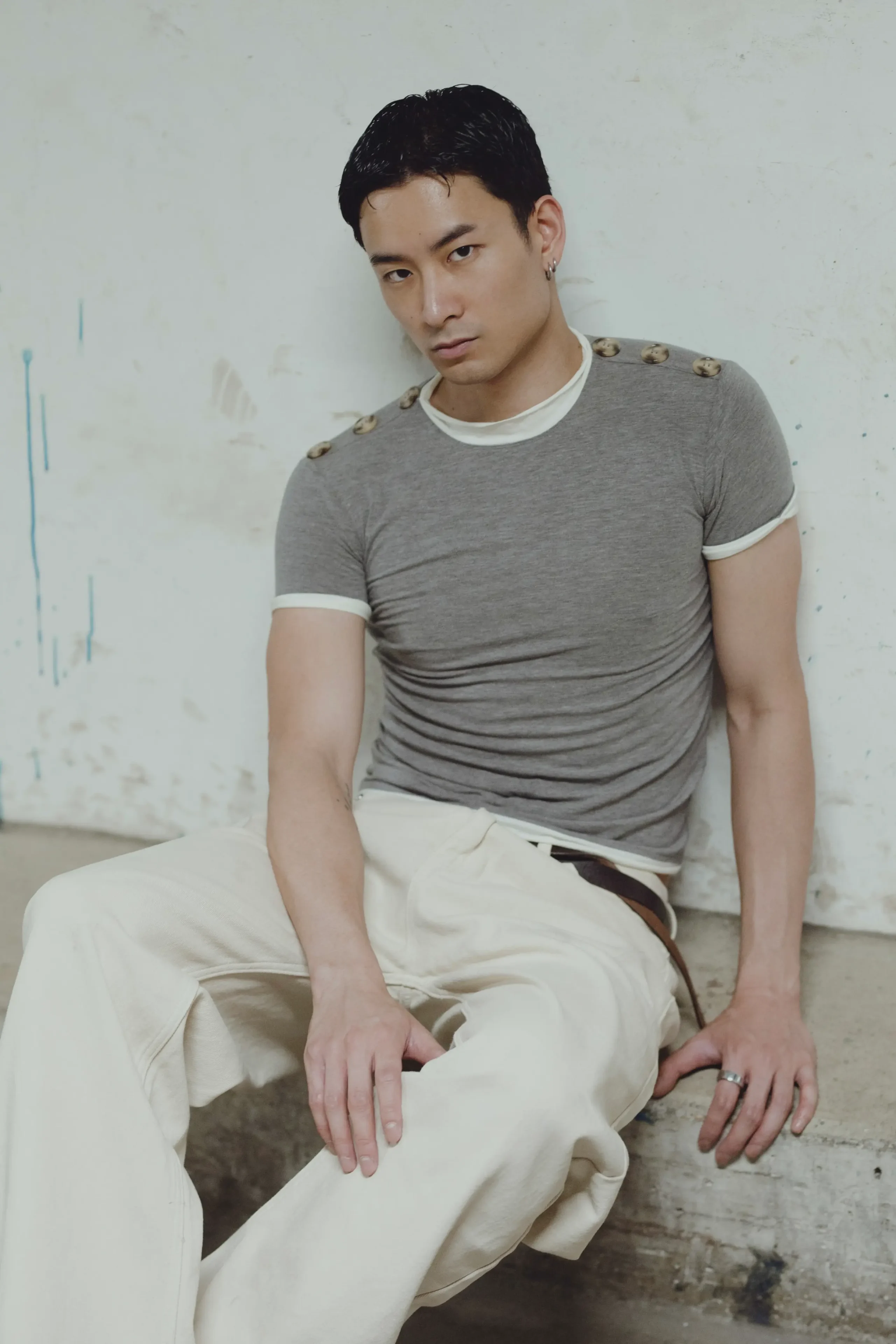
The beginning was a crash course. Lai had never posed professionally and had little idea what a client expected from him. The first jobs were exciting, but intimidating too. With every shoot, he learned another part of the business, eventually realizing that a successful modeling career depends on more than a strong portfolio. Being professional, adaptable, and easy to work with matters just as much.
Then the repeat bookings started coming in. That was when modeling stopped feeling like an experiment and started looking like a career.
Keeping it simple
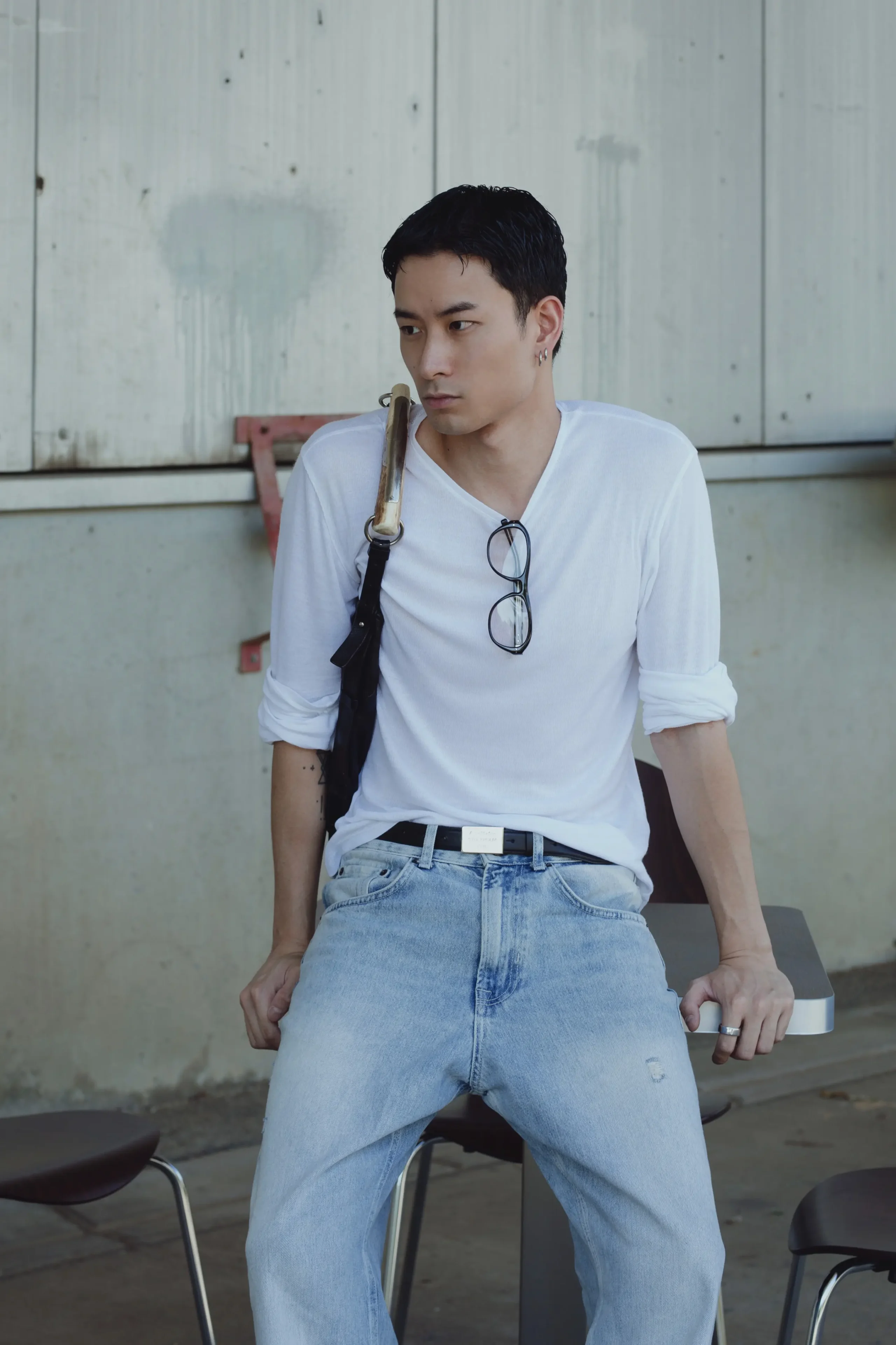
Today, Lai approaches his personal wardrobe with the same instinct that got him there in the first place. He calls his style “simple and clean,” and his everyday uniform proves it.
Jeans or pleated trousers are usually paired with a cropped T-shirt or tank top, while a leather jacket comes into rotation when the weather cools. Sneakers are mostly reserved for the gym. Loafers and leather shoes, meanwhile, are a much more familiar sight.
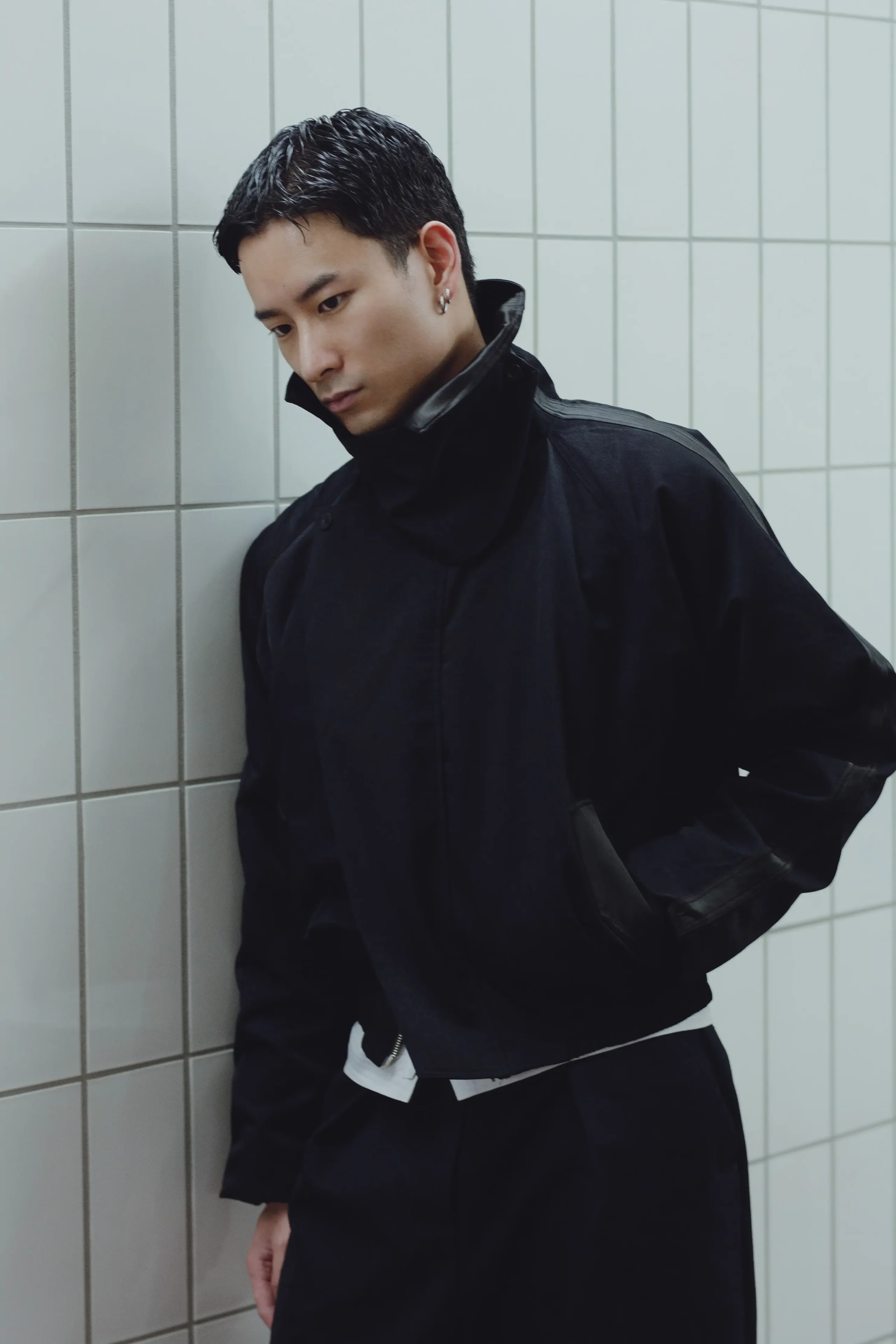
Accessories are similarly pared back. “Just a bag with everything I need and I’m good to go,” he says.
It sounds uncomplicated because it is. Lai is not interested in dressing according to a rigid hierarchy of brands or prices. His references come from everywhere: friends, people he spots on the streets of Berlin, social media, and the cities he visits.
Luxury, vintage, and fast fashionFashionThe art and industry of designing, producing, and styling clothing, footwear, accessories, and beauty trends. It reflects cultural influences, personal expression, and evolving styles across seasons and markets.Go to Fashion Glossary can all work if the piece itself works. For him, the person wearing the clothes ultimately matters more than the label on them.
Finding his style
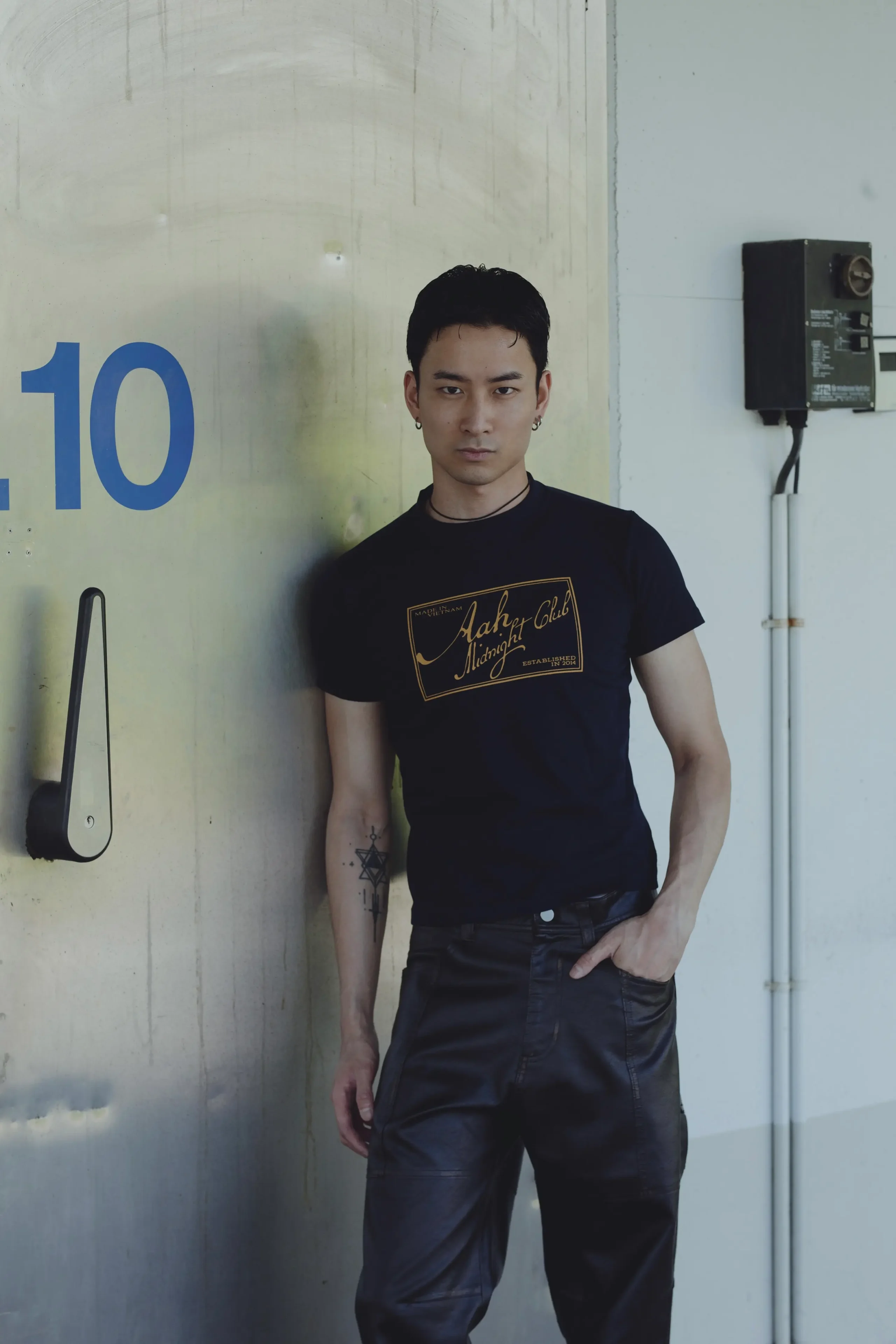
But his approach has not stopped him from evolving. If anything, modeling has made Lai more experimental. Being surrounded by designers and other creatives has introduced him to combinations he might never have considered on his own.
He used to play things safer. Now he is more willing to test different colors and silhouettes, even if he ultimately returns to the pieces that feel most natural.
Vietnam has become an increasingly important part of that evolution. Lai returns almost every year, and his relationship with the country has changed alongside him. Childhood trips were largely about family. Now, his visits also mean reconnecting with friends and exploring the creative communities shaping contemporary Vietnamese culture.
He points to friends behind Vietnamese names such as AAH MIDNIGHT CLUB, HUDB+ and MAVERIK STUDIO, alongside creative spaces including Rue Miche in Saigon and oBJECTs in Hanoi. What stands out to him is how interconnected the community feels. People are building brands and creating their own cultural infrastructure, while actively supporting one another along the way.
For Lai, that is the more interesting story behind the growing visibility of Vietnamese and Southeast Asian fashionFashionThe art and industry of designing, producing, and styling clothing, footwear, accessories, and beauty trends. It reflects cultural influences, personal expression, and evolving styles across seasons and markets.Go to Fashion Glossary. It is no longer simply about seeing more Southeast Asian faces in international campaigns or editorials. There is a much bigger creative movement happening underneath it, with local communities developing ideas on their own terms.
Forget the old picture of Vietnam
He also sees a country that is changing faster than many outsiders realize. Every return brings something new: another café, restaurant, label, or creative space. That constant movement inevitably finds its way into how people dress and how they create.
“A lot of people still have a pretty outdated idea of what Vietnam is like,” Lai says. His experience tells a different story. The country’s fashion scene is increasingly shaped by a generation that looks outward without feeling the need to look elsewhere for inspiration.
“I think that’s why Vietnamese style feels so interesting right now. It isn’t trying to copy anyone else. It reflects a generation that’s building something of its own while still staying connected to its culture.”
For a model whose style began with nothing more complicated than wearing what he liked, it is a fitting philosophy. Berlin taught Lai to trust his instincts. Vietnam keeps giving those instincts something new to respond to. What emerges is a wardrobe and career with a signature entirely his own.
As seen in the pages of VMAN SEA 06: now available for purchase!
Photography Tessa Bozek