
Gen Z Is Hoarding Small Digital Cameras: Here’s Why
Today’s crisp phone sensors are losing out to the washed-out flash, blown highlights, and imperfect charm of 2000s pocket cameras




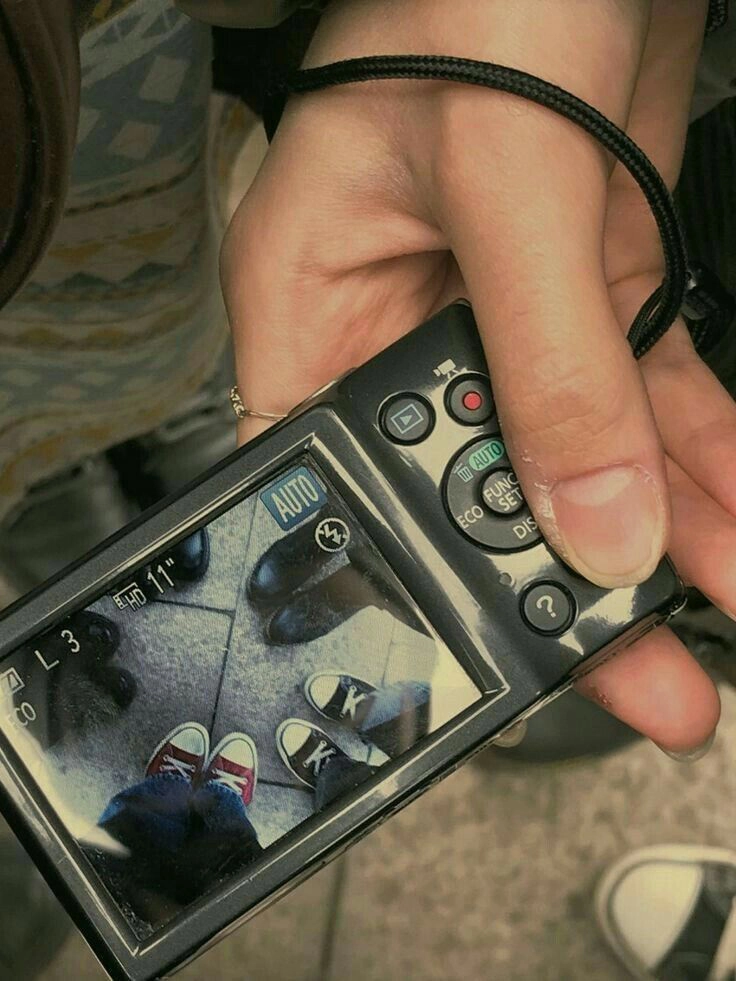
- A growing appetite for Y2K imperfections and low-fi color science has turned discontinued point-and-shoots into must-have everyday carry gear.
- Leaving the smartphone in a pocket strips away the pressure of instant social feedback, turning candid snapshots back into personal keepsakes.
Trading computational gloss for happy accidents
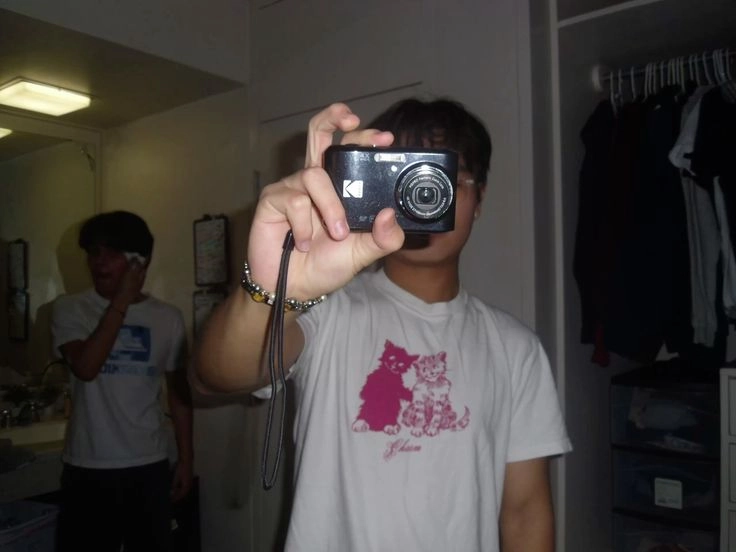
Modern phone lenses use aggressive software to sharpen every edge, flatten lighting, and wipe away texture until a picture looks clinical. Early digital compacts, equipped with primitive CCD sensors, behave like wild animals by comparison.
They blow out white t-shirts under harsh direct flash, saturate primary colors with a warm tint, and leave shadow areas swimming in genuine digital noise. These technical shortcomings end up flattering casual gatherings, lending house parties and late-night diner runs a raw, cinematic haze.
Instead of obsessing over poreless symmetry, young photographers are leaning into the motion blur and lens flare that define the early-aughts visual vernacular. The goal is no longer capturing the sharpest possible record of an event, but capturing how that room actually felt.
The quiet relief of single-purpose hardware
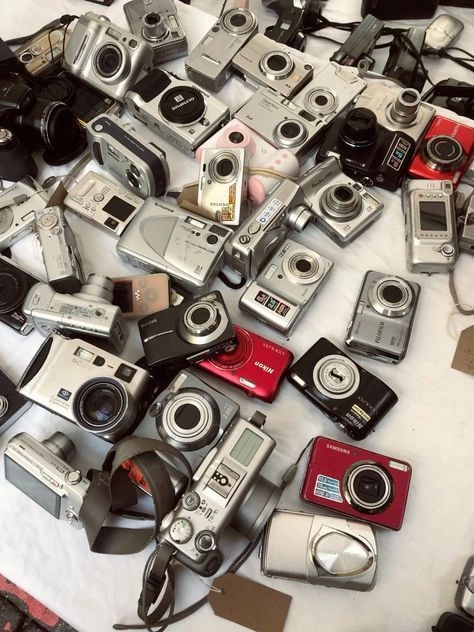
Pulling out a flagship smartphone to snap a quick photo almost always drags the user into a swamp of unread texts, work pings, and algorithmic notifications. A dedicated point-and-shoot has only one job: frame the scene, fire the shutter, and shut down.
Because tiny LCD screens on vintage bodies are notoriously dim and hard to see in sunlight, people stop checking every single take to judge their angles. You snap the photo, trust the moment, and immediately return to whatever conversation was happening in front of you.
There is also something therapeutic about physical constraints like tiny memory cards, sluggish autofocus motors, and finite battery bars. It naturally throttles the impulse to take three hundred identical burst shots, forcing a slower and more present rhythm behind the lens.
Turning dusty junk drawers into gold mines
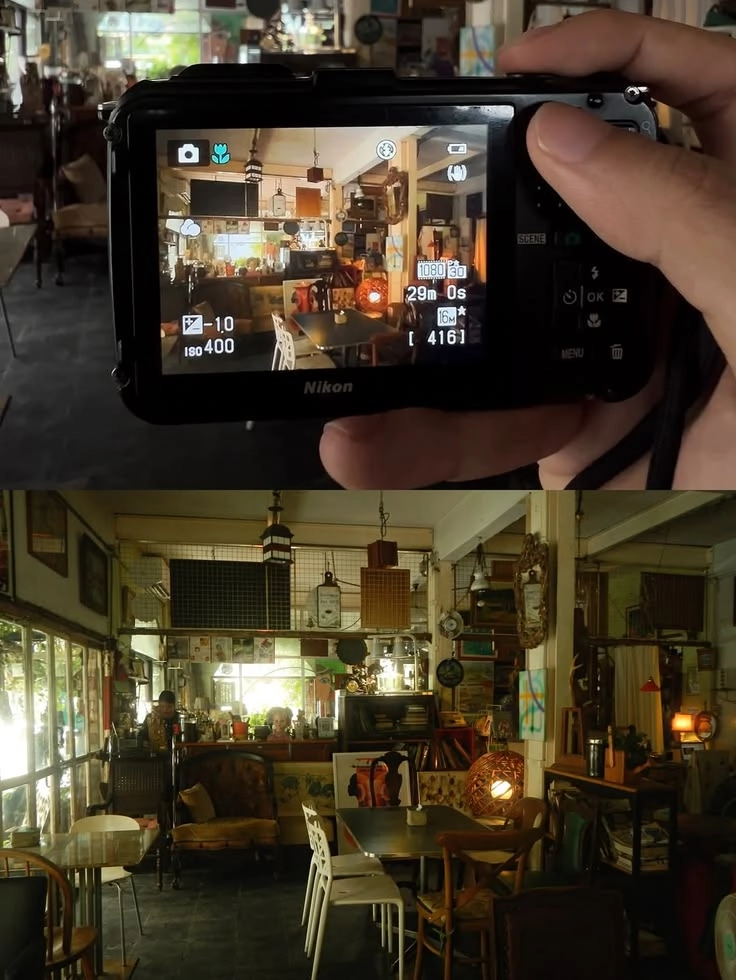
Finding these cameras has become an addictive sport that blends vintage flea-market scouring with digital secondhand trading. Scouring thrift bins, estate sales, and parents’ forgotten desk drawers often turns up forgotten relics from Canon, Sony, or Nikon for pocket change.
On platforms like TikTok, unboxing a pastel-hued Olympus or a brushed-aluminum Cyber-shot generates massive engagement, driving bidding wars on niche resale storefronts. Certain discontinued models now trade like rare streetwearStreetwearCasual fashion rooted in skate, hip-hop, and urban youth culture, characterized by graphic tees, hoodies, sneakers, and limited-edition releases. Streetwear has grown into a major global influence on luxury menswear,Go to Streetwear Glossary grails simply because of how they feel in the palm or how their flash behaves indoors.
Beyond the hardware itself, there is a fun post-event ritual in popping an SD card into a reader and finally seeing what made it through the night. It brings back the forgotten joy of delayed gratification in an era built entirely on instant delivery.
Frequently asked questions
Older CCD chips capture light and color with less algorithmic correction, resulting in softer skin tones, richer warm hues, and organic grain patterns.
Cult favorites include the Canon PowerShot SD series (Digital IXUS), Sony Cyber-shot DSC-W models, and Nikon Coolpix point-and-shoots from 2002 to 2008.
Many popular models run on standard AA batteries, while proprietary lithium-ion packs usually have cheap universal replacement chargers available online.
No, you can plug a simple Lightning or USB-C SD card adapter directly into a phone or tablet to pull files in seconds.
Most feature solid metal faceplates and recessed zoom barrels that can handle being tossed into pockets and bags far better than modern all-glass phones.

Recommended Video