
Why the Dead Internet Theory Was Always Inevitable
What was once a fringe conspiracy, the theory now critiques how bots, algorithms, and human habits reshape the web




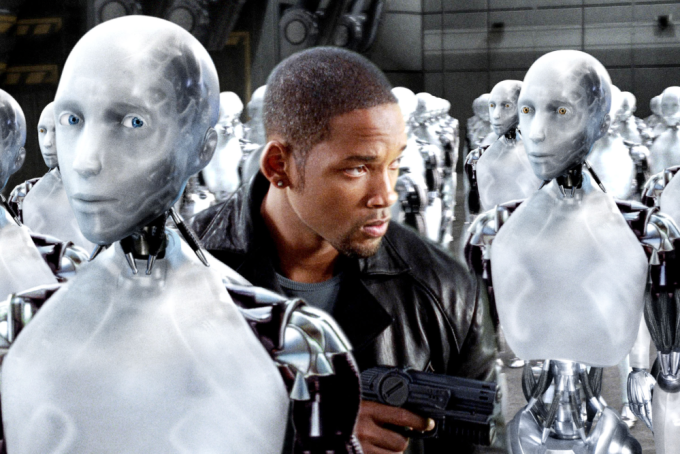
- Automated traffic and algorithmic feeds have made online activity increasingly difficult to separate from machine-generated behavior.
- Generative AI has accelerated the spread of synthetic content and created new feedback loops between automated systems.
The theory behind a changing internet
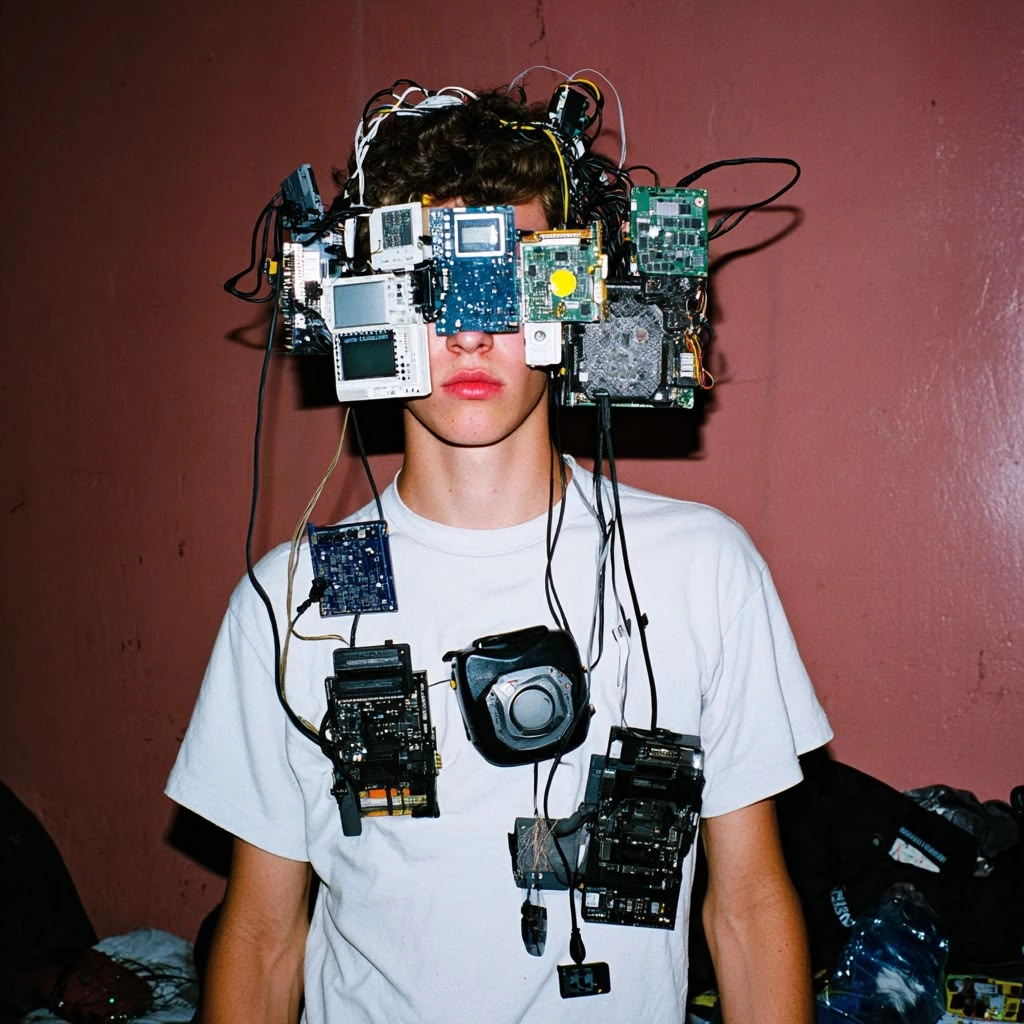
The Dead Internet Theory claims the web became primarily bot-driven in the late 2010s. Originating as a fringe conspiracy about covert bot networks, it has grown into a critique of how commercial platforms, bots, and synthetic media shape online behavior.
The theory gained wider attention in 2021 through an Agora Road post titled “The Dead Internet Theory: Most of the Internet Is Fake,” later examined by The Atlantic. Its original claims suggested that organic activity had been replaced by artificial interactions designed to manipulate public opinion.
The reality is less conspiratorial but arguably more consequential. The modern web does not require centralized coordination to make the web feel artificial; advertising, metrics, recommendation algorithms, and bots achieve this through shared incentives.
When the internet starts feeding itself
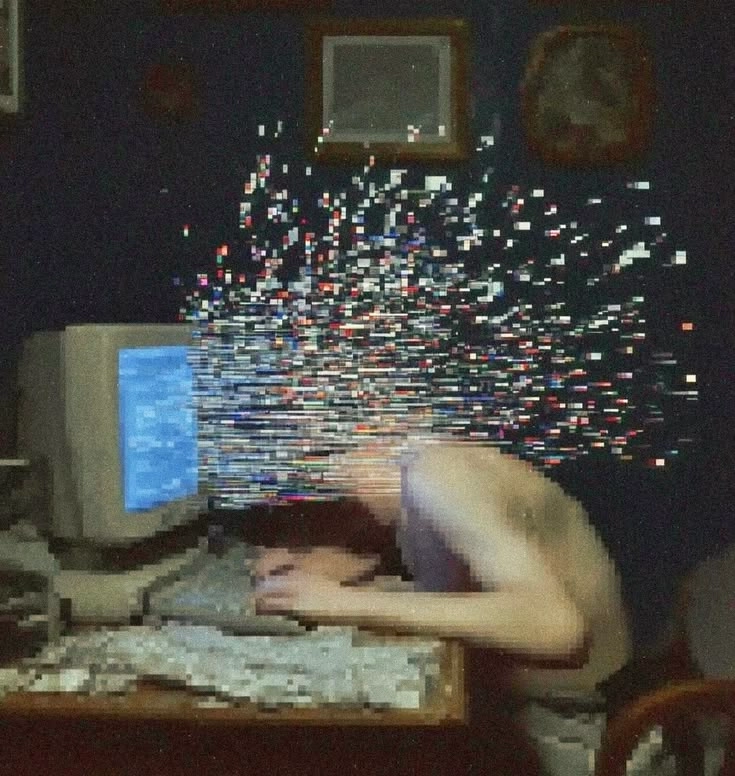
Cloudflare has found that automated traffic accounts for roughly half of global web activity in recent years. That figure does not prove the Dead Internet Theory, but it demonstrates how much online activity already involves machines rather than people.
Generative AI has accelerated the shift by making synthetic content cheaper and easier to produce. Images, articles, videos, comments, and social posts can now be generated at a scale human creators cannot match.
The stranger problem is what happens next. Automated systems generate content, recommendation engines distribute it, and other automated accounts interact with it. Those interactions then become signals that determine what gets shown again.
The uncanny part is us
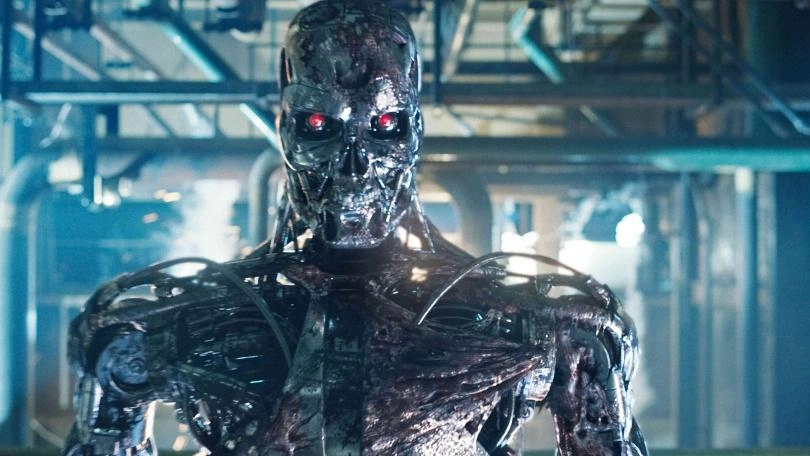
The most compelling version of the Dead Internet Theory is not that bots have secretly taken over. It is that humans are increasingly adapting themselves to the systems that govern online attention.
Creators optimize hooks for clicks, while users streamline opinions for engagement. Visual formats, humor, and personal expression adapt to recommendation algorithms, conforming human behavior to the machines built to simulate it.
That may be the theory’s most accurate prediction. The internet does not need to be literally dead to feel less alive. It only needs enough people and systems operating according to the same incentives until genuine expression becomes difficult to distinguish from the simulation.
Frequently asked questions
It argues that the open internet is increasingly driven by bots, algorithms, and synthetic content rather than genuine human interaction.
No. It shows the scale of automated activity online, but it doesn’t validate the conspiracy claims behind the original theory.
It has made synthetic content dramatically cheaper and faster to produce, increasing the potential for automated content loops.
That people are increasingly adapting their speech, creativity, and behavior to algorithmic incentives, making online culture more standardized and predictable.
Not literally. The phrase is better understood as a critique of how automation, algorithms, and synthetic content have made online spaces feel increasingly detached from genuine human interaction.
Recommended Video