The Designers We’re Still Waiting to See Again
From unrealized potential to lasting influence, these are the designers whose stories still feel unfinished




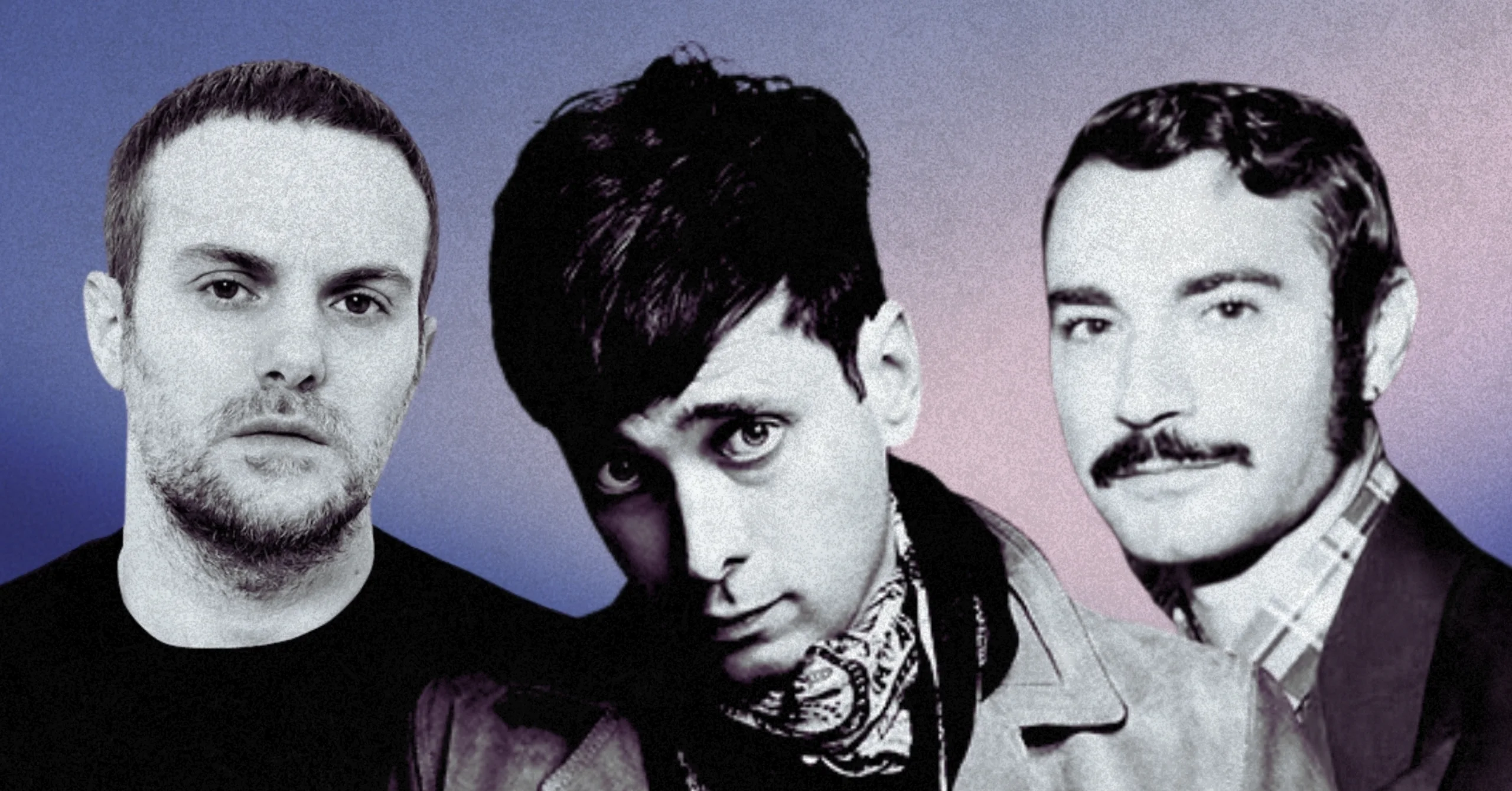
- Dario Vitale, Sabato De Sarno, and Hedi Slimane each left fashion at very different moments, but all three continue to shape conversations long after their departures.
- From unrealized potential at Versace to a misunderstood vision at Gucci and Hedi’s enduring impact on modern menswear, their stories reveal how creative direction often needs more time than the industry allows.
The next chapter can’t come soon enough
FashionFashionThe art and industry of designing, producing, and styling clothing, footwear, accessories, and beauty trends. It reflects cultural influences, personal expression, and evolving styles across seasons and markets.Go to Fashion Glossary has become remarkably efficient at replacing its biggest names. Creative directors now arrive with blockbuster announcements, debut collections are dissected within minutes, and before an aesthetic has the chance to settle, another reshuffle dominates headlines. The industry’s revolving door has become so relentless that departures often feel as significant as appointments.
Yet not every exit leaves the same impression. Some designers leave behind thriving businesses. Others leave behind unfinished ideas, collections that hinted at something larger, or creative philosophies that only seem clearer in hindsight.
Few names capture that feeling today more than Dario Vitale, Sabato De Sarno, and Hedi Slimane. Their careers have followed dramatically different paths, but together they reveal what fashion increasingly struggles to preserve: time.
One barely had the opportunity to begin. Another may have arrived before audiences were ready for his vision. The third changed menswear so profoundly that his influence continues long after stepping away from the runway.
Dario Vitale had one collection to change Versace
For someone whose name became one of fashion’s biggest headlines, Dario spent surprisingly little of his career in the spotlight.
After graduating from Istituto Marangoni, he worked briefly at Bottega Veneta and Dsquared2 before joining Miu Miu in 2010. Over the next fourteen years, he rose through the ranks to become Design Director for Ready-to-Wear and Brand Image, helping shape what would become one of fashionFashionThe art and industry of designing, producing, and styling clothing, footwear, accessories, and beauty trends. It reflects cultural influences, personal expression, and evolving styles across seasons and markets.Go to Fashion Glossary’s most influential success stories.
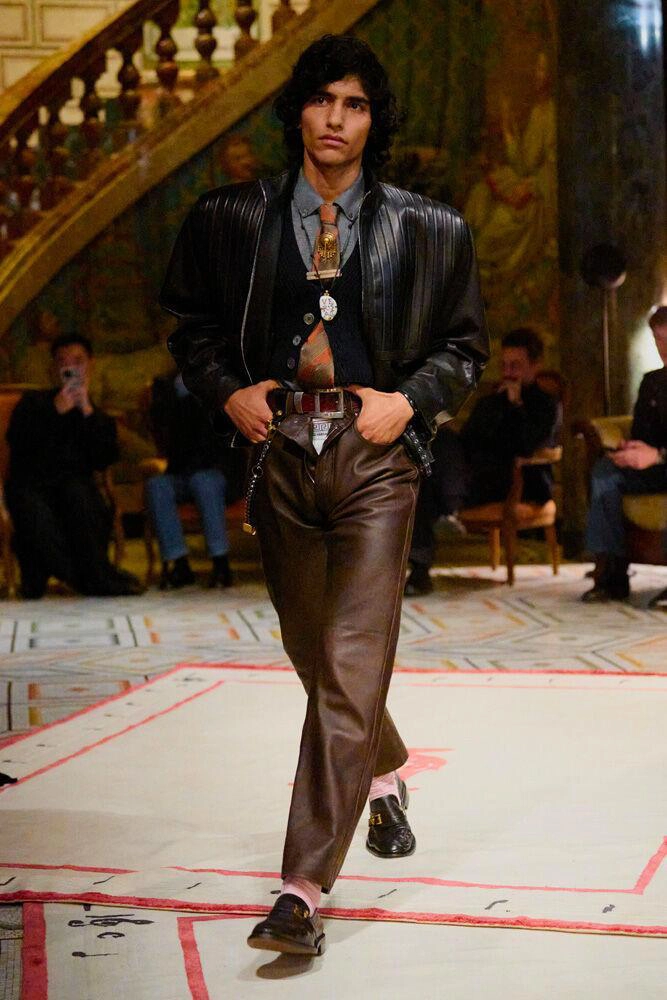
While Miuccia Prada remained the face of the label, industry insiders often described Dario as one of the creative forces translating her ideas into collections that felt both intellectually playful and commercially irresistible. The micro skirts, visible briefs, unconventional layering, and delightfully awkward styling that came to define Miu Miu’s recent era were all part of the visual language he helped make.
His appointment at Versace in 2025 felt like finally giving one of fashion’s best-kept secrets the spotlight. As the first creative director outside the Versace family to lead the house, succeeding Donatella Versace after nearly three decades, expectations could hardly have been higher.
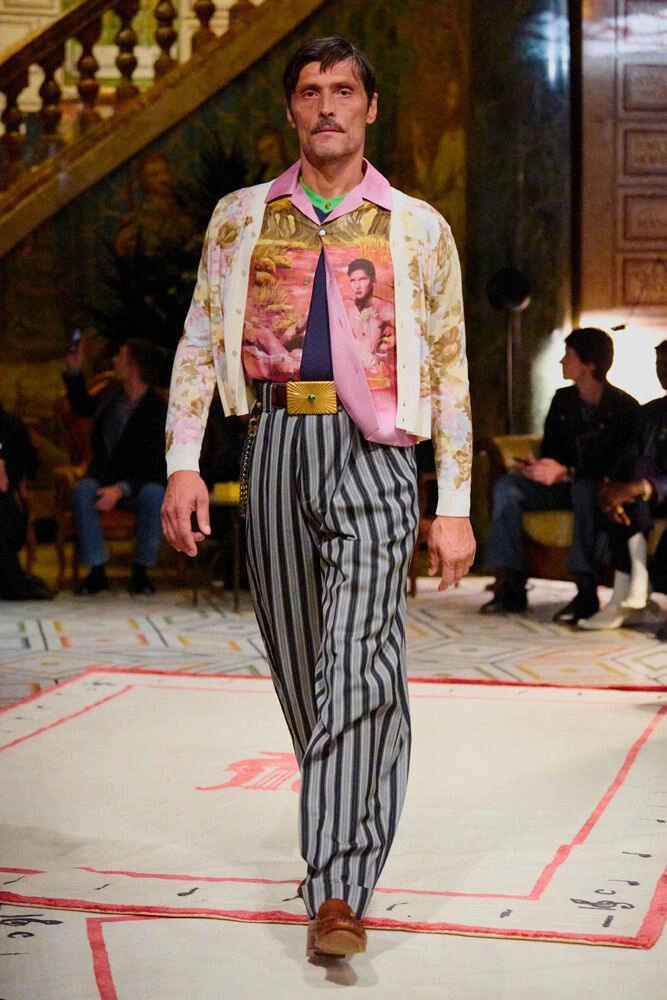
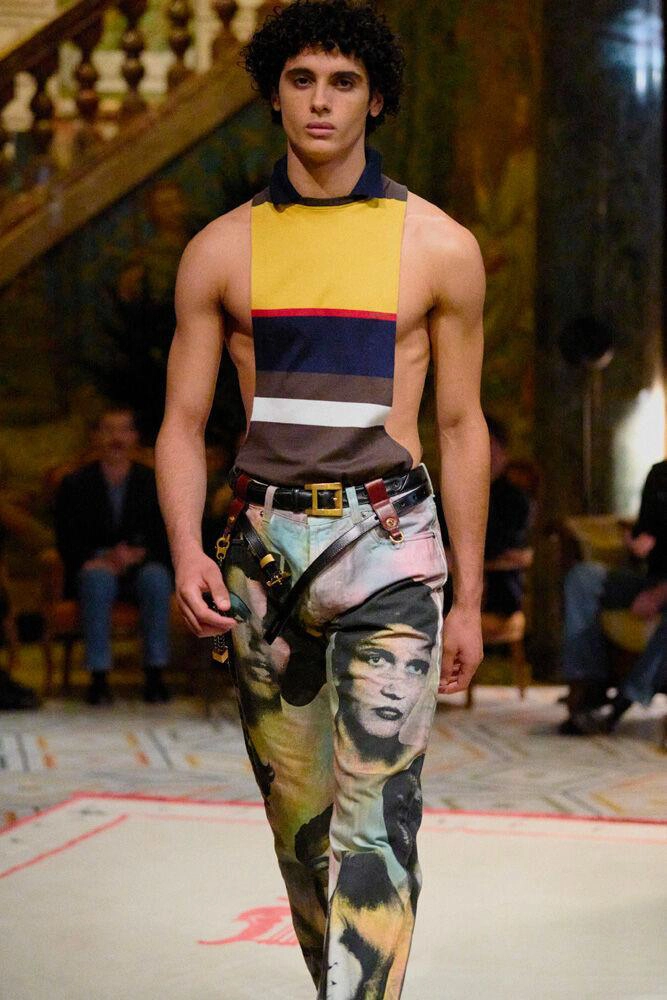
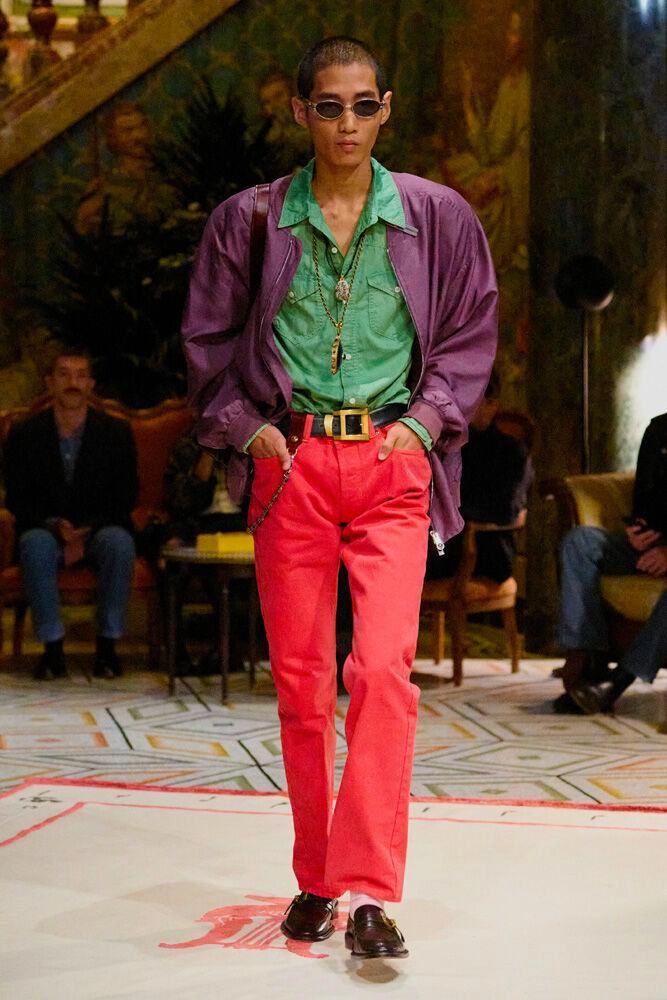
Rather than simply reproducing the brand’s familiar glamour, Dario looked back to Gianni Versace’s original instinct for fearless self-expression. His debut collection celebrated dressing as pleasure and proposed clothes that felt instinctive.
It also became his only collection. Following Prada Group’s acquisition of Versace, he departed after just one runway season, with Pieter Mulier later announced as his successor. His first show became his last, making his tenure one of the shortest in recent fashion history.
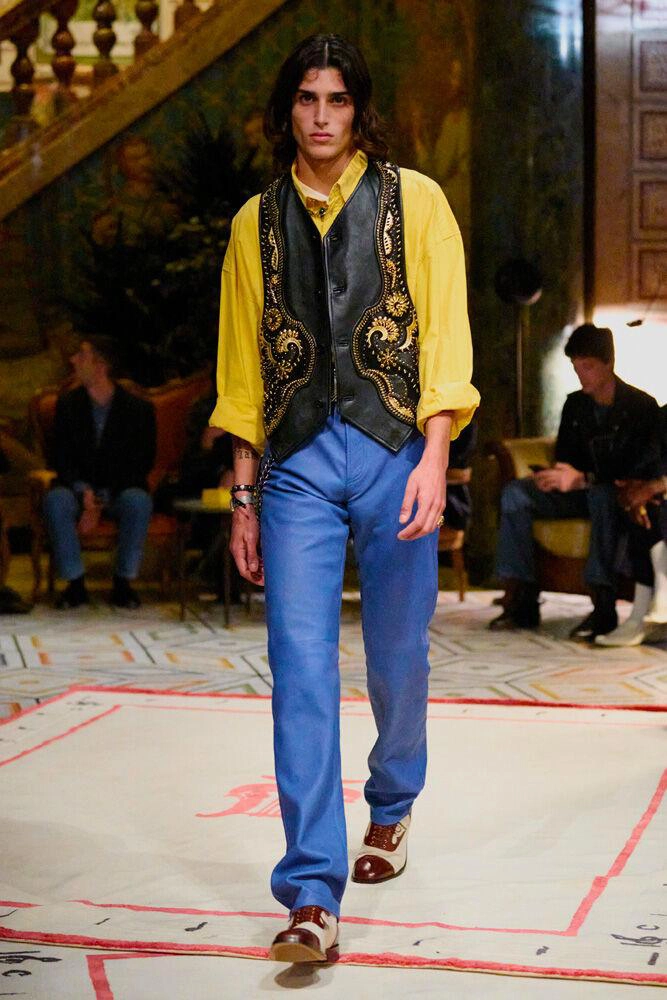
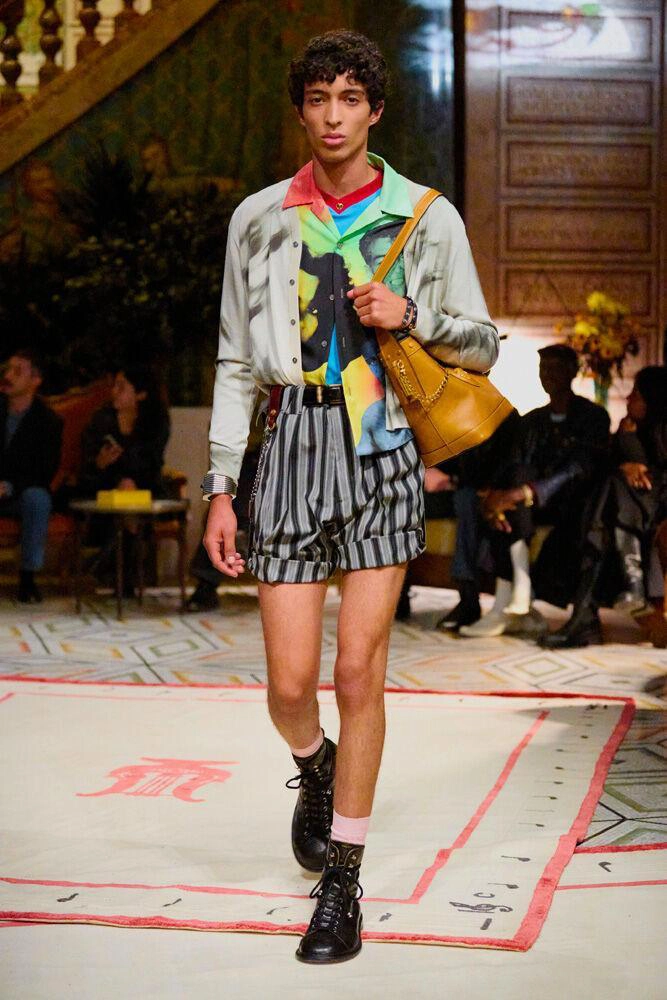
That brevity is precisely why the industry continues talking about him. We are mourning the designer he never had the opportunity to become there.
We might have judged Sabato de Sarno’s Gucci too soon
Long before Gucci, Sabato spent years working behind the scenes at Prada and Dolce&Gabbana before becoming Fashion Director at Valentino under Pierpaolo Piccioli.
During Valentino’s celebrated renaissance, he became known within the industry as one of the house’s strongest creative voices, even if his name remained unfamiliar outside fashionFashionThe art and industry of designing, producing, and styling clothing, footwear, accessories, and beauty trends. It reflects cultural influences, personal expression, and evolving styles across seasons and markets.Go to Fashion Glossary circles.
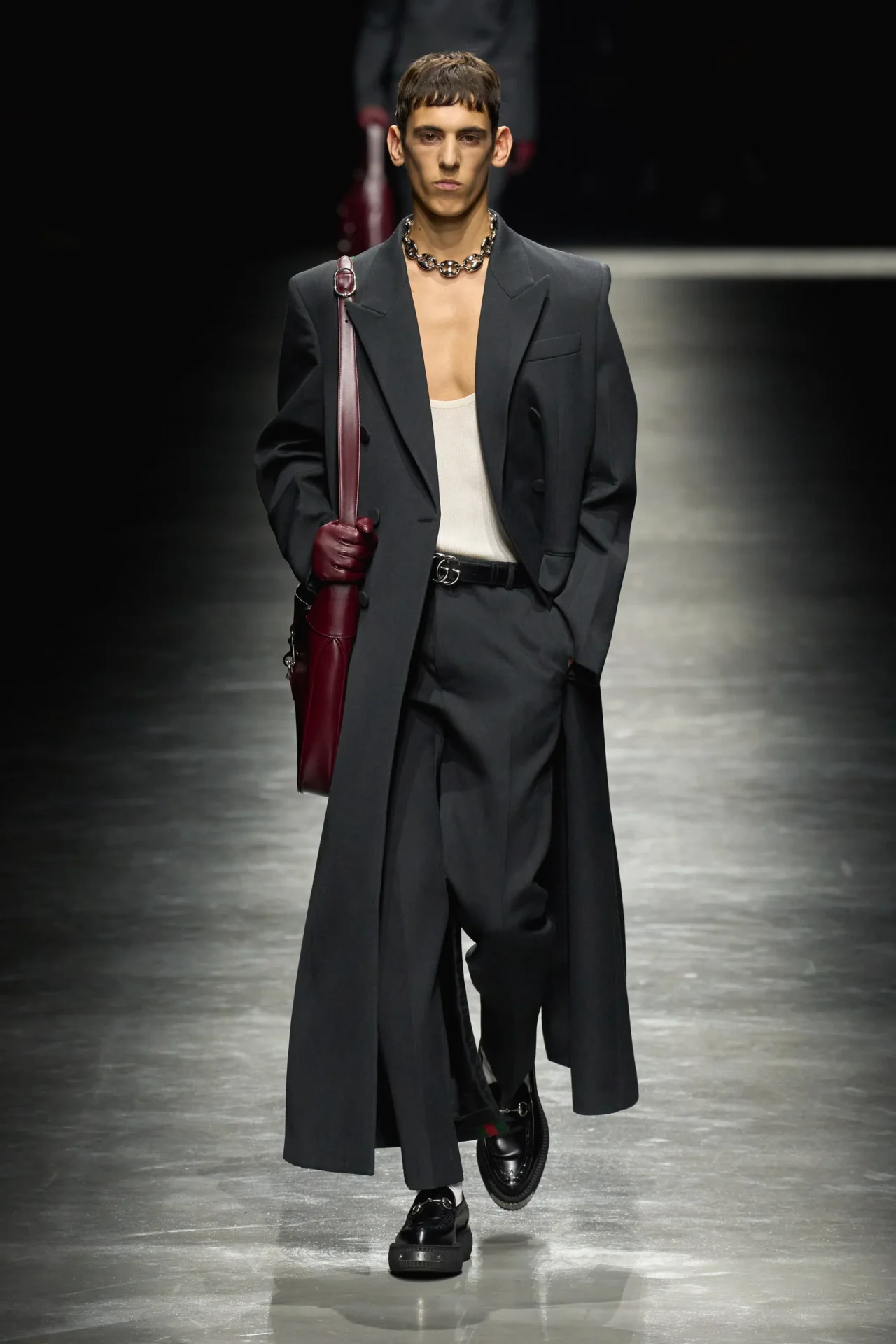
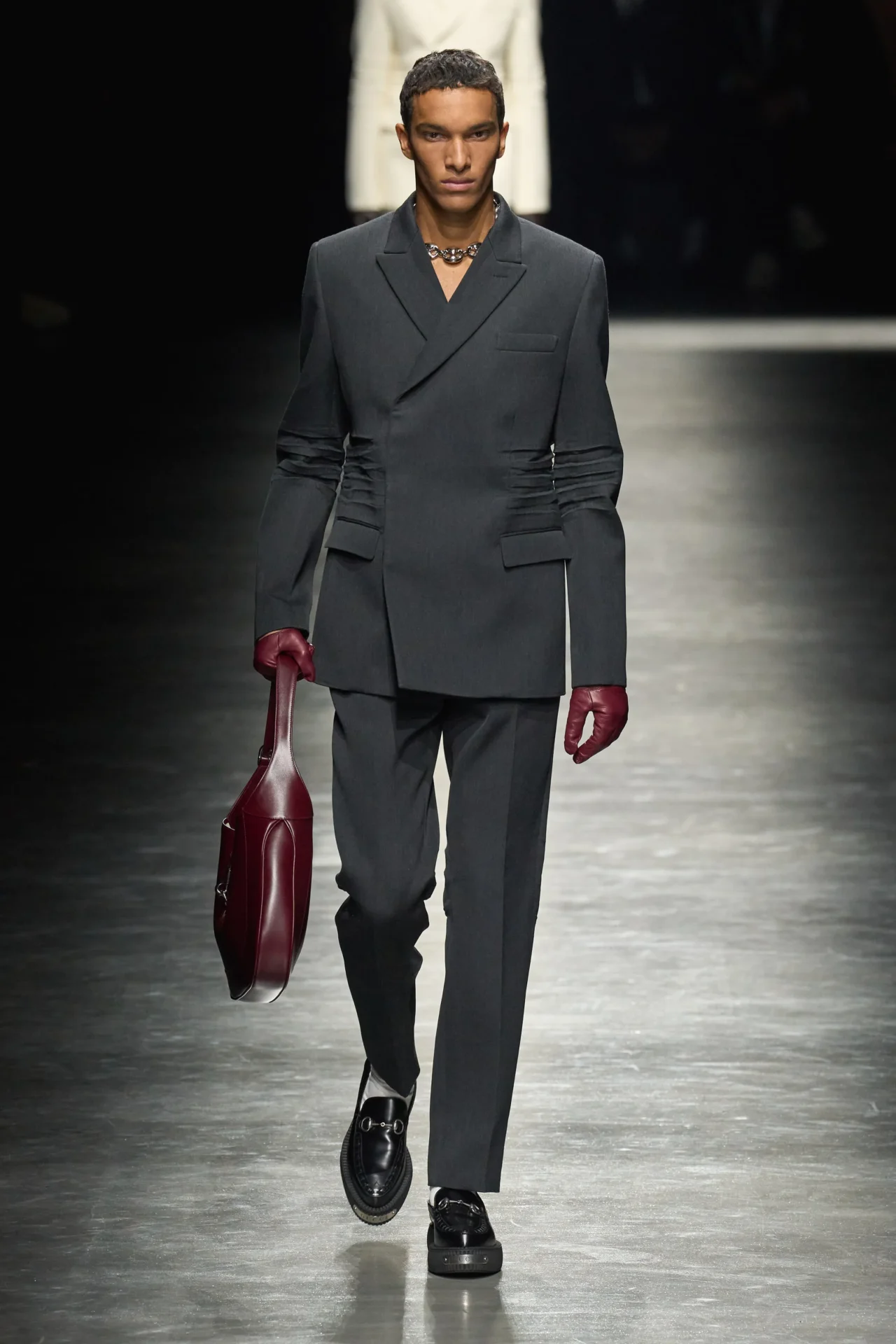
When Gucci appointed him creative director in 2023, he inherited one of the most difficult jobs. Alessandro Michele had transformed Gucci into a global phenomenon through maximalism and theatrical storytelling. Rather than competing with that legacy, Sabato proposed something radically different.
His debut collection, Ancora, stripped Gucci back to beautifully cut tailoring, saturated color, luxurious materials, and leather goods designed to speak for themselves. He argued that exceptional craftsmanship could be enough.
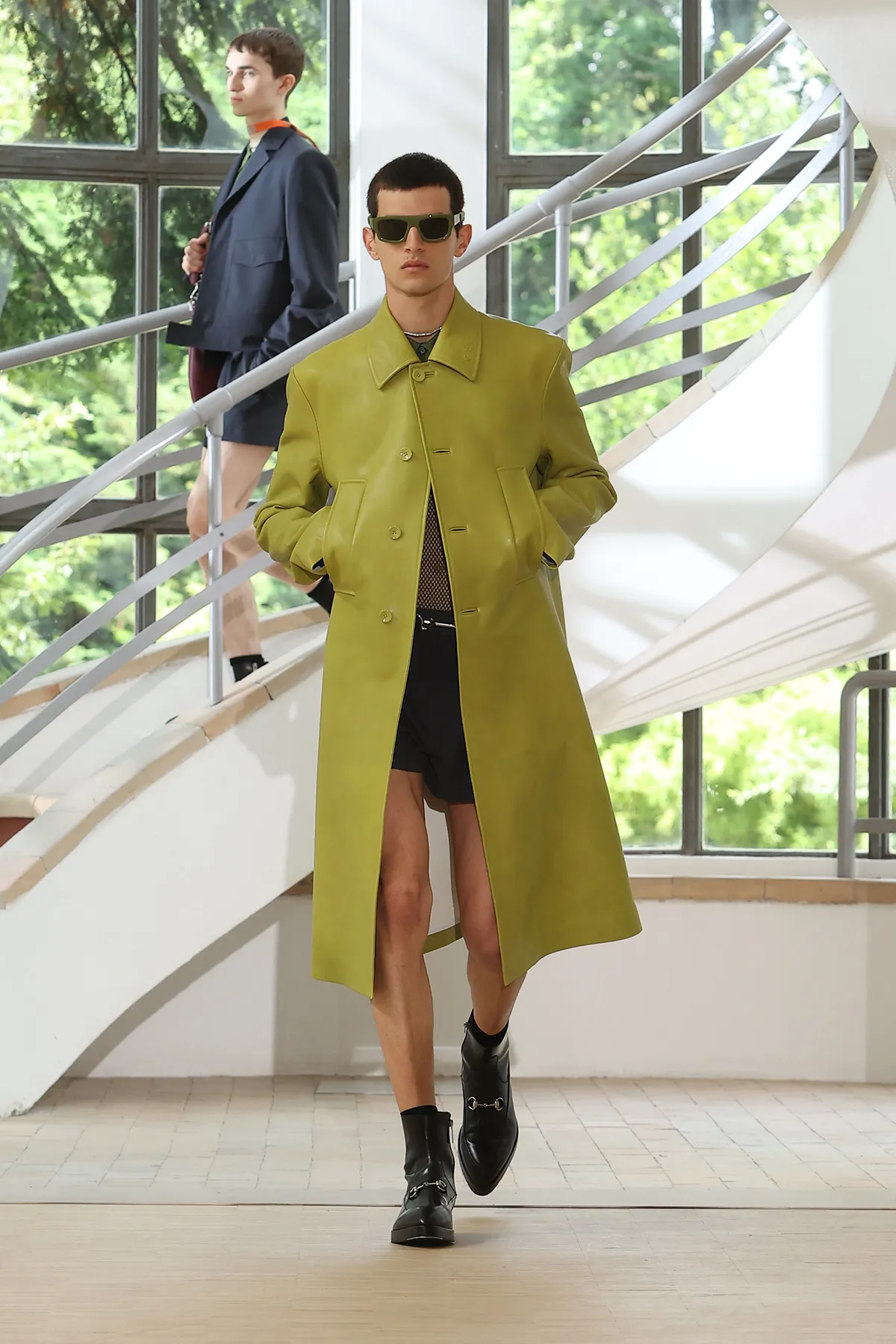
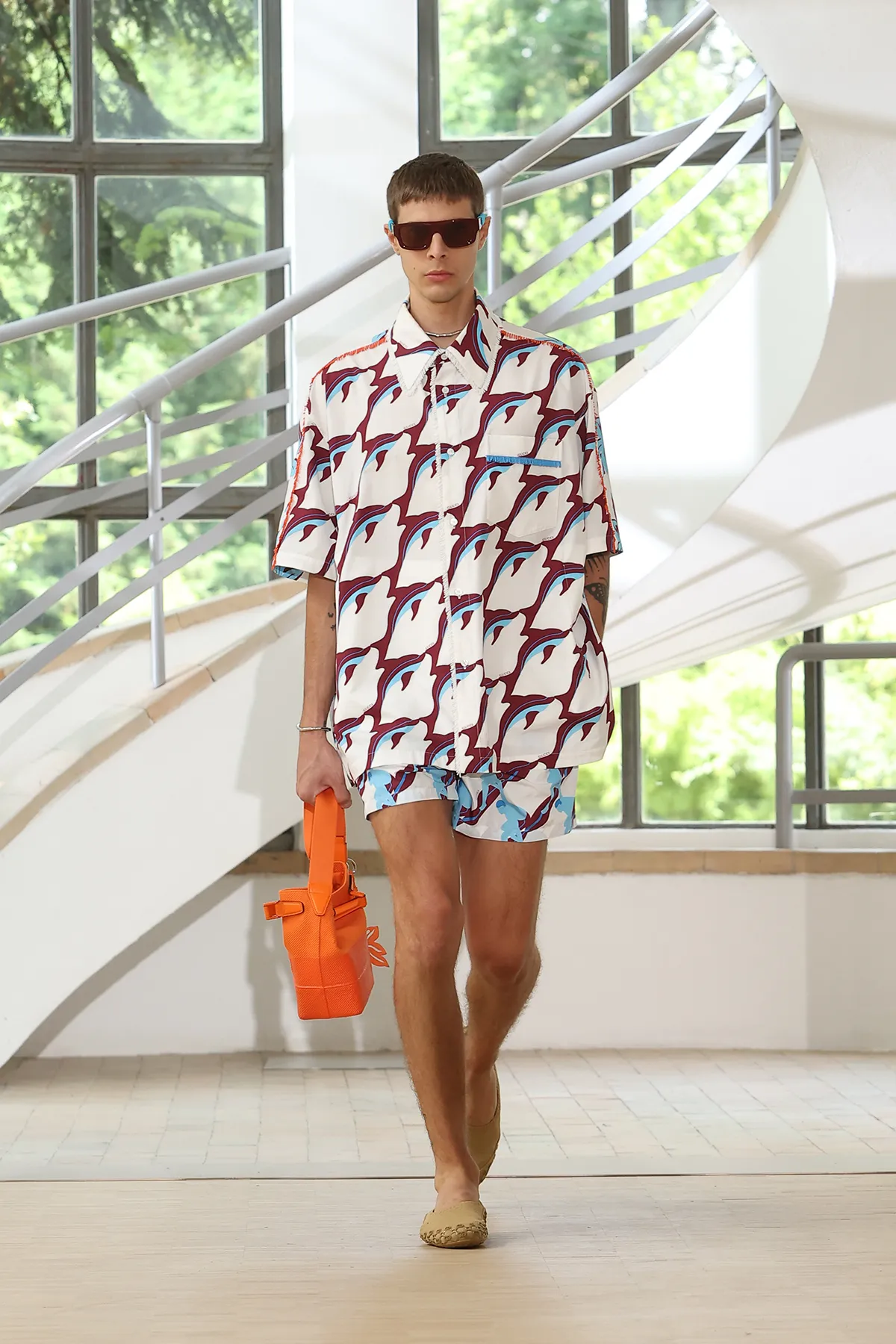
Many critics interpreted it as playing it safe. Yet creating excitement through simplicity is arguably one of fashionFashionThe art and industry of designing, producing, and styling clothing, footwear, accessories, and beauty trends. It reflects cultural influences, personal expression, and evolving styles across seasons and markets.Go to Fashion Glossary’s hardest exercises. There are fewer distractions, fewer embellishments, and nowhere for imperfect design to hide. Commercial realities, however, rarely reward patience.
As luxury spending slowed, Gucci faced mounting pressure to accelerate growth. Sabato’s vision required time to reshape the brand’s identity, but modern luxury increasingly measures success in quarterly reports rather than creative cycles. Less than two years after arriving, Gucci announced his departure in early 2025.
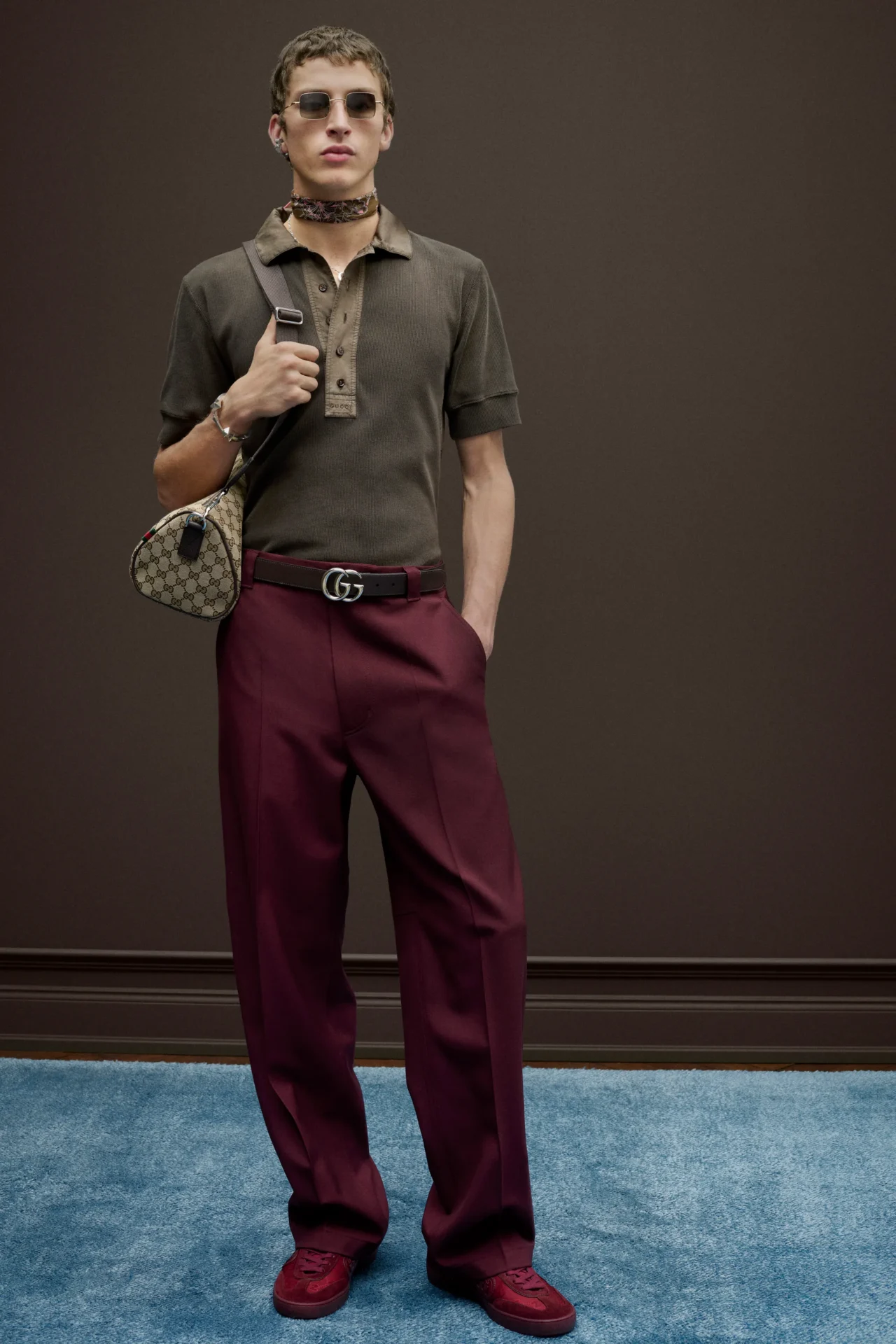
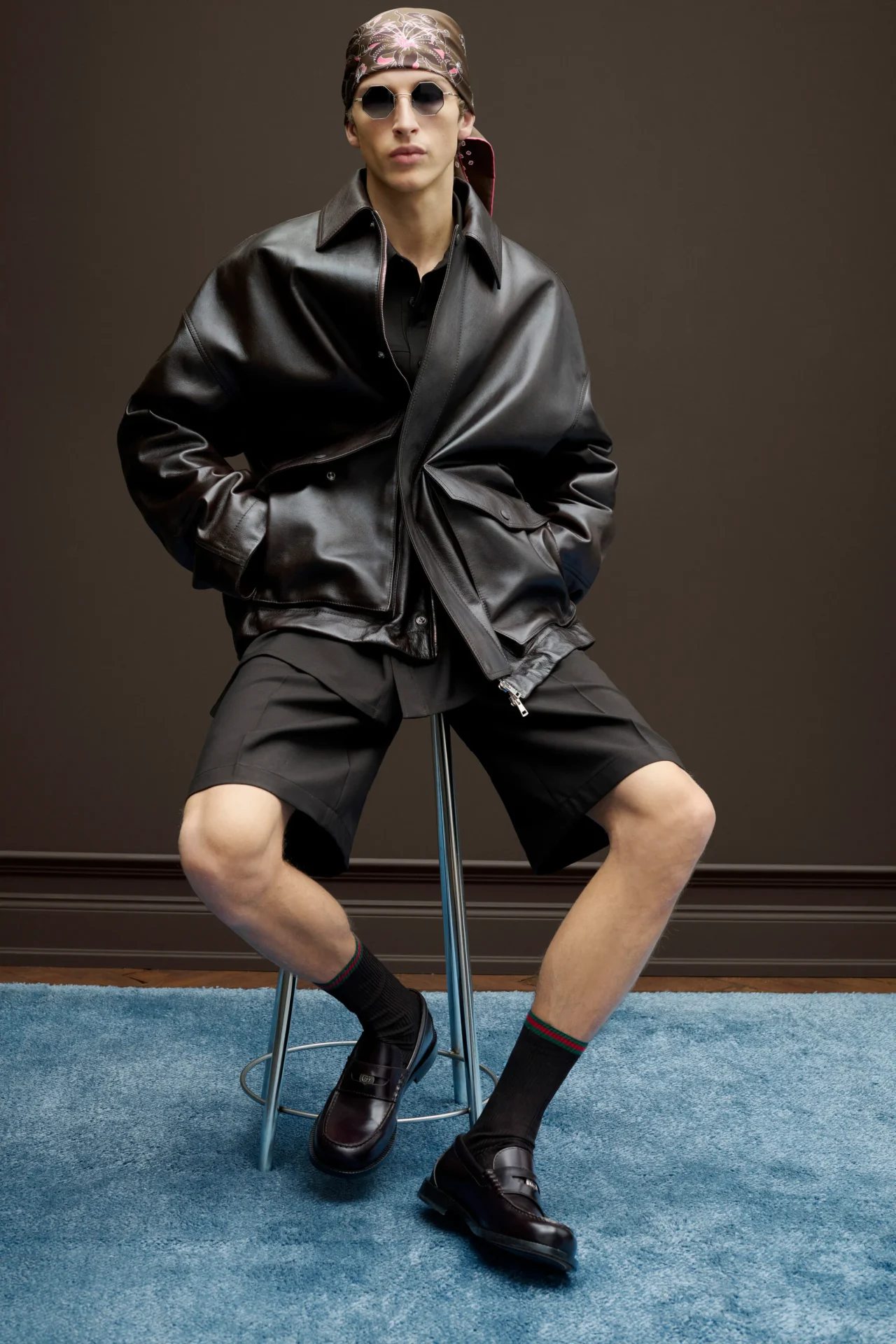
Ironically, many of the ideas Sabato championed now feel remarkably current. Elevated essentials, tailoring, quiet luxury, and thoughtful craftsmanship have become defining themes across today’s runways, making his collections appear more relevant now than when they first debuted.
Since leaving Gucci, the designer has remained largely out of the public eye, reinforcing the sense that fashionFashionThe art and industry of designing, producing, and styling clothing, footwear, accessories, and beauty trends. It reflects cultural influences, personal expression, and evolving styles across seasons and markets.Go to Fashion Glossary moved on before fully understanding what he was trying to build.
Hedi Slimane still defines menswear without saying a word
Few designers have influenced the way men dress as profoundly as Hedi.
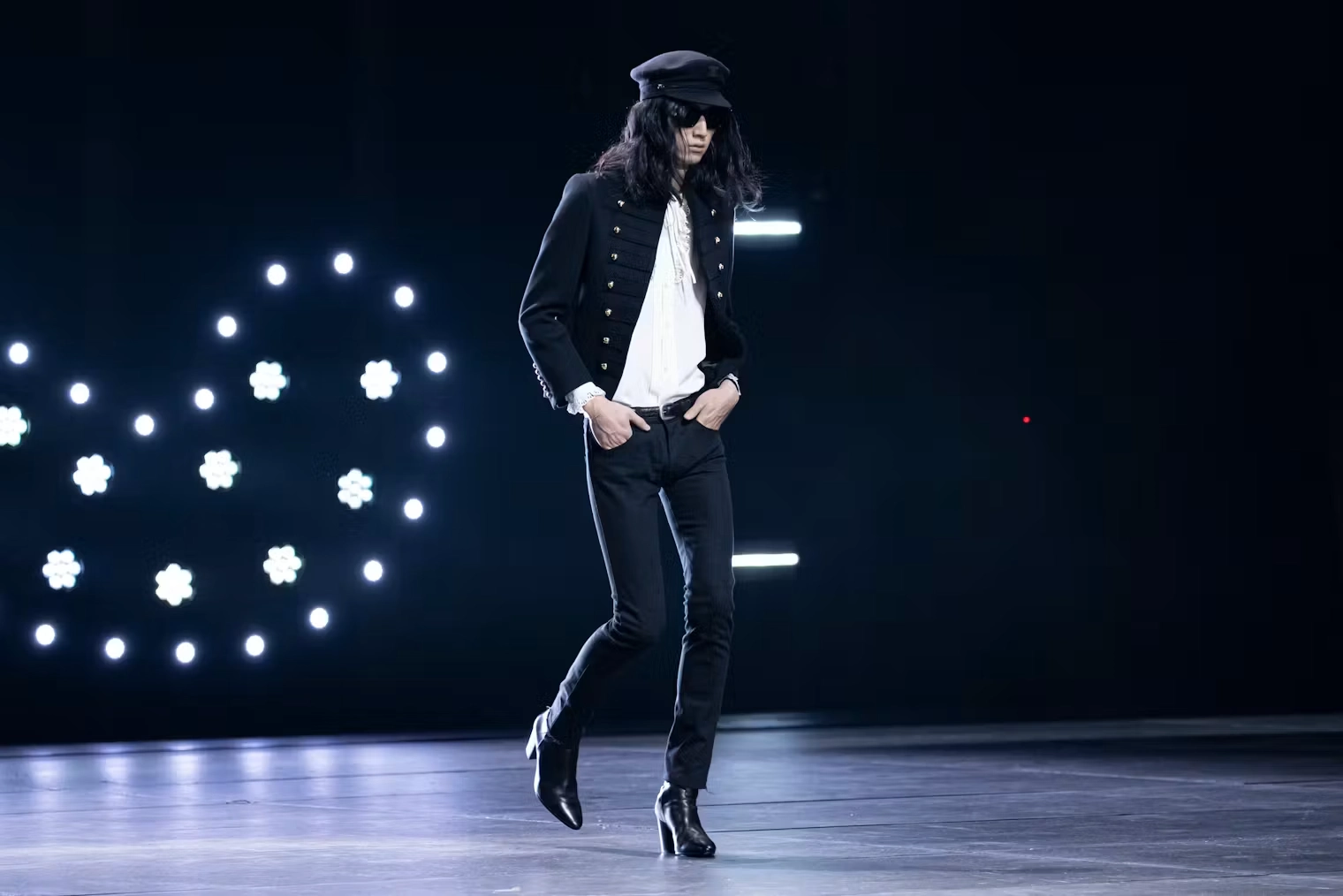
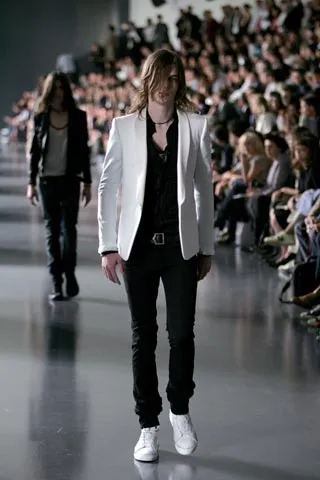
His work at Dior Homme in the early 2000s completely reshaped modern tailoring. Slim suits, razor-sharp jackets, narrow trousers, Chelsea boots, monochromatic styling, and an unmistakable rock-and-roll attitude became the defining look of an entire generation.
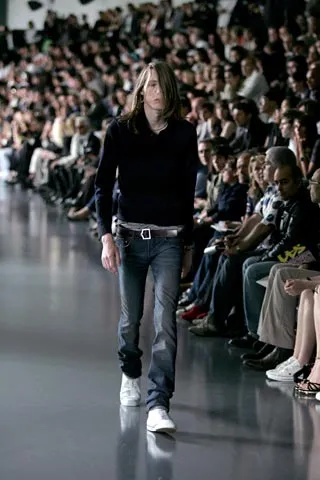
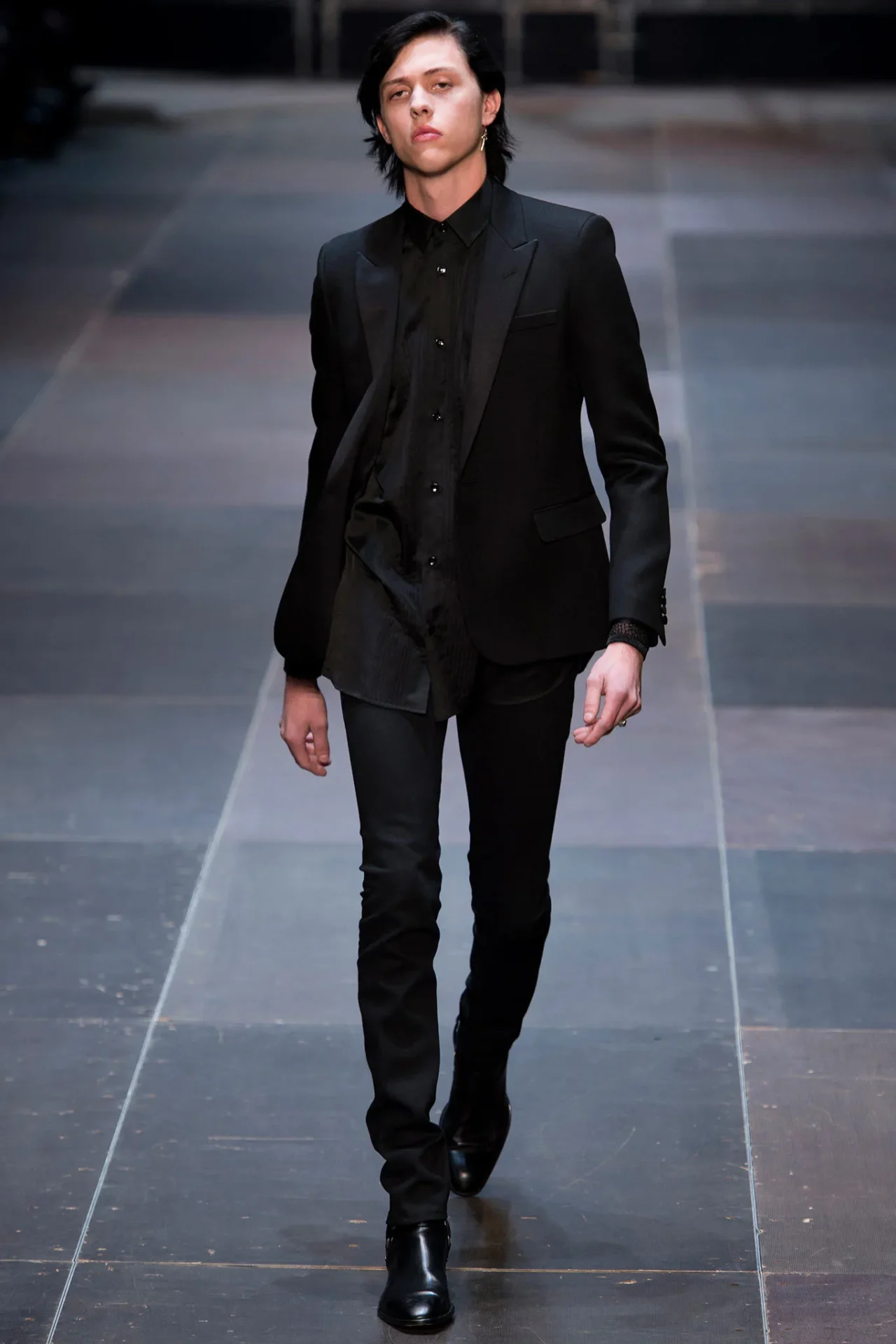
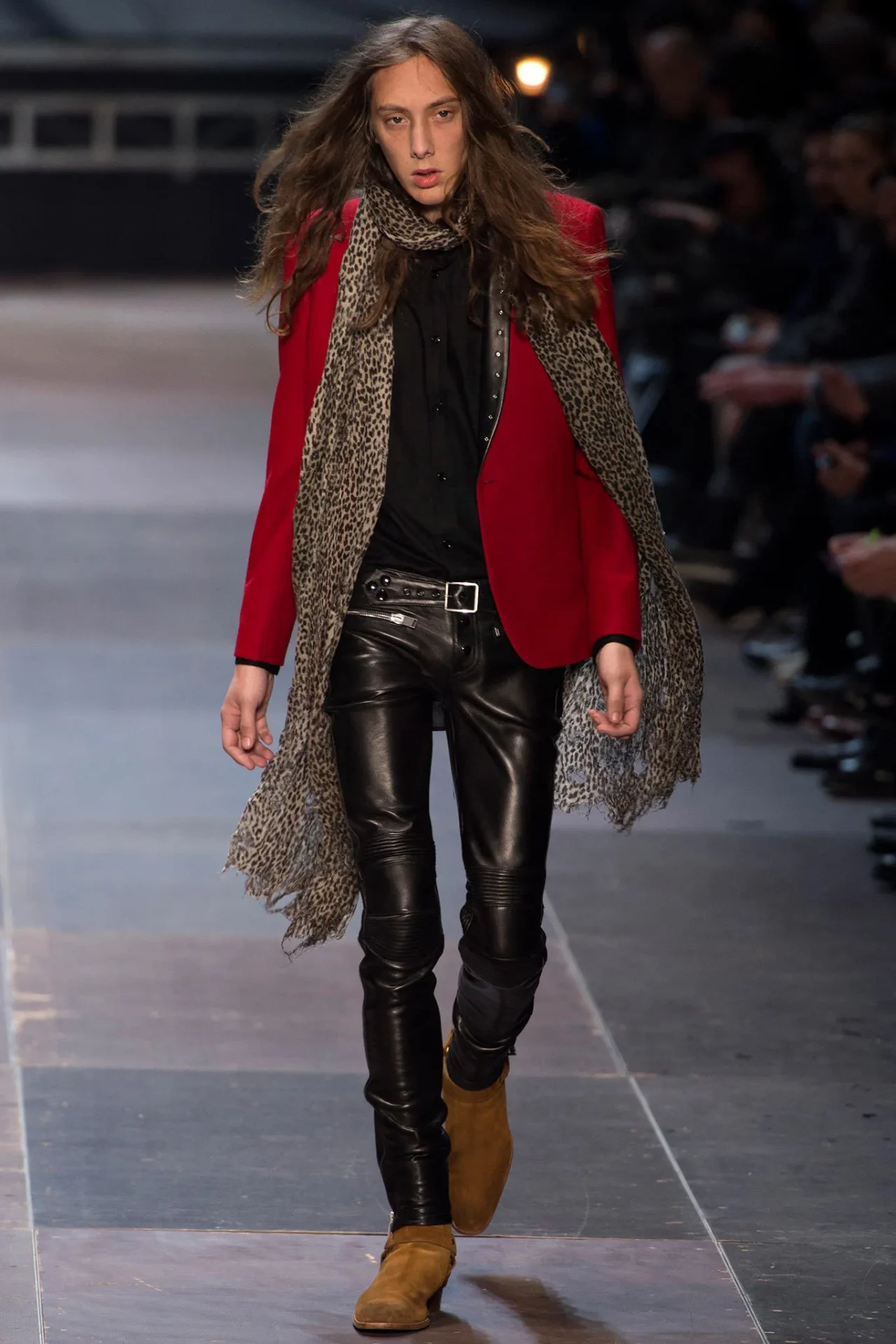
He then repeated that cultural shift at Saint Laurent. Rather than simply reviving the French house, he transformed it into an immersive universe built around indie musicians, leather jackets, glittering eveningwear, California youth culture, and a meticulously crafted visual identity.
His controversial arrival at Celine in 2018 followed a similarly ambitious path. Despite the inevitable comparisons to Phoebe Philo, Hedi expanded menswear, introduced haute parfumerie and beauty, strengthened leather goods, and reportedly helped grow Celine into one of LVMH’s largest fashion businesses.
An accomplished photographer, Hedi has long documented musicians, artists, and youth subcultures with the same style he brings to tailoring. Long before “brand worlds” became a marketing buzzword, he understood that fashionFashionThe art and industry of designing, producing, and styling clothing, footwear, accessories, and beauty trends. It reflects cultural influences, personal expression, and evolving styles across seasons and markets.Go to Fashion Glossary, music, photography, and culture could all speak the same visual language.
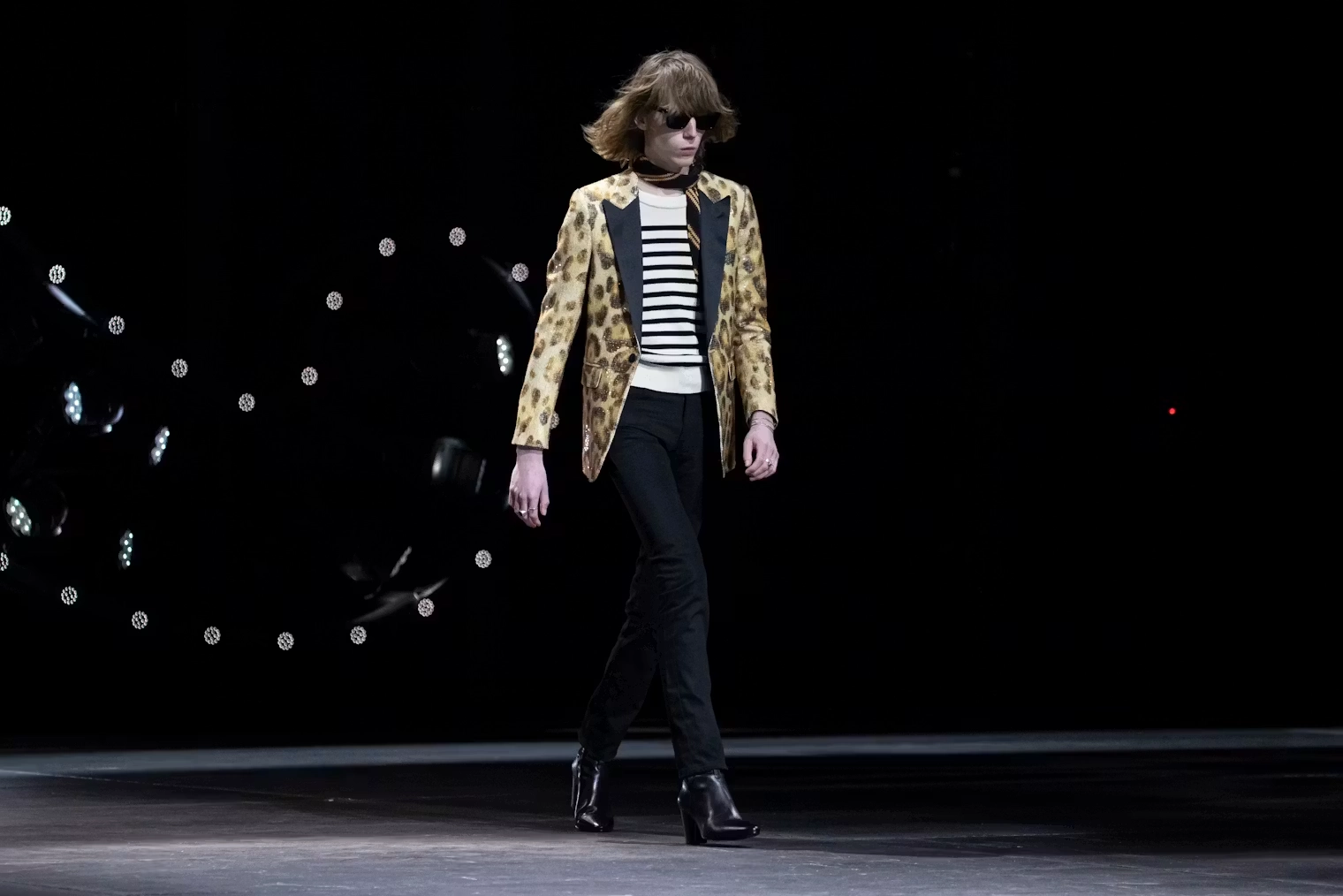
Since leaving Celine in late 2024, the French designer has kept a remarkably low profile. Yet every major creative-director vacancy immediately reignites speculation about his return, a reminder that few designers command anticipation quite like he does.
Menswear may currently favor relaxed tailoring and wider proportions, but Hedi’s vocabulary never truly disappeared. Every resurgence of skinny jeans, rock-star dressing, or razor-sharp silhouettes traces back, in some way, to the world he built more than two decades ago.
Three designers, three visions, one lesson
Dario, Sabato, and Hedi represent three very different chapters in contemporary fashionFashionThe art and industry of designing, producing, and styling clothing, footwear, accessories, and beauty trends. It reflects cultural influences, personal expression, and evolving styles across seasons and markets.Go to Fashion Glossary, but their stories arrive at the same conclusion.
Dario reminds the industry of the ideas that disappear before they can fully develop; Sabato illustrates how commercial pressure can eclipse creative patience; Hedi proves that the strongest designers continue shaping fashionFashionThe art and industry of designing, producing, and styling clothing, footwear, accessories, and beauty trends. It reflects cultural influences, personal expression, and evolving styles across seasons and markets.Go to Fashion Glossary even after they’ve left the building.
Their aesthetics couldn’t be more different, yet all three share something increasingly rare in fashion: an unwavering point of view. They believed a fashion house should have a clear identity, even if audiences needed time to catch up.
Frequently Asked Questions
Dario Vitale presented just one collection for Versace before departing following the brand’s acquisition by Prada Group. His brief tenure left many wondering how he might have reshaped the house if he had been given more time.
Sabato De Sarno exited Gucci in early 2025 after less than two years as creative director. His vision arrived during a slowdown in the market, when the brand faced increasing commercial pressure for faster results.
Hedi Slimane revolutionized modern menswear through his slim tailoring, rock-inspired aesthetic, and cohesive creative direction at Dior Homme, Saint Laurent, and Celine. His influence continues to shape fashion trends and contemporary branding today.
Although their aesthetics differ, all three designers are known for having a distinct creative vision. Their careers highlight how strong authorship and long-term thinking remain essential in an industry increasingly driven by rapid change.
Fashion brands face constant pressure to deliver both cultural relevance and financial growth, leading to more frequent leadership changes. As a result, many designers have less time to fully develop their vision before being replaced.
Recommended Video