The Labels Putting Malaysian Fashion on the Global Map
The country’s most exciting designers are proving Malaysia deserves a permanent place on fashion’s radar




- Malaysia’s fashion scene is entering a new era, led by independent brands combining heritage, streetwear, luxury, and experimental design.
- From avant-garde tailoring to Gen Z clubwear, labels like Kit Woo, Ghostboy, Behati, and MSYD are redefining what contemporary Malaysian fashion looks like.
- Together, these homegrown brands are putting Malaysia firmly on the global fashion map, proving Southeast Asia is shaping the industry’s next wave of creativity.
Malaysian fashion is having a defining moment
FashionFashionThe art and industry of designing, producing, and styling clothing, footwear, accessories, and beauty trends. It reflects cultural influences, personal expression, and evolving styles across seasons and markets.Go to Fashion Glossary’s attention has increasingly shifted toward Southeast Asia, and Malaysia is proving to be one of its rising creative forces. Across tailoring, experimental design, and streetwear, a new wave of independent labels is reshaping what contemporary Malaysian fashion looks like.
Some reinterpret heritage through oversized silhouettes. Others build entire collections around folklore, club culture, or everyday local life. These are the Malaysian brands leading that conversation right now.
KIT WOO
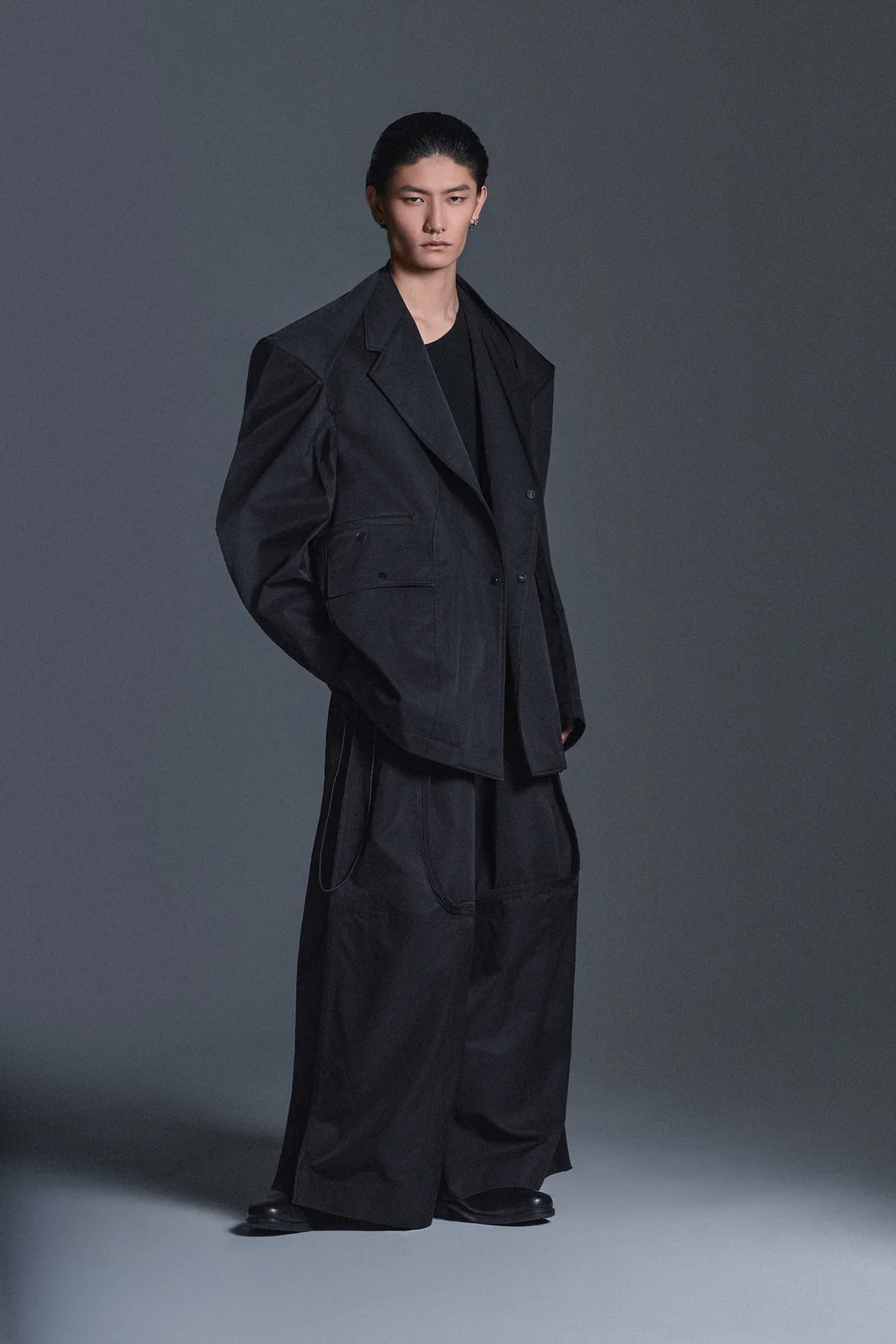
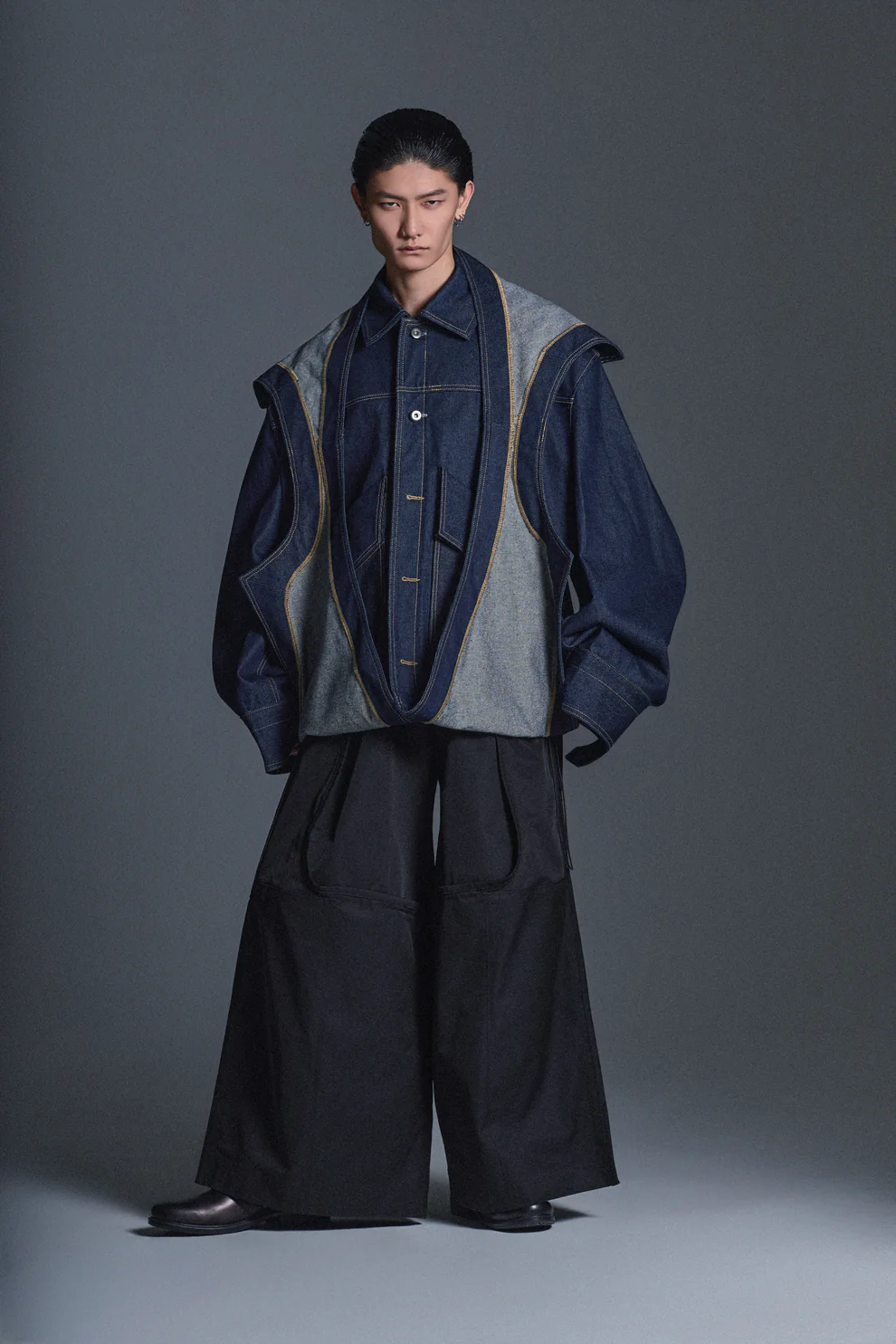
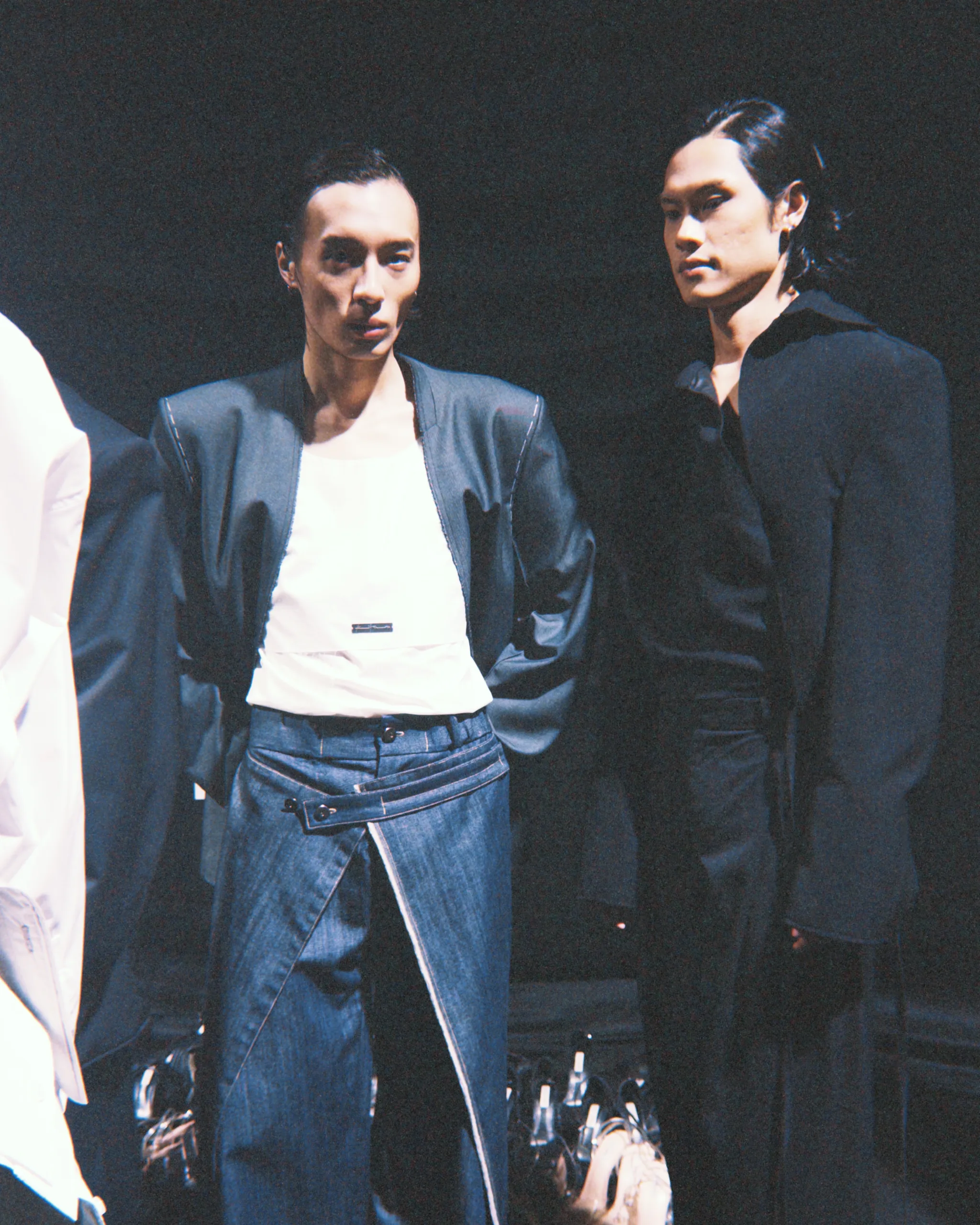
Few labels have done more to push Malaysian fashion forward than Kit Woo. Founded in 2016 by Kuantan-born designer Kit Woo, the contemporary brand has built its reputation by rejecting commercial trends in favor of thoughtful, experimental design.
Its collections often merge the fluid draping of Buddhist monk robes or the dynamic movements of Silat with Western tailoring and technical details. While the rest of the industry often looks to fashionFashionThe art and industry of designing, producing, and styling clothing, footwear, accessories, and beauty trends. It reflects cultural influences, personal expression, and evolving styles across seasons and markets.Go to Fashion Glossary capitals abroad, Kit Woo has consistently proven that innovation can begin much closer to home.
RELATED: Highlights from Kuala Lumpur Fashion Week 2025
BEHATI
Few brands have challenged convention quite like Behati. Since launching in 2018, creative director Kel Wen has become known for reimagining the Baju Melayu through exaggerated proportions and unexpected fabric choices ranging from satin to metallic textiles and ornate brocades.
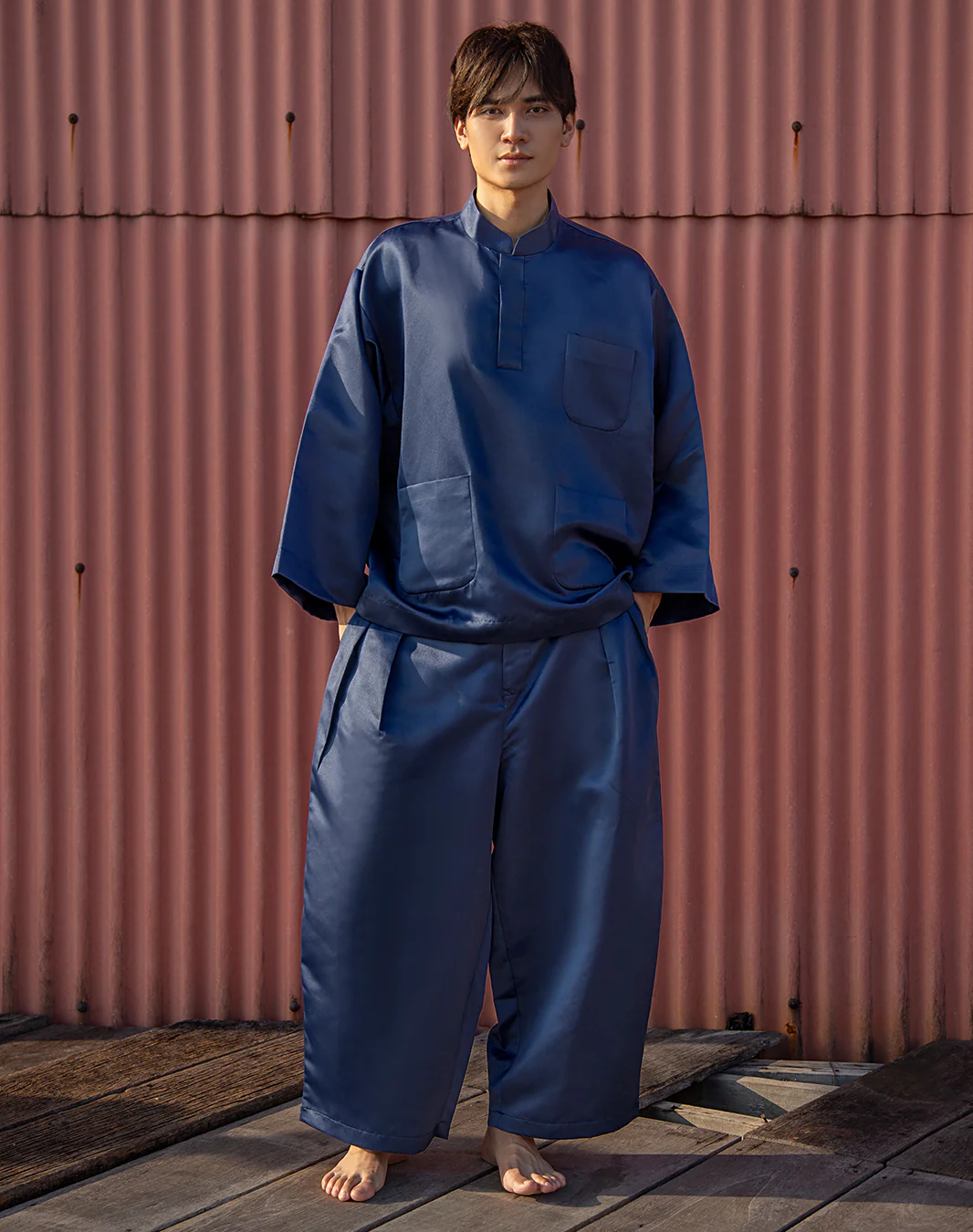
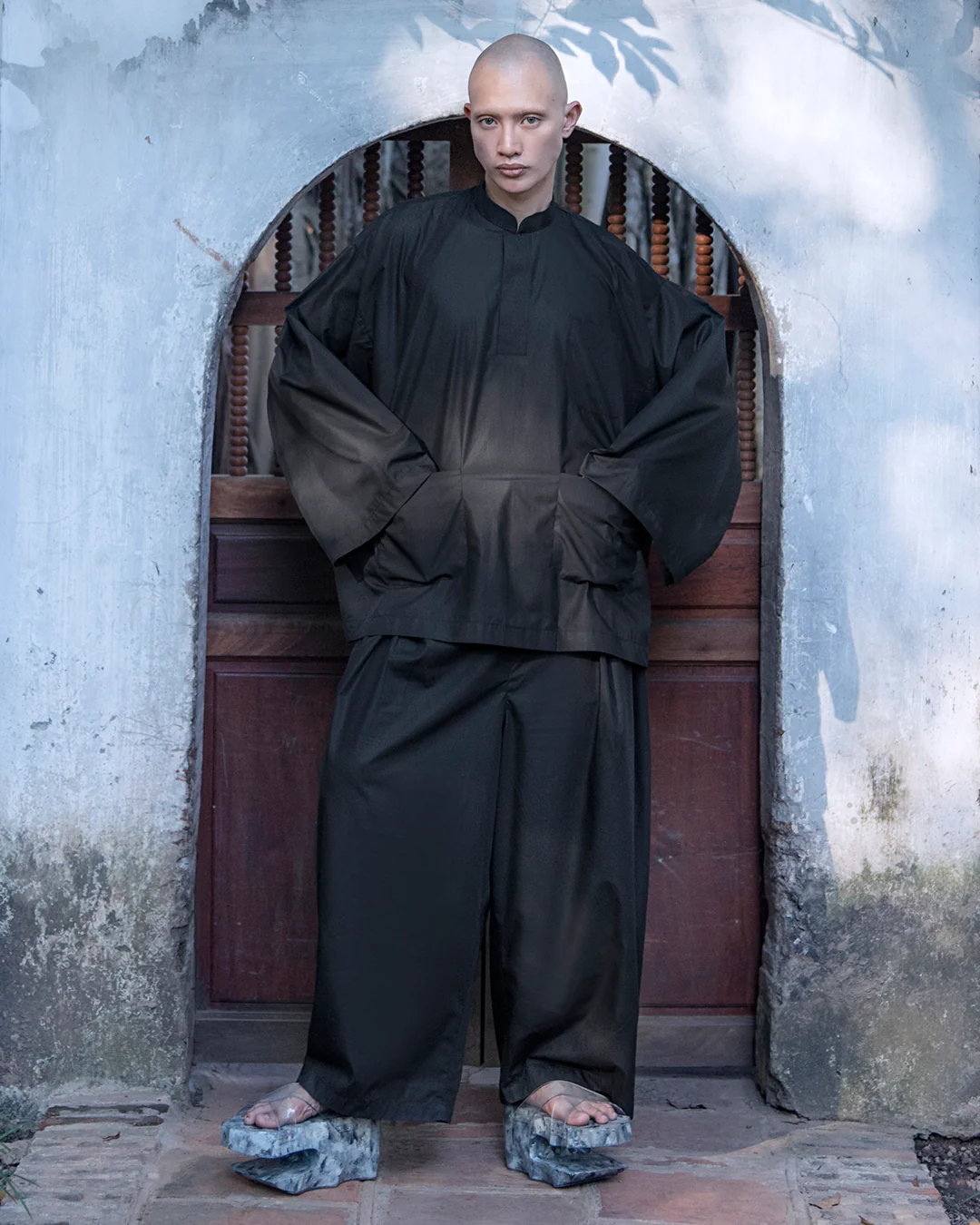
Rather than treating traditional dress as something fixed in time, Behati transforms it into contemporary fashion that feels equally relevant on the runway and the street.
SYOMIRIZWA GUPTA
At a time when muted palettes dominate fashionFashionThe art and industry of designing, producing, and styling clothing, footwear, accessories, and beauty trends. It reflects cultural influences, personal expression, and evolving styles across seasons and markets.Go to Fashion Glossary, Syomirizwa Gupta continues to make a case for color. Founded in 2002 by designer Syomir Izwa Sen Gupta, the namesake fashion house has become one of Malaysia’s defining labels through its sophisticated tailoring and fearless use of vibrant hues.
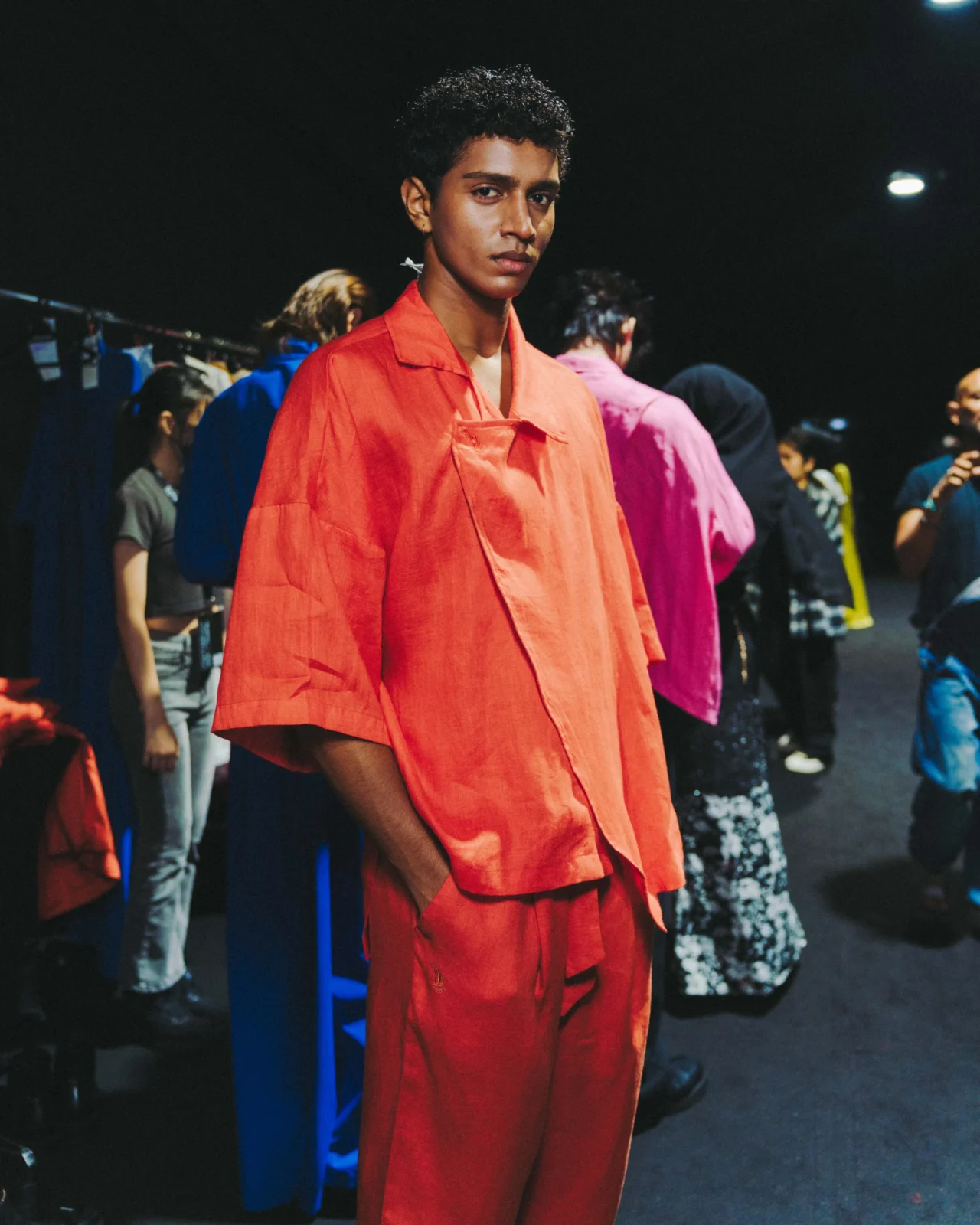
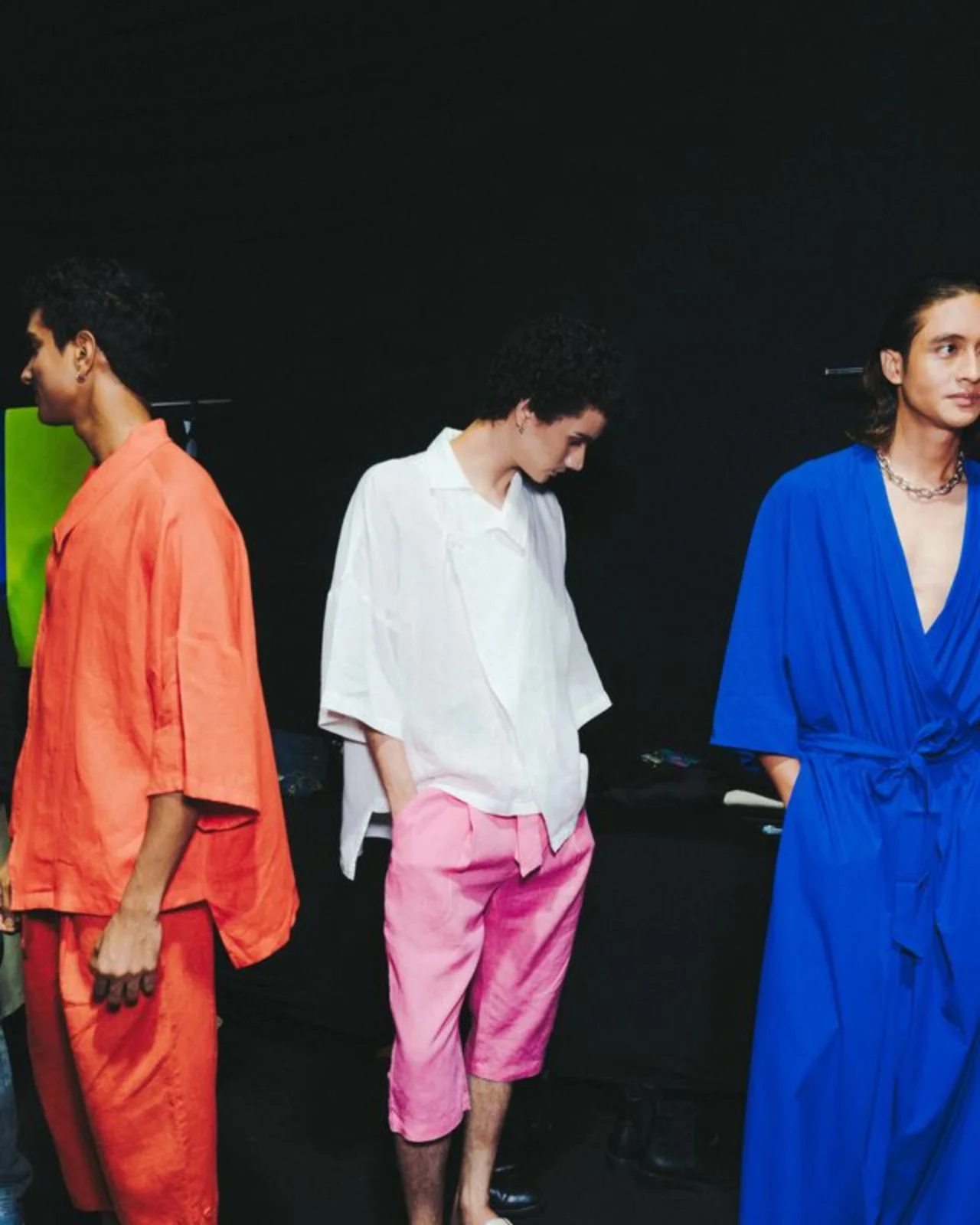
Rich jewel tones, bold color blocking, and tropical prints have become signatures worn by everyone. More than decoration, color also functions as the emotional language behind every collection.
WATER THE PLANT
Streetwear has never lacked attitude, but Water The Plant offers something increasingly rare: optimism. Launched in 2020 by Ronald Chew, the founder of Malaysian streetwear heavyweight Nerdunit, the label represents a sharp departure from darker aesthetics in favor of playful graphics and feel-good design.
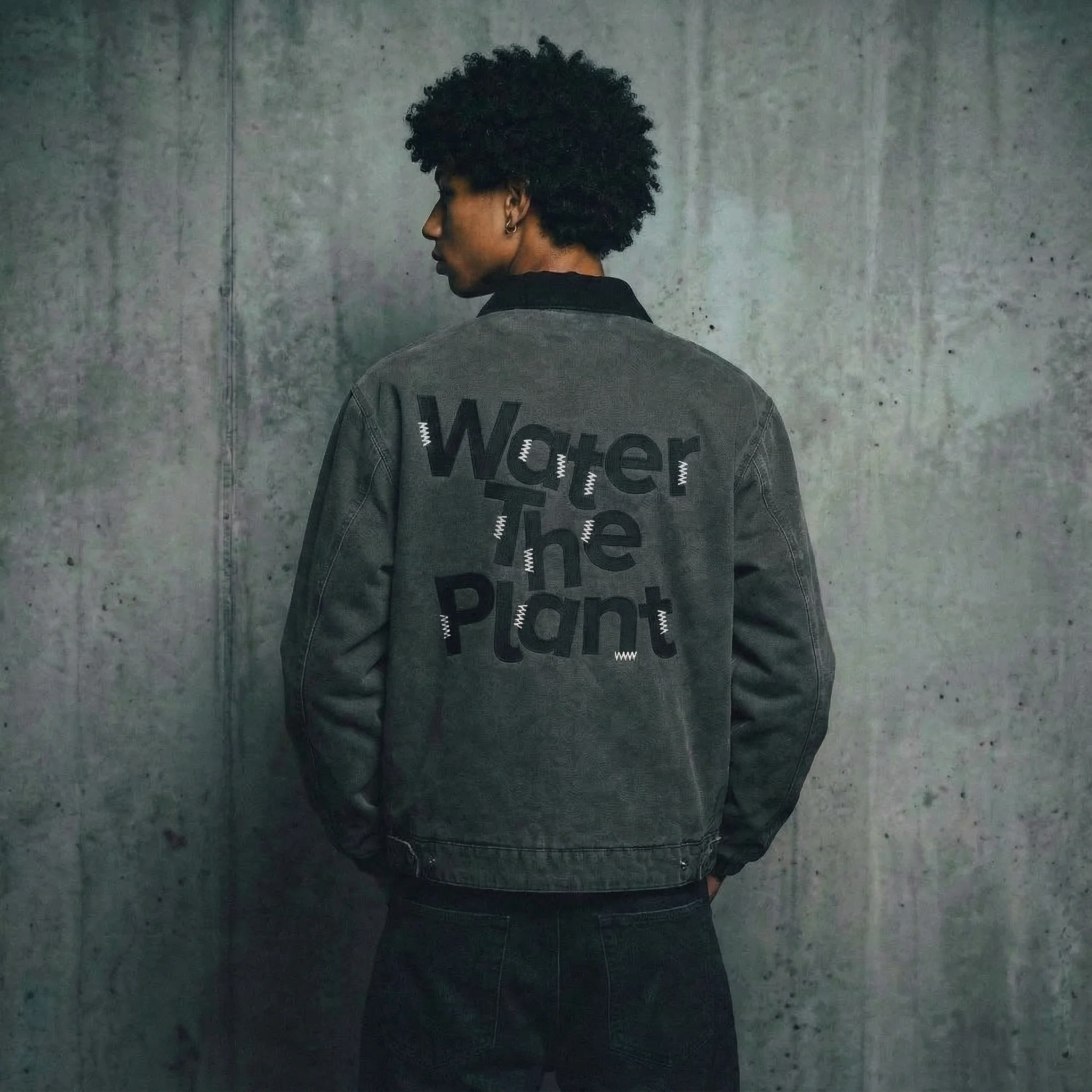
Oversized tees, varsity jackets, wide-leg utility pants, bold eyewear, and collectible accessories are designed for everyday comfort in tropical climates. It is streetwearStreetwearCasual fashion rooted in skate, hip-hop, and urban youth culture, characterized by graphic tees, hoodies, sneakers, and limited-edition releases. Streetwear has grown into a major global influence on luxury menswear,Go to Streetwear Glossary that feels lighter without losing its personality.
AKUDESIGN
Before Malaysian streetwearStreetwearCasual fashion rooted in skate, hip-hop, and urban youth culture, characterized by graphic tees, hoodies, sneakers, and limited-edition releases. Streetwear has grown into a major global influence on luxury menswear,Go to Streetwear Glossary entered the regional spotlight, Akudesign was already building its community from the ground up.
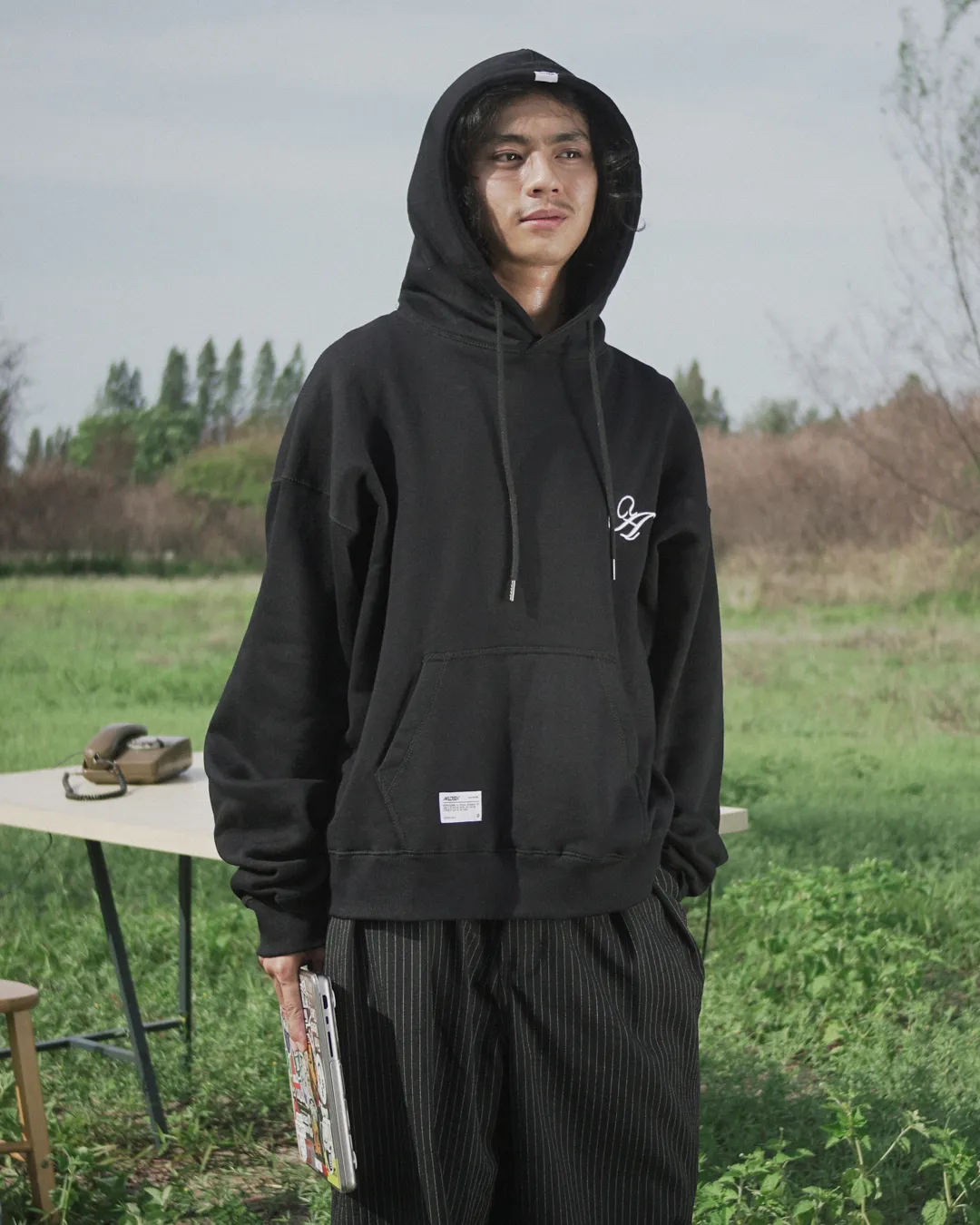
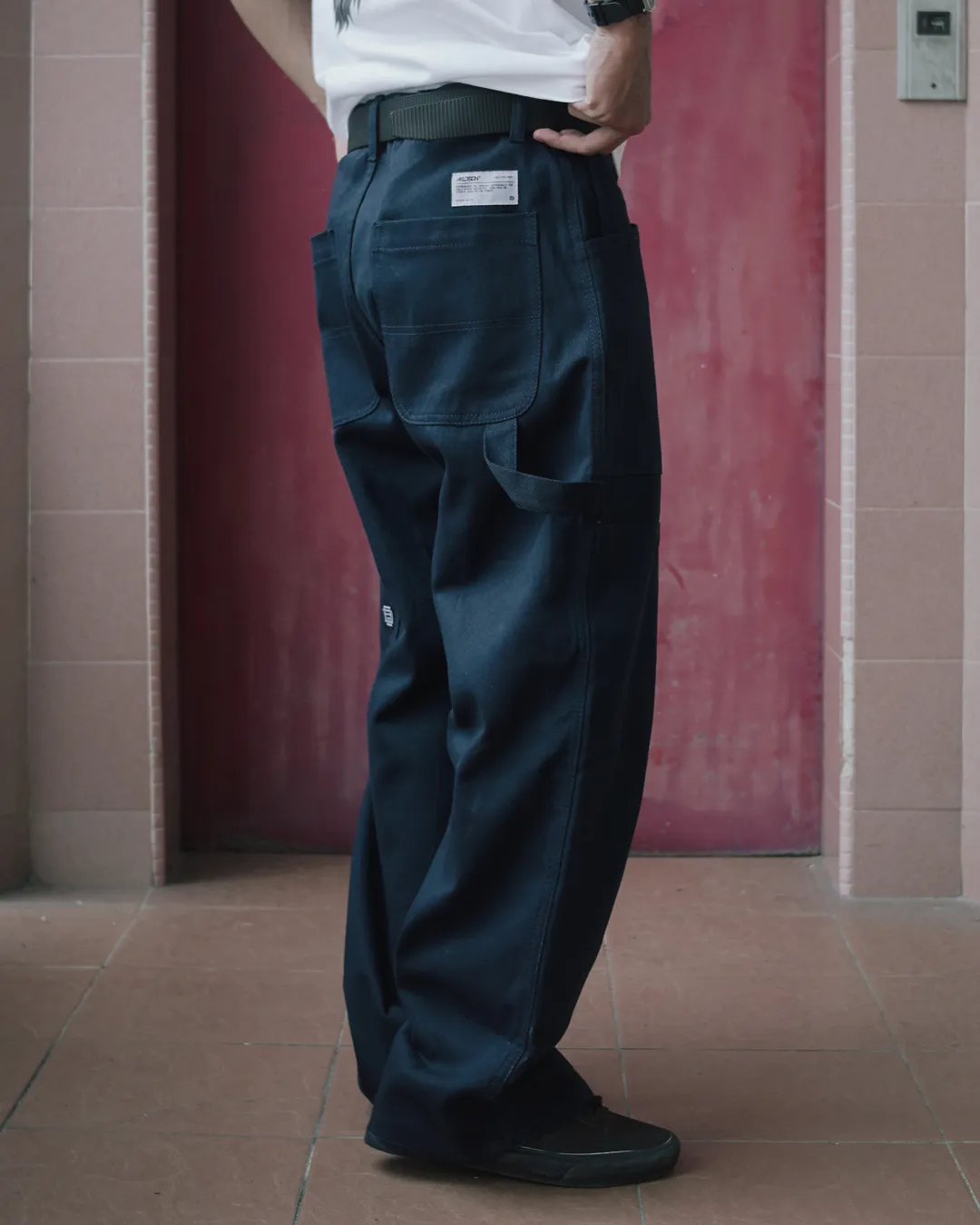
Founded in Malacca in 2009 by brothers Kasu and Afiq Afify Anuar, the brand has grown into one of the country’s defining names by staying closely connected to skateboarding, graffiti, hip-hop, mural art, and underground music culture.
CORAK
For Corak, everyday life has always been the best source of inspiration. Named after the Malay word for “pattern,” the Kuala Lumpur-based label embraces bold prints that celebrate local culture with a sense of humor and unmistakable personality.
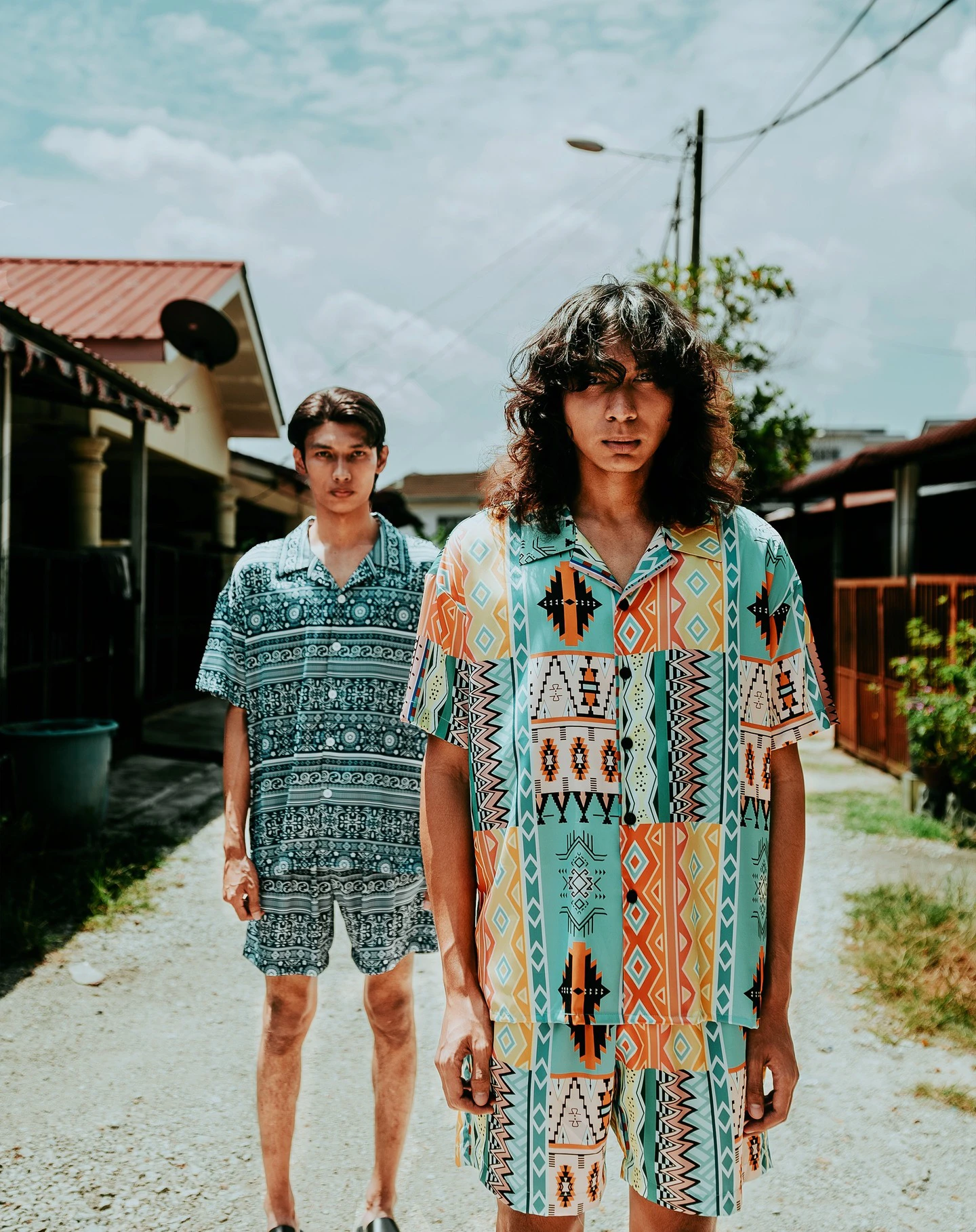
Shirts featuring dim sum, durians, traditional motifs, Chinese opera masks, hornbills, and Malaysian snacks sit alongside references to Japanese art and pop culture. Corak is streetwearStreetwearCasual fashion rooted in skate, hip-hop, and urban youth culture, characterized by graphic tees, hoodies, sneakers, and limited-edition releases. Streetwear has grown into a major global influence on luxury menswear,Go to Streetwear Glossary that feels local while remaining instantly recognizable anywhere.
NEONATE COMPANY
Founded in 2014 by television host, actor, and designer Karl Shafek Ibrahim alongside Syahir Hamdan, Neonate Company has built its identity on evolution.
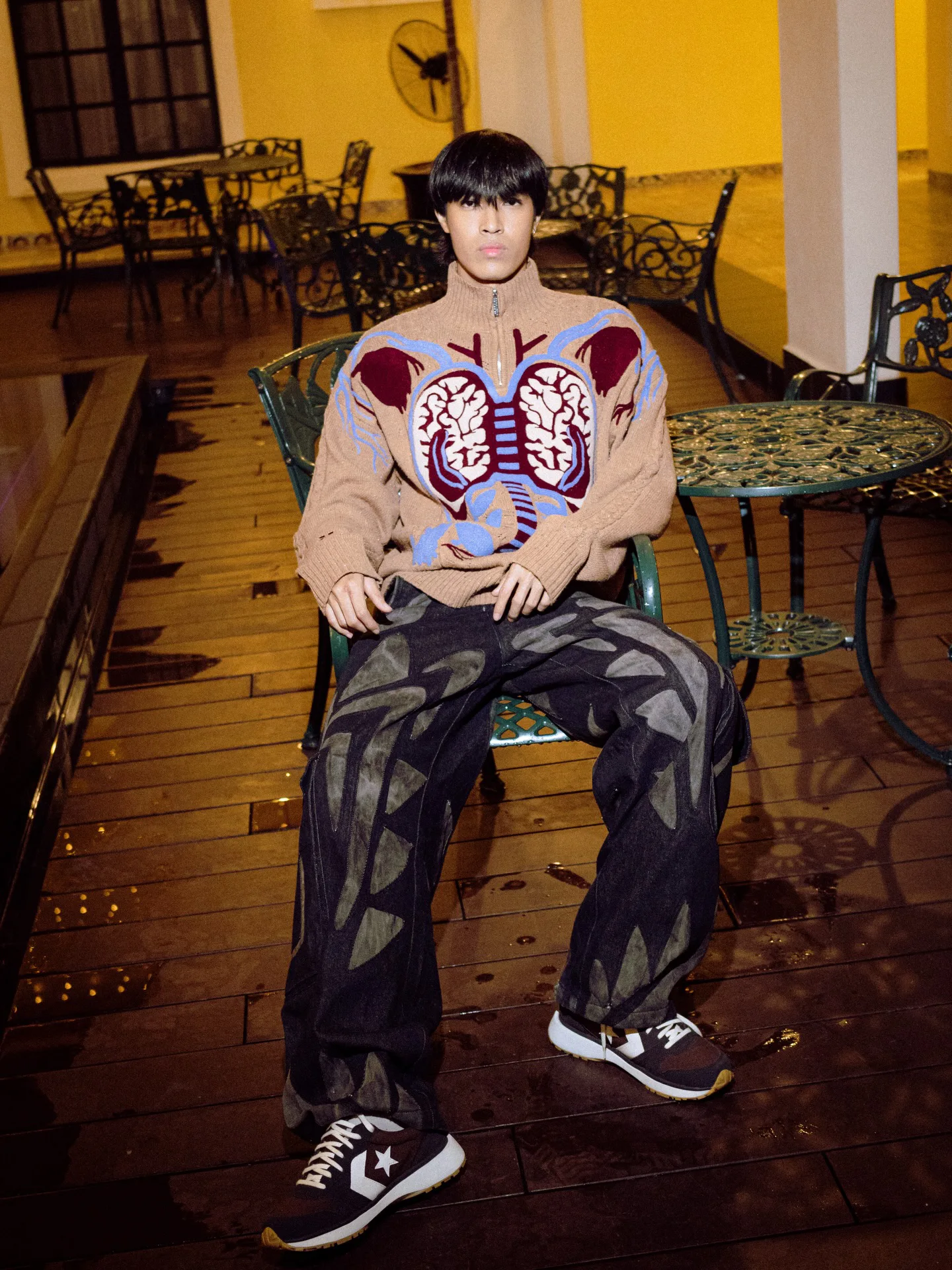
While oversized hoodies, cargo pants, graphic tees, and coach jackets remain staples, the brand regularly experiments with conceptual storytelling inspired by shifting cultural conversations. Instead of chasing trends, Neonate adapts to them, ensuring every collection feels fresh without abandoning its streetwear roots.
TAGUWARUWA
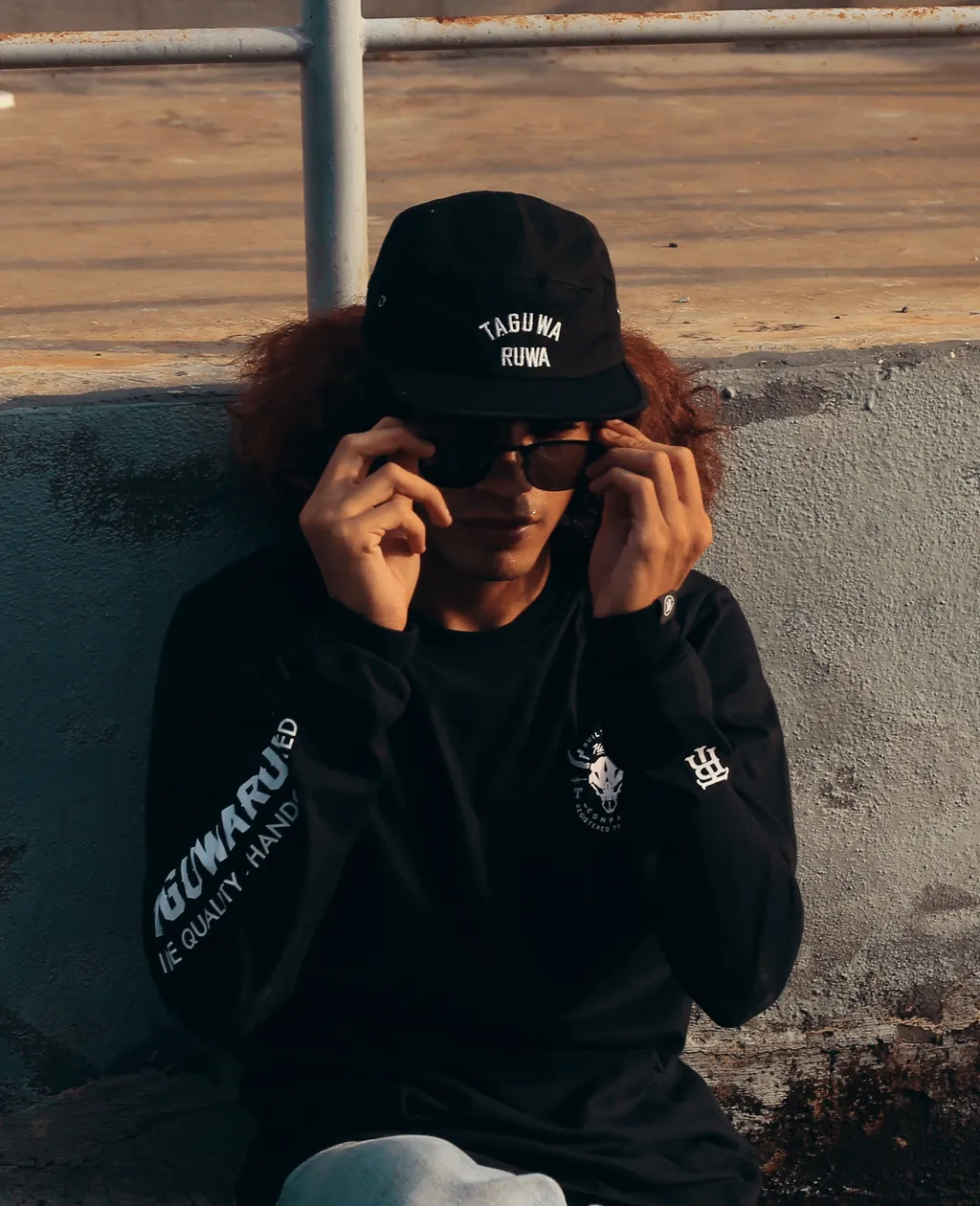
Creative freedom sits at the center of everything Taguwaruwa produces. Operating under the manifesto “Fly Away With Your Style,” the independent label has earned a devoted following through collections designed to be worn by anyone, regardless of age or gender.
MSYD
Designer Masyadi Mansoor has built one of Malaysia’s most distinctive visual worlds through MSYD. The label merges avant-garde tailoring and dystopian aesthetics with narratives drawn from Malaysian culture and folklore.
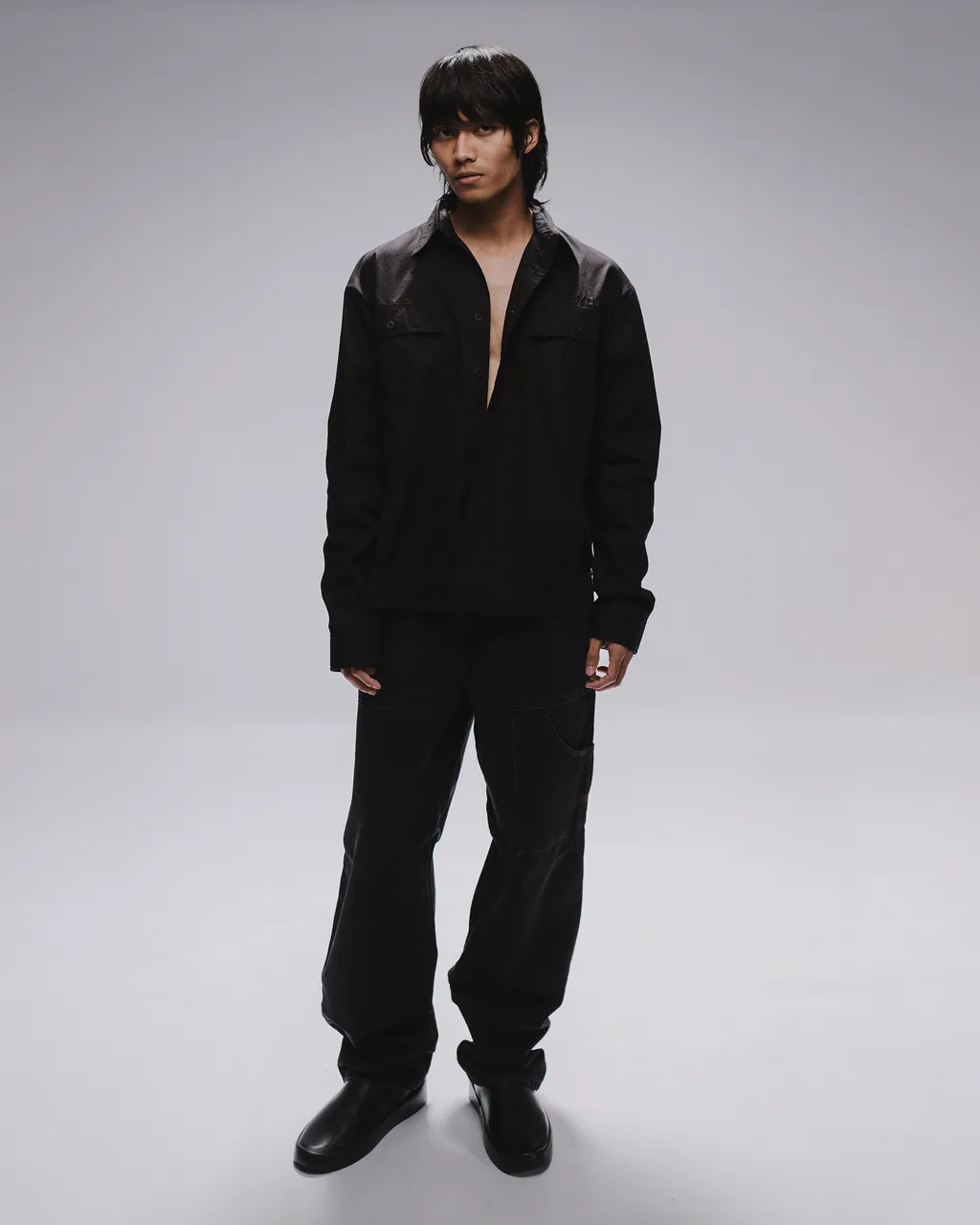
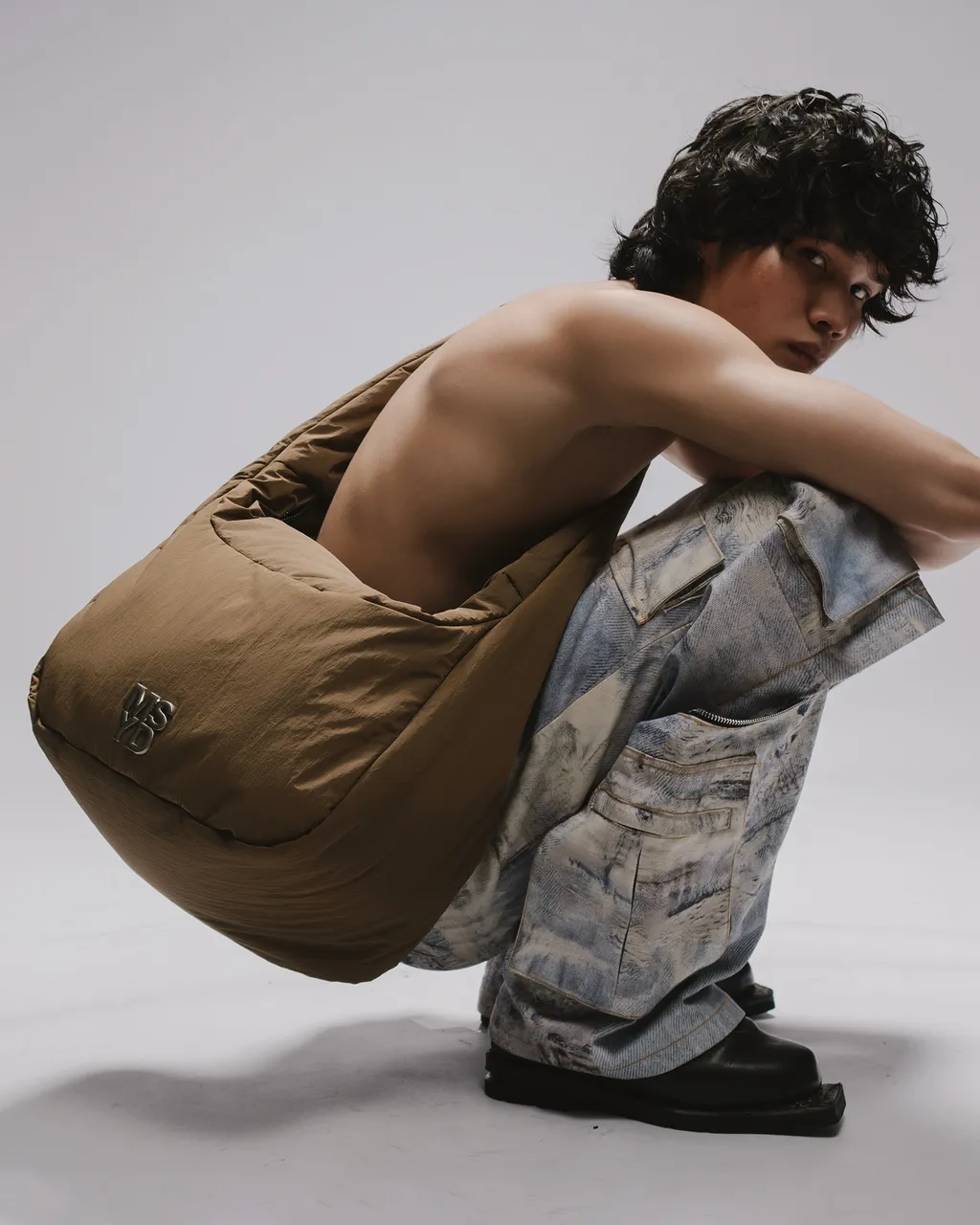
Structured puffers, patchwork garments, and utilitarian silhouettes often reference legendary figures such as Hang Tuah and Puteri Gunung Ledang, imagining how these iconic characters might exist in a futuristic landscape.
ATELIER FITTON
Classic tailoring remains the foundation of Atelier Fitton, but its perspective is unmistakably contemporary. Founded in 2013 by British-born designer Joshua Fitton, who grew up in a traditional Malay kampung in Malacca, the label combines English tailoring traditions with modern Malaysian sensibilities.
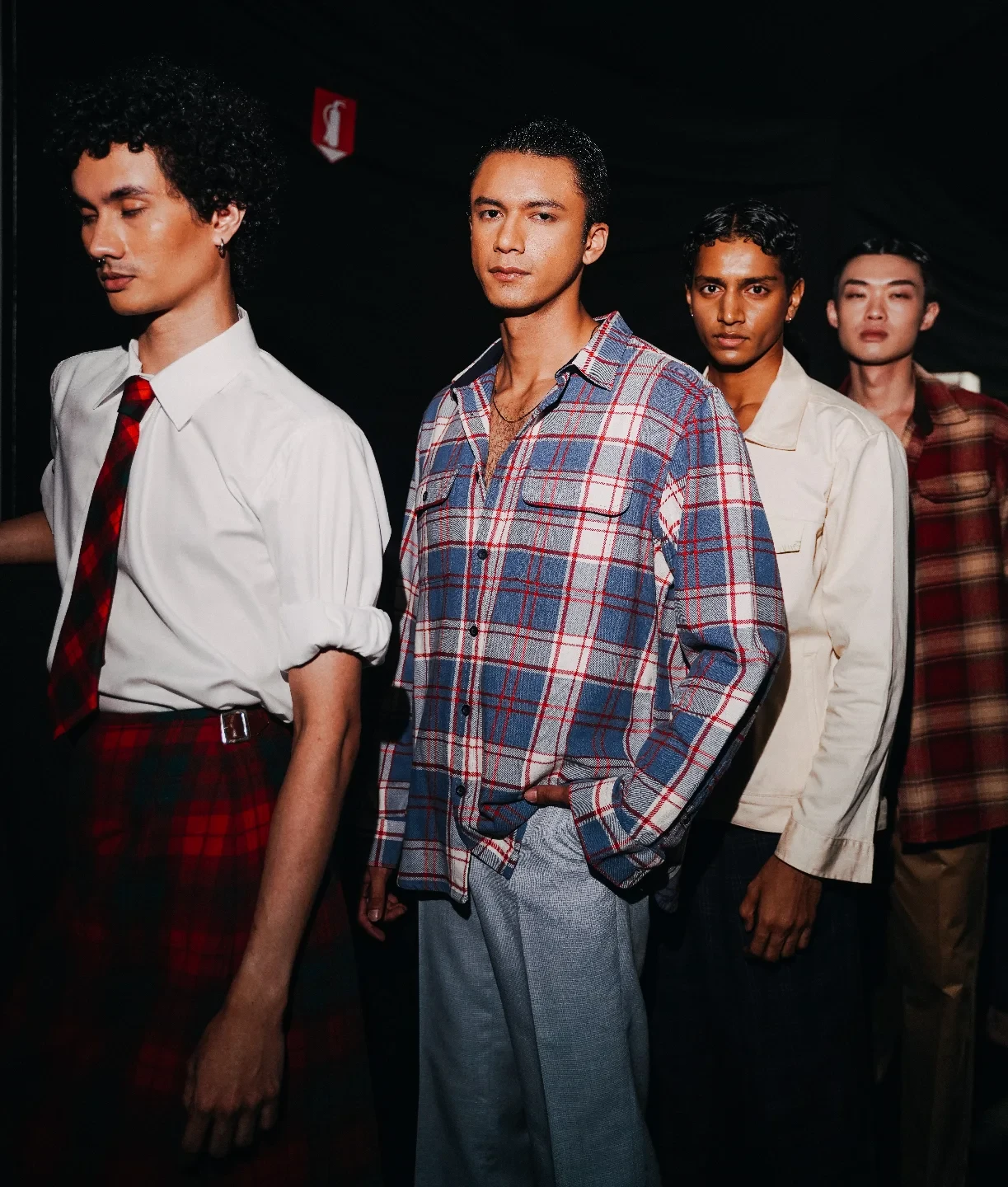
Joshua’s architectural background is evident in the clean lines and meticulous craftsmanship that define each garment, offering timeless menswear with a regional point of view.
TACT AIRPORT
As fashion increasingly embraces utility, TACT AIRPORT has built an entire identity around purposeful design. The rising Malaysian label strips away unnecessary embellishment in favor of garments shaped by workwear, military influences, and technical construction.
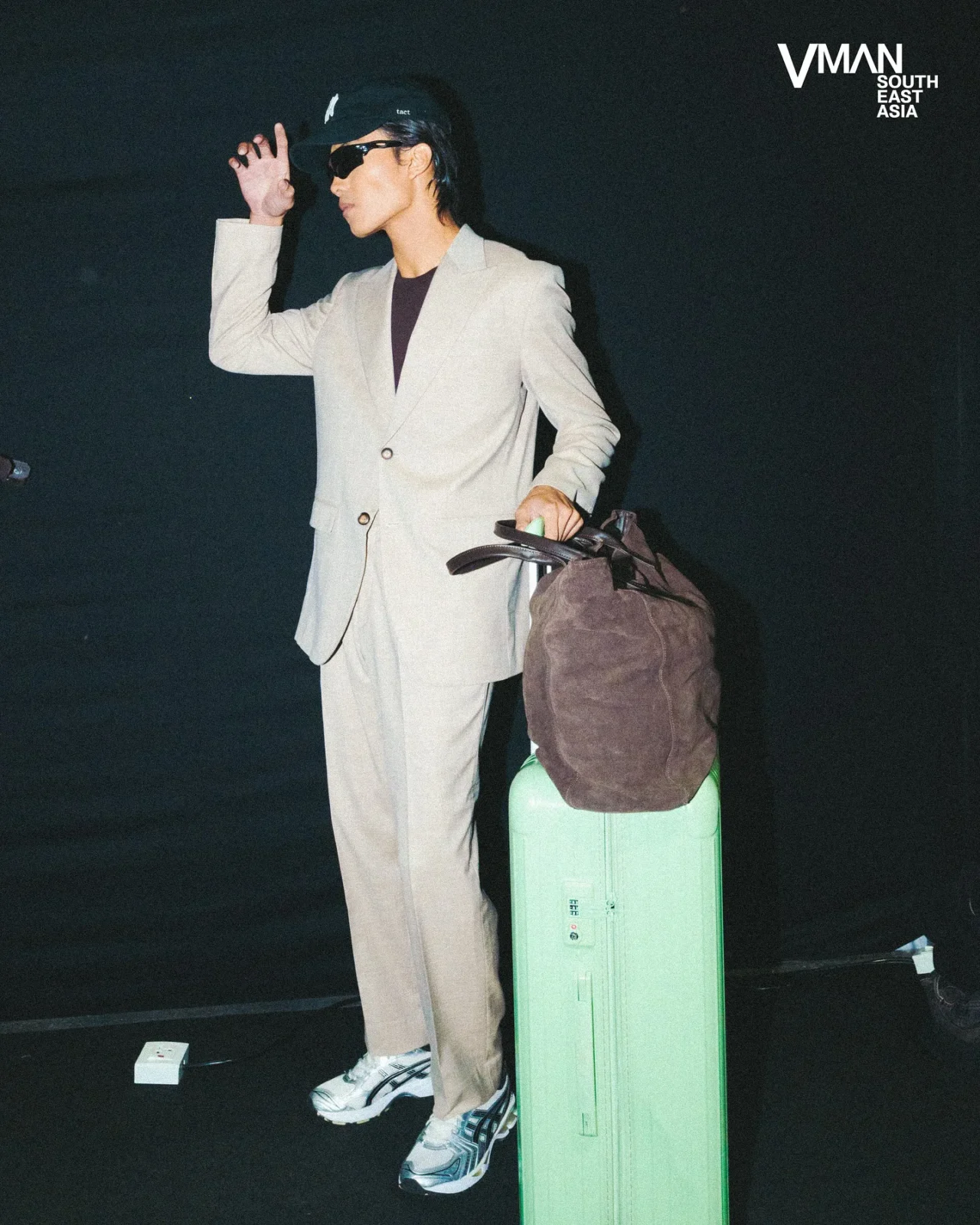
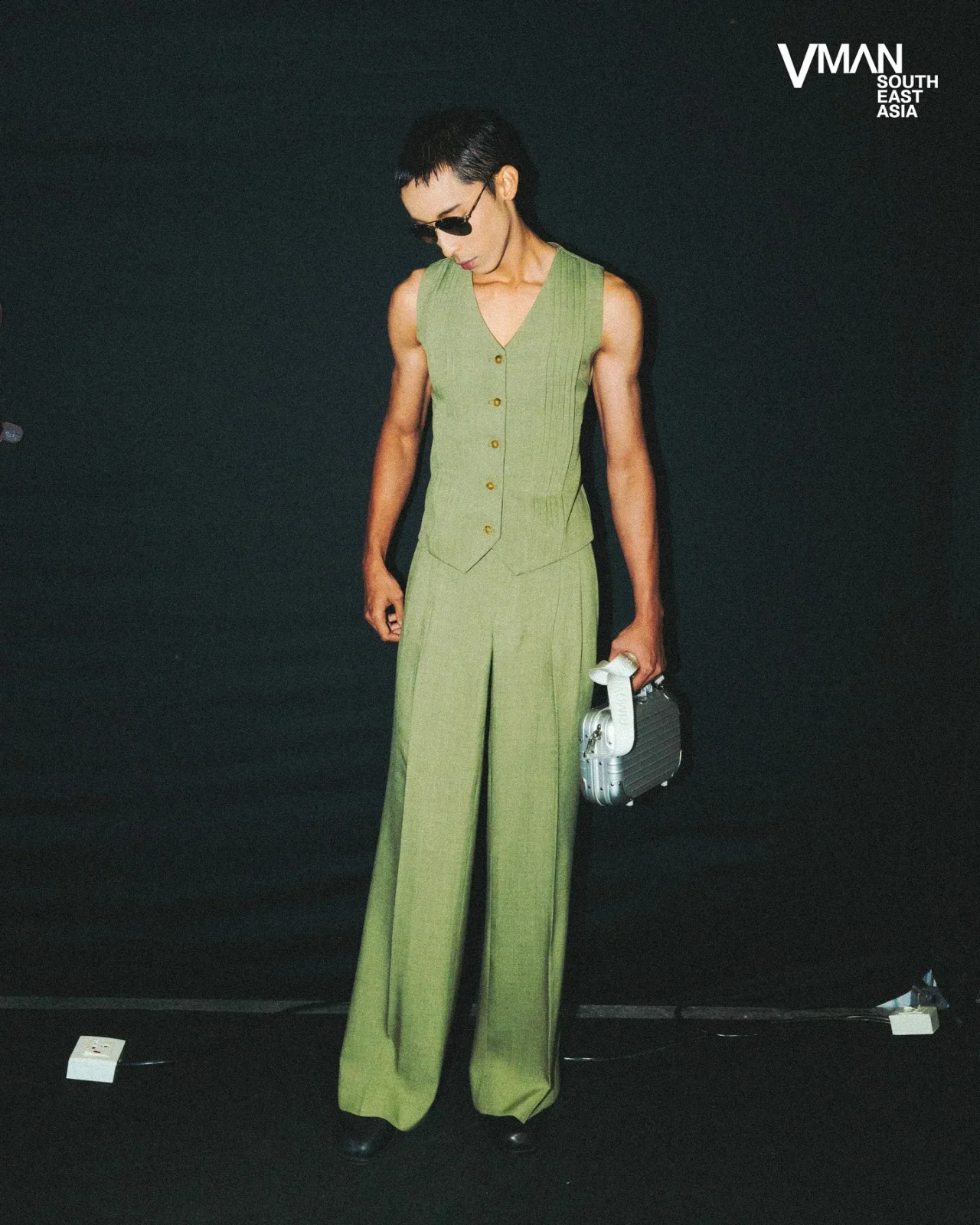
Strategic pocket placements, modular details, durable fabrics, and clean silhouettes define collections designed for everyday wear.
As Southeast Asia continues to emerge as one of fashion’s most exciting regions, Malaysia’s designers are making one thing increasingly clear: the country’s next generation of labels is already setting the pace.
Frequently Asked Questions
Some of the most notable Malaysian fashion brands today include Kit Woo, Ghostboy, Behati, Syomirizwa Gupta, Water The Plant, Akudesign, Corak, Neonate, Taguwaruwa, MSYD, Atelier Fitton, and TACT AIRPORT.
Malaysian fashion is earning international recognition for merging local heritage with contemporary design. Many independent labels are creating original collections that combine cultural storytelling and modern streetwear influences.
Ghostboy, Water The Plant, Akudesign, Corak, Neonate, Taguwaruwa, and MSYD are among Malaysia’s leading streetwear labels.
Yes. Syomirizwa Gupta is known for couture-inspired designs, while Atelier Fitton specializes in premium menswear and bespoke tailoring with a contemporary take on classic British craftsmanship.
Many Malaysian designers reinterpret traditional clothing and folklore culture through a modern lens. Brands like Behati, Kit Woo, MSYD, and Corak draw inspiration from the Baju Melayu, Silat, Malaysian legends, local food, and cultural motifs to create collections with a strong sense of identity.
Banner photo courtesy Bibo Aswan
Recommended Video