
The Anatomy of a Misfit: Why the Gossip Girl Remake Failed
Dropping the mystery, forcing the morality, and forgetting the escapism doomed HBO Max’s highly anticipated teen drama revival





- Unmasking the blogger in the pilot episode killed the central mystery that sustained the original series.
- Trading the deliciously wicked elite for socially conscious influencers created an unresolvable conflict in tone.
- By anchoring characters in real-world guilt, the show stripped away the aspirational fantasy fans craved.
The death of high-stakes voyeurism
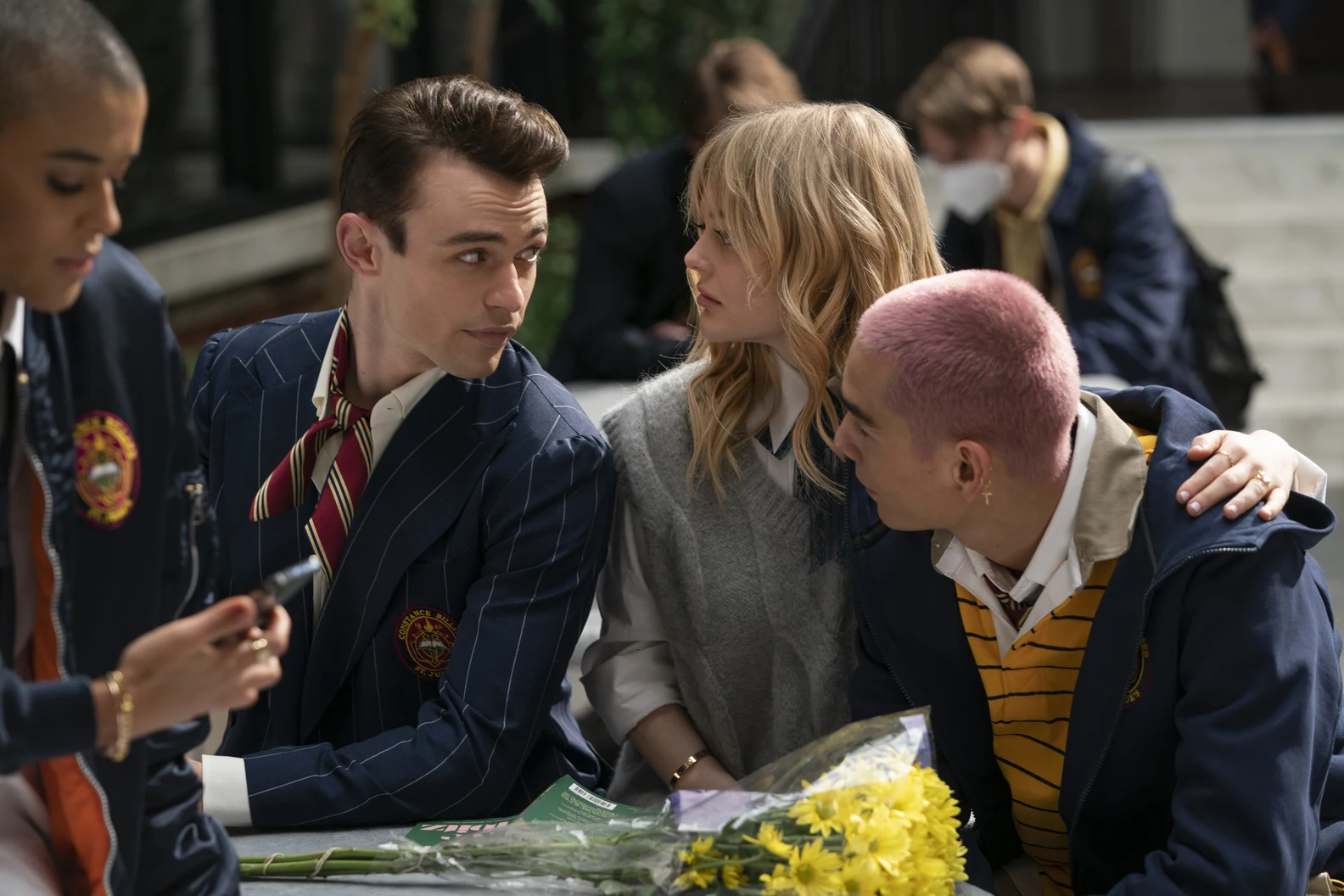
Revisiting a cultural phenomenon is a dangerous gamble. When HBO Max brought back Constance Billard, expectations ran incredibly high among legacy fans. Instead of capturing that addictive energy, the revival arrived as a sterile, lecturing experiment that misunderstood its own roots.
The pilot’s immediate reveal of Gossip Girl’s identity was a fatal mistake. By removing the mystery of an anonymous watcher that fueled the original series, the reboot destroyed the narrative tension required to keep audiences engaged.
Repurposing Gossip Girl as underpaid teachers attempting to discipline students neutralized the tension. A formidable mastermind was replaced by a petty administrative committee managing an Instagram account, downgrading an elite thriller into a mundane corporate meeting.
The problem with wealth and modern guilt
The remake’s identity crisis stemmed from forcing ultra-wealthy leads to be hyper-aware of their privilege. Unlike the original’s compellingly amoral characters, these protagonists lacked the drive provided by a complete absence of a moral compass.
Compelling characters to apologize for their wealth sapped the narrative tension. Creating a drama about elite transgression is impossible when characters fear sinning; this constant moralizing left them passive.
Fans watch these dramas for escapism, not moral lectures. Replacing wicked villains with apologetic influencers killed the fun, as the show prioritized charity events over the scandalous behavior viewers actually crave.
A fatal miscalculation of teen culture
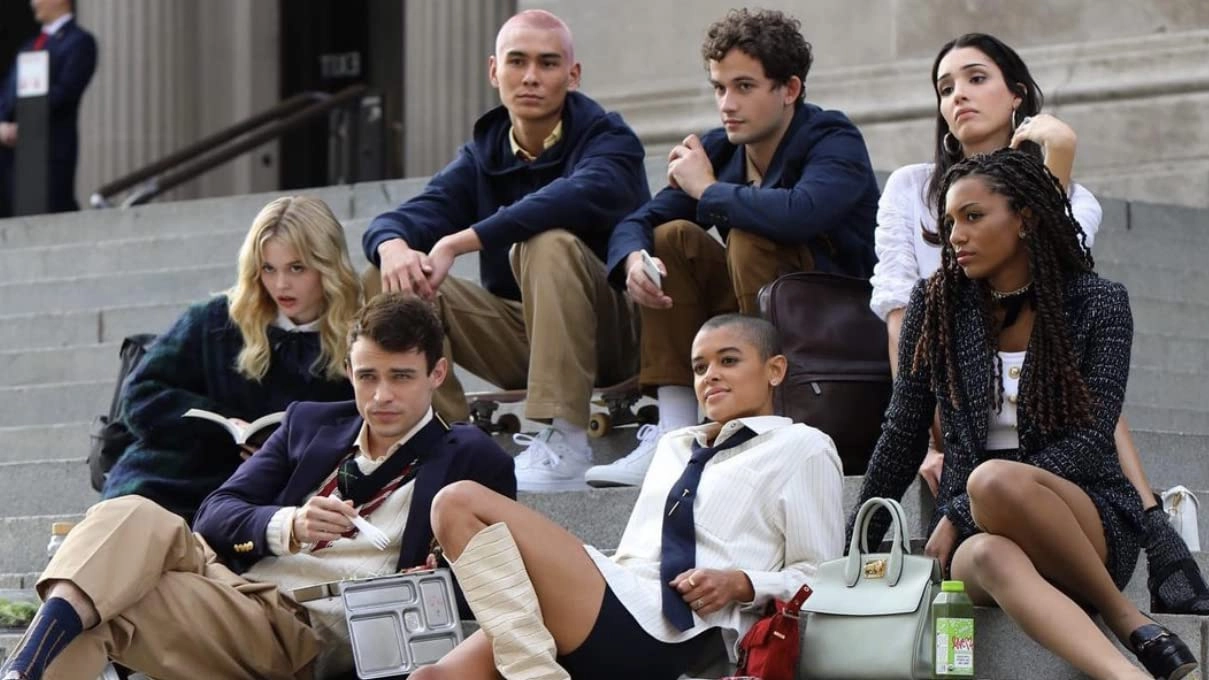
The production prioritized temporary internet trends over timeless human conflict. Dialogue full of buzzwords felt unnatural for teenagers and quickly dated the show, losing the original’s trademark sharp banter.
The revival failed to foster genuine chemistry within its oversized cast. Relationships appeared scripted to meet specific criteria rather than growing from natural friction or loyalty, leaving viewers without the magnetic, toxic tension that characterized the original stars.
The reliance on the Constance Billard hierarchy underscored the revival’s lack of glamour and stakes, alienating legacy fans without attracting new ones. It serves as a cautionary tale for reboots that prioritize moral lessons over engaging plots.
Frequently Asked Questions
The HBO Max revival was officially canceled in January 2023 after airing just two seasons due to declining viewership and mixed reviews.
The premier episode revealed that a group of Constance Billard faculty members, led by Tavi Gevinson’s character, ran the account.
Kristen Bell returned as the iconic voice of Gossip Girl, and a few minor supporting characters made brief cameo appearances.
The series remains available to watch on Max, alongside all six seasons of the original beloved 2007 television production.
Showrunner Joshua Safran stated they wanted to explore the mechanics of how social media surveillance affects modern teenagers from the controller’s perspective.
Recommended Video