Dressed to Kill: The 5 Most Stylish Male Villains in Cinema History
Impeccable tailoring and high fashion transform cinema’s worst antagonists into absolute style icons




- Elite cinematic antagonists frequently use hyper-curated vanity and aesthetic perfection to outshine the practical uniforms of traditional heroes.
- Costume designers strategically employ high fashion as a narrative tool to visually broadcast a character’s absolute control, wealth, and superiority.
- Impeccable tailoring acts as a form of psychological armor, making a villain’s underlying cruelty feel significantly more calculated and chilling.
- By completely rejecting standard conformity and embracing sartorial excess, these characters transcend their dark scripts to become permanent fashion icons.
- The most memorable big-screen villains understand that visual presentation is a vital component of commanding absolute theatrical power.
The art of villainous couture
Cinematic villains command the screen through aesthetic perfection. While heroes wear dirt-stained uniforms, antagonists enjoy the luxury of vanityVanityA magazine section dedicated to grooming, beauty, and personal care, covering skincare, fragrance, haircuts, and wellness for modern men. At VMAN, vanity reflects the shift toward men openly caring forGo to Vanity Glossary. Costume designers utilize high fashion to broadcast control, wealth, and superiority.
This visual styling ensures terrifying actions are delivered with elegance. Tailored clothing functions as psychological armor, masking malice with beauty. When a character looks flawless, his capacity for cruelty becomes significantly more chilling.
Ultimately, presentation is power. By embracing sartorial excess, these characters transcend their narratives to become permanent fixtures on the style map. These five specific male villains stand out for possessing a killer instinct for fashion.
1. Patrick Bateman
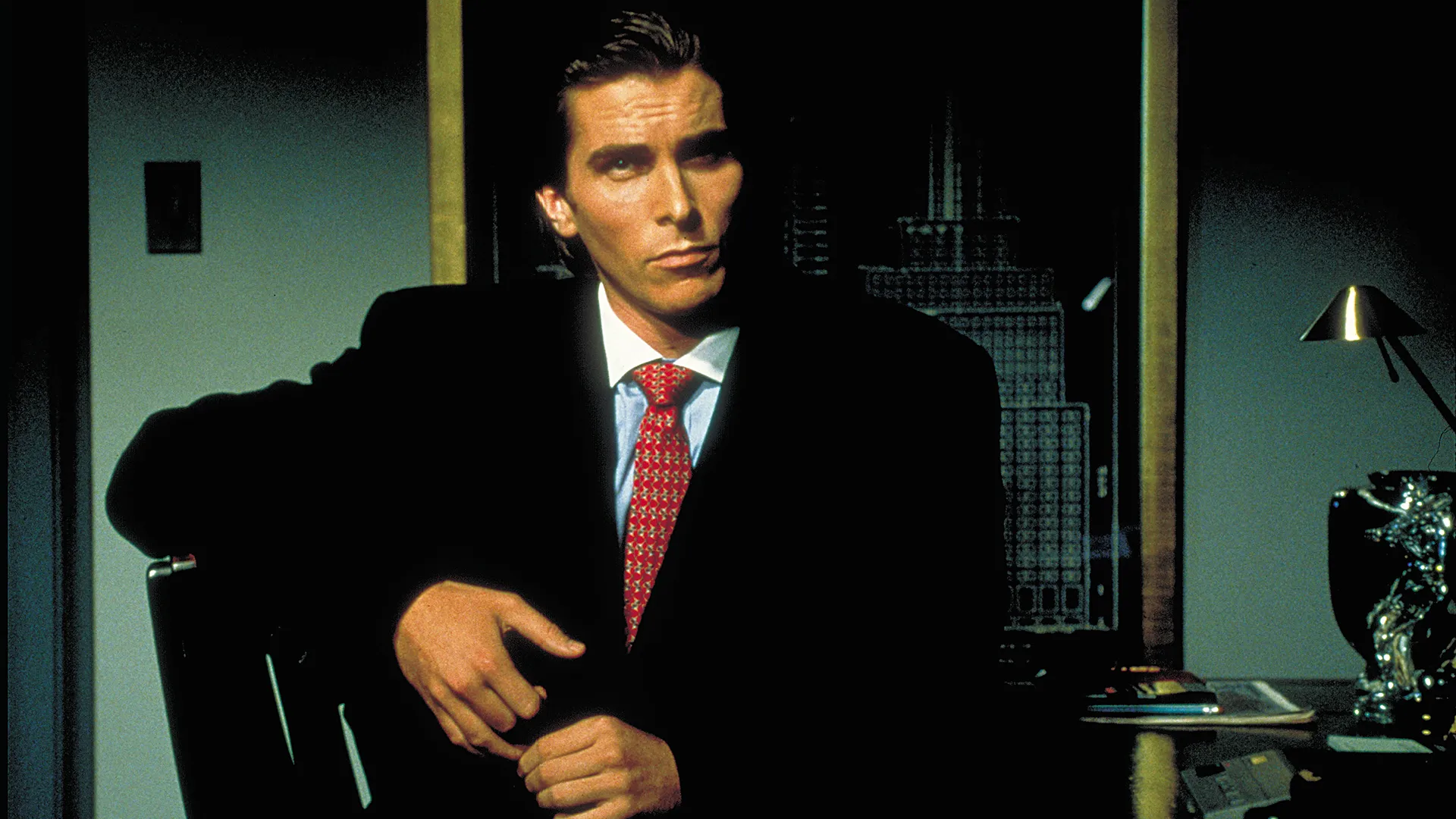
Patrick Bateman hides his violent psyche behind pristine Wall Street power dressing. His wardrobe features immaculate pinstripePinstripeA pattern of very thin, closely spaced vertical lines running evenly through a fabric, strongly associated with business suits, bankers, and finance. Pinstripes lend height, sharpness, and authority to tailoring,Go to Pinstripe Glossary Valentino suits, bold ties, and signature glasses. Every outfit mirrors a desperate need for control and social superiority.
2. Hans Gruber
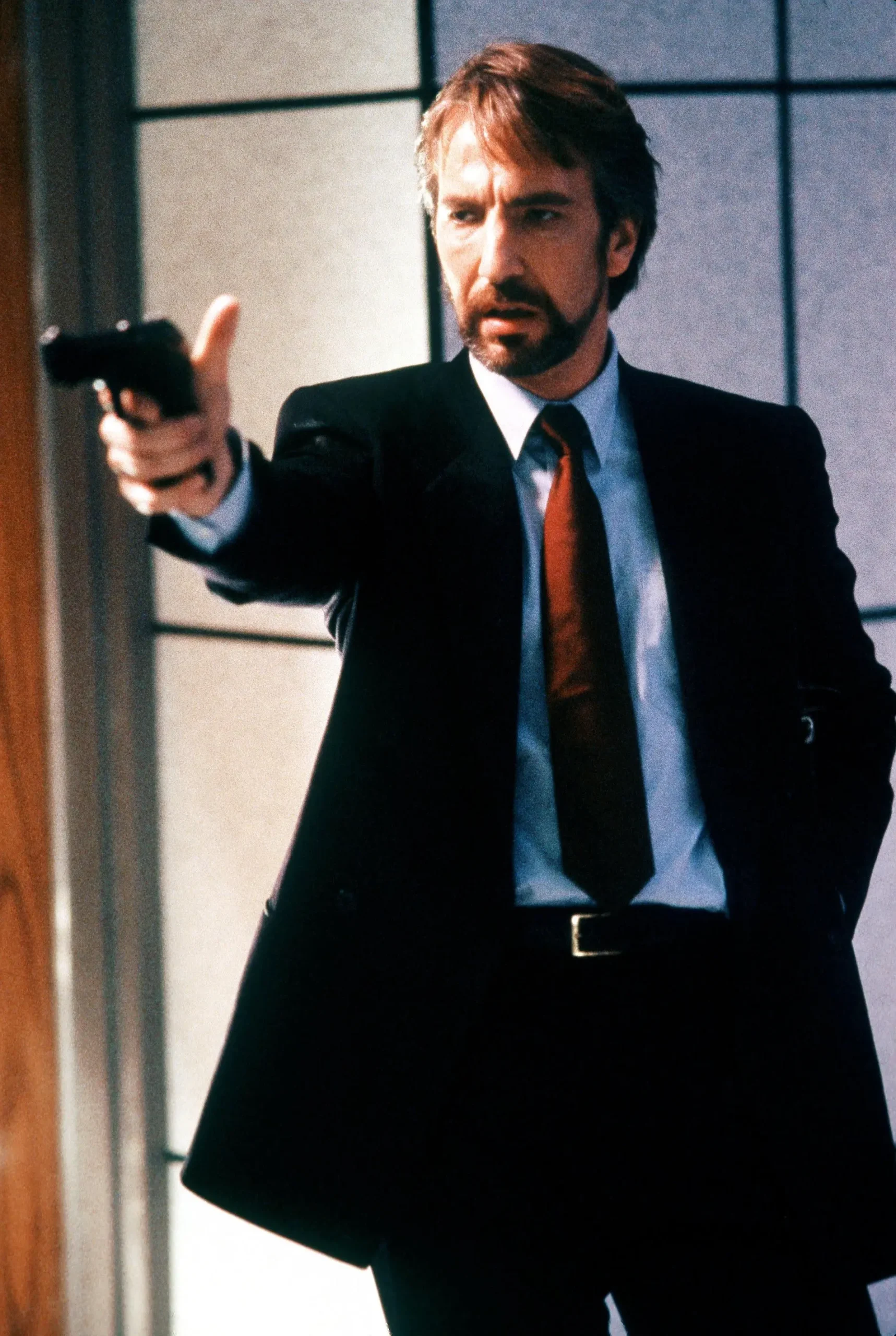
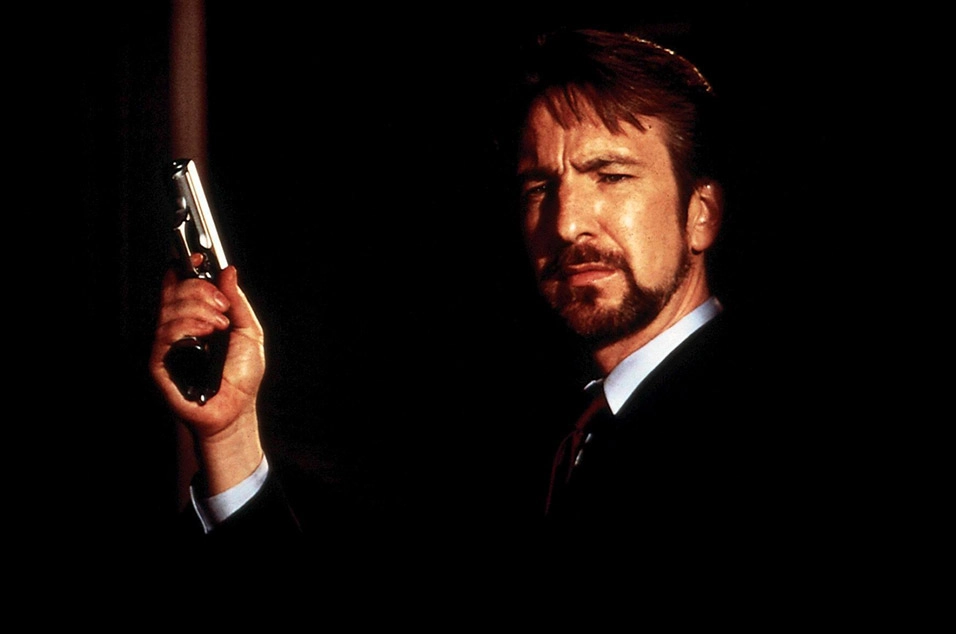
Hans Gruber redefined action movie antagonists by ditching mercenary gear for high-end European tailoring. Stepping onto the screen in flawlessly cut suits, his wardrobe reflects his meticulous intellect. Gruber handles heists like corporate mergers, using sophisticated aesthetics to command authority.
3. The Joker
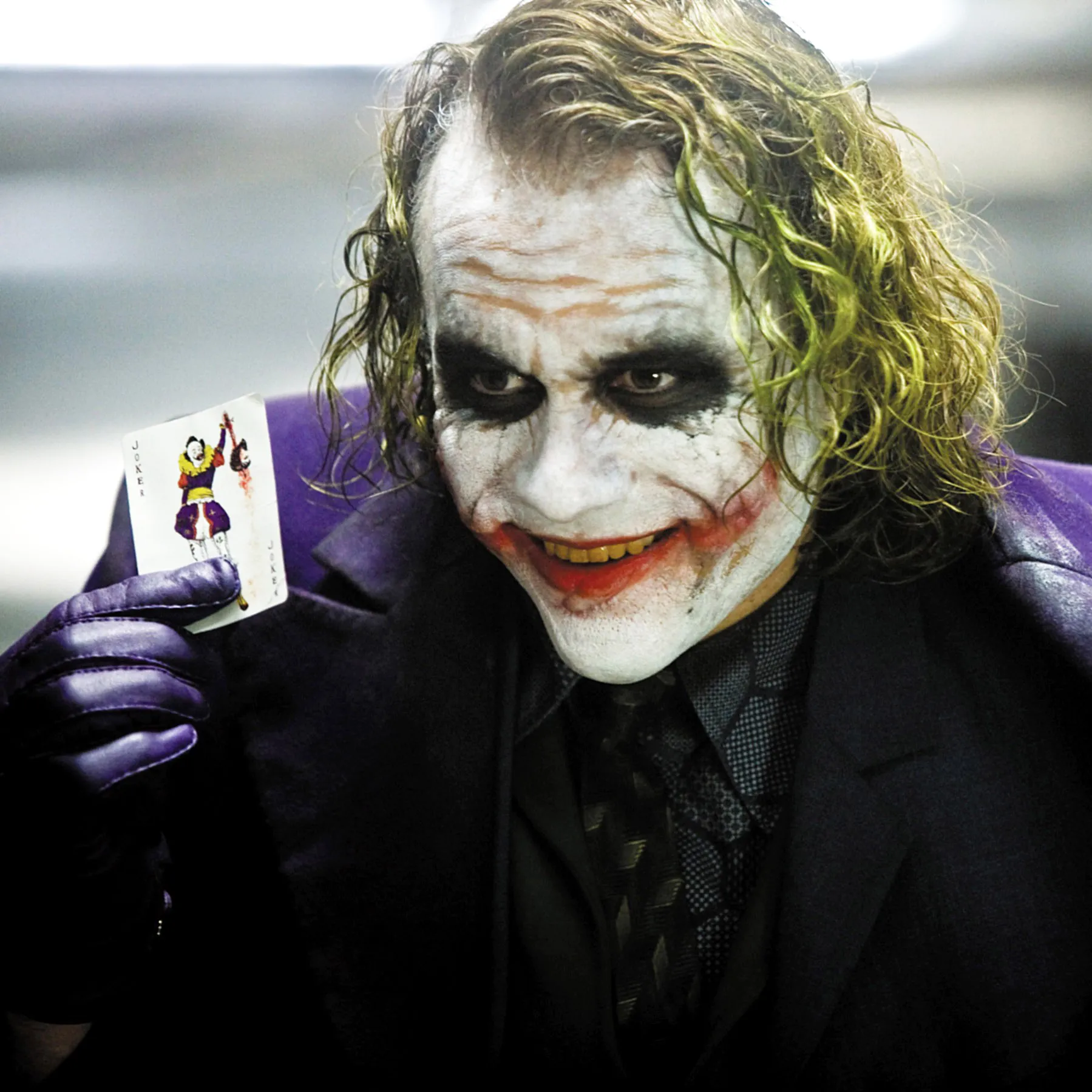
The Joker revolutionized theatrical villainy through a radical blend of bold colors and patterns. His multi-layered attire—featuring striking purple overcoats and vivid green vests—channels his chaotic energy into impeccable style. By treating the world as his stage, he demonstrates that madness can be flawlessly tailored.
4. Count Dracula
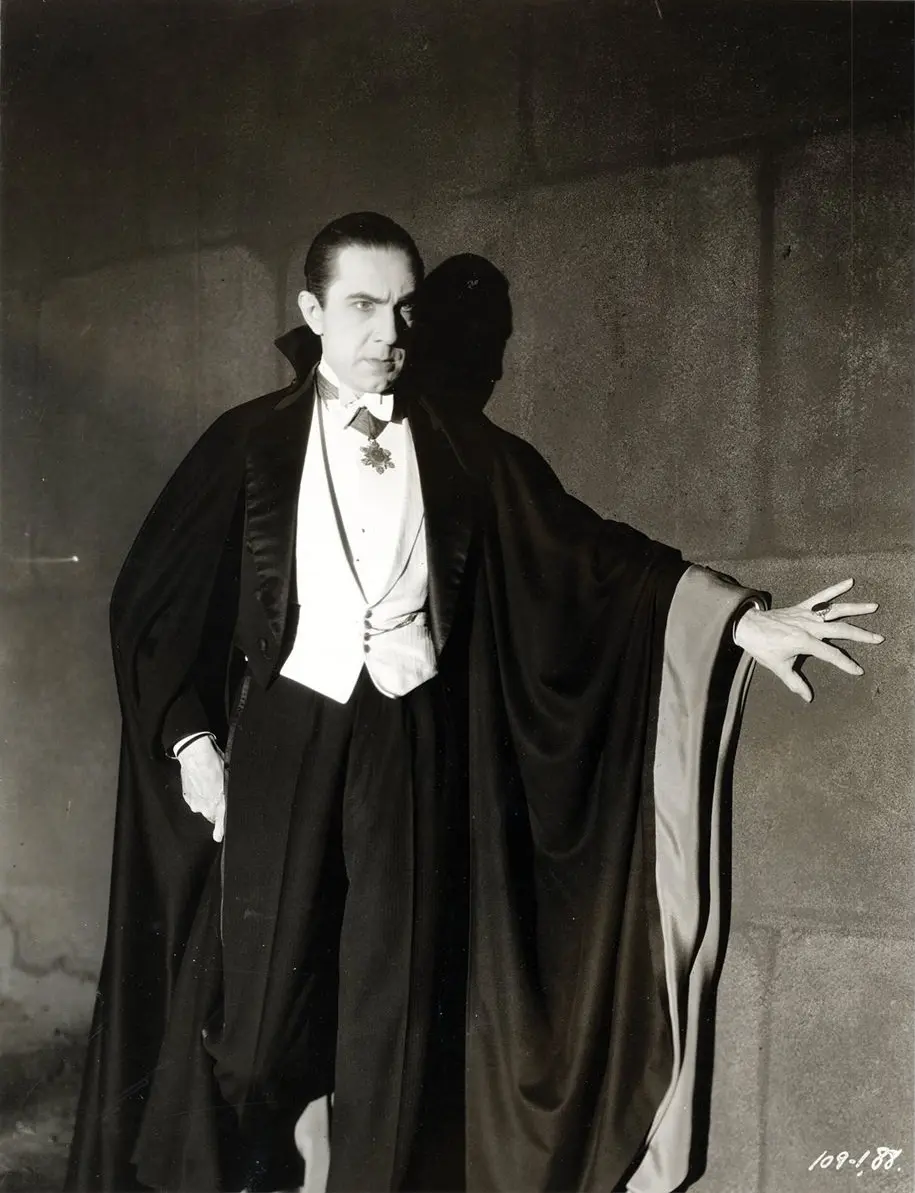
The bloodsucker defined vampire lore with his refined white-tie formalwear and towering silk cloak. This aristocratic aesthetic, punctuated by an upturned collar, transforms classic fashionFashionThe art and industry of designing, producing, and styling clothing, footwear, accessories, and beauty trends. It reflects cultural influences, personal expression, and evolving styles across seasons and markets.Go to Fashion Glossary into a haunting statement of mystery.
5. Erik Killmonger
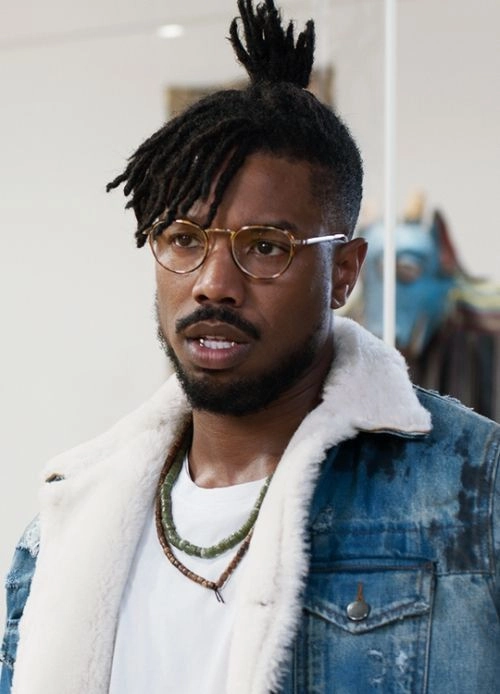
Erik Killmonger projects an imposing presence through a wardrobe that shifts from street style and tactical gear to gold-accented regal robes. His attire, featuring military vests over sleek layers, reinforces his revolutionary drive.
Frequently Asked Questions
Bateman’s wardrobe is the definitive showcase of peak 1980s corporate yuppie style, emphasizing aggressive tailoring, luxury brands, and hyper-groomed presentation.
Gruber established the trope of the sophisticated, highly educated intellectual antagonist dressed in luxury corporate suits, moving away from rugged fatigues.
Bela Lugosi’s choice to pair formal white-tie attire with an elevated evening cloak swapped traditional monster tropes for a seductive, aristocratic allure.
His wardrobe combines rugged American military gear with opulent, patterned Wakandan robes, visually representing his dual identity and his mission to seize the throne.
His style relies on high-contrast, clashing primary and secondary colors like deep purples and acid greens. This creates instant visual discomfort, perfectly mirroring his erratic, untamed, and deeply chaotic psychological state.
Recommended Video