The New Masters of Dread: How YouTubers Are Rewriting Horror movie History
Independent internet creators are outshining traditional Hollywood studios to define post-pandemic horror cinema




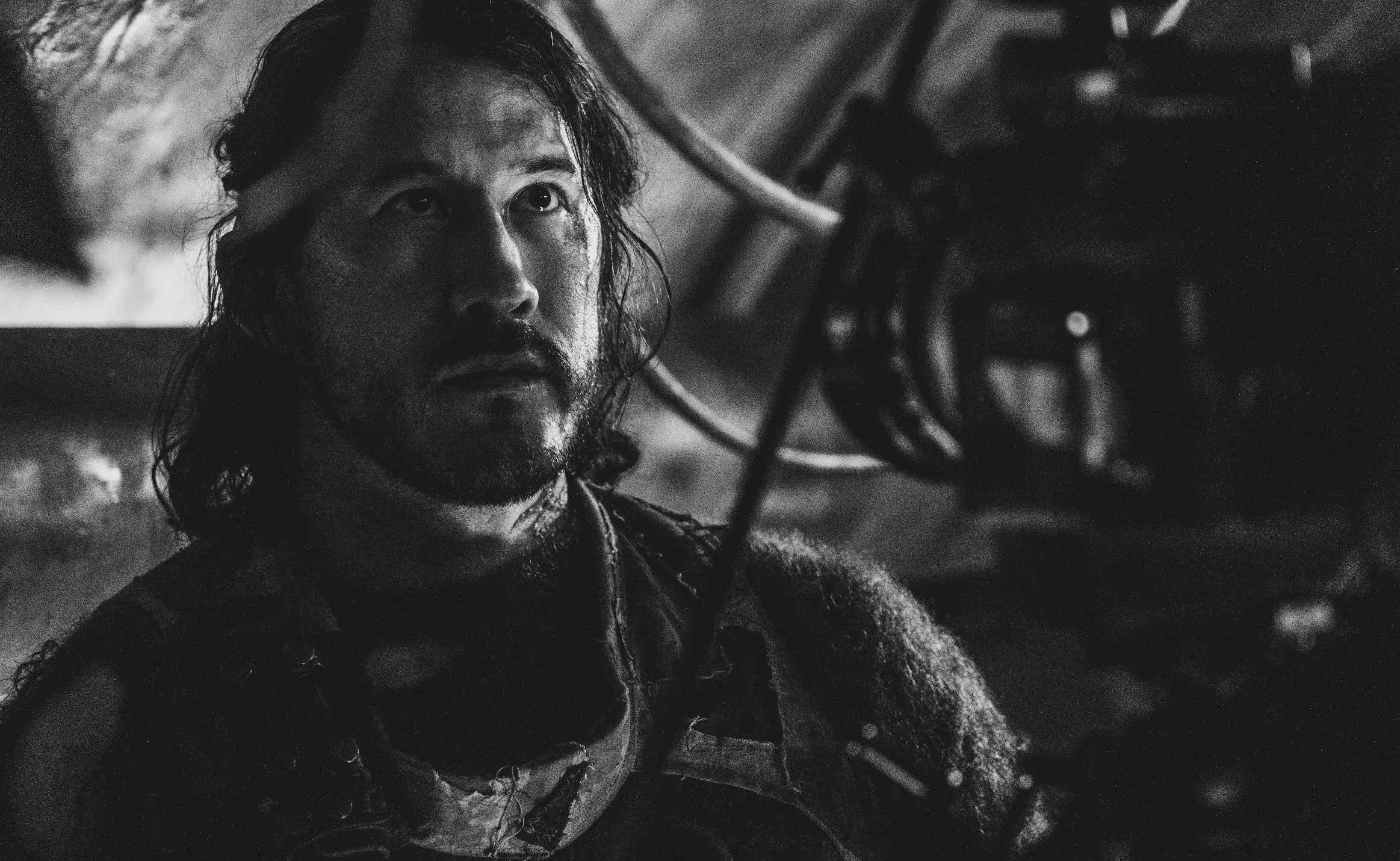
- Horror now highlights a major transition from massive studio budgets to grassroots digital ingenuity.
- Web creators natively understand algorithmic pacing and modern, internet-born psychological anxieties.
- Low-fidelity, analog distortion and eerie liminal spaces dominate this new wave of visual storytelling.
- Minimal production overhead empowers online filmmakers to take extreme narrative and stylistic risks.
- Mainstream cinema is increasingly forced to adopt techniques popularized by self-taught online artists.
A new era of sharp terror
The internet raised a new generation of horror filmmakers. Kane Parsons and Curry Barker are two of the most exciting, and we’re proud Atomic Monster and Blumhouse get to be part of the story. pic.twitter.com/V7PXxZdUvh
— Jason Blum (@jason_blum) May 8, 2026
Mainstream studios struggle to grasp modern fears, relying on old franchises while independent YouTube creators lead a quiet revolution. Kane Parsons’ The Backrooms and Curry Barker’s Obsession demonstrate that digital-native filmmakers are now the primary innovators in horror.
Kane Parsons embodied this transition with his viral The Backrooms series. Using consumer software as a teen, he created a sense of dread surpassing expensive studio films. His success in building a complex mythos independently led to a major partnership with A24.
Curry Barker demonstrates digital creators’ power to engage modern audiences through micro-budget tension. His viral project Milk & Serial reframed comedy-vlogger aesthetics as psychological horror, while his theatrical success, Obsession, grossed over $100 million globally.
READ ALSO: 7 Twisted Thrillers to Watch If You Loved ‘Obsession’
The digital roots of modern isolation
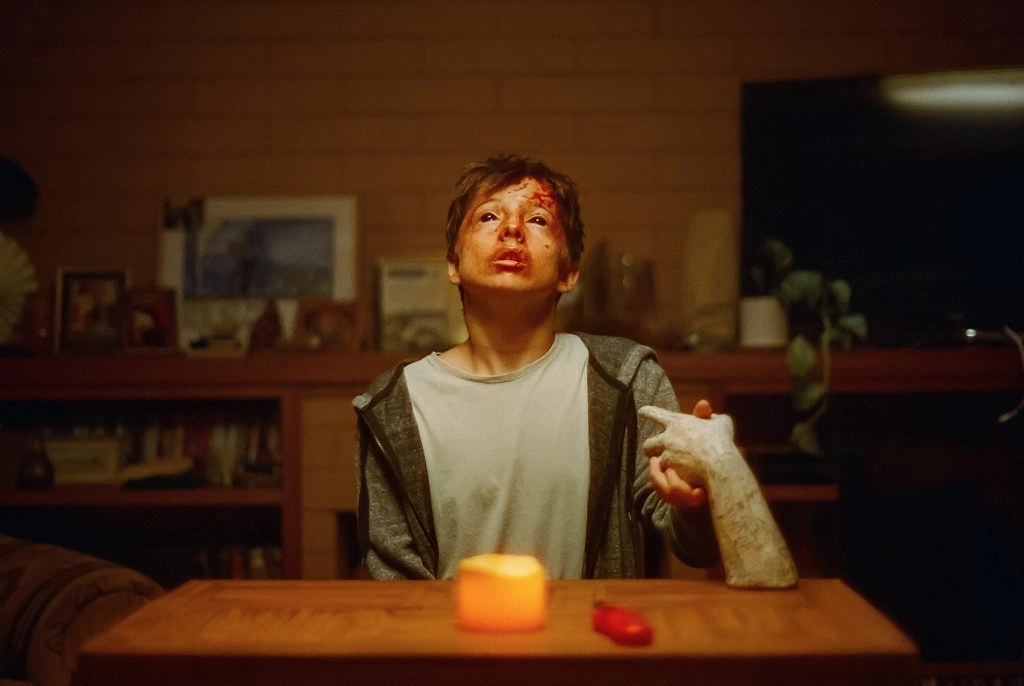
Pandemic isolation reshaped human interaction with technology and fear. YouTube creators, native to this virtual space, translated the dread of digital life into narratives that make traditional Hollywood cinema appear obsolete.
Creators of the RackaRacka channel, Danny and Michael Philippou, transitioned from stunt videos to directing the post-pandemic success Talk to Me. The film transformed social media’s attention-seeking culture into visceral horror, a style they continue in Bring Her Back.
Digital leaders like Markiplier (Mark Fischbach) bridge gaming and cinema through horror projects like In Space with Markiplier and Iron Lung. By involving viewers as participants, these creators achieve an immersion often missing in traditional direction.
Uncompromising artistic freedom and zero overhead
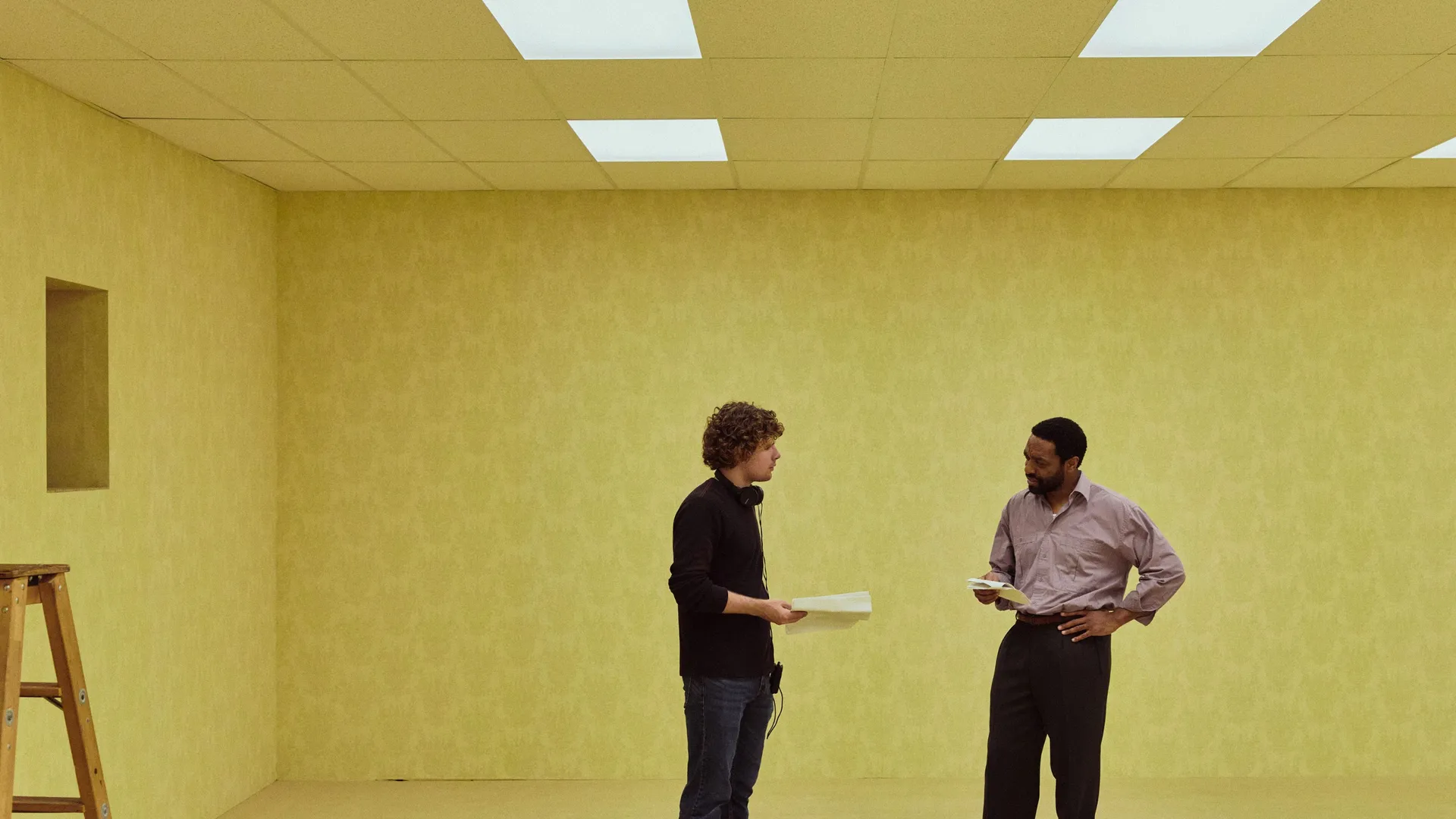
Digital-native directors thrive through creative autonomy, using accessible tech over big budgets to explore unique ideas. By combining consumer tools with expert sound, they prove that vulnerability creates more dread than costly effects.
By serving as writers, directors, and editors, these creators maintain a singular artistic vision. Unlike legacy studios that often dilute horror for broad appeal with predictable scares, YouTube filmmakers target niche audiences with boundary-pushing, unpredictable storytelling.
These creators’ success has transformed Hollywood recruitment, making an upload button a viable alternative to film school. By leveraging algorithms, post-pandemic anxieties, and low-cost ingenuity, YouTubers have established themselves as cinema’s new vanguard.
Frequently Asked Questions
The pandemic intensified collective anxieties around isolation and digital dependency, themes that internet creators are naturally equipped to explore more authentically than traditional Hollywood studios.
These films frequently utilize analog distortion, low-fidelity aesthetics, found-footage frameworks, and the eerie, uncanny atmospheres, and the emptiness of liminal spaces.
They prioritize meticulous sound design, claustrophobic pacing, and raw psychological tension over expensive, CGI-heavy visual effects that often dilute genuine fear.
No, because their built-in online audiences offer massive organic promotion, often leading to viral word-of-mouth success and lucrative mainstream streaming or theatrical acquisitions.
Hollywood is already attempting to recruit these creators, but the raw authenticity and agility of independent internet horror remain incredibly difficult to replicate within a rigid corporate studio structure.
Recommended Video