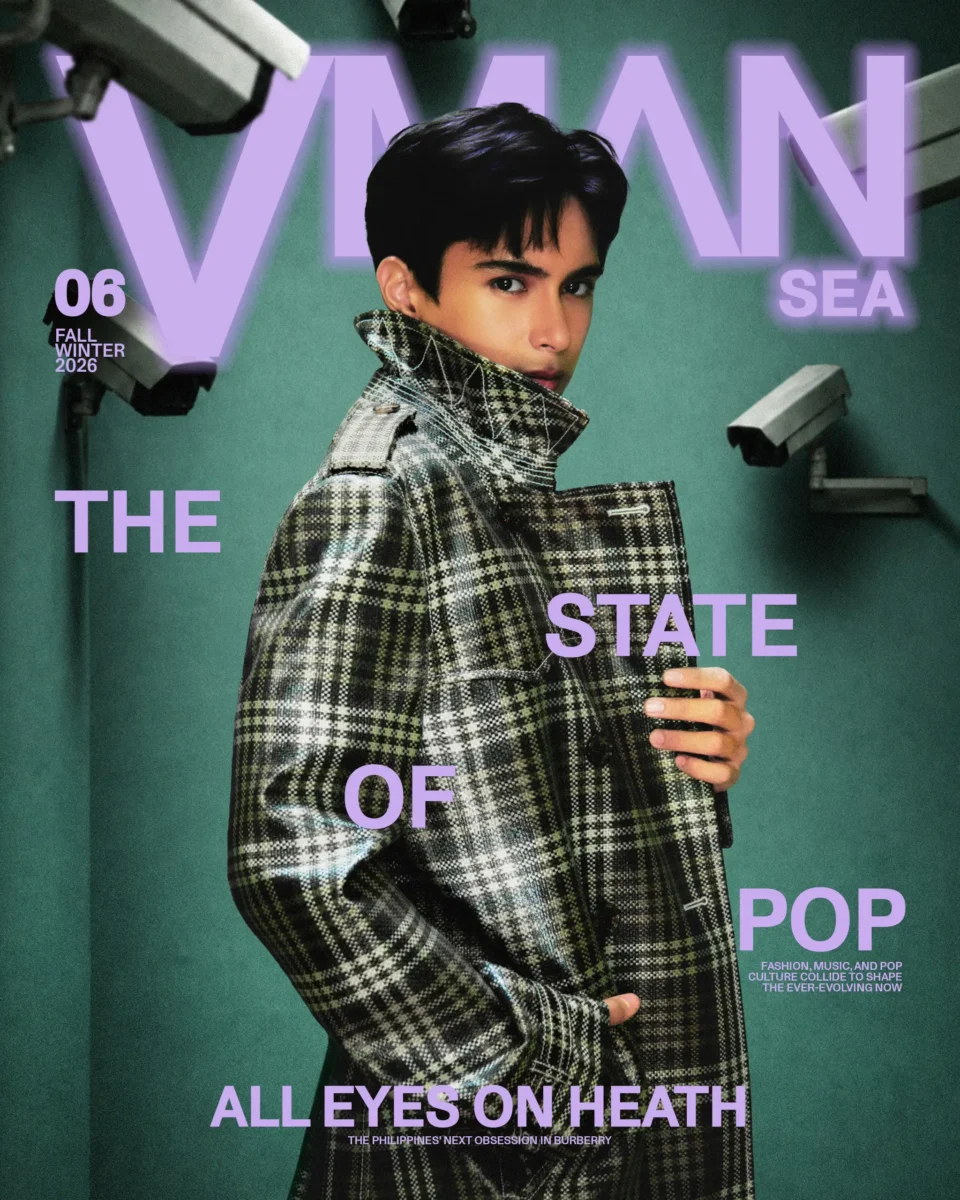
How SB19 Dismantles the Boy Band Trope with Wakas at Simula
By reinventing the traditional idol mold, SB19’s 24-track magnum opus redefines P-pop as a serious vessel for artistic evolution and global collaboration




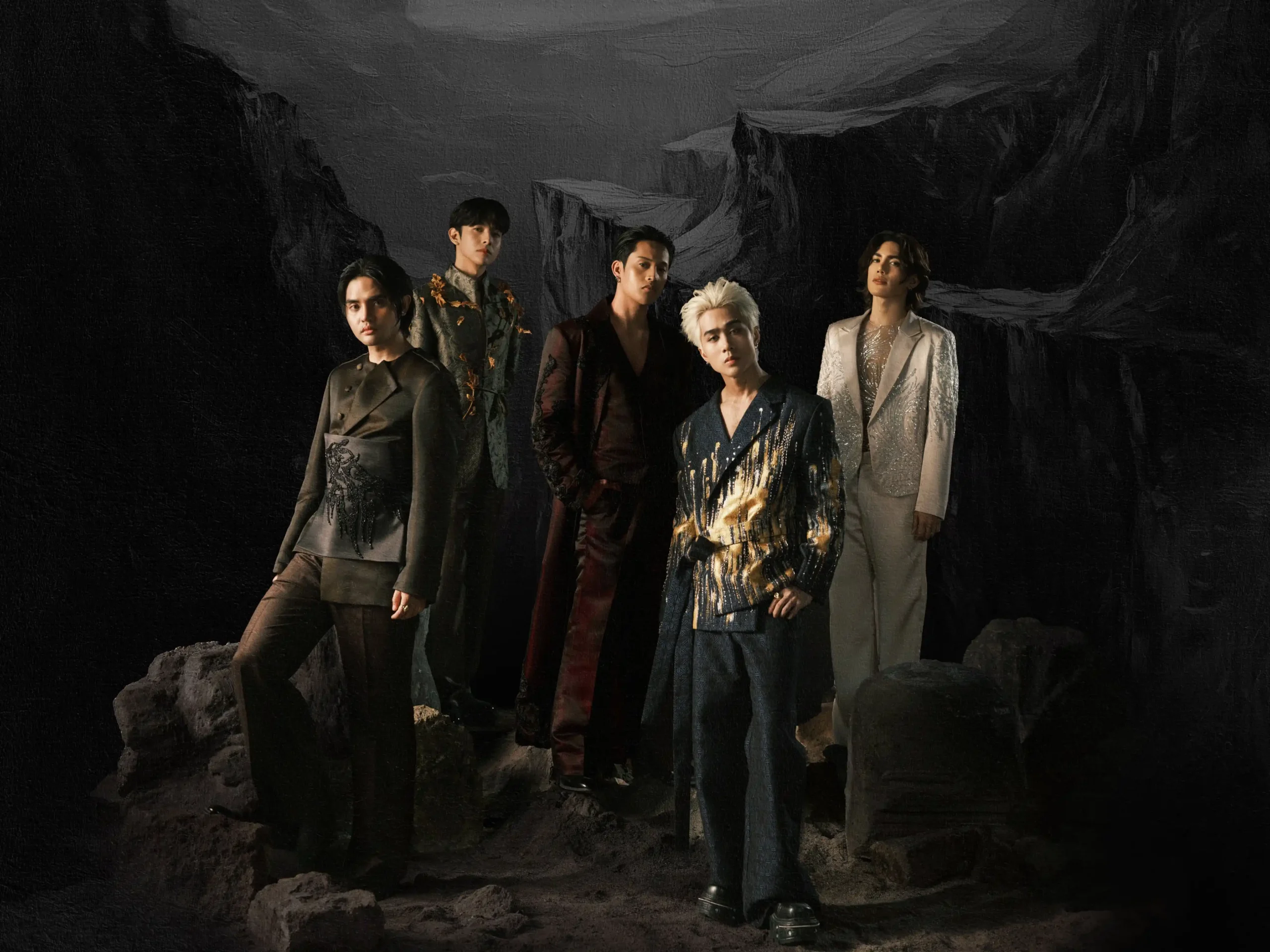
For decades, the term “boy band” has functioned as a reductive shorthand for manufactured perfection, groups engineered for visual appeal, synchronized choreography, and radio-ready hooks.
With the release of their sprawling 24-track album Wakas at Simula, the blueprint of P-pop disrupts that framework entirely, pushing the genre into uncharted territory.
This ambitious project marks a decisive turning point, signaling the collapse of the idol archetype and the rise of a more sophisticated musical movement.
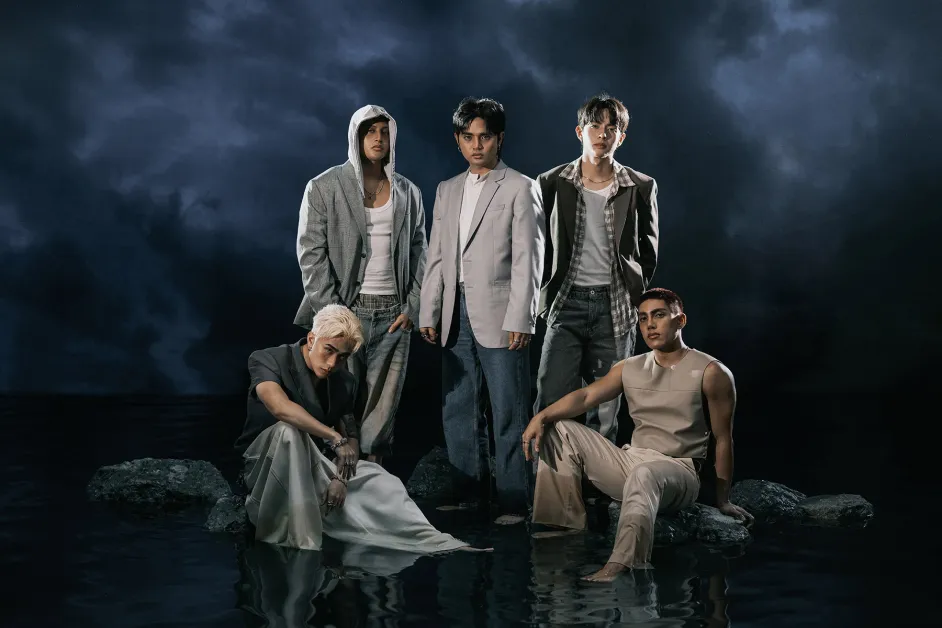
Performance to artistry
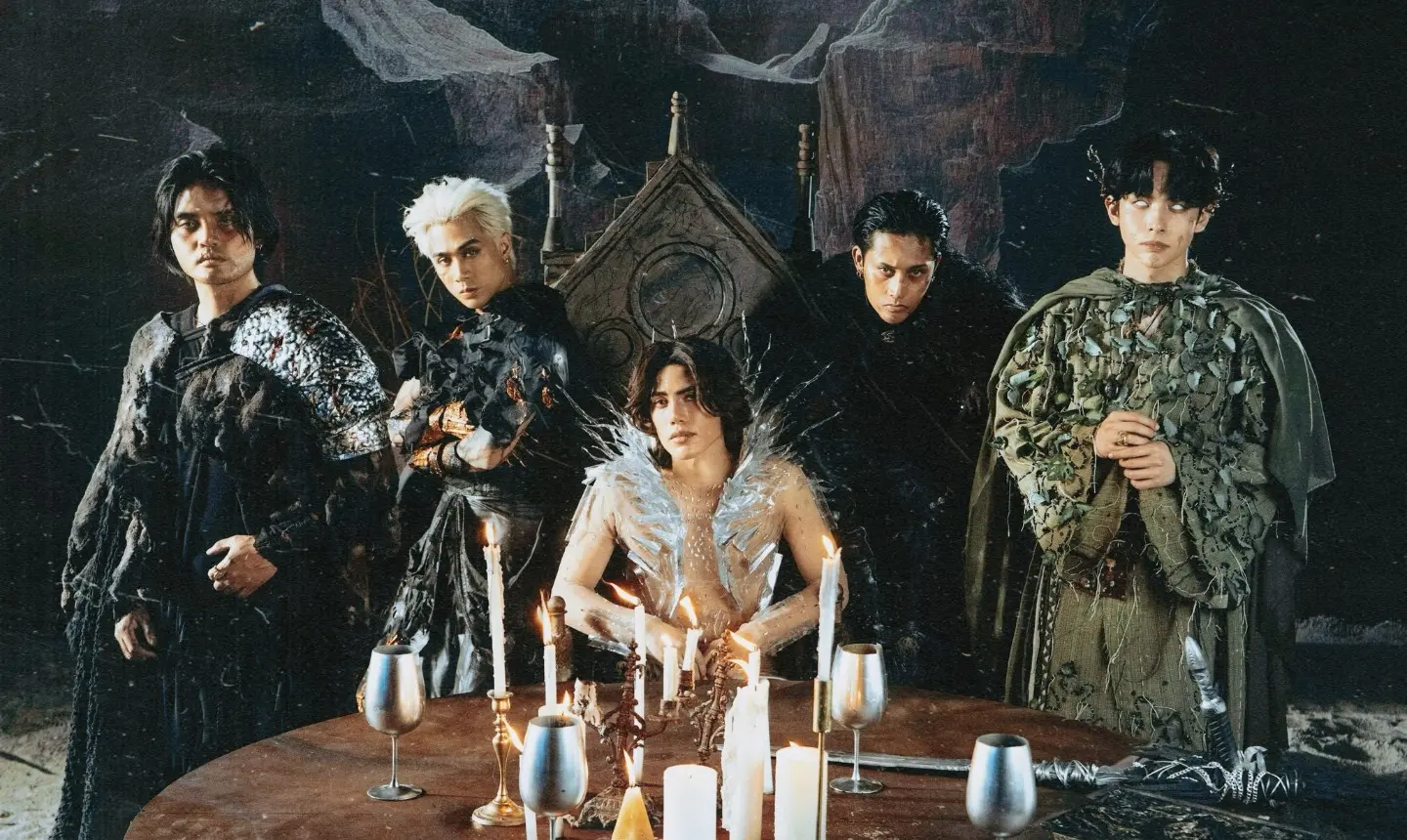
What distinguishes Wakas at Simula (End and Beginning) is its scale. Moving beyond a singles-driven model, SB19 constructs a cinematic body of work that explores mortality, legacy, and rebirth.
By taking full creative control of songwriting and production, the group evolves from performers into architects of their own sound. This shift is most evident in tracks like “ILAW,” an unfiltered dive into the suffocating pressure of visibility.
The album also embraces complexity, balancing the high-octane energy they are known for with moments of stark introspection. In doing so, it dismantles the notion that pop groups operate as mere extensions of their labels.
Sonic autonomy
The record further challenges expectations by embracing dark pop and industrial textures. In “MANA” (short for Manananggal), SB19 draws from Philippine folklore to construct a haunting sonic landscape.
It abandons polished pop conventions in favor of heavy basslines and layered metaphors about grounding and identity. Meanwhile, “NYEBE” foregrounds choral discipline, demonstrating that their vocal talent is the result of technical mastery without the need for studio post-processing.
Global synergy
A pivotal moment in this evolution is the inclusion of the Japanese group BE:FIRST on “Toyfriend.” Rather than a superficial feature engineered for chart performance, the collaboration reads as a calculated fusion.
The track replaces the trope of regional competition with a sense of transnational brotherhood, focusing on intricate vocal layering and genre-blurring production that bridges J-pop structure with P-pop’s emotive intensity.
The result reinforces the album’s larger thesis: a vision of music that transcends borders while maintaining cultural specificity.
The new standard

The title Wakas at Simula fits. It represents the wakas (end) of the era where P-pop had to prove its legitimacy. It is the death of the trope that boy bands are temporary or superficial.
Simultaneously, it marks the simula (beginning) of a new era where SB19 operates as a cultural force that has moved beyond the limitations of the boy band label, with skill and discipline as the forces shaping their ascent.
Frequently Asked Questions
Wakas at Simula is SB19’s 24-track album, conceived as a cinematic body of work exploring mortality, legacy, and rebirth. The title — meaning “end and beginning” in Filipino — signals the close of P-pop’s legitimacy-proving era and the opening of a phase defined by creative autonomy, cultural specificity, and artistic maturity.
SB19 takes full creative control of songwriting and production on Wakas at Simula, moving beyond a singles-driven model to construct a body of work that balances high-energy performance with stark introspection. The album dismantles the notion that pop groups function as extensions of their labels rather than independent creative forces.
The track “MANA” — short for Manananggal, a figure from Philippine folklore — uses heavy basslines and layered metaphors to construct a haunting sonic landscape rooted in Filipino cultural identity. The song abandons polished pop conventions in favor of dark textures that ground the album’s themes of identity and cultural specificity.
BE:FIRST is a Japanese group featured on the Wakas at Simula track “Toyfriend.” The collaboration is framed not as a chart-driven feature but as a transnational creative fusion — blending J-pop structure with P-pop’s emotive intensity through intricate vocal layering and genre-blurring production that reinforces the album’s vision of music that transcends regional borders.
Wakas at Simula positions P-pop as a genre capable of sustained artistic evolution beyond the idol archetype. By centering cultural specificity, technical vocal discipline, and cross-regional collaboration, SB19 establishes a precedent for Filipino pop music that operates on its own terms — not as a derivative of K-pop or J-pop, but as a distinct and self-determined cultural movement.
Recommended Video