How to Dress Like John F. Kennedy Jr.
As Ryan Murphy’s series revives the myth of JFK Jr., his enduring style of prep, polish, and downtown ease offers a timely blueprint for modern menswear




Ryan Murphy’s Love Story: John F. Kennedy Jr. & Carolyn Bessette has reignited a familiar cultural fixation. The nine-episode FX series revisits the romance between America’s closest approximation to royalty and the Calvin Klein publicist who became his wife.
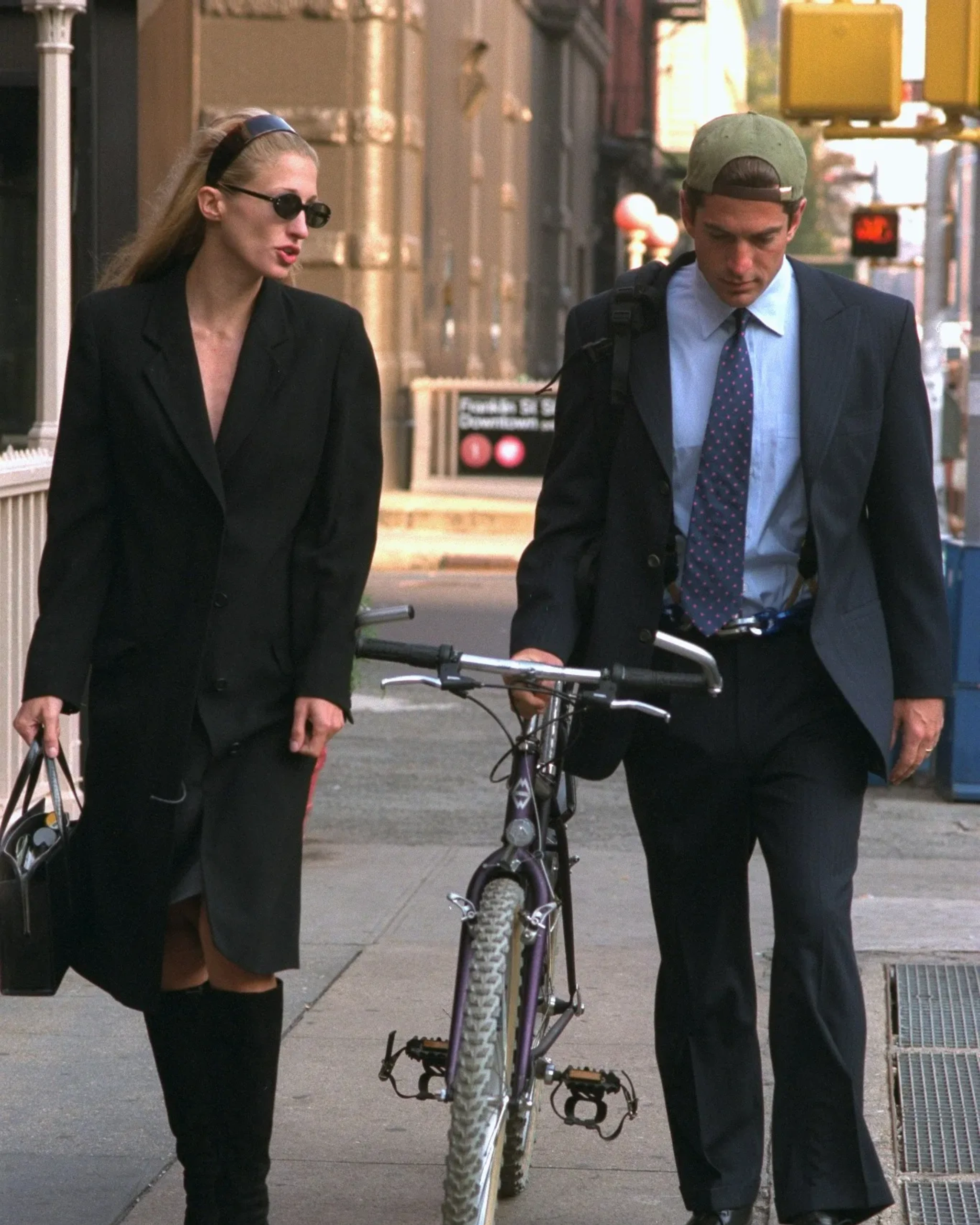
More than 25 years after their deaths, Carolyn Bessette Kennedy and John F. Kennedy Jr. continue to function as aesthetic reference points. Carolyn’s minimalist polish has long been canonized. John’s style legacy is more complex. Rooted in Ivy League tradition but shaped by 1980s and 1990s New York, his wardrobe fused East Coast prep with athletic ease and a downtown sensibility.
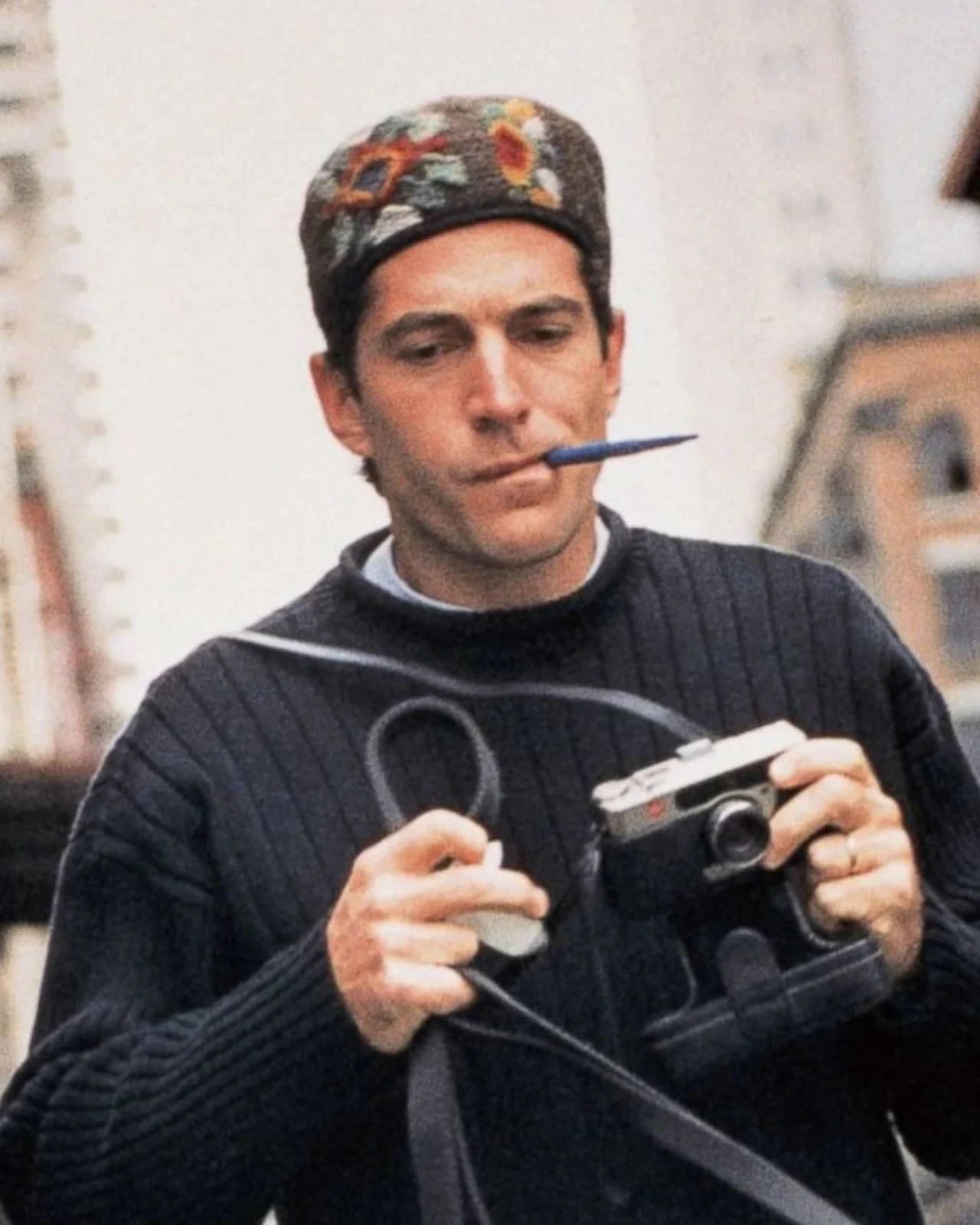
Cap rotation
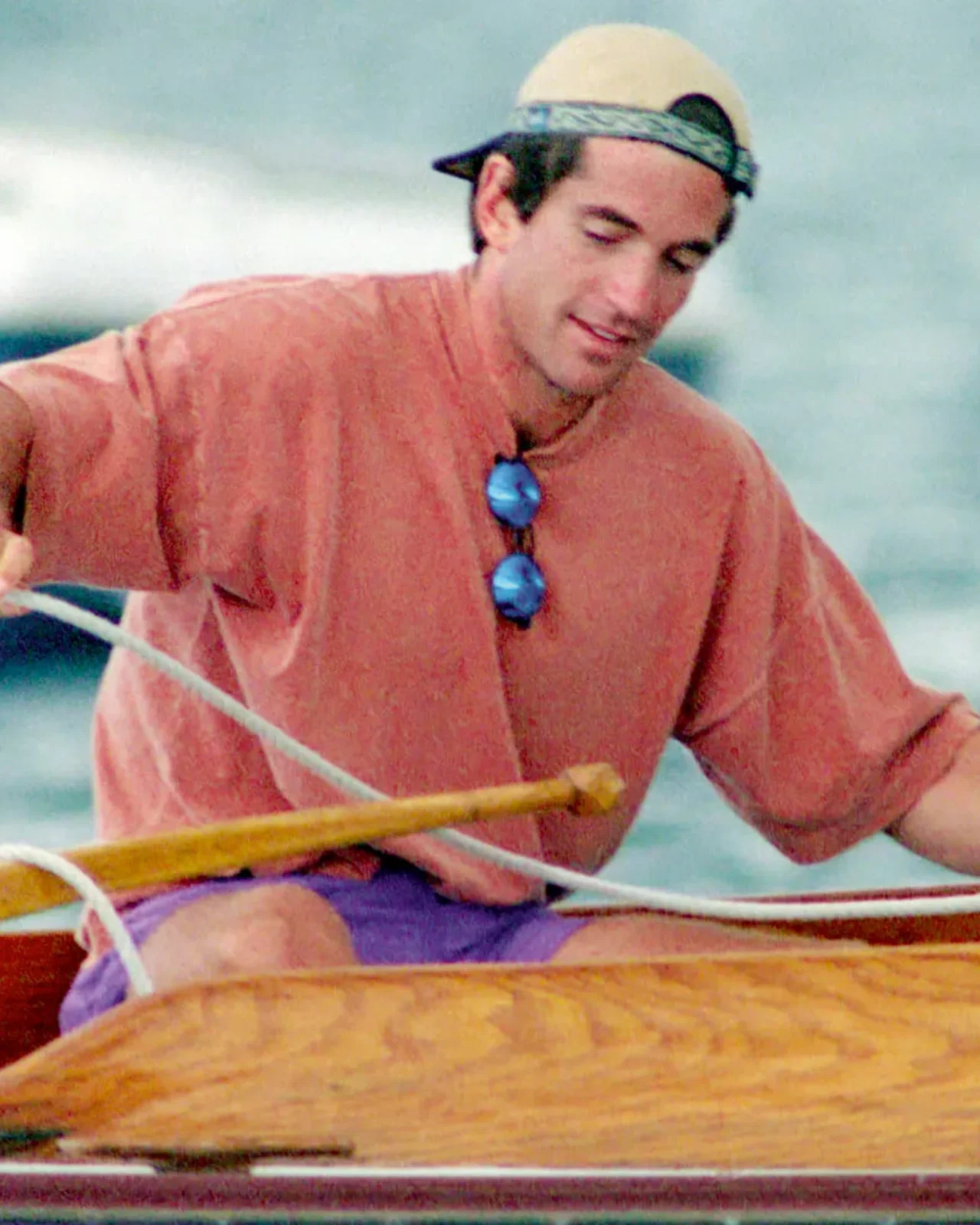
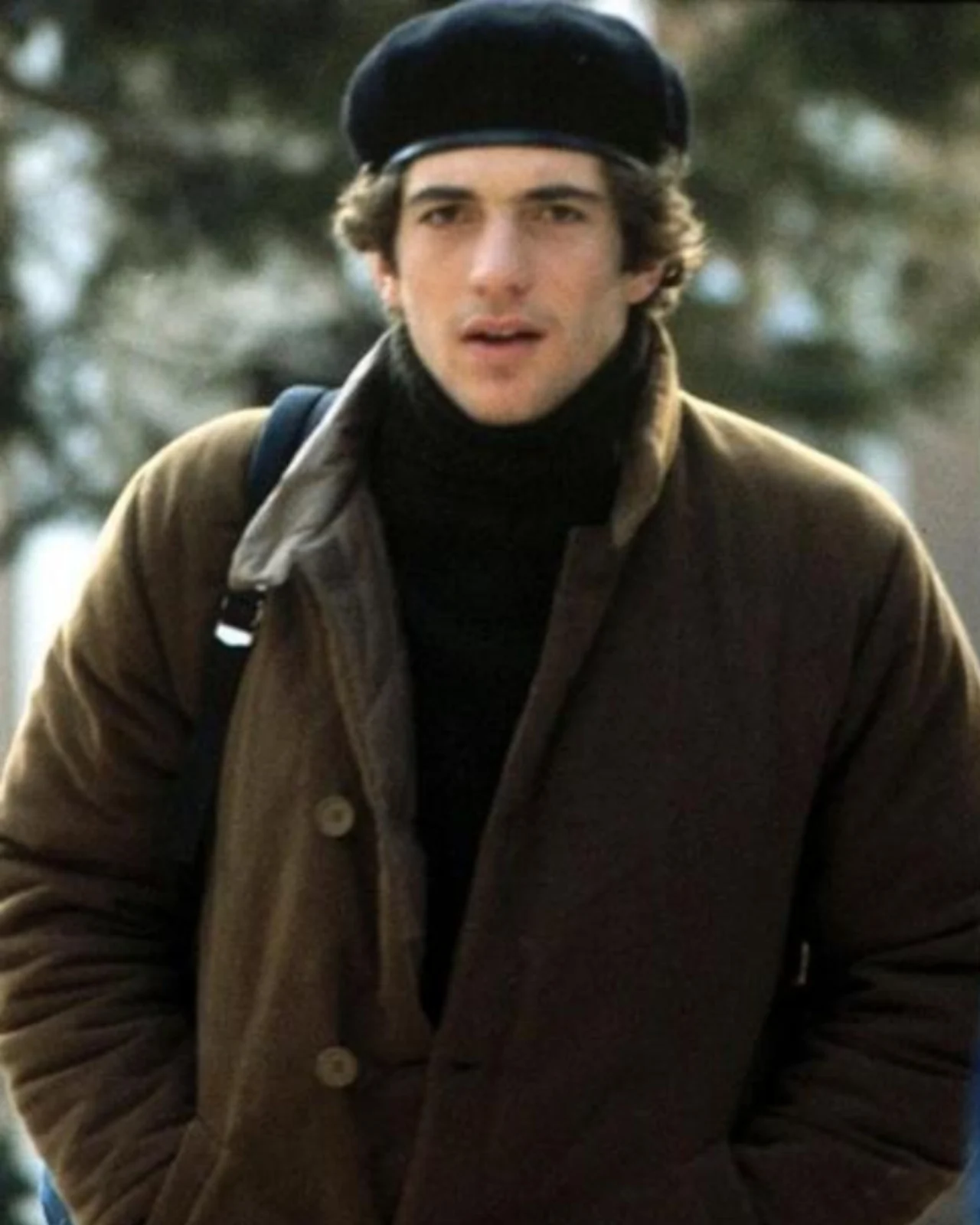
To dress like JFK Jr. is to understand that his appeal lay in how he wore his clothes. He embraced headwear before it became a celebrity signature, rotating between Yankees caps, newsboy styles, and even berets.
Everyday coats
Outerwear was central to his look. Bombers layered over turtlenecks, oversized trench coats, boxy leather jackets, and practical chore coats became staples.
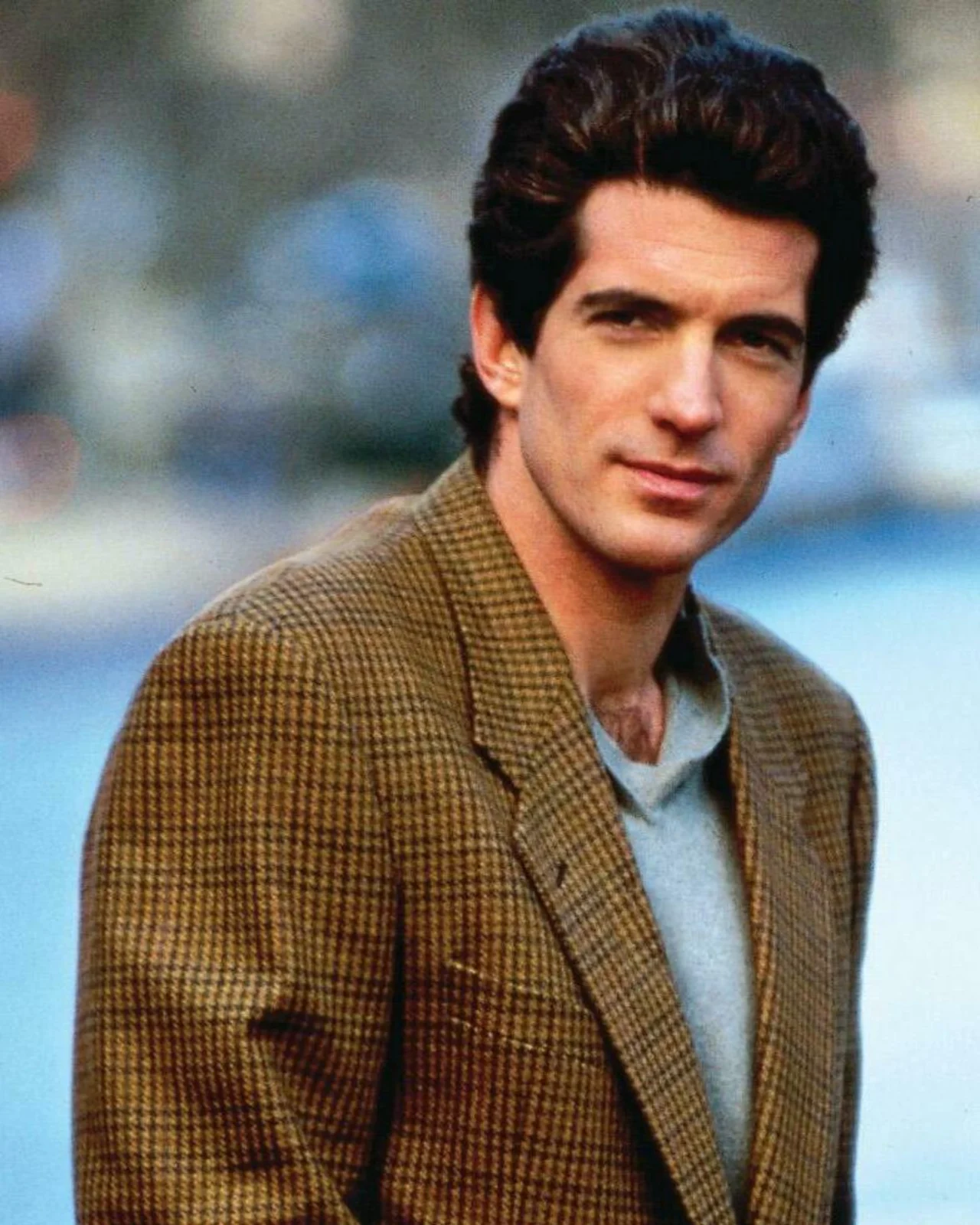
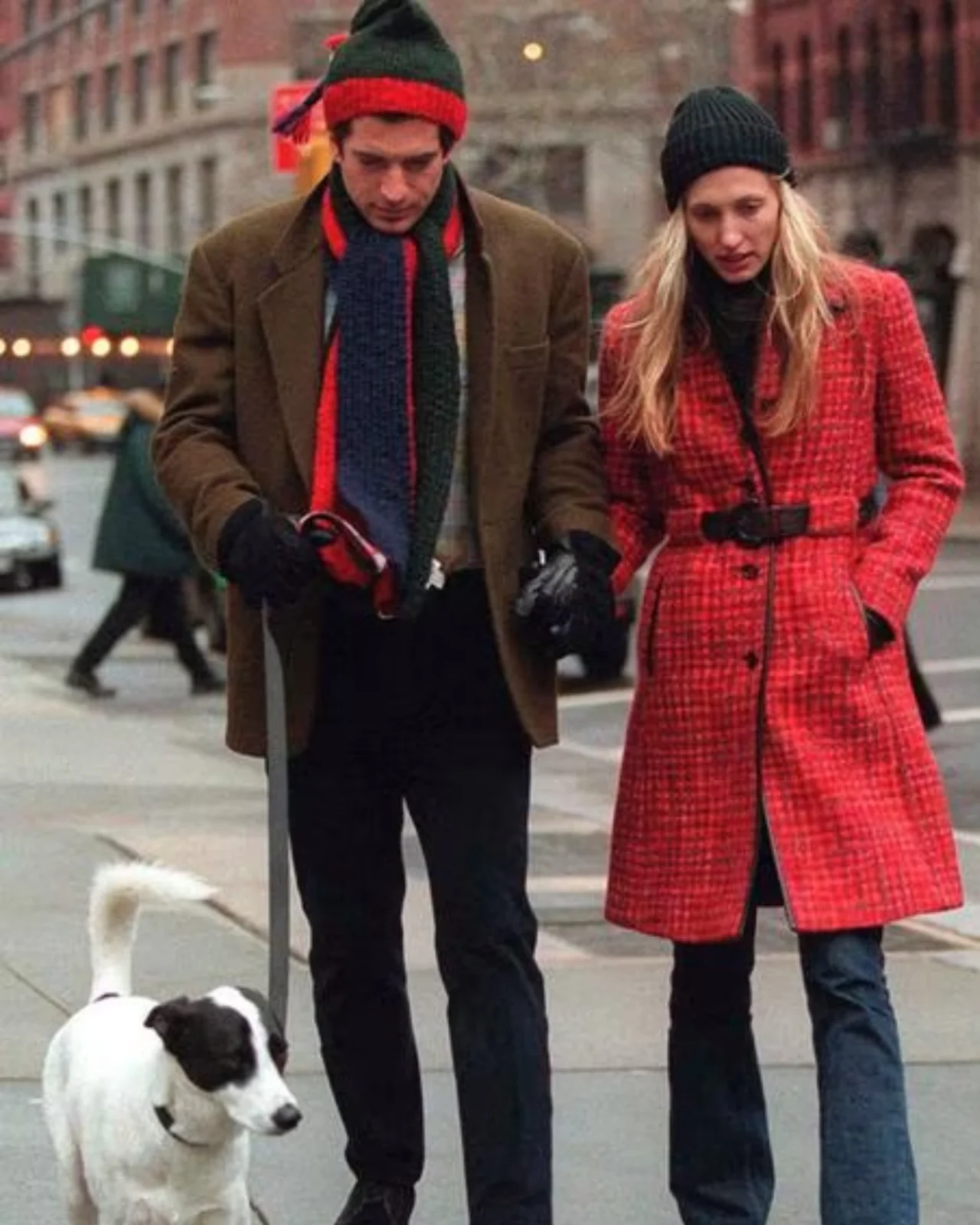
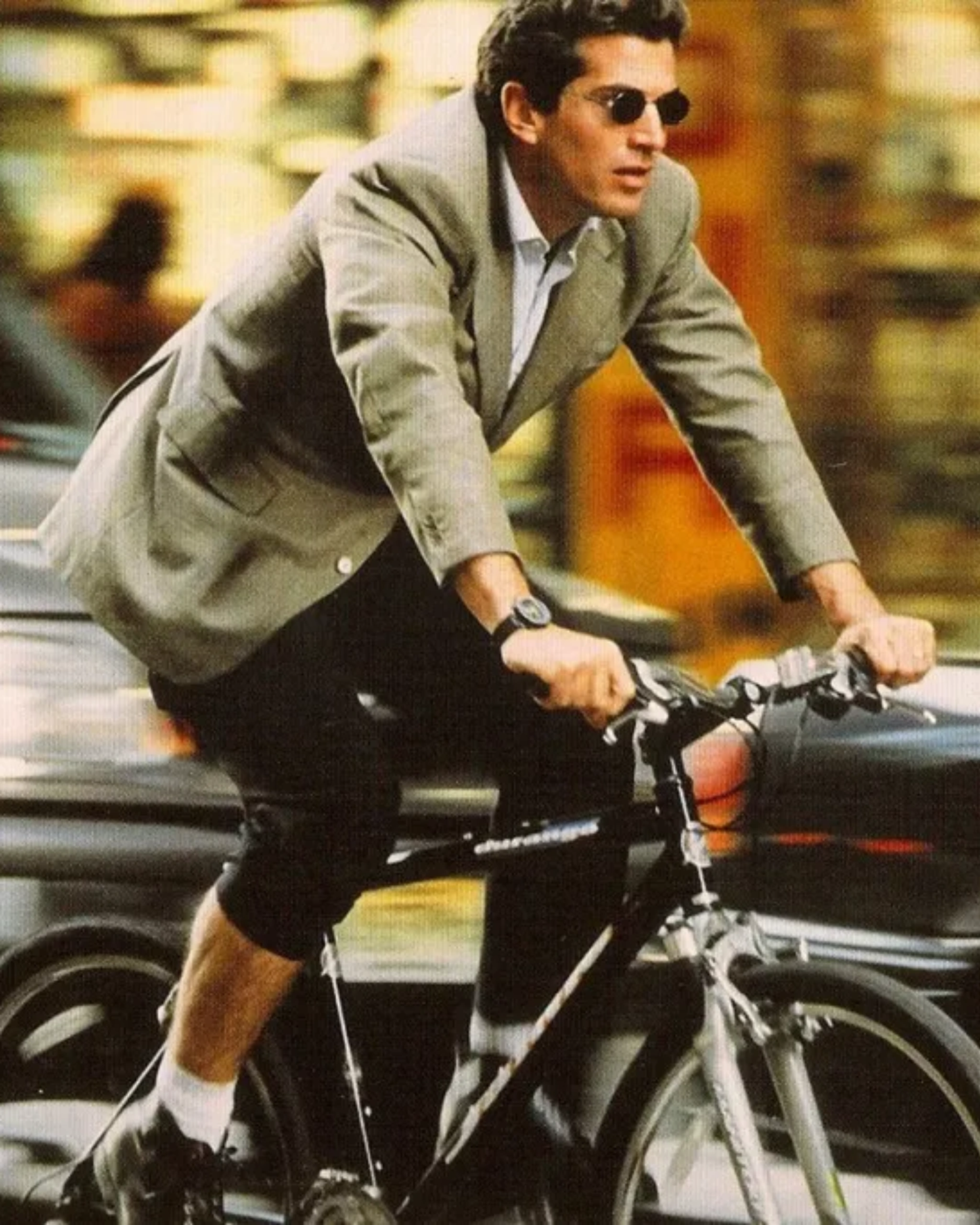
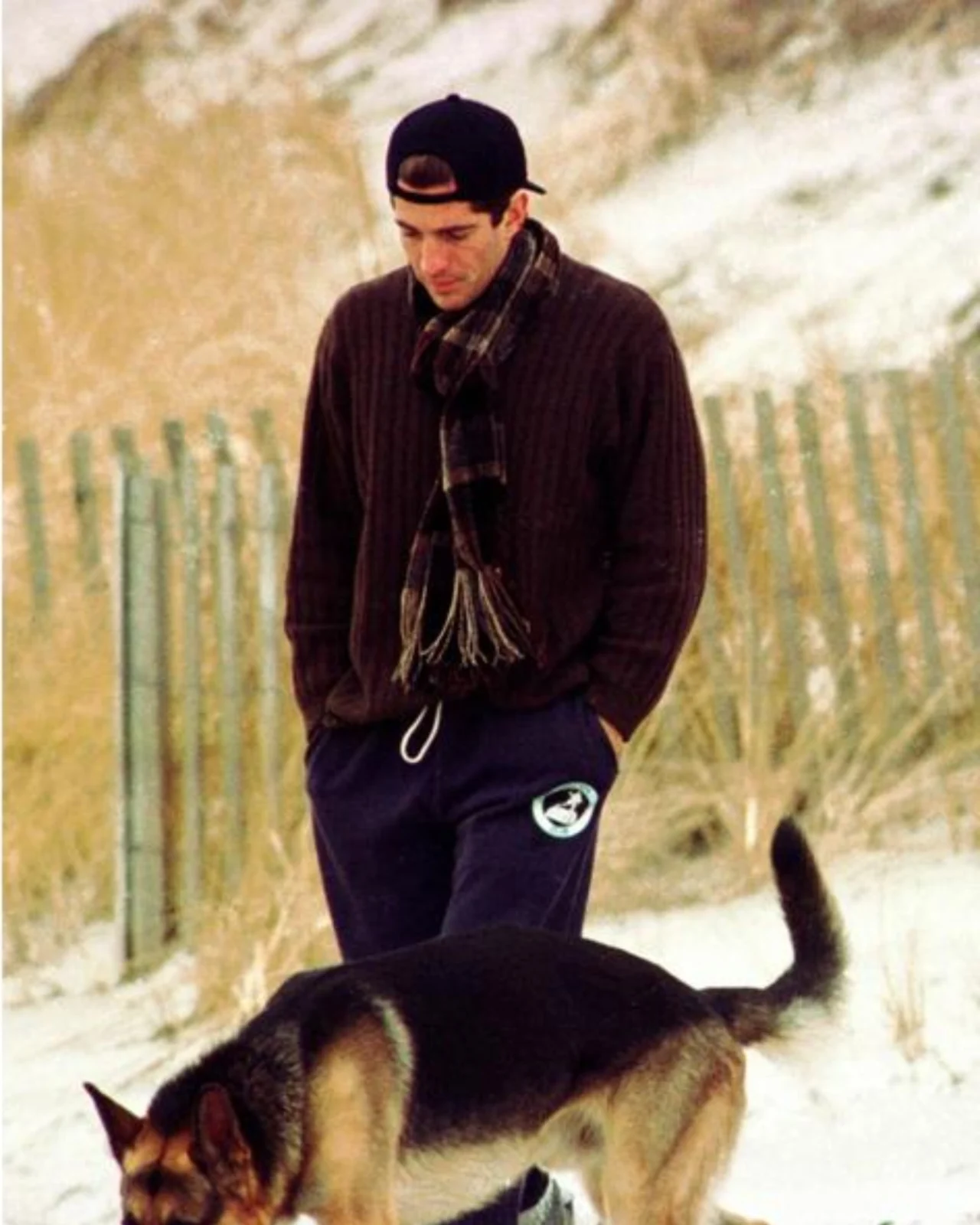
He favored silhouettes that allowed movement, often wearing them slightly rumpled, sleeves pushed up, or collars turned against the wind. Frequently photographed on a bicycle or walking his dog, he projected a sense of motion that made even traditional pieces feel contemporary.
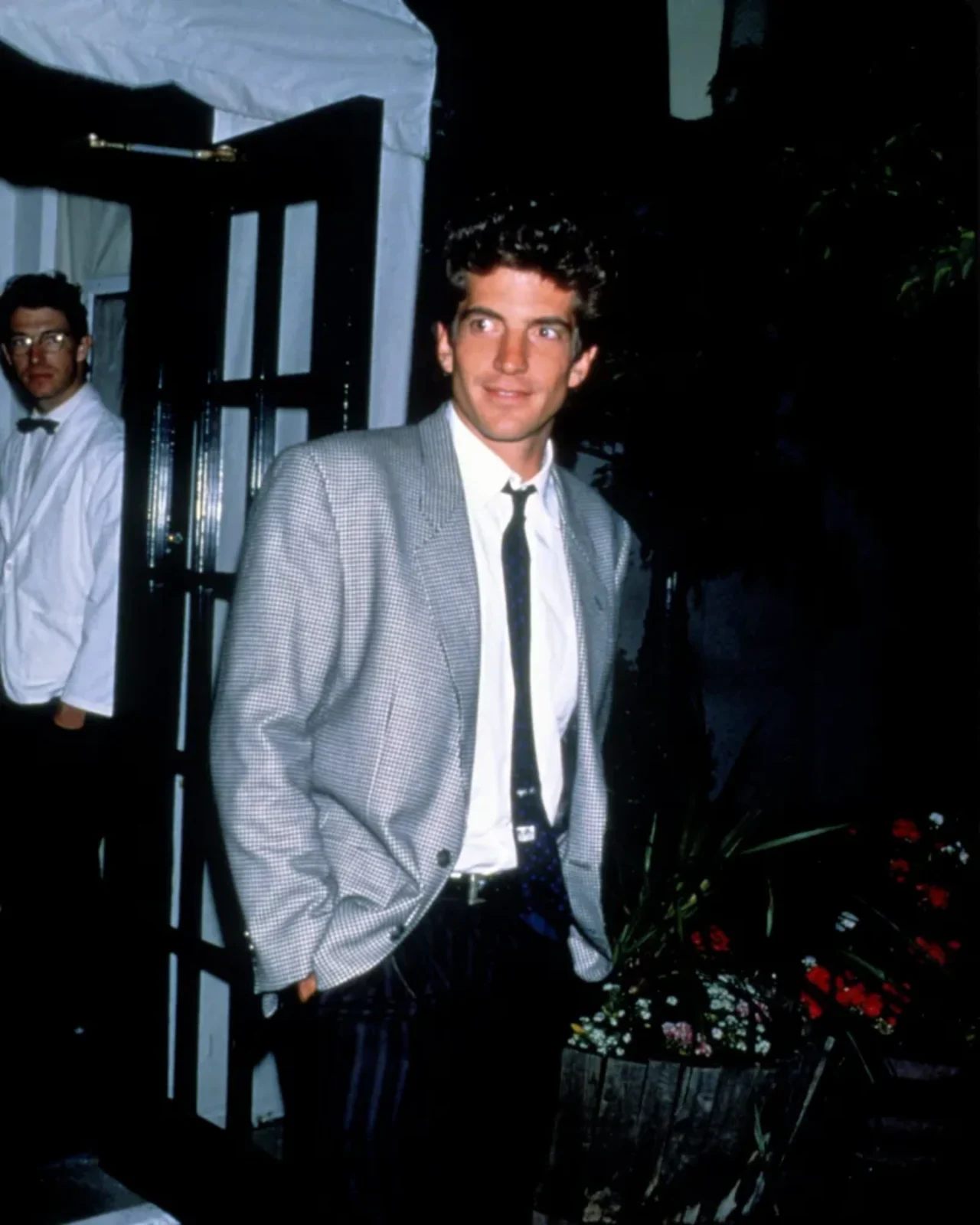
Relaxed suits
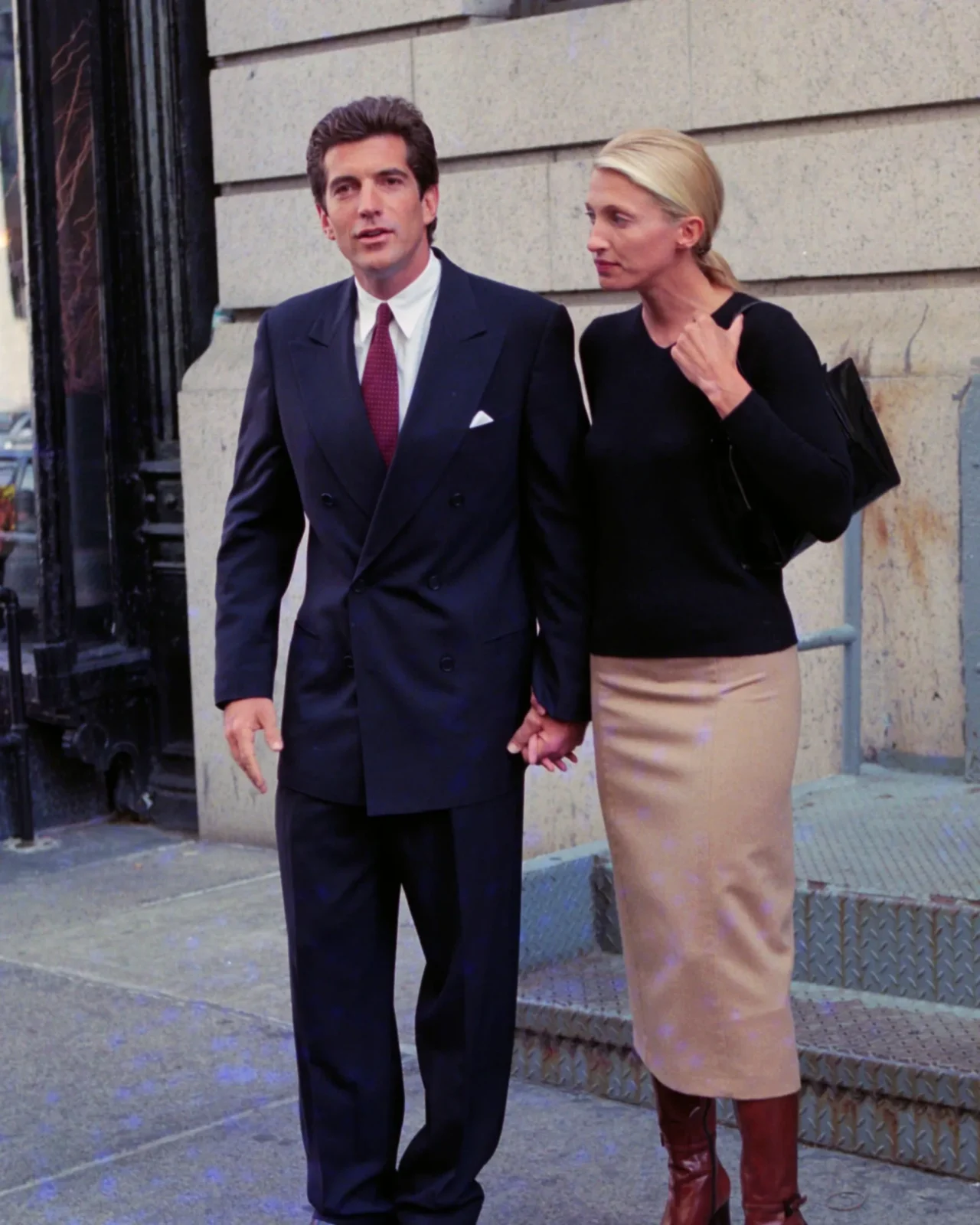
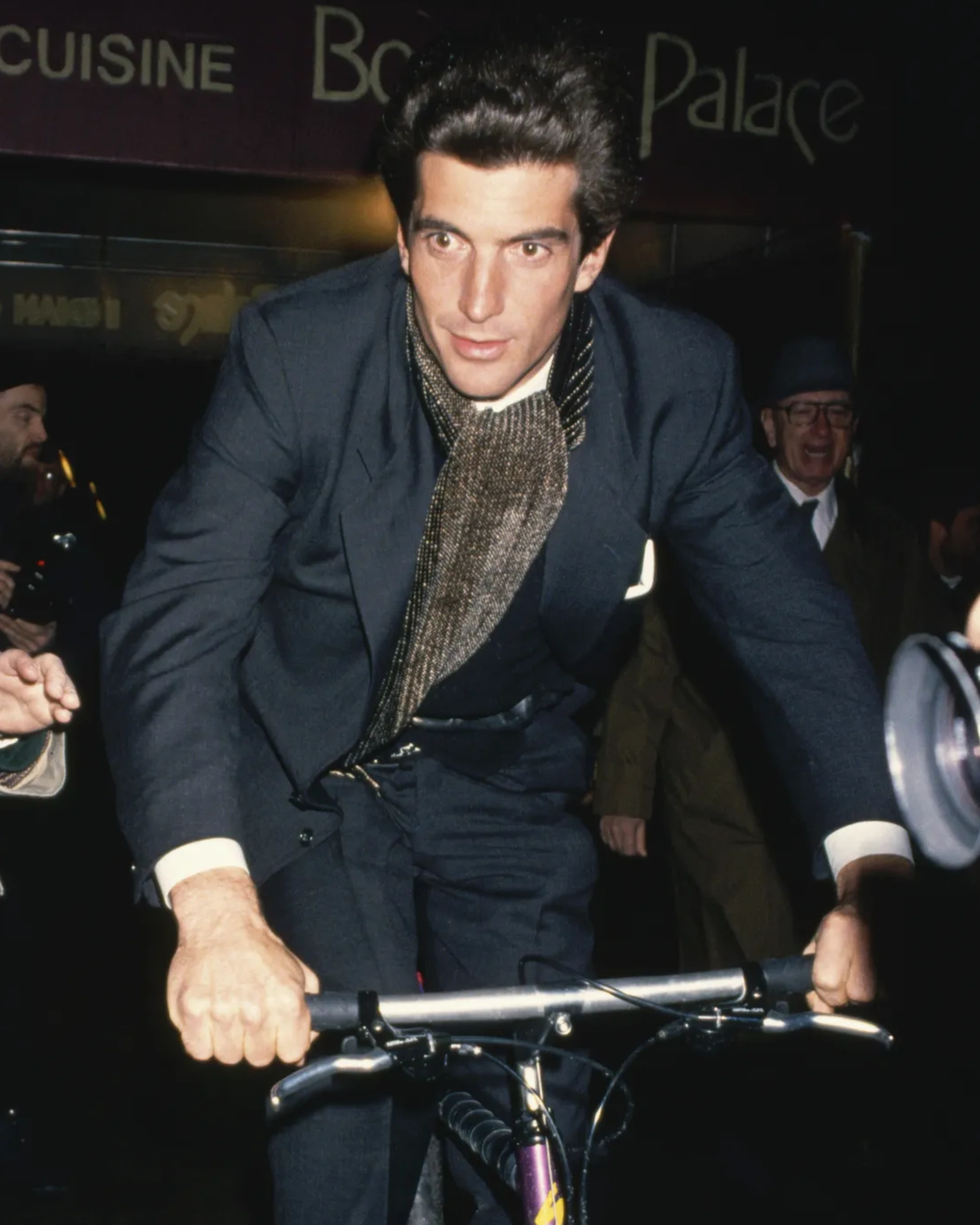
His tailoring followed a similar logic. In an era defined by power suits, John opted for boxier cuts that prioritized comfort over structure. Jackets skimmed rather than sculpted. Trousers were occasionally mismatched. He sometimes paired blazers with T-shirts, undercutting formality with ease.
Dark frames
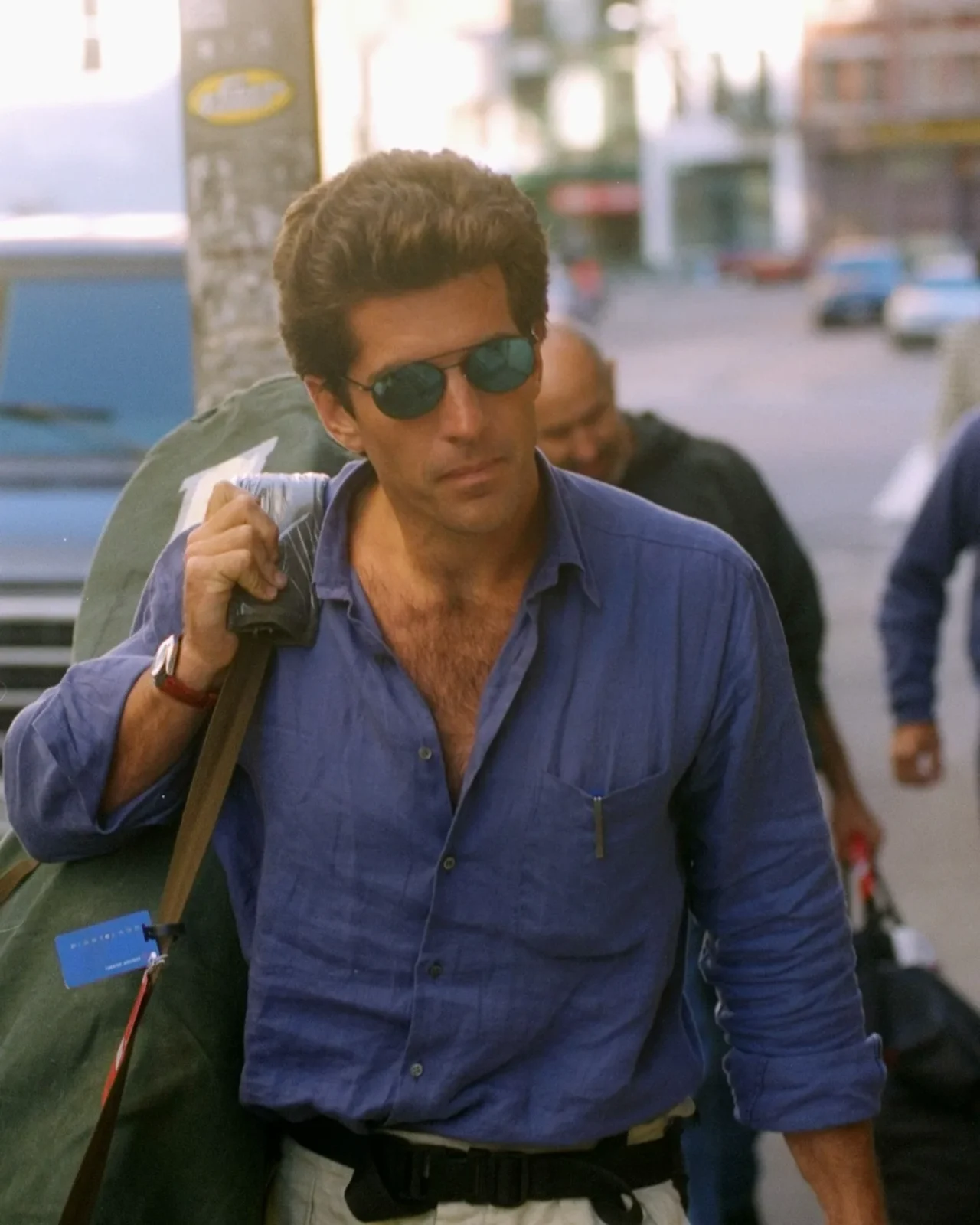
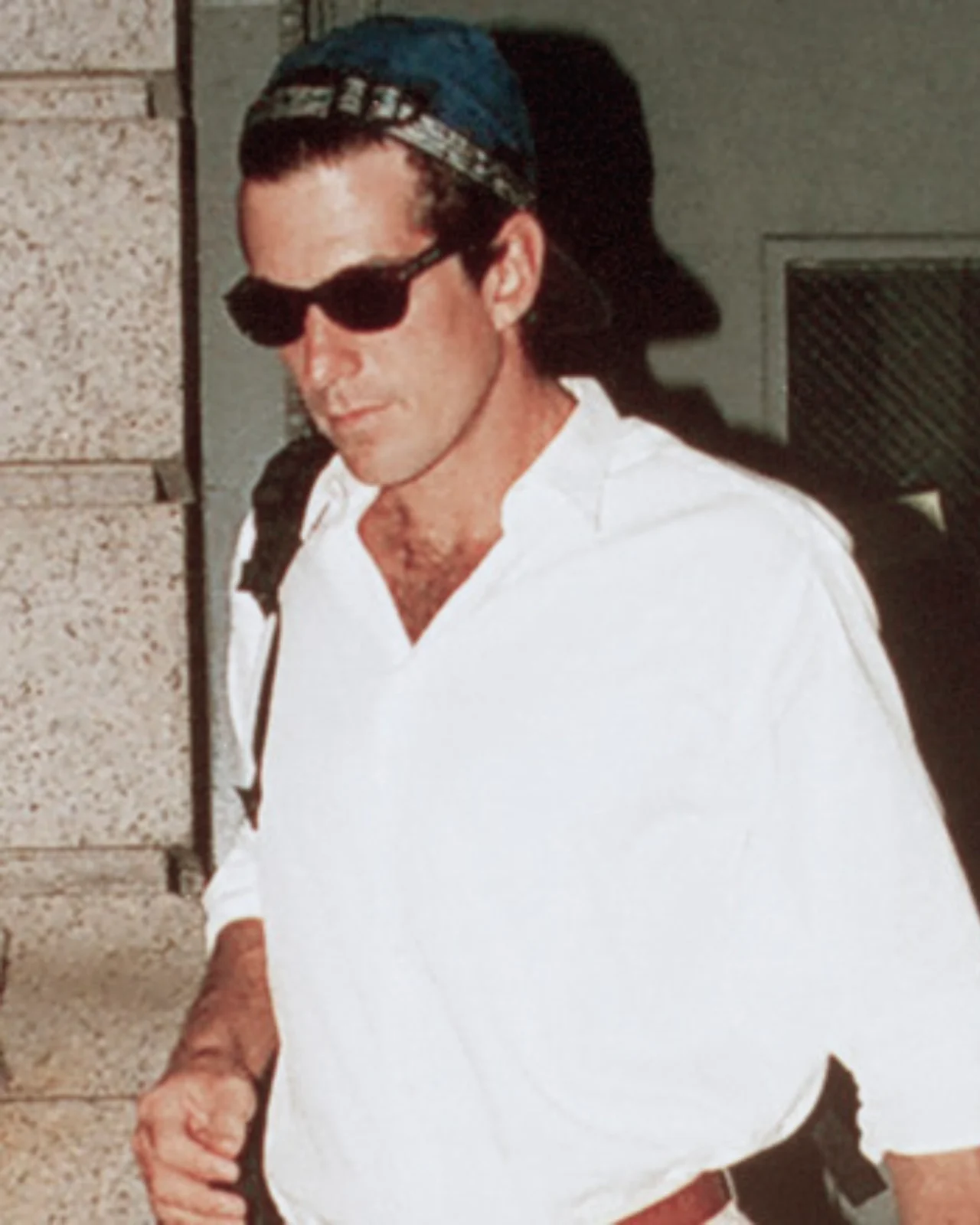
Sunglasses completed the uniform. Classic Ray-Bans, tortoiseshell frames, and dark oval lenses appeared consistently in photographs. Eyewear functioned as both shield and signature in a period marked by intense media attention.
Casual knits
KnitwearKnitwearGarments made by knitting yarn into stretchy fabric, including sweaters, cardigans, polos, and vests. A cornerstone of men's autumn and winter wardrobes, knitwear varies by weight, stitch, and fiber, andGo to Knitwear Glossary offered another defining element. Crewnecks, quarter-zips, and ribbed turtlenecks balanced polish with approachability. He wore cashmere casually, favoring pieces that looked lived-in rather than preserved. The overall effect was aspirational without appearing curated, aligning with what is now described as quiet luxury.
Beyond the halo effect
It would be reductive to ignore the role of appearance in his legacy. JFK Jr.’s looks were central to his public image, and the so-called halo effect cannot be discounted. Yet physical attractiveness alone does not produce enduring style influence.
What distinguished him was a subtle irreverence. Stories of pairing formal tailoring with scuffed shoes, or even unconventional accessories, persist because they reflect a broader truth. He rarely appeared overworked.
As Ryan’s series demonstrates, the fascination extends beyond nostalgia. John and Carolyn’s aesthetic is frequently cited within our renewed interest in old money dressing, but Jr.’s contribution resists easy categorization. He absorbed the codes of American aristocracy and reframed them through the lens of a city in transition.
Frequently Asked Questions
JFK Jr.’s style fused Ivy League tradition with downtown New York ease — relaxed suits, oversized outerwear, casual knitwear, and classic eyewear worn with a deliberate lack of polish. He favored silhouettes that allowed movement and often wore tailored pieces rumpled or underdone, creating a look that was aspirational without appearing curated. It is now frequently cited as a reference point for quiet luxury dressing.
Ryan Murphy’s nine-episode FX series Love Story: John F. Kennedy Jr. & Carolyn Bessette has reignited cultural interest in both figures as style references. JFK Jr.’s wardrobe — rooted in 1980s and 1990s New York and shaped by East Coast prep — is being revisited alongside renewed mainstream interest in old money dressing and relaxed American tailoring.
JFK Jr. favored bombers layered over turtlenecks, oversized trench coats, boxy leather jackets, and practical chore coats. He wore outerwear with a sense of motion — sleeves pushed up, collars turned against the wind — making traditional pieces feel contemporary. His frequent appearance on a bicycle or walking his dog reinforced a silhouette built around ease rather than formality.
In an era defined by structured power suits, JFK Jr. opted for boxier cuts that prioritized comfort over sculpted tailoring. Jackets skimmed rather than fitted. Trousers were occasionally mismatched. He regularly paired blazers with T-shirts, undercutting formality with ease — an approach that now reads as a direct precedent for the relaxed tailoring aesthetic dominant in contemporary menswear.
While JFK Jr.’s physical appearance played a role in his public image, what produced enduring style influence was a subtle irreverence — pairing formal tailoring with scuffed shoes, wearing cashmere casually, and absorbing the codes of American aristocracy while reframing them through a downtown New York sensibility. He absorbed inherited cultural capital and wore it lightly, which is considerably harder to replicate than the clothes themselves.
Recommended Video