Did Duran Lantink Just Present the Season’s Most Divisive Collection?
Duran Lantink’s debut for Jean Paul Gaultier ignited a storm of criticism and fascination, a collection so divisive it forced fashion to ask itself what rebellion still looks like today




Why Duran Lantink’s Jean Paul Gaultier debut sparked debate
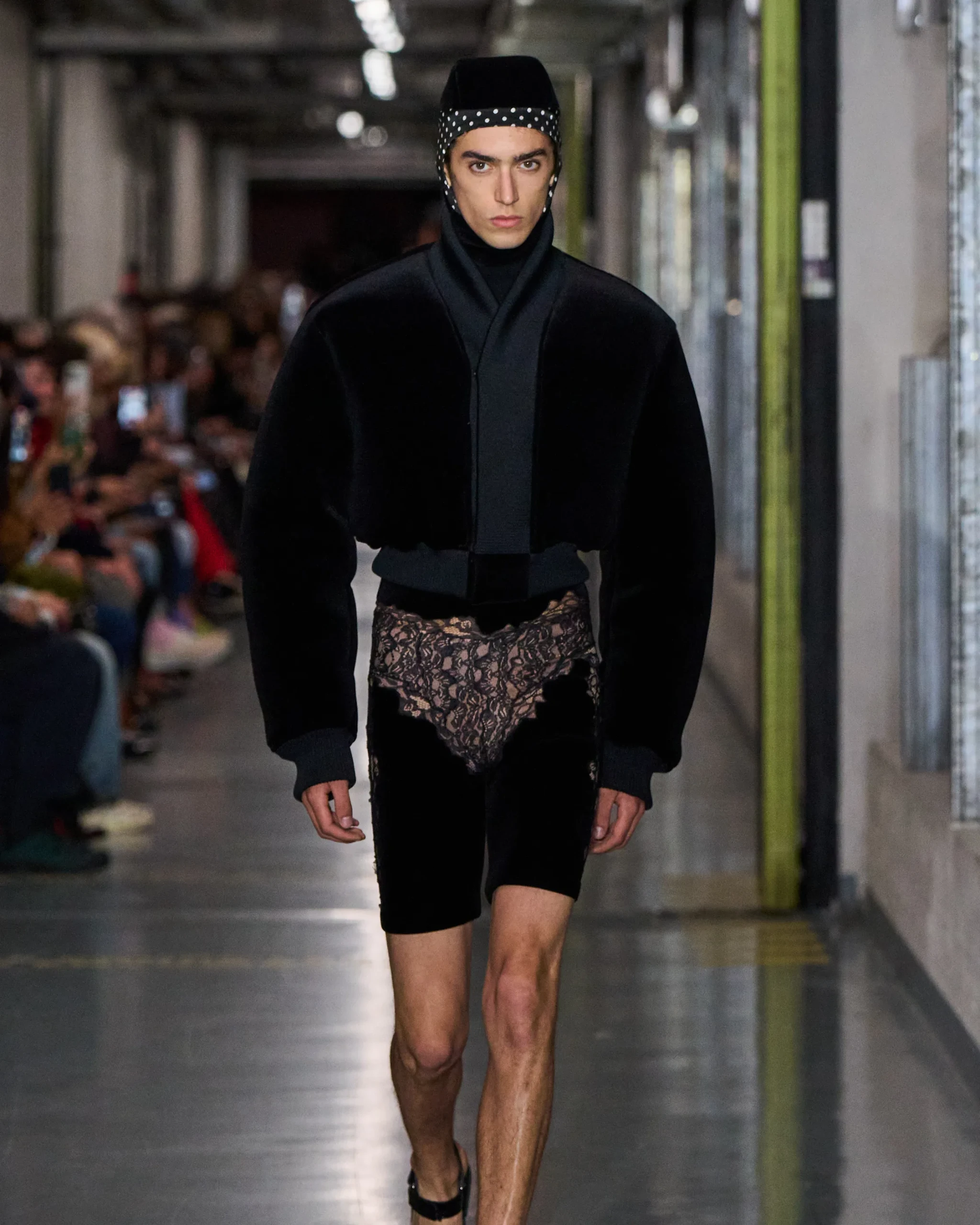
Duran Lantink’s Spring/Summer 2026 debut for Jean Paul Gaultier arrived to a storm of disbelief. Within hours, social media turned it into a public trial. Screenshots of hairy bodysuits and warped stripes spread like wildfire, igniting moral panic usually reserved for politics, not fashionFashionThe art and industry of designing, producing, and styling clothing, footwear, accessories, and beauty trends. It reflects cultural influences, personal expression, and evolving styles across seasons and markets.Go to Fashion Glossary.
RELATED: SS26 Opens With a Wave of Designer Debuts Across Major Fashion Houses
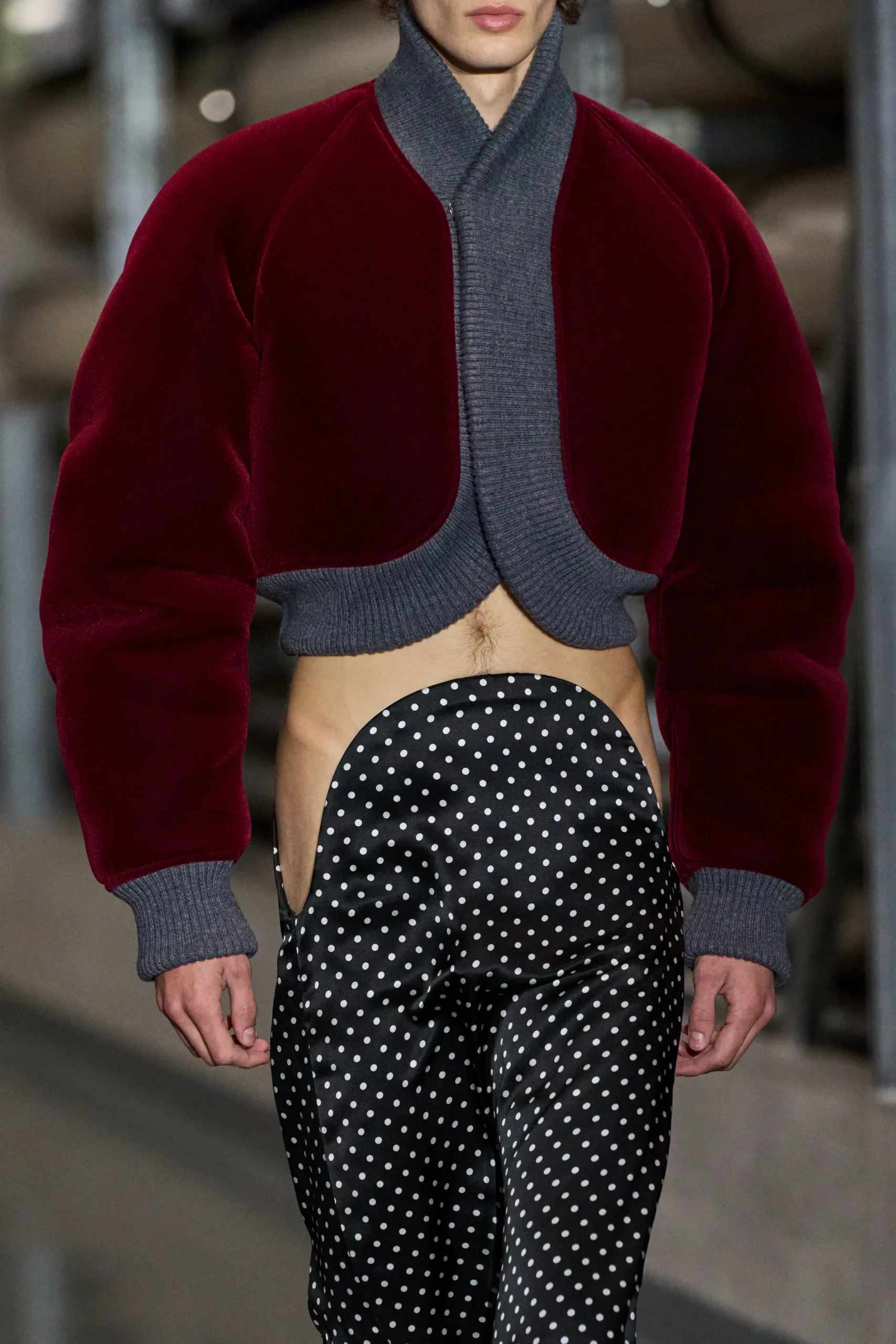
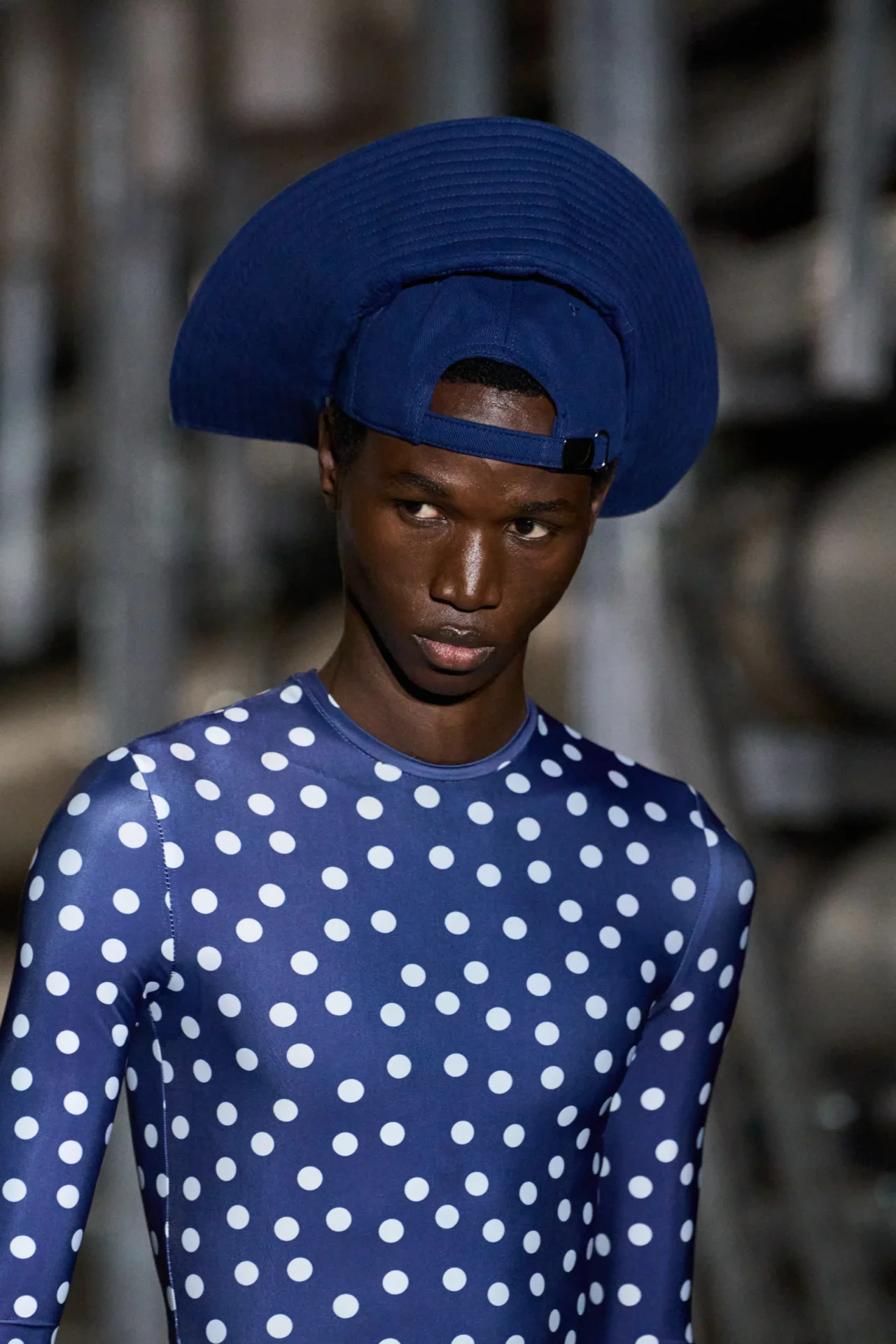
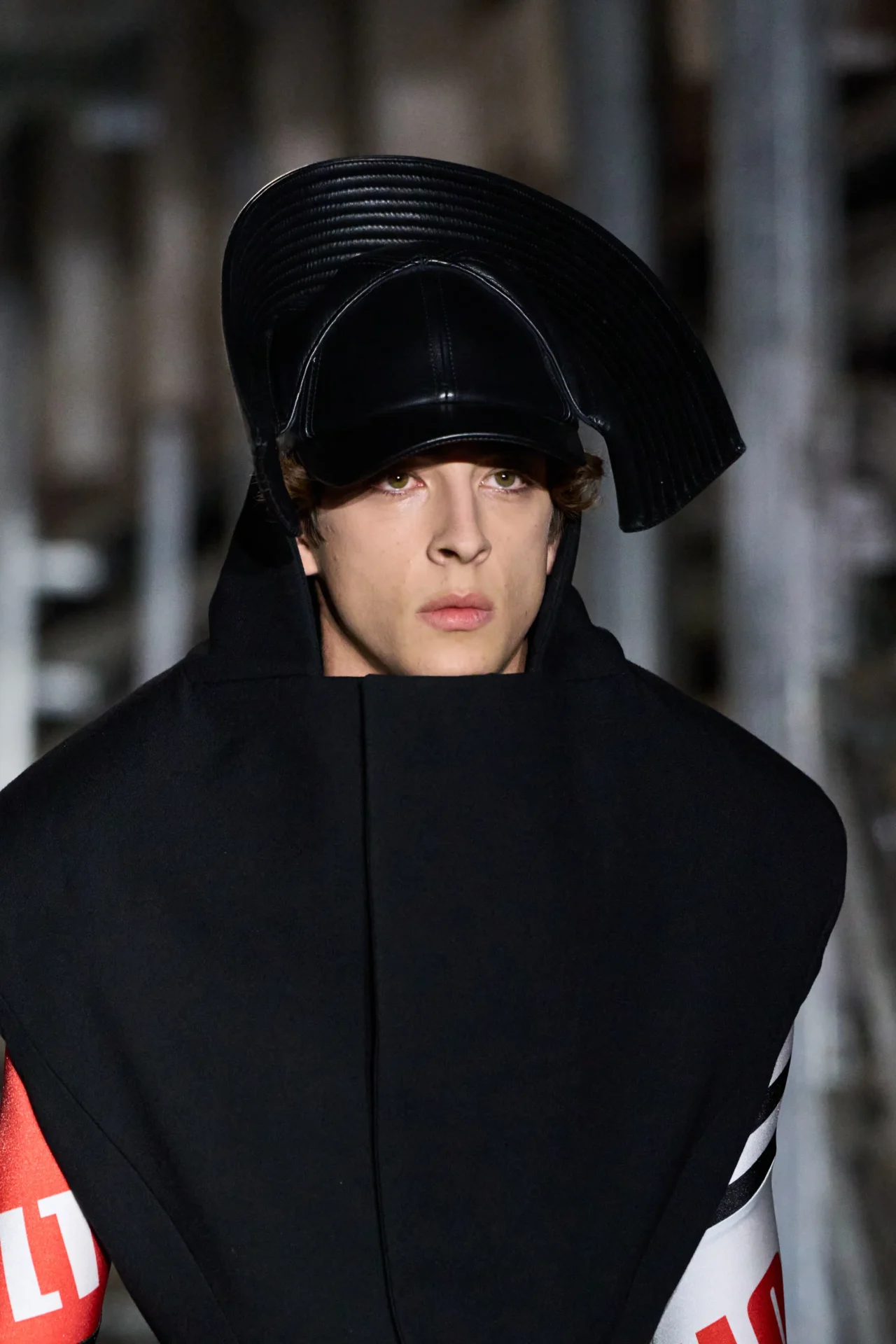
Comment sections overflowed with words like vulgar, offensive, and embarrassing. Some critics declared it “the death of taste.” Others shrugged and said they simply didn’t understand it. Yet beneath the outrage, something else began to surface. For every voice that condemned the show, another argued that Duran had reignited what Gaultier once embodied: the thrill of disruption.
The show, titled “JUNIOR,” unfolded inside the Musée du quai Branly in Paris, a fitting setting for a debut that merged anthropology with spectacle. Duran’s collection reworked Gaultier’s Junior line from the 1980s and 1990s, colliding it with the spirit of Amsterdam’s iconic RoXY nightclub. The outcome was a vivid portrait of hedonism and rebellion, one that felt like a bold reckoning with the house’s own history.
Rewriting the codes of Gaultier’s rebellion
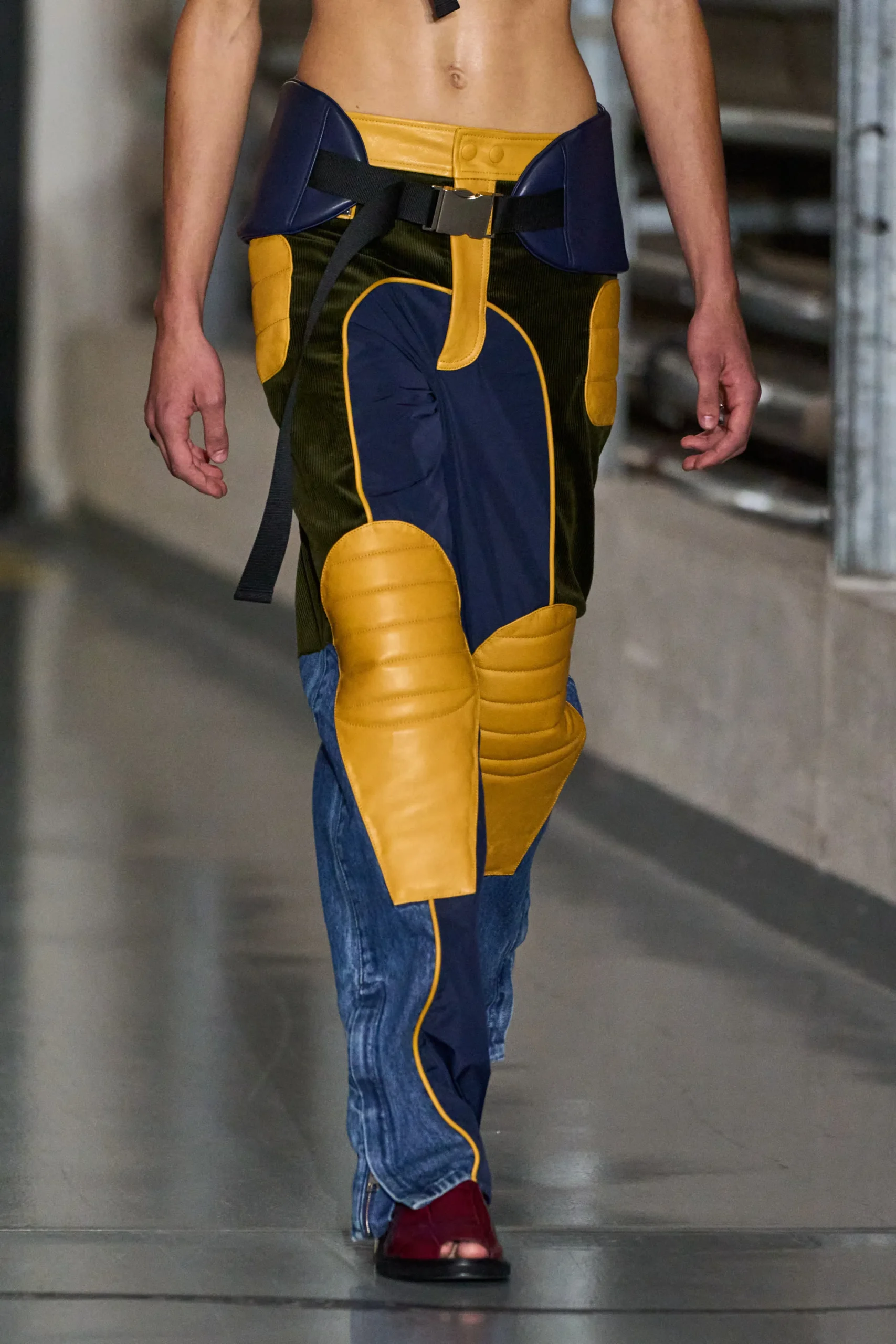
On the runway, models emerged in trompe-l’œil bodysuits that replicated the human body with unsettling precision: hair, muscle, even nipples rendered in hyper-real print. There were 3D tattooed meshes, inflated swimwear, and sailor stripes pulled to near-cartoonish extremes.
The backlash came quickly. Viewers dismissed the show as gratuitous, excessive, even offensive. Yet Duran had seen it coming. “I’m probably going to be slaughtered for it,” he said before the debut. “But I wanted to stay true to my process.” In many ways, the outrage felt intentional, as if woven into the fabric of the collection itself. His work has never aimed to satisfy; it exists to provoke, unsettle, and make the comfortable squirm.
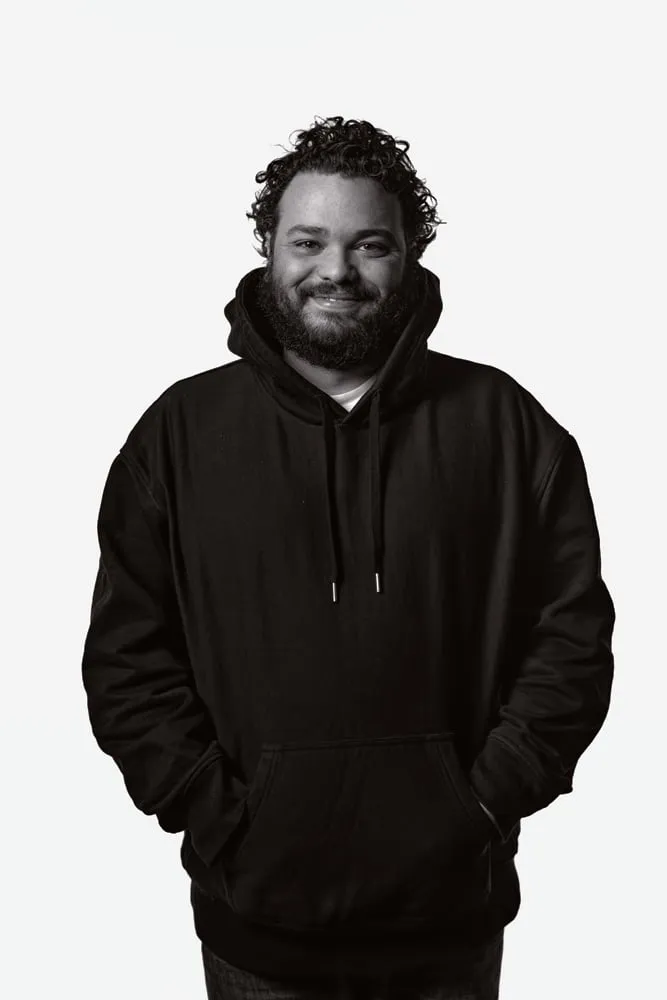
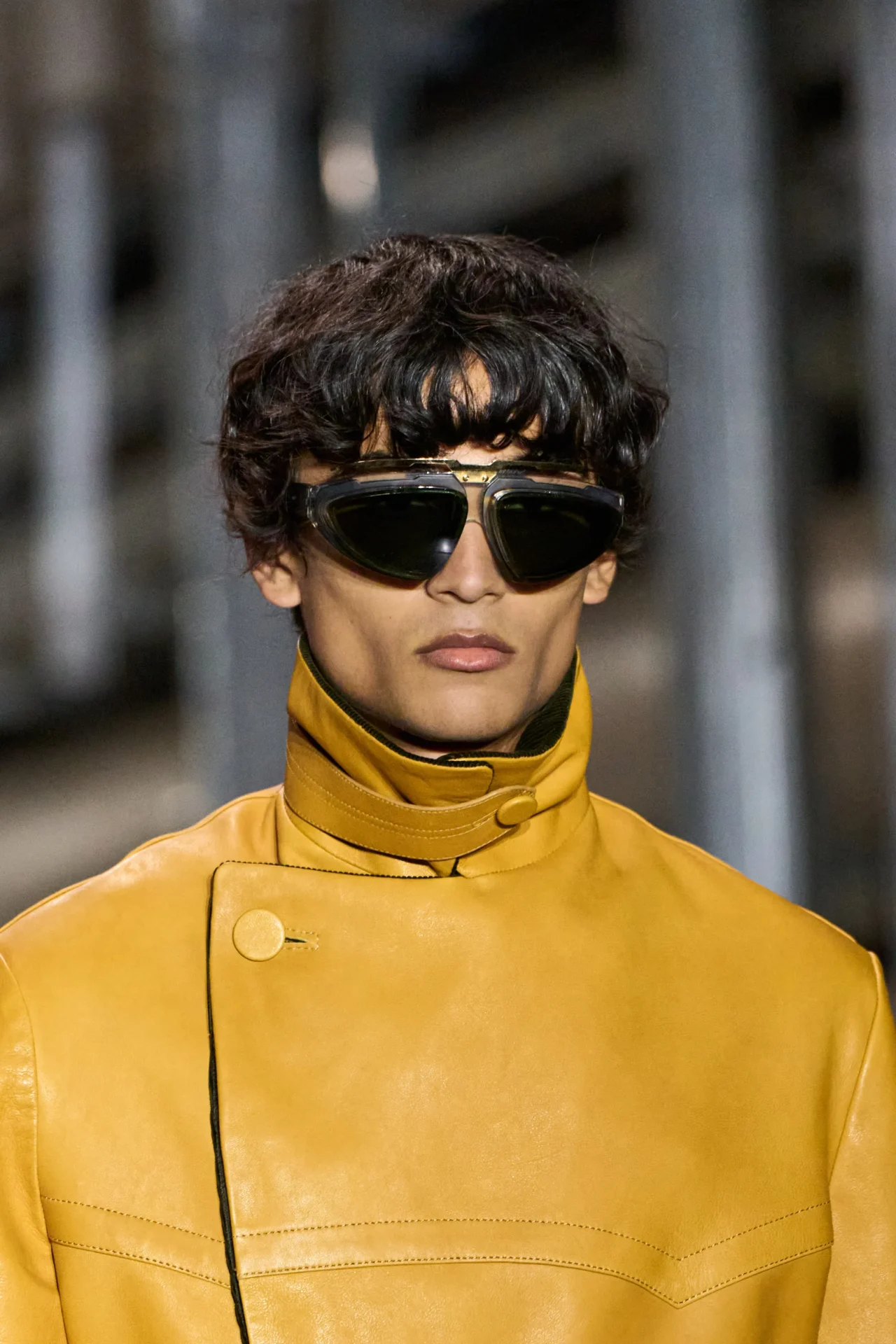
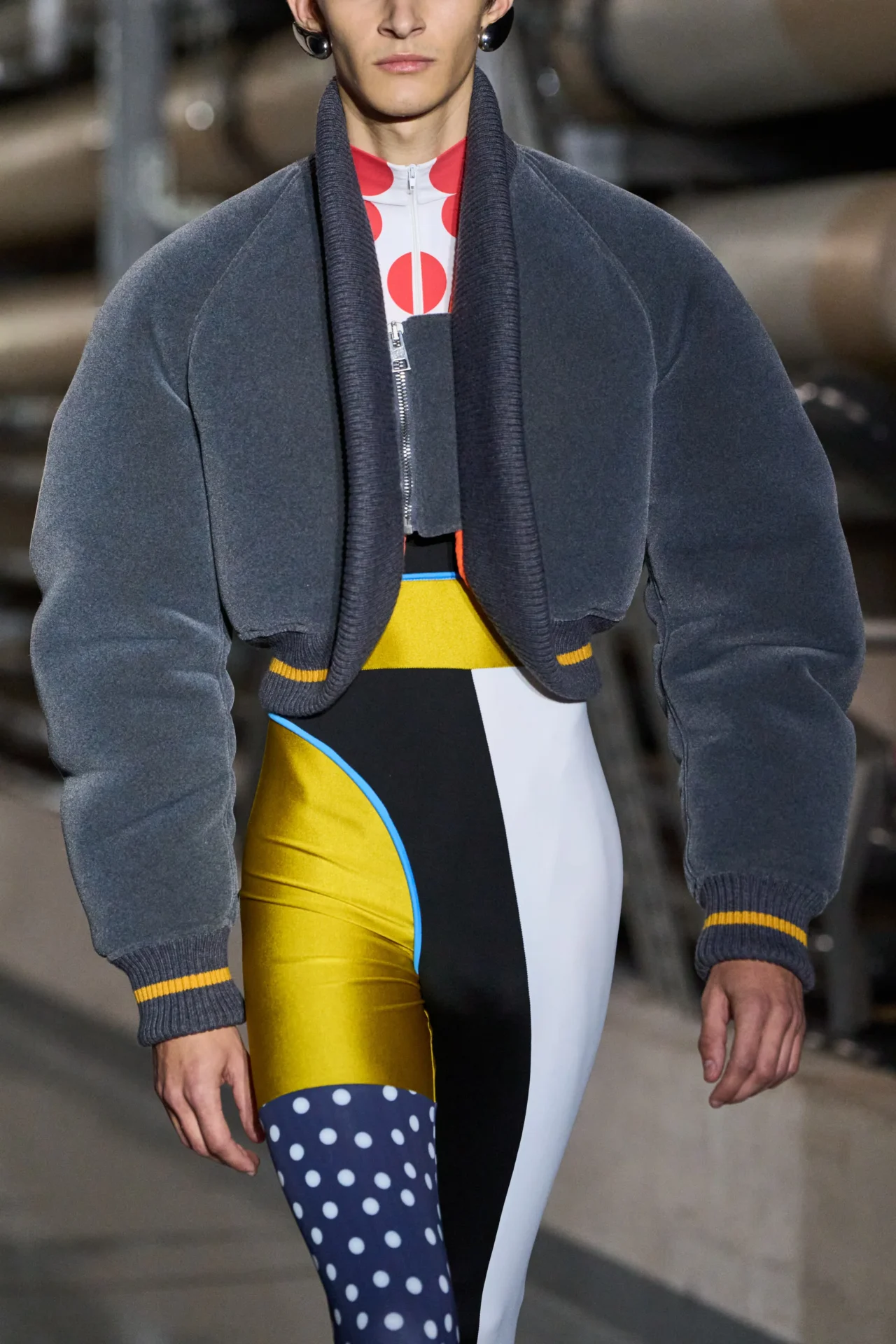
The inspiration came from Het RoXY Archief, 1988–1999, a book by Dutch photographer Cleo Campert that chronicled Amsterdam’s RoXY club, a space defined by chaos, sensuality, and fearless self-expression. That spirit coursed through the show. Duran built the collection around five words: fun, energetic, modern, urgent, and alive, and translated them with unapologetic force. The result was fashionFashionThe art and industry of designing, producing, and styling clothing, footwear, accessories, and beauty trends. It reflects cultural influences, personal expression, and evolving styles across seasons and markets.Go to Fashion Glossary that abandoned nostalgia for rebellion, propelling Gaultier’s legacy into sharper, more confrontational territory.
A new era for the House
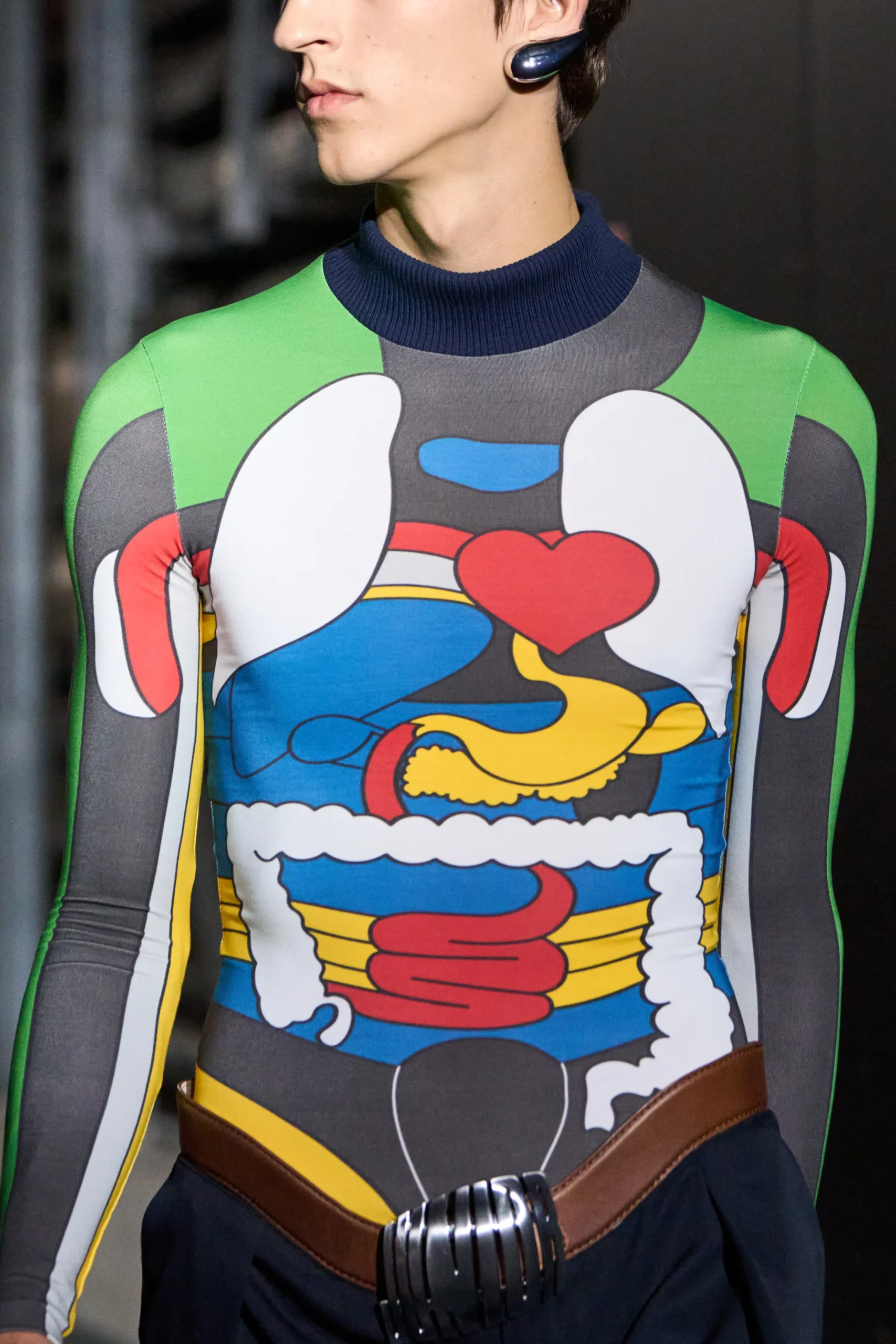
His arrival at Gaultier signaled a shift for both designer and house. Duran is the first permanent creative director since Jean Paul Gaultier stepped away in 2020, following a series of guest designers such as Glenn Martens and Haider Ackermann who had each reimagined the archive in their own way. His appointment was expected to bring stability, a sense of through line. Instead, his debut shattered that expectation. Continuity became secondary to rupture. Duran treated Gaultier’s history not as a guide, but as material to be torn apart and rebuilt.
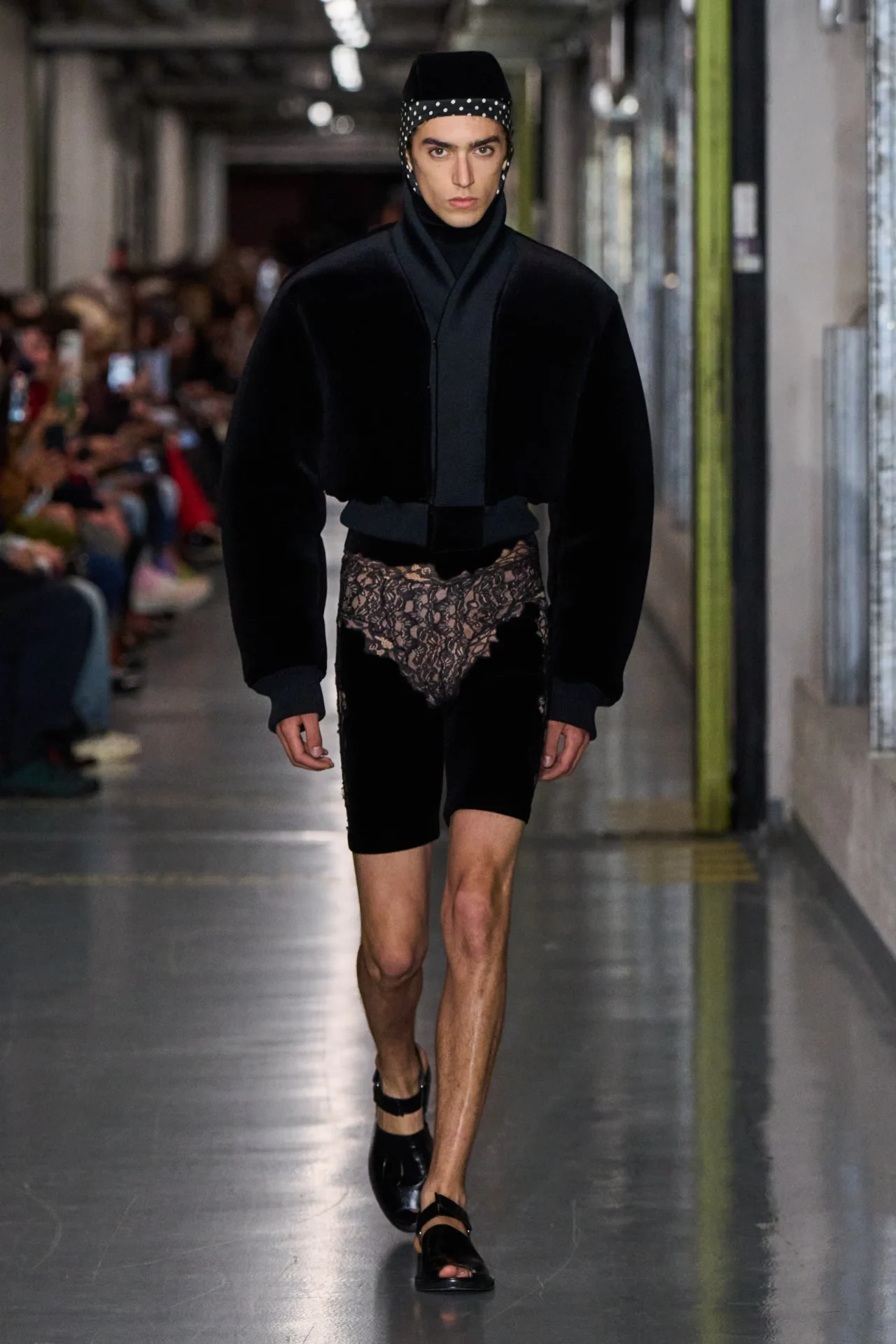
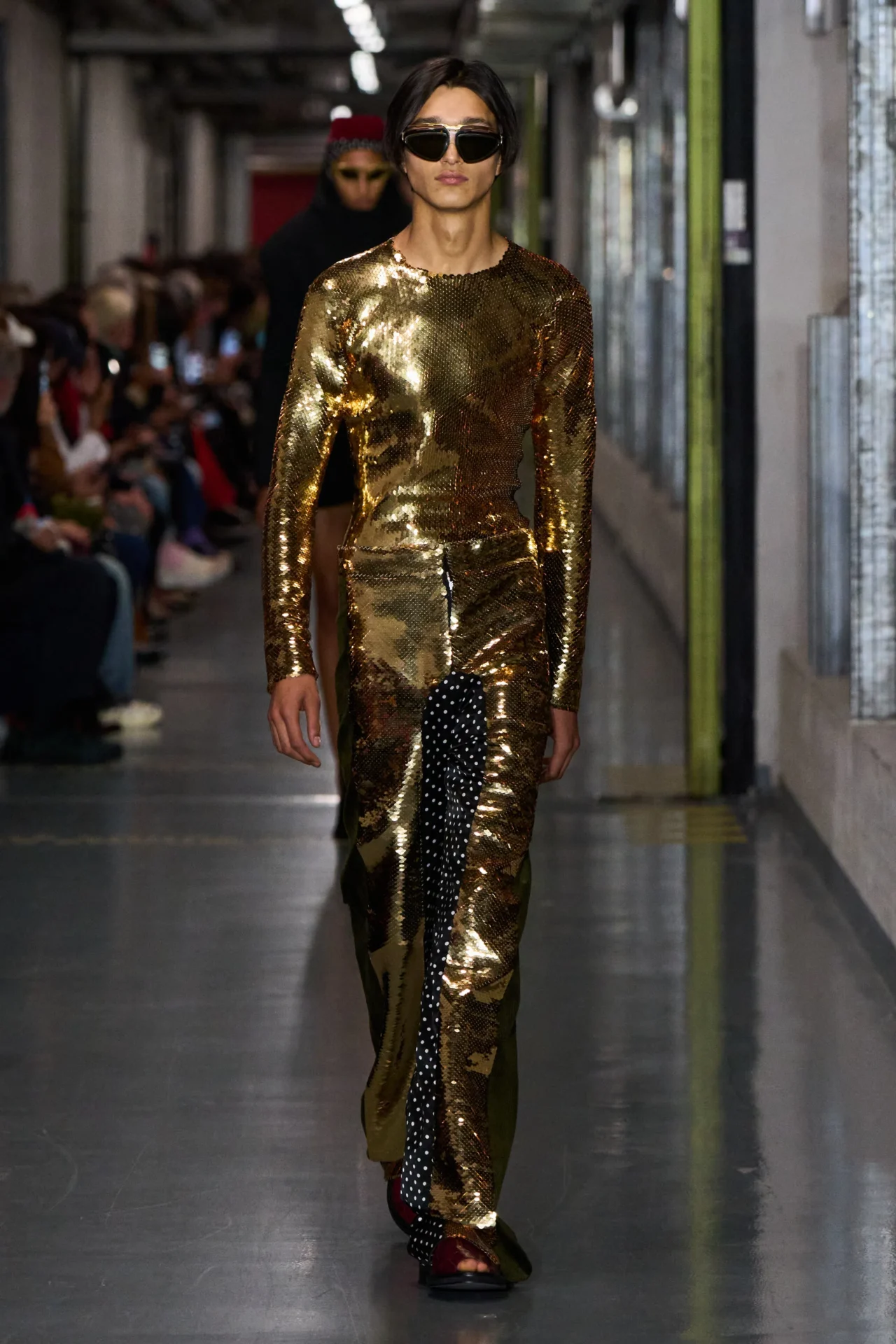
His connection to Gaultier runs deep, tracing back to his teenage years. His first piece from the brand, a beanie topped with devil horns, made him feel as if he “stood for something.” On his first day at a conservative high school, he wore a sheer Gaultier shirt printed with Ganesh, nipples visible beneath the fabric, and discovered how clothing could provoke and confront. “It’s so important to have a clothing piece that makes you feel empowered somehow,” he said. “He did that for me.” That early act of defiance remains the pulse behind his work.
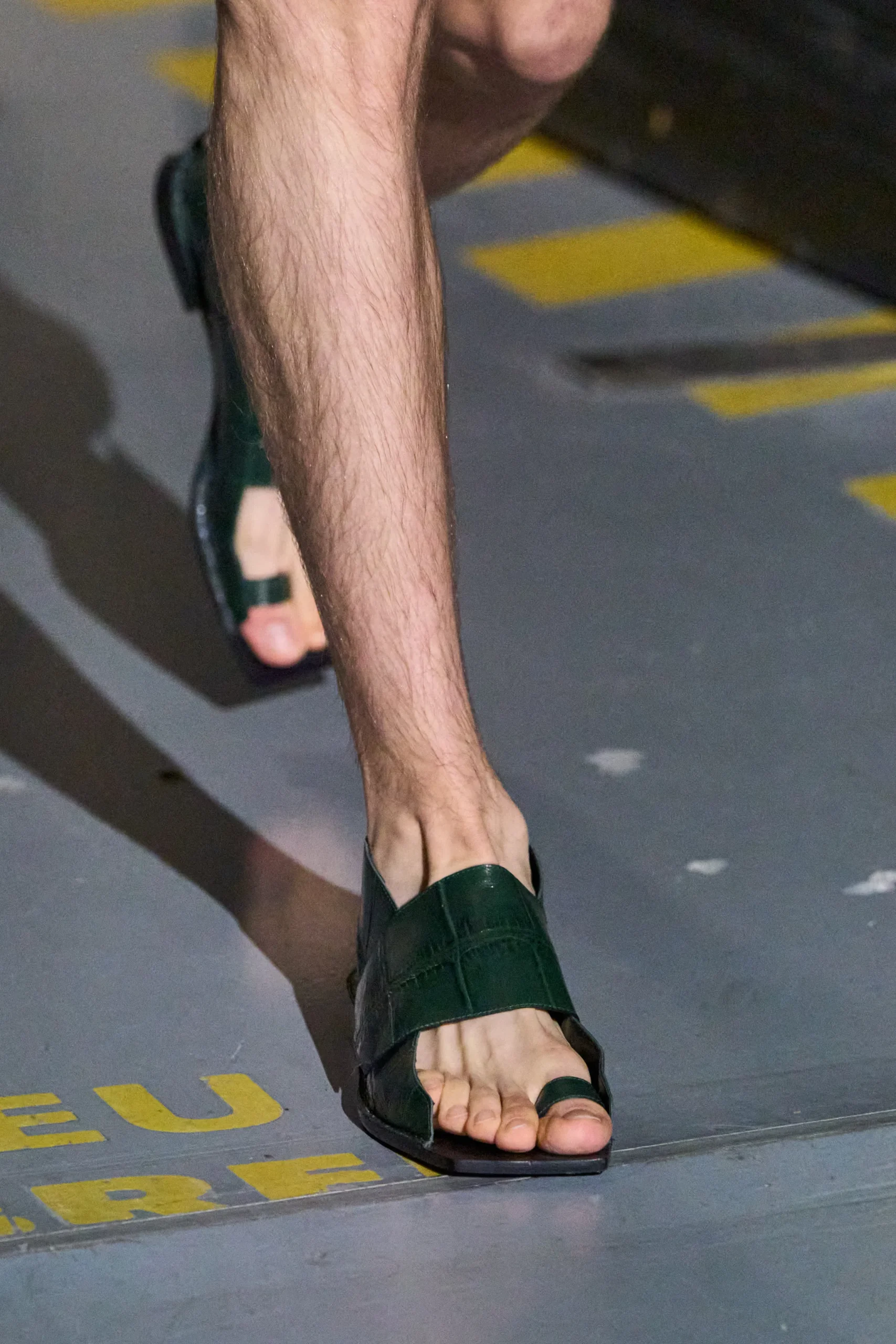
The public’s outrage, then, may not have been a misstep at all. It proved that the work struck exactly where it was meant to land, somewhere between fascination and discomfort. Like Gaultier in the 1980s, Duran’s strength lies in his ability to spark debate, to make people question what fashionFashionThe art and industry of designing, producing, and styling clothing, footwear, accessories, and beauty trends. It reflects cultural influences, personal expression, and evolving styles across seasons and markets.Go to Fashion Glossary should celebrate, reject, or dare to become.
Frequently Asked Questions
Duran’s Spring/Summer 2026 “JUNIOR” collection was met with criticism for its provocative designs and unconventional approach. Many viewers found the looks confusing or extreme, sparking debate over whether the collection honored or disrupted Gaultier’s legacy.
The collection reimagined Gaultier’s rebellious spirit through Duran’s experimental lens, mixing archival references with the raw energy of Amsterdam’s RoXY nightlife scene. It aimed to challenge comfort and beauty standards rather than play it safe.
The show included hairy bodysuits, inflated swimwear, and distorted sailor stripes. Pieces that sparked strong reactions for their bold visuals and avant-garde construction.
While Gaultier’s past work was often playful and theatrical, Duran’s take leaned more toward discomfort and provocation. His focus was on reintroducing risk into an industry that has grown increasingly nostalgic.
Duran’s debut reminded audiences that fashion’s power lies in its ability to provoke emotion. Whether loved or hated, the collection proved that risk-taking still has a place on today’s runways.
Photos courtesy Jean Paul Gaultier
Recommended Video