
eaJ Unfiltered
In his latest project, the American singer-songwriter offers a clear-eyed look at his evolution, shedding past expectations in favor of creative control and personal clarity




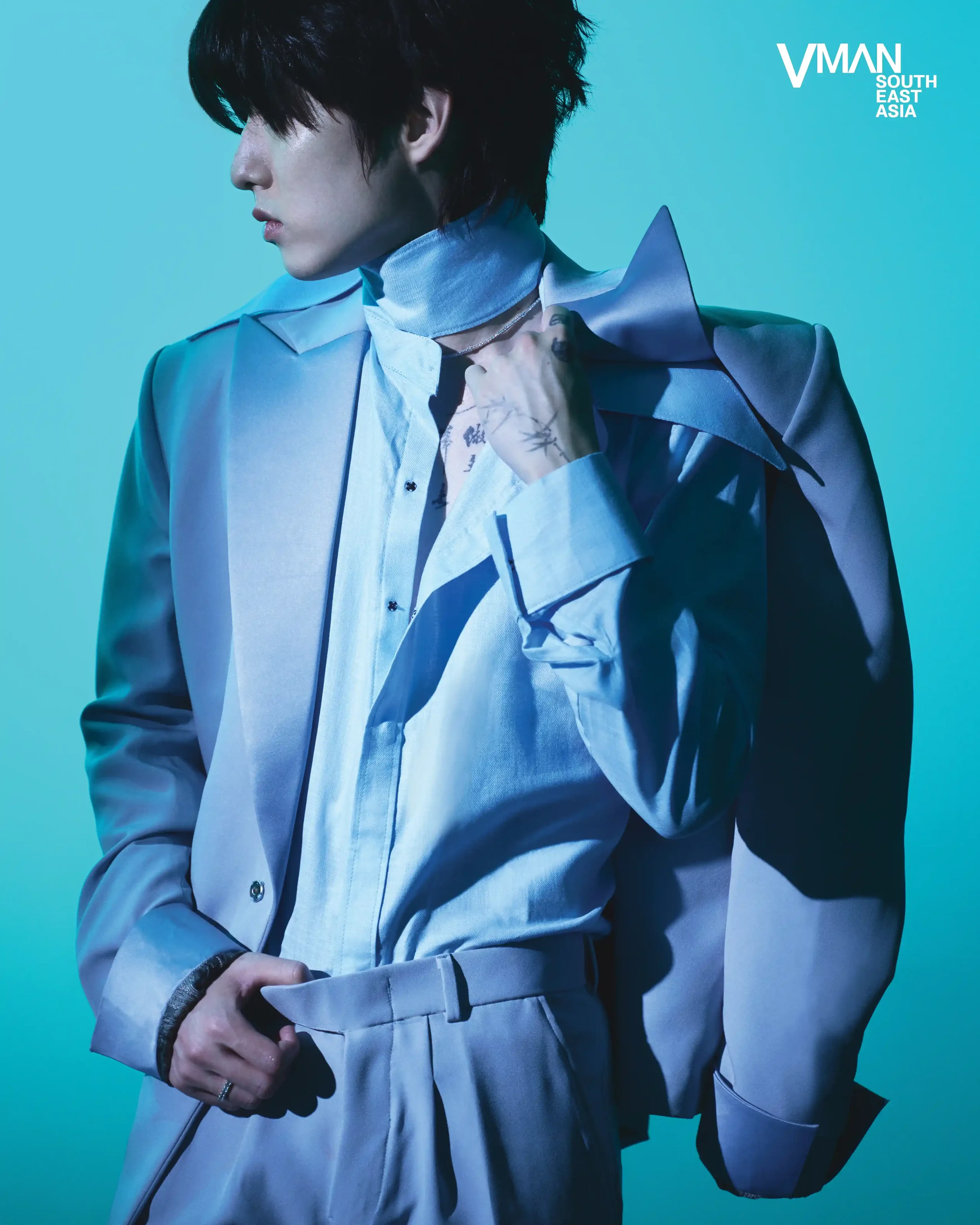
eaJ opens up about his new music and finding balance
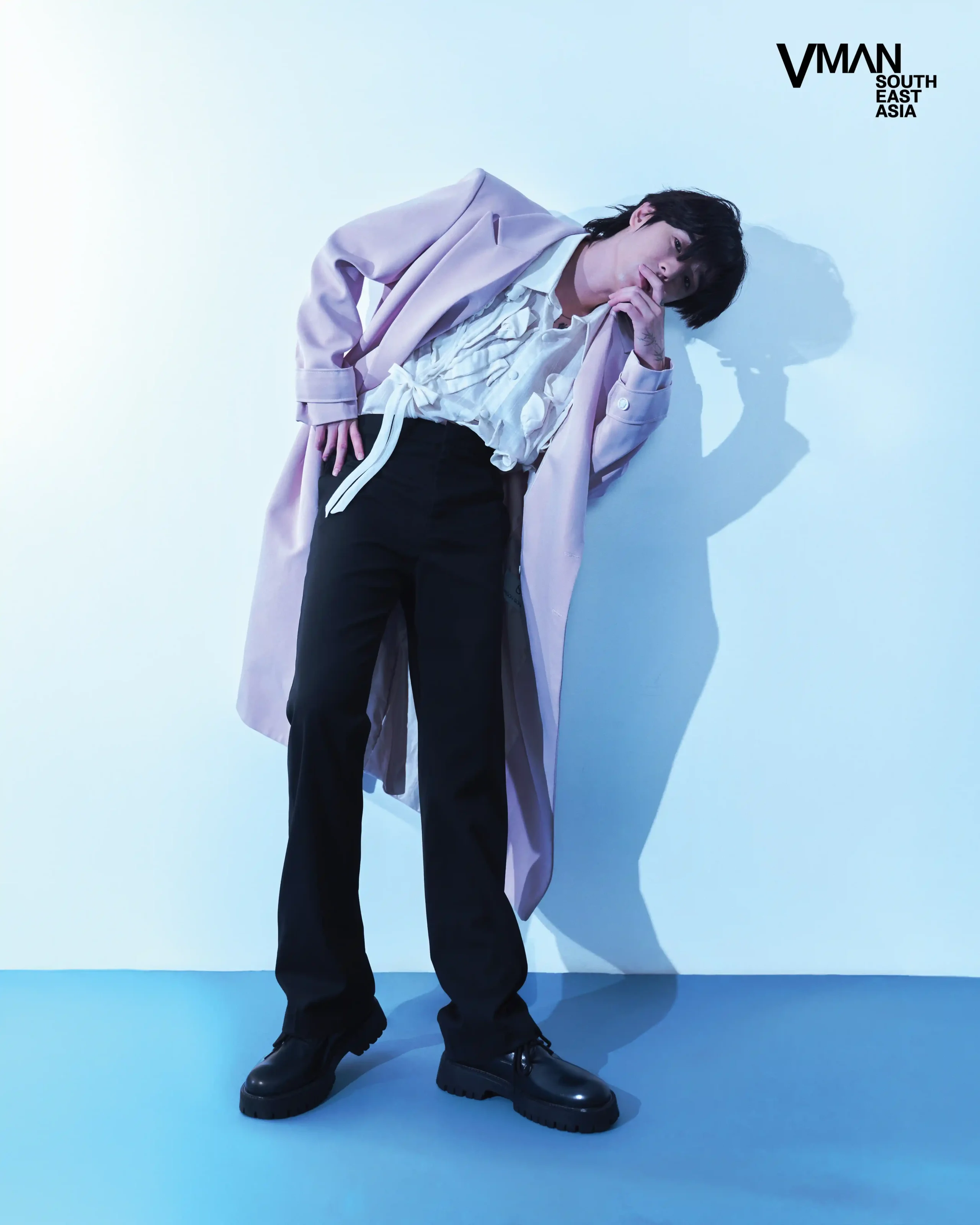
eaJ does not arrive with the usual presence of a pop star. He bows deeply to every staff member in the room, almost comically so, as if to neutralize the idea of hierarchy before it can settle. There’s a distinct lack of performance in how he carries himself, despite the fact that he just headlined two nights of a music festival in Indonesia and is in the middle of a rollout for a new multi-part project.
“I still don’t know why people come to my shows. The imposter syndrome hasn’t gone away. If anything, it gets worse.”
That admission isn’t a deflection, nor is it self-effacing charm. It’s delivered like a weather report. Factual, not dramatic. And in many ways, it sets the tone for a new body of work that feels remarkably grounded, even as it pushes his sound and subject matter into more personal, uncharted territory.
Marking his reorientation
The EP is his first as part of a planned trilogy. It’s neither a reinvention nor a comeback. It’s something more measured, a reorientation. “It’s like a rollercoaster,” he says. “Every song holds a very specific piece of me.”
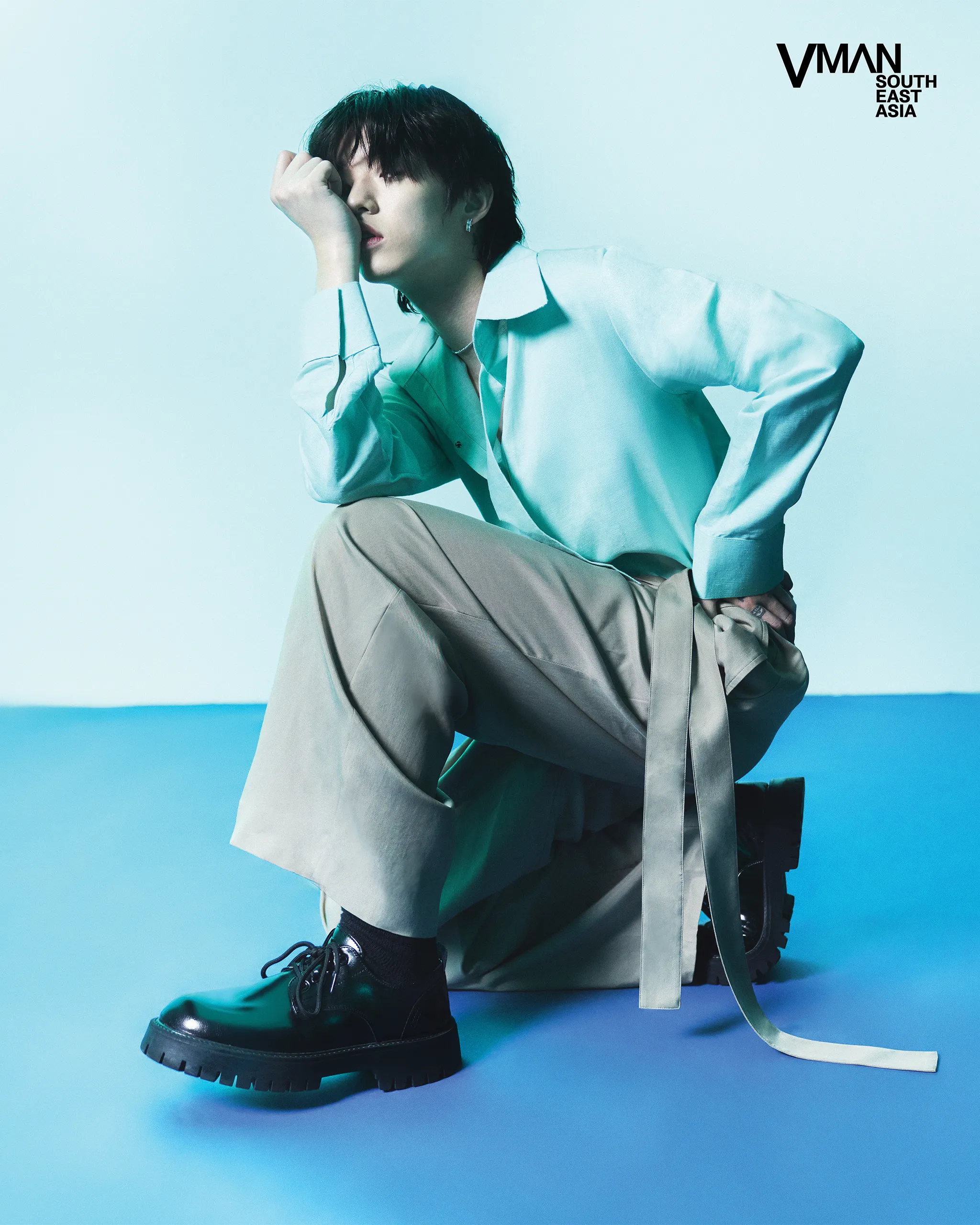
The project marks the first time in recent memory that eaJ has allowed himself to explore music purely on his own terms. He’s done with sidestepping expectations or editing himself to appease longtime fans. If ruin my life and merry go round were tentative steps forward, this EP is a full stride. It’s resolute and emotionally intact.
At its center is RED, a propulsive track originally written for a video game collaboration. But like much of eaJ’s recent work, the song’s genesis belies its deeper significance. “It ended up being the perfect song because, for the first time, I felt like I could tell my side of the story,” he says.
Redefining the man
That story includes a series of personal and professional collapses in 2020 and 2021, a period he now discusses with unsentimental clarity. He was diagnosed with panic disorder and major depressive disorder. He began medication. And then, as he puts it, “I was making mistakes left and right, like humans do.”
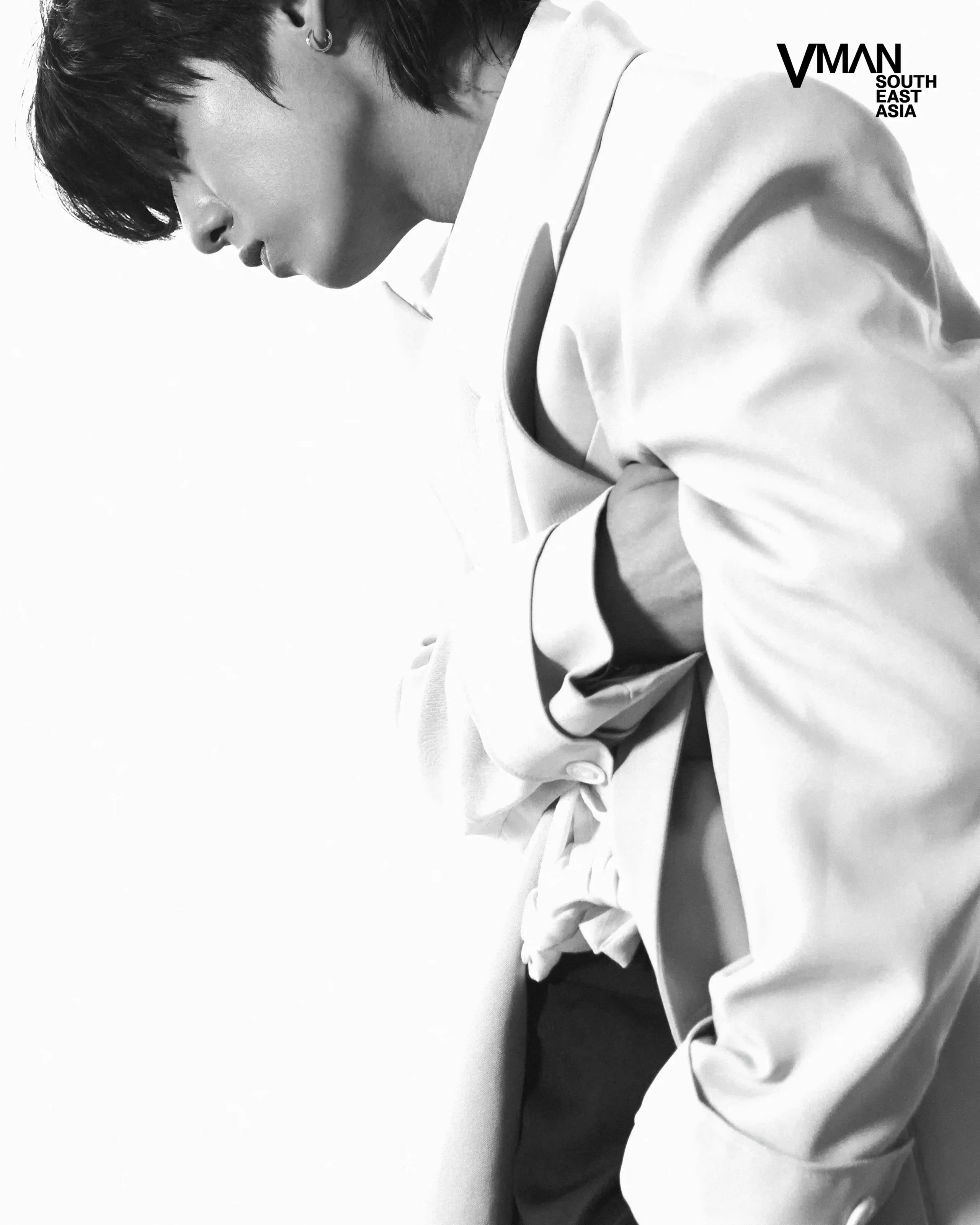
In contrast, pause, one of the EP’s quieter tracks, lands like a revelation. “I’ve never made a song where I was just happy,” he says. “There was always a twist: ‘You’re great, but I’m scared to lose you.’ This time, I let myself feel content.”
That emotional shift mirrors a creative one. For the first time in years, eaJ feels free to engage with the music he genuinely wants to make, even if it brushes against the boundaries of his past.
“I spent a long time avoiding anything close to the music I used to make. But now, I think I’ve accepted that time has passed. That I’ve healed. And that it’s okay to let myself enjoy this.”
There’s a conscious recalibration happening. The trilogy format is part of it. An interlude drops in first, followed by a second and final installment. His writing process is part of it too, and while unstructured, it reveals a distinct duality: spontaneity grounded in instinct.
“I get a lot of my ideas in the shower or while walking to my car,” he says. 50 Proof, an older track, came together almost entirely while he was standing in the bathroom, soaked and frantically trying to type the lyrics into his phone.
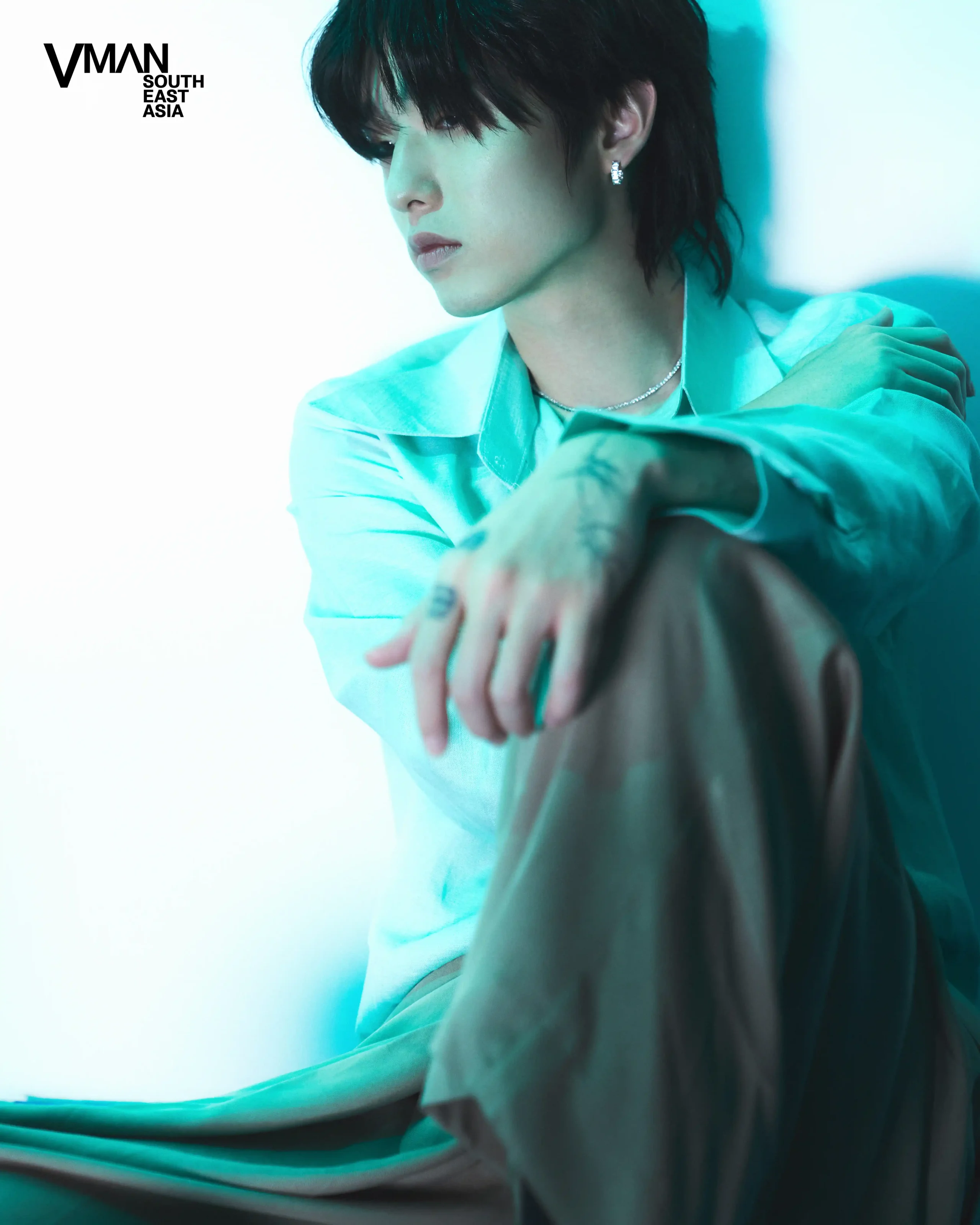
Writing by instinct
His melodies often carry traces of Korean songwriting, with phrasing that lingers on emotion rather than rushing toward the hook. It’s not something he’s doing consciously, but it’s there. “I trained in Korea for 10 years,” he says. “It’s baked into how I write. Even now, I think I’m still working within that structure without realizing it.”
“I want people to feel good or feel something meaningful. This EP is the first time I’ve done something that fulfills me musically.”
In the past year, that clarity has only grown. Touring in Asia has exposed him to scenes that feel more participatory and communal than performative.
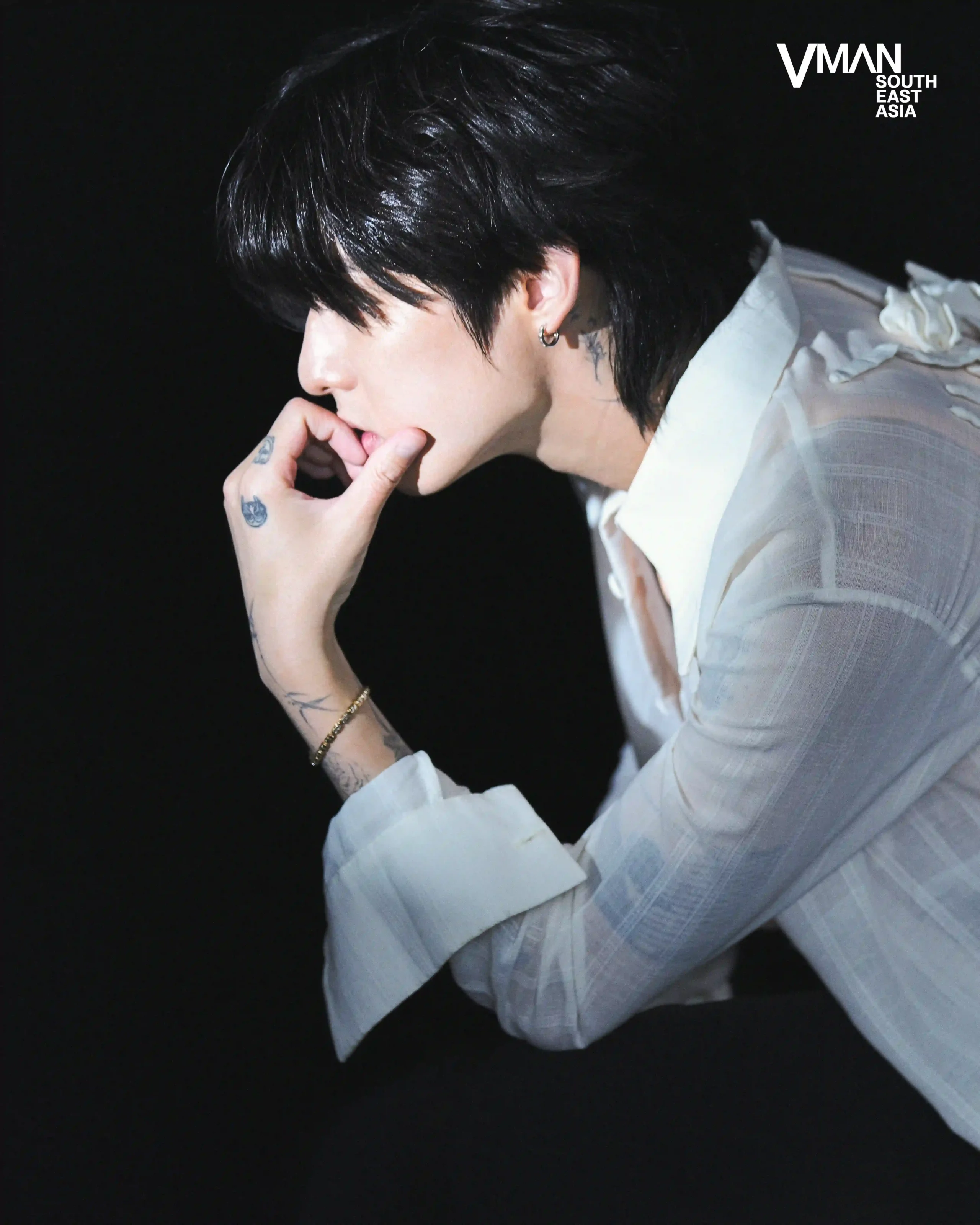
“In LA, I went to a Kendrick Lamar show, and it felt like watching an art installation,” he recalls. “People just had their phones out. No one was singing.” In Indonesia, it was the opposite. “The crowd knew every lyric. It felt like a family celebration. People didn’t care how they looked. They were just living.”
That experience reoriented his understanding of what a live show could be. “That’s what music should feel like,” he says. “And I want to figure out how to bring that feeling to American audiences.”
Learning to live with doubt
Still, despite this forward momentum, imposter syndrome remains a persistent presence. “The stages get bigger, the streams go up… but that little voice saying, ‘Do I deserve this?’ It doesn’t really go away.”
What’s changed is his relationship to that voice. He’s no longer trying to drown it out. He’s learned to move alongside it.
“There were fans who stuck with me through everything. I like to believe they saw someone, something, before all that. And now, I just want to prove them right.”
This era of eaJ isn’t about redemption, nor is it an attempt at reinvention. It’s steadier and more intentional. A long arc bending toward control. A creative life not resurrected but finally allowed to breathe.
As seen in the pages of VMAN SEA 04, available in print and by e-subscription.
Photography Jharwin Castañeda
Art direction Summer Untalan
FashionFashionThe art and industry of designing, producing, and styling clothing, footwear, accessories, and beauty trends. It reflects cultural influences, personal expression, and evolving styles across seasons and markets.Go to Fashion Glossary Corven Uy
GroomingGroomingThe care and maintenance of hair, skin, beard, and nails, including cleansing, shaving, styling, and scent. Once niche, men's grooming has grown into a major lifestyle category, and VMAN's VanityGo to Grooming Glossary Janica Cleto
Hair Jules Espena
Special thanks Secret Signals
Frequently Asked Questions
eaJ’s new EP is the first installment of a planned trilogy, marking a deliberate reorientation rather than a reinvention. He describes it as deeply personal, with songs he says each hold a specific piece of him.
eaJ was diagnosed with panic disorder and major depressive disorder during 2020 and 2021 and began medication. He now discusses that period with clarity, and it directly informs songs on the new EP, including its more vulnerable, content-focused track “pause.”
eaJ says he often gets ideas in the shower or while walking, describing his process as spontaneous but grounded in instinct. His decade of training in Korea shaped phrasing that lingers on emotion rather than rushing toward a hook.
“RED” was originally written for a video game collaboration but became personally significant to eaJ, who says it was the first time he felt he could tell his own side of the story through a song.
Yes. eaJ says the feeling persists even as his stages and streaming numbers grow, but his relationship to it has changed — he no longer tries to suppress the doubt and has instead learned to move alongside it.

Recommended Video