Can Willy Chavarria Redefine Fendi? Meet the American Designer on the Rise
What began as work behind the scenes has now brought Willy to the brink of leading Fendi, marking a turning point in his career




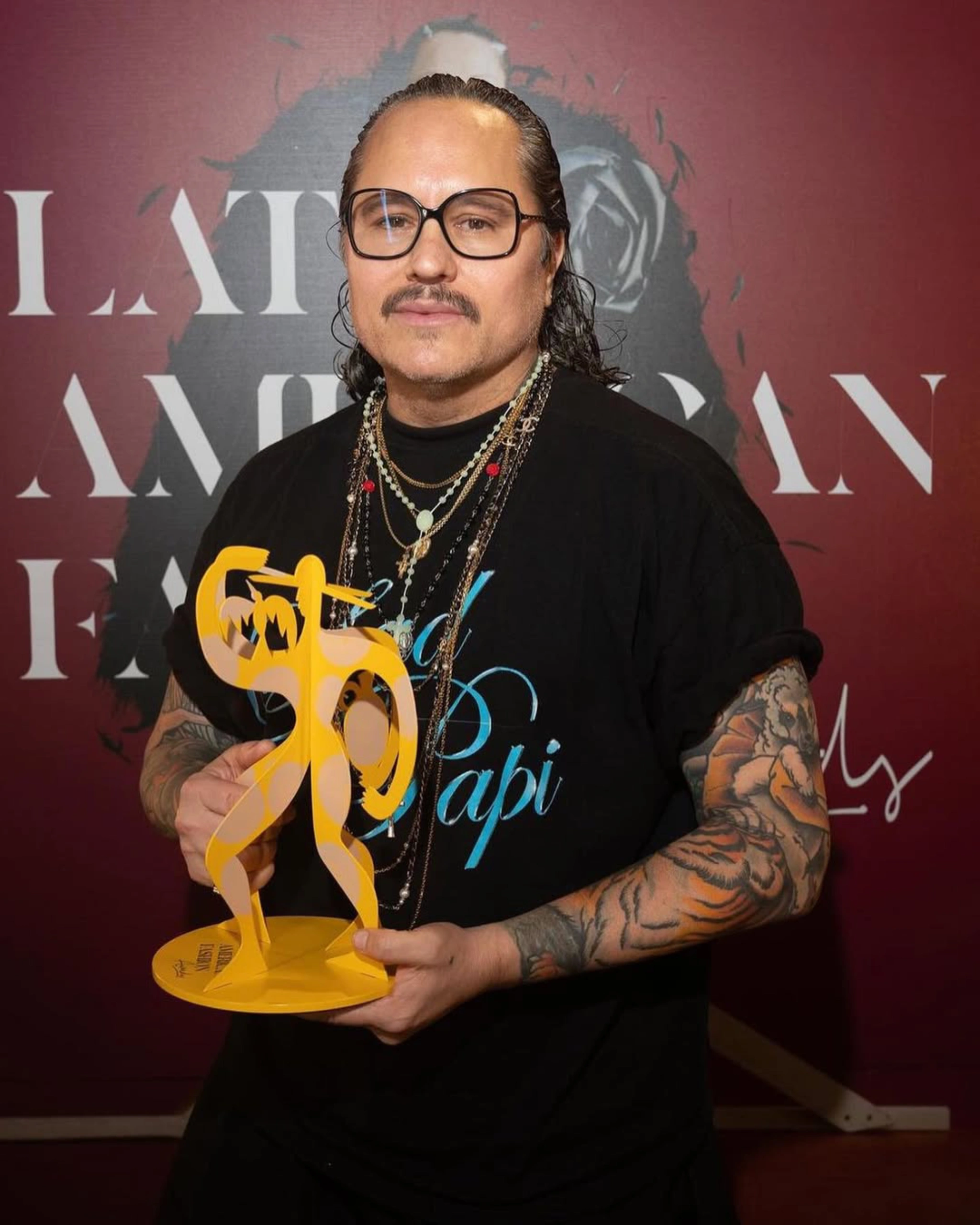
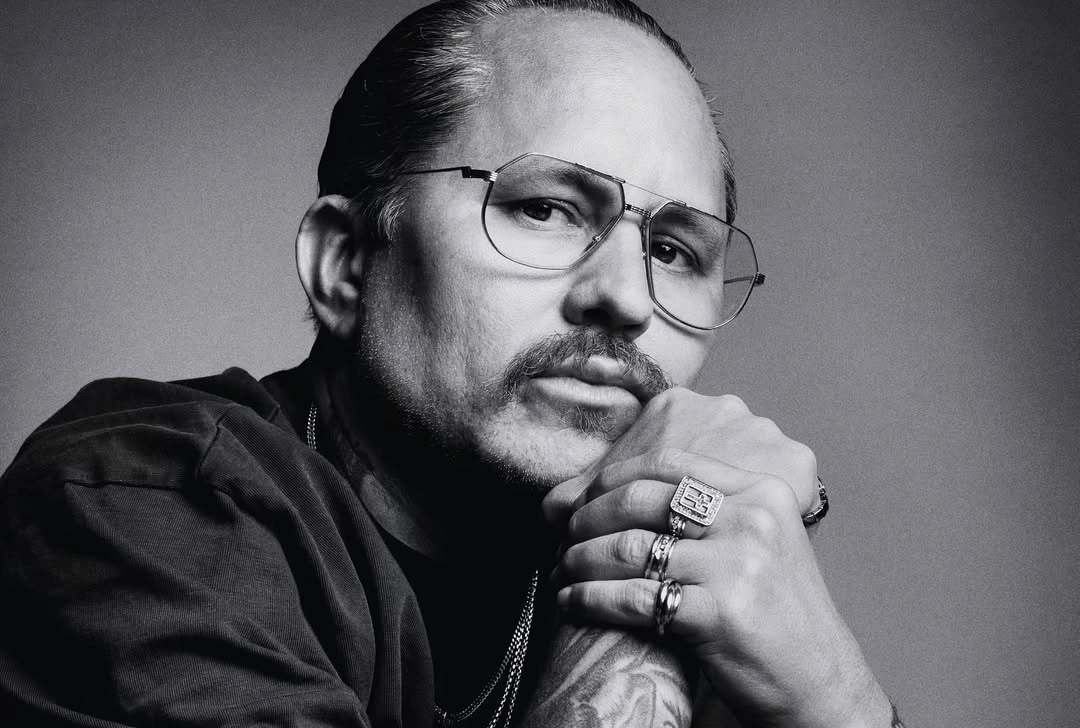
In the span of a decade, Willy Chavarria has gone from a cult presence on New York’s fringe fashionFashionThe art and industry of designing, producing, and styling clothing, footwear, accessories, and beauty trends. It reflects cultural influences, personal expression, and evolving styles across seasons and markets.Go to Fashion Glossary circuit to one of the most closely watched names in menswear. He has done so not by chasing spectacle or trend, but by applying a deeply personal, political, and confrontational vision of what clothing, especially men’s clothing, can communicate.
RELATED READ: Fashion’s Gone Full Jockcore—And Honestly, It Looks Good
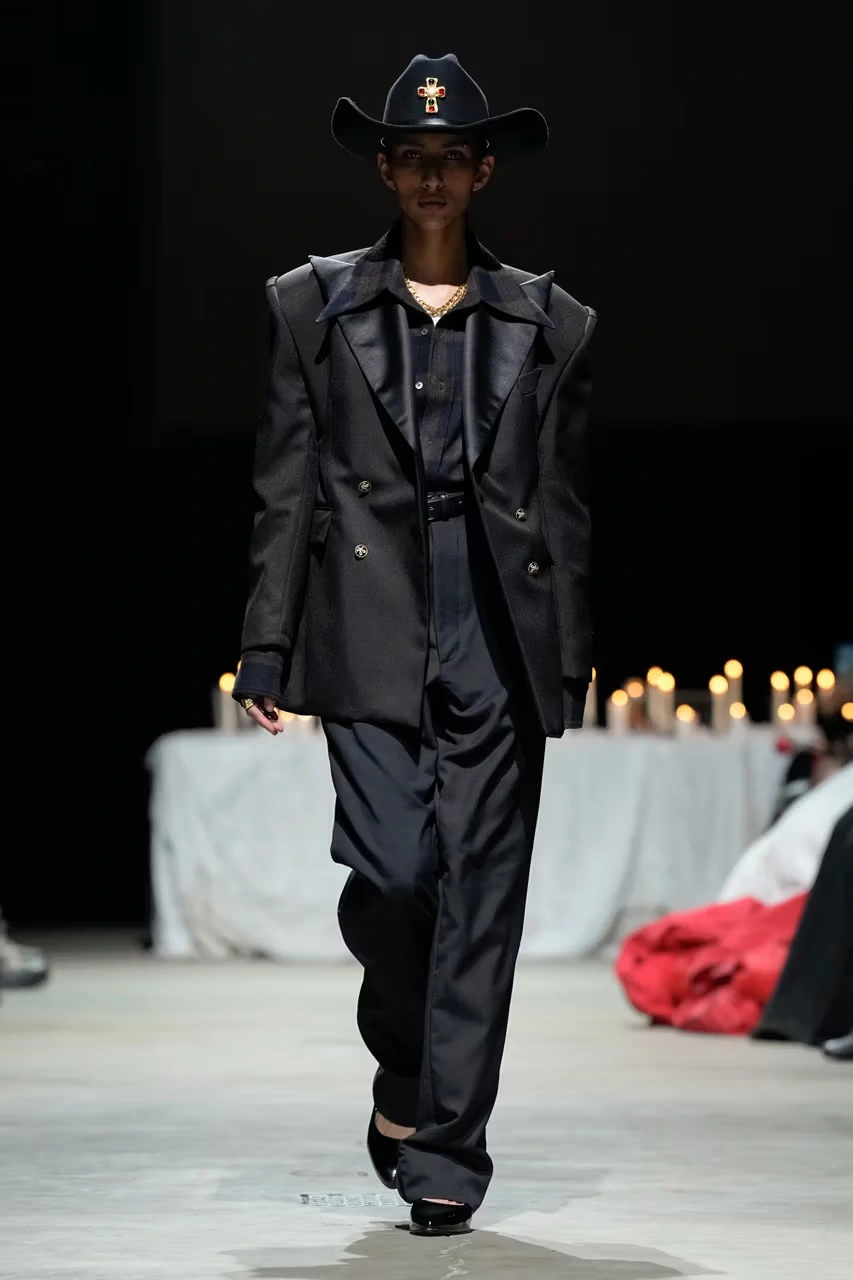
Now, multiple sources within the industry confirm that Willy is in final talks to assume the role of creative director at Fendi Menswear. This move would make him the first American-born designer and the first Latino to lead menswear at the Roman luxury house. While Fendi has yet to issue a formal announcement, the signals are clear. The next chapter of the brand will be written with broader shoulders, softer tailoring, and sharper politics.
Below is a timeline of the designer’s career and the vision that carried him from California’s Central Valley to the doors of Roman luxury.
2015 — The label is born
Willy launched his eponymous label in 2015 with little fanfare but an unmistakable point of view. After years working behind the scenes at Ralph Lauren and American Eagle, he stepped into the independent space with a collection that felt more like autobiography than branding.
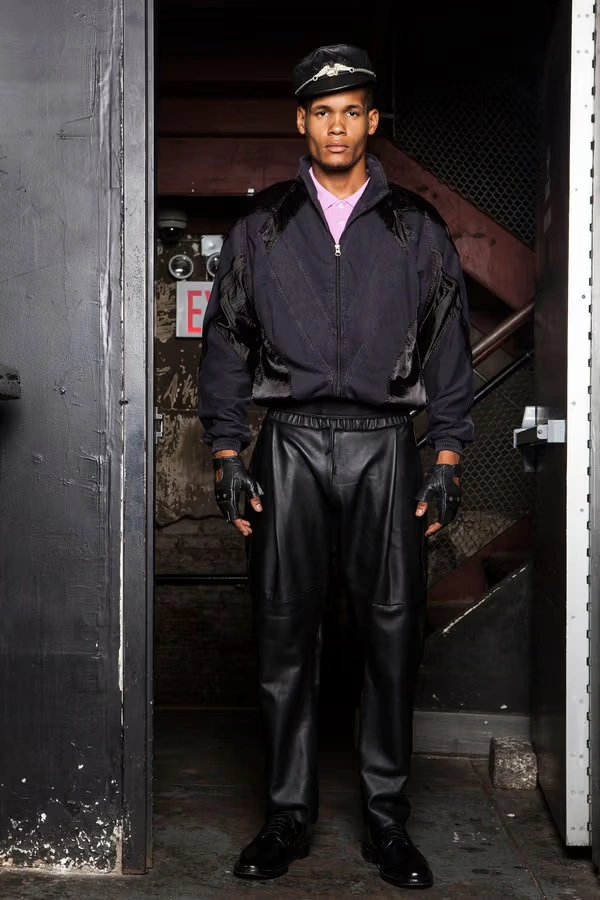
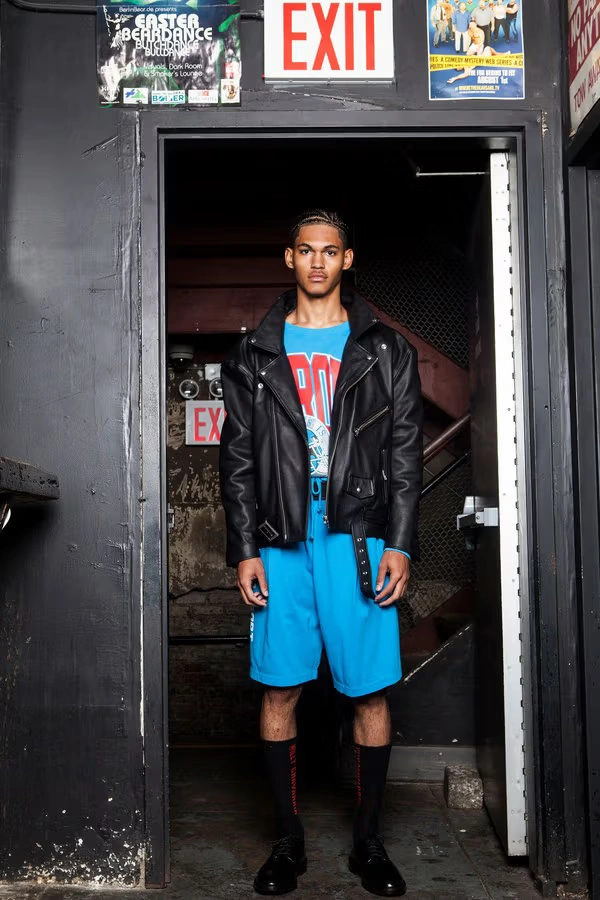
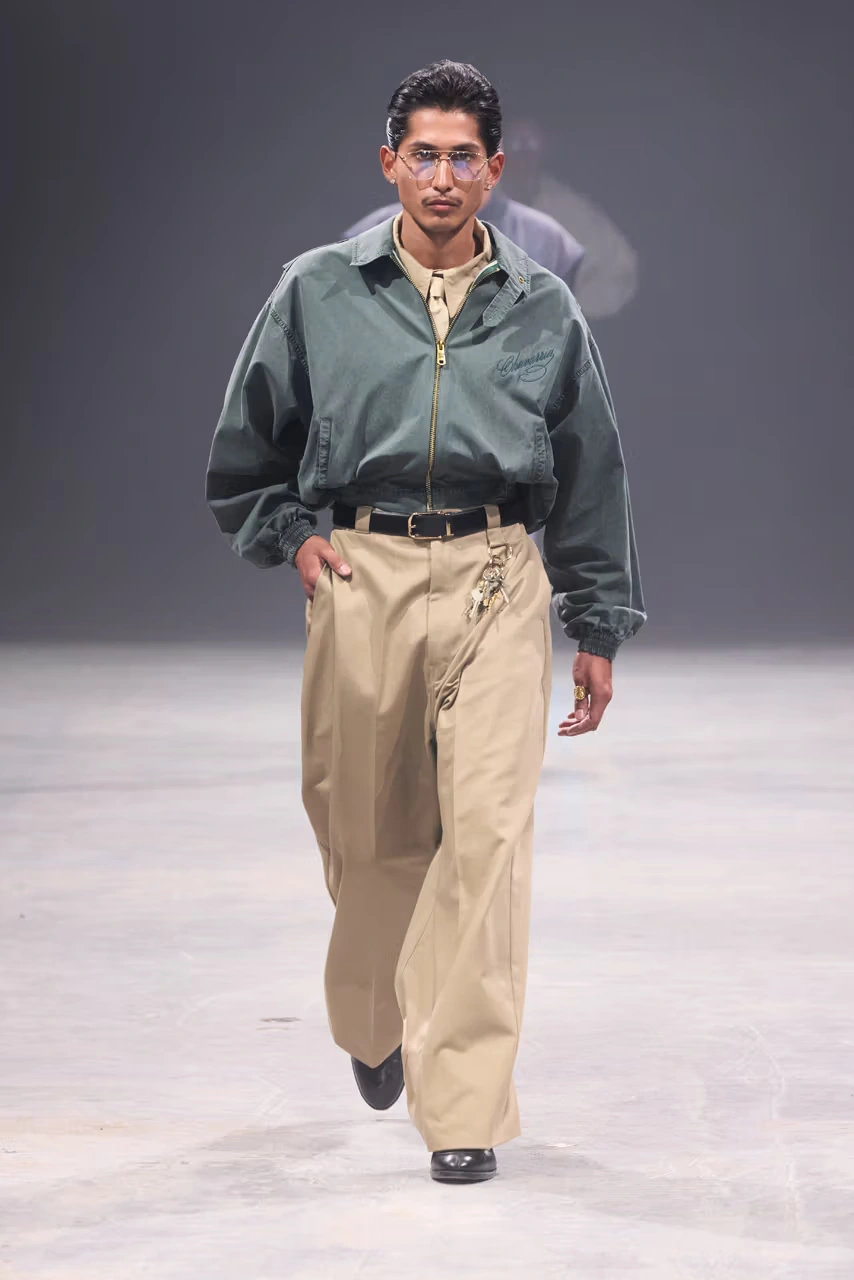
It was sparse and deeply personal: voluminous shirts, boxy coats, high-waisted trousers. The casting was unconventional, featuring Brown men, queer men, and working-class bodies. They were characters drawn from the designer’s own life.
He staged his first show at an infamous gay bar in New York. “We felt that we had to own our platform not to ignore the ugliness in the world, but to define our own strength within it,” he said in an early interview. “I grew an audience that connected not only with the fashion itself but with our voice.” From the beginning, his work offered a new proposition.
2020 — The BENCH collaboration
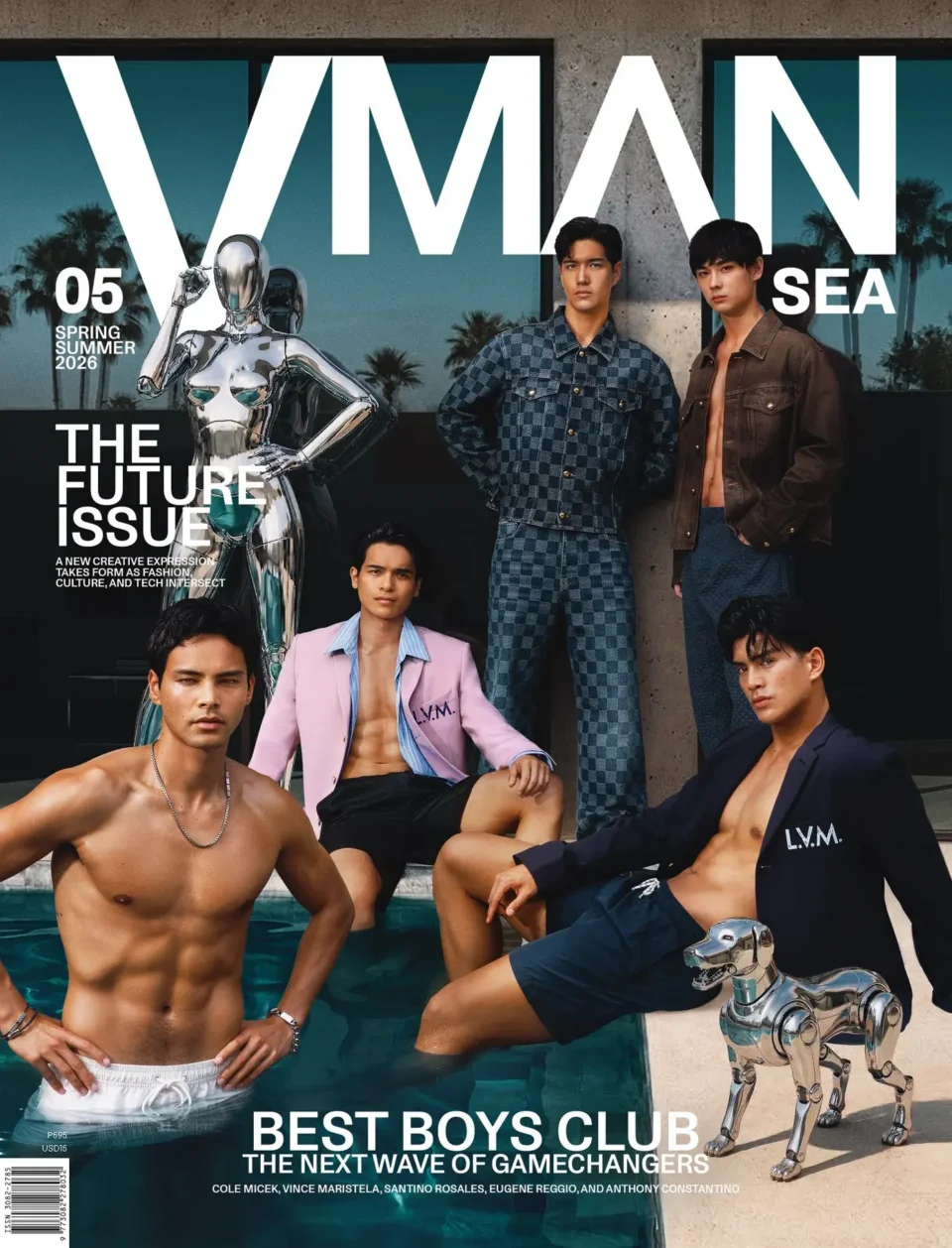
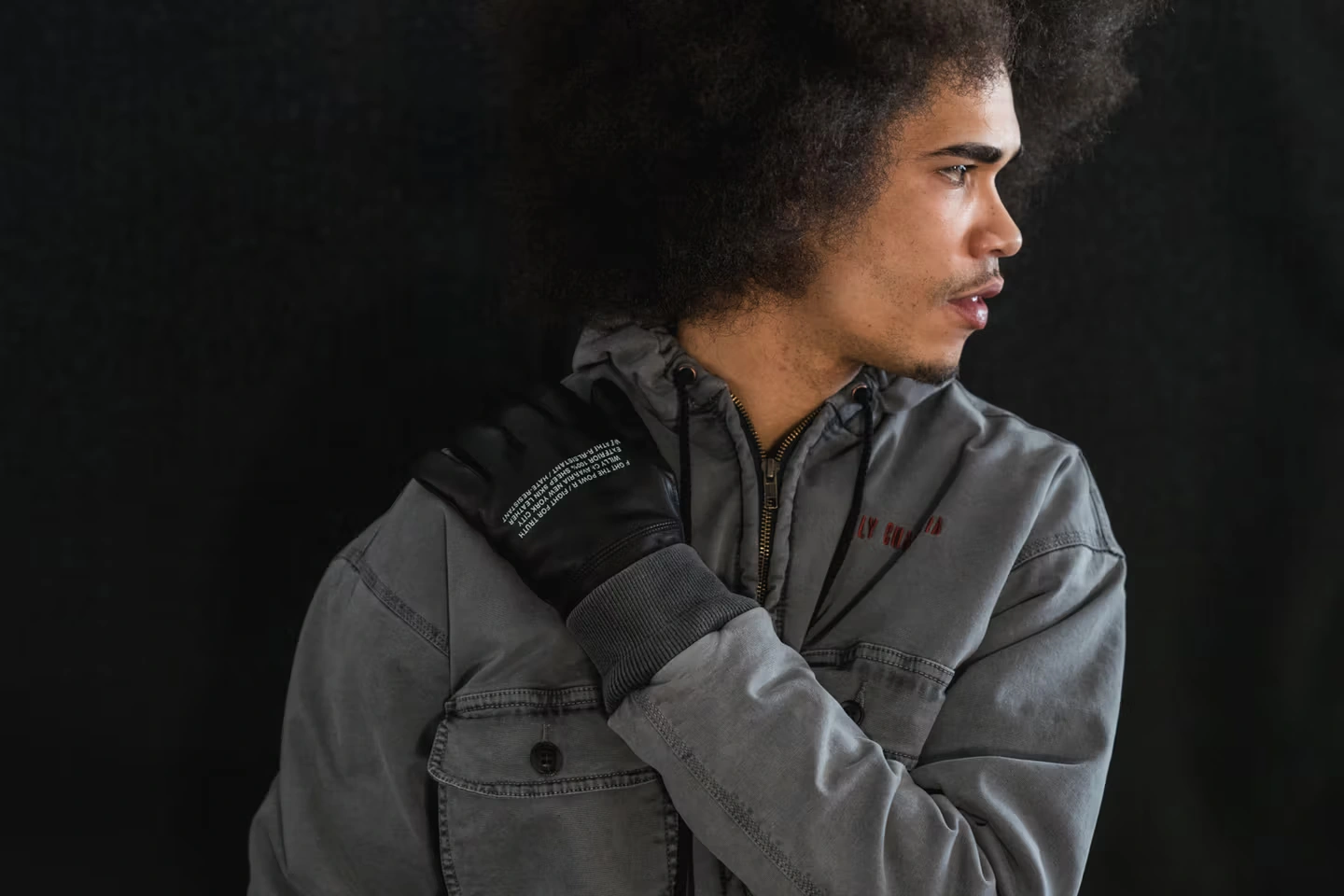
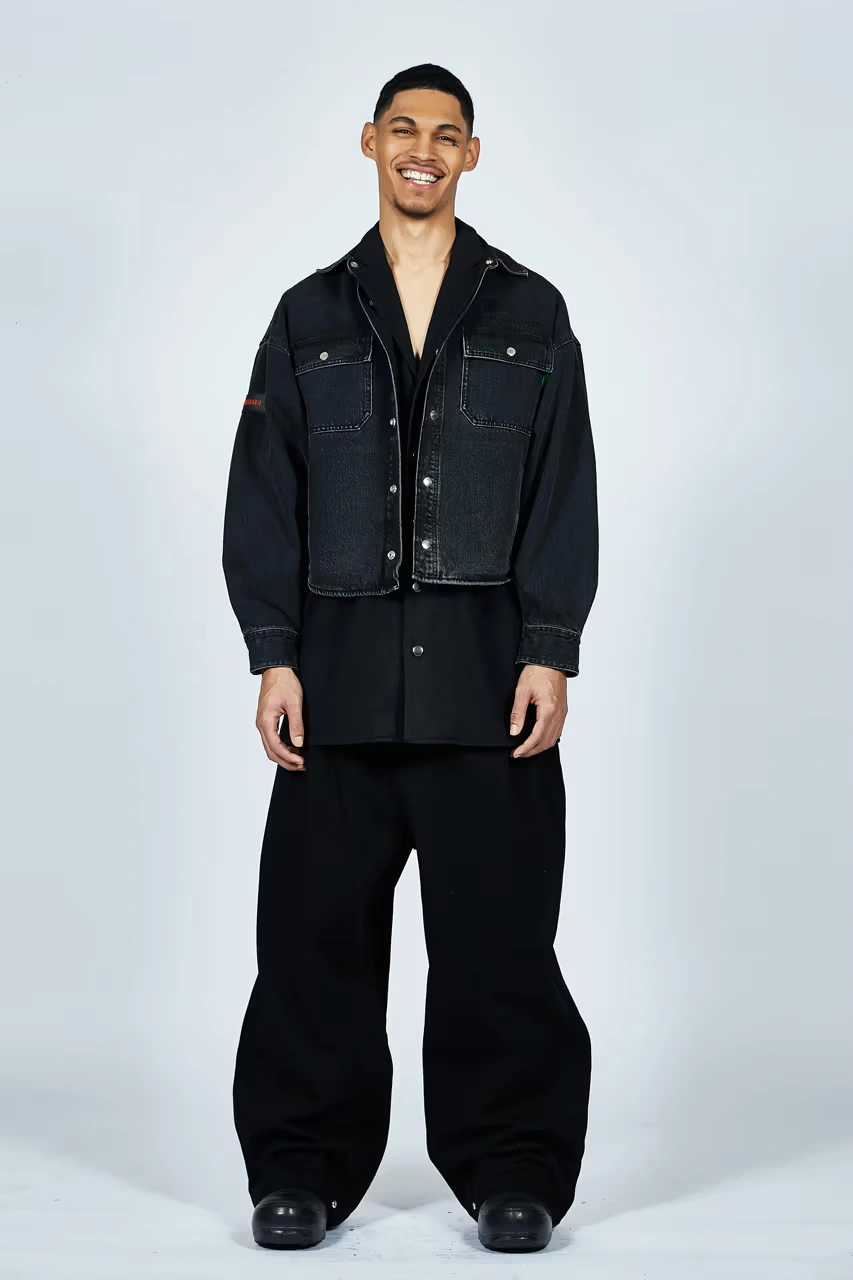
Perhaps the most unexpected collaboration came in 2020, when Willy announced a capsule collection with BENCH, the Philippines’ most recognizable fashionFashionThe art and industry of designing, producing, and styling clothing, footwear, accessories, and beauty trends. It reflects cultural influences, personal expression, and evolving styles across seasons and markets.Go to Fashion Glossary retailer. Known for its mass-market appeal, BENCH offered a new context for a designer whose work was increasingly viewed as avant-garde.
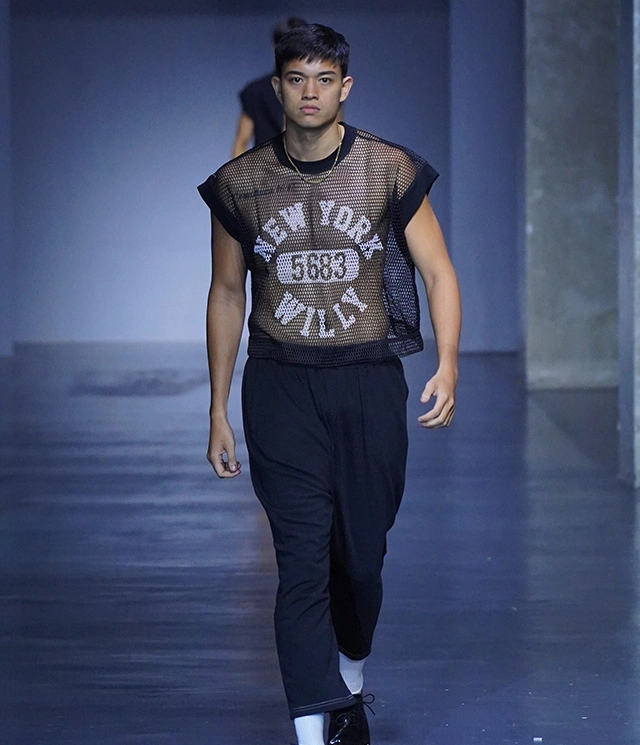
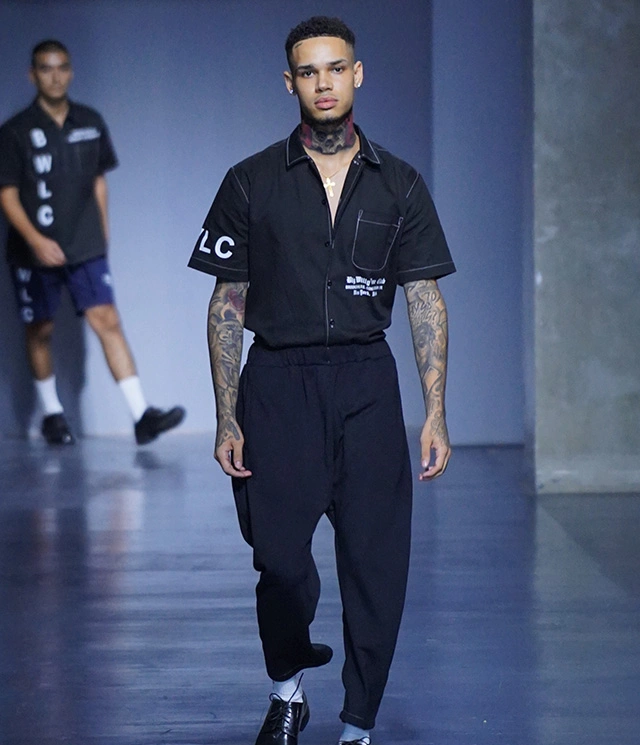
But the collaboration made sense in context. He had always been interested in accessibility, and his clothes spoke to communities that fashionFashionThe art and industry of designing, producing, and styling clothing, footwear, accessories, and beauty trends. It reflects cultural influences, personal expression, and evolving styles across seasons and markets.Go to Fashion Glossary often excluded. The Willy Chavarria x BENCH collection brought his aesthetic to Southeast Asia, interpreting his oversized tailoring through a tropical, youth-driven lens.
2022 — New York, reimagined
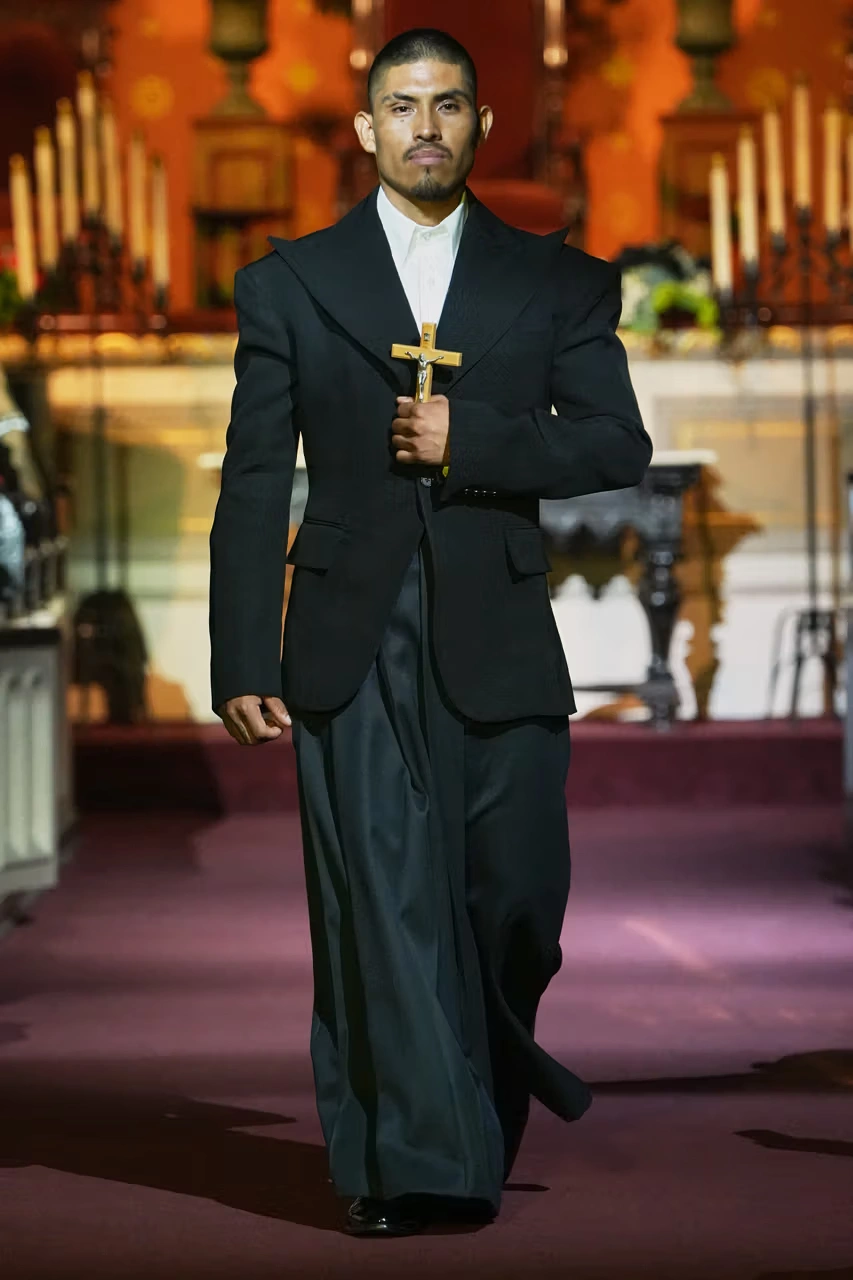
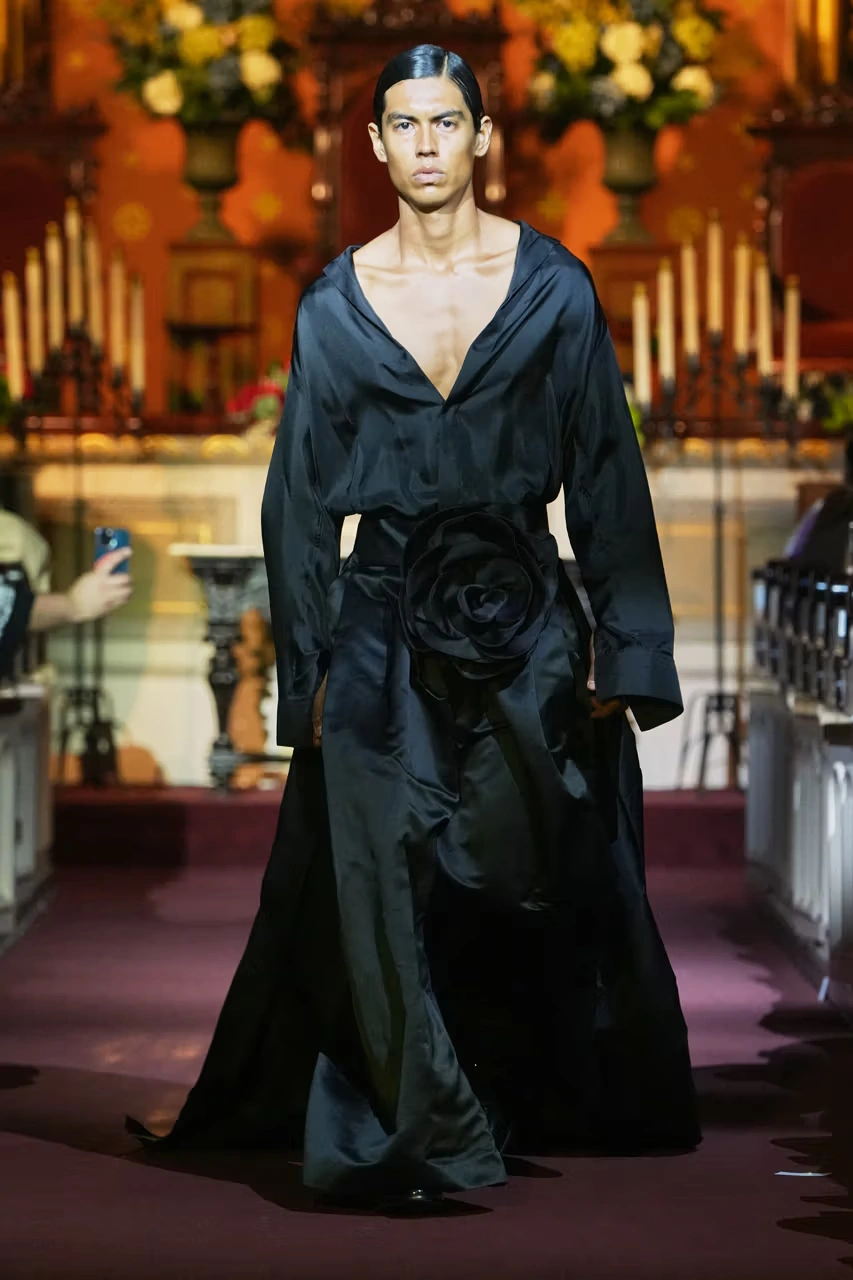
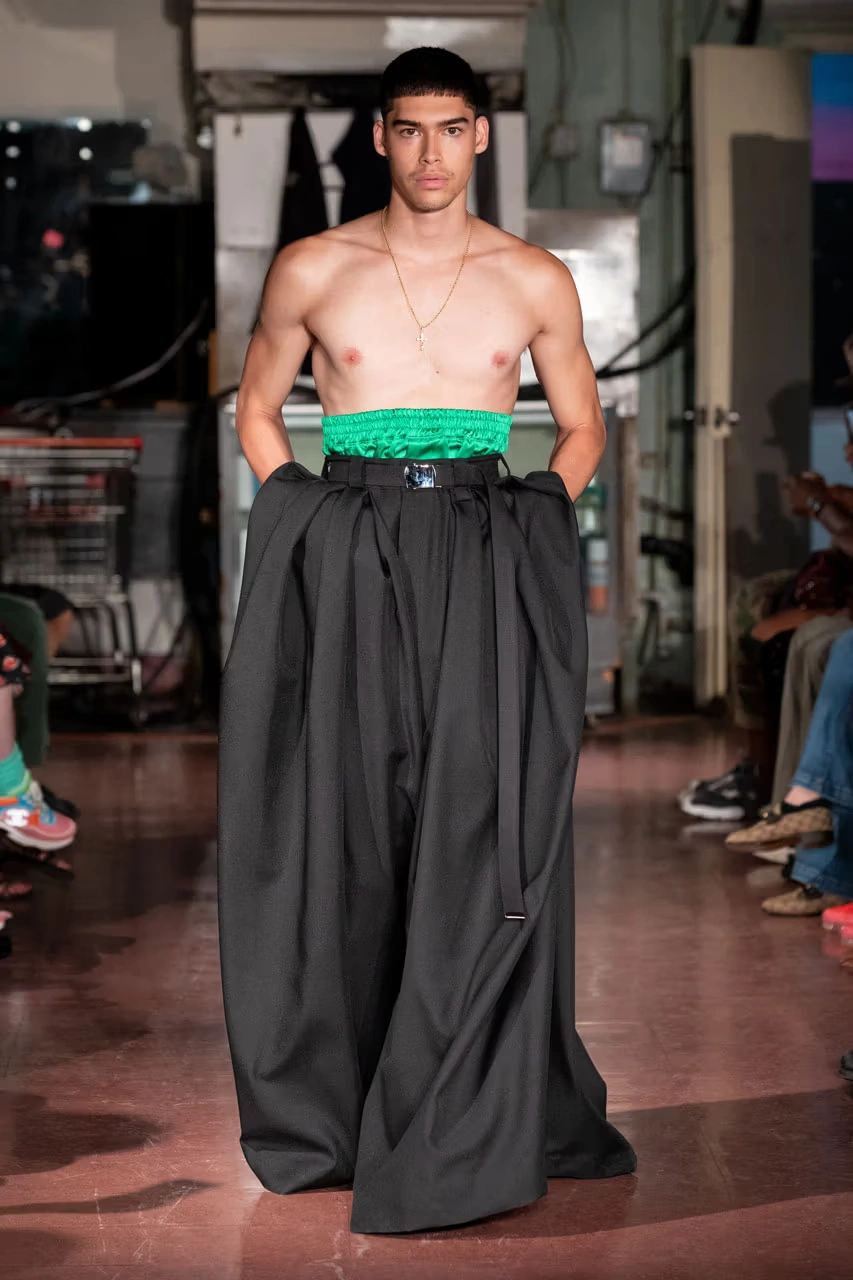
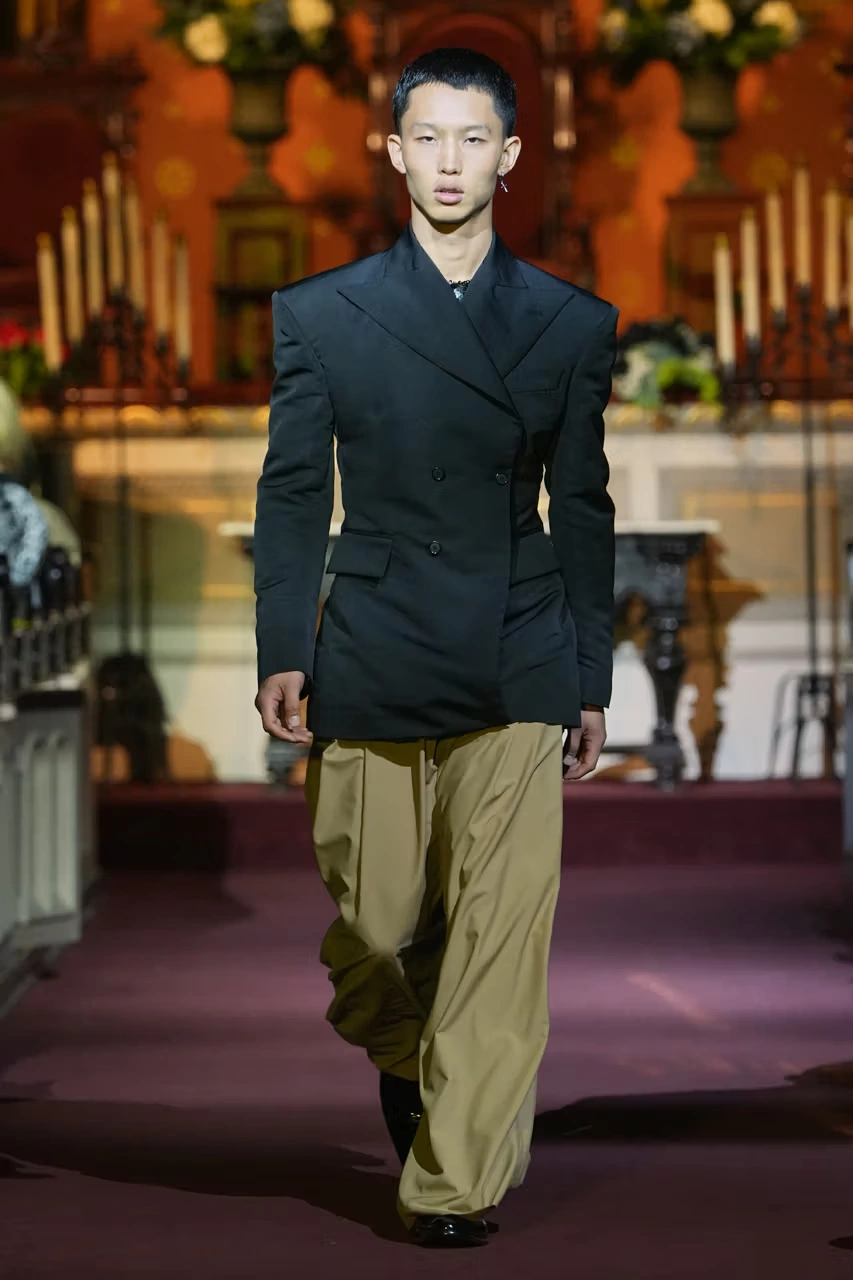
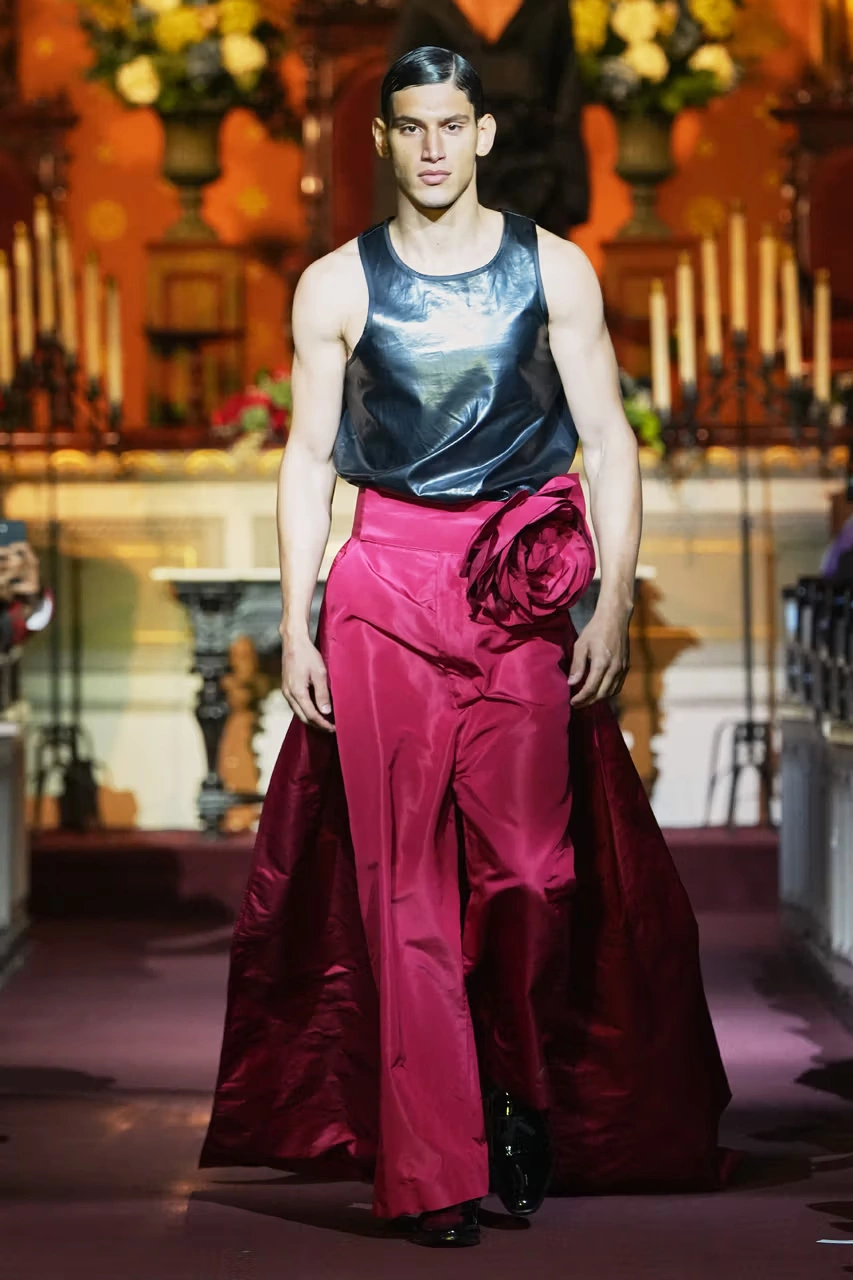
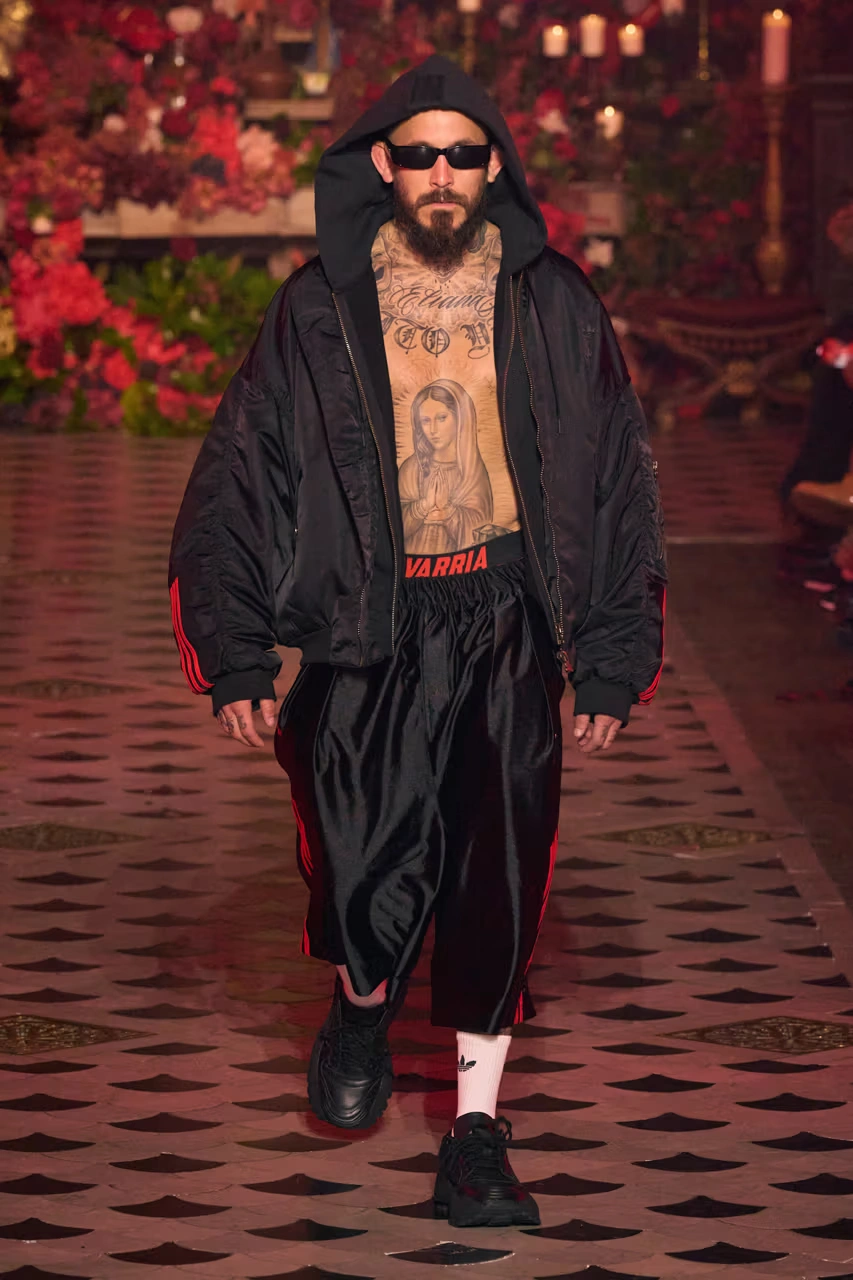
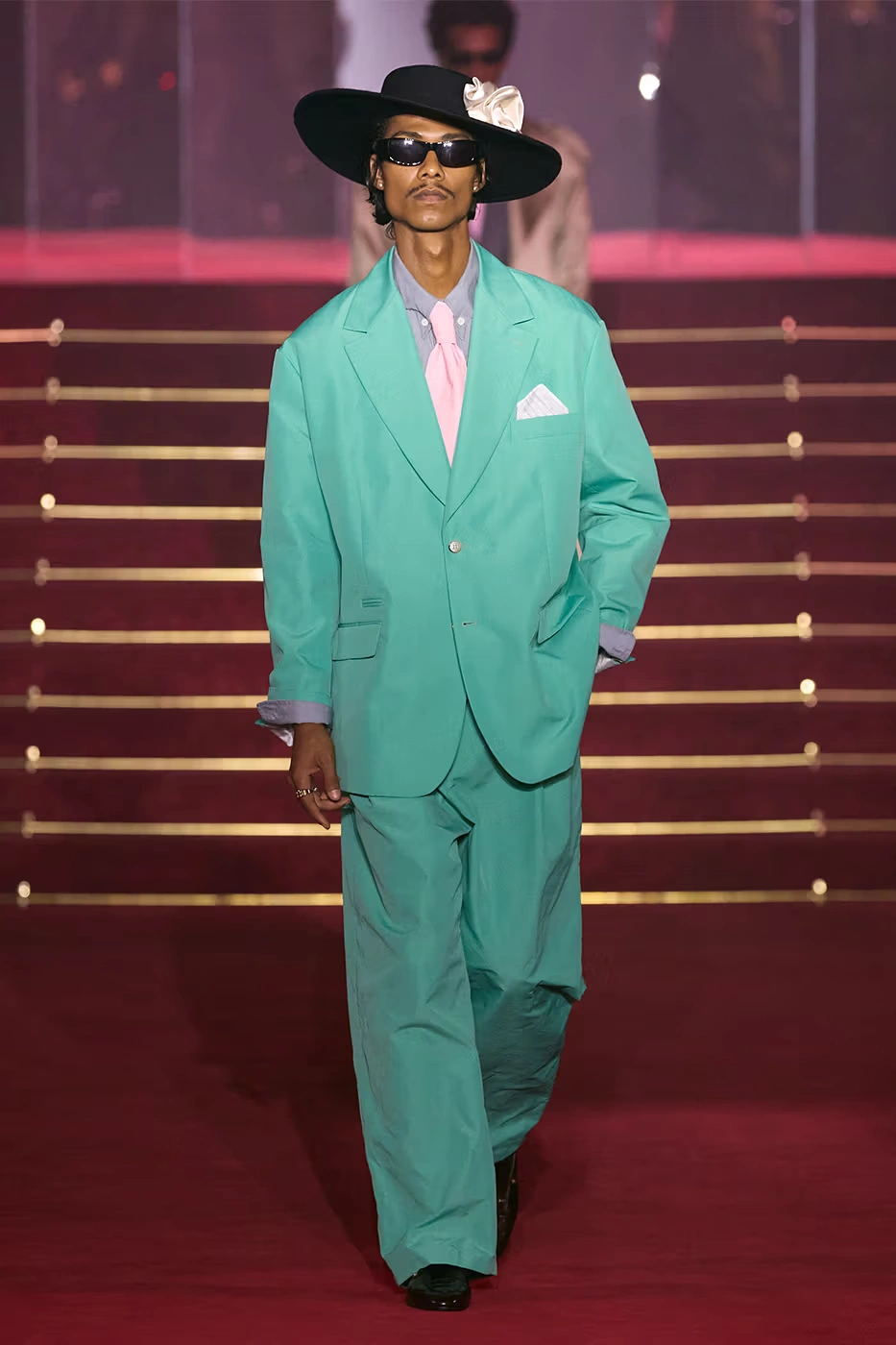
By 2022, Willy had emerged as one of the most provocative voices in New York menswear. For Spring/Summer 2023, he brought New York FashionFashionThe art and industry of designing, producing, and styling clothing, footwear, accessories, and beauty trends. It reflects cultural influences, personal expression, and evolving styles across seasons and markets.Go to Fashion Glossary Week to church by staging his show inside the Marble Collegiate Church. The sacred setting became a backdrop for grandeur, with double-breasted suits, extra-wide lapels, voluminous trousers, soft sportswear, and sculptural outerwear moving through the aisles.
The collection drew from both street and ceremony. Bell-shaped tops and robes with circular sleeves recalled pre-war Balenciaga and Dior womenswear, while crepe-back and duchess satins gave the pieces a sensual weight. Handcrafted satin bouquets appeared on short-sleeved shirts and wide-legged pants that trailed like vestments.
2023 — The CFDA crown
Willy’s industry recognition reached new heights in 2023 when he was awarded the CFDA American Menswear Designer of the Year. He would go on to win the same honor again in 2024, becoming one of the rare designers to claim the title two years in a row. By then, his shows had become seasonal rituals. He had dressed everyone from Lewis Hamilton to Bad Bunny, yet he remained fiercely independent.
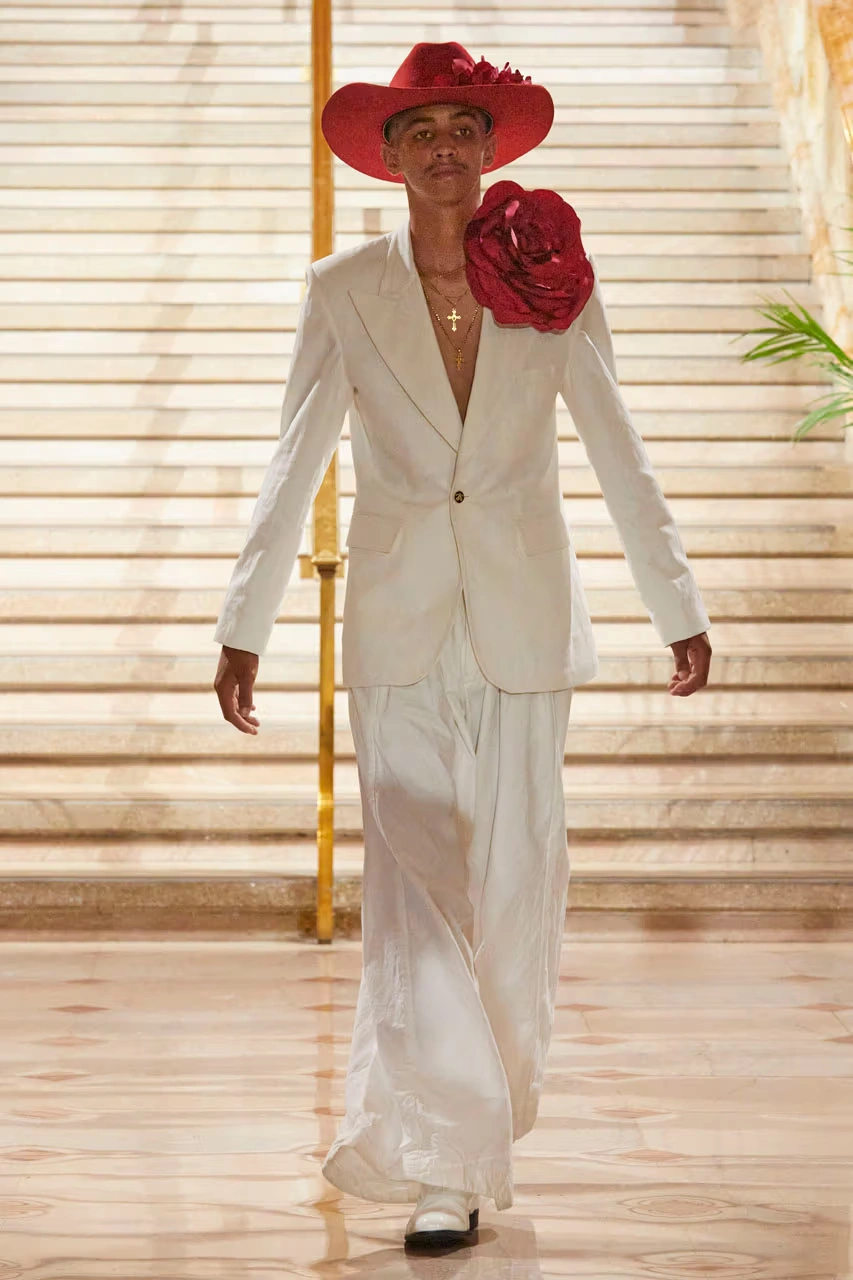
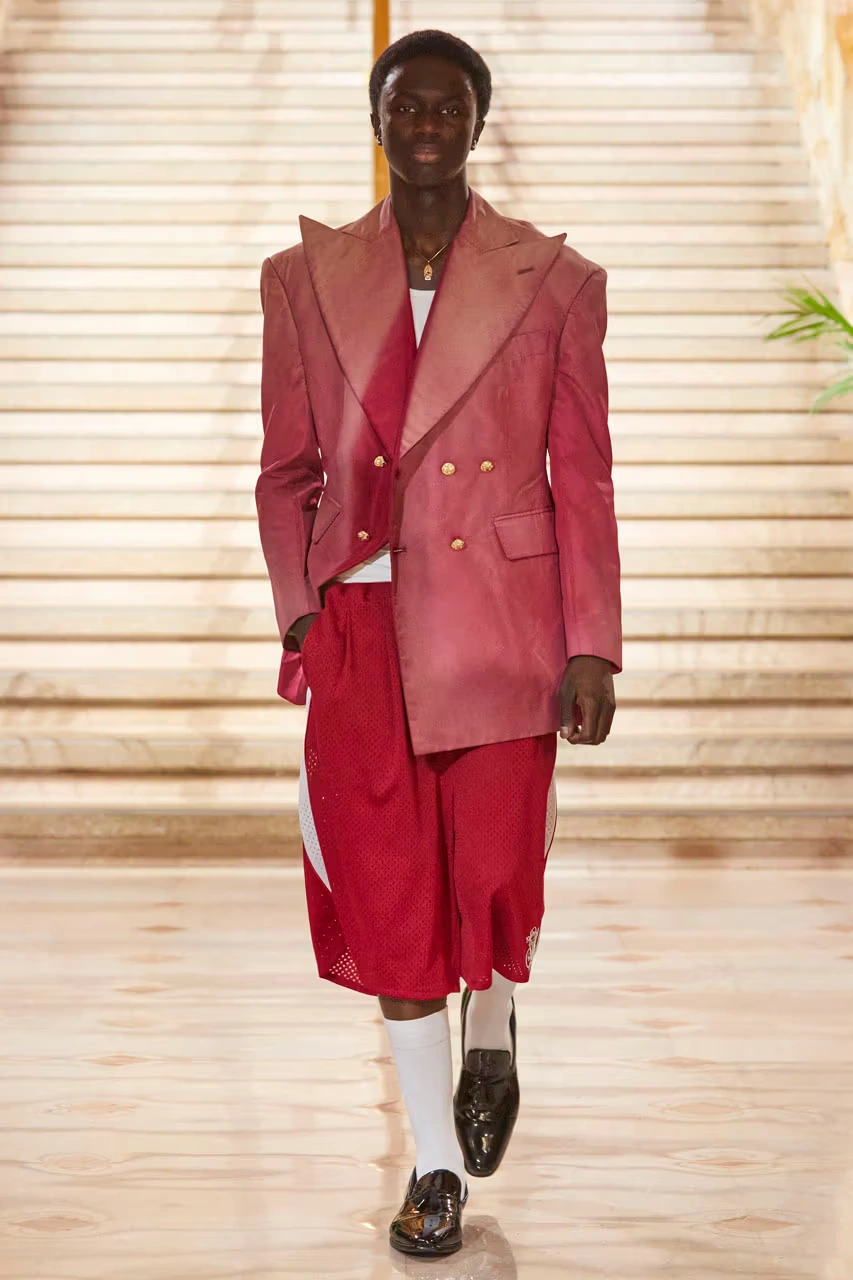
For that year’s Spring/Summer collection, Willy returned to New York with a show that transformed the Woolworth Building into a cathedral of contrasts. The collection was rich with romance and made full use of the venue’s grandeur. Gigantic roses perched atop models’ chests, while pops of sequins and silk were balanced by breezy linen and recycled fabrics. An all-white ensemble, anchored by an oversized bow, called to mind a wedding procession.
He also explored school uniform tropes with a sly sense of nostalgia. Knee-grazing shorts were paired with cross-emblazoned knits. Billowing trousers met athletic jackets, oxford shoes, and knee-high socks, evoking the hurried ritual of changing outfits after class. It was a study in high-low styling, but also in tenderness and play.
2025 — Fendi?
Now, with reports swirling of his imminent appointment at Fendi, Willy is poised to make his biggest impact yet. If confirmed, he will become one of the few American designers to lead a European heritage house and the first Chicano to hold that position.
Fendi, known for its Roman lineage, fur archives, and architectural tailoring, may seem an unlikely canvas for his emotionally driven designs. But insiders suggest that is exactly the point. In a post-streetwear luxury ecosystem, where brands are searching for emotional authenticity, Willy offers something rare: a designer with soul, range, and a political conscience.
If the appointment materializes, expect a shift from aristocratic glamor to spiritual gravity. It will be less about status and more about story. Fendi may soon become not just a house of fashionFashionThe art and industry of designing, producing, and styling clothing, footwear, accessories, and beauty trends. It reflects cultural influences, personal expression, and evolving styles across seasons and markets.Go to Fashion Glossary but a house of feeling.
Photos courtesy Willy Chavarria, V Magazine, Kristine Barreiro
Recommended Video